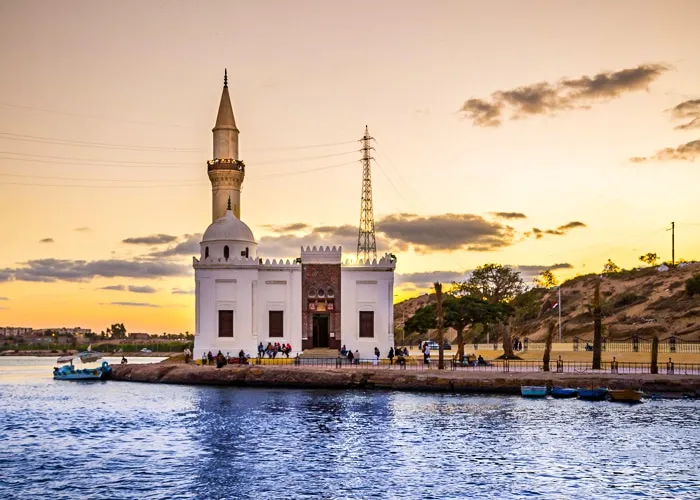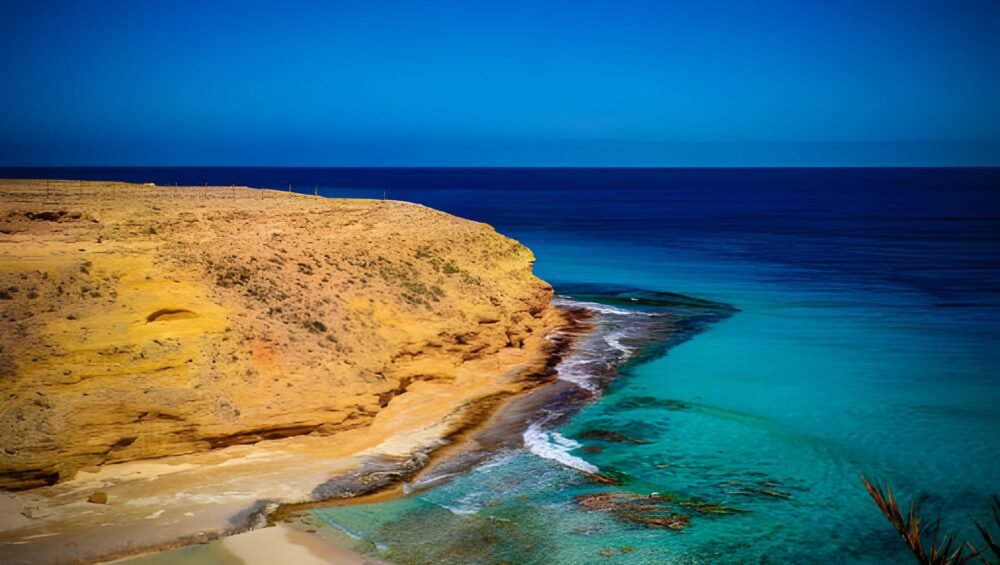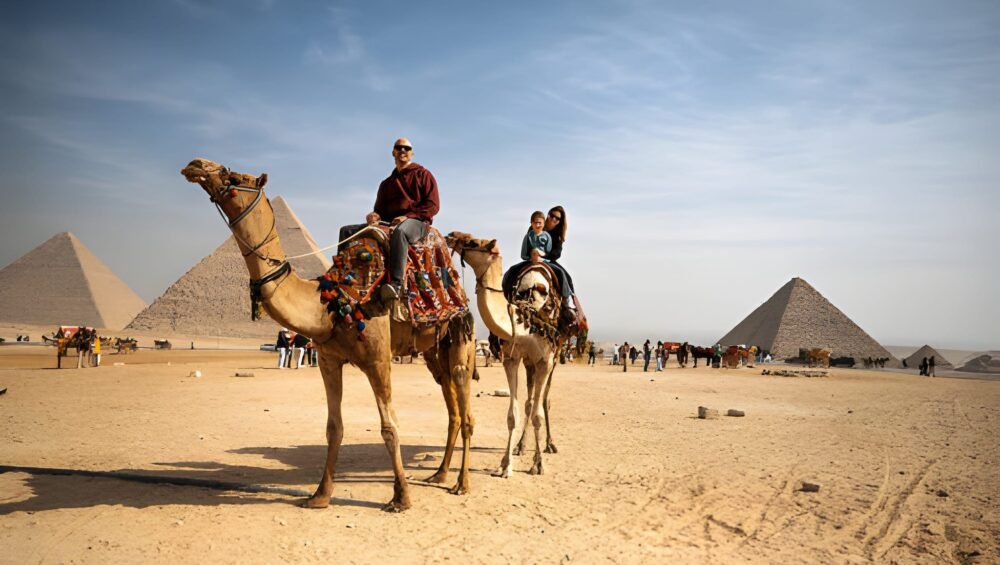
Temple Of Umm Ubayd

Temple of Umm Ubayd: A Hidden Gem of Siwa Oasis and the Legacy of Amun

Nestled in the heart of Egypt’s enchanted Siwa Oasis, the Temple of Umm Ubayd is a mesmerizing archaeological site that combines myth, mystery, and deep historical significance. Known also as the Temple of Amun, this sacred location tells the story of faith, divine kingship, and architectural brilliance that thrived far from Egypt’s central Nile Valley. Although time has not been kind to its physical structure, the symbolic power of the Temple of Umm Ubayd remains unmatched among Egypt’s remote temples. Built during the reign of Nectanebo II in the 30th Dynasty, this shrine once stood as a beacon of devotion to the god Amun, whose oracle held immense authority across the ancient world.

The temple’s location, just 180 meters east of the Oracle of Amun, connects its story intimately with Alexander the Great’s legendary journey to seek divine legitimacy as Amun’s son. Though now in ruins, broken columns, shattered reliefs, and ancient inscriptions whisper tales of bygone glory. For the modern explorer, visiting the Temple of Umm Ubayd isn’t just stepping into a ruin—it’s venturing into a living chapter of Egypt’s spiritual and cultural identity. Its weathered stones reveal a fascinating interplay between Egyptian religious traditions and the oases lifestyle that thrived around Siwa’s fertile springs and salt lakes. To walk its grounds is to witness where the past’s echoes still sing in the desert wind.

Travelers often combine their exploration of Umm Ubayd with other Siwan marvels such as the Shali Castle, Cleopatra Spring, and the surreal Siwa Salt Lakes. Together, these sites form an otherworldly journey deep into Egypt’s western desert—a trip that balances spirituality, adventure, and sheer wonder.

The Historical Significance of the Temple of Umm Ubayd

The story of the Temple of Umm Ubayd unfolds within the waning days of ancient Egyptian civilization. Constructed under Nectanebo II, Egypt’s last native pharaoh, it stands as a defiant symbol of national pride and divine loyalty. This period saw Egypt grappling with external threats and cultural transformations, yet the Siwans maintained their intense devotion to Amun. The temple itself served as a vital spiritual extension of the main Oracle of Amun complex.

Historians believe that Umm Ubayd once contained abundant relief carvings and hieroglyphic inscriptions illustrating Amun’s power and the pharaoh’s pious offerings. When Alexander the Great arrived at Siwa to consult the Oracle, the site likely still exuded an aura of divine prestige. He sought legitimacy as Amun’s son—a profound statement of divine kingship rooted in Egyptian belief. The temple hence became enshrined in the mythos surrounding his Oriental campaigns. Over the centuries, shifting sands, earthquakes, and treasure seekers left only fragments behind, but what remains is a magnetic link to the final golden age of Egyptian temple architecture.

Architectural Features and Layout of the Temple

The Temple of Umm Ubayd once showcased artistic grandeur typical of Late Period Egyptian temple design. Its architecture reflected the fusion between traditional religious symbolism and localized craftsmanship. Though only a single wall of stone blocks and scattered fragments survive today, their detailed carvings suggest that the temple housed sanctuaries dedicated to Amun and perhaps other deities associated with fertility and divine wisdom.

Archaeologists who studied the site in the 19th and 20th centuries recorded several key details. Reliefs depicted pharaohs performing offering rituals, surrounded by symbolic hieroglyphs praising Amun’s omnipotence. Some blocks bear traces of brilliant pigments, evidence that the sanctuary once burst with color. Surrounding the temple were smaller chapels and sacred pools potentially used for purification—consistent with Amun’s ritual practices found at other destinations like Philae Temple and Abu Simbel Temples. The temple’s alignment to key solar points emphasizes the Siwans’ deep awareness of celestial cycles and their symbolic role in Amun worship.

Religious and Cultural Role in Ancient Siwa Oasis

The temple played a fundamental role in cementing Siwa’s reputation as a spiritual hub. The Oracle of Amun was one of ancient Egypt’s most powerful divine institutions, known well beyond the country’s borders. Pilgrims and rulers alike traveled immense distances to seek prophecy from Amun’s priests. The construction of the Temple of Umm Ubayd near this oracle signified its function as a satellite structure supportive of divine consultations and ritual enactments.

Local priests likely conducted seasonal ceremonies emphasizing Amun’s connection with life, fertility, and kingship. Offerings of incense, oils, and symbolic foods kept the spiritual fires alight. Even today, Siwans hold ancient customs inherited from those days—folk rituals and festivals resonate faintly with these earlier beliefs. For cultural travelers, experiencing the oasis’s vitality and its ancient roots underscores Egypt’s timeless spiritual rhythm.

Modern Rediscovery and Preservation Challenges

The ruin of Umm Ubayd was rediscovered by explorers in the early 19th century, sparking immense interest among Egyptologists and desert adventurers. Early records describe massive stone fragments etched with fine reliefs, some of which were later removed to museums in Cairo and London. Yet, because of its isolated location, the site avoided some of the extensive damage suffered by temples closer to the Nile Valley. That said, neglect, natural erosion, and lack of conservation funding remain persistent threats.

Today, visitors who arrive through Siwa Oasis tours can still trace the temple’s layout and marvel at its surviving carvings. National heritage organizations and local tourism initiatives are taking slow but steady steps toward protecting what remains. Integrating Umm Ubayd into sustainable tourism plans helps balance cultural preservation with modern exploration. Tourists often combine these visits with eco-friendly activities organized by Egypt Day Tours or even longer itineraries like Luxury Egypt Tours.

How to Visit the Temple of Umm Ubayd in Siwa

Reaching the Temple of Umm Ubayd requires a sense of adventure and reverence for history. Siwa sits deep within Egypt’s Western Desert, roughly 750 kilometers west of Cairo near the Libyan border. Travelers often approach via the Bahariya or Marsa Matruh routes, using air-conditioned four-wheel drives. Scenic drives through shifting dunes and palm-dotted oases lead to the temple, located near Siwa Town’s eastern edge.

Ideal times to visit stretch from October to April when the desert climate is cooler. A guide knowledgeable in Siwan legends enriches the experience—sharing stories that connect Umm Ubayd with sites like Cleopatra Spring or the famous Great Sand Sea. Photographers relish dawn and dusk light, where the temple’s fading stones cast long amber shadows, making it an irresistible subject for culture and landscape photography lovers.

Spiritual Symbolism and the Legacy of Amun at Umm Ubayd

Amun, the “Hidden One,” represented creation, mystery, and omnipresent power. In Siwa, Amun’s worship reached celestial heights because of the oracle’s prophetic authority. The Temple of Umm Ubayd embodied Amun’s presence in tangible form—a cosmic axis between the divine and mortal realms. Ancient records show that kings sought Amun’s blessing before military campaigns or coronation ceremonies. That divine link made Amun a protector not just of Egypt but of universal order itself.

Inscriptions once decorating Umm Ubayd echoed prayers for longevity, fertility, and triumph. These rituals resonated with Siwan society’s agricultural rhythms; even today, their palm and olive harvests coincide with ancient seasonal cycles. The temple’s enduring symbolism weaves into the oasis culture—linking old mystical rites to modern echoes of peace and continuity.

Exploring Nearby Attractions and Cultural Experiences

Visitors to Umm Ubayd find themselves in a region bursting with other fascinating sites. The Siwa Salt Lakes shimmer turquoise against the beige desert, while the ruined Shali Fortress offers panoramic views across the palm groves. Those intrigued by ancient hydro-culture can explore natural springs reminiscent of the healing pools once linked to Amun’s worship. Winding trails lead travelers toward Dakrour Mountain, where locals hold traditional Siwan festivals celebrating unity and heritage.

For travelers craving deeper cultural immersion, combining a desert expedition with historical tours such as the 9 Days Egypt and Nubia Tour or a leisurely Luxury Nile Cruise gives a complete contrast between the lush Nile Valley and the serene expanse of Siwa. The temple thus acts as a gateway—not just into Egypt’s ancient religion, but into its enduring soul.

Why the Temple of Umm Ubayd Matters Today

Beyond archaeology, the Temple of Umm Ubayd serves as a vital reminder of Egypt’s cultural diversity. It embodies the resilience of an isolated community that kept the flame of devotion alive despite imperial shifts and geographical remoteness. For Egyptologists, it provides rare insights into late Pharaonic architecture far from the Nile. For travelers, it kindles awe for Egypt’s spiritual geography—the sacred thread that stitches together Luxor, Abydos, and Siwa into one continuous story.

In a world rushing toward modernity, this quiet ruin teaches reflection, patience, and humility before history. As sustainable tourism grows in the Western Desert, efforts are underway to restore visitor paths, prevent sand encroachment, and integrate the site into eco-tourism circuits promoted by organizations like Cindrella Egypt Travel.

FAQs About the Temple of Umm Ubayd

Where is the Temple of Umm Ubayd located?

The Temple of Umm Ubayd lies in the Siwa Oasis in Egypt’s Western Desert, roughly 180 meters east of the famed Oracle of Amun. It’s accessible via desert roads from Marsa Matruh or the Bahariya Oasis route, often as part of guided desert expeditions.

Who built the Temple of Umm Ubayd?

The temple was constructed during the reign of Pharaoh Nectanebo II of Egypt’s 30th Dynasty, around the 4th century BCE. He dedicated it to the god Amun, reinforcing Egypt’s devotion to traditional deities amid political upheaval before Persian domination.

What is the significance of the Temple of Umm Ubayd?

The Temple of Umm Ubayd symbolized the enduring worship of Amun and represented the connection between earthly kings and divine power. It complemented the Oracle of Amun nearby, serving as a ritual center for prophecy and offerings. Its remains testify to Egypt’s final native dynastic period.

Can tourists visit the Temple of Umm Ubayd?

Yes, travelers can visit the ruins today. Local guides in Siwa provide insightful tours combining the temple with neighboring attractions such as the Cleopatra Spring and Great Sand Sea. Touring during cooler months offers the most comfortable experience.

What should one expect when exploring the ruins?

While only fragments of the temple remain, visitors can still see wall carvings and temple blocks etched with hieroglyphs. The atmosphere is tranquil, imbued with spiritual
Oracle Of Amun

The Oracle of Amun: The Divine Voice of Ancient Egypt’s Hidden Oasis

Deep in the sands of Egypt’s western desert, nestled in the serene Siwa Oasis, lies one of the most enigmatic sites of the ancient world — the Oracle of Amun. Once considered the sacred mouthpiece of the gods, this mystical sanctuary drew pharaohs, priests, and conquerors, including the legendary Alexander the Great, who sought confirmation of his divine destiny. The Oracle of Amun wasn’t just a temple; it was a spiritual powerhouse where politics, faith, and destiny converged under the burning desert sun. This ancient oracle, dedicated to Amun-Ra — the supreme deity and creator god — stood as a bridge between mortals and the divine, offering guidance shrouded in mystery.

Travelers today still feel a certain energy in the air as they walk through the weathered ruins of the oracle. The surrounding palm groves, shimmering salt lakes, and hot springs create a dreamlike backdrop for one of Egypt’s most enduring legends. The site’s rich mythological tapestry makes it more than a historical ruin; it’s a testament to humanity’s ceaseless yearning for divine connection. As modern visitors retrace the steps of kings, the whispers of the Oracle of Amun seem to echo faintly across time, carrying tales of gods, fate, and revelation. Immerse yourself in this awe-inspiring history — a journey far beyond the ordinary temple visit — and discover how the Oracle of Amun shaped not just Egypt but the course of world history.

Origins of the Oracle of Amun: Where Divinity Met Desert Life

The Oracle of Amun, known in ancient Egyptian as the Temple of the God Amun at Siwa, rose to prominence during the Late Period of Egyptian history. This era saw a growing belief in oracular communication, where mortals could receive divine messages through ritual acts or chosen intermediaries. Archaeological records trace the temple’s foundation to around the 6th century BCE, when the cult of Amun expanded westward from Thebes, blending Egyptian and Libyan influences. The Deity Amun, whose name means “the Hidden One,” was already revered across the Nile Valley as the supreme god of wind and creation.

Establishing an oracle in the isolated Siwa Oasis wasn’t a coincidence. The location held deep spiritual significance, symbolizing purity, isolation, and connection with the divine realm. The temple’s remote setting made every pilgrimage a sacred act of devotion. Travelers often crossed treacherous desert paths, accompanied by caravans and priests, to seek prophecy or guidance from the god’s chosen mouthpiece. The high priest, serving as Amun’s interpreter, would enter trance-like states, delivering mystical pronouncements that shaped royal decisions and personal destinies alike. The site’s reputation spread rapidly, rivaling even the famous Temple of Philae and the great sanctuaries of Thebes.

The Oracle’s Architectural Grandeur and Spiritual Symbolism

The temple’s design was a masterwork of symbolic architecture. Built from local limestone and mudbrick, its walls bore sacred carvings referencing cosmic balance and divine order, concepts known in Egyptian philosophy as “Ma’at.” While today the ruins may appear modest, in antiquity the Oracle of Amun gleamed with painted reliefs, golden altars, and perfumed offerings. Its inner sanctum housed the statue of Amun, often represented as a ram-headed god signifying fertility and hidden power.

Pilgrims entered through a narrow stone corridor symbolizing the passage from earthly ignorance into divine enlightenment. Within the sanctuary, a chamber known as the Hall of the Oracle served as the focal point of prophecy. Here, priests chanted hymns as incense clouds swirled toward the ceiling, believed to carry prayers to Amun. The air would fill with rhythmic drumbeats, setting the stage for the god’s message to manifest. Visitors often described feeling an overwhelming presence as if Amun himself had descended into the space.

The Legendary Connection Between Alexander the Great and the Oracle

Perhaps the most celebrated episode in the oracle’s storied history is its encounter with Alexander the Great in 331 BCE. According to ancient historians, Alexander undertook a grueling journey across the desert to consult the Oracle of Amun after conquering Egypt. His goal wasn’t mere curiosity — he sought divine confirmation that he was the son of Amun, the god-king of Egypt. When he finally arrived, the oracle’s priest addressed him as “Son of Amun,” affirming his divine status and legitimizing his rule as Pharaoh of Egypt.

This event transformed the site into an international phenomenon. Pilgrims from across the Mediterranean — Greeks, Libyans, and Egyptians alike — journeyed to Siwa to witness the sacred oracle. The endorsement by the oracle positioned Alexander not only as a conqueror but as a god in human form. Even centuries later, stories of his visit remained ingrained in Egyptian lore, making the Oracle of Amun one of the most influential spiritual centers of the ancient world.

Religious Influence in Ancient Egypt and Beyond

The cult of Amun extended far beyond the Siwan temple. It connected directly to religious centers like Luxor Temple and the Ramesseum Temple, where Amun-Ra was venerated as the king of gods. Priests from Thebes often traveled to Siwa to exchange rituals and sacred texts, ensuring the oracle maintained close ties with Egypt’s national religious structure. The institution’s influence also reached Libya and the Greek colonies of Cyrenaica, inspiring countless legends about divine oracles hidden in the desert’s heart.

Some scholars believe that the Siwan oracle inspired aspects of the famous Greek Oracle of Delphi, suggesting a shared ancient understanding of sacred prophecy. In both places, spirits of the gods would “speak” through chosen mediums amid natural phenomena — at Siwa through wind and heat, and at Delphi through vapors and sound. The cross-cultural reverence underscores the Oracle of Amun’s role as a universal symbol of knowledge, destiny, and power.

The Decline and Rediscovery of the Oracle of Amun

As Egypt’s dynastic power waned and new religions emerged, the once-revered Oracle of Amun faded into obscurity. By the Roman period, its ceremonies had dwindled, and desert sands began reclaiming its once-sacred structures. Yet legends persisted, carried by Bedouin tribes and travelers who spoke of a temple guarded by spirits and protected by divine will. It wasn’t until modern archaeological expeditions reached the Siwa Oasis that the ruins were rediscovered, renewing global fascination with Egypt’s sacred heritage.

Today, visitors exploring the site, often as part of guided Egypt Day Tours or specialized Luxury Egypt Tours, experience history’s pulse firsthand. Standing atop the hill overlooking Siwa, where the temple once commanded the desert, one can imagine ancient pilgrims, the whispers of priests, and the divine silence that followed each pronouncement. The Oracle of Amun remains a timeless reminder of ancient Egypt’s spiritual grandeur — a place where the veil between humanity and divinity was believed to part.

Symbolism and Mysticism of the Oracle of Amun

Every corner of the Oracle of Amun was steeped in mystical symbolism. To the ancient Egyptians, the desert represented both death and rebirth — an eternal cycle mirrored in the myths of their gods. The oasis was life’s triumph over desolation, and the oracle’s presence there represented divine wisdom born from hardship. Amun’s hidden nature paralleled the mystery of faith itself: unseen yet omnipresent, silent yet all-hearing. These beliefs shaped rituals that blended meditation, trance, and sacred utterance, creating an immersive spiritual experience unmatched in its day.

Modern visitors seeking a glimpse into this spiritual world often start their journey from Aswan City or Luxor City, tracing routes that were once pilgrimage paths. Many echo the journeys of pharaohs and travelers who ventured west to hear the god’s voice emanating through sacred passages. The interplay between sand, sunlight, and stone lends the site a mystical atmosphere that lingers well after sunset. The Oracle of Amun continues to captivate those who seek meaning beyond tangible reality — a spiritual link stretching across millennia.

The Oracle in Modern Travel and Cultural Memory

Today, the Oracle of Amun stands as a centerpiece of Siwa’s cultural identity, attracting historians, mystics, and adventurers alike. Guided excursions often combine visits to nearby landmarks such as the Shali Castle, Cleopatra Spring, and Dakrour Mountain. These highlights reveal the oasis’s layered history and its blending of Egyptian and Berber cultures. Those embarking on luxury journeys often opt for curated itineraries like the 10-Day Egypt Luxury Trip with Dahabiya Nile Cruise or the 11 Days Luxury Egypt Tour Package, which pair spiritual exploration with cultural immersion.

Local guides often recount Siwa’s legends passed through generations, describing how villagers still regard the oracle hill as sacred. Evening tours offer breathtaking sunsets from the temple ruins, where travelers can gaze across palm-covered dunes and crystalline salt lakes — the same horizon ancient seekers once faced while awaiting words from the god Amun. The oracle may no longer whisper prophecies, but its silence speaks volumes about faith’s enduring power.

Frequently Asked Questions about the Oracle of Amun

Where is the Oracle of Amun located?

The Oracle of Amun rests within the Siwa Oasis, roughly 50 kilometers east of the Libyan border and about 560 kilometers from Cairo. This remote desert settlement is surrounded by palm groves, salt lakes, and majestic dunes, making it a stunning yet secluded destination for travelers seeking authentic ancient Egyptian experiences.

Who built the Oracle of Amun?

The oracle was established by local Egyptian rulers during the Late Period, though it later received patronage from the pharaohs and became part of Amun’s wider religious network. Over time, its architecture and rituals incorporated Libyan and Hellenistic influences, reflecting Siwa’s role as a crossroads of civilizations.

Why did Alexander the Great visit the Oracle of Amun?

Alexander visited the oracle in 331 BCE to affirm his divine lineage and legitimacy as Pharaoh. According to historical accounts, the priest declared him the ‘Son of Amun,’ cementing his rule over Egypt and his perceived status as a demigod. This event became a pivotal moment in uniting Greek and Egyptian religious ideologies.

What can travelers see at the Oracle of Amun today?

Visitors to the site can explore the partially restored ruins, climb the ancient hilltop, and enjoy panoramic views of Siwa’s desert landscape. It’s often included in custom Egypt vacation packages and desert eco-tours that highlight both the oracle and surrounding cultural attractions.

Is visiting the Oracle of Amun worth it?

Absolutely. The Oracle of Amun is more than just a ruin; it’s a living symbol of Egypt’s spiritual heritage. Coupled with Siwa’s tranquil charm and natural beauty, it offers travelers an unforgettable experience that feels both mystical and deeply human. Embarking on this journey allows visitors to step into the footsteps of kings and hear, if only faintly, the whispers of Amun that once shaped history itself.

Siwa Oasis

Siwa Oasis – Egypt’s Hidden Gem in the Heart of the Western Desert

Deep within Egypt’s Western Desert lies the Siwa Oasis, a mystical island of life surrounded by endless seas of golden sand. About 750 kilometers west of Cairo and near the Libyan border, this remote haven remains one of Egypt’s best-preserved cultural and natural wonders. Famous for its lush palm groves, turquoise salt lakes, and ancient mudbrick architecture, Siwa Oasis enchants travelers seeking authenticity, tranquility, and an escape from modern chaos. The moment you arrive, time seems to slow. The scent of date palms fills the air, and the sound of palm fronds gently swaying harmonizes with whispering winds that carry millennia of history.

Unlike the bustling cities of Egypt, Siwa exudes serenity and isolation, allowing visitors to experience a rare blend of Berber traditions, untouched landscapes, and ancient Egyptian ruins. It’s both a living museum of culture and a sanctuary of natural beauty. The oasis is home to the Siwi people, whose language and customs have survived centuries of change. Every inch of this desert jewel tells a story—from the ruins of the Oracle of Amun, where Alexander the Great was proclaimed divine, to the therapeutic salt lakes known for their incredible healing powers. Exploring Siwa is like stepping into another era, one where myth, magic, and nature coexist harmoniously.

Discovering the Location and Geography of Siwa Oasis

Set in a natural depression about 18 meters below sea level, Siwa Oasis forms part of the majestic chain of Western Desert oases. Its landscape is a breathtaking contrast between desert dunes and fertile lands dotted with more than 300 natural springs. Traveling from Marsa Matruh City, travelers cross vast desert highways that shift into scenic valleys and shimmering mirages until they reach the green heart of Siwa. The oasis stretches approximately 80 kilometers in length and 20 in width, offering countless hidden gems to explore.

The geography of Siwa lends itself to remarkable biodiversity. The date palms, olive trees, and fig plantations thrive in the fertile basin, while lakes such as Birket Siwa and Birket al-Mara add dramatic beauty to the desert setting. Beyond the oasis, golden dunes of the Great Sand Sea rise like natural fortresses, challenging adventurers and photographers alike. These landscapes inspire awe and ignite curiosity, making Siwa one of the most photogenic and ecologically diverse destinations in Egypt.

The Historical Significance of Siwa Oasis

Siwa’s importance dates back to ancient Egypt, when it served as a spiritual and trade hub connecting Egypt with Libya and North Africa. The oasis gained legendary fame thanks to the Oracle of Amun Temple, where Alexander the Great sought confirmation of his divine lineage in 331 BCE. This pivotal event turned Siwa into a revered pilgrimage site for rulers and travelers seeking knowledge and prophecy. Over the centuries, Siwa retained its mystical aura, its people guarding traditions rooted in both pharaonic and Berber influences.

During the Roman era, Siwa prospered as a trade route oasis, exporting olives and salt across the Sahara. The ancient ruins of Qasr al-Zayt and the Temple of Umm Ubayd still whisper tales of a once-great civilization. Visitors can stroll among these remnants and imagine caravans arriving after weeks in the desert, guided by stars and the lure of Siwa’s legendary hospitality.

Culture and Traditions of the Siwi People

What makes Siwa truly captivating isn’t merely its landscape but its people. The Siwi community maintains a unique identity shaped by centuries of isolation. Their native Siwi language, derived from ancient Berber, remains alive alongside Arabic. Locals practice age-old customs from traditional salt-based architecture to distinctive wedding ceremonies filled with music, dancing, and colorful garments. Their sustainable lifestyle revolves around agriculture, artisan handicrafts, and communal bonds that form the backbone of Siwan society.

Craftsmanship thrives here. Siwan women are renowned for hand-embroidered garments and silver jewelry, while men harvest olives and dates that are prized across Egypt. Visiting Siwa allows travelers to witness a way of life untouched by modern homogenization. In local markets, you’ll find organic cosmetics made from olive oil, natural salt lamps, and handmade pottery that echo ancient aesthetics.

Top Attractions and Landmarks in Siwa Oasis

Siwa’s attractions are as diverse as its history, offering a feast of experiences for every traveler. The ancient fortress of Shali Castle stands at the oasis’s heart, built entirely from kershef—salt, mud, and clay. Exploring this labyrinthine citadel provides panoramic views of the surrounding palm groves and salt lakes. For history enthusiasts, the ruins of the Oracle of Amun and the Temple of Umm Ubayd remain must-see wonders.

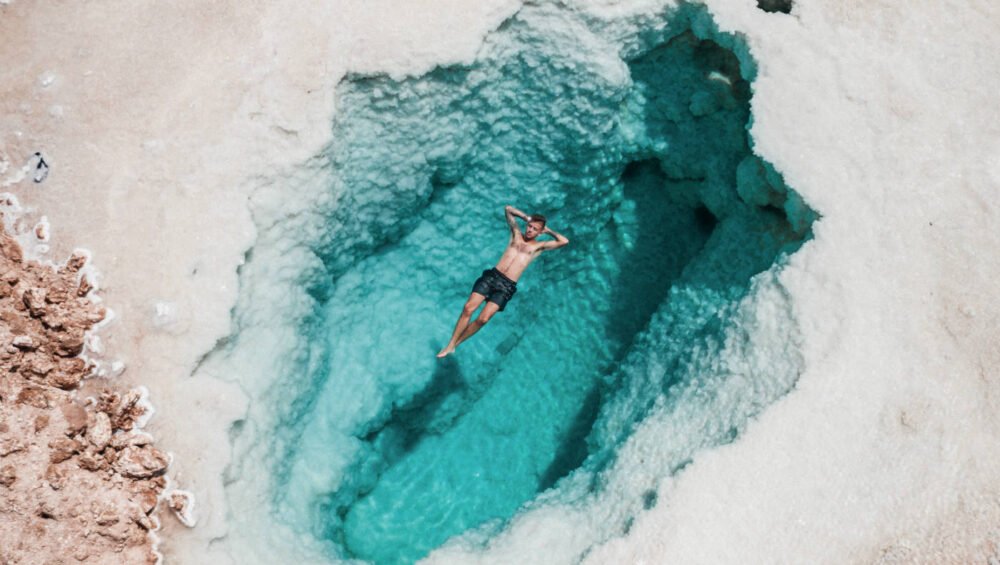
Nature lovers can take a dip in the legendary Cleopatra Spring, a crystal-clear pool said to have enchanted the ancient queen herself. The salt lakes of Siwa are equally mesmerizing—floating on them feels magical due to their high mineral content, comparable to the Dead Sea. To the east, the tranquil Dakrour Mountain is famous for its therapeutic hot sands that cure rheumatism and joint pain. At sunset, Dakrour offers a breathtaking view as the desert glows in shades of gold and crimson.

Adventure Tourism and Desert Exploration in Siwa Oasis

For adventurers, Siwa Oasis is an open-air playground. The nearby dunes of the Desert Safari Trip by Quad Bike invite thrill-seekers for adrenaline-fueled rides over endless sandscapes. Local guides lead expeditions deep into the Great Sand Sea, where visitors can sandboard down massive dunes, camp under starlit skies, and feast on traditional Siwan meals around the fire. For history buffs, desert safaris often include visits to ancient fossil beds and hidden springs that dot the landscape, revealing the oasis’s geological secrets.

Eco-travelers find Siwa irresistible thanks to its off-grid lodges built entirely from natural materials. Many lodges operate on solar power and emphasize sustainability, blending comfort with eco-awareness. Siwa’s remote charm and peaceful isolation attract travelers yearning for digital detox—a moment to reconnect with nature and the soul.

Healing and Wellness Experiences at Siwa Oasis

Beyond its scenic allure, Siwa offers an otherworldly realm of rejuvenation. The hot and cold springs scattered around the oasis have long been known for their healing properties. Locals recommend the mud baths near Dakrour Mountain and salt treatments in the shimmering lakes. The saline concentration in these lakes relieves skin ailments, eases muscle tension, and promotes deep relaxation. Many travelers visit specifically to unwind in these naturally therapeutic waters amid the stillness of the desert.

Holistic retreats and yoga camps have also flourished, offering visitors a chance to meditate, practice mindfulness, and heal both body and spirit. Surrounded by whispers of ancient wisdom, these wellness experiences perfectly capture Siwa’s spiritual essence—a retreat for the soul within Egypt’s timeless sands.

Best Time to Visit Siwa Oasis

The ideal time to visit Siwa Oasis is between October and April, when desert temperatures are comfortably warm by day and cool by night. The summer months, from June to August, can see scorching heat, making travel more challenging. Yet even in the hottest periods, Siwa’s lakes and shaded orchards provide respite from the sun. During winter, the climate becomes even more magical—watching the sunset over salt lakes as mist forms over palm fields is an experience to cherish forever.

Accommodation and Hospitality

Despite its remote setting, Siwa offers a range of accommodations from rustic ecolodges to traditional resorts. Many of these establishments reflect authentic Siwan design—rooms built with kershef and furnished with handmade crafts. Travelers can enjoy candlelit dinners under a canopy of stars or sip mint tea surrounded by olive groves. Local hosts are renowned for their warmth, treating visitors like lifelong friends.

Those seeking indulgence can connect the oasis visit with luxurious experiences along the Nile, such as the 10-Day Egypt Luxury Trip with Dahabiya Nile Cruise or Luxury Egypt Tours. Combining Siwa’s serenity with a Nile cruise offers an exquisite balance between relaxation and discovery.

How to Reach Siwa Oasis

Though remote, reaching Siwa is an adventure worth every kilometer. Most travelers start from Marsa Matruh, a city accessible by bus or domestic flight from Cairo. From there, a five-hour desert drive leads you across hypnotic sandscapes and mirage-filled plains to the gates of Siwa. Private 4×4 transfers or guided excursions through desert tracks ensure both comfort and safety for visitors. Road conditions have improved in recent years, but travelers are advised to carry essentials and travel during daytime hours for the best experience.

Why Siwa Oasis Should Be on Every Traveler’s Bucket List

Siwa Oasis embodies everything enchanting about Egypt beyond the pyramids—hidden spirituality, sustainable living, and raw natural beauty. It’s a place where ancient legends breathe through desert winds and where each sunrise paints new shades of serenity. Visitors leave transformed, carrying pieces of Siwa’s tranquility long after departing. Whether you seek healing, history, or adventure, Siwa delivers an authentic, immersive journey through time and elemental wonder.

Frequently Asked Questions About Siwa Oasis

1. Where exactly is Siwa Oasis located?

Siwa Oasis lies in Egypt’s Western Desert, close to the Libyan border and around 750 kilometers southwest of Cairo. It’s nestled within a depression below sea level, surrounded by sand dunes and desert plateaus.

2. What are the top attractions to visit in Siwa Oasis?

The must-see sites include the Oracle of Amun, Shali Fortress, Cleopatra Spring, Dakrour Mountain, and the Siwa Salt Lakes. Each site embodies the oasis’s blend of history, wellness, and beauty.

3. How can travelers reach Siwa Oasis from Cairo?

You can reach Siwa by taking a bus, private car, or guided tour via Marsa Matruh. There’s also the option of arranging transport through specialized Egypt Vacation Packages that include Siwa as part of a broader desert adventure.

4. What are popular activities in Siwa Oasis?

Travelers can swim in hot springs, float in salt lakes, go on desert safaris, sandboard in the Great Sand Sea, or enjoy cultural evenings with traditional Siwan music and cuisine. It’s a dream destination for nature lovers and photographers.

5. When is the best time to visit Siwa Oasis?

The most pleasant

Oases & Remote Sites

Oases & Remote Sites: Hidden Wonders of Egypt’s Desert Heart

Far beyond Egypt’s bustling cities and iconic landmarks lies a world rarely touched by time—a world of oases and remote sites where the desert whispers stories of resilience, history, and serenity. These hidden gems are far removed from the mainstream tourist trail, offering adventurers an authentic glimpse into Egypt’s wild, unfiltered beauty. An oasis in Egypt isn’t just a patch of green amid endless sand; it’s a timeless retreat that has sustained life, culture, and connection for millennia. These remote sanctuaries bring together nature’s abundance, ancient legacies, and unique communities that continue to thrive against the odds.

From the mystical Siwa Oasis in the Western Desert to the lesser-known Dakhla Oasis and Kharga Oasis, Egypt’s oases represent quiet luxury and untouched nature at its finest. Their salt lakes, natural springs, and ancient temples invite visitors to disconnect from the digital world and rediscover peace. Remote sites like the White Desert or the Black Desert weave a story of harmony between geological wonders and the fiery soul of the Sahara. Every grain of sand here tells tales of ancient caravans and Bedouin wanderers who mastered the art of survival in this awe-inspiring wilderness.

Traveling across these landscapes means embarking on a journey that transcends modern tourism—it’s about feeling the pulse of nature and uncovering the soul of Egypt that beats beneath the dunes. In this detailed exploration, we’ll dive into the allure, ecology, and cultural significance of Egypt’s oases and remote sites—an invitation to adventure seekers, history lovers, and soul searchers alike.

Egypt’s Oases: Life Amid the Sands

The word “oasis” brings visions of palm-lined springs and lush vegetation, and Egypt’s desert does not disappoint. These thriving havens of green punctuate the Sahara’s golden waves, each carrying a history of ancient civilizations and enduring life. Among the most enchanting are the Bahariya Oasis, famous for its golden mummies and backdrop of sand dunes, and the remote Farafra Oasis, a serene village known for its white chalk formations and Nubian-style mud-brick homes.

Each oasis tells a unique chapter of Egypt’s desert story. In Bahariya, date palms and olive trees flourish beside bubbling springs, creating a microcosm of prosperity in the arid expanse. In Dakhla, a thousand-year-old culture thrives around ancient settlements like Mut and Qasr. The Kharga Oasis, Egypt’s largest, unfolds as a corridor of history dotted with temples and necropolises from the Pharaonic to Roman eras. The tranquil Siwa, meanwhile, reveals an entirely different world—a community rich in Berber traditions, unique architecture, and famed wellness springs believed to have healed Alexander the Great himself.

Siwa Oasis: Egypt’s Most Enigmatic Retreat

Nestled near the Libyan border, Siwa Oasis stands apart for its isolation, charm, and mysticism. Famous for the ancient Oracle of Amun, where Alexander the Great was proclaimed divine, Siwa combines natural wonder with profound heritage. The mud-brick fortress of Shali Castle dominates the town with its centuries-old resilience, while the turquoise salt lakes shimmer under the desert sun like scattered gemstones.

Siwa’s hot springs, such as Cleopatra’s Bath, are an oasis of tranquility where travelers can bathe in crystal-clear mineral waters amid palm groves and sand dunes. The Great Sand Sea stretches beyond, an endless ocean of golden waves perfect for adrenaline-fueled dune safaris or mesmerizing sunset photography. The nearby Dakrour Mountain offers another treasure—therapeutic sand baths believed to treat joint ailments, a centuries-old local tradition blending healing and desert spirituality.

Bahariya & Farafra: Deserts Painted by Nature

Traveling eastward into the Bahariya Oasis reveals a landscape that defies imagination. Golden dunes meet lush fields, and bubbling hot springs lie hidden beneath clusters of palm trees. Bahariya’s archaeological wealth includes ancient tombs, Greco-Roman ruins, and the Valley of the Golden Mummies—one of Egypt’s most stunning discoveries. The oasis serves as an ideal gateway to the surreal White Desert, where time and wind carved limestone into phantasmagoric forms—mushrooms, eagles, and haunting human-like silhouettes gleaming under moonlight.

Further south, Farafra Oasis immerses visitors in simplicity and solitude. Locals still live in traditional earthen homes adorned with murals and abstract motifs. The serenity here is absolute—no noise, no rush, just the whispering wind and the crackling of desert fires at night. Nearby, the Crystal Mountain sparkles with calcite crystals embedded in rock, dazzling explorers who stumble upon this natural marvel.

Kharga and Dakhla: Egypt’s Historical Desert Corridors

The Kharga Oasis acts as the gateway to Egypt’s Western Desert, a corridor once traveled by ancient caravans following the Darb el-Arbain trade route. The region is home to striking ruins like the Temple of Hibis, dedicated to Amun and beautifully preserved with vivid hieroglyphics, as well as early Christian necropolises hidden in the cliffs.

Dakhla Oasis, meanwhile, blooms with thousands of date palms and rice fields, forming one of the most fertile havens in the desert. Historic sites such as the medieval town of Al-Qasr and the Roman-era Deir el-Hagar Temple reveal centuries of uninterrupted human dwelling. The blend of ancient Egypt, Greco-Roman, and Islamic heritage makes Dakhla a living museum surrounded by endless dunes.

Remote Sites Beyond the Oases: Untamed Egypt

Beyond these green sanctuaries lie Egypt’s remote desert sites—vast, untouched, and soul-stirring. The Black Desert with its volcanic peaks stands in sharp contrast to the White Desert’s chalk formations. The Valley of Agabat, with its dramatic cliffs and golden sands, is a photographer’s dream and a must for every adventure traveler. Here, shifting light paints the land in ever-changing shades of amber, rose, and gold.

Venturing deep into the Great Sand Sea, travelers enter one of Earth’s grandest dune systems—a natural wonder stretching across hundreds of miles. Remote yet enchanting, these landscapes remind us that Egypt’s wonders extend far beyond its temples and tombs.

Ecotourism & Sustainable Travel in Egypt’s Oases

As sustainability becomes integral to modern travel, Egypt’s oases offer a perfect model of eco-friendly exploration. Visitors can stay in mud-brick lodges built with local materials, enjoy organic meals made from local produce, and join eco-tours that respect ancient Bedouin traditions. The country has developed eco tours in Egypt that focus on preserving fragile desert biodiversity and promoting responsible tourism.

For those yearning to disconnect from the modern world, oases like Siwa and Dakhla provide digital detox retreats where stargazing replaces screens, and silence becomes the new luxury. Guided adventures, from desert safaris to starlit camping, let travelers reconnect with nature without disrupting its balance.

Adventure Awaits: Desert Safaris and Hidden Trails

Exploring Egypt’s remote sites isn’t just sightseeing—it’s a thrilling odyssey. Whether riding a 4×4 across the dunes of the Western Desert or gliding on a camel caravan beneath a crimson sunset, each moment pulls travelers further into the soul of the Sahara. Many explorers combine their oasis visits with exciting tours like the Desert Safari Trip by Quad Bike or dune adventures near the Sakkara Pyramids Desert Safari.

Those craving contrast can pair the desert’s stillness with a river’s flow on trips such as the Luxury Dahabiya Nile Cruise, tracing Egypt’s lifeline from Aswan to Luxor. Together, these journeys balance adrenaline with tranquility, creating the perfect expedition across Egypt’s extremes.

Frequently Asked Questions about Oases & Remote Sites in Egypt

What is the best time to visit Egypt’s oases?

The ideal time to explore Egypt’s oases and remote sites is between October and April, when daytime temperatures are mild and nights are pleasantly cool. The winter season also provides the best conditions for desert camping, photography, and local festivals like Siwa’s harvest celebrations.

Which oasis in Egypt is the most famous?

Siwa Oasis is Egypt’s most celebrated and picturesque oasis. Its rich history, traditional mud-brick villages, pristine salt lakes, and healing springs make it a must-visit for travelers seeking culture and natural serenity.

How can travelers reach Egypt’s remote oases?

Most oases can be accessed via road from Cairo or Luxor, with well-organized eco-tours and desert trips available. Bahariya and Farafra are popular stops on longer desert circuits that include visits to the White Desert and Crystal Mountain.

Are the desert regions safe to travel?

Yes, traveling to Egypt’s oases and deserts is safe when done with a licensed local guide or travel company. Many specialized operators organize secure and comfortable desert safaris that adhere to sustainable travel practices. For reassurance, consult trusted guides like Egypt Travel Safety for tips and updates.

Can I combine a desert trip with Nile cruises or cultural tours?

Absolutely! Many packages allow visitors to enjoy both worlds—ancient monuments and wilderness. Options like the 8 Days Pyramids and Nile Cruise Holidays or the 7 Days Cairo, Luxor, Abu Simbel & Sahara Trip blend historical exploration with the untamed beauty of desert oases, ensuring a soulful and balanced Egyptian experience.

In every sense, Egypt’s oases and remote sites capture nature’s artistry, human endurance, and timeless wonder. They are a living testament to life’s resilience in the harshest conditions, an irresistible call for those who seek meaning beyond the ordinary horizon.

Rosetta (Rashid)

Rosetta (Rashid): The Forgotten Gem of Egypt’s Nile Delta

Hidden on the western edge of the Nile Delta, Rosetta—known locally as Rashid—is one of Egypt’s most underestimated historic towns. With a legacy dating back to the medieval period, this small but culturally rich city offers an authentic glimpse into Egypt’s layered past. Situated about 65 kilometers east of Alexandria, Rosetta combines Islamic architecture, Ottoman charm, and natural Nile beauty in one compelling package. Visitors seeking an off-the-beaten-path destination will find a captivating mixture of history, artistry, and local character in Rosetta (Rashid). Its cobblestone streets, ancient mosques, and the whispers of centuries-old trade bring the city alive as a living museum on the banks of the Nile.

The name “Rosetta” gained global prominence in 1799 when the Rosetta Stone—a granodiorite tablet inscribed with Egyptian hieroglyphics, Demotic script, and ancient Greek—was discovered here. That discovery changed the course of Egyptology forever, unlocking the meaning of hieroglyphs and revealing the secrets of ancient civilization. Today, beyond that single defining artifact, Rosetta (Rashid) stands as a serene testimony to Egypt’s diverse heritage. While major tourist centers like Alexandria City and Cairo City draw crowds, those who wander to Rashid find something more intimate and real—a story told through its architecture, people, and riverfront beauty.

The Allure of Rosetta’s Historical Significance

Rosetta’s history is steeped in strategic importance. Founded in the 9th century, it became a vital port during Egypt’s medieval golden age. The city flourished under Mamluk and Ottoman rule, serving as a bustling hub for Mediterranean trade. While towns like Port Said and Damietta thrived later, Rosetta captured early maritime prosperity through its skillful merchants and shipbuilders. It functioned as a gateway between the Mediterranean and the Nile, playing an essential role in commercial, cultural, and military exchanges.

The city’s charm lies not only in its historical weight but also in its delicate blend of architectural and cultural identities. Many well-preserved Islamic-era houses display intricate wooden mashrabiya lattices, a feature rare outside Cairo’s old quarters. Its compact streets are lined with over forty restored 18th-century buildings, such as the House of Amasyali and the House of El Arab Kelli, each illustrating the elegance of Ottoman residential architecture. Visitors who admire Islamic craftsmanship will find parallels to the architectural marvels discussed in the Citadel of Salah El-Din and Sultan Hassan Mosque.

The Legendary Discovery of the Rosetta Stone

The most monumental moment in Rashid’s history occurred in July 1799. French soldiers, during Napoleon Bonaparte’s Egyptian campaign, unearthed a black stone slab inscribed in three scripts—marking the dawn of modern Egyptology. Known globally as the Rosetta Stone, its discovery bridged the gap between ancient Egypt’s mystery and the modern world’s scholarship. The artifact eventually found its way to London’s British Museum, but Rashid proudly retains its legacy as the birthplace of one of mankind’s greatest linguistic breakthroughs.

To this day, the town’s small but engaging Rosetta Museum houses a replica of the stone, offering insight into the excavation and translation processes. For travelers on cultural circuits that include sites like the Temple of Philae and Abu Simbel Temples, Rosetta provides the final missing chapter of how modern archaeology began.

Ottoman Architecture and Cultural Roots

Ottoman-era architecture dominates Rosetta’s visual character. Unlike Cairo, which modernized rapidly, Rashid retained its historic essence. The old town’s skyline features minarets, Arabic calligraphy, and olive-drab domes blending beautifully with red brick facades. Wandering through these streets evokes a sense of continuity, as though the clock stopped two centuries ago. Each old mansion, such as Hussein Agha’s house, resembles open-air museums illuminated by the timeless glow of the Delta sunlight.

Beyond architecture, the soul of Rosetta thrives in daily life. Carpentry, pottery, and traditional boat-building continue to define the local economy. Travelers fascinated by ancient craftsmanship will notice similarities with relics found in Abydos Temple and the artistic themes explored in Ancient Egyptian Papyrus Art. Rashid sustains Egypt’s artisan spirit without sacrificing its authentic simplicity.

Rosetta: Gateway Between Nile and Mediterranean

Rosetta’s geographical location is a natural boon. Sitting where the Rosetta branch of the Nile meets the Mediterranean, the city occupies fertile soil and scenic landscapes. The blend of river and coastal life defines Rashid’s rhythm—fishermen hauling nets at dawn, farmers tending lush fields, and families gathering along the Nile at sunset. While the delta’s topography resembles regions like Fayoum Oasis, Rosetta’s waterfront charm remains uniquely nostalgic.

The nearby beaches and the Nile’s gentle currents make it a peaceful alternative to bustling tourist cities. Visitors often embark on Nile felucca rides reminiscent of tours available in Luxor or Aswan. Combining a visit here with Aswan Day Tours or Luxor Day Tours adds a refreshing delta twist to traditional upper Egypt experiences.

Religious Heritage and Sacred Landmarks

Rosetta’s spiritual footprint extends across centuries. The city houses historic mosques such as Al-Abbasi Mosque, Al-Mahalli Mosque, and Aziza Mosque, distinguished by their geometric decorations and high minarets. Each mosque narrates a chapter in the evolution of Egypt’s Islamic architecture. Pilgrims interested in sacred art often compare these marvels to the spiritual sanctuaries of Coptic Cairo (Old Cairo) or the serene monuments of Al Azhar Mosque.

Equally notable are the Christian and Jewish historical influences, represented by the traces of ancient religious sites that once thrived here. The crossroads of faiths gave Rosetta a cosmopolitan edge, making it a crucial node in Egypt’s moral and cultural fabric.

Things to Do in Rosetta (Rashid): Exploring Culture and Nature

Travelers visiting Rosetta will find a broad tapestry of experiences. Beyond its architecture, the town invites exploration through its bustling markets, scenic walkways, and historical homes. The Rashid National Museum provides a scholarly dive into Ottoman art, local crafts, and maps of Egypt’s changing borders. A stroll along the Nile Corniche reveals the town’s tranquil personality—boats drifting lazily, fishermen singing local chants, and the aroma of grilled fish wafting through the air.

For culinary adventurers, homemade Egyptian dishes such as molokhia, falafel, and fresh Nile shrimp dominate the scene. The culture here mirrors Egypt’s broader gastronomic heritage detailed in Traditional Dishes in Egypt. Each bite tells a story of generations cooking by instinct rather than recipe, making the dining experience profoundly intimate and flavorful.

Eco-Tourism and Authentic Nile Life

In an era when sustainable travel matters, Rosetta’s unspoiled environment offers a model of eco-tourism. The delta’s wetlands are abundant with migratory birds and lush greenery, attracting naturalists and photographers alike. Boat excursions through the Nile’s Rosetta branch reveal stunning sunset views that rival any scene in The Nile River heartland. It’s easy to imagine coupling a Rosetta stay with cultural experiences available on the Luxury Dahabiya Nile Cruise or similar journeys.

For those who prioritize meaningful exploration, Rashid embodies slow travel at its most genuine. It remains untouched by mass tourism while offering immense historical and ecological depth.

Modern Growth and Preservation Challenges

Despite its allure, Rosetta faces modernization pressures. The growth of surrounding cities, combined with limited infrastructure investment, threatens the preservation of its heritage. Conservation experts urge awareness about maintaining its Ottoman-era buildings and ensuring sustainable tourism practices. Similar efforts succeed in protecting other sites like the Montazah Palace and the Citadel of Qaitbay. Rosetta deserves no less. Sustaining this delicate equilibrium between progress and history ensures Rashid’s timeless character continues to thrive.

Rosetta in the Context of Egyptian Civilization

Rosetta doesn’t exist in isolation—it mirrors Egypt’s broader historical symphony. From the Pharaonic sands to Islamic minarets, Egypt’s story is one of continuity. In Rashid, visitors witness this fusion of epochs more intimately than anywhere else. While ancient cities like Memphis Egypt tell the story of empire, Rosetta recounts the everyday lives of traders, artisans, and scholars who kept civilization alive.

Planning Your Trip to Rosetta (Rashid)

Reaching Rosetta is simple. Travelers can access it from Alexandria within an hour by road. Public buses and guided private tours operate regularly. Considering the city’s unique ambiance, travelers often pair Rosetta with Nile itineraries such as the 4 Day Cairo and Luxor Tour Package or family-themed escapes like Egypt Family Tours. While accommodations remain limited, guesthouses deliver warm Delta hospitality unmatched by larger tourist hubs. The best time to visit is from October to April, when the weather is mild and the streets hum with local festivity.

Frequently Asked Questions About Rosetta (Rashid)

1. Where exactly is Rosetta (Rashid) located?

Rosetta lies in Egypt’s Beheira Governorate at the mouth of the Rosetta branch of the Nile, close to the Mediterranean coast. It’s approximately 65 kilometers east of Alexandria and 220 kilometers northwest of Cairo, making it easily accessible for a day or weekend trip.

2. Why is Rosetta famous in world history?

Rosetta is internationally renowned for the discovery of the Rosetta Stone in 1799. This artifact allowed scholars to decode ancient Egyptian hieroglyphics, unlocking centuries of language and history. The city’s name has since become synonymous with deciphering mysteries and cultural breakthroughs.

3. What are the main attractions to visit in Rosetta?

Prominent sites include the Replica Rosetta Stone Museum, Ottoman mansions like Beit El Amasyali, historic mosques, and traditional markets. The riverfront also offers stunning sunset views and opportunities for local boat rides that showcase authentic Egyptian life along the Nile.

4. How can travelers include Rosetta in their Egypt itinerary?

Rosetta pairs beautifully with northern and upper Egypt experiences. Travelers may combine a visit with Alexandria or integrate it before taking a Nile cruise such as the MS Crown Jewel Nile Cruise. It’s ideal for explorers drawn to authentic towns rather than crowded resorts.

5. What’s the best time to visit Rosetta (Rashid)?

The most comfortable months are October through April. The climate during these months is cool and pleasant, perfect for walking tours and river excursions. Summer can be humid, but early morning or evening visits reveal Rashid’s tranquil charm without the crowds.

Rosetta (Rashid) remains Egypt’s quiet storyteller—a place where

Port Said

Port Said – The Historic Maritime Gateway to Egypt’s Charm and Culture

Perched gracefully on the northern edge of the Suez Canal, Port Said stands as one of Egypt’s most strategically significant and culturally vibrant port cities. Founded in 1859, this coastal jewel has borne witness to Egypt’s modern history, the triumph of its canal era, and the meeting point between East and West. Port Said isn’t only a city; it’s a story written by sailors, merchants, and dreamers who turned the coast of the Mediterranean into a bustling hub of trade, art, and innovation. For travelers eager to explore authentic Egypt beyond the pyramids, Port Said opens the door to maritime heritage, colonial architecture, lively souks, and delicious seafood cuisine that mirrors the flavors of the sea. This city’s magnetic energy doesn’t merely attract visitors but captivates them forever.

Modern Port Said blends nostalgic old-world charm with cosmopolitan energy. From its waterfront promenade lined with vintage buildings to the serene ferry that glides across to Port Fouad, every corner whispers tales of resilience and progress. Whether you’re a history enthusiast, urban explorer, or nature lover, this captivating destination welcomes you to witness its dynamic soul and cultural diversity. And let’s face it—few places in Egypt capture the spirit of transformation as beautifully as Port Said. Travelers can also enrich their journey by connecting Port Said adventures with nearby attractions through customized Egypt Day Tours or multi-day Nile expeditions, opening boundless opportunities to experience Egypt’s grandeur.

The Foundation and Growth of Port Said

Port Said’s inception in 1859 coincided with the groundbreaking of the Suez Canal—a monumental engineering achievement linking the Mediterranean Sea to the Red Sea. The visionary behind this transformation was Ferdinand de Lesseps, whose idea revolutionized global maritime trade. With the canal’s construction, Port Said quickly became Egypt’s primary portal to international commerce. Its cosmopolitan population grew, with Egyptians, Greeks, Italians, and French entrepreneurs turning the city into a lively trading post. The architectural imprint of this multicultural influence still adorns the cityscape, charming visitors who stroll past elegant balconies and ornate facades that capture the city’s colonial elegance.

Beyond its role as a port, Port Said evolved into a powerful emblem of Egyptian nationalism. During the 1956 Suez Crisis, the city became the epicenter of fierce resistance. Its people, shoulder to shoulder, defended their homeland against invasion. Today, the bravery of Port Said’s citizens is immortalized in its museums and memorials. When you walk through its streets, you can almost feel the pride in every breath of sea air. It’s this blend of heritage, patriotism, and modern vitality that makes the city stand tall as an icon of Egyptian identity.

Cultural Heritage and Architectural Elegance

Step into downtown Port Said, and you’ll experience a remarkable mosaic of early 20th-century architecture that evokes a sense of nostalgia. Classic wooden verandas hang delicately over narrow alleys where street vendors sell everything from fresh fish to handmade crafts. The city’s design harmoniously merges European and Egyptian aesthetics, revealing its geopolitical importance during the colonial era. Hidden gems within its grid are waiting to be explored, offering glimpses into a time when maritime glamour met urban sophistication.

For art and culture enthusiasts, the Port Said National Museum is an essential stop. It showcases archaeological treasures spanning Pharaonic, Greco-Roman, Islamic, and modern eras. Another cultural icon, the Military Museum, narrates the story of Port Said’s heroic defense in the Suez conflict. In a city that straddles both land and sea, its museums preserve history’s pulse, while the nearby National Museum Of Egyptian Civilization complements these narratives with deeper national insights, offering context for Egypt’s historical continuum.

The Port Said Lighthouse – A Symbol of Guidance

Constructed in 1869, the Port Said Lighthouse stands as one of Egypt’s earliest concrete structures and a landmark of innovation. Overlooking the Mediterranean, it served as the first light beacon for ships navigating the Suez Canal. The tower’s unique French-engineering design signifies Port Said’s pivotal maritime role throughout history. Present-day visitors admire it not just for its architectural design but for the symbolic message it carries—guidance, endurance, and hope. The lighthouse remains an unshakable icon in the city’s skyline, reminding travelers that Port Said’s story is one of persistence through calm and storm alike.

Life Along the Suez Canal – Economic Vitality and Maritime Beauty

Port Said thrives as the northern gateway to the Nile River and the Suez Canal, both lifelines of Egypt’s economic engine. Watching cargo vessels glide silently through the canal is an experience in itself—an orchestration of navigation, trade, and engineering brilliance. The waterfront promenade, stretching over the canal’s mouth, offers panoramic views where locals gather at sunset to relish the coastal breeze.

The city’s economy thrives on shipping, logistics, and free-zone commerce. The offshore duty-free zone created in 1976 transformed Port Said into a shopping magnet, attracting Egyptian and foreign goods seekers alike. Stylish boutiques, leather shops, and souvenir stalls line Sharia Palestine and Al-Tahrir Street. Bargaining is an art here, and visitors often walk away with delightful finds. Whether it’s handicrafts or imported luxury goods, the market scene pulsates with life, echoing the city’s role as an economic bridge.

Port Fouad – The Sister City Across the Canal

Crossing by ferry to Port Fouad, located directly opposite Port Said, feels like stepping into a quieter, greener sanctuary. Developed during the early canal years for workers and engineers, Port Fouad today exudes a relaxed charm with tree-lined streets and colonial villas. The short ferry journey is symbolic—connecting cultures, histories, and communities across one of the world’s most famous waterways. Travelers love capturing the mesmerizing view from midstream as the Mediterranean horizon blends with the gateway of the Suez Canal, a moment that embodies Egypt’s maritime soul.

Top Tourist Attractions in Port Said

Visitors can immerse themselves in numerous attractions reflecting the city’s maritime identity. The historical Obelisk of the Martyrs commemorates those who fell in the Suez defense, while the Port Said Military Museum houses rare footage and exhibits depicting wartime heroism. Don’t overlook the De Lesseps Statue base—though the statue itself was removed decades ago, its site remains a reminder of Port Said’s international legacy. For families and travelers seeking immersive activities, linking a Port Said trip with curated packages such as Egypt Family Tours or Luxury Egypt Tours guarantees seamless cultural experiences that merge history, leisure, and elegance.

Beyond the historic urban center, several nearby destinations offer delightful day trips. The beaches south of the city invite relaxation with golden sands and gentle waves. The Mediterranean seafront is dotted with cozy cafés serving aromatic Turkish coffee and traditional koshary, one of traditional Egyptian dishes worth savoring while overlooking the sea. It’s an experience that awakens all senses—crisp sea air, culinary delight, and heartfelt hospitality.

Local Traditions and Festivals in Port Said

Port Said’s calendar bursts with lively events celebrating its patriotism and artistic spirit. The city hosts the celebrated Port Said National Day in December, commemorating the valiant defense during the Suez Crisis. Streets transform into open-air celebrations with parades, music, and folk dances that portray the people’s unbreakable pride. Art exhibitions and literary gatherings flourish, showcasing how deeply creativity runs through its veins. Add to that the Ramadan waterfront evenings, where families gather to enjoy sweets and festive lanterns, and you’ve got the perfect glimpse of Egypt’s community spirit. Joining the celebration gives you more than an event—it gives you a heartfelt invitation into Egyptian culture.

Port Said’s Cuisine – A Taste of the Sea

Dining in Port Said means indulging in seafood perfection straight from the Mediterranean. Local restaurants like El Borg line the promenade, serving freshly grilled fish, calamari, and prawns marinated in local spices. The city’s kitchens blend Egyptian culinary tradition with coastal influences, creating flavors that burst with freshness. From tangy tahini to buttery feteer pastries, every bite narrates a story of culture and sea. Those passionate about Egyptian flavors may deepen their culinary exploration through things to do in Egypt that go beyond sightseeing—cooking classes, street food tours, and tasting adventures that bring Egypt’s hospitality to life.

Day Trips and Excursions from Port Said

The city’s strategic location makes it an ideal launching point for memorable day adventures. Travelers arriving via cruise ships often embark on the Day Tour to Cairo and Pyramids from Port Said—a journey unveiling the iconic Giza Pyramids and the mysterious Sphinx. For those eager to explore overnight, the Overnight Trip to Cairo from Port Said combines the best of Nile culture and ancient wonders. These tours unveil Egypt’s layers—historical, artistic, and spiritual—making Port Said more than just a port city; it’s a portal to endless discovery.

If you wish to experience Egypt from a maritime and river perspective, consider embarking on the Best Nile River Cruises. These voyages flow from Aswan to Luxor, offering breathtaking views and luxurious relaxation. The same sense of wonder awaits travelers choosing shorter routes such as a 4 Day Cairo and Luxor Tour Package, harmonizing Egypt’s dynamic cities with the serenity of its ancient temples.

Shopping and Local Crafts

Port Said’s bazaars are treasure troves of maritime souvenirs, Egyptian cotton fabrics, and handmade crafts. Shoppers delight in colorful textiles, aromatic spices, and carved wooden ships—each capturing a glimpse of Egypt’s artisanal pride. The markets buzz with friendly haggling, laughter, and the melodic call of street vendors. Taking home a handcrafted model of the Suez Canal lighthouse or a traditional brass lamp serves as a memory of Egypt’s coastal artistry. Connecting these experiences with curated travel programs like the 8 Days Egypt Luxury Tour enhances your cultural immersion while ensuring every moment shines with insight and sophistication.

Weather and Best Time to Visit Port Said

Port Said enjoys a mild Mediterranean climate year-round, making it an inviting destination for all seasons. The best time to visit is between October and April when coastal temperatures range comfortably between 18°C and 25°C. Summers are warmer but refreshed by breezy sea air, creating pleasant evenings along the corniche. Light clothing, sunscreen, and a camera are must-haves for travelers looking to capture the city’s golden hours. Whether during sunrise by the port or sunset over the canal, Port Said constantly rewards visitors with mesmerizing natural light and endless charm.

Modern Developments and Tourism Growth

In recent years, Port Said has embraced sustainable tourism and urban revitalization. The continuous development of the Suez Canal corridor has brought new business opportunities and improved infrastructure. Leisure projects, hotels, and cultural centers are injecting new life into the city while preserving its historic core. Moreover, Cindrella Egypt Travel and similar agencies have expanded eco-conscious and heritage-based travel programs, ensuring that modern tourism complements rather than overshadows Port Said’s authenticity.

FAQs about Port Said

What’s the best way to reach Port Said?

The most convenient route is by road from Cairo, approximately 200 kilometers northeast. Regular buses and private transfers operate daily, offering comfortable access for domestic and international travelers. Visitors arriving by cruise ships at the Suez Canal often begin their Egypt exploration right here.

Is Port Said safe for tourists?

Absolutely. Port Said remains one of Egypt’s safest coastal cities, welcoming international visitors with open arms. The hospitality of locals is legendary, and the city maintains a relaxed, secure atmosphere both day and night.

Can travelers combine Port Said with other Egyptian destinations?

Yes, Port Said forms an ideal base for exploring Cairo, Alexandria, and the Nile region. Many itineraries include trips such as the 2 Day Tour of Cairo and Alexandria, making it easy to witness Egypt’s highlights without hassle.

What unique souvenirs can

Al-Alamein City

Al-Alamein City: Egypt’s Modern Gem on the Mediterranean Coast

Al-Alamein City, a shimmering jewel on Egypt’s North Coast, blends historical significance with cutting-edge urban design and pristine waterfront living. Situated roughly 100 kilometers west of Alexandria, Al-Alamein has evolved from a site of legendary World War II battles into a symbol of Egypt’s vision for world-class coastal development. With luxurious resorts, high-end residential areas, and integrated smart infrastructure, it stands as a model of modern urban planning in the Middle East.

This Mediterranean dream city combines history, innovation, and leisure in breathtaking harmony. The government’s ambitious vision transformed this desert region into a thriving hub of tourism, commerce, and culture that attracts visitors and investors from around the world. As part of Egypt’s grand plan for sustainable urban growth, Al-Alamein City doesn’t merely aim to be another seaside resort—it seeks to redefine coastal living and attract international attention to Egypt’s northern shores.

Set against a backdrop of turquoise waters and golden sands, Al-Alamein’s carefully planned neighborhoods, monumental squares, and impressive skyline exude elegance and vitality. Beyond its aesthetic appeal, the city plays a vital role in supporting Egypt’s expanding tourism portfolio, inviting visitors who once journeyed only to Alexandria City or Marsa Matruh City to now explore an equally captivating destination filled with architectural marvels, cultural centers, and a sense of refined serenity.

Historical Legacy: From Battlefield to Modern City

During World War II, Al-Alamein became the site of two pivotal battles that shifted the momentum in North Africa. The Al-Alamein Cemetery and War Museum preserve this powerful legacy, drawing thousands of visitors each year who come to pay tribute to the soldiers who fought here. The solemn serenity of these sites contrasts beautifully with the city’s modern vibrancy, embodying resilience and transformation.

What was once a symbol of strategic warfare has blossomed into a beacon of peace and prosperity. The Al-Alamein War Museum showcases artifacts, uniforms, and wartime correspondence, offering a deeply emotional experience that connects travelers to a defining moment in world history. Many tourists include this visit alongside excursions to explore Egyptian heritage in places like the Citadel of Qaitbay and Montazah Palace for a broader appreciation of Egypt’s multifaceted past.

Remnants of the Great Battles

The area around Al-Alamein is dotted with war memorials and remnants of military installations that continue to attract travelers fascinated by history. The meticulously maintained cemeteries, representing British, German, and Italian troops, serve as a reminder of the global forces once concentrated on this thin stretch of the Egyptian coast. These historic landmarks contribute significantly to Al-Alamein’s allure, giving it depth beyond its modern façade.

Al-Alamein’s Modern Transformation and Vision

The New Al-Alamein City represents an urban triumph—one of Egypt’s most ambitious infrastructure projects. With skyscrapers, luxury marinas, and residential districts that rival top destinations worldwide, the city perfectly blends design and functionality. This development integrates sustainability, smart technology, and green spaces to create a living environment that feels both futuristic and authentically Egyptian.

The city’s planners have prioritized pedestrian-friendly avenues, state-of-the-art transportation hubs, and energy-efficient buildings that minimize environmental impact. Modern conveniences coexist harmoniously with natural beauty, making Al-Alamein a beacon for both tourists and expatriates dreaming of Mediterranean life. Travelers planning to explore from Cairo can easily add Al-Alamein to their itinerary after taking inspiring Cairo Day Tours.

The Rise of the New Al-Alamein Towers

Dominating the skyline are the Al-Alamein Towers—majestic high-rises that reflect in the sea like gleaming beacons. These architectural giants represent the upscale lifestyle the government aims to foster along the North Coast. Each tower features lavish apartments, panoramic views, and amenities that rival global real estate hotspots. Investors from across the Middle East and Europe are rapidly recognizing Al-Alamein as the next big thing in coastal property investment.

Sustainable Design and Smart Infrastructure

Al-Alamein City’s master plan incorporates smart infrastructure designed for sustainability. Projects utilize solar energy, environmentally conscious water systems, and green architecture. Sustainable living principles extend beyond design; they’re woven into daily life, from transportation to community spaces. Meanwhile, its proximity to the Mediterranean ensures mild weather year-round, ideal for both residency and tourism.

Economic Growth and Investment Magnet

Beyond its chic appearance, Al-Alamein City provides a robust economic foundation. It’s positioned to become a regional hub for conferences, education, and hospitality. Luxury hotels, global business centers, and entertainment zones create diverse job opportunities, stimulating Egypt’s northern economy. International visitors often combine their stay in Al-Alamein with explorations of the Northern Coast & Delta to enjoy a balanced mix of culture and relaxation.

Tourist Attractions in Al-Alamein City

Aside from its urban allure, Al-Alamein offers plenty of things to do. Tourists can enjoy pristine beaches, sleek marinas, eclectic shopping experiences, and a collection of museums that showcase Egyptian and Mediterranean artistry. For history buffs, the Al-Alamein Military Museum is a must-see, while those craving leisure can explore the region’s golden sands or enjoy water sports much like the activities available in Sahl Hasheesh and El Gouna.

Beaches and Nightlife

Al-Alamein’s beaches are renowned for their powder-white sand and crystal-clear waters. Resorts such as Marina El-Alamein and Marassi embody the epitome of luxury coastal relaxation. When the sun sets, cafes, rooftop bars, and seaside lounges come alive, offering vibrant nightlife on par with Egypt’s most famous resort towns. The city caters to every taste—whether guests desire quiet beachfront serenity or dynamic evening entertainment.

Cultural Highlights

The Cultural Center in New Al-Alamein hosts concerts, film screenings, and art exhibitions that enrich the city’s cosmopolitan atmosphere. Seasonal festivals showcase local and international talent, reinforcing Al-Alamein’s identity as a cultural connector between North Africa, Europe, and the broader Mediterranean basin. Tourists interested in deepening their cultural immersion might also consider extending their journey to sites like Siwa Oasis for a taste of desert life beyond the coast.

Transportation and Accessibility

Reaching Al-Alamein City is remarkably convenient. Located on Egypt’s North Coast highway, it connects easily to Alexandria and Cairo. Visitors typically arrive through Borg El Arab International Airport or via organized transfers from the capital. Elite travelers and families who appreciate seamless planning often partner with travel providers offering Egypt Vacation Packages that integrate Al-Alamein itineraries into broader coastal adventures.

Connectivity and Smart Mobility

The city’s smart infrastructure ensures reliable digital connectivity and sustainable mobility. With plans for electric buses, monorail links, and cycling paths, Al-Alamein’s urban design matches global sustainability trends. Improved transport links help position the city as a premier base for discovering nearby gems such as Fayoum & Western Desert and White Desert Egypt.

Why Visit Al-Alamein City Today

Visiting Al-Alamein City offers a unique blend of heritage, sophistication, and relaxation that’s hard to find elsewhere. Travelers can stroll through places steeped in history, marvel at futuristic designs, and indulge in Mediterranean luxury—all within a few kilometers. Whether it’s for a weekend retreat, an investment opportunity, or a full holiday experience, Al-Alamein City’s charm is simply irresistible.

Luxury seekers may also connect their trip with curated experiences like 11 Days Luxury Egypt Tour Package or Luxury Egypt Tours to enjoy the perfect fusion of culture, comfort, and coastal serenity.

Al-Alamein: A City of the Future

Fast-forward a few years and Al-Alamein will rival world-famous coastal metropolises in architecture, environment, and livability. The city’s emphasis on sustainability, culture, and luxury makes it a benchmark for future Egyptian cities. It epitomizes the nation’s ongoing renaissance—rooted in history yet surging confidently toward a global future.

FAQs About Al-Alamein City

What makes Al-Alamein City unique among Egypt’s destinations?

Al-Alamein City stands out because it blends wartime heritage with futuristic architecture and world-class resort living. Unlike traditional destinations such as Luxor or Aswan City, Al-Alamein offers a distinctly modern Mediterranean experience.

How can I reach Al-Alamein City from Cairo?

Travelers can drive along the North Coast Highway in approximately three hours or take private transfers arranged through Egypt Private Tours for a comfortable journey. Flights to Borg El Arab Airport followed by short drives are also common options.

What are the top attractions in Al-Alamein?

Major attractions include the Al-Alamein War Museum, international resorts, the new Al-Alamein Towers, and the luxurious Marina area. Don’t miss the panoramic promenade and open-air cultural venues that make evenings unforgettable.

Is Al-Alamein suitable for family vacations?

Absolutely. With safe environments, wide beaches, and family-friendly accommodations, Al-Alamein ranks among Egypt’s best family destinations alongside spots popular in Egypt Family Tours.

When is the best time to visit Al-Alamein City?

The ideal time is from April through October, when Mediterranean weather ensures perfect sea conditions and lively local festivals. Winter visitors, however, enjoy quieter beaches and cultural tranquility.

Marsa Matruh City

Marsa Matruh City: Egypt’s Hidden Mediterranean Paradise

On the shimmering coastline of Egypt’s northwestern Mediterranean, Marsa Matruh City unfolds as a captivating blend of blue-water tranquility, historic wonders, and breathtaking natural beauty. Known as the gateway to Egypt’s Northern Coast & Delta, this enchanting coastal gem has slowly evolved from a quiet fishing town into a world-class vacation spot. The city boasts turquoise lagoons, white sandy beaches, legendary bays, and a fascinating mix of Pharaonic, Roman, and modern influences. Whether you’re searching for sun-drenched serenity or cultural exploration, Marsa Matruh City captures the imagination with its alluring harmony of ancient charm and modern relaxation.

For travelers seeking the elusive combination of quietude and authenticity, Marsa Matruh offers something truly special. The crystalline coastline draws couples, families, and solo wanderers eager to escape the typical tourist trail. It’s also a place rich with history, mythology, and desert-fronted wonders leading the way to the mystical Siwa Oasis, one of Egypt’s most extraordinary destinations. The city’s abundant lagoons, clear waters, and surrounding landscapes offer countless postcard-worthy views that make even the finest Mediterranean resorts pale in comparison.

This destination tells countless stories about Egypt’s multicultural past—Greek, Roman, and Egyptian—all echoed in its architecture and coastal ruins. Marsa Matruh isn’t just a summer escape; it’s an experience that whispers to your sense of adventure, romance, and rejuvenation. The scent of sea breeze blends with local delicacies, while traditional bazaars create an authentic Egyptian rhythm alongside calm sea waves.

History and Cultural Heritage of Marsa Matruh

The rich cultural tapestry of Marsa Matruh City dates back to ancient Egypt when it functioned as a prime harbor connecting the Western Desert with the Mediterranean world. The Greeks and Romans once admired its magic, using its strategic bays for trade and naval purposes. The city flourished as Amunia—echoing the local reverence for Amun, the great Egyptian god worshiped in the nearby Oracle of Amun in Siwa Oasis. Archaeological evidence reveals remnants of temples and fortresses that once stood as maritime sentinels along the coast.

In more recent history, Marsa Matruh became a major military and logistics base during World War II, serving closely alongside El Alamein’s famous battle zone. Today, visitors can explore historical ruins, traditional Bedouin settlements, and relics that tell dramatic tales of transformation across eras. The evolution of Marsa Matruh encapsulates Egypt’s shifting cultural narratives, blending Bedouin roots, Mediterranean influences, and Egyptian pride.

Top Attractions and Places to Visit in Marsa Matruh

Marsa Matruh isn’t short on attractions that captivate even the most discerning traveler. Its natural beauty alone makes exploration irresistible. One of the most visited is Cleopatra’s Beach—a tranquil stretch wrapped in legend. According to local folklore, Queen Cleopatra herself once bathed in these waters, and standing by its rocky cove truly feels timeless. The crystalline clarity of the lagoon amplifies every shade of blue possible, creating one of the most mesmerizing beaches on Egypt’s northern shore.

Another magnet for visitors is Agiba Beach, aptly named ‘the miracle.’ This small, cliff-encircled bay offers a surreal perspective of the Mediterranean’s shifting hues. The vantage points above Agiba provide panoramic scenery straight out of a dream. Those in search of more isolation often head to Rommel’s Cave, a museum built into the very cave Field Marshal Erwin Rommel used during World War II. The site reveals the city’s strategic role in modern history.

Adventure, Desert Tours, and Nature Escapes

Just beyond the calm Mediterranean waters, thrilling adventures await. Many travelers extend their journeys from Marsa Matruh to the mystical Siwa Oasis, where ancient temples and shimmering salt lakes revolutionize the idea of desert beauty. A highly recommended way to explore Egypt’s natural side is by joining multi-day safari trips or eco-travel itineraries. Travelers often combine Marsa Matruh visits with excursions that resemble journeys into another world. Experience nature’s grandeur while connecting with Egypt’s desert mysticism, reminiscent of the tranquility found in the Wadi El Rayan region.

Beaches and Bays Beyond Compare

Marsa Matruh’s coastline stretches over stunning crescents and tranquil coves that have made it one of the most iconic Mediterranean retreats. Al-Gharam Beach lures sunset chasers; it’s famously associated with romantic Egyptian songs and cinematic scenes. For serenity seekers, Lido and Lido Reef beaches provide calm swells suitable for families and swimmers of all ages. The pure sands of Al-Obayed and Ageeba continue to captivate photographers looking for Egypt’s most picturesque seascapes. Here, the pristine shallows form multi-layered turquoise gradients, evoking emotions no camera can wholly capture.

Local Cuisine and Culinary Experiences

No travel to Marsa Matruh is complete without indulging in its local gastronomy. Lakeside and seaside eateries serve delectable Mediterranean seafood—fresh-caught fish grilled with aromatic herbs, octopus drizzled with olive oil, and spicy Egyptian salads rich in color. Alongside these treasures, you’ll encounter traditional Bedouin recipes that embrace fire-cooked breads and gently spiced lamb. For a deeper culinary journey across Egypt, explore the extensive guide to Traditional Dishes in Egypt that highlight how ancient traditions influence modern tastes. Dining at Marsa Matruh echoes the heart of Egypt’s hospitality—authentic, flavorful, and delightfully simple.

Best Time to Visit Marsa Matruh

The Mediterranean’s gentle climate makes Marsa Matruh an ideal coastal city for nearly all seasons, though summer remains its most dynamic period. From June through September, the weather is refreshingly moderate compared with Egypt’s desert regions, offering warm yet soothing sea breezes. During this time, the beaches hover with a lively yet unspoiled ambiance. However, spring (April-May) and early autumn (October) bring the perfect balance between fewer crowds and mild temperatures—offering serenity seekers a blissful environment.

December and the winter months are quieter, catering mostly to leisure travelers who crave solitude and locals who enjoy Marsa Matruh’s fresh air and tranquil ambiance. This slower pace resonates beautifully with reflective travelers exploring Egypt’s deeper cultural scenes, like the historical narratives you can discover at landmarks such as the Citadel of Qaitbay and Alexandria Bibliotheca.

Activities and Things to Do in Marsa Matruh City

Whether you come for adventure, relaxation, or culture, Marsa Matruh City keeps surprises at every turn. Beach lovers find themselves immersed in long swimming hours, sunbathing on serene sands, or exploring underwater marvels while snorkeling around unspoiled coral gardens. Many tour packages combine Marsa Matruh with western desert expeditions, promoting itineraries that rival the allure of the Desert Safari Trip by Quad Bike experiences across Egypt. Such adventures let travelers uncover ancient dunes, star-dotted skies, and vast sandscapes that stretch endlessly into the horizon.

Cultural explorers can visit local museums showcasing artifacts that reveal the city’s maritime and desert connections. Meanwhile, those seeking leisure will find no shortage of seaside cafés where conversations and laughter drift on coastal breezes. Marsa Matruh’s laid-back lifestyle encourages days of leisure punctuated by exploration—perfect for travelers wanting to escape the bustle of Cairo or Hurghada City.

Accommodation and Luxury Stays

The hospitality scene in Marsa Matruh ranges from opulent seaside resorts to cozy Egyptian guesthouses that embody personalized service. High-end resorts often offer all-inclusive experiences similar to Luxury Egypt Tours, combining wellness treatments, infinity pools, and Mediterranean-inspired architecture. For extended stays, family-oriented hotels mimic the comfort of private seaside villas. Adventurers preferring flexibility may opt for nearby desert lodges—offering peace, authenticity, and views stretching endlessly across the dunes.

Getting to Marsa Matruh City

Marsa Matruh is easily accessible by road, air, or tour connections from major Egyptian cities such as Alexandria and Cairo. The road trip from Alexandria traverses scenic coastal highways sprinkled with sea cliffs and desert edges. Many travelers combine their journey with historical pit stops in Al-Alamein City, famous for its war memorials. Flights from Cairo take a little over an hour, while buses and private transfers provide scenic alternatives for those who love long drives by the sea. Travelers exploring multi-destination vacations often integrate Marsa Matruh within broader packages like Egypt Vacation Packages that include beach relaxation and ancient highlights.

Day Trips and Tours Around Marsa Matruh

Day trips from Marsa Matruh open new layers of Egyptian adventure. Many visitors head to Great Sand Sea and Cleopatra Spring for nature-oriented escapes. Trips to Siwa reveal ancient wonders like the Shali Castle ruins or the Temple of Umm Ubayd. Such explorations redefine Egypt’s concept of coastal travel—where sand meets serenity and history whispers from the dunes.

Travel Tips for Marsa Matruh City Visitors

To truly appreciate Marsa Matruh’s magic, plan your visits around its natural light and cultural rhythm. Dress comfortably yet modestly, respecting local customs. Pack light, breathable fabrics to enjoy day tours and beach strolls. Always carry sun protection—the Mediterranean rays can be intense even under sea breezes. Currency and communication are straightforward as the city welcomes international visitors, but having some Egyptian Pounds is handy for local markets. With safety as a core strength of Egypt’s tourism, Marsa Matruh maintains a welcoming, secure environment ensuring your holiday remains peaceful from start to finish. To better understand travel safety protocols, explore the essential guide on Egypt Travel Safety.

Why Marsa Matruh City Should Be on Every Traveler’s Bucket List

Marsa Matruh City appeals because it offers a combination of peace, authenticity, and scenic grace rarely found elsewhere. It’s not just another Mediterranean beach—it’s a cultural narrative wrapped in turquoise waters and limestone beauty. The city gives you the best of both worlds: relaxation and enrichment. Families adore its gentle waters; adventure seekers love the proximity to desert safaris; history lovers find joy in its timeless backdrops. From morning swims to enchanting sunsets over Agiba’s cliffs, every moment in Marsa Matruh feels cinematic, deeply Egyptian, and universally magical.

FAQs About Marsa Matruh City

What makes Marsa Matruh City unique among Egypt’s coastal destinations?

Unlike other resort cities, Marsa Matruh captivates with its untouched coves, ancient myths, and balanced climate. Its blend of history, Bedouin culture, and family-friendly beaches brings an authentic Egyptian essence that larger, busier resorts can’t replicate.

How can travelers reach Marsa Matruh from Cairo or Alexandria?

Travelers can fly directly from Cairo to Marsa Matruh Airport, or opt for a road journey along the scenic North Coast Highway. Those beginning in Alexandria can drive westward in approximately three to four hours, enjoying coastal views the entire way.

Are there historical attractions near Marsa Matruh?

Yes, the region is rich with ancient significance. You can visit Cleopatra’s Bath, Rommel’s Cave Museum, and nearby World War II memorials around Al-Alamein. Additionally, day trips to Siwa Oasis provide access to ancient temples and the renowned Oracle of Amun.

What is the best time of year to visit Marsa Matruh?

The most pleasant time is between May and October when the sea’s color peaks and the climate stays mild. For travelers preferring quieter escapes, spring and early autumn offer fewer crowds with ideal weather conditions.

Can Marsa Matruh be visited within broader Egypt tour packages?

Absolutely!

Northern Coast & Delta

Northern Coast & Delta: Egypt’s Hidden Mediterranean Gem of Culture and Nature

The Northern Coast and Nile Delta of Egypt form one of the country’s most intriguing and picturesque regions, stretching along the Mediterranean Sea from the western frontier near Marsa Matruh City to the vibrant port towns of Port Said and Rosetta (Rashid). This lush and productive area is the cradle of Egypt’s agriculture, the entry point of the mighty Nile River into the sea, and a living museum of ancient and modern history. The Northern Coast & Delta mesmerize with emerald fields, turquoise water, and a rhythm that fuses coastal serenity with cultural vibrancy. From the ancient relics of Alexandria to the tranquil fishing villages scattered across the Delta, this region beckons travelers seeking authenticity beyond the well-trodden paths of southern Egypt.

More than just beaches, the Northern Coast & Delta tell a story of civilizations that thrived where land and water embrace. The area’s strategic location made it essential for trade, wars, and cultural exchange, shaping its character into a mosaic of history and hospitality. Today, it’s a haven for travelers opting for Luxury Egypt Tours, family vacations, or even educational journeys through heritage and eco-rich landscapes. The coastal belt—known locally as “El Sahel El Shamali”—offers a Mediterranean charm enhanced by modern resorts, while the Delta reveals Egypt’s rural soul through farmlands, canals, and palm-fringed villages.

Drawing on the “AIDA” formula—Attention, Interest, Desire, and Action—this ultimate guide entices travelers to uncover the magic of the Northern Coast & Delta, experience its people, taste its cuisine, and feel the pulse of Egyptian life flowing between land and sea.

Geographic Grandeur of the Northern Coast & Delta

The Northern Coast stretches for about 1,050 kilometers, a ribbon of golden sand and sapphire waters bordered by rolling dunes, salt lakes, and fertile plains. This mesmerizing region acts as the gateway between Africa and the Mediterranean, blending cool breezes with the warm scent of farmland. The Nile Delta, shaped like a blossoming lotus, is not only Egypt’s breadbasket but also one of the most significant ecological zones in the world. It’s a dense patchwork of villages, historic towns, and wetlands—home to migratory birds and local wildlife that define Egypt’s northern ecological identity. Curious travelers often pair a Delta exploration with Egypt Day Tours to witness this living landscape firsthand.

Alexandria: The Crown Jewel of the Northern Coast

No exploration of the Northern Coast & Delta is complete without a deep dive into Alexandria, Egypt’s second-largest city. Known as the “Pearl of the Mediterranean,” Alexandria fuses Greco-Roman legacy with urban energy. Visitors marvel at the world-renowned Alexandria Bibliotheca, explore the haunting Catacombs of Kom El Shoqafa, and stand in awe of the resilient Citadel of Qaitbay, which guards the harbor where the famed Lighthouse of Alexandria once stood. The city’s soul sings at every corner, from the bustling corniche to its old coffeehouses where writers and poets once pondered destiny over Turkish coffee.

Mediterranean Beaches That Redefine Egyptian Luxury

While many associate Egypt with the Red Sea, the Northern Coast’s beaches steal the show during summer. Crystal waters lap against places like Sidi Abdel Rahman and Marassi—favored by locals seeking tranquility and refinement. These shores rival any Mediterranean destination, offering private villas, boutique hotels, and retreats ideal for those preferring All Inclusive Egypt Vacations. At sunset, golden hues bathe the gentle surf, while cool breezes promise serenity unspoiled by mass tourism.

Historical Echoes Across the Delta

The Nile Delta whispers tales of the Pharaohs, Ptolemies, and Arab dynasties who understood its unmatched value. Ancient towns like Rosetta gained fame as the discovery site of the Rosetta Stone—a key that unlocked hieroglyphic secrets after centuries of perplexity. Further inland, small farming towns preserve Egypt’s agricultural traditions where feluccas glide on canals lined with papyrus and lotus blooms. Travelers often find inspiration in visiting nearby Fayoum, whose serene oases mirror the Delta’s natural pulse—a journey easily combined with Fayoum & Western Desert adventures.

Cultural Tradition and Culinary Delight

The Northern Coast & Delta’s culinary heritage reflects centuries of exchange between Egyptian, Mediterranean, and Levantine cultures. Alexandria’s grilled seafood—particularly mullet and squid—rivals the best coastal cuisines, while Delta villages charm food lovers with hearty fava dishes, fresh-baked baladi bread, and the famed rice-based desserts of the region. Curious foodies looking to explore deeper into local flavors might explore Traditional Dishes in Egypt for insights that illuminate these coastal feasts.

Economic and Environmental Importance of the Nile Delta

The Delta isn’t merely scenic—it’s vital. It supports nearly half of Egypt’s population and yields the majority of its crops. Cotton, wheat, rice, and citrus fruits thrive here, nourished by networks of canals descending from the Nile’s branches. However, this abundance faces modern challenges: rising sea levels, soil salinity, and urban expansion. Sustainable travel initiatives, including Eco Tours in Egypt, allow visitors to engage ethically with the region, highlighting conservation projects and community-based tourism. By exploring the Delta responsibly, travelers contribute to preserving Egypt’s lifeline for generations to come.

Architectural Wonders and Spiritual Legacies

The Delta’s villages house mosques, ancient shrines, and Coptic churches anchored in local devotion. Its coastal cities reflect architectural evolution—from sleek modern resorts to colonial relics still echoing European aesthetics. Heritage enthusiasts frequently marvel at nearby gems such as the Montazah Palace, a masterwork of royal architecture nestled amid lush gardens. Inland from the coast, traditional mud-brick houses remain symbols of Egypt’s rural endurance.

Festivals, Folklore, and Local Liveliness

The people of the Northern Coast & Delta celebrate a mosaic of festivals rooted in harvest cycles and maritime life. Every spring, locals mark “Sham El-Nessim,” welcoming new life with picnics beside the sea. Weddings dazzle with folk music, belly dancing, and the rhythmic beats of tabla drums—a vibrant expression of Egyptian joy celebrated under starry Mediterranean skies. The cultural richness and musical rhythms here inspire artistic souls, travelers, and photographers alike, similar to those drawn to Egypt Photography Tour experiences offered across the country.

Top Destinations Along the Northern Coast & Delta

El Alamein: This peaceful coastal city still bears the echoes of World War II, housing cemeteries and museums that evoke profound reflection. Visitors often take guided tours akin to those available through Al-Alamein City insights to uncover its complex story of sacrifice and peace.

Marsa Matruh: With cerulean coves and reefs, Marsa Matruh epitomizes paradise. Once a retreat for Cleopatra herself, its rugged beauty and transparent waters make it a favorite destination among Egyptians escaping summer’s heat. Today, travelers discover modern resorts balancing tradition and comfort.

Port Said: A fusion of French-designed architecture and maritime vigor, Port Said thrives at the northern gate of the Suez Canal. Its bustling promenade, vibrant markets, and access to the Mediterranean make it a captivating stop for travelers seeking an authentic nautical vibe.

The Art of Balancing Modernity and Heritage

Modern development in the Northern Coast & Delta has brought luxury marinas and high-end resorts, yet the old-world charm remains untouched in hidden villages and ancient farmlands. Balancing tradition with progress ensures that this region maintains both authenticity and economic growth. Responsible travelers can amplify this harmony by participating in cultural immersion experiences and sustainable tourism programs, similar to those featured within Egypt Vacation Packages.

Why Visit the Northern Coast & Delta

Choosing to explore the Northern Coast & Delta means uncovering an Egypt beyond the deserts and temples—a softer, greener Egypt shaped by sea breeze and fertile plains. The region offers profound contrasts: cosmopolitan Alexandria beside untouched fishing hamlets, ancient Greeks’ footprints beside modern beach clubs, and tranquil lagoons beside lively marketplaces. For families and nature lovers, it’s a region that blends cultural education with pure relaxation—comparable to the pickest itineraries of refined travelers on Egypt Private Tours.

Ideal Activities and Experiences

Visitors can embark on heritage walks through Alexandria’s old quarters, take sunset cruises on coastal lagoons, or head inland for agritourism experiences that reveal Egypt’s traditional lifestyle. History fans often book excursions following ancient routes similar to the ones highlighted in the 7 Days Cairo and Nile Cruise Package, ensuring smooth transitions between ancient monuments and modern comfort. Beach lovers, meanwhile, will adore Sahel’s boutique hotels and Mediterranean panoramas rivaling Europe’s south coast.

Accessibility and Travel Tips

The Northern Coast is easily reachable from Cairo via modern highways, while Alexandria enjoys excellent train and air connectivity. The Delta’s internal routes weave through bucolic landscapes, allowing travelers to enjoy charming roadside cafes and local markets. Booking with reliable agencies such as Cindrella Egypt Travel ensures expert guidance, reputable transport, and tailored itineraries fitting all budgets. For a smooth travel experience, consider starting in Alexandria, then traveling east to Port Said, sampling Delta life in between.

Frequently Asked Questions About the Northern Coast & Delta

1. What is the best time to visit Egypt’s Northern Coast & Delta?

The ideal time to explore the Northern Coast & Delta is between April and October when Mediterranean breezes keep temperatures mild. During summer, locals flock to Sahel resorts for sun-soaked relaxation, while spring and early fall bring quieter, more intimate charm for sightseeing and photography.

2. Which cities or destinations should I prioritize in the Northern Coast & Delta?

Top attractions include Alexandria’s historical marvels, Marsa Matruh’s pristine beaches, El Alamein’s wartime heritage, and Port Said’s cosmopolitan canal atmosphere. Don’t miss Rosetta’s museums and narrow lanes, where Ottoman houses still whisper stories of Egypt’s maritime golden age.

3. Is the Northern Coast & Delta region family-friendly?

Absolutely. Families enjoy its calm waters, safe beaches, and abundance of cultural sites. Many resorts cater to family comfort, while educational tours to historical landmarks make it ideal for meaningful vacations echoing the values behind Egypt Family Tours.

4. Can I combine a trip to the Delta with other Egyptian destinations?

Yes, seamlessly. Travelers often merge coastal experiences with Nile cruises or desert adventures. Options similar to the 10 Day Cairo with Nile Cruise itinerary create a perfect balance between cultural immersion and relaxation. An Alexandria-to-Luxor journey easily captures Egypt’s full diversity.

5. Why is the Nile Delta so vital to Egypt’s ecosystem?

The Nile Delta acts as Egypt’s agricultural heart, providing fertile soil, biodiversity, and freshwater resources essential to millions. It’s a living ecosystem that sustains Egypt’s people and wildlife, symbolizing balance between human innovation and natural blessing cherished through centuries.

The Northern Coast & Delta embody Egypt’s delicate harmony between old and

Salah El-Din Castle (Pharaoh’s Island)

Salah El-Din Castle (Pharaoh’s Island): A Timeless Fortress in the Heart of the Red Sea

Floating majestically on Pharaoh’s Island near Taba, the historic Salah El-Din Castle stands as one of Egypt’s most enchanting medieval treasures. Known equally as the Castle of Saladin, this awe-inspiring fortress guards a storied legacy that merges Egyptian, Crusader, and Islamic history. A labyrinth of stone ramparts, rusty cannons, and sun-scorched towers, the Salah El-Din Castle (Pharaoh’s Island) captures the imagination of travelers with its strategic location, stunning coral-fringed waters, and breathtaking views of Sinai’s rugged mountains. From its early Crusader days to its role in Islamic defense strategy, the fortress remains a symbol of resilience, power, and tactical brilliance along the Red Sea coast.

This ancient fortress isn’t just a relic — it’s an experience. Imagine standing within thick stone walls, listening to the Red Sea breeze whisper secrets from a thousand years ago. History buffs, photographers, and adventure seekers all find themselves mesmerized by its charm. Whether you’re embarking on Sharm El Sheikh Day Tours or gliding over translucent waters on a glass-bottom boat, Pharaoh’s Island represents Egypt’s fusion of culture, conquest, and natural wonder. For travelers seeking to uncover hidden chapters of Egypt’s heritage beyond the pyramids, Salah El-Din Castle stands as a monument of sheer historical gravitas — a fortress suspended in time and framed by the sparkling Red Sea.

The Historical Origins of Salah El-Din Castle on Pharaoh’s Island

The story of Salah El-Din Castle begins in the 12th century when the Crusaders established it as a defensive outpost during their campaigns in the Holy Land. Later, the legendary Muslim ruler Salah El-Din Al-Ayyubi reclaimed and fortified it to protect essential trade routes between Egypt, Arabia, and the Levant. The castle’s placement on Pharaoh’s Island wasn’t arbitrary; it was a military masterstroke. The island conveniently sits at the Gulf of Aqaba, a point where the borders of four countries — Egypt, Israel, Jordan, and Saudi Arabia — almost meet. This gave control of trade routes and surveillance over the sea lanes critical to the region.

Under Saladin’s watch, this robust stone fortress became more than a military post — it transformed into a strategic stronghold and a symbol of unity against foreign aggression. Its defensive architecture, including lookout towers, barracks, and storage chambers, reflects the ingenuity of medieval Islamic warfare. Today, travelers exploring Egypt through Egypt Day Tours have the opportunity to walk through the same corridors that once echoed with the commands of Saladin’s soldiers.

Pharaoh’s Island: A Microcosm of History and Beauty

Pharaoh’s Island, also known as Coral Island, has long been a coveted paradise. Beyond its rich historical roots, the island dazzles visitors with its translucent turquoise waters, coral reefs, and mesmerizing natural scenery. Diving and snorkeling enthusiasts frequently include the site in itineraries like Dahab Day Tours, uncovering a marine ecosystem as diverse as the castle’s past. From above, the island resembles an emerald floating in the sea, crowned by the fortress like a medieval crown over a sapphire throne.

Legends suggest Pharaoh’s Island got its name due to an ancient myth tying the spot to Israel’s Exodus story, though historians debate this. Regardless, its name evokes a sense of mystery that continues to captivate modern explorers, making it a top choice for travelers searching for unspoiled Egyptian heritage sites overlooked by mass tourism.

Saladin’s Strategic Vision and Military Genius

Salah El-Din, famous for recapturing Jerusalem, understood the geopolitical significance of Pharaoh’s Island. He reinforced its walls, stationed troops, and established a signaling network enabling communication between Egypt and Arabian territories. These innovations set the foundation for what became one of Egypt’s most strategically vital Red Sea fortresses. His vision effectively safeguarded trade and pilgrimage routes against Crusader naval invasions. Salah El-Din Castle wasn’t merely bricks and mortar — it was a living instrument of empire and diplomacy.

To this day, historians view Saladin’s fortifications as a testament to Islamic unity and foresight. Visitors tracing his legacy can extend their journey to Cairo to witness other architectural marvels like the Citadel of Salah El-Din, where his enduring influence still echoes.

Architectural Design and Defensive Structure of Salah El-Din Castle

The blueprint of Salah El-Din Castle (Pharaoh’s Island) reflects the pinnacle of medieval defense engineering. Constructed mainly from local limestone, its walls envelop multiple courtyards, soldiers’ quarters, arsenals, and observation towers positioned to spot approaching threats long before they reached Egyptian shores. Labyrinthine corridors ensured attackers could be trapped in confined zones, while elevated battlements provided sweeping visibility of the surrounding sea.

One highlight is the castle’s central keep, where sentinels once guarded treasure stores and military archives. Walking through its shadowed chambers today evokes a palpable sense of history — a realization that this fortress has witnessed countless tides of empire. The intricate design elements echo Islamic architectural styles, blending utility with aesthetic elegance, a trait shared by masterpieces like the Sultan Hassan Mosque in Cairo.

Preservation, Restoration, and Modern-Day Tourism

Over centuries, Pharaoh’s Island Castle endured natural erosion and maritime challenges. Egyptian authorities, supported by UNESCO experts, initiated conservation projects to stabilize the fortress while maintaining its authenticity. These efforts ensured visitors could safely explore this vital cultural asset. Restoration teams aimed not to modernize but to preserve — keeping intact the very stones laid by Saladin’s masons. Their work allows modern travelers, sailing through crystal waters on Petra tours from Sharm El Sheikh, to glimpse both the defensive and spiritual essence of medieval Egypt.

Today, Pharaoh’s Island receives thousands of visitors annually, thanks to well-curated excursions offered as part of Egypt Vacation Packages. Whether arriving from Taba, Sharm El Sheikh, or even Aqaba across the Jordanian border, tourists marvel at how this fortress seamlessly blends into Egypt’s Red Sea horizon.

Unforgettable Views and Experiences Around Salah El-Din Castle

The surroundings of Salah El-Din Castle (Pharaoh’s Island) are as mesmerizing as the citadel itself. From the castle’s highest point, visitors can enjoy panoramic views of four neighboring nations. On a clear day, one can distinguish the distinct landscapes of Egypt, Israel, Jordan, and Saudi Arabia — a spectacular vantage that few places on earth offer. This extraordinary perspective draws not only history enthusiasts but also photographers and nature lovers seeking perfect sea and sky compositions.

Those exploring nearby diving spots will find flourishing coral gardens reminiscent of those found in Ras Mohammed National Park. The crystalline waters teem with marine life — parrotfish, angelfish, and sea turtles flit through the colorful coral, turning every snorkeling session into an otherworldly adventure. It’s no wonder that Pharaoh’s Island remains a fixture among must-explore Egyptian coastal landmarks.

How to Reach Salah El-Din Castle (Pharaoh’s Island)

Getting to Pharaoh’s Island is a short boat ride from the resort town of Taba in Egypt’s Sinai Peninsula. Many travelers include it alongside Colored Canyon or Mount Sinai excursions, combining natural beauty with spiritual and historical discovery. Most boats depart from Taba Marina, and trips can be organized through reputable tour operators offering packages like All Inclusive Egypt Vacations. The ride takes about 15–20 minutes, skimming over glassy waves that reveal coral beds below, offering a preview of the undersea wonders surrounding the island.

Tips for Visiting Pharaoh’s Island Castle

Visitors should plan their trip early in the morning or late afternoon to avoid the intense midday sun. Wearing comfortable shoes and carrying water are essential, as the climb around the fortress can be steep. Photography enthusiasts will want to capture the play of light on the sea — a setting where each frame looks like a Renaissance painting. Include this spot when crafting your personalized Luxury Egypt Tours itinerary; it’s nothing short of cinematic.

The Allure of Legend and Cultural Resonance

The legend of Pharaoh’s Island binds history with mythology. Some claim that this was near the spot where Pharaoh’s army pursued Moses during the Exodus, giving the site its name. Others insist it was named by Crusaders who misinterpreted local lore. Regardless of origin, the site’s mystique enhances its cultural allure. The mingling of faiths, stories, and civilizations at Salah El-Din Castle symbolizes Egypt’s timeless fusion — a crossroads of humanity that continues to fascinate scholars and pilgrims alike.

Why Salah El-Din Castle is a Must-See in Egypt

Unlike many monumental sites confined within mainland Egypt, the Salah El-Din Castle (Pharaoh’s Island) provides an immersive experience that combines maritime exploration, photography, and history. It’s quieter, less commercialized, and immensely evocative. Every stone whispers legacy; every wave carries echoes of past empires. Exploring Egypt without seeing this castle would mean missing a cornerstone of Saladin’s enduring vision and Egypt’s medieval maritime defense. Blend it seamlessly into your 7 Days Cairo and Nile Cruise Package or a coastal retreat such as Tiran Island snorkeling tours, creating the ultimate journey between heritage and sea adventure.

Frequently Asked Questions About Salah El-Din Castle (Pharaoh’s Island)

Where is Salah El-Din Castle located?

Salah El-Din Castle is located on Pharaoh’s Island near the Gulf of Aqaba, close to the town of Taba in Egypt’s Sinai Peninsula. The island lies uniquely at a geographic junction overlooking the borders of Egypt, Israel, Jordan, and Saudi Arabia, offering unparalleled panoramic views of the Red Sea region.

What is the historical significance of Salah El-Din Castle?

The fortress played a crucial strategic role during the Crusader and Islamic periods. Originally built by Crusaders, it was later fortified by Saladin to defend Egypt’s borders and protect pilgrimage routes. It’s an enduring symbol of Egypt’s medieval military prowess and cross-cultural heritage.

How can travelers reach Pharaoh’s Island?

Travelers can access Pharaoh’s Island by boat from Taba Marina. Organized sea excursions are readily available and often part of larger experiences such as Egypt Family Tours or snorkeling trips that highlight the coral reefs surrounding the island.

What are the main attractions on Pharaoh’s Island?

The highlights include exploring Salah El-Din Castle’s fortified towers, panoramic viewpoints, Islamic arches, and hidden chambers. Visitors also enjoy snorkeling, swimming, and capturing scenic views of Aqaba Bay and the surrounding mountain ranges.

Why should travelers include Salah El-Din Castle in their Egypt itinerary?

Because it’s one of the few Egyptian landmarks that elegantly fuses history, scenic beauty, and spirituality. Adding it to your Cindrella Egypt Travel itinerary gives you a glance into Egypt’s untold Red Sea history, enriching your understanding of Saladin’s legacy while enjoying the coastal splendor of Sinai.