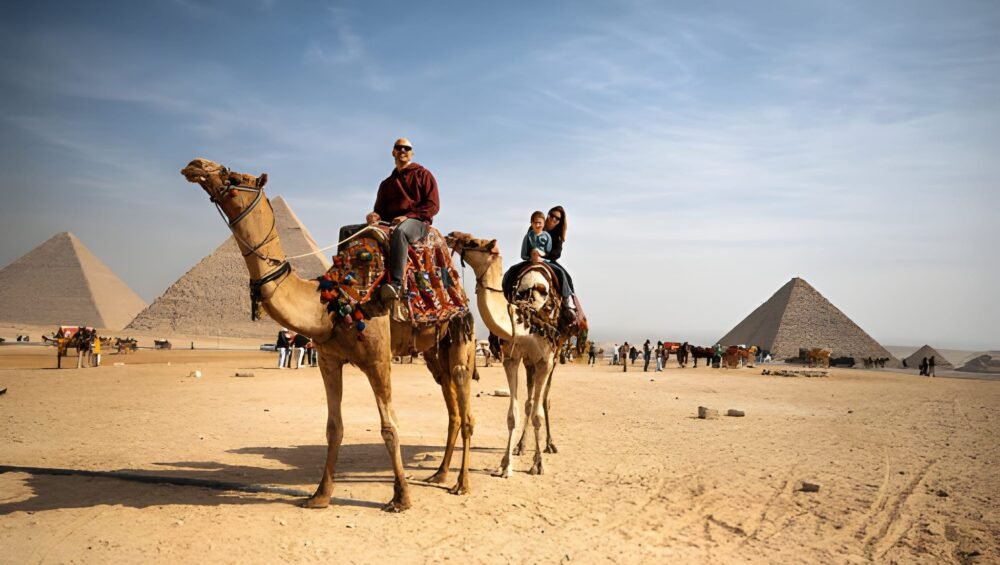
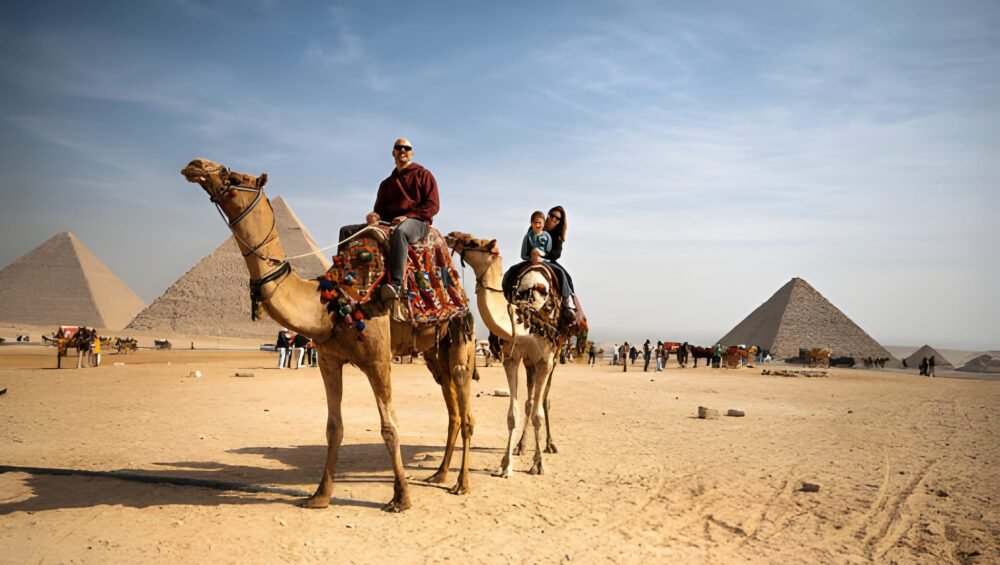
Sahl Hasheesh

Sahl Hasheesh: The Hidden Gem of the Red Sea Coast

Nestled gracefully along Egypt’s Red Sea Riviera, Sahl Hasheesh is a breathtaking resort destination that evokes luxury, serenity, and charm. Just 25 kilometers south of Hurghada, this picturesque bay is a masterpiece of crystal-clear waters, pristine sandy beaches, and year-round sunshine. Designed with an old-world elegance and a modern twist, Sahl Hasheesh is the perfect choice for travelers seeking both adventure and relaxation. The area embodies the AIDA formula—grabbing Attention with its natural beauty, inspiring Interest through its activities, sparking Desire for its luxury, and ultimately driving Action by motivating visitors to plan their dream holiday to Egypt’s Red Sea paradise. Whether you’re a sun-seeker, a diver, or a culture enthusiast, Sahl Hasheesh promises an unmatched vacation experience steeped in refinement and authenticity.

Unlike more crowded holiday hubs, Sahl Hasheesh offers tranquility without compromise. The resort stretches along a vast horseshoe-shaped bay lined with palm trees, coral reefs, and inviting promenades. The town’s architecture blends Andalusian charm with Egyptian heritage, adding a romantic ambiance that lures visitors from around the world. From luxury hotels and world-class spas to exciting water sports and invigorating excursions, every day here feels like a postcard moment. The Red Sea’s dazzling coral gardens make it a haven for snorkeling and scuba diving lovers, rivaling the best in Sharm El Sheikh or Hurghada City. And beyond the sea, desert safaris reveal the raw beauty of Egypt’s eastern wilderness.

Where Is Sahl Hasheesh and Why You Should Visit

Located roughly a twenty-minute drive south of Hurghada International Airport, Sahl Hasheesh occupies a prime location on the western coast of the Red Sea. Its accessibility makes it a favored destination for luxury travelers, families, and honeymooners looking to enjoy a quieter alternative to bustling neighboring resorts like El Gouna. The area was designed as an integrated resort community focused on elegance, sustainability, and relaxation. The peaceful atmosphere invites leisurely walks along the 12-kilometer boardwalk, moonlit dinners by the beach, and spontaneous adventure tours across desert trails.

Sahl Hasheesh competes effortlessly with world-famous destinations for its mix of exclusivity, modern amenities, and traditional Egyptian hospitality. From the moment you arrive, you’ll feel a sense of tranquility enhanced by gentle sea breezes and the gentle rhythm of waves. The city’s main piazza, lined with boutique stores and bars, forms the bustling heart of the bay—making it ideal for both daytime exploration and vibrant nightlife gatherings. Visitors often pair their Red Sea getaway with memorable Nile excursions like the 7 Days Cairo and Nile Cruise by Flight tour, blending coastal relaxation with Egypt’s ancient wonders.

Beaches, Coral Reefs, and Underwater Adventures in Sahl Hasheesh

One of Sahl Hasheesh’s most alluring traits is its marine environment. Its coral gardens, crystal-clear lagoons, and calm waters are ideal for both novice and experienced divers. The resort’s beach stretches for kilometers, offering powdery sands and incredible panoramic views of the Red Sea. Countless diving spots lie only minutes away, abundant with tropical fish, sea turtles, and colorful reefs. Snorkeling enthusiasts often embark on day trips similar to Snorkeling at Mahmya Island, which showcases the marine delights that define this coast.

The sunken city of Sahl Hasheesh, a unique underwater attraction, captures imaginations with its mysterious pharaonic sculptures and submerged pathways. It’s a diver’s dream—both surreal and enchanting. For those seeking thrilling desert experiences after splashing in the sea, adventures like the Desert Safari Trip by Quad Bike make a perfect combination of adrenaline and scenic beauty. The contrast between tranquil blue waters and golden sand dunes represents Egypt’s natural tapestry at its best.

Luxury Resorts and All-Inclusive Experiences

Sahl Hasheesh hosts a curated lineup of five-star resorts known for their exceptional service, modern amenities, and fine dining options. From boutique hotels to renowned international chains, each property ensures privacy and indulgence. These resorts often include private beach access, infinity pools overlooking the Red Sea, and exquisite spa facilities offering holistic therapies inspired by Egyptian wellness traditions. Visitors seeking a seamless luxury escape often book All Inclusive Egypt Vacations that include stays in Sahl Hasheesh for maximum comfort and value.

Stylish architecture, lush gardens, and romantic seaside gazebos set the tone for unforgettable holidays. Sea-view suites cater to couples longing for peaceful retreats, while family-friendly resorts provide kid’s clubs and aquatic adventures to keep everyone entertained. Whether you crave candlelit dinners under the stars or morning dives in turquoise lagoons, Sahl Hasheesh delivers opulence and serenity in perfect balance.

Cultural and Natural Excursions from Sahl Hasheesh

One of the advantages of staying in Sahl Hasheesh is its strategic location near iconic Egyptian sites. Tourists can easily take a short ride to explore Hurghada, historical Luxor, or the ancient treasures along the Nile. Many travelers add trips such as Day Tour to Luxor from Hurghada or 4 Day Cairo and Luxor Tour Package to enrich their coastal vacation with cultural immersion.

Within the Red Sea surroundings, scenic desert canyons and Bedouin villages offer glimpses of the region’s rural soul. For adrenaline junkies, underwater photography dives, dolphin-watching cruises, and horseback riding along the beach promise thrills beyond the sun lounger. If relaxation calls, spa getaways and yoga retreats in Sahl Hasheesh are nothing short of blissful. Visitors can round off their Egyptian journey with a rejuvenating Nile experience aboard the Best Dahabiya Nile Cruise, combining luxury sailing with timeless archaeological wonders.

Nightlife, Dining, and Leisure in Sahl Hasheesh

After sunset, Sahl Hasheesh transforms into an elegant playground of culinary delights, live entertainment, and seaside glamour. Fine dining restaurants serve globally inspired menus—think Mediterranean seafood, Middle Eastern grills, and Italian favorites—all delivered with local flair. Cocktail lounges and bars by the bay host romantic evenings enhanced by soothing music and sea views. While the nightlife remains more laid-back than Hurghada’s, it reflects refined taste and relaxed sophistication. Visitors seeking festive local experiences can find inspiration in cultural performances across resorts or visit places reminiscent of traditional Egyptian artistry found at attractions like the Wekalet El Ghouri performances in Cairo.

Shopping enthusiasts will enjoy artisan markets around the Old Town and Sahl Hasheesh’s commercial plazas, offering handcrafted souvenirs, gold jewelry, and Egyptian cotton. For casual leisure, cycling along the waterfront, cinematic beach nights, or romantic evening boat cruises ensure every moment is special. Every activity, from early morning swims to moonlit strolls, deepens the feeling that Sahl Hasheesh is truly Egypt’s coastal treasure.

Getting Around and Travel Tips

Transportation around Sahl Hasheesh is effortless. Shuttle services, taxis, and hotel transfers provide quick connections to Hurghada and nearby tourist areas. For private, hassle-free travel, visitors often book Hurghada Transfers or Aswan Transfers for comfort and convenience. Walking and cycling are also popular, thanks to wide promenades that link the resorts smoothly.

When visiting, packing sunscreen, comfortable swimwear, and light fabrics is essential due to the warm climate. Respecting local customs and the environment helps preserve the region’s natural charm. The best time to visit usually falls between September and May when temperatures remain pleasantly mild for sunbathing, diving, and sightseeing.

Planning the Perfect Sahl Hasheesh Holiday

Designing your dream getaway in Sahl Hasheesh depends on your travel goals. Adventure lovers can mix seaside exploration with unique excursions like the Luxor Hot Air Balloon Ride or historical tours through ancient temples. Couples often favor luxury packages such as the 11 Days Luxury Egypt Tour Package that combine beach luxury with Nile experiences. Families looking for relaxing stays can benefit from personalized Egypt Family Tours.

To enhance your journey, pairing Sahl Hasheesh with other Red Sea destinations like Marsa Alam or Hurghada elevates the experience to a multi-faceted adventure. Diving at the Elphinstone Reef or exploring desert landscapes around Wadi El Gemal National Park are fantastic additions to your itinerary. With endless sunshine, awe-inspiring nature, and impeccable hospitality, Sahl Hasheesh ensures you leave Egypt with unforgettable memories and a longing to return.

Frequently Asked Questions about Sahl Hasheesh

Is Sahl Hasheesh suitable for families?

Absolutely. Sahl Hasheesh offers safe, family-friendly resorts with children’s entertainment, shallow beaches, and educational marine activities. Many hotels cater specifically to families, providing play zones, babysitting services, and guided tours to sites like Luxor and Cairo.

What are the best activities in Sahl Hasheesh?

Top activities include snorkeling, scuba diving, quad biking, desert safaris, and luxurious spa treatments. Visitors also love exploring the underwater city, cycling along the promenade, and enjoying live music and beachside dining. Those craving cultural immersion can combine their stay with historical tours like the 2 Day Cairo and Luxor from Hurghada by Flight.

When is the best time to visit Sahl Hasheesh?

The ideal season runs between late autumn and spring, from September to May. During these months, temperatures hover around 25–30°C, perfect for exploring the outdoors, diving in warm waters, and enjoying calm seaside evenings.

How far is Sahl Hasheesh from Hurghada Airport?

Sahl Hasheesh is conveniently located only about 25 kilometers from Hurghada International Airport—a short 20-minute drive via efficient modern roads. Pre-booked Hurghada Day Tours can include airport pickup, ensuring seamless arrivals and departures.

Can I explore other regions of Egypt from Sahl Hasheesh?

Yes, it’s highly recommended. The location serves as a coastal base for exploring Upper Egypt through river cruises such as the Luxury Nile Cruise category or day trips to iconic temples in Luxor and Aswan. Pairing Sahl Hasheesh with cultural cities along the Nile completes an extraordinary Egyptian adventure.

Conclusion: Experience Red Sea Perfection at Sahl Hasheesh

Sahl Hasheesh stands as a shining example of how modern elegance harmonizes with Egypt’s timeless natural beauty. With its turquoise waters, captivating coral reefs, and luxurious charm, it offers an unmatched Red Sea experience that rivals global resorts. Whether you seek romance, family bonding, or adventure, Sahl Hasheesh is more than just a destination—it’s a lifestyle of serenity and sophistication. Blending sea breezes, desert sunsets, and Egyptian warmth, it remains an exclusive paradise waiting for discerning travelers ready to indulge in the magic of the Red Sea coast.
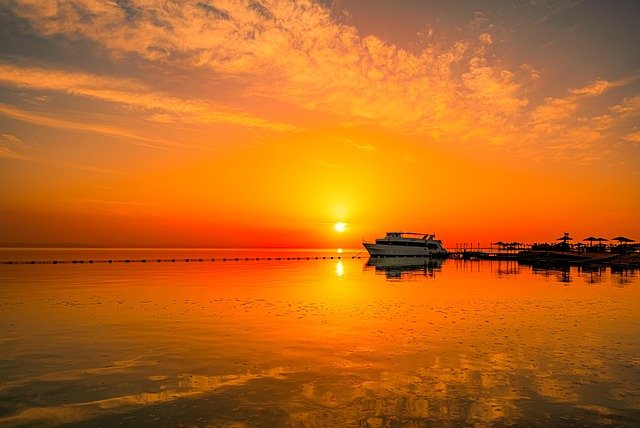
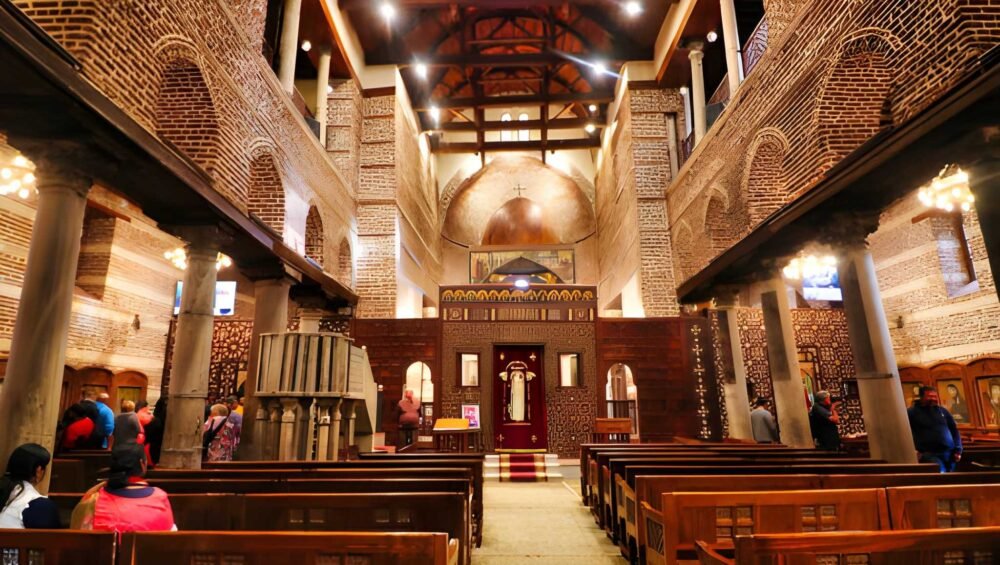
Hurghada City

Hurghada City – The Shimmering Jewel of the Red Sea

Hurghada City gleams like an oasis of sunshine and serenity along Egypt’s eastern coastline. Once a humble fishing village, today it’s a world-renowned Red Sea resort city known for its coral reefs, golden beaches, and buzzing nightlife. Hurghada has transformed into a tourist magnet, attracting divers, adventurers, families, and honeymooners eager to soak up its irresistible blend of natural beauty and Egyptian hospitality. Whether you’re wandering its vibrant marina, diving into turquoise waters, or savoring authentic local cuisine, Hurghada promises a kaleidoscope of experiences that stays with you long after you’ve left.

Set against a backdrop of desert mountains and the glittering Red Sea, Hurghada City stands as a gateway to Egypt’s underwater wonders. Its coral reefs compete with the Caribbean in diversity, and its proximity to the Eastern Desert opens endless avenues for safari adventures. Visitors can explore neighboring gems like El Gouna or Sahl Hasheesh, both offering luxury resorts and eco-conscious retreats. Modern infrastructure, international hotels, and a lively urban rhythm blend seamlessly with traditional markets and fishing boats, crafting a destination that caters to every traveler’s taste. Let’s delve deeper into what makes Hurghada City one of the most magnetic places in Egypt.

The Evolution of Hurghada City

Hurghada’s transformation from a quiet coastal village into a global resort boomtown is a story of vision and resilience. Decades ago, it was little more than a small port serving fishermen and pearl divers. As the Red Sea’s marine life caught the attention of European explorers and diving aficionados, the city rapidly expanded in the 1980s and 1990s. Major investments poured into resort construction, marina development, and international airport facilities. Hurghada became not just a tourist hub but the beating heart of the Red Sea’s tourism industry.

Today, it’s a seamless mosaic of old and new. Districts like Dahar showcase traditional Egyptian culture, with bazaars bursting with spices, incense, and handmade crafts. Meanwhile, areas such as Sakala and the Marina Boulevard exude sophistication, lined with trendy cafés and international restaurants. It’s not hard to see why Hurghada City now rivals destinations like Sharm El Sheikh and Marsa Alam in popularity among Red Sea lovers.

Top Attractions and Things to Do in Hurghada

If sun, sea, and adventure call your name, Hurghada delivers tenfold. Diving and snorkeling take center stage—home to vibrant coral gardens, shoals of tropical fish, and shipwrecks sleeping beneath the waves. Sites near the Giftun Islands are particularly famous, where clear waters make for unforgettable dives. Families and non-divers can still witness marine splendor via the Sindbad Submarine Tour in Hurghada, a one-of-a-kind underwater excursion.

Still, the magic doesn’t end with the sea. Desert safaris add another dimension to the Hurghada experience. On the Hurghada Bedouin Desert Safari by Jeep 4×4, for example, travelers journey through colorful canyons, sip traditional tea with Bedouin families, and watch enchanting desert sunsets. For those hooked on adrenaline, the Sunset Desert Safari Trip by Quad Bike brings dust, speed, and boundless fun. Culture seekers often combine these adventures with day trips to Cairo or Luxor. In fact, the popular Cairo Day Tours from Hurghada and Day Tour to Luxor from Hurghada are among Egypt’s best-reviewed excursions.

Exploring Hurghada’s Underwater Paradise

Hurghada City sits adjacent to some of the most biodiverse coral reefs on the planet. Divers exploring reefs like Abu Ramada, Carless Reef, or El Fanadir often describe them as living rainforests beneath the waves. Rare species, from lionfish to eagle rays, glide effortlessly through kaleidoscopic coral tunnels. Beginners can join professional dive centers offering safe, supervised sessions, while certified divers can charter boats for multi-dive expeditions. Snorkelers, too, flock to the Snorkeling at Mahmya Island trip—an eco-friendly escape to a protected marine zone where conservation meets leisure.

Hurghada’s Vibrant Nightlife and Cuisine

When the sun dips into the horizon, Hurghada wakes up in new colors. Its nightlife pulses through lounges, beach bars, and open-air discos. The Marina Boulevard offers chic venues with sea views, while traditional Bedouin tents invite visitors to smoke shisha under starlit skies. As for dining, Hurghada’s gastronomy scene reflects its cosmopolitan allure. Fresh seafood dominates menus, complemented by Egyptian delicacies like kofta, stuffed pigeon, and falafel. Those craving local authenticity can explore smaller taverns around Dahar, where warm hospitality and aromatic dishes await.

Family-Friendly Activities in Hurghada City

Hurghada is a sanctuary for families craving sun and relaxation without compromise. Beyond its beaches, water parks and dolphinariums add to the fun. The Dolphin House tour gives kids an unforgettable opportunity to snorkel with wild dolphins. Glass-bottom boat rides reveal a world of colorful fish without needing to dive. Resorts provide extensive entertainment programs, kids’ clubs, and all-inclusive experiences, much like the comfort found in All Inclusive Egypt Vacations throughout the country. Hurghada’s easygoing vibe ensures relaxation for parents and nonstop fun for children.

Adventure, Culture, and Excursions from Hurghada

Hurghada is far more than a beach escape; it’s a launchpad for unforgettable Egyptian adventures. Traveling inland opens gateways to ancient mysteries, while short flights connect visitors to monumental cities. Excursion favorites include the 2 Day Cairo and Luxor from Hurghada by Flight, merging iconic pyramids with Luxor’s temples in a single journey. Another highly sought-after adventure is the Luxor to Aswan Nile Cruise from Hurghada, unveiling the timeless wonder of the Nile River’s temples.

Thrill-seekers enjoy diving safaris, mountain climbs, windsurfing lessons, or desert crossing tours by camel. Meanwhile, cultural explorers can stroll Hurghada’s mosque courtyards or barter their way through souks brimming with Egyptian crafts. This balance between excitement and tradition keeps Hurghada’s spirit dynamic and endlessly engaging.

The Best Time to Visit Hurghada City

Hurghada basks in sunshine year-round, but timing matters depending on the traveler’s goals. Spring (March to May) and autumn (September to November) are sweet spots for comfortable weather and optimal diving visibility. Summer dazzles with clear waters and lively beaches, although temperatures soar. Winter, typically mild and dry, draws in travelers escaping colder climates. No matter when you arrive, the Red Sea’s magic never fades.

Transportation and Accessibility

With the Hurghada International Airport welcoming flights from all over Europe, the city’s accessibility is a huge asset. Once landed, tourists can rely on private transfers provided by trusted companies such as Hurghada Transfers. Local taxis and microbuses cover internal transport routes, while hotels and resorts often offer shuttle services. For those extending their Egyptian escapade, routes heading to Luxor or Aswan make great detours—sometimes even connected with scenic Best Nile River Cruises.

Shopping and Local Markets

Diving enthusiasts might leave with coral-shaped souvenirs, but Hurghada’s shopping scene goes far beyond seashell trinkets. Visit El Dahar’s old souk to see locals haggling over aromatic spices, handwoven textiles, and gold jewelry. For a more refined experience, Marina Boulevard stores carry elegant art, jewelry, and designer wear. Bargaining is both an art and a game here—it’s part of the fun!

Hurghada’s Role in Modern Egyptian Tourism

Hurghada stands proudly as one of Egypt’s cornerstone destinations, drawing millions yearly and boosting both local and national economies. The city’s future vision emphasizes eco-sustainability, marine protection, and innovation in hospitality. Its synergy with broader Egyptian experiences means it’s often paired within comprehensive Egypt Vacation Packages, connecting the Red Sea with ancient cultural landmarks inland.

FAQs About Hurghada City

1. What is Hurghada City best known for?

Hurghada City is famous for its stunning coral reefs, crystal-clear Red Sea waters, and vibrant water-based recreation. It’s a top spot for diving, snorkeling, and sailing, balanced with exciting nightlife and desert excursions. The city’s hospitality and accessibility make it one of Egypt’s premier holiday destinations.

2. How far is Hurghada from Cairo?

Hurghada lies approximately 450 kilometers southeast of Cairo. Travelers can get there via a six-hour car ride or a quick one-hour flight. For those wishing for a guided experience, options like the 2 Day Tour to Cairo by Air from Hurghada offer a stress-free and informative way to enjoy both cities.

3. What are the best excursions from Hurghada?

Popular excursions include desert safaris, island-hopping tours, snorkeling trips, and day visits to historic landmarks. The Hurghada Day Tours category features tailor-made options to Cairo, Luxor, and local Bedouin settlements. Many visitors also enjoy the Star Watching Adventure by Jeep Safari in Hurghada, merging stargazing with cultural discovery.

4. Is Hurghada safe for tourists?

Absolutely. Hurghada’s tourism industry is robust and well-regulated. Security presence is visible, hospitality is world-class, and locals are renowned for their friendliness. Resorts and tour operators comply with international safety standards, ensuring travelers enjoy a worry-free stay in paradise.

5. Can I visit Luxor or Aswan easily from Hurghada?

Yes, Hurghada serves as a strategic base for Upper Egypt exploration. The Luxor Day Tours are extremely popular, highlighting iconic monuments like Karnak and the Valley of the Kings. From Luxor, one can even continue aboard a serene Luxury Nile Cruise sailing toward Aswan, making it a seamless blend of coastal and cultural exploration.

El Gouna

El Gouna – Egypt’s Red Sea Gem of Luxury, Leisure, and Sustainable Adventure

On Egypt’s dazzling Red Sea coast lies El Gouna, a town that redefines coastal luxury and eco-conscious living. Just 25 kilometers north of Hurghada, this self-contained paradise blends natural beauty, sophisticated design, and a warm spirit that captivates every traveler. Built around shimmering lagoons, golden beaches, and stunning desert backdrops, El Gouna has become synonymous with exclusivity, sustainability, and limitless adventure. Far from a typical resort, it’s an integrated lifestyle destination that merges relaxation, entertainment, and environmental harmony in one vibrant mosaic. Whether you’re after serene beaches, a taste of Egypt’s cosmopolitan side, or thrilling water sports, El Gouna delivers with flair and finesse.

This Mediterranean-style town was envisioned by Egyptian entrepreneur Samih Sawiris in 1989 and has since grown into one of the most sophisticated and sustainable destinations in the Middle East. With eco-friendly architecture, world-class marinas, luxurious hotels, lively nightlife, and international cuisine, El Gouna attracts global travelers yearning for more than just a beach escape. Here, you can wander through cobblestone alleys, dine under the stars, or enjoy the calm rhythm of lagoon life. Whether you’re exploring by tuk-tuk, sailing across turquoise waters, or dancing at beach clubs until dawn, El Gouna’s charm lingers long after you leave.

Accessible by road or through Hurghada International Airport, El Gouna’s strategic location also makes it an ideal base for wider adventures. You can embark on Hurghada day tours or head inland for desert safaris that unveil the wild side of Egypt’s Eastern Desert. With its balance of serenity and excitement, El Gouna invites travelers to experience Egypt anew—through sunlit elegance, tranquil waters, and a lifestyle that feels both exotic and familiar.

El Gouna’s Unique Design and Sustainable Vision

El Gouna’s story is one of vision and innovation. Designed as a sustainable town, it stands as a living example of what modern eco-tourism can achieve. The town’s architecture fuses Nubian and Mediterranean styles, reflecting Egypt’s tones and textures while preserving the natural landscape. Its network of canals and lagoons allows every home to overlook water, creating a sense of timeless tranquility. Solar-powered systems, water recycling plants, and green initiatives underpin daily life here, earning El Gouna the Green Globe certification for sustainability. This careful planning ensures harmony between development and desert, a rare luxury in our time.

For travelers interested in environmental tourism, El Gouna offers a blueprint for responsible exploration. The town’s marinas are equipped to reduce plastic waste; electric transport dominates its streets; and local projects continually reinvest in community and nature. Its ethos aligns perfectly with global travelers seeking authentic, eco-conscious experiences, much like those highlighted in Eco Tours in Egypt.

Top Luxury and Boutique Stays in El Gouna

El Gouna’s hotels and resorts redefine seaside indulgence. From serene boutique lodges to five-star sanctuaries, every property offers distinct charm. The Chedi El Gouna, Mosaique Hotel, and Casa Cook provide contemporary elegance with an Egyptian soul. These resorts integrate seamlessly with the environment, offering private lagoons, infinity pools, and direct access to golden beaches. For families and friends looking for inclusive experiences, All Inclusive Egypt Vacations in El Gouna combine comfort, culinary excellence, and unique excursions crafted to your pace.

El Gouna’s marinas also play host to yachting aficionados, offering berths alongside world-class dining and nightlife. Abu Tig Marina and the New Marina buzz with energy—perfect for sunset strolls, fine dining, or spontaneous shopping sprees. The marinas symbolize the town’s blend of luxury and leisure, a hallmark of its identity on the Red Sea Riviera.

Experiencing the Best of Water Sports and Adventure

The soul of El Gouna beats strongest by the water. With constant sunshine and steady breezes, it’s a kitesurfing and diving paradise. The beaches of Mangroovy and Buzzha attract surfers from across the globe seeking to master the waves. Beneath the surface, vibrant coral gardens teem with marine life, making snorkeling and diving must-do activities for visitors. Travelers seeking structured marine adventures can hop over for experiences similar to those offered on Snorkeling at Mahmya Island or dive deep like the famed Scuba Diving Sharm El Sheikh.

Beyond the water, El Gouna’s surrounding desert provides vast opportunities for exploration. Quad biking, paragliding, and dune bashing tours reveal a wild and thrilling side to the Red Sea region. Sunset ATV tours, much like the Sunset Desert Safari Trip by Quad Bike, blend heart-pumping excitement with awe-inspiring views of the mountains and lagoon-lined horizons.

The Cultural Heartbeat of El Gouna

Culture thrives in El Gouna’s creative enclaves. The town’s commitment to art, film, and community engagement has fostered a vibrant scene that attracts international attention. The El Gouna Film Festival, an annual highlight, turns this seaside town into a glittering hub of stars, cinema, and culture. Local artists exhibit in galleries scattered through Downtown and Marina neighborhoods, while open-air theaters host concerts and performances. These creative spaces offer windows into modern Egyptian art and identity.

Food enthusiasts won’t be disappointed either. El Gouna’s gastronomy ranges from Italian waterfront seductions to authentic Egyptian flavors. Curious eaters can explore dishes celebrated in Traditional Dishes in Egypt while dining under palm-thatched roofs or by candlelight on the sand. Each meal here is an immersion into Egypt’s culinary tapestry, modernized with Red Sea flair.

Day Trips and Nearby Adventures from El Gouna

El Gouna’s prime location makes it an ideal starting point for coastal and inland adventures. Travelers can embark on Luxor Day Tours to dive into ancient history, or take a desert detour toward oases featured in Bahariya Oasis Egypt and White Desert Egypt. Each route reveals an extraordinary contrast to El Gouna’s azure tones—ancient temples, mystical valleys, and landscapes shaped by millennia.

For travelers looking to blend culture and leisure, sailing toward Upper Egypt on a Best Nile River Cruise or a Dahabiya Nile Cruise offers an unforgettable retreat into the country’s timeless heart. Others might choose to head north for a taste of Alexandria’s serene coastlines or west to the serene Sahara, connecting to destinations such as Siwa Oasis or Fayoum & Western Desert, adding depth and contrast to an El Gouna getaway.

Nightlife and Entertainment in El Gouna

When the sun dips below the Red Sea, El Gouna lights up with rhythm, laughter, and effortless chic. Beach bars, rooftop lounges, and open-air theaters offer something for every mood. The lively Abu Tig Marina transforms into a social hub filled with sophisticated bars and restaurants, drawing both locals and tourists. Whether it’s a laid-back evening breeze at Pier 88 or an energetic night dancing to live DJs, the spirit of El Gouna comes alive after dark.

Festivals, cultural events, and themed parties reflect the destination’s cosmopolitan flair. Themed yacht parties and local art fairs create year-round buzz, attracting creatives, dreamers, and explorers from around the world. Indeed, this balance of tranquility and entertainment cements El Gouna’s reputation as one of Egypt’s most dynamic resort towns.

Why El Gouna Stands Out on the Red Sea

El Gouna isn’t just a resort—it’s a refined ecosystem of tourism, wellness, and innovation. Visitors find peace in its carefully designed lagoons, inspiration in its art, and vitality in its adventure offerings. The town exemplifies modern Egypt’s forward-looking identity while remaining deeply rooted in its natural environment. With sunshine nearly all year, accessible luxury, and a sense of community, El Gouna remains unrivaled among Red Sea destinations.

For travelers seeking a long-term holiday base or even a permanent relocation, its safe environment, top-tier international schools, and medical facilities create a perfect mix for families and digital nomads alike. Its lifestyle, elegance, and environmental ethos make it more than just a place to stay—it’s a place to belong.

FAQs About El Gouna

1. Where is El Gouna located?

El Gouna is situated on Egypt’s Red Sea coast, roughly 25 kilometers north of Hurghada. Its strategic location makes it easily accessible from Hurghada International Airport. The town’s marine network and road connectivity ensure seamless access to the surrounding Red Sea attractions.

2. What makes El Gouna unique among Egypt’s resorts?

El Gouna stands out for its eco-friendly infrastructure, integrated lagoon design, and vibrant community. The town was purpose-built with environmental sustainability in mind, combining luxury with responsibility. Its design, atmosphere, and lifestyle differentiate it from other coastal towns in Egypt, such as those highlighted in Hurghada City or Marsa Alam.

3. What activities can tourists enjoy in El Gouna?

Tourists can enjoy water sports like diving, kitesurfing, and snorkeling, as well as desert excursions, cultural experiences, and upscale dining. El Gouna’s lagoons and beaches offer multiple outdoor pursuits, while its marinas host world-class nightlife and art events throughout the year.

4. Is El Gouna suitable for families and long stays?

Absolutely. El Gouna’s infrastructure is designed for comfort and community living. It features international schools, medical centers, supermarkets, and family-friendly resorts. With peaceful neighborhoods, green spaces, and direct access to beaches, families find it ideal for both short holidays and extended stays.

5. What is the best time to visit El Gouna?

The best time to visit El Gouna is between October and April when temperatures remain mild and enjoyable. The water stays warm year-round, making it perfect for diving, boating, and outdoor dining. Visitors can enjoy comfortable weather without the summer heat typical of desert regions.

Marsa Alam

Unveiling the Hidden Gem of the Red Sea: Marsa Alam, Egypt’s Untouched Coastal Paradise

Tucked elegantly along Egypt’s southeastern coastline, Marsa Alam is a coastal marvel where the sapphire hues of the Red Sea meet the golden whispers of the Eastern Desert. This tranquil resort destination has rapidly earned acclaim as Egypt’s best-kept secret, combining pristine natural beauty, luxurious resorts, and unparalleled diving adventures. It’s a haven for travelers in search of serenity, adventure, and authentic marine encounters. Once a humble fishing village, Marsa Alam has blossomed into a cosmopolitan sanctuary that rivals Hurghada and Sharm El Sheikh, yet retains an intimate charm that remains refreshingly unspoiled. Here, the rhythm of life is set to the gentle sway of palm trees and the soothing pulse of turquoise waves crashing on sun-drenched shores.

The allure of Marsa Alam is irresistible. Its secluded beaches, world-class coral reefs, and crystal-clear bays make it a magnet for divers, honeymooners, and eco-conscious wanderers. The area’s biodiversity is staggering, with dolphins, turtles, and rare dugongs gracing its pristine waters. Whether you’re exploring Wadi El Gemal National Park, taking a desert safari across fiery dunes, or sinking into the luxurious comfort of seaside lodges, Marsa Alam offers a balanced blend of adventure and indulgence. With the recent development of Marsa Alam International Airport, access to this Red Sea treasure has never been easier, opening the doors to a growing wave of curious explorers who wish to experience authentic Egyptian hospitality amid awe-inspiring natural beauty.

The Geography and Climate of Marsa Alam

Marsa Alam stretches gracefully along the Red Sea, about 270 kilometers south of Hurghada. Its unique geographical position makes it a year-round escape flooded with sunshine. The desert climate ensures warm winters, toasty summers, and nearly 365 days of sunshine. In fact, this idyllic destination is a preferred choice on all-inclusive Egypt vacations for travelers seeking a perfect synergy between comfort and adventure.

The tranquil waters of Marsa Alam are famed for having some of the healthiest coral formations in Egypt. El Qulan Mangrove Forest, for instance, sits serenely against the desert backdrop, adding a splash of green to the otherwise ochre horizon. Moreover, Wadi El Gemal National Park — meaning “Valley of the Camels” — features a fascinating mix of marine and desert ecosystems, making it one of the region’s most photogenic spots. With minimal rainfall and warm sea temperatures year-round, Marsa Alam accommodates both the thrill-seeker and the sun-worshipper in equal measure.

Diving and Snorkeling in Marsa Alam: A Marine Dream Come True

If there’s one thing that elevates Marsa Alam above other Red Sea destinations, it’s the jaw-dropping underwater wonderland. This coastline is home to world-famous diving sites like Elphinstone Reef, where the bold may encounter oceanic whitetip sharks and hammerheads gliding effortlessly beneath shimmering blue currents. Another iconic site is Abu Dabbab Bay, a marine sanctuary where turtles and dugongs feed in shallow seagrass meadows — a surreal experience even for novice snorkelers. Travelers can enhance the experience with exciting excursions such as the Scuba Diving Marsa Alam tour or vibrant underwater adventures at Hamata Islands.

Diving professionals rank Marsa Alam among the top five diving destinations globally, and it’s no wonder. Coral gardens, dramatic drop-offs, and thriving marine biodiversity provide a continuous feast for underwater photographers. The sea’s clarity is sensational, enabling crystal views of parrotfish, rays, and exotic corals that look painted by nature herself. Above the waves, the serene vibe echoes beneath — calm, colorful, and captivating. For thrill-seekers, options like the Port Ghalib Marina snorkeling trip promise unforgettable encounters with the Red Sea’s underwater majesty.

Top Attractions and Experiences in Marsa Alam

The list of things to do in Marsa Alam is abundant. The star attraction is undoubtedly its awe-inspiring coral reefs, but beyond the sea lies a land steeped in raw desert beauty. Desert Jeep Safaris take you through contrasting landscapes — from dunes that shimmer like liquid gold to rugged mountains hiding ancient Bedouin villages. Travelers can also immerse themselves in cultural encounters through tours such as the Tour to Cairo and Luxor from Marsa Alam by Flight, which combines the mystery of the desert with the magic of Egypt’s historic cities.

Wadi El Gemal National Park cannot be missed. Known as one of the Red Sea’s last untouched wilderness zones, it’s an ecological paradise teeming with exotic birds, reptiles, and Arabian gazelles. The park’s coral reefs are equally stunning, and the combination of arid canyons and coastal lagoons creates a perfect travel photography dreamscape. Adventurous visitors may explore the region’s ancient emerald mines, which once supplied Cleopatra herself. Alternatively, for a cultural fix, the nearby town of El Quseir offers a glimpse into Egypt’s trading past with its coral-stone houses and Ottoman fort.

Luxury and Relaxation on the Shores of Marsa Alam

Marsa Alam has rapidly evolved into an elite Red Sea resort destination without losing its authenticity. Its resorts exude understated elegance: infinity pools that merge seamlessly into the horizon, private beaches with powdery sand, and world-class service that rivals the finest of Luxury Egypt Tours. For honeymooners or couples seeking peace and exclusivity, Marsa Alam delivers relaxation with a touch of sophistication. From luxury lodges in El Quseir to eco-friendly resorts near Port Ghalib, the range of accommodations caters to every type of traveler — from the lavish to the laid-back.

Many of these accommodations also offer curated experiences, including private Red Sea yacht charters, candlelit dinners on the shore, and guided snorkeling excursions just steps away from your suite. Marsa Alam’s calm demeanor makes it ideal for rejuvenating retreats and wellness holidays, combining sea therapy with desert silence.

Adventure Beyond the Coastline

Venture inland, and Marsa Alam surprises with adrenaline-charged adventures. The rugged Eastern Desert offers endless space for quad biking expeditions such as the Morning Quad Bike Desert Safari, star gazing, and cinematic sunsets that dye the horizon crimson. Bedouin dinners by the campfire offer a chance to connect with Egypt’s nomadic heritage, serenaded by the soft strains of traditional music. For history lovers, day tours like the Day Trip to Luxor from Marsa Alam combine the grandeur of ancient Thebes with the tranquility of Marsa Alam’s coast.

Alternatively, joining local expeditions such as the Edfu and Kom Ombo Temple tour from Marsa Alam reveals Egypt’s layered narrative — from Pharaonic mysteries to Greco-Roman marvels — all within reach of your Red Sea retreat.

Responsible Tourism and Sustainable Travel in Marsa Alam

Marsa Alam is gaining recognition not only for its beauty but also for its commitment to sustainability. Eco-lodges along the coast champion renewable energy, coral conservation, and plastic-free initiatives. Diving centers actively promote responsible tourism, ensuring minimal disruption to marine life. Visiting travelers are encouraged to support ethical excursions that employ locals and protect indigenous landscapes like Wadi El Gemal National Park. Sustainable tourism here doesn’t feel forced—it flows naturally within Marsa Alam’s rhythm of coexistence between humans, sea, and desert.

With initiatives focusing on reef restoration and wildlife protection, Marsa Alam is cementing its role as Egypt’s leading eco-tourism hotspot. The efforts are paying off, earning praise from divers and conservationists worldwide who value destinations that blend natural wonder with responsible stewardship.

Practical Travel Tips for Marsa Alam Visitors

Traveling to Marsa Alam is relatively straightforward, with direct international flights landing at Marsa Alam International Airport. Alternatively, many travelers combine Marsa Alam stops within curated itineraries like the 10 Day Cairo with Nile Cruise or customized Egypt Vacation Packages. The ideal season to visit is between October and May, when temperatures are comfortable for both diving and desert adventures.

Local cuisine and hospitality further enhance the experience. Indulge in freshly caught seafood grilled to perfection, paired with views of an endless horizon. As evening falls, the flickering lamps and calm sea breeze complement the rich aroma of Middle Eastern spices and coffee — an unmistakable sensory signature of Red Sea relaxation.

FAQs about Marsa Alam

1. What is Marsa Alam best known for?

Marsa Alam is renowned for its breathtaking coral reefs, exceptional scuba diving sites like Elphinstone Reef, and the rare chance to swim alongside sea turtles and dugongs. It’s also celebrated for its tranquil, less crowded beaches and eco-friendly resorts.

2. When is the best time to visit Marsa Alam?

The best time to visit Marsa Alam is between October and May when the temperatures are mild, making it perfect for snorkeling, diving, and exploring the desert. The weather remains warm enough year-round for sea activities.

3. How can I reach Marsa Alam?

Most travelers fly directly into Marsa Alam International Airport. Others may arrive via Hurghada transfers or include Marsa Alam within broader Egypt itineraries that also cover Luxor City and Aswan.

4. Are there day tours available from Marsa Alam?

Absolutely! Travelers can enjoy popular tours like the Overnight Trip to Luxor from Marsa Alam or thrilling desert adventures such as the Marsa Alam Day Tours to experience the best of Red Sea coast and ancient wonders.

5. Is Marsa Alam suitable for families?

Yes, Marsa Alam is ideal for families. The calm sea, safe snorkeling areas, and family-friendly resorts make it a wonderful destination for parents with children. Many accommodations also offer kids’ clubs, guided nature walks, and easy access to gentle shores perfect for small swimmers.

Blessed with surreal natural beauty, warm hospitality, and untouched tranquility, Marsa Alam stands as Egypt’s ultimate coastal sanctuary — a destination where the Red Sea’s mysteries meet the timeless charm of the desert. Whether you dive deep beneath coral kingdoms or simply soak in the sunset, Marsa Alam’s magic will linger long after the journey ends.

Red Sea Resorts & Parks

Red Sea Resorts & Parks: The Ultimate Seaside Escape in Egypt

The Red Sea coastline in Egypt is a spellbinding fusion of shimmering turquoise waters, coral kingdoms, and unparalleled hospitality. Stretching along the eastern borders of Egypt, Red Sea Resorts & Parks invite travelers to immerse themselves in a serene haven of natural beauty and pristine luxury. From world-class dive sites and eco-friendly parks to lavish resorts embracing the desert shoreline, the Red Sea is Egypt’s ultimate coastal paradise. This gateway to sun, sea, and sand seamlessly combines relaxation, exploration, and cultural richness, ensuring every traveler finds their own slice of heaven under the Egyptian sun.

Whether visitors crave heart-racing water sports, peaceful afternoons on soft golden beaches, or breathtaking underwater adventures, the Red Sea delivers a sensory overload of beauty and marvel. The warm hospitality of Egypt blends effortlessly with luxurious accommodations, transforming a simple vacation into an unforgettable experience. Home to some of the planet’s most vibrant coral reefs, marine life, and dreamy beach escapes, Red Sea Resorts & Parks embody the essence of both adventure and tranquility.

It’s no wonder globetrotters, honeymooners, and families alike flock to the Red Sea. The region’s top destinations such as Sharm El Sheikh, Hurghada, and Marsa Alam are more than names on a map—they’re experiences that touch the soul. Visitors can explore world-renowned attractions like Ras Mohammed National Park or marvel at the unspoiled charm of Wadi El Gemal National Park. Each destination offers a tapestry of sights, sounds, and sensations waiting to be discovered.

Exploring the Magic of the Red Sea Coastline

The Egyptian Red Sea coast runs more than a thousand kilometers from the Sinai Peninsula down to the Sudanese border. Every inch of this dazzling shoreline glows with adventure, making it a dreamland for diving, kitesurfing, and sun-soaked leisure. Red Sea Resorts & Parks stand out for their impeccable integration of luxury with the surrounding wilderness. Eco-friendly architecture and responsible tourism initiatives preserve the region’s delicate ecosystems while providing travelers with an unspoiled natural spectacle.

Popular resort cities such as Sharm El Sheikh, Hurghada, and Marsa Alam serve as gateways to unparalleled marine biodiversity. Their world-class hotels, lively promenades, and exceptional nightlife options make them prime vacation hubs for every type of traveler. Meanwhile, quieter gems like El Gouna and Sahl Hasheesh cater to eco-conscious luxury seekers hungry for refinement blended with privacy.

Luxury Resorts Nestled Between Desert and Sea

The Red Sea’s luxury retreats redefine indulgence. Each resort, whether perched on the coral coastline or tucked within scenic bays, creates a world where elegance meets relaxation. Guests can find all-inclusive experiences through tailored luxury vacation packages such as All Inclusive Egypt Vacations designed for convenience and comfort. From infinity pools shimmering against sunset horizons to private beach villas, these resorts deliver pure escapism. Sharm El Sheikh’s vibrant energy contrasts Marsa Alam’s laid-back charm, offering a diverse selection for discerning travelers.

Adventure Awaits Beneath the Waves

Diving and snorkeling represent the crown jewels of Red Sea adventures. The underwater gardens of the Red Sea are recognized among the finest in the world. Whether you’re exploring the colorful reefs of Elphinstone Reef or gliding among schools of exotic fish, marine life thrives in every direction. Professional diving centers and PADI-certified instructors ensure even beginners can safely discover these wonders. The coastal towns organize excursions such as Snorkeling by Boat to Ras Mohamed or the unforgettable Scuba Diving Sharm El Sheikh experience.

Eco Parks and Natural Wonders That Define the Red Sea Region

Beyond luxury and leisure, preservation thrives along the Red Sea through its numerous protected parks. Nature lovers can marvel at the untouched expanses of Gebel Elba National Park or observe nomadic wildlife across vast desert plateaus. The southern coast offers serene oases and mangrove nurseries where birds, gazelles, and sea turtles coexist in balance. These parks highlight Egypt’s commitment to sustainable tourism—educating visitors on conservation while gifting them with immersive ecological experiences.

Family-Friendly Escapes at Red Sea Resorts

Families planning their getaway to the Red Sea find tailored experiences for all age groups. Resorts include safe children’s play zones, kid’s clubs, and water adventure parks, ensuring families enjoy every second together. Many operate under family-focused packages similar to Egypt Family Tours, offering a seamless mix of relaxation, education, and fun. Parents can unwind while youngsters splash about in dedicated pools, freeing everyone to savor Egypt’s mesmerizing coast together.

Dive Sites, Marine Adventures, and Aquatic Thrills

Every adventurer finds their calling beneath the Red Sea’s sparkling surface. The coral reefs house more than a thousand species of fish and hundreds of coral varieties. The translucent waters provide visibility up to 40 meters, giving divers cinematic glimpses of the marine world. Excursions extend beyond the seashore into marine reserves like Ras Mohammed and the Brothers Islands—both sanctuaries revered for spectacular biodiversity.

Those craving an extra dose of adrenaline can join desert-meets-sea adventures. Off-road safaris, camel treks, and high-speed quad biking switch the pace from aquatic serenity to desert thrills. Tours like the Sunset Desert Safari Trip by Quad Bike blend panoramic landscapes with authentic Bedouin culture, offering an unforgettable snapshot of Egypt’s multifaceted beauty.

Romantic Escapes and Wellness Retreats

For couples or honeymooners, Red Sea Resorts set the perfect stage for romance. Breathtaking sunsets, moonlit dinners, and private beach cabanas create dreamlike settings. Couples may opt for bespoke honeymoon experiences similar to the 10-Day Egypt Luxury Trip with Dahabiya Nile Cruise, combining spa treatments, gourmet dining, and serene beach strolls. Wellness travelers enjoy yoga retreats, detox programs, and sea-inspired therapies designed to rejuvenate body and soul.

Sustainable Tourism and Eco-Friendly Innovations

The shift toward sustainability has reshaped Red Sea Resorts & Parks into models of eco-tourism. Solar energy powers many resorts, coral nursery programs regenerate reefs, and green certifications ensure accountability. Local marine conservation teams guide visitors to respect the environment while exploring. Responsible operators also collaborate with initiatives supporting communities and protecting endangered marine habitats. This sustainable mindset ensures future generations will continue discovering the Red Sea’s wonders for decades to come.

The Cultural Side of the Red Sea

Beneath the glamorous surface of luxury and leisure lies a captivating cultural tapestry. Travelers can stroll through coastal bazaars, mingle with Bedouin tribes, and explore ancient monasteries like St. Catherine’s Monastery nestled in the Sinai mountains. Culinary explorers indulge in traditional seafood feasts, regional spices, and local delicacies inspired by millennia of Egyptian heritage. Red Sea culture thrives on contrasts—combining modern sophistication with the simplicity of timeless desert life.

Red Sea Parks: Natural Sanctuaries and Biodiversity Hotspots

The Red Sea’s marine parks exemplify some of the most spectacular biodiversity on Earth. Wadi El Gemal National Park shelters rare dugongs and coral plateaus, while offshore islands serve as nesting sites for migratory birds. Visitors join guided eco-tours that bring them close to turtles, dolphins, and exotic fish—all while promoting awareness and respect for nature. These parks balance exploration with education, delivering adventure with purpose.

Travel Tips for Visiting Red Sea Resorts & Parks

Timing your visit makes all the difference. The Red Sea enjoys sunshine year-round, with mild winter temperatures perfect for diving and beach relaxation. Planning through trusted operators like Cindrella Egypt Travel ensures effortless logistics and curated itineraries. Packages such as Egypt Vacation Packages or Luxury Egypt Tours integrate coastal getaways with inland historical experiences along the Nile. For seamless day trips, options like Hurghada Day Tours and Sharm El Sheikh Day Tours allow you to explore every hidden gem the coast offers.

Choosing Between Sharm El Sheikh, Hurghada, and Marsa Alam

Each Red Sea destination provides a unique experience. Sharm El Sheikh dazzles with upscale nightlife, coral gardens, and easy access to Sinai’s natural wonders. Hurghada stands as the region’s lively heart—great for both water sports and family fun. Marsa Alam charms nature lovers seeking tranquility and authenticity. Its proximity to eco-parks, soft sandy lagoons, and starry desert skies makes it a favorite for couples craving serenity. Those wanting an immersion into both desert and underwater wonderlands find Marsa Alam unmatched in balance and beauty.

Conclusion: Where Beauty Meets Boundless Adventure

Red Sea Resorts & Parks embody Egypt’s promise of timeless beauty and modern luxury. More than a vacation—this coastal journey reconnects travelers with nature’s rhythm. From coral reefs pulsing with life to luxurious beachfront escapes, every corner of the Red Sea offers a tale worth experiencing. So whether you’re chasing marine adventures, yearning for romantic sunsets, or seeking mindful rest, the Red Sea coastline invites you to dive deep into paradise.

FAQs About Red Sea Resorts & Parks

What are the best Red Sea resorts for couples?

Couples seeking intimacy should consider resorts in Sharm El Sheikh or Marsa Alam. These destinations provide private villas, candlelit dinners, and breathtaking sea views. Romantic experiences often include snorkeling excursions, desert safaris, and pampering spa sessions—creating lifelong memories along the Red Sea.

Is it safe to visit Red Sea Resorts & Parks?

Yes, the region maintains strong security standards and relies heavily on tourism, ensuring a safe environment. Coastal cities like Hurghada and Sharm El Sheikh are particularly known for being traveler-friendly and well-equipped with medical and emergency facilities. Partnering with reputable agencies such as Egypt Travel Safety resources ensures worry-free experiences.

When is the best time to visit the Red Sea?

The prime seasons are spring and autumn, from March to May and September to November, offering ideal temperatures for diving, snorkeling, and sunbathing. However, winter provides equally delightful conditions for visitors preferring cooler yet sunny weather. The consistent sunlight ensures nearly uninterrupted beach time year-round.

Can families enjoy Red Sea vacations?

Absolutely. Family-friendly resorts along Hurghada, El Gouna, and Sahl Hasheesh cater specifically to kids, offering waterparks, supervised play areas, and interactive wildlife experiences. Families love snorkeling at safer, shallow coral bays and exploring sea life with guides trained for educational adventures.

Do Red Sea parks require entrance fees?

Yes, most protected areas such as Ras Mohammed and Wadi El Gemal National Parks charge minimal entrance fees. These go directly toward conservation projects and maintaining the regions’ ecological balance. Visitors should carry cash in Egyptian pounds and respect local rules preserving these fragile environments.

Great Sand Sea

Great Sand Sea – A Boundless Ocean of Golden Dunes in Egypt’s Western Desert

The Great Sand Sea is one of the most majestic and awe-inspiring natural wonders in Egypt’s immense Western Desert. Spanning hundreds of kilometers between Egypt and Libya, this enchanting sea of sand is a destination that stirs every traveler’s imagination. Its mesmerizing dunes, some towering over 100 meters high, stretch endlessly, capturing the essence of the Sahara’s mystery and grandeur. If you’re seeking solitude, adventure, or the raw beauty of untouched wilderness, the Great Sand Sea is your ultimate escape. This remote desert landscape, shaped by wind and time, embodies both the challenge and reward of exploring one of Earth’s most dramatic environments.

Visitors are drawn to the Great Sand Sea for its ethereal landscapes, dramatic sand formations, and timeless silence. Accessible through the extraordinary Siwa Oasis, this sea of endless dunes has been crossed by explorers, nomads, and traders for centuries. It’s a place where the horizon sways with golden waves, where ancient tracks hide beneath freshly blown sands, and where history blends seamlessly with nature. The Great Sand Sea isn’t just a destination—it’s an experience that awakens adventure, reflection, and respect for the power of nature.

Trekking or invading its vastness isn’t for the faint-hearted; yet those who brave the journey find a profound connection with Egypt’s raw desert soul. Imagine camping beneath a shimmering sky untouched by light pollution, or riding across dunes glowing crimson under the setting sun. The Great Sand Sea offers these rare, unforgettable moments. From an ecological perspective, it also nurtures fragile life that thrives against all odds, while holding ancient secrets—fossils, meteorite fragments, and prehistoric tools—that testify to millennia of natural and human history. This is Egypt beyond temples and tombs—this is nature’s masterpiece.

The Geography and Composition of the Great Sand Sea

Covering nearly 72,000 square kilometers, the Great Sand Sea unfurls across the borders of Egypt and Libya like an immense golden ocean. The Egyptian portion extends west of the Bahariya Oasis and south toward Farafra Oasis and Dakhla Oasis. Its most accessible part lies near the legendary Siwa Oasis, making it the ideal gateway for desert safaris and expeditions. The terrain is dominated by immense dune fields—some longitudinal, others crescent-shaped—arranged in parallel bands running north to south. These dunes shift with the wind, sculpting surreal shapes that change daily.

Wind erosion and accumulation define this ethereal landscape. Fine quartz sand, carried over centuries, builds into delicate patterns resembling ocean waves. With visual tricks created by sunlight and wind, the horizon seems in constant motion—a chaos of beauty few can resist. Between these dunes lie flat corridors, or corridors known as ‘sabkhas,’ which occasionally reveal ancient riverbeds or the fossils of seashells, suggesting that this desert once held water. Modern expeditions often use advanced GPS systems to navigate, yet Bedouins still rely on the stars, proving how timeless their desert knowledge remains.

Historical Expeditions and the Mystery of the Great Sand Sea

The Great Sand Sea held an almost legendary reputation among explorers of the early 20th century. Pioneers like Ralph Bagnold and Prince Kamal el-Din crossed its deadly stretches using modified vehicles and camels, mapping areas that had never been charted before. Accounts from these expeditions described surreal landscapes and deadly beauty that defied imagination. It was within this region that the mysterious Black and White Desert explorers later discovered fragments of Libyan Desert Glass—a mysterious yellow-green material formed by meteoritic impact or ancient explosions 26 million years ago.

Even today, the Great Sand Sea’s remoteness preserves its aura of mystery. Few routes cross it safely, and sandstorms can erase tracks within minutes. However, modern desert explorers continue to trace ancient caravan paths, revealing prehistoric rock carvings and Stone Age artifacts hidden beneath dunes. The Great Sand Sea’s untamed vastness continues to attract scientists, filmmakers, and adventurers seeking the ultimate test of endurance and discovery in Egypt’s golden wilderness.

Adventure Tourism and Desert Safaris in the Great Sand Sea

Adventure tourism flourishes at the edges of the Great Sand Sea, especially from Egypt Day Tours and specialized desert expedition operators. From the Desert Super Safari by Jeep from Marsa Alam to extended Sahara crossings, the region offers some of the most thrilling desert activities imaginable. Visitors can embark on guided jeep excursions, sandboarding down steep dunes, or even stargazing during overnight camps. Experienced guides ensure safety while revealing hidden natural wonders like ancient lake beds and petrified wood formations.

Nature photography also thrives here. The Great Sand Sea plays with light in a way that excites every shutter. Sunrise reveals a landscape bathed in apricot hues, while sunsets transform dunes into molten waves of crimson and gold. Travelers seeking authentic encounters often combine their safari with a visit to nearby Siwa, exploring historic places like the Cleopatra Spring or the mud-brick fortress of Shali Castle. Together, they form an itinerary blending serenity, exploration, and cultural immersion, ideal for anyone inspired by adventure and tranquility alike.

Geological Marvels and Hidden Treasures Beneath the Dunes

Beneath the rolling dunes of the Great Sand Sea lies a world frozen in time. Fossilized seashells, ancient lake sediments, and meteorite fragments reveal that this desert once pulsed with prehistoric life. Scientists study its unique geology to understand climate shifts across millennia. The presence of Libyan Desert Glass remains one of its greatest mysteries—a natural glass found nowhere else in such abundance. Some of it even adorned the jewelry of ancient pharaohs, including an exquisite scarab carved from this desert gemstone discovered in Tutankhamun’s tomb. This connection between geology and history gives the Great Sand Sea a mythical character that continues to enchant explorers and historians alike.

The Great Sand Sea and Local Bedouin Culture

For the local Bedouins, the Great Sand Sea is more than mere land—it’s home and heritage. Generations have learned its winds, stars, and water secrets to survive in an environment where few can. Their folk tales tell of lost travelers, sacred oases, and spirits guarding ancient dunes. Bedouin hospitality flourishes amid such harshness: offering tea, guiding strangers, and sharing stories beside crackling fires beneath infinite stars. Desert tours often collaborate with Bedouin communities, offering authentic interactions that enrich every visitor’s understanding of Egypt’s desert soul. It’s not just about seeing dunes; it’s about feeling the rhythm of life that flows through them.

Best Time to Visit the Great Sand Sea

The ideal time to explore the Great Sand Sea is during Egypt’s cooler months—from October through April—when daytime temperatures remain pleasant, averaging 25–30°C. Avoid summer months when heat surpasses 45°C, making travel hazardous. Sunrise and sunset are magical, offering photographers and adventurers the perfect light to capture the desert’s surreal tones. Many guided itineraries incorporate stops at 7 Days Cairo, Luxor, Abu Simbel & Sahara Trip or at Luxury Egypt Tours to perfectly blend historical discovery with desert thrills. Whether on foot, by jeep, or camel, every journey across this ocean of sand is transformative, promising unforgettable solitude and serenity.

Practical Travel Tips for Exploring the Great Sand Sea

Venturing into the Great Sand Sea requires preparation and respect for nature. Always travel with an experienced guide and reliable 4×4 vehicles equipped with GPS, satellite communication, and sufficient water and fuel reserves. Despite its remoteness, tours are well-organized by specialized agencies under categories such as Egypt Family Tours and Egypt Vacation Packages, offering both safety and adventure. Travelers often start from Siwa, where supplies and local expertise are available. Light, breathable clothing, sunglasses, and scarves protect against sun and wind, while portable solar chargers help keep essential devices running under the relentless desert sun.

For photographers, the play of light and texture across dunes creates stunning compositions. For historians, the proximity to ancient sites and caravan routes fuels endless curiosity. And for dreamers, camping beneath vast constellations carved across perfect darkness evokes humility and wonder beyond words. The Great Sand Sea transforms perspectives—it strips modern noise to reveal nature’s quiet splendor and the unbreakable bond between man and the earth.

FAQs about the Great Sand Sea

Where is the Great Sand Sea located?

The Great Sand Sea lies in the Sahara Desert, stretching across western Egypt into eastern Libya. Its Egyptian border extends from the Siwa Oasis south toward Dakhla and Farafra Oases, encompassing nearly 13% of Egypt’s Western Desert region.

What makes the Great Sand Sea unique?

Its immense dunes—some exceeding 100 meters in height—create one of the planet’s largest continuous sandy expanses. The area’s beauty stems from its untouched, shifting landscapes and geological marvels like Libyan Desert Glass, a rare mineral substance found only here.

Can tourists visit the Great Sand Sea?

Yes, tourists can visit through organized expeditions departing from Siwa Oasis. Safari packages vary from short desert drives to multi-day routes exploring dune corridors, ancient fossils, and Bedouin campsites. Safety measures and local guides are essential for such adventures.

What should travelers bring when touring the Great Sand Sea?

Visitors should carry extra water, first-aid kits, compass or GPS devices, sun protection, and light desert clothing. Always join guided tours from reputable operators, such as those included in All Inclusive Egypt Vacations, to ensure safe and enriching travel experiences.

Is it possible to experience stargazing in the Great Sand Sea?

Absolutely. The Great Sand Sea offers some of Egypt’s clearest, most awe-inspiring night skies. With no pollution or city lights, stars blanket the heavens like molten silver. Many tours feature overnight camping experiences where guests enjoy both Bedouin hospitality and cosmic tranquility.

Why the Great Sand Sea Deserves a Place on Your Egypt Bucket List

The Great Sand Sea isn’t just a desert—it’s the soul of Egypt’s natural wilderness. Its golden expanse captures the country’s ancient heartbeat, echoing the timeless relationship between earth, wind, and human resilience. Whether you’re drawn by its scenic dunes, scientific intrigue, or spiritual solitude, this sea of sand rewards every explorer with unforgettable grandeur. It’s a journey that strips away excess and restores clarity, a voyage into Egypt’s deepest silence, where the wind tells stories older than civilization itself.

Pair your exploration with cultural tours across Luxor City, enchanting Aswan City, or along the luxurious Luxury Nile Cruise, and you’ll experience the perfect balance between ancient heritage and natural marvels. The Great Sand Sea awaits—vast, golden, silent, and utterly unforgettable.

Siwa Salt Lakes

Siwa Salt Lakes: Egypt’s Hidden Oasis of Healing and Beauty

Deep within Egypt’s Western Desert, nestled in the heart of the majestic Siwa Oasis, lie the otherworldly Siwa Salt Lakes—glistening emerald pools surrounded by golden dunes and ancient palms. These natural wonders, shimmering with hues of turquoise, sapphire, and jade, have become one of Egypt’s most spellbinding attractions. Travelers seeking serenity, health rejuvenation, and breathtaking scenery find themselves drawn to this surreal landscape. The Siwa Salt Lakes aren’t just a sight to behold—they offer therapeutic properties that ease both body and mind. Their high salinity rivals that of the Dead Sea, allowing you to float effortlessly under Siwa’s ever-sunny desert sky. Beyond their healing minerals, the lakes symbolize nature’s artistry, wrapping visitors in a sense of calm and ancient mystique. From wellness seekers to photographers, adventurers, and eco-travelers, this destination ranks high among Egypt’s hidden gems, revealing a balance of tranquility and awe-inspiring natural design in every ripple. With eco-conscious travel on the rise, Siwa Salt Lakes have become a top must-see attraction in Egypt, captivating international explorers eager to uncover authentic and restorative desert experiences.

The Geography and Formation of Siwa Salt Lakes

Found near the Libyan border, the Siwa Salt Lakes stretch across Egypt’s far west, about 750 kilometers from Cairo. The lakes formed naturally due to the desert basin’s geological composition—where underground springs meet thick salt deposits, producing dazzling pools with strikingly high mineral content. Over centuries, the process of evaporation left behind layers of salt crust and bubbling saline water. Today, these pristine waters reflect Siwa’s brilliant blue sky, creating a surreal contrast with the beige dunes of the Great Sand Sea. Some of the largest Siwa Salt Lakes include Lake Zeitoun, Lake Maraqi, and Lake Siwa. The saline concentration reaches levels high enough to make floating nearly effortless, and when the sun strikes the surface, it amplifies the stunning reflections and vivid colors, making it a photographer’s paradise. The lakes’ unique formation also helps sustain nearby palm groves and olive fields, essential to Siwa’s economy and ecosystem. Their brilliance isn’t just geological—it’s ecological too, embodying the delicate balance between desert and oasis life.

Therapeutic Benefits: Healing Through Mineral-Rich Waters

The Siwa Salt Lakes are renowned for their natural therapeutic power, attracting wellness travelers and locals alike seeking holistic healing. Packed with magnesium, potassium, and calcium sulfate, these waters detoxify the skin, soothe joints, reduce inflammation, and ease respiratory conditions. Floating in the Siwa Salt Lakes isn’t just relaxing; it’s believed to rejuvenate energy and clarity of mind. Many visitors compare the sensation to bathing in liquid silk as the buoyant waters cradle them effortlessly. The salt-enriched mud surrounding the lakes is also used for body treatments, enhancing circulation and improving complexion. In this regard, the experience mirrors the relaxation and wellness benefits travelers enjoy along Egypt’s coastlines, like near Marsa Matruh City, yet remains deeply grounded in authentic desert tranquility. Visitors often combine their healing sessions with meditation or yoga retreats, aligning physical therapy with spiritual cleansing in one of the most peaceful settings imaginable.

Eco-Tourism and Sustainability in Siwa Oasis

Siwa’s approach to sustainability is exemplary. Locals have maintained an unaltered attachment to nature, agriculture, and eco-friendly practices, ensuring the Salt Lakes remain untouched by overdevelopment. Accommodations near the lakes, such as eco-lodges built from kershef—a traditional blend of clay, salt, and mud—harmonize with the surroundings, offering travelers authentic immersion into desert life. Tour guides prioritize environmental conservation, and tourism initiatives focus on protecting the fragile balance between freshwater springs and salt deposits. In contrast to bustling urban hubs like Cairo City, Siwa represents Egypt’s move toward sustainable tourism—where ancient charm blends with modern eco-conscious travel. This commitment positions the Siwa Salt Lakes as an essential stop for travelers interested in eco-tours, wellness escapes, and cultural immersion off the beaten path.

Historical Significance Surrounding the Salt Lakes

The Siwa Salt Lakes aren’t just natural wonders—they’re steeped in the legend of ancient Egypt. The Siwa Oasis served as a sanctuary for pilgrims traveling to consult oracles or seek divine blessings. In fact, just beyond the lakes stands the famous Oracle of Amun, visited by Alexander the Great who was declared son of Zeus-Ammon there. The proximity of these sacred lakes to ancient temples and ruins connects them intrinsically to spirituality and healing traditions that span thousands of years. Locals believe the salt holds mystical energy, purifying the spirit as it cleanses the body. Combined with other nearby treasures like Shali Castle and Cleopatra Spring, the lakes form part of a broader narrative—one that unites history, belief, and natural beauty in an unforgettable encounter with Egypt’s soul.

Local Culture and Daily Life Around Siwa Salt Lakes

Life around Siwa Salt Lakes revolves around harmony with the desert. Indigenous Siwans, descendants of Berber tribes, maintain traditional customs that have survived for centuries. They harvest salt manually, crafting decorative items and wellness products infused with the mineral-rich mud. Small-scale salt farming provides sustainable income while preserving the lakes’ natural aesthetics. Visitors can witness artisans shaping salt crystals into lamps, statues, and tableware, echoing the craftsmanship celebrated across Egypt’s heritage attractions like the National Museum Of Egyptian Civilization. Women in the community often manage eco-lodges and boutiques, offering local organic products—from olive oil to date syrup—rooted in Siwan tradition. Hospitality remains generous and genuine, reflecting Egypt’s timeless warmth and cultural depth.

Adventure, Photography, and Activities at Siwa Salt Lakes

While relaxation defines much of the Siwa Salt Lakes experience, adventure seekers also find plenty of excitement in exploring the surrounding desert terrain. Kayaking in the shallow salt pools reveals kaleidoscopic reflections, while desert driving tours and quad safaris showcase nearby spots such as Dakrour Mountain Siwa and fossilized dunes. Travelers can enjoy dune bashing, camel rides, or scenic cycling between villages, each activity intertwined with the untamed beauty of Egypt’s Western Desert. For photographers, Siwa’s ethereal light and mirror-like lake surfaces create dreamlike visuals—sunrises drenched in amber tones, crystal ripples glistening like glass, and silhouetted palms framing endless horizons. Many combine their Siwa trips with other desert wonders like the White Desert Egypt to indulge in a multi-day photographic odyssey through Egypt’s most enchanting natural arenas.

How to Reach Siwa and Travel Tips

Reaching Siwa Salt Lakes involves a memorable road journey through Egypt’s vast desert expanses. Most travelers begin their adventure from Alexandria City or Cairo, traveling west through Marsa Matruh before heading south toward Siwa. Although remote, the journey rewards visitors with mesmerizing desert vistas and starlit skies like no other. Local guesthouses offer transportation, guided lake tours, and even stargazing experiences under Siwa’s crystal-clear sky. The best time to visit is between October and April, when the weather is cooler, making lake floats and desert excursions more comfortable. Travellers who crave more structured itineraries often combine Siwa with All Inclusive Egypt Vacations or Egypt Private Tours for a seamless mix of luxury and adventure. It’s best to pack light, breathable fabrics, sunscreen, and a camera—because every corner of Siwa is postcard-perfect.

Local Cuisine and Wellness Experiences

After a relaxing float in the Siwa Salt Lakes, visitors often indulge in local Siwan cuisine—a mix of Berber traditions and Egyptian staples. Meals typically showcase organic ingredients sourced from Siwa’s farms, including dates, olives, and wheat. A signature beverage, fresh mint tea sweetened with desert honey, invigorates the senses. Around the lakes, open-air siesta lounges and mud-brick restaurants offer unbeatable panoramas, especially at sunset. Some resorts combine lake baths with spa treatments using salt crystals and essential oils, creating tranquil havens that rival the finest in Luxury Egypt Tours. After dusk, when the wind calms, the mirrored lakes reflect constellations so vividly they seem suspended within reach—a celestial show that imprints on memory long after departure.

Why Siwa Salt Lakes Should Be on Every Traveler’s Bucket List

Few destinations encapsulate nature’s harmony like Siwa Salt Lakes. They embody the serenity of untouched wilderness, the healing essence of natural minerals, and the cultural richness of ancient Egypt intertwined with Berber heritage. Every float becomes a journey inward—balancing body, mind, and soul. What makes Siwa truly special is its authenticity. While destinations like Luxor City and Aswan City dazzle with monumental grandeur, Siwa mesmerizes with minimalism and magic—a sanctuary where time seems to stand still. As Egypt expands sustainable tourism efforts, this oasis serves as an example of how travel can transform both travelers and destinations. From healing floats to sunset meditations, sand safaris, and starlit nights, the Siwa Salt Lakes deliver the ultimate combination of beauty, culture, and wellness—perfectly crafted by nature itself.

FAQs About Siwa Salt Lakes

What makes Siwa Salt Lakes unique compared to other salt lakes in the world?

Siwa Salt Lakes are unique because of their striking clarity, vivid color variations, and remarkably high mineral concentration. They combine therapeutic healing, spiritual significance, and environmental harmony. Unlike industrialized saline lakes, Siwa remains largely untouched, preserving its natural charm within the desert’s embrace.

Can visitors swim in Siwa Salt Lakes?

Yes, visitors are encouraged to float or swim. The buoyancy caused by the high salt density allows effortless floating, offering a spa-like experience. It’s best to avoid shaving or open wounds beforehand, as the salt can sting. Always rinse off with fresh water after swimming.

When is the best time to visit Siwa Salt Lakes?

The ideal time is between October and April, when temperatures range between 20°C and 28°C. The dry climate and gentle winter sunlight create perfect conditions for relaxing by the lakes or exploring the surrounding dunes without excessive heat.

Are there accommodations near the Siwa Salt Lakes?

Yes, the Siwa region hosts charming eco-lodges and boutique resorts built from traditional materials like kershef. Many emphasize sustainability and provide stunning lake vistas. Guests can book through Egyptian vacation operators such as Cindrella Egypt Travel, ensuring tailored experiences for all adventurers.

What other attractions are close to Siwa Salt Lakes?

Nearby highlights include Temple Of Umm Ubayd, the Mountain Of The Dead, and the magnificent Oracle of Amun. Each spot holds ancient history and deep cultural resonance, making the Siwa experience as enlightening as it is breathtaking.

Dakrour Mountain Siwa

Dakrour Mountain Siwa – The Soulful Heart of the Oasis

Nestled in the mystical Siwa Oasis, Dakrour Mountain stands as an enduring symbol of nature, history, and healing. This timeworn sandstone peak rises to meet the brilliant desert sky, reflecting hues of copper and gold that shift with the sun’s path. For generations, it has drawn travelers, adventurers, and spiritual seekers eager to experience its legendary therapeutic powers and embrace the silence of Egypt’s last true frontier. Unlike other mountains that own grandeur alone, Dakrour holds an ancient secret; it’s said that the sands around it can cleanse the body and soothe ailments like arthritis and rheumatism through traditional sand baths deeply rooted in local Bedouin traditions. The mountain’s tranquil aura and connection to Siwa’s heritage make it not just a natural wonder but also a spiritual heartbeat of the oasis. Visitors often speak of the energy that hums beneath its rocks and the serenity that drapes its surroundings like a warm robe.

As the desert whispers, Dakrour Mountain embodies the balance between earth and spirit, an emblem of Siwa’s resilience and mystical charm. Whether you’re seeking adventure, healing, or quiet contemplation, Dakrour unveils itself differently to every traveler. Exploring its slopes during sunrise or sunset promises an unforgettable tableau — the vast desert unfolding before your eyes while the mountain guards stories of ancient Egyptians and local legends alike. To witness Dakrour in the blush of dawn is to step into a world where time holds its breath and the soul feels unshackled. This mountain isn’t merely visited; it’s experienced, absorbed, and remembered long after the journey ends.

The Historical and Cultural Essence of Dakrour Mountain

Dakrour Mountain, locally called Jebel Dakrour, holds an ancient standing in Siwa’s folklore. Historically, it was believed to be the resting place of holy men and hermits, a sanctuary where solitude meets divinity. Its slopes contain remnants of tombs carved into rock, hinting at pre-Islamic traditions and Egyptian mysticism. These ancient graves, though understated, carry monumental value to historians exploring the connections between desert spirituality and early Egyptian burial customs. Around the mountain, desert winds hum ancient chants, carrying whispers of its guardians — the saints who once meditated there, dedicating themselves to prayer and healing.

Every October, Dakrour becomes the stage for the grand Siwa Date Harvest Festival, a celebration of unity and gratitude. Locals, nomads, and visitors gather to share food, music, and laughter, strengthening bonds that transcend generations. The festival reflects Siwa’s identity — humble yet vibrant, ancient yet embracing modernity. This connection between Dakrour and the communal life of the Siwans reinforces its cultural importance. The mountain, therefore, is not just geography; it’s heritage carved in stone. Travelers who visit during this time often witness scenes of pure joy, where traditional chants merge with desert melodies, echoing a harmony that has endured centuries.

The Geographical Charm: A Desert Giant of Tranquility

Rising proudly from the sands southeast of Shali, Dakrour Mountain dominates the skyline of the oasis. Its composition of limestone and sandstone weathers gracefully, creating caves and pockets that produce naturally filtered breezes. From afar, it gleams like molten copper, especially during sunset when the horizon glows in amber tones. Unlike other geological forms of the Western Desert, Dakrour seems alive, shifting shades from ochre to soft lavender. The climb to its summit rewards adventurers with panoramic views of palm groves, salt lakes, and the distant dunes of the Great Sand Sea.

Hiking the mountain is not merely a physical pursuit; it’s a sensory pilgrimage. The scent of dry earth mingles with the whisper of desert wind, offering moments of reflection and inner stillness. Locals know every bend, every shaded crevice offering solace from the sun. Guides often tell visitors about the mystical energies believed to swell beneath the rocks, linking Dakrour’s aura to the healing powers the oasis is famed for. Those who arrive seeking rejuvenation in Siwa often find their spiritual awakening initiated right here at Dakrour’s feet.

The Healing Powers and Sand Therapy of Dakrour Mountain

Dakrour’s claim to fame rests largely on its natural healing tradition. For centuries, its sands have been used for thermal sand baths — a unique form of therapy that combines traditional wisdom with the earth’s natural minerals. Men and women alike travel from every corner of Egypt and even abroad to be buried in Dakrour’s hot sand. The treatment, typically conducted during summer, employs natural solar heat absorbed by the mountain’s iron-rich grains. The body, immersed in the sand, releases toxins and alleviates pain. Locals oversee the procedure with precision, passing down methods inherited from ancestors who recognized Dakrour’s curative essence long before modern medicine existed.

This ancient practice is more than a therapy; it’s a connection to the earth’s pulse. As patients sweat beneath the sand, they describe sensations of tranquility and renewed energy. The ritual concludes with herbal infusions and rest, embracing both body and spirit restoration. Travelers booking wellness-focused Luxury Egypt Tours often include Dakrour Mountain in their itinerary to experience this globally admired holistic therapy firsthand.

Local Legends and Mystical Stories Around Dakrour Mountain

Myths are stitched into every pebble of Dakrour. One enduring story speaks of Sheikh Ali Dakrour, a holy man who meditated in solitude and whose spiritual energy still blesses the mountain. Pilgrims visit his shrine to seek blessings, good health, and fertility. The local people believe that his spirit continues to protect the oasis and those who visit with sincere hearts. It’s said that during twilight, the air around the mountain grows still, and prayers uttered there carry extra strength. This legend enhances the allure of Dakrour, blending faith and folklore in a way that defines Siwa’s cultural psyche.

When night falls, the sky above Dakrour becomes a tapestry of stars. Without city lights, constellations shine boldly, wooing photographers and dreamers alike. Some travelers even spend nights near the mountain, meditating or simply soaking in the silence that feels both ancient and comforting. The energy of Dakrour is palpable — part myth, part mystery, wholly captivating.

Experiencing Dakrour Mountain: What to Expect and How to Visit

Visiting Dakrour Mountain demands an open heart and a readiness for simplicity. The mountain doesn’t dazzle with lavish attractions but captivates through essence. Travelers typically stay in eco-lodges or traditional mud-brick guesthouses in nearby Shali. From there, a short trek or camel ride leads to the mountain. Guides share tales of its history and healing practices, enhancing every step. Morning visits are ideal for photography, while late afternoons offer the best views for sunset. Those drawn to holistic tourism can plan visits that align with the annual festival or sand therapy sessions.

To make the most of your visit, pair your journey with a broader exploration of Siwa’s marvels such as the Cleopatra Spring, Shali Castle, and the Oracle of Amun. Each site complements the Dakrour experience — blending relaxation, mythology, and timeless beauty.

Ecotourism and Sustainability at Dakrour Mountain

Siwa has long been a sanctuary for eco-conscious travelers, and Dakrour Mountain stands as an icon of sustainable tourism. Local authorities, in conjunction with community elders, have maintained the natural purity of the mountain, preventing overdevelopment. Lodges nearby are often powered by solar panels, and most tours emphasize low-impact travel. Visitors are encouraged to respect sacred areas, avoid littering, and engage with local guides to ensure economic benefits remain within the community. This model represents the future of ethical travel in Egypt’s oases, seamlessly blending conservation with cultural appreciation.

Eco-tourists can dive deeper by combining their Dakrour adventure with explorations of Egypt’s Bahariya Oasis and White Desert, immersing themselves in the wild splendor of Egypt’s western frontier. Such routes often form part of customized Egypt Vacation Packages, offering travelers the perfect balance between exploration, wellness, and authentic local immersion.

Tips for Travelers Visiting Dakrour Mountain Siwa

To truly savor Dakrour, travel light, stay hydrated, and be ready for desert temperatures that can fluctuate widely. Light cotton clothing, sturdy footwear, and sunscreen are essentials. Bring a camera — the golden hour light on the mountain is ethereal. If you’re visiting during the healing season, consult local healers beforehand to ensure the safest experience. For immersive journeys, some travelers combine Dakrour visits with Egypt Day Tours or multi-day trips linking Siwa with other desert destinations. Even better, adventurous souls can book 7 Days Cairo, Luxor, Abu Simbel & Sahara Trip itineraries to connect Dakrour’s tranquility with the grandeur of ancient temples.

Stay a few days to experience both sunrise meditations and sunset reflections — Dakrour rewards patience with serenity. The mountain, after all, isn’t merely climbed; it’s felt. Its charm lingers in conversations long after travelers return home.

Frequently Asked Questions about Dakrour Mountain Siwa

What makes Dakrour Mountain special in Siwa Oasis?

Dakrour Mountain is revered for its therapeutic sand baths, sacred history, and panoramic desert views. Locals believe its earth possesses healing minerals, and spiritual seekers find peace in its silence. It’s a destination that unites wellness, culture, and adventure.

Can travelers participate in the traditional sand bath therapy?

Yes, under local supervision, visitors can engage in the ancient sand therapy. Typically held between June and September, sessions involve being buried in naturally heated sand for around 15 minutes, followed by herbal tea and rest. It’s one of the world’s most authentic natural treatments.

When is the best time to visit Dakrour Mountain?

The ideal time to visit Dakrour Mountain is from October to April when the weather is cooler for hiking and exploration. Those seeking sand therapy should plan between July and early September when the sun’s intensity enhances the natural treatment process.

How can I reach Dakrour Mountain from Cairo or Alexandria?

Travelers can reach Siwa by car or bus from Cairo, covering approximately 750 km, often as part of longer routes featured in several Egypt Family Tours. Alternatively, private transfers and guided desert caravans ensure comfort and safety during the journey.

Are there eco-lodges near Dakrour Mountain?

Yes, several eco-friendly accommodations near Dakrour Mountain preserve Siwa’s authentic architecture and sustainable ethos. Built with local materials, they offer simple luxuries focusing on nature, comfort, and cultural connection, perfect for those seeking restorative travel experiences.

Cleopatra Spring

Cleopatra Spring: The Timeless Oasis of Siwa’s Ancient Majesty

Nestled deep in the mystical sands of Egypt’s Western Desert, Cleopatra Spring stands as one of Siwa Oasis’s most cherished natural wonders. Revered since antiquity, this bubbling natural spring is believed to be the legendary spot where Queen Cleopatra herself bathed—hence its evocative name. Surrounded by palm groves and framed by dreamy desert scenery, the spring offers not just pristine turquoise water but an experience that captures the very heart of Egyptian history and desert tranquility. Travelers seeking authentic Egyptian charm find Cleopatra Spring a serene escape—a place where myth meets relaxation, where nature whispers tales of past dynasties. The timeless appeal of Cleopatra Spring continues to attract explorers, honeymooners, and wellness seekers from every corner of the world.

Located a short drive from the heart of Siwa, the spring, also called ‘Cleopatra’s Pool,’ is part of a network of natural mineral springs dotting the oasis. These springs, rich in minerals and fed by underground aquifers, maintain a constant cool temperature, refreshing bodies weary from desert heat. Walking toward Cleopatra Spring, visitors are greeted by local cafes, rustic souvenir stalls, and panoramic views of the surrounding date palms and olive trees. It’s this unique blend of ancient legend, cultural authenticity, and natural rejuvenation that makes Cleopatra Spring one of the top attractions in Egypt’s desert landscape. Whether you’re traveling as part of an Egypt Vacation Package or on a personal pilgrimage to the land of the pharaohs, a dip in Cleopatra Spring feels like washing away centuries of history in a single splash.

The History and Myth Behind Cleopatra Spring

The origins of Cleopatra Spring trace back thousands of years, intertwined with the legacy of Egypt’s most famous queen. Ancient lore claims that Cleopatra VII, during her journey to the Siwa Oasis to consult the Oracle of Amun—located at the nearby Oracle of Amun—bathed in this very pool. Though historians debate the accuracy of the story, the association with Egypt’s last pharaoh has forever sealed the site’s glamorous mystique. For ancient Egyptians, water symbolized life, rebirth, and divine cleansing; thus, a natural spring like this would have been regarded as sacred.

The oasis itself has long been a spiritual center. Ancient caravans traveling from Cyrenaica or Persia would stop by Siwa’s springs for rest and purification. Cleopatra Spring, being one of the largest and most accessible, played a significant role in sustaining life in this remote paradise. The pool’s circular stone structure likely dates back to Roman times, and even today, its bubbling clarity hints at the enduring vitality of the land. As travelers dip into its crystal depths, they connect to millennia of ritual, mystery, and Egyptian heritage.

The Natural Beauty and Healing Waters of Cleopatra Spring

What makes Cleopatra Spring truly exceptional is its natural composition. The pool is fed by an ever-flowing underwater spring, replenished continuously by mineral-rich waters that remain cool year-round. Locals and visitors alike swear by the spring’s therapeutic benefits; minerals found here are believed to rejuvenate the skin and soothe joint and muscle pain. A quick swim in Cleopatra Spring after a day exploring Siwa’s dunes feels as invigorating as stepping into a hidden paradise.

Encircled by palm trees and limestone formations, the scenic contrast is enchanting. It’s common to see travelers lounging near the stone edge, sipping Siwan tea, or enjoying views of Dakrour Mountain—a nearby geological gem best known for its therapeutic sand baths, accessible via a short trip from the spring. For those planning their desert adventure, combining a visit to Cleopatra Spring with nearby sites like the Dakrour Mountain Siwa and Siwa Salt Lakes creates a complete wellness journey that balances history, healing, and sheer beauty.

Cleopatra Spring and the Siwan Way of Life

For the Siwan people, Cleopatra Spring isn’t just a tourist spot—it’s a living symbol of their identity. Locals often gather near the pool to share stories, play traditional music, and engage with curious travelers. The small line of natural cafés surrounding the area offers fresh dates, herbal teas, and authentic Siwan snacks. Visitors can sometimes spot artisans crafting souvenirs or selling handmade olive oil soap, a nod to Siwa’s famous olive plantations.

This cultural interaction adds richness to the experience. While it’s easy to get lost in the serenity of the oasis, talking to the locals sheds light on the deep bond they share with their environment. Tourism has brought economic growth, but Siwans fiercely protect their traditions, making Cleopatra Spring one of the rare destinations where authenticity hasn’t been sacrificed to modernity.

Exploring Cleopatra Spring: The Gateway to Siwa Adventures

Visiting Cleopatra Spring is often just the beginning of a grand Siwa adventure. Many travelers find that pairing a visit here with a tour of the Shali Castle or the vast Great Sand Sea brings out the region’s contrasting beauty—one foot in ancient civilization, the other in untamed wilderness. With a short drive, you can reach the Temple of Umm Ubayd and the ancient Oracle sanctuary where pharaohs sought divine wisdom. The nearby Siwa Oasis itself hosts countless hidden palm groves, salt lakes, and archaeological ruins worth exploring.

Those seeking adventure can book guided excursions, including desert safaris across rolling dunes. Companies offering Luxury Egypt Tours often include Siwa in their itineraries, combining it with the bustling city tours of Luxor or Aswan for a layered experience of ancient and natural wonders. For relaxation, nothing beats soaking in Cleopatra Spring at sunset, watching the desert skies turn golden before fading into violet hues of twilight.

The Modern Appeal: Eco-Tourism, Wellness, and Retreat Culture

Today, Cleopatra Spring has evolved into a cornerstone of Siwa’s eco-tourism initiatives. Resorts and eco-lodges near the spring emphasize sustainable practices, respecting the fragile ecosystem of the oasis. Many retreat organizers use Cleopatra Spring as a setting for yoga and meditation experiences, blending wellness with history. The healing properties of its mineral waters align perfectly with Siwa’s overall spiritual atmosphere, where time seems to move at a different rhythm.

Travelers aiming for a deeper connection can choose Egypt-wide journeys that integrate wellness and culture through curated programs such as the 10-Day Egypt Luxury Trip with Dahabiya Nile Cruise or shorter escapes like the 8 Days Best Egypt Tour with Nile Cruise. Pairing a historical immersion on the Nile with a serene retreat to Cleopatra Spring gives travelers a holistic view of Egypt’s diversity—from legendary rivers to desert paradise.

Best Time to Visit Cleopatra Spring

The ideal time to visit Cleopatra Spring is between October and April when the desert temperatures are pleasantly mild, allowing visitors to enjoy the spring comfortably. During these months, daytime swims are refreshing, and evenings bring cool breezes perfect for relaxation. Although the oasis remains accessible year-round, summer months can get intensely hot, often exceeding 40°C. That said, the water’s stable temperature remains pleasantly cool, offering relief even in peak heat. Adventurers who prefer milder conditions can combine their visit with a winter Egypt Christmas Tour, discovering unique holiday experiences in the desert.

How to Get to Cleopatra Spring

Reaching Cleopatra Spring is surprisingly simple despite its remote charm. The pool is located just a few kilometers east of Siwa town center, easily accessible by bicycle, taxi, or on foot. Travelers coming from larger cities like Cairo or Alexandria can book guided journeys through agencies offering Egypt Private Tours. Another popular route is driving or flying to Marsa Matruh, then continuing the scenic desert journey to Siwa. For those craving an authentic local experience, renting a donkey cart for a slow approach to Cleopatra Spring offers both amusement and immersion.

Nearby Attractions Around Cleopatra Spring

The Siwa Oasis is overflowing with natural and historical wonders. After a dip in Cleopatra’s legendary pool, visitors can explore the Mountain of the Dead, a captivating necropolis carved into limestone hillsides. Not far beyond, the Siwa Salt Lakes invite travelers to float effortlessly in dazzling, mirror-like lagoons. For sunset chasers, a trip to the dunes of the Black and White Desert Egypt ensures picture-perfect golden moments and awe-inspiring starry skies.

Tips for Enjoying Cleopatra Spring Like a Local

To truly embrace the spirit of Cleopatra Spring, go slow. Visit early morning to avoid crowds, bring biodegradable swimwear-friendly sunscreen, and respect the environment. Dressing modestly, even while swimming, aligns with local customs. Support nearby family-run cafés instead of commercial vendors; their tea, honey, and dates carry the authentic flavor of Siwa. Most importantly, connect with locals—they might just share legends passed down through generations, adding layers of meaning to your visit. For travelers planning multi-stop adventures that include Siwa, arranging your desert break with experienced organizers like Cindrella Egypt Travel ensures a smooth, authentic journey with a touch of elegance.

FAQs About Cleopatra Spring

Is Cleopatra Spring safe for swimming?

Yes, Cleopatra Spring is completely safe for swimming. The water is naturally filtered through underground layers of rock, maintaining clarity and freshness. Lifeguards are usually not present, so visitors should swim cautiously, especially with children. The circular pool has varying depths but remains largely accessible for most swimmers.

Do you have to pay to enter Cleopatra Spring?

Entry to Cleopatra Spring is typically free, though some nearby facilities may charge small fees for amenities like changing rooms or café access. Supporting local businesses ensures the spring’s maintenance and contributes to the community’s sustainable tourism efforts.

Can you visit Cleopatra Spring year-round?

Absolutely! Cleopatra Spring remains open to visitors throughout the year. However, travelers often prefer cooler months—October to April—for the most comfortable experience. Even in summer, the water’s cool temperature makes it a delightful escape from the desert heat.

What should I bring when visiting Cleopatra Spring?

Bring swimwear, towels, biodegradable sunscreen, and drinking water. A camera is a must for capturing Siwa’s breathtaking scenery. Wearing light clothing and sandals is advisable, as desert temperatures can rise quickly midday. A reusable water bottle and a sense of adventure will serve you well!

Are there accommodations near Cleopatra Spring?

Yes, there are many charming accommodations within walking or cycling distance. From budget-friendly guesthouses to eco-lodges offering natural designs and desert views, visitors can choose according to comfort and style. Some Egypt adventure packages like the 7 Days Luxury Egypt Trip integrate Siwa stays, allowing travelers to enjoy Cleopatra Spring as part of an exclusive, all-inclusive experience.

Conclusion: Why Cleopatra Spring Belongs on Every Egypt Itinerary

Cleopatra Spring is far more than just a pool—it’s a portal to Egypt’s soulful past and a sanctuary for modern travelers. Whether you’re drawn by its royal legend, mineral healing waters, or peaceful surroundings, the experience is unforgettable. Surrounded by palm groves, ancient temples, and golden dunes, this spring embodies the essence of Egyptian allure—timeless, beautiful, and ever-inviting. Pairing your visit with an exploration of Egypt’s other highlights, from the Luxor Temple to an enchanting Nile River Cruise, ensures a journey through history steeped in wonder.

So take the plunge—literally. Let Cleopatra Spring refresh your body and

Shali Castle

Shali Castle: The Ancient Mud Fortress of Siwa Oasis

Nestled within the heart of Egypt’s remote Siwa Oasis, Shali Castle stands as a breathtaking testament to ingenuity, resilience, and community spirit. This age-old fortress, towering above the oasis’ palm groves and salt lakes, has fascinated travelers for centuries with its labyrinthine pathways and mesmerizing architecture carved from kershef—a unique mixture of mud, salt, and clay. Shali Castle isn’t just an architectural wonder; it embodies the story of an isolated community thriving amid one of the most unforgiving landscapes on Earth. The ancient walls whisper tales of desert life, trade, spirituality, and adaptation to the merciless environment of the Western Desert. For anyone planning an authentic journey through Egypt’s less-explored gems, exploring Shali Castle offers a rare glimpse into an ancient way of life that continues to defy time.

The fortress’s grandeur leaves a lasting impression, especially during sunset when golden hues embrace the ruins, turning them into a shimmering silhouette of the past. Those who scale its highest remaining points enjoy panoramic vistas of the Siwa Oasis, stretching toward the Great Sand Sea and the horizon beyond. From a distance, Shali Castle resembles a natural mountain sculpted by wind and sand, yet it’s purely the work of human hands united by necessity and imagination. Today, it captures the imagination of architects, historians, and travelers alike, offering insight into sustainable living long before modern eco-design was envisioned. In the age of digital noise and neon cities, the ancient charm of Shali Castle invites silence, reflection, and connection with history.

The Origins and History of Shali Castle

Shali Castle was founded in the 13th century, around 1203 AD, by the Berbers who inhabited Siwa Oasis. Constructed as a defensive stronghold, it once sheltered hundreds of families from invaders and the harsh desert climate. The fortress functioned as both a home and a refuge, designed to offer protection against Bedouin raids and environmental extremes. Using only locally available materials, Siwan builders crafted the entire settlement using kershef—a mixture that naturally cools interiors in summer and insulates against winter chill.

For hundreds of years, Shali Castle was the beating heart of Siwan life. Narrow alleys twisted between compact dwellings, creating a natural maze that confused outsiders but provided safety and unity for residents. This clever layout epitomizes how isolation spurred creativity: the fortress became a living, breathing shelter that blended seamlessly into its surroundings. Unfortunately, a devastating rainfall in 1926 partially destroyed the structure, leaving sections in ruins—but even in decay, its beauty endured. Today, its remnants remain a powerful cultural emblem of the oasis, connecting modern Siwans to their distinctive heritage.

Architectural Design and Symbolism

What sets Shali Castle apart from other desert fortresses is its organic architecture. The settlement’s design was guided not by blueprints but by instinct and communal knowledge passed through generations. Houses, mosques, and storage rooms were molded from the earth itself, forming walls of irregular texture that seem to breathe under the desert sun. Ceilings made from palm trunks, salt, and mud add character to the interiors while enabling natural ventilation.

Each building within the fortress represents an understanding of environmental harmony rarely seen in modern times. Here, architecture followed climate, not vice versa. The kershef material used across Siwa also characterizes nearby landmarks, including the Dakrour Mountain, the Cleopatra Spring, and other clay-formed monuments. Shali Castle’s architectural philosophy—a melding of earth, salt, and faith—demonstrates how isolation fostered sustainable craftsmanship long before such concepts entered contemporary design vocabulary.

The Cultural Pulse of Siwa Oasis

Beyond its physical structure, Shali Castle served as the cultural and social nucleus of Siwan life. The compact dwellings housed families bound by kinship and cooperation, values deeply rooted in the Berber tradition. The narrow alleyways echoed with generations of laughter, rituals, and commerce as traders from distant lands arrived bearing salt, dates, olive oil, and handmade crafts.

Festivities and spiritual observances centered around the mosque located at the castle’s core, symbolizing faith as both protection and identity. To this day, the people of Siwa maintain a strong connection to their ancestral roots, celebrating local festivals that echo ancient customs. Travelers who embark on Egypt day tours often find themselves captivated by this living continuity—a rare window into Egypt’s indigenous heritage outside its pharaonic narrative.

Shali Castle’s Role in Desert Trade and Defense

During its peak, Shali Castle was much more than a residential fortress—it was a vital link in desert commerce routes. Positioned strategically near the Libyan border, it offered safety to caravans crossing the Sahara laden with salt and dates. The fortress’s altitude allowed for early detection of incoming travelers or potential threats. Its sturdy walls and narrow entrances made defense manageable even with modest numbers of residents.

As years passed, however, harsh weather and increased contact with outside societies rendered the structure less practical. Many Siwans moved outward, founding new dwellings in the open oasis. Yet Shali remained a symbol—a protective mother guarding her children from ages long gone.

Restoration and Tourism Revival

In recent years, concerted efforts have been made to preserve Shali Castle’s structure and promote sustainable tourism in Siwa. Restoration projects aim to stabilize what remains while honorably maintaining the authenticity of the materials and design techniques. UNESCO’s recognition of Siwa Oasis as a cultural landscape has spotlighted the need to preserve these heritage sites for future generations.

Visitors today experience a restored sense of wonder as they stroll through the ruins, guided by the distinct aroma of clay and salt carried by the desert air. Many local initiatives now combine eco-tourism and cultural education, echoing principles celebrated in tours like the Eco Tours in Egypt. Shali Castle’s resurgence symbolizes the desert’s eternal rhythm—destruction, adaptation, and rebirth.

Exploring Shali Castle: What to See and Do

Wandering through Shali’s remnants is like stepping inside a time capsule. Each bend unveils ancient hallways leading to collapsed rooms, silent courtyards, and elevated viewpoints. Climb to the highest terrace for breathtaking scenes of olive groves, crystalline salt lakes, and the nearby Siwa Oasis. The uneven terrain enhances the sense of adventure, while the surrounding mountains create a dramatic backdrop unlike any other in Egypt.

At night, as the stars blaze overhead, the ruins take on an ethereal charm. Visitors often participate in cultural gatherings featuring storytelling, traditional music, and Siwan cuisine. The fortress becomes a living museum, blending local folklore with intimate desert tranquility. For travelers exploring new sides of Egyptian heritage, combining a visit to Shali Castle with trips to sites like the Oracle of Amun deepens understanding of Siwa’s spiritual legacy.

How to Get to Shali Castle

Reaching Shali Castle requires a long but rewarding journey across Egypt’s Western Desert. Most travelers depart from Cairo or Alexandria, travel westward toward Marsa Matruh, then continue south to Siwa via modern roads cutting across the landscape once navigated by ancient caravans. Organized tours such as Egypt Vacation Packages often include Siwa in their itineraries, ensuring a seamless experience that maximizes both comfort and cultural immersion.

Adventurous visitors may also consider joining Western Desert expeditions to witness dramatic sand formations before arriving at the oasis. The journey itself feels like a transition between eras—modern vehicles crossing timeless dunes to reach a fortress crafted in the age of empires.

Best Time to Visit Shali Castle

The ideal time to explore Shali Castle is between October and April when mild temperatures prevail across the Western Desert. During summer, the heat can be intense, turning daylight exploration into a challenge. In contrast, winter evenings are refreshingly cool and perfect for strolling through the softly lit ruins. Many tours align with this season, offering comfortable accommodations in lodges inspired by traditional Siwan architecture.

Combining your Shali Castle visit with a retreat at the natural springs nearby, such as Cleopatra’s Pool, completes the experience—offering relaxation after exploration. The alluring contrast between ancient ruins and rejuvenating saltwater springs forms one of Siwa’s most enchanting travel experiences.

Local Handicrafts and Souvenirs

Before leaving Shali, visitors often browse local handicraft shops for authentic souvenirs. Siwan artisans are known for intricate silver jewelry, wool carpets, and embroidered garments that reflect Berber traditions. Purchasing these items supports community livelihoods and preserves age-old artistry. Travelers interested in Egypt’s cultural craftsmanship may also explore destinations like the Papyrus Museum in Cairo or pottery workshops at the Tunis Village Faiyum.

Each piece embodies Siwa’s spirit of endurance and adaptability—values deeply rooted in the stones and salt that built Shali Castle itself.

Modern Legacy and the Spirit of Preservation

Despite centuries of erosion, Shali Castle continues to inspire architects, historians, and ecologists worldwide. Its natural ventilation, use of sustainable materials, and adaptive design offer essential lessons for modern sustainable living. The fortress demonstrates that luxury doesn’t always equate to excess—it can mean harmony with nature. Shali’s restoration aligns beautifully with Egypt’s growing emphasis on sustainable tourism and cultural preservation, aiming to recreate not the past’s glory but its wisdom.

This philosophy mirrors Egypt’s broader approach to protecting heritage sites—from the Temple of Philae to the monumental Abu Simbel Temples. Every landmark contributes to the tapestry of history, each revealing distinct layers of identity. In this lineup, Shali Castle stands as a rustic jewel of authenticity and humility.

Why Shali Castle Should Be on Every Traveler’s List

Shali Castle offers more than ruins—it delivers raw emotion, timeless silence, and human connection to place. In an era obsessed with polished experiences, this fortress calls travelers back to basics: empathy, endurance, and simplicity. Visiting Shali means witnessing how humanity once thrived under natural law, adapting gracefully to scarcity without losing joy. The balance between resilience and beauty defines the castle’s allure.

For those exploring beyond mainstream Egyptian icons like the Luxor Temple or the Sphinx Statue, Shali gives a profound sense of discovery. It’s the hidden heart of Egypt’s soul—quiet yet powerful, ancient yet eternally alive.

Frequently Asked Questions About Shali Castle

Where is Shali Castle located?

Shali Castle sits in the center of Siwa Oasis, approximately 560 kilometers from Cairo and 50 kilometers east of the Libyan border. The fortress rises from the oasis’s main town, making it visible from nearly every corner of Siwa. It’s easily accessed by car or as part of organized desert expeditions.

What is Shali Castle made from?

The fortress was built using kershef, a traditional Siwan material composed of mud, salt, and clay. This composition provides natural insulation against intense heat and cold, creating interiors that remain comfortable throughout the year.

Can visitors explore inside Shali Castle?

Yes, portions of the fortress are open for exploration. Although parts remain unstable due to erosion, guided tours and walkways allow visitors to safely navigate the ruins while learning about their historical and cultural contexts.

When was Shali Castle abandoned?

Most residents moved out after a heavy rainstorm in 1926 that caused widespread damage. Following this event, families relocated to new settlements nearby, leaving Shali as a preserved heritage site rather than a living community.

What’s near Shali Castle to visit?

Travelers can explore several nearby attractions, including Cleopatra’s Bath, Dakrour Mountain, and the Oracle of Amun Temple. Many combine their visit with eco-tourism ventures or broader Luxury Egypt Tours to experience Egypt’s vast diversity—from desert fortresses to lush river cruises.