Rosetta (Rashid): The Forgotten Gem of Egypt’s Nile Delta
Hidden on the western edge of the Nile Delta, Rosetta—known locally as Rashid—is one of Egypt’s most underestimated historic towns. With a legacy dating back to the medieval period, this small but culturally rich city offers an authentic glimpse into Egypt’s layered past. Situated about 65 kilometers east of Alexandria, Rosetta combines Islamic architecture, Ottoman charm, and natural Nile beauty in one compelling package. Visitors seeking an off-the-beaten-path destination will find a captivating mixture of history, artistry, and local character in Rosetta (Rashid). Its cobblestone streets, ancient mosques, and the whispers of centuries-old trade bring the city alive as a living museum on the banks of the Nile.
The name “Rosetta” gained global prominence in 1799 when the Rosetta Stone—a granodiorite tablet inscribed with Egyptian hieroglyphics, Demotic script, and ancient Greek—was discovered here. That discovery changed the course of Egyptology forever, unlocking the meaning of hieroglyphs and revealing the secrets of ancient civilization. Today, beyond that single defining artifact, Rosetta (Rashid) stands as a serene testimony to Egypt’s diverse heritage. While major tourist centers like Alexandria City and Cairo City draw crowds, those who wander to Rashid find something more intimate and real—a story told through its architecture, people, and riverfront beauty.
The Allure of Rosetta’s Historical Significance
Rosetta’s history is steeped in strategic importance. Founded in the 9th century, it became a vital port during Egypt’s medieval golden age. The city flourished under Mamluk and Ottoman rule, serving as a bustling hub for Mediterranean trade. While towns like Port Said and Damietta thrived later, Rosetta captured early maritime prosperity through its skillful merchants and shipbuilders. It functioned as a gateway between the Mediterranean and the Nile, playing an essential role in commercial, cultural, and military exchanges.
The city’s charm lies not only in its historical weight but also in its delicate blend of architectural and cultural identities. Many well-preserved Islamic-era houses display intricate wooden mashrabiya lattices, a feature rare outside Cairo’s old quarters. Its compact streets are lined with over forty restored 18th-century buildings, such as the House of Amasyali and the House of El Arab Kelli, each illustrating the elegance of Ottoman residential architecture. Visitors who admire Islamic craftsmanship will find parallels to the architectural marvels discussed in the Citadel of Salah El-Din and Sultan Hassan Mosque.
The Legendary Discovery of the Rosetta Stone
The most monumental moment in Rashid’s history occurred in July 1799. French soldiers, during Napoleon Bonaparte’s Egyptian campaign, unearthed a black stone slab inscribed in three scripts—marking the dawn of modern Egyptology. Known globally as the Rosetta Stone, its discovery bridged the gap between ancient Egypt’s mystery and the modern world’s scholarship. The artifact eventually found its way to London’s British Museum, but Rashid proudly retains its legacy as the birthplace of one of mankind’s greatest linguistic breakthroughs.
To this day, the town’s small but engaging Rosetta Museum houses a replica of the stone, offering insight into the excavation and translation processes. For travelers on cultural circuits that include sites like the Temple of Philae and Abu Simbel Temples, Rosetta provides the final missing chapter of how modern archaeology began.
Ottoman Architecture and Cultural Roots
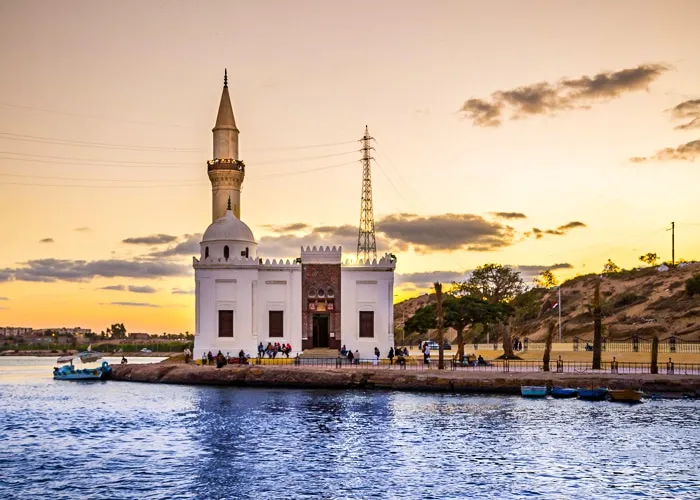
Ottoman-era architecture dominates Rosetta’s visual character. Unlike Cairo, which modernized rapidly, Rashid retained its historic essence. The old town’s skyline features minarets, Arabic calligraphy, and olive-drab domes blending beautifully with red brick facades. Wandering through these streets evokes a sense of continuity, as though the clock stopped two centuries ago. Each old mansion, such as Hussein Agha’s house, resembles open-air museums illuminated by the timeless glow of the Delta sunlight.
Beyond architecture, the soul of Rosetta thrives in daily life. Carpentry, pottery, and traditional boat-building continue to define the local economy. Travelers fascinated by ancient craftsmanship will notice similarities with relics found in Abydos Temple and the artistic themes explored in Ancient Egyptian Papyrus Art. Rashid sustains Egypt’s artisan spirit without sacrificing its authentic simplicity.
Rosetta: Gateway Between Nile and Mediterranean
Rosetta’s geographical location is a natural boon. Sitting where the Rosetta branch of the Nile meets the Mediterranean, the city occupies fertile soil and scenic landscapes. The blend of river and coastal life defines Rashid’s rhythm—fishermen hauling nets at dawn, farmers tending lush fields, and families gathering along the Nile at sunset. While the delta’s topography resembles regions like Fayoum Oasis, Rosetta’s waterfront charm remains uniquely nostalgic.
The nearby beaches and the Nile’s gentle currents make it a peaceful alternative to bustling tourist cities. Visitors often embark on Nile felucca rides reminiscent of tours available in Luxor or Aswan. Combining a visit here with Aswan Day Tours or Luxor Day Tours adds a refreshing delta twist to traditional upper Egypt experiences.
Religious Heritage and Sacred Landmarks
Rosetta’s spiritual footprint extends across centuries. The city houses historic mosques such as Al-Abbasi Mosque, Al-Mahalli Mosque, and Aziza Mosque, distinguished by their geometric decorations and high minarets. Each mosque narrates a chapter in the evolution of Egypt’s Islamic architecture. Pilgrims interested in sacred art often compare these marvels to the spiritual sanctuaries of Coptic Cairo (Old Cairo) or the serene monuments of Al Azhar Mosque.
Equally notable are the Christian and Jewish historical influences, represented by the traces of ancient religious sites that once thrived here. The crossroads of faiths gave Rosetta a cosmopolitan edge, making it a crucial node in Egypt’s moral and cultural fabric.
Things to Do in Rosetta (Rashid): Exploring Culture and Nature
Travelers visiting Rosetta will find a broad tapestry of experiences. Beyond its architecture, the town invites exploration through its bustling markets, scenic walkways, and historical homes. The Rashid National Museum provides a scholarly dive into Ottoman art, local crafts, and maps of Egypt’s changing borders. A stroll along the Nile Corniche reveals the town’s tranquil personality—boats drifting lazily, fishermen singing local chants, and the aroma of grilled fish wafting through the air.
For culinary adventurers, homemade Egyptian dishes such as molokhia, falafel, and fresh Nile shrimp dominate the scene. The culture here mirrors Egypt’s broader gastronomic heritage detailed in Traditional Dishes in Egypt. Each bite tells a story of generations cooking by instinct rather than recipe, making the dining experience profoundly intimate and flavorful.
Eco-Tourism and Authentic Nile Life
In an era when sustainable travel matters, Rosetta’s unspoiled environment offers a model of eco-tourism. The delta’s wetlands are abundant with migratory birds and lush greenery, attracting naturalists and photographers alike. Boat excursions through the Nile’s Rosetta branch reveal stunning sunset views that rival any scene in The Nile River heartland. It’s easy to imagine coupling a Rosetta stay with cultural experiences available on the Luxury Dahabiya Nile Cruise or similar journeys.
For those who prioritize meaningful exploration, Rashid embodies slow travel at its most genuine. It remains untouched by mass tourism while offering immense historical and ecological depth.
Modern Growth and Preservation Challenges
Despite its allure, Rosetta faces modernization pressures. The growth of surrounding cities, combined with limited infrastructure investment, threatens the preservation of its heritage. Conservation experts urge awareness about maintaining its Ottoman-era buildings and ensuring sustainable tourism practices. Similar efforts succeed in protecting other sites like the Montazah Palace and the Citadel of Qaitbay. Rosetta deserves no less. Sustaining this delicate equilibrium between progress and history ensures Rashid’s timeless character continues to thrive.
Rosetta in the Context of Egyptian Civilization
Rosetta doesn’t exist in isolation—it mirrors Egypt’s broader historical symphony. From the Pharaonic sands to Islamic minarets, Egypt’s story is one of continuity. In Rashid, visitors witness this fusion of epochs more intimately than anywhere else. While ancient cities like Memphis Egypt tell the story of empire, Rosetta recounts the everyday lives of traders, artisans, and scholars who kept civilization alive.
Planning Your Trip to Rosetta (Rashid)
Reaching Rosetta is simple. Travelers can access it from Alexandria within an hour by road. Public buses and guided private tours operate regularly. Considering the city’s unique ambiance, travelers often pair Rosetta with Nile itineraries such as the 4 Day Cairo and Luxor Tour Package or family-themed escapes like Egypt Family Tours. While accommodations remain limited, guesthouses deliver warm Delta hospitality unmatched by larger tourist hubs. The best time to visit is from October to April, when the weather is mild and the streets hum with local festivity.
Frequently Asked Questions About Rosetta (Rashid)
1. Where exactly is Rosetta (Rashid) located?
Rosetta lies in Egypt’s Beheira Governorate at the mouth of the Rosetta branch of the Nile, close to the Mediterranean coast. It’s approximately 65 kilometers east of Alexandria and 220 kilometers northwest of Cairo, making it easily accessible for a day or weekend trip.
2. Why is Rosetta famous in world history?
Rosetta is internationally renowned for the discovery of the Rosetta Stone in 1799. This artifact allowed scholars to decode ancient Egyptian hieroglyphics, unlocking centuries of language and history. The city’s name has since become synonymous with deciphering mysteries and cultural breakthroughs.
3. What are the main attractions to visit in Rosetta?
Prominent sites include the Replica Rosetta Stone Museum, Ottoman mansions like Beit El Amasyali, historic mosques, and traditional markets. The riverfront also offers stunning sunset views and opportunities for local boat rides that showcase authentic Egyptian life along the Nile.
4. How can travelers include Rosetta in their Egypt itinerary?
Rosetta pairs beautifully with northern and upper Egypt experiences. Travelers may combine a visit with Alexandria or integrate it before taking a Nile cruise such as the MS Crown Jewel Nile Cruise. It’s ideal for explorers drawn to authentic towns rather than crowded resorts.
5. What’s the best time to visit Rosetta (Rashid)?
The most comfortable months are October through April. The climate during these months is cool and pleasant, perfect for walking tours and river excursions. Summer can be humid, but early morning or evening visits reveal Rashid’s tranquil charm without the crowds.
Rosetta (Rashid) remains Egypt’s quiet storyteller—a place where