
Traditional Dishes In Egypt

Traditional Dishes in Egypt: A Culinary Journey Through Time and Flavor

Traditional dishes in Egypt are far more than recipes; they’re living narratives infused with history, love, and daily culture. Egyptian cuisine tells the story of a civilization that thrived along the Nile River for millennia. From pharaonic feasts to today’s family gatherings, each meal unites diverse flavors from the Mediterranean, North Africa, and the Middle East. Whether you’re strolling through Cairo’s bustling streets or enjoying the serenity of Luxor, the aroma of Egyptian food wraps around you like a warm embrace. The dishes, often rich in legumes, grains, and aromatic spices, embody sustainability and soul. Bread, hummus, lentils, and fava beans remain dietary cornerstones, symbolizing abundance and togetherness. The way food brings people together in Egypt is magical, transforming every bite into a memory worth savoring. For travelers eager to taste authenticity, understanding traditional dishes in Egypt opens a window into its ancient and modern heart. In every city—from Alexandria’s seafood soups to Aswan’s Nubian stews—Egyptian cuisine whispers tales of generations and landscapes shaped by the fertile Nile and the Sahara’s embrace.

Koshari: Egypt’s National Comfort Food

Koshari stands proudly as Egypt’s national dish, a hearty mix of rice, lentils, pasta, and chickpeas drizzled with a tangy tomato sauce and golden fried onions. The combination of textures—a fusion of soft, crispy, and spicy—creates a symphony of flavors. Originating in the 19th century, Koshari evolved as a symbolic street food for everyone, crossing social boundaries. You’ll find it from Cairo’s markets near the El Moez Street to modern homes. Vendors often line their stalls with huge metal bowls where they layer ingredients rhythmically, turning food service into an art form. Served with a dash of garlic vinegar or hot chili sauce, every forkful delivers comfort and nostalgia. For tourists exploring the capital, joining a local guide on Cairo Day Tours often ends with tasting this Egyptian classic. It’s cheap, filling, and deliciously addictive—a snapshot of Egyptian passion in a bowl.

Ful Medames: The Ancient Breakfast Staple

Ful Medames is one of the oldest known Egyptian dishes, with roots tracing back to the pharaohs. Made from slow-cooked fava beans seasoned with lemon juice, olive oil, cumin, and garlic, it’s typically eaten for breakfast yet cherished throughout the day. Egyptians enjoy it with baladi bread—a whole-grain pita baked in clay ovens. In neighborhoods along the Nile River that inspired Nile River cruises, families gather in the morning to share ful alongside pickles and fresh vegetables. Street vendors serve it in small bowls or sandwiches, while upscale restaurants present gourmet variations topped with boiled eggs or tahini. The dish is simple yet powerful, providing long-lasting energy, making it both a peasant’s meal and an elite favorite. It embodies Egyptian values of generosity and balance—nourishment rooted in humility.

Taameya: Egypt’s Green Falafel

Known elsewhere as falafel, Taameya is distinctly Egyptian. It’s made with fava beans rather than chickpeas, which gives it a vibrant green interior due to fresh herbs like parsley, dill, and coriander. Crispy on the outside and soft inside, Taameya is the Egyptian answer to fast food. It pairs wonderfully with ful medames, forming a complete vegetarian paradise rich in protein and flavor. You can find it sizzling in oil along downtown Cairo or coastal resorts in Alexandria City. Traditionally eaten with tahini sauce, salad, and baladi bread, it’s the perfect bite-sized introduction to Egyptian cuisine’s goodness. Travelers on All Inclusive Egypt Vacations often cite Taameya breakfasts as their most memorable meal.

Molokhia: The Royal Green Stew

Molokhia, a silky soup made from finely chopped jute leaves, is another Egyptian classic steeped in legend. Its flavor is earthy with a hint of garlic and coriander, usually served over rice or with bread. Historically, the dish was exclusive to royalty, enjoyed by caliphs and pharaohs. Today, it’s enjoyed everywhere—from luxury hotels to family kitchens. The preparation varies by region; in Cairo, it’s cooked with chicken, while in Alexandria or coastal towns, seafood or rabbit might be added. Locals believe the dish’s unique aroma, released when garlic is fried and poured sizzling into the pot, is what transforms it from mild to magical. If you’re taking a Luxury Nile Cruise, expect to savor Molokhia paired with steamed rice, fresh lemon, and passion that recalls the country’s culinary sophistication.

Mahshi: Stuffed Vegetables Bursting with Heritage

Mahshi, meaning “stuffed,” is one of Egypt’s most beloved family dishes. It refers to vegetables such as zucchini, peppers, eggplants, and grape leaves filled with a seasoned mixture of rice, herbs, and sometimes minced meat. The filling simmers slowly in tomato sauce until tender. Mahshi embodies generosity—it’s often prepared during weddings, feasts, or Ramadan. The balance of rice, herbs, and spices in every bite reflects Egyptian hospitality. In many rural homes near Fayoum Oasis, grandmothers still follow age-old recipes when cooking Mahshi for guest gatherings. For visitors seeking authentic outreach, local cooking classes on Egypt Family Tours often showcase Mahshi as the signature homemade dish.

Fatteh: Layered Celebration Food

Fatteh is often served during festive occasions such as religious holidays and family reunions. It’s a layered dish made from toasted bread pieces, rice, garlic yogurt, and a hearty broth, sometimes topped with chunks of meat or chickpeas. In Egypt’s southern cities like Aswan City, Fatteh plays an essential role in Nubian gatherings. Egyptians appreciate its rich textures and comforting blend of flavors—a culinary metaphor for unity. It’s wholesome, filling, and unforgettable. Travelers exploring southern Egypt on Aswan Day Tours often find Fatteh served during special celebrations.

Hawawshi: Egypt’s Savory Meat-Stuffed Bread

Hawawshi blends the comfort of bread with the indulgence of spicy minced meat. The mixture—beef, onions, garlic, peppers, and chilies—is stuffed inside baladi bread, then baked until crisp outside and juicy within. Hawawshi is street food at its finest, satisfying late-night cravings across Egyptian cities. The savory aroma wafting from street ovens can make any passerby stop in their tracks. Vendors in Giza, near the majestic Sphinx Statue, serve some of Egypt’s best Hawawshi, earning the dish a permanent spot on must-eat lists for food lovers touring with Egypt Day Tours.

Fish and Seafood Delights on Egypt’s Coasts

Egypt’s proximity to the Mediterranean and Red Sea ensures an abundant supply of seafood varieties. Alexandria, the queen of the north, is famed for Sayadeya—a classic fish stew made with rice, caramelized onions, and spiced tomato sauce. It’s hearty, tangy, and deeply satisfying. Meanwhile, along the Red Sea near Hurghada City and Marsa Alam, grilled fish, calamari, and prawns dominate seaside tables. Each dish celebrates freshness, whether marinated with cumin and lemon or grilled over charcoal. Tourists embarking on Hurghada Day Tours often end their adventures with seafood by the shore, tasting Egypt’s vibrant maritime culture in every bite.

Feteer Meshaltet: The Egyptian Pastry of Layers

Feteer Meshaltet is Egypt’s version of a flaky layered pastry, sometimes savory, sometimes sweet. Traditionally baked in rural homes and offered as hospitality to guests, it can be filled with cheese, meats, or coated with honey and sugar. Its decadence makes it a symbol of generosity. When exploring rustic villages or joining Luxor Day Tours, you’ll often find Feteer shared after tea or served alongside jam. This pastry dates back to ancient Egypt, where it was offered to the gods, underscoring how food and worship have always intertwined in the Egyptian kitchen.

Egyptian Desserts: Sweet Reflections of Tradition

Egypt’s desserts are an enchanting finale to every meal. Basbousa, a semolina cake soaked in syrup, and Konafa, shredded phyllo stuffed with nuts or cream, shine during festive seasons. But perhaps the most iconic is Om Ali, Egypt’s legendary bread pudding that celebrates warmth, texture, and tradition. You can learn about its background in Om Ali Recipe and History. These desserts aren’t merely confections; they’re cultural expressions of hospitality and joy. During Ramadan nights, they become symbols of sharing, where families gather after fasting to indulge and connect. For culinary enthusiasts, joining a cooking session during Egypt Christmas Tours makes tasting Egyptian sweets an unforgettable cultural experience.

Traditional Beverages: Egypt in a Cup

No journey through Egyptian cuisine is complete without savoring its beverages. Hibiscus tea, called Karkadeh, glows with a deep crimson hue and is beloved for its tangy flavor and cooling effect. Sahlab, a warm milk-based drink thickened with orchid flour, offers creamy comfort on winter nights. For a refreshing finish, sugarcane juice stalls fill every corner of bustling streets in Cairo City. Travelers cruising the Nile on the Nile Premium Cruise often enjoy these drinks while watching sunsets over ancient temples. Together, they echo the harmony between Egypt’s natural abundance and its hospitality legacy.

Traditional Dining Culture in Egypt

Egyptian dining revolves around generosity and togetherness. Locals typically share large platters, emphasizing communal eating. Hospitality dictates that no guest leaves hungry, a custom deeply entwined with Egyptian culture. Meals often start with an array of appetizers—pickles, salads, and dips—before main courses appear. Bread plays a central role, sometimes used as a utensil to scoop up bites. Visitors joining cultural excursions, like Cultural Tours Egypt, encounter this authentic experience firsthand. The practice of gathering around the same dish, passing plates, and engaging in laughter captures the Egyptian spirit of unity. It’s not just about satisfying hunger—it’s about nurturing belonging.

FAQs About Traditional Dishes in Egypt

What are the top traditional Egyptian dishes a visitor must try?

Visitors should sample Koshari, Ful Medames, Taameya, Molokhia, and Mahshi. Each offers a different glimpse of Egypt’s culinary soul, representing regional flavors and ancient influences. Pair them with Egyptian desserts for a well-rounded gastronomic adventure.

Is Egyptian food vegetarian-friendly?

Absolutely! Egyptian cuisine offers a variety of vegetarian dishes like Koshari, Ful Medames, and Taameya. Even Mahshi can be prepared without meat. These dishes highlight vegetables and legumes as flavorful foundations, making Egypt ideal for plant-based travelers.

Which Egyptian dish has the oldest historical roots?

Ful Medames is believed to date back over 4,000 years. Archaeological findings indicate its presence in pharaonic diets, proving that modern Egyptians still cherish the same flavors enjoyed by their ancestors.

Where can travelers taste authentic Egyptian food?

Authentic Egyptian dishes are widely available in Cairo, Luxor, and Aswan. Joining guided experiences such as Cairo City’s bustling markets, floating serenely on the Nile River, or exploring the ancient temples of Luxor City, language becomes a bridge connecting you to the heart of Egyptian culture.

This article dives deep into the linguistic identity of Egypt—exploring the role of Arabic, the survival of Nubian and Bedouin dialects, the influence of foreign tongues, and how Egypt’s history continues to shape its soundscape. Whether you’re curious about ancient Egyptian scripts or keen to understand everyday communication, you’ll discover that Egypt speaks with more than one voice. Let’s journey through the melodic world of Egyptian languages that define this extraordinary nation’s past, present, and future.

The Dominance of Egyptian Arabic: The Beating Heart of Communication

Egyptian Arabic, known locally as ‘Masri,’ stands proudly as the most spoken language in Egypt. It’s used in homes, schools, television shows, songs, and casual conversation. The dialect has a musical tone that captures the warmth and humor of the Egyptian people. Thanks to Egypt’s influential film and music industries, particularly centered in Cairo, this dialect is widely understood across the Arab world. In fact, when people across the Middle East think of Arabic cinema or classic music, they often recognize Egypt’s unique linguistic flavor.

The core of Egyptian Arabic comes from Classical Arabic—the language of the Quran—but it’s flavored with history. Centuries of trade and cultural exchange introduced Turkish, Italian, French, and English loanwords, making it one of the richest and most flexible dialects of the Arabic family. Travelers embarking on Egypt Day Tours will quickly notice how the Egyptian people simplify grammar yet maintain poetic expressions, making daily communication vibrant and accessible.

Why Egyptian Arabic Differs from Other Arabic Dialects

Egyptian Arabic stands out for its simplicity and rhythm. It sheds some of Modern Standard Arabic’s grammatical complexities, favoring directness and flow. This linguistic flexibility makes it easier for foreigners to learn and understand. Egypt’s central location and cultural leadership in the Arab world have turned Masri into a cultural ambassador. Movies, series, and pop songs exported since the 20th century have spread the Egyptian accent to distant corners of the Middle East.

Visitors on historical trips like the 7 Days Cairo and Nile Cruise Package often find learning a few phrases like “shukran” (thank you) or “sabah el kheir” (good morning) opens doors to authentic local experiences. The charm of Egyptian Arabic lies not only in communication but also in connection—it’s the rhythm of the Nile turned into language.

Modern Standard Arabic: The Language of Media, Education, and Formality

While Egyptian Arabic thrives in day-to-day conversation, Modern Standard Arabic (MSA), known as ‘Fus’ha,’ serves as Egypt’s formal and official language. It’s the tongue of newspapers, government proceedings, education, and religious sermons. MSA is essentially uniform across the Arab world, ensuring clarity in printed and official communication.

In Egyptian schools, students learn to read and write in MSA, while speaking Egyptian Arabic at home. This bilingual dynamic enriches their linguistic competence, allowing Egyptians to switch effortlessly between dialects depending on context. Whether reading a national newspaper or watching a speech by an official, Egyptians intuitively understand the nuances that bridge spoken and written forms.

During culturally immersive experiences like Cairo Day Tours, one might encounter both languages side by side—Fus’ha in academic or religious settings, and Masri on the streets, echoing through marketplaces and historic alleys.

Historical Layers: From Hieroglyphics to Coptic and Beyond

Egypt’s linguistic history is as ancient as its monuments. Long before Arabic conquered the land, Egypt spoke through hieroglyphs—a complex system of symbols that communicated religion, politics, and daily life. Over centuries, this evolved into Demotic and eventually Coptic, the last direct descendant of the ancient Egyptian language. The Coptic language, written with the Greek alphabet and additional letters from Demotic, lived on primarily through the Egyptian Christian Church, where it remains sacred even today.

Exploring temples like the Temple of Philae or the awe-inspiring Abu Simbel Temples offers visitors glimpses of inscriptions that narrate Egypt’s linguistic evolution. These monuments tell stories not just of kings and gods but of a people deeply attached to expression and heritage. Although Arabic replaced Coptic as the official language after the Arab conquest in the 7th century, the latter continues to be used in religious rites, connecting the faithful to the language of their ancestors.

The Legacy of Ancient Egyptian Language

The ancient Egyptian language endured for more than 4000 years—one of the longest surviving languages in human history. From hieroglyphics etched in stone to papyrus manuscripts, it evolved alongside Egypt’s changing dynasties. Even today, many Egyptian Arabic words trace their lineage back to ancient Egypt, especially in daily life, agriculture, and local customs. Walking through historical wonders like the Luxor Temple or Temple of Hatshepsut, you can almost hear whispers of this linguistic continuity lingering in the desert air.

Other Languages Spoken in Egypt Today

Egypt isn’t a monolingual nation. Beyond Arabic, several languages thrive in different regions. English, widely taught in schools, serves as the dominant foreign language, particularly in tourism, business, and academia. French holds a secondary status, especially among older generations and in some professional circles.

Ethnic and regional groups add further layers to Egypt’s linguistic identity. Nubian languages, for instance, are kept alive in southern Egypt, especially around Aswan City and The Nubian Village. Siwi Berber is spoken in the remote oasis of Siwa Oasis, preserving North African Amazigh roots. Bedouin communities across the Sinai and the Eastern Desert maintain distinct dialects influenced by Arabian and Levantine Arabic, highlighting Egypt’s role as a crossroads of civilizations.

English and French in Modern Egypt

Visitors on luxury experiences such as the 11 Days Luxury Egypt Tour Package or the Luxury Egypt Tours will find English-speaking guides nearly everywhere—especially in tourist cities like Cairo, Alexandria, Luxor, Hurghada, and Aswan. English signboards, menus, and transport instructions make navigation simple for international visitors. Meanwhile, the influence of French remains visible in certain academic and artistic circles, reminiscent of Egypt’s 19th-century modernization era.

Minority and Indigenous Languages

Languages like Nubian and Beja reflect Egypt’s multicultural roots. Nubian languages—such as Nobiin and Kenzi—are deeply tied to identity and oral tradition, often preserved through song, storytelling, and community ceremonies. Efforts are ongoing to document and revitalize these tongues as symbols of heritage. Travelers exploring southern cultural circuits like the 4 Day 3 Night Nile Cruise from Aswan to Luxor often gain the unique opportunity to hear snippets of Nubian language communicated with rhythmic hospitality and sincerity.

How Language Shapes Egyptian Culture and Identity

Language in Egypt isn’t merely a communication tool—it’s a vessel of cultural pride and continuity. Egyptian Arabic embodies the humor, rhythm, and emotion that define everyday life. From bustling souqs to Nile-side gatherings, Egyptians use language dynamically, layering meanings through tone and gesture. In arts, film, and music, linguistic creativity thrives; songwriters and poets mold words into art that transcends regional barriers.

Egypt’s multilingual edge has played a key role in its global connectivity. Whether negotiating trade, welcoming tourists on Best Nile River Cruises, or bridging East and West, Egyptians effortlessly navigate linguistic landscapes. The interplay of languages here exemplifies coexistence—modern influences blend seamlessly with ancient traditions, creating a unique cultural dialogue that continues to fascinate visitors worldwide.

Language in Egyptian Religion and Art

Language touches the divine in Egypt. In mosques, the spiritual depth of Arabic recitations unites believers through verses of the Quran. In Coptic churches, the ancient prayers echo across centuries. Artistic expression too reflects this linguistic duality—inscriptions, calligraphy, and performances sustain Egypt’s historic aesthetic of sacred communication. From Quranic calligraphy at Al Azhar Mosque to murals at the Coptic Museum, every brushstroke and script carries meaning deeply intertwined with the Egyptian tongue.

Learning and Hearing the Egyptian Language

For travelers, learning basic Egyptian Arabic phrases transforms their experience. It breaks barriers and adds authenticity to every interaction. Egyptians are known for their friendliness and humor, so attempting local phrases often results in warm smiles and laughter. Even short greetings like “salaam alaikum” or “izayak?” connect visitors instantly. Tourists who join experiences such as the Luxor Hot Air Balloon Ride often remark how a few kind words make locals eager to share their stories.

Those passionate about languages can attend Arabic language classes or practice with native speakers during cultural tours. Egypt’s ambiance is the perfect classroom—the chatter in cafes, the calls of merchants, and even the echoing prayers from minarets merge into one living symphony of language.

FAQs About What Language Is Spoken in Egypt

1. What is the official language of Egypt?

The official language of Egypt is Arabic, specifically Modern Standard Arabic for formal communication and Egyptian Arabic for daily speech. The latter dominates television, films, schools, and casual conversation.

2. Do Egyptians speak English?

Yes, English is widely spoken, especially in major cities, hotels, and tourist attractions. It’s part of the school curriculum, and many Egyptians working in hospitality sectors communicate fluently with international visitors.

3. Are there other languages spoken besides Arabic and English?

Absolutely. Nubian languages are common in the south around Aswan, Siwi Berber in the Siwa Oasis, and Beja in parts of the Eastern Desert. French is also used in some academic and business contexts.

4. Is the ancient Egyptian language still spoken today?

While the ancient language isn’t spoken in everyday life, its modern descendant—Coptic—survives in the Egyptian Coptic Church. Coptic liturgy preserves grammar and vocabulary that echo ancient Egyptian heritage.

5. How hard is it to learn Egyptian Arabic?

Egyptian Arabic is considered one of the easier

Do You Need A Visa To Travel To Egypt?

Do You Need A Visa To Travel To Egypt? A Complete 2024 Travel Guide

Planning a trip to Egypt sparks the imagination—golden sands, awe-inspiring pyramids, and the mystical Nile River that has fueled human curiosity for millennia. Yet, before stepping foot into this ancient wonderland, one crucial question arises: do you need a visa to travel to Egypt? The answer depends on where you’re from, how long you plan to stay, and why you’re visiting. Egypt is known for its warm hospitality, but the entry rules can feel like a labyrinth without clear guidance. Whether you’re embarking on a historical journey through Cairo’s bustling streets, setting sail on a luxury Nile cruise, or relaxing on the pristine shores of Sharm El Sheikh, understanding Egypt’s visa requirements ensures a smooth experience from touchdown to takeoff.

This comprehensive guide dissects every aspect of Egypt’s visa policy—from e-Visas and visa-on-arrival options to exemptions and embassy applications. Learn what travelers from the US, UK, Europe, and other regions need, how to apply for your Egyptian visa online, and what documents you’ll need to breeze through customs. Don’t let bureaucratic hurdles overshadow your trip. Instead, arm yourself with knowledge, save time, avoid unexpected fees, and start your Egyptian adventure stress-free. Here’s your ultimate insider’s breakdown of Egypt’s visa requirements in 2024.

Understanding Egypt’s Tourism Visa: Who Needs It and Why

Most travelers to Egypt require a visa before or upon arrival. A tourist visa allows visitors to explore the country for sightseeing, leisure, or vacation-related purposes—whether visiting the Grand Egyptian Museum in Giza or marveling at the Temple of Philae in Aswan. Fortunately, Egypt’s policies have evolved to accommodate global tourism growth. Today, over 75 nationalities are eligible for electronic visas (e-Visas), simplifying the process immensely. The e-Visa program—launched in 2017—was designed to enhance convenience for travelers and boost tourism efficiency.

Travelers from the US, UK, Canada, and most EU countries can choose between a single-entry or multiple-entry e-Visa. The single-entry version allows visitors to stay up to 30 days and is valid for three months from issuance. The multiple-entry visa offers more flexibility—ideal for those planning regional trips or returning to Egypt for extended exploration, such as a journey down the Nile on the Steigenberger Minerva Nile Cruise.

Visa Exempt Countries: Who Can Visit Egypt Without a Visa

While most international travelers need permission to enter, some nationalities enjoy visa-free access. Citizens from Bahrain, the UAE, Saudi Arabia, Hong Kong, Macau, and other Gulf Cooperation Council (GCC) countries can stay in Egypt visa-free for up to 90 days. Additionally, certain nationalities holding valid visas or permanent residency in the US, EU, or the UK may enter without prior visa arrangements if arriving at major airports such as Cairo, Hurghada, or Sharm El Sheikh. This policy rewards frequent travelers and global residents planning multi-destination tours, like transitioning from a beach escape in Hurghada before joining a cultural Cairo day tour.

Egypt Visa On Arrival: The Quick and Easy Option

Egypt’s visa-on-arrival option provides immediate access for eligible travelers from around 40 countries, including the United States, Canada, Australia, Japan, and members of the European Union. This option allows tourists to purchase a visa directly at Egyptian airports for approximately $25 USD (single entry). It’s simple, fast, and ideal for spontaneous travelers who didn’t process paperwork beforehand. However, it’s recommended to carry exact cash and ensure your passport is valid for at least six months beyond your arrival date.

While convenient, visa-on-arrival lines can be lengthy during peak tourist seasons, especially in Cairo International Airport. Those seeking a smoother experience often opt for an e-Visa in advance—particularly if arriving with family on longer itineraries like the 11 Days Luxury Egypt Tour Package that includes Cairo, Luxor, and Aswan.

Egypt e-Visa: The Preferred Modern Travel Option

For most travelers, the Egyptian e-Visa is a godsend. It can be applied for online within minutes, eliminating embassy visits and paperwork headaches. Applicants must visit Egypt’s official e-Visa portal, fill out the application form, upload a passport copy, and pay securely online. Approval typically arrives within three to seven business days, emailed directly to the traveler. Present a printed copy upon arrival, and you’re set.

The e-Visa covers tourism, business meetings, and conference attendance. Single-entry and multiple-entry versions are available, valid for 90 and 180 days respectively. The cost ranges from $25 USD to about $60 USD for multiple entries—still affordable considering the priceless memories awaiting you at landmarks like the Giza Pyramids and the Abu Simbel Temples.

Documents Required for the Egypt e-Visa Application

To ensure a successful e-Visa approval, prepare the following essentials:

– A valid passport (minimum 6 months validity).
– A recent passport-sized photo.
– A confirmed travel itinerary, including dates and accommodation bookings.
– Debit or credit card for secure payment.
– Proof of return or onward travel (recommended).

When applying, double-check all entered data to prevent delays—spelling errors and mismatched passport numbers are common culprits causing unnecessary visa rejections.

Advantages of Obtaining the Egypt e-Visa in Advance

Applying ahead of time streamlines airport entry, saves queues, and ensures stress-free travel planning. Tourists visiting multiple destinations across Egypt—maybe cruising from Aswan to Luxor on the 4 Day 3 Night Nile Cruise from Aswan to Luxor—find e-Visas especially useful. It’s valid for major entry points like Cairo, Sharm El Sheikh, Hurghada, Marsa Alam, and Alexandria international airports.

Special Travel Areas: Sinai Peninsula and Red Sea Resorts

Egypt’s Red Sea region—including popular resorts like Dahab, Sharm El Sheikh, and Taba—has unique visa exceptions. Visitors arriving directly into these airports and remaining within the Sinai Peninsula for up to 15 days may receive a free entry stamp instead of a full visa. This option suits leisure seekers exploring underwater coral realms or adrenaline-filled excursions like scuba diving in Sharm El Sheikh. However, travelers planning to leave Sinai or visit Cairo must obtain a full visa beforehand.

Transit Visas and Airport Layovers

Transiting through Egyptian airports for short durations (under 48 hours) usually doesn’t require a visa, provided you remain within airport premises. However, if you plan to step out and sightsee, even briefly—say, exploring attractions during a Cairo stopover tour—you’ll need an entry visa. Always check with your airline, as requirements can vary depending on nationality and route.

Business and Long-Stay Visas in Egypt

For employment, study, or long-term residence, travelers must apply through Egyptian embassies or consulates prior to departure. Business visas may require invitation letters from Egyptian companies or proof of trade relationships. Those engaging in research or journalism should seek official permits, as unauthorized activities might result in penalties.

Essential Tips for a Smooth Egyptian Entry

Ensure your passport remains valid throughout your stay, carry extra passport copies, and keep your e-Visa printout handy. Currency for visa payments should be in cash (USD recommended) unless pre-paid online. Travelers planning multi-city itineraries like the 8 Days Best Egypt Tour with Nile Cruise will find having all documentation organized crucial to avoid unnecessary airport hold-ups.

Remember that immigration officers may ask for proof of accommodation or return tickets. Have hotel confirmations ready—especially if you’re traveling on guided packages such as Egypt vacation packages or beautifully curated luxury Egypt tours.

Extending Your Stay in Egypt

If you’ve fallen in love with the Land of Pharaohs—and who can blame you?—you can apply for an extension at the Passports, Immigration, and Nationality Administration in Cairo. Extensions typically allow additional 90-day stays, subject to approval. Apply early to avoid fines or delays, particularly if your itinerary includes cross-country experiences like 9 Days Egypt and Nubia Tour.

Safety and Entry Protocols

Egypt enforces security measures but remains generally safe for tourists visiting major attractions. Having your visa and travel documents in order accelerates checkpoints, especially in tourist hotspots such as Luxor, Aswan, and the Red Sea Riviera. Respect local customs, obey photography restrictions, and maintain cultural sensitivity—especially when visiting religious sites like the Al Azhar Mosque or ancient temples.

FAQs About Do You Need A Visa To Travel To Egypt?

1. Can I get an Egyptian visa online?

Yes. The Egyptian e-Visa system allows travelers from 75+ countries to apply online by submitting their passport details, uploading a photo, and paying the fee. You’ll receive an electronic visa within a few days via email. Present it upon entry at any official Egyptian airport.

2. How long can I stay in Egypt with a tourist visa?

A standard tourist visa—either e-Visa or visa-on-arrival—permits a 30-day stay within a 90-day validity window. Those planning extended travel, like exploring both Lower and Upper Egypt on comprehensive Egypt day tours, may consider applying for multiple-entry visas.

3. What should I do if my visa expires while in Egypt?

Visa overstays can incur fines or affect future travel privileges. Visit a local immigration office before expiration to extend your stay legally. Always plan extensions in advance to maintain lawful status during your Egyptian journey.

4. Do children need separate visas for Egypt?

Yes. Every traveler, regardless of age, must possess an individual visa unless specified otherwise on family documents. Parents should submit child details under their passport application section when applying online.

5. Is entering Egypt without a visa possible?

Only for nationals of GCC countries and specific territories eligible for visa-free entry. Otherwise, all tourists must have a visa—whether obtained online, upon arrival, or via an embassy. Always verify eligibility before your trip to avoid last-minute surprises at immigration control.

Why Travel To Egypt?

Why Travel to Egypt: The Ultimate Journey Through Time, Culture, and Adventure

Ever wondered why Egypt remains on every traveler’s bucket list year after year? Picture yourself watching the sun rise behind the majestic Pyramids of Giza, floating lazily down the Nile River, or diving into the crystalline waters of the Red Sea. Traveling to Egypt isn’t merely a vacation—it’s a doorway into the ancient world mixed with the heartbeat of modern Arabic culture. With its mystical landscapes, awe-inspiring monuments, and welcoming people, Egypt conjures emotions that few destinations can match. Each journey promises a blend of discovery, thrill, and enlightenment.

The allure lies not only in its pharaohs and temples but in the rhythm of everyday life: the aroma of spices wafting from Cairo’s bustling bazaars, the serenity of Aswan’s golden sands, and the dazzling coral reefs off Hurghada. Whether you crave historical enrichment, luxurious escapes, or adventure-filled holidays, Egypt delivers in spades. From Luxury Egypt Tours that pamper every sense to authentic local experiences, traveling here is an odyssey of sights and sensations crafted through millennia. In this article, we dive deep into the many compelling reasons why Egypt should be your next unforgettable escape.

Where History Breathes: Exploring Ancient Egypt’s Timeless Wonders

Nowhere else on earth can rival Egypt’s treasure trove of archaeological marvels. The Pyramids of Giza, one of the Seven Wonders of the Ancient World, continue to astonish visitors with their scale and symmetry. The enigmatic Sphinx Statue stands as a silent guardian of these monumental masterpieces, embodying millennia of mystery. Travel farther south to Luxor City, an open-air museum that bursts with temples, tombs, and relics of pharaonic power. It’s home to the resplendent Luxor Temple and the Valley of the Queens, where legendary queens like Nefertari rest in painted splendor.

Heading even further south, Aswan enchants travelers with its atmospheric mix of Nubian culture and scenic beauty. The Temple of Philae rises gracefully from the Nile, while the Abu Simbel Temples reflect the grandeur of Ramses II’s reign. Every temple whispers tales of divinity, legacy, and artistry that continue to shape humanity’s understanding of civilization.

The Nile River: Egypt’s Lifeline Through the Ages

The Nile River isn’t just a waterway—it’s the very soul of Egypt. This life-giving artery has nourished civilizations and continues to serve as an iconic voyage for travelers. Imagine gliding along calm waters aboard the Luxury Dahabiya Nile Cruise, sipping tea as temple silhouettes pass by. Cruising the Nile melds relaxation with enrichment, offering views of verdant riverbanks and local villages where ancient lifestyles survive. Modern voyages rival pharaonic luxury, especially on elegant vessels like the Steigenberger Royale Nile Cruise or the classic Iberotel Crown Empress Nile Cruise.

Whether you opt for short journeys or expansive itineraries such as the 4 Day 3 Night Nile Cruise from Aswan to Luxor, each route reveals timeless scenes—fishermen casting nets at dawn, children playing along the banks, and palm trees swaying under a golden sun. Beyond its beauty, the Nile connects most of Egypt’s key heritage sites, making it an unmissable experience for anyone traveling to Egypt.

Modern Egypt: A Tapestry of Culture and Hospitality

Traveling to Egypt unfolds more than desert horizons and timeworn stones. Modern Egyptian culture reflects centuries of influences—Arab, Mediterranean, African, and European—all woven into a vibrant tapestry. Cairo pulses with energy, where ancient mosques stand beside gleaming skyscrapers. Stroll through El Moez Street, soak in the details of the Citadel of Salah El-Din, and gaze up at the stunning Alabaster Mosque. This powerful blend of old and new gives Egypt its unique soul.

Hospitality is second nature here. Egyptians welcome you warmly with mint tea, stories, and smiles. Their pride in heritage shines through daily interactions. Visitors who crave rich cultural immersion can enjoy Egypt Day Tours that explore hidden corners of bustling metropolises and quiet oases alike. From vibrant souks to open-air cafes overlooking the Nile, Cairo and Alexandria offer a symphony of experiences you’ll remember forever.

Beach Escapes and Desert Adventures in Egypt

If you believe Egypt’s charm stops at ancient ruins, think again. The country boasts some of the world’s best coastal escapes. Sharm El Sheikh, Hurghada, and Marsa Alam frame the Red Sea in pure tropical luxury. Under the surface, brilliant coral gardens and exotic sea creatures thrive. Snorkeling enthusiasts adore trips to Ras Mohammed National Park or the iconic Blue Hole of Dahab. Divers seeking memorable thrills should add Wadi El Gemal National Park to their itinerary for exceptional marine biodiversity.

Adventurers will find excitement beneath Egypt’s sun-baked sands too. The White Desert dazzles with chalk formations sculpted by time, while the Siwa Oasis enchants with tranquil palm groves and salt lakes. Desert safaris, quad biking, and stargazing in Egypt’s remote oases stir the soul like few experiences can.

Gastronomy and Local Flavors

No travel experience is complete without tasting Egypt’s culinary legacy. Traditional dishes in Egypt blend Middle Eastern spices with Mediterranean simplicity. From savory koshari to flaky layers of basbousa, each bite tells a centuries-old story. Culinary experiences found during Egypt Family Tours allow travelers to cook alongside locals or enjoy feasts under the desert stars. Don’t miss street-food adventures through Cairo’s markets or coastal delights from the Red Sea restaurants.

Festivals and Living Traditions

One reason people travel to Egypt is its vivid festival calendar. Celebrations like Ramadan, Eid al-Fitr, and the Coptic Christmas present a mosaic of faith and tradition. Seasonal events like the Abu Simbel Sun Festival or the Luxor African Film Festival allow deeper cultural connection. Visiting during Egypt Christmas Tours immerses travelers in sparkling lights, joyous music, and spirited festivities that fill the air with laughter and color.

Adventure, Luxury, and Everything In Between

Whether you’re a historian, diver, foodie, or luxury seeker, Egypt spoils you for choice. Upscale travelers can indulge in All Inclusive Egypt Vacations or the distinguished 11 Days Luxury Egypt Tour Package for genuine elegance. Those in pursuit of discovery can join the 8 Days Best Egypt Tour with Nile Cruise to explore ancient landmarks effortlessly. Families, couples, or solo travelers can all curate their dream trips thanks to diverse Egypt Vacation Packages designed for every style of journey.

Egypt welcomes travelers with open arms and experiences that remain etched in memory. It’s where awe meets authenticity, and every moment tells a story worth hearing.

Frequently Asked Questions About Traveling to Egypt

Is It Safe to Travel to Egypt?

Absolutely. Millions of tourists visit Egypt annually, drawn by its safety-focused hospitality industry. Visitors exploring guided tours or luxury cruises, like those offered by Cindrella Egypt Travel, benefit from local expertise and seamless organization. Staying aware and following your guide’s advice ensures a secure and enjoyable visit.

When Is the Best Time to Visit Egypt?

The ideal time to travel to Egypt falls between October and April, when the weather is pleasantly mild. This season lets you explore sites like the Temple of Seti or join Nile cruises without excessive heat. December journeys, such as the 11 Days Egypt All Inclusive December Tour, blend adventure with festive joy.

What’s the Most Popular City to Start an Egypt Trip?

Cairo, Egypt’s bustling capital, serves as the primary gateway. From the Grand Egyptian Museum to timeless pyramids, it perfectly introduces Egypt’s ancient wonder and modern pulse. Beyond Cairo, cities like Luxor and Aswan offer gateways into deeper exploration, often connected through Best Nile River Cruises.

What Kind of Accommodation Can I Expect in Egypt?

From heritage stays to sleek modern hotels, Egypt offers an impressive range of lodging. You can rejuvenate in luxurious palace hotels via the 10 Days Palace Hotels in Egypt Tour or unwind near coral reefs at stunning seaside resorts. Options across all budgets include charming boutique lodgings and world-class resorts overlooking the Red Sea or the Nile.

How Many Days Are Enough to Explore Egypt?

A week-long holiday covers the essentials—Cairo, Luxor, and Aswan—through organized itineraries like the 7 Days Egypt Trip. Two weeks or more allow immersive experiences, including Red Sea leisure, desert safaris, and cultural interactions. For history lovers, spending extra time in ancient sites elevates every journey.

From awe-inspiring architecture and glowing sunsets to intimate cultural exchanges, Egypt promises not just a trip but an awakening of the senses. Whether you’re chasing ancient legacies or savoring modern luxuries, the answer to “Why travel to Egypt?” shines bright and clear: because no other place on earth tells humanity’s story with such passion and power.

Giza City

Giza City: The Timeless Jewel of Ancient and Modern Egypt

Giza City is where time stands still, and history breathes in every grain of golden sand. This extraordinary Egyptian city, set majestically on the west bank of the River Nile, captivates visitors with its awe-inspiring monuments, legendary pyramids, and the enigmatic Great Sphinx. Giza isn’t just an archaeological wonder; it’s the beating heart of Egypt’s cultural identity. From its ancient pharaohs to its modern pulse, Giza City blends the mystique of the past with the vibrancy of today. Whether you’re an explorer seeking clues from the ancient world, a dreamer gazing toward the horizon of the Sahara, or a traveler chasing adventure and authenticity, Giza delivers experiences unlike any other city on Earth.

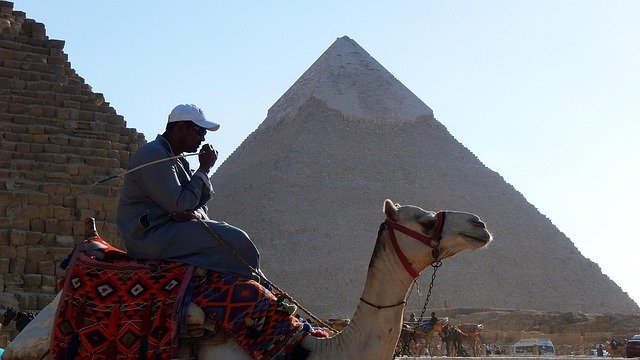
Located just southwest of Cairo, Giza City holds Egypt’s most iconic landmarks, including the Great Pyramid of Khufu, the Pyramid of Khafre, and the Pyramid of Menkaure. Yet beyond these world-famous structures, Giza pulses with life through its bustling neighborhoods, thriving local markets, and warm Egyptian hospitality. The proximity to modern Cairo allows visitors to traverse seamlessly between antiquity and innovation, where the view of the pyramids merges with the city’s skyline—a living metaphor for Egypt’s timeless journey. Indeed, Giza isn’t just a destination; it’s an encounter with eternity, an immersion into human genius, and a window into an enduring civilization that continues to inspire the world.

For travelers planning to experience the magic of Giza, numerous curated itineraries offer unforgettable moments. From camel rides across the desert sands to luxurious Nile cruises such as the Luxury Dahabiya Nile Cruise, travelers can enjoy Egypt’s history while indulging in comfort. Giza stands as a gateway to endless exploration, connecting to renowned tours like the Day Tour to Giza Pyramids & Sakkara or cultural escapes through the Coptic Cairo district. Its charm transcends ages, ensuring every traveler leaves enchanted by its timeless spell.

The Great Pyramids of Giza: Eternal Marvels of Human Ingenuity

When it comes to architectural grandeur and mathematical perfection, the Pyramids of Giza reign supreme. The Great Pyramid of Khufu—also known as Cheops—has mesmerized travelers for millennia. Built over 4,500 years ago, it stood as the tallest human-made structure for over 3,800 years. Each carefully carved limestone block tells a story of divine aspiration and engineering prowess that continues to confound scientists and archaeologists alike. The adjacent Pyramids of Khafre and Menkaure, though smaller, carry their own majesty, with intricate causeways and mortuary temples reflecting the ancient Egyptians’ sacred rituals of death and rebirth.

Visitors to Giza can delve deeper into these wonders with a unique experience such as the Camel Ride Trip at the Pyramids or a breathtaking Sound and Light Show at the Pyramids. As the sun sets beyond the desert dunes, light projections transform the monuments into a storytelling canvas that brings the Age of Pharaohs to life. Indeed, to stand before the Great Pyramids of Giza is to connect with one of humanity’s greatest triumphs—a moment that’s both humbling and exhilarating.

The Great Sphinx: Guardian of the Necropolis

No image captures Egypt’s allure quite like the Great Sphinx of Giza, a colossal limestone statue with a lion’s body and a human face believed to represent Pharaoh Khafre. This majestic guardian has stood vigil over the necropolis for over four thousand years, weathering time, sand, and wind. Scholars debate its exact age and purpose, but its enigma only adds to its irresistible appeal. The Sphinx evokes reverence and mystery, reminding every observer of Egypt’s deep connection with symbolism, power, and spirituality.

Within a short walk from the Sphinx lies the Valley Temple of Khafre—an architectural masterpiece used for the mummification and purification of the king’s body. Exploring these connected monuments gives visitors a holistic understanding of ancient Egyptian mortuary culture, where life, death, and eternity intertwined seamlessly. The views from the plateau, especially during sunrise, provide picture-perfect moments that no traveler will easily forget.

Beyond the Pyramids: Modern Giza’s Lively Soul

While Giza is famed for its treasures of antiquity, modern Giza City buzzes with energy and evolving creativity. It hosts the prestigious Grand Egyptian Museum, one of the most significant cultural projects in the world. This architectural marvel will display over 100,000 artifacts, including the complete treasures of King Tutankhamun, in a state-of-the-art setting that merges high technology with cultural preservation. The museum’s proximity to the pyramids makes it a must-see site for history enthusiasts and modern travelers alike.

Just as vibrant are Giza’s neighborhoods, where charming cafes, open-air bazaars, and local eateries reflect authentic Egyptian life. Whether you’re savoring a plate of traditional Egyptian food or watching artisans craft alabaster souvenirs, Giza reveals another dimension—one of resilience, community, and pride. The city’s connection to nearby Cairo makes it a dynamic hub for culture lovers eager to explore the Islamic Cairo district or experience the architectural splendor of the Al Azhar Park.

Giza’s Timeless Relationship with the Nile River

Giza’s proximity to the mighty Nile River has shaped every chapter of its history. The river was the lifeline of the Pharaohs, facilitating trade, agriculture, and monumental construction. Today, travelers can experience that heritage with elegant cruises, such as the Luxury Nile Cruise or the 4-Day Nile Cruise from Aswan to Luxor. Sailing from the shadow of Cairo’s skyline to the temples of Luxor and Aswan unveils the river’s eternal beauty—its waters still shimmering under the same sun that illuminated the age of the Pharaohs.

Adventurous Things to Do in Giza City

The allure of Giza goes far beyond sightseeing. Travelers can enjoy desert adventures like the Desert Safari by Quad Bike at Giza Pyramids, blending adrenaline with panoramic views. For those drawn to Egypt’s vibrant culture, day tours such as the Private Tour to Pyramids, Sakkara, and Dahshur provide deeper insight into ancient Egyptian burial sites and the evolution of pyramid design. These immersive excursions offer unforgettable memories for thrill-seekers and history buffs alike.

Luxury Travel and Seamless Experiences

For discerning travelers seeking comfort amid history, Giza delivers luxury without compromise. Through exclusive offers like the Luxury Egypt Tours or the Egypt Private Tours, one can explore Giza’s wonders with finesse. These packages combine guided exploration with personalized services, ensuring every moment becomes a treasured experience. From elegant accommodations with pyramid views to curated gourmet dinners, Giza proves that ancient grandeur and modern luxury can coexist beautifully.

The Legacy of Ancient Wisdom in Giza

Beyond its visual splendor, Giza City symbolizes the essence of Egyptian belief—the connection between earth and the afterlife. Ancient Egyptians designed their monuments to reflect cosmic alignment and divine purpose. Inside the pyramids, meticulously carved passages and hieroglyphs illustrate humanity’s earliest spiritual aspirations. Giza served not just as a burial ground but as a sacred portal to eternity, making it a crucial chapter in understanding the evolution of human faith, art, and science.

Visitors fascinated by this legacy often extend their journeys to the Sakkara Necropolis or the nearby Dahshour pyramids, witnessing the architectural progression that culminated in Giza’s perfection. Each step in this historical journey paints a vivid portrait of innovation and devotion that continue to influence modern civilization.

FAQs About Giza City

1. Where exactly is Giza City located?

Giza City sits on the west bank of the Nile River, directly across from Cairo. It forms part of the Greater Cairo metropolitan area, making it easily accessible for travelers visiting from the Egyptian capital. The site’s elevated plateau provides sweeping views of both the pyramids and the vibrant cityscape.

2. What are the must-see attractions in Giza City?

The unmissable highlights include the Great Pyramids of Khufu, Khafre, and Menkaure, the Great Sphinx, and the Grand Egyptian Museum. Don’t forget nearby sites like Sakkara and Dahshur, which hold earlier examples of pyramid construction that predate Giza’s wonders.

3. What’s the best time of year to visit Giza?

The most comfortable months for exploring Giza are from October to April when temperatures are moderate. During this period, the desert’s golden light enhances photography, and outdoor exploration is far more enjoyable than in the midsummer heat.

4. How do I get around Giza City?

Visitors can explore the area using taxis, private drivers, or organized tours like the Cairo Day Tours. Many opt for guided excursions that include transportation, ensuring convenience and expert insights into Giza’s monumental history.

5. Is Giza safe for travelers?

Yes, Giza City is safe for tourists. Security measures are in place at all major attractions, and local guides ensure smooth, worry-free experiences. For additional reassurance, check trusted sources like Egypt Travel Safety before your trip.

In sum, Giza City remains Egypt’s crown jewel—a place where myth and reality merge against the timeless sands. With its unmatched heritage, cultural depth, and evolving modern character, Giza promises every visitor an unforgettable encounter with the eternal spirit of Egypt.

Islamic Art Museum Cairo

Islamic Art Museum Cairo – A Captivating Journey Through Islamic Heritage

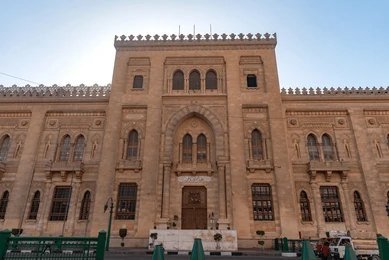
In the heart of Cairo, standing proudly near the historic Citadel of Salah El-Din and the vibrant district of Bab El-Khalq, the Islamic Art Museum in Cairo dazzles visitors with one of the most comprehensive collections of Islamic antiquities in the world. A true architectural and cultural masterpiece, this museum is a treasure trove that encapsulates the spirit, artistry, and intellectual legacy of Islamic civilization. Every inch of this grand institution—whether you’re observing centuries-old ceramics, intricate woodwork, shimmering metal artifacts, or ancient textiles—tells a story of faith, innovation, and artistic grandeur. The Islamic Art Museum Cairo is far more than just a museum; it’s an immersive narrative of 1,400 years of Islamic culture across three continents.

Since its establishment in the early 20th century, the museum has been a beacon for scholars, historians, and travelers seeking to uncover the evolution of Islamic decorative arts and architecture. Its collections are meticulously arranged to reflect the vast diversity within the Islamic world—from the distant corners of Spain and Iran to the bustling cities of Egypt and North Africa. Within its corridors, visitors encounter masterpieces that represent dynasties, philosophies, and societies that flourished under Islamic influence. The museum’s prime location also makes it a must-see stop during Cairo Day Tours, effortlessly connecting modern exploration with ancient elegance.

Every visit is an opportunity to travel back in time through art—witnessing calligraphy that mirrors divine beauty, manuscripts that preserve human wisdom, and architectural fragments that immortalize Islamic creativity. If heritage had a heart, the Islamic Art Museum Cairo would surely be it, beating with the rhythm of centuries of cultural brilliance and timeless devotion.

The Historical Significance of the Islamic Art Museum Cairo

The inception of the Islamic Art Museum Cairo traces back to 1881, when Khedive Tawfiq ordered the collection and preservation of Islamic artifacts to protect them from neglect and destruction. The museum’s initial nucleus formed within the courtyard of the Mosque of al-Hakim before moving to its permanent home in Bab El-Khalq in 1903. This historical initiative was not just about conserving relics; it symbolized Egypt’s recognition of Islamic art as a cornerstone of global culture and identity.

Over time, the museum’s collections swelled to include over 100,000 objects, each serving as a window into the heart of Islamic civilization. Elegant glass lamps from mosques, carved wooden doors from Abbasid palaces, and rare Quranic manuscripts became the pillars of an institution dedicated to preserving both faith and artistry. This national dedication aligns with broader historical efforts seen across Egypt, from the preservation of Abu Simbel Temples to the protection of heritage in Luxor City.

Following severe damage from a tragic bombing incident in 2014, a massive restoration project brought the museum back to life, complete with enhanced facilities, lighting, and preservation systems. Today, it stands stronger, more magnificent, and with a renewed mission—to connect contemporary hearts to timeless Islamic values and aesthetics.

Architectural Splendor and Design Elements

The Islamic Art Museum Cairo is a masterpiece of neo-Islamic architecture. From the moment one sets foot inside, the building exudes the grace of Quranic geometry blended with Egyptian Islamic influences. The main façade, adorned with exquisite arabesque patterns and intricate inscriptions, warmly welcomes visitors into a realm of sacred art and knowledge.

The layout itself echoes the philosophy of Islamic architecture—symmetry, balance, and the pursuit of divine proportion. Its vast halls are divided by theme and region, allowing visitors to trace the artistic progression of Muslim civilizations through different eras. Just as the Al Azhar Mosque embodies Cairo’s scholarly spirit, the museum’s design mirrors a devotion to beauty intertwined with knowledge.

Each gallery within the building is a testament to Egypt’s architectural mastery, seamlessly blending form and function. Wooden ceilings embedded with mother-of-pearl, delicate lattice screens, and restored stucco work echo the grand mosques and madrasas of medieval Cairo. The ambiance inspires reflection, admiration, and a profound sense of belonging to a timeless civilization.

The Priceless Collections: Art Across Eras

Walking through the museum feels like turning the pages of a beautifully illuminated manuscript. Here, artistry transcends time. Among the most celebrated exhibits are Quranic manuscripts from different centuries, some written in gold on blue vellum, demonstrating how Islamic art transformed spiritual devotion into tangible beauty.

Ceramics and pottery—many with Kufic inscriptions and intricate glaze techniques—represent the fusion of functionality and elegance that defined Islamic craftsmanship. Metalwork pieces showcase refined techniques like inlay and engraving, often combining calligraphy with vegetal motifs. Weapon displays reveal not only martial history but also exquisite detail that transforms tools of defense into art forms.

Equally captivating are the textiles and carpets—a kaleidoscope of culture, storytelling, and technical mastery. Each weave and pattern holds significance, echoing the beauty found in mosques from Cairo to Istanbul. These collections align with Egypt’s broader artistic narrative that includes iconic sites like the Mosque of Ibn Tulun and the Sultan Hassan Mosque.

The Educational and Cultural Role of the Museum

The Islamic Art Museum Cairo isn’t merely a repository of artifacts—it’s a living educational hub inspiring academics, artists, and tourists alike. Its programs for school groups, thematic exhibitions, and scholarly collaborations serve to rekindle interest in Islamic civilization’s shared human heritage. Modern interactive technologies make learning more engaging; visitors can now experience virtual tours, augmented displays, and audio guiding systems that breathe new life into centuries-old objects.

Through partnerships with international museums and heritage institutions, the museum expands its global role, ensuring Egypt’s cultural legacy remains accessible to all. This mirrors similar efforts seen in Egypt’s curatorial network, including the inspiring National Museum of Egyptian Civilization.

The Visitor Experience at Islamic Art Museum Cairo

Stepping into the Islamic Art Museum is like journeying across continents without ever leaving Cairo. The soundscape is serene, the atmosphere reverent, and every gallery invites exploration. Guided tours provide deep insights into the meaning behind each motif and artifact, transforming art appreciation into an enlightening spiritual journey. Many visitors pair their trip with excursions such as the Coptic and Islamic Cairo Tour or explore the city’s old quarters through El Moez Street to grasp how Islamic ideals shaped Cairo’s architectural soul.

Photography enthusiasts find the museum’s interiors irresistible—its lighting accentuates every intricate carving and shimmering relic, creating near-magical compositions. For those seeking a complete immersion into Cairo’s cultural essence, combining a museum visit with a Felucca ride down the Nile or joining Day Tour to El Fayoum from Cairo adds even more color to the Egyptian journey.

Why the Islamic Art Museum Cairo is a Must-See Destination

Visiting the Islamic Art Museum Cairo is a profound experience that transcends art appreciation. It’s where one witnesses the interplay of devotion, design, and discovery. Artifacts whisper tales of dynasties long gone and reveal how the Islamic world contributed to science, calligraphy, and architecture. The museum also demonstrates Egypt’s pivotal role as both a guardian and a bridge of civilization—linking Africa, Asia, and Europe through cultural dialogue.

The exhibits remind us that Islamic art wasn’t confined to religion alone; it was also a vehicle for knowledge, mathematics, astronomy, and poetry. Many visitors sense this harmony between art and intellect, which continues to inspire today’s designers, architects, and artists around the globe.

Location, Hours, and Accessibility

The Islamic Art Museum Cairo is located at Bab El-Khalq Square in the historic center of Cairo, near the Cairo City core. It’s easily accessible via metro, taxi, or private transfer, making it convenient for travelers staying across the city. You can include it as part of wider Egypt Day Tours or immerse yourself in broader cultural itineraries like the 7 Days Cairo and Nile Cruise Package. Museum tickets are modestly priced, ensuring accessibility to both locals and international guests eager to explore Cairo’s intellectual and artistic nucleus.

Preservation and Global Recognition

Internationally, the Islamic Art Museum Cairo represents a model of cultural preservation. Restoration efforts continually safeguard delicate manuscripts and wooden artifacts from environmental wear. The museum’s collaborations with UNESCO and other heritage entities have strengthened Egypt’s reputation as a pioneer in cultural conservation. This commitment echoes Egypt’s broader historical revival efforts found in initiatives across the Nile—from the Temple of Philae in Aswan to the serene artistry found within the Luxor Museum.

FAQs About Islamic Art Museum Cairo

What is the Islamic Art Museum Cairo famous for?

The Islamic Art Museum Cairo is renowned for its vast collection of over 100,000 Islamic artifacts spanning 1,400 years and regions from Spain to India. It houses rare Qurans, decorated metalwork, wood carvings, and textiles that represent the finest achievements of Islamic civilization.

Where is the Islamic Art Museum Cairo located?

The museum is situated in Bab El-Khalq Square, close to central Cairo and near several iconic landmarks such as the Al Azhar Park and historical mosques. Its central location makes it easy to include in most Cairo Day Tours.

What are the museum’s opening hours?

The Islamic Art Museum Cairo typically opens daily from 9:00 AM to 5:00 PM, though schedules may vary during public holidays. Early visits are recommended to enjoy the quiet elegance of the galleries and take unhurried photographs.

How long should visitors spend at the museum?

A typical visit lasts two to three hours, but art enthusiasts and researchers often stay longer to delve deeper into the intricacies of Islamic patterns, inscriptions, and objects. The museum’s modern interpretation center enhances the visit with multimedia aids.

Is photography allowed inside the Islamic Art Museum Cairo?

Yes, photography is allowed in most sections, except where otherwise indicated for preservation purposes. Photographers are encouraged to capture the museum’s ornate interiors, archways, and displays while respecting the artifacts and other visitors.

Conclusion

The Islamic Art Museum Cairo stands as a glorious hymn to faith, creativity, and civilization. Its walls breathe stories of intellectual vigor, its halls resonate with centuries of cultural exchange, and its treasures redefine human expressions of devotion. Visiting this museum isn’t merely an artistic encounter—it’s a journey through the soul of Islamic heritage and Egyptian pride. For any traveler exploring Cairo’s cultural heart, the Islamic Art Museum Cairo is a quintessential experience that beautifully bridges the past with the present.

Wekalet El Ghouri

Wekalet El Ghouri: A Gateway to Cairo’s Vibrant Heritage and Living Art

Hidden in the beating heart of Islamic Cairo lies one of Egypt’s most captivating cultural wonders — Wekalet El Ghouri. This magnificent Ottoman-era caravanserai, just a short walk from the iconic El Moez Street, stands as a dazzling reflection of Egypt’s deep artistic soul. From its intricate architecture to its immersive performances of Sufi dance and traditional music, Wekalet El Ghouri is more than a monument — it’s an experience that binds history, art, and spirituality in a single breath-taking setting.

Visitors flock here not just for the visual treat but for the emotional journey it inspires. Every carved wood panel, every melody, every twirling skirt of the Tanoura dancers echoes centuries of Egyptian storytelling. The air inside is thick with incense, harmony, and heritage, making it one of the best destinations for travelers who crave authenticity. Whether you’re strolling through Islamic Cairo or exploring hidden gems like Wekalet El Ghouri, every visit becomes a rendezvous with timeless artistry. For anyone planning to experience Egypt in its rawest cultural form, this venue is a quintessential stop that promises to stir both heart and imagination.

To fully appreciate Wekalet El Ghouri, one must go beyond the performances and immerse in its historic role as a social hub. It once served merchants traveling across continents, offering rest, trade, and connection. Today, those echoes of the past mingle with live music, creating a living museum that bridges Egypt’s folklore and urban energy. It’s where old stone corridors embrace modern cultural expression — the perfect setting for anyone embarking on Cairo Day Tours to explore the city’s most enchanting landmarks.

The Historical Roots of Wekalet El Ghouri in Islamic Cairo

Wekalet El Ghouri traces its origins back to the early 16th century, during the reign of Sultan Qansuh El Ghouri — the last ruler of Egypt’s Mamluk dynasty. As a thriving trading hub, the complex was constructed to accommodate merchants’ caravans coming from Asia, Africa, and Europe. Its architecture was both practical and majestic, featuring multiple floors of storage spaces and residential quarters surrounding an elegant central courtyard. The purpose was clear — encourage commerce, foster exchange, and reflect Cairo’s prosperity.

Unlike many other caravanserais of its era, Wekalet El Ghouri stood out for its intricate decorations. Its sprawling wooden balconies, stone mashrabiyas, and finely carved doorways offered a glimpse into the artistry of Mamluk craftsmanship. For history enthusiasts taking part in Egypt Day Tours, this site’s beautifully preserved details illuminate the elegant fusion of trade and art that once defined Cairo’s soul.

From Trade Routes to Cultural Revival

As centuries passed, the commercial bustle faded, and Cairo evolved beyond being a caravan capital. However, Wekalet El Ghouri found new life through restoration efforts led by the Egyptian Ministry of Culture. The transformation turned the site into a radiant stage for traditional folk performances, propelling it back to prominence. Today, it welcomes thousands who arrive from Egypt Vacation Packages seeking encounters that connect them deeply with authentic local traditions.

Every performance hosted here is a living testament to Egypt’s diversity, mirroring the musical tales of Nubia, the melodious rhythms of Upper Egypt, and the spiritual chants rooted in Sufism. This revival of old within new walls symbolizes Cairo’s perpetual dance with time — eternally ancient yet always alive.

The Captivating Architecture of Wekalet El Ghouri

When stepping through Wekalet El Ghouri’s monumental gateway, visitors enter an oasis of Mamluk artistry. The building’s layout revolves around a rectangular courtyard, designed for trade activities and performances alike. Surrounding walls reach skyward, adorned with geometric mosaics and arabesque motifs. The structure’s four-story elevation creates a blend of intimacy and grandeur — each floor housing small rooms that once sheltered traders and their goods.

The woodwork inside is nothing short of a masterpiece. Panels of seasoned cedar and walnut carve out poetic stories through their patterns. As warm light filters into courtyards, the whole compound becomes a play of shade and shimmer — ideal for photographers enchanted by historical aesthetics. The architectural splendor rivals that of nearby wonders such as the Sultan Hassan Mosque or the elegant Al Azhar Mosque, portraying Cairo’s commitment to beauty in function and form.

Tanoura Dance: The Soul of Wekalet El Ghouri

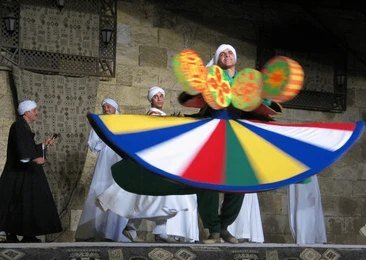
One cannot speak of Wekalet El Ghouri without the mention of its breathtaking Tanoura dance – Egypt’s adaptation of the whirling dervish. The performance, steeped in spirituality, unfolds in a hypnotic swirl of color and motion. Dancers clad in multicolored skirts spin gracefully to traditional folk music, embodying the eternal connection between man and the divine. Locals and foreigners alike are captivated by the trance-like rhythm echoing within the stone walls.

This mesmerizing art has become synonymous with Wekalet El Ghouri, drawing culture lovers from all corners of the globe. Visitors often weave it into multifaceted journeys like the 8 Days Best Egypt Tour with Nile Cruise, granting a perfect balance of spiritual and visual wonder. Each rhythm and rotation tells a thousand stories — of deep-rooted faith, community, and transcendence.

How to Visit Wekalet El Ghouri: Location and Tips

Wekalet El Ghouri is strategically located in the Al-Azhar district, adjacent to El Moez Street and near Khan El Khalili Bazaar. The closest landmarks include the famed Citadel of Salah El-Din and Al Azhar Park, offering visitors a full immersion in Cairo’s medieval charm. The Tanoura show usually takes place on specific evenings each week, beginning after sunset to heighten its mystical ambiance.

It’s recommended to arrive early to secure front-row seats since the venue attracts large crowds. Many visitors pair their Wekalet El Ghouri evening with a prelude through the nearby streets of Islamic Cairo, snapping stunning images of minarets and mosques illuminated under the night sky. Afterward, a short stroll may lead you to savor local cuisine — koshari, falafel, and warm cups of mint tea — giving you a comprehensive cultural indulgence rarely found elsewhere.

Combining Wekalet El Ghouri with Other Cairo Attractions

For an unforgettable day, cultural explorers often weave a visit to Wekalet El Ghouri into packed itineraries featuring landmarks like the Grand Egyptian Museum or Cairo City itself. Travelers who crave deeper historical exposure can also join the Private Tour to Pyramids, Sakkara and Dahshur for a complete blend of ancient and Islamic heritage.

Families and solo travelers alike can opt for flexible arrangements through expert organizers such as Cindrella Egypt Travel, ensuring seamless coordination between Cairo’s top performing arts and its vast archaeological wonders.

Spiritual Significance Behind Tanoura and Sufism

The Sufi roots of Tanoura highlight faith embodied through motion. In Sufism, whirling represents spiritual ascension — the journey of mankind toward divine perfection. Each dancer spins around his center point symbolizing the harmony of the universe and the eternal presence of God. The choreography in Wekalet El Ghouri follows this symbolism, turning art into worship. For spectators, it’s a soul-stirring experience that transcends language and culture.

Modern Relevance and Preservation

Despite being centuries old, Wekalet El Ghouri stands firm as Cairo’s pulsating link between the past and present. It mirrors Egypt’s commitment to safeguarding folk heritage amid modernization. Cultural preservation projects ensure regular maintenance, and performances are curated to keep ancient art forms relevant to younger generations. This ongoing revival connects residents and tourists alike, breathing eternal life into Cairo’s artistic veins.

Visitors exploring Egypt Private Tours often list this venue as a must-see due to its ability to encapsulate authenticity in every act. Beyond the show, visitors sense pride, community, and belonging — values deeply ingrained in Egyptian identity.

What Makes Wekalet El Ghouri a Must-See Cultural Experience

Simply put — no trip to Cairo feels complete without attending a night at Wekalet El Ghouri. It’s not just a performance; it’s storytelling in motion, a meeting ground where rhythm unites cultures. The sensory explosion of lights, music, and movement interweaves ancient spirituality with modern artistry, mesmerizing the audience into silence. Travelers who embark on immersive journeys such as the 7 Days Cairo and Nile Cruise by Flight often highlight the Tanoura show as an experience of a lifetime.

The Role of Wekalet El Ghouri in Cairo’s Cultural Scene

In the age of digital entertainment, Wekalet El Ghouri remains a counterbalance — an authentic portal where humanity’s heartbeat echoes louder than machinery. Artists performing inside its stone halls preserve songs and folklore passed down through generations. The venue also supports local craftsmen by showcasing exhibitions of traditional instruments, calligraphy, and handmade souvenirs that echo Cairo’s enduring creativity. Its mission goes beyond mere tourism — it’s a living classroom of cultural continuity.

Evening Ambience and Visitor Impressions

As night descends, lanterns flicker against carved walls, projecting shadows that waltz with the music. The courtyard fills with applause as dancers whirl in harmony with rhythmic drums. Each performance concludes with a jubilant crowd lost between awe and joy. Visitors often describe it as transcendental — an overwhelming blend of emotion and energy. It’s here, surrounded by centuries-old stones, that travelers realize culture isn’t static — it evolves with every performance at Wekalet El Ghouri.

Frequently Asked Questions About Wekalet El Ghouri

Where is Wekalet El Ghouri located in Cairo?

Wekalet El Ghouri is situated in the Al-Azhar district, a historic neighborhood in Islamic Cairo. It’s near the bustling El Moez Street and across from Al Azhar Mosque, making it easily accessible during any Coptic and Islamic Cairo Tour.

What time do the Tanoura performances begin?

The Tanoura shows typically start after sunset, around 7:30 PM or 8:00 PM, on selected evenings each week. Visitors are encouraged to arrive early to secure a good view and explore the architecture before the performance begins.

Is photography allowed during the show?

Photography is generally permitted but using flash is discouraged to maintain the atmosphere and respect performers. Always check with the staff before shooting videos to adhere to venue guidelines.

How can visitors include Wekalet El Ghouri in their Egypt itinerary?

Travelers can easily include Wekalet El Ghouri in tailored experiences like the 4 Day Cairo Tour Package or 7 Day Egypt Tour. These itineraries combine Cairo’s main attractions with unforgettable cultural evenings.

Why is Wekalet El Ghouri considered essential for cultural travelers?

Because it embodies Egypt’s artistic heartbeat, merging heritage, music, and dance into a spectacle that reveals the essence of Egyptian identity. Frankfurt or New York might dazzle with modern art, but only Wekalet El Ghouri can transport you through centuries in a single spin of a dancer’s skirt.

Babylon Fortress Cairo

Babylon Fortress Cairo: The Ancient Gateway to Egypt’s Christian Heritage

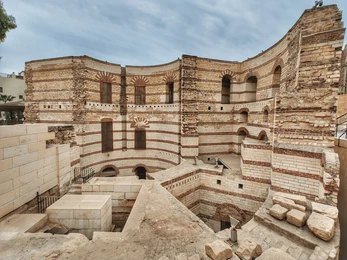
Majestically rising on the eastern bank of the Nile, the Babylon Fortress in Cairo stands as one of Egypt’s oldest and most remarkable monuments. This towering stronghold, nestled within the heart of Old Cairo, has witnessed more than two millennia of Egyptian, Roman, Byzantine, and Islamic history. Known locally as Qasr el-Sham, the fortress forms the beating heart of Coptic Cairo, an area rich in sacred Christian landmarks, cobblestoned streets, and ancient charm. Its mighty walls once guarded the strategic waterway into Egypt and still guard the stories of empires that came and went. Visitors today enter a realm where the echo of Roman legions collides with the hymns from early Christian churches, offering an unforgettable trip into the soul of Cairo’s spiritual past.

Babylon Fortress isn’t just another historical site—it’s a living testament to Egypt’s layered identity. For travelers unraveling the hidden treasures of Old Cairo, the fortress provides an unmatched glimpse into the evolution of Egypt from pharaonic to Roman rule, from Christianity to Islam. Walking its grounds feels like stepping into an open-air timeline, where every stone speaks of centuries of resilience. This remarkable monument, alongside landmarks like the Hanging Church and the Ben Ezra Synagogue, transforms the area into a living museum of faith and civilization. Tourists, pilgrims, and history buffs alike find themselves enthralled by the walls that once defined an empire’s edge.

Historical Origins of Babylon Fortress Cairo

The origins of the Babylon Fortress Cairo trace back to the reign of the ancient Persian Empire, long before Alexander’s conquests reshaped Egypt. However, the version we see today was primarily reconstructed under Emperor Trajan around 98 AD. The Romans recognized Cairo’s location as the perfect choke point along the Nile—essential for controlling trade, taxation, and military operations. It’s said that Roman engineers, keen on reinforcing their rule, built the fortress with massive limestone blocks repurposed from older Pharaonic temples. The fortress later became the nucleus of Roman and Coptic settlements, developing into the cradle of Egyptian Christianity.

Strategically, Babylon Fortress linked Upper and Lower Egypt by river and road. The bastions flanking the Nile once controlled a bridge spanning the river, charging tolls from boats traveling under Roman rule. These same towers, reconstructed several times during the Byzantine and early Islamic periods, have survived fire, invasion, and the test of time. They form one of the oldest standing military structures in Africa. For visitors eager to explore fortified monuments beyond the pharaohs, this fortress easily rivals the grandeur of the Citadel of Salah El-Din in historical might and architectural mastery.

The Role of Babylon Fortress in Roman and Christian Egypt

The fortress became far more than a Roman base—it evolved into a sanctuary for Egypt’s burgeoning Christian community. During the third and fourth centuries, as Christianity spread across the Nile valley, the fortress became a haven for persecuted believers. Within its thick limestone walls, the first churches of Cairo were secretly built. These sacred sites, including the Church of St. George and the Abu Serga Church, were later constructed directly above surviving Roman bastions. For Christian pilgrims, this intersection of Roman military history and religious devotion embodies the fortitude of faith against imperial oppression. Babylon Fortress stands as a timeless symbol of survival and spiritual awakening.

Architecture and Engineering Marvels of Babylon Fortress

Babylon Fortress Cairo is a masterpiece of ancient engineering. Measuring over 150 meters in length and fortified by thick double walls, it served both military and administrative functions. The perimeter towers—particularly the North and South Bastions—reflect a distinct Roman style with circular structures built for defense against sieges. The brick and limestone used give the fortress its characteristic reddish hue, which led locals to call it the “Red Fortress.” Beneath the fortress, archaeological layers reveal traces of earlier Nile harbors and roads connected to Memphis and Upper Egypt.

It’s astounding how well-preserved parts of the fortress remain. The massive towers visible today stand adjacent to some of Coptic Cairo’s holiest churches, such as the Coptic Museum, which now sits within the fortress grounds. The museum houses some of Egypt’s oldest icons, manuscripts, and relics, narrating the evolution of Christian art and history. This union of faith and fortification creates a visitor experience that’s both historic and spiritual. Each corridor, archway, and carved stone tells stories of wars, sieges, and prayers whispered in secret long before modern Cairo rose around it.

The Hidden Layers Below the Fortress

Underneath Babylon Fortress lies a labyrinth of chambers, tunnels, and foundations that archaeologists believe extend into the Roman port. Excavations have revealed pottery, coins, and stone anchors proving the site’s function as a major trade hub. During the Byzantine period, these underground galleries served as shelters for Christians escaping persecution, and later as storage for grain and goods. This subterranean world connects directly to the Coptic Museum and several old churches, symbolizing the continuity of life within the fortress across centuries.

Babylon Fortress and Coptic Cairo: The Spiritual Core

Babylon Fortress acts as the gateway to Old Cairo’s Coptic quarter, one of the world’s oldest Christian enclaves still in use today. Within its protective walls lie churches that date back to the early centuries of Christianity, such as the Church of St. Barbara, St. Sergius, and the Church of the Virgin Mary, known famously as the Hanging Church. It’s said these sacred buildings were constructed directly over the ancient Roman towers, transforming the symbols of imperial rule into sites of divine prayer and sanctuary. This area also hosts the Coptic Museum, a cultural treasure trove preserving texts and relics from the first Christian centuries.

Stepping into the narrow alleys of Coptic Cairo, travelers feel as though they’ve traveled back in time. Traditional lamps hang over cobbled streets while incense drifts from ancient churches carved deep into the fortress walls. The experience perfectly complements nearby heritage sites like the Mosque of Ibn Tulun and Al Azhar Mosque, making this district an exceptional blend of Egypt’s religious harmony and historic splendor.

Preservation and Archaeological Discoveries

Over the centuries, Babylon Fortress Cairo has undergone careful preservation efforts led by Egyptian archaeologists. The fortress has yielded layers of historical insights with each excavation, from Roman pottery and Byzantine mosaics to early Islamic artifacts. Restoration teams have worked meticulously to stabilize the fortress and its associated churches while maintaining their authenticity. Current projects aim to make the subterranean rooms accessible to visitors, highlighting the fortress’s integral role in the development of Cairo day tours that emphasize Egypt’s multi-faith heritage.

Visiting Babylon Fortress: A Journey Through Time

Visitors to Babylon Fortress often remark that it feels like a hidden world within Cairo. Its thick fortifications block out the city’s chaos, allowing travelers to immerse themselves in a serene and contemplative atmosphere. The main entrance near the Coptic Museum opens into pathways lined with heritage buildings and stone arches—some still bearing ancient Latin inscriptions. Knowledgeable local guides provide context that brings the fortress’s layered history vividly to life, from Roman engineers to Christian monks and Ottoman merchants.

Travelers exploring Cairo can combine their fortress visit with other surrounding treasures such as the Islamic Cairo district or arrange specialized packages like Egypt private tours that include the old churches, museums, and fortifications within the area. For those seeking a deeper connection to Egypt’s historical faith journey, pairing Babylon with nearby tours like the Coptic and Islamic Cairo Tour offers an unforgettable perspective on the city’s soul.

How to Reach Babylon Fortress Cairo

Located in Old Cairo, approximately 2 km south of downtown, the fortress is easily accessible by metro at the Mar Girgis station. Local taxis and rideshare options can drop visitors at the main gates, from where they can explore at leisure. The best visiting times are early mornings or late afternoons, avoiding peak crowds and enjoying the soft play of sunlight across the stone walls. Many travelers combine this landmark with guided city experiences such as the Cairo City Tour and the Camel Ride Trip at the Pyramids to savor history from both ends of Egypt’s timeline.

Key Tips for Travelers

Wear comfortable shoes, as the ground is uneven and many sites are best explored on foot. Photography is allowed but flash restrictions apply inside churches. While the site has undergone modern restoration, respecting the sanctity of the religious spaces remains essential. Local artisans sell Coptic crosses and hand-carved icons near the entrance, making excellent souvenirs. Don’t rush—each corner hides centuries of untold tales waiting to be discovered.

Connecting Babylon Fortress to Broader Egyptian Heritage

Babylon Fortress isn’t an isolated monument—it’s part of Egypt’s vast narrative of cultural resilience. Visiting it provides insight into the country’s spiritual and historical mosaic that extends from the Luxor Temple to the towers of The Alabaster Mosque. As Egypt continues to embrace the preservation of its diverse historical timeline, the Babylon Fortress stands tall as a symbol of faith, endurance, and unity. Whether you’re tracing pharaonic wonders on a Nile River cruise or venturing through Cairo’s ancient quarters, this fortress captures the essence of Egypt—a civilization that never stops whispering to the world.

FAQs About Babylon Fortress Cairo

What is the history behind Babylon Fortress Cairo?

Babylon Fortress was initially built by the Persians and later reconstructed by the Romans under Emperor Trajan in the first century AD. It became a key military and administrative center and later evolved into the cradle of early Christianity in Egypt. Today, it remains the heart of Old Cairo’s Coptic quarter, showcasing both Roman and Christian heritage.

What are the main attractions inside and around Babylon Fortress?

The most notable attractions include the Coptic Museum, the Church of St. George, the Hanging Church, and the Church of St. Sergius (Abu Serga). Visitors can explore ancient Roman towers, early Christian foundations, and walk through the preserved streets of Coptic Cairo. Nearby, other landmarks like the Mosque of Ibn Tulun further enrich the historical experience.

How can tourists visit Babylon Fortress Cairo?

The fortress is located near Mar Girgis metro station in Old Cairo and is easily accessible by taxi or guided tours. Many travel agencies offer comprehensive tours such as the Cairo Day Tours that include the fortress alongside other ancient and religious sites.

What makes Babylon Fortress unique compared to other sites in Cairo?

Unlike the Pyramids or Islamic monuments, Babylon Fortress stands out for its blend of Roman engineering and Christian spirituality. It’s one of the oldest continuously inhabited parts of the city and contains some of the earliest churches still in use today. Its walls encapsulate over 2,000 years of Egyptian civilization in one compact location.

When is the best time to visit Babylon Fortress Cairo?

The best times are between October and April, when Cairo’s weather is cool and pleasant. Visiting early in the morning allows travelers to explore peacefully before the crowds. Many combine the fortress tour with visits to Old Cairo’s markets and nearby Islamic monuments for a deeper exploration of Egypt’s heritage.

Abdeen Palace

Abdeen Palace: The Crown Jewel of Modern Egyptian Royal Heritage

Abdeen Palace stands as a magnificent emblem of Egypt’s royal splendor and political evolution. Situated in the heart of downtown Cairo, this architectural masterpiece weaves together European luxury with Egyptian pride, symbolizing an era of transformation from monarchical grandeur to modern governance. Constructed during the reign of Khedive Ismail in the 19th century, Abdeen Palace remains one of the finest examples of royal architecture in the Middle East, rivaling the great palaces of Europe in both beauty and historical value.

From the moment visitors step through its ornate gates, they’re transported into a world steeped in elegance and opulence. The palace, with its lavish halls, shimmering chandeliers, gilded furniture, and walls adorned with intricate gold leaf designs, captures the essence of Cairo’s royal legacy. Beyond its aesthetic charm, Abdeen Palace has witnessed key political events that shaped Egypt’s modern history—hosting official ceremonies, royal gatherings, and pivotal negotiations. For travelers seeking a deep dive into Egypt’s regal past, Abdeen Palace offers an unparalleled experience that bridges culture, politics, and art under one majestic roof.

Today, Abdeen Palace is not just a monument of bygone opulence but also a living museum narrating Egypt’s complex journey through monarchy, colonial influence, and republic. Each room captivates with stories of grandeur, revolution, and resilience. Whether one explores it as part of broader Cairo Day Tours or within Luxury Egypt Tours, Abdeen Palace stands out as a must-see cultural landmark seamlessly blending the allure of old-world royalty with the pulse of modern Cairo.

The Origins of Abdeen Palace: A Monument to Khedive Ismail’s Vision

Constructed in 1863, Abdeen Palace was envisioned by Khedive Ismail Pasha, a ruler with big dreams of modernizing Egypt and making Cairo a rival to European capitals like Paris. Determined to reshape the city’s urban aesthetics, he commissioned French architect Leon Rousseau to design a palace fit for diplomacy and royal ceremony. Hundreds of skilled Egyptian craftsmen joined foreign architects to create an architectural wonder that combined neoclassical French artistry with Ottoman and Egyptian motifs.

Khedive Ismail intended Abdeen Palace to serve as a symbol of both Egypt’s sovereignty and its openness to cultural exchange. When completed in 1874, the palace covered an immense area with over 500 rooms. The rich details—from marble staircases to ornate ceilings—echo how Ismail sought to redefine Egyptian prestige. Interestingly, his vision extended beyond grandeur; Abdeen Palace became a focal point for Egypt’s modernization, representing Cairo’s entrance into the global elite.

Today, standing before the palace evokes that 19th-century sense of ambition and elegance. Tourists admiring its symmetrical façades often combine the experience with a visit to other Egyptian masterpieces such as the Citadel of Salah El-Din or the Alabaster Mosque, crafting a full historical circuit of Cairo’s glory.

Architectural Style and European Influence

The architecture of Abdeen Palace harmoniously blends Egyptian taste with European sophistication. The design reflects baroque and rococo styles prevalent in France during the 19th century, yet subtly incorporates Arabesque elements to maintain regional identity. The symmetrical façades, iron balconies, and facade stuccoes resemble those of European palaces, while its lush interiors boast Egyptian craftsmanship in woodwork, gilding, and decoration.

These influences were not merely artistic choices. They emphasized Egypt’s ambition to be recognized as a modern, progressive power. Marble halls illuminated by enormous crystal chandeliers, gilded mirrors, and lavishly ornamented ceilings leave visitors in awe. Every corner tells a tale of luxury. The integration of these features inspired future palace constructions such as Montazah Palace in Alexandria, mirroring royal grandeur across Egypt’s territories.

The Interior Museums of Abdeen Palace

Abdeen Palace houses several specialized museums that narrate Egypt’s versatile history. Among the most notable are the Silverware Museum, the Arms Museum, and the Historical Documents Museum. The Arms Museum, in particular, displays an extraordinary collection of weapons presented to Egypt’s rulers by foreign emissaries, including swords, pistols, and war memorabilia reflecting both diplomacy and power. The Silverware Museum glitters with rare artifacts gifted by global elites, revealing how Egypt balanced cultural diplomacy with imperial charm.

Meanwhile, the Presidential Gifts Museum captivates travelers with exquisite items given to Egyptian presidents over decades, showcasing Egypt’s evolving international relations. Visiting these sections transforms a simple tour into a walk through time—one that chronicles both Egypt’s monarchy and modern governance. Travel planners often include this experience in their Egypt Private Tours for curated, culturally immersive itineraries.

Abdeen Palace’s Political and Historical Role

Abdeen Palace wasn’t merely a residence of luxury; it played an instrumental role in Egypt’s political narrative. Many critical events, including royal receptions, revolutions, and state transitions, unfolded within its majestic walls. One of the most momentous episodes was the 1882 uprising, where Egyptian soldiers and population protested against Khedive Tewfik within the palace grounds. That event catalyzed British intervention, turning Egypt into a British protectorate.

In later decades, Abdeen Palace became the official seat of Egyptian kings, including King Farouk, who reigned until the 1952 revolution led by the Free Officers Movement. This revolution marked the end of monarchy and the birth of Egypt’s republic. The palace thus transitioned from royal opulence to a governmental stronghold, reflecting the resilience of national identity amid sweeping political changes.

A Visit to Abdeen Palace Today

Today, Abdeen Palace opens its glorious doors to visitors eager to experience Egypt’s royal history firsthand. Located near Tahrir Square, the journey to the palace is an easy stroll within central Cairo, making it an ideal stop during Egypt Day Tours. Upon entry, tourists marvel at the preserved halls, opulent reception rooms, and galleries housing priceless artifacts. Each section displays layers of artistic mastery and political symbolism, from delicate porcelain collections to vintage state uniforms.

The well-maintained gardens surrounding the palace offer a moment of calm amid the city’s bustle. Visitors often pair a trip here with excursions to other historical sights such as The Nubian Museum in Aswan or the Grand Egyptian Museum for an enriched national experience. With every step, Abdeen Palace revives Egypt’s aristocratic charm while echoing resilience through modern times.

Contextualizing Abdeen Palace in Cairo’s Cultural Landscape

In the grand constellation of Cairo’s historical treasures, Abdeen Palace sits proudly among monumental gems like the El Moez Street and the Islamic Art Museum. Yet, what makes it unique is its hybrid identity—it bridges antiquity and modernity. Unlike ancient temples or medieval fortresses, Abdeen Palace speaks to Egypt’s 19th-century renaissance when artistry, governance, and culture intersected with the rising tide of globalization.

It served not only as the administrative center for Egypt’s royalty but also as a host to international dignitaries, affirming the country’s role as a Mediterranean hub of diplomacy. That dual legacy—royal and political—continues to captivate scholars, artists, and visitors alike. The elegant European-inspired columns and intricately forged embellishments remain a favorite backdrop for photographers, especially during Egypt Photography Tour experiences.

Significance in Egyptian Tourism

Abdeen Palace has evolved into one of Cairo’s premier cultural attractions. Whether visitors are on a 7 Days Cairo and Nile Cruise Package or a customized cultural excursion, it adds a dimension of sophistication to their itinerary. Tourists seeking deeper insights into Egypt’s royal narrative often include Abdeen alongside the royal Palaces of Egypt, appreciating how art and politics coexisted through centuries.

The Egyptian government’s ongoing restoration efforts ensure that Abdeen Palace continues shining as a beacon of architectural preservation. The transformation of select rooms into museum spaces revitalized public interest and turned it into an educational hub. Students of architecture, historians, and sightseers now walk through its decorated corridors engrossed by stories of colonialism, royalty, and revolution.

Art, Furniture, and Decorative Legacy

Every item within Abdeen Palace tells its own story. Original furnishings, lavish carpets from Persia, and crystal chandeliers from Europe were carefully preserved. Walls painted with royal scenes and portraits remind visitors of Egypt’s luxurious past. The furniture itself—some of which belonged to King Farouk—embodies the palace’s distinctive blend of lavish European design and Egyptian craftsmanship.

Artistic displays of calligraphy and hand-painted motifs complement the building’s sweeping staircases and enormous dining halls. The result? A palace that’s both museum and masterpiece. Those who visit the palace as part of 10 Days Palace Hotels in Egypt Tour find themselves immersed in royal elegance beyond imagination.

Restoration and Preservation Efforts

To maintain the integrity of Abdeen Palace, extensive restoration projects have been carried out throughout the decades. These efforts have not only saved aging structures from decay but also restored them to their former magnificence. The Egyptian government collaborates with international preservationists to ensure sustainability and authenticity in every restoration layer.

Recent technological upgrades—like climate control systems for museum spaces—preserve delicate artifacts from humidity and dust. Such care also demonstrates Egypt’s dedication to protecting its royal monuments for future generations.

Why Abdeen Palace Captures the Hearts of Global Travelers

There’s something truly magnetic about Abdeen Palace. Its combination of luxury, history, and artistry creates an unforgettable emotional pull. Visitors often describe walking through the palace as traveling back in time—to an age of kings, carriages, and diplomacy. Every chandelier-lit hall and grand staircase seems to whisper tales of political intrigue and royal charm.

Beyond its architectural and historical majesty, Abdeen Palace exemplifies how Cairo embodies layers of identity—ancient yet modern, traditional yet cosmopolitan. While exploring Cairo, stopping at Abdeen provides depth to any traveler’s understanding of Egypt’s culture. Blending it into broader travel plans like 8 Days Best Egypt Tour with Nile Cruise enhances the sense of continuity across Egypt’s glorious eras.

Visitor Tips for Exploring Abdeen Palace

To experience Abdeen Palace fully, visitors should plan at least half a day for exploration. Opt for guided tours to appreciate intricate details and the stories behind each hall. Photography is permitted in most areas, making it a paradise for art and history enthusiasts. Early morning visits are ideal for avoiding crowds and capturing stunning natural light over golden façades.

Combine your palace tour with nearby attractions like the Coptic Cairo quarter or a serene Felucca trip on the Nile in Cairo for a seamless balance of architectural grandeur and cultural exploration.

Frequently Asked Questions about Abdeen Palace

1. Where is Abdeen Palace located?

Abdeen Palace is situated in central Cairo, near El Abdeen Square, only a short distance from Tahrir Square. Its convenient location allows easy access for visitors joining local Egypt Family Tours or private cultural excursions around the capital.

2. Who built Abdeen Palace and when?

The palace was commissioned by Khedive Ismail in 1863 and completed in 1874. It was designed by French architect Leon Rousseau and adorned by both local and foreign artisans, reflecting an extraordinary blend of Egyptian and European architecture.

3. What can visitors

The Coptic Museum

The Coptic Museum: A Timeless Journey Through Egypt’s Christian Heritage

Tucked within the heart of Old Cairo, The Coptic Museum stands as a profound keeper of one of Egypt’s most precious treasures—its Coptic Christian heritage. This remarkable museum, established in 1908 by Marcus Simaika Pasha, preserves an extraordinary collection that bridges ancient Egyptian, Greco-Roman, and Islamic art. Every corridor encapsulates history, faith, art, and architectural mastery, offering travelers an intimate encounter with centuries of Coptic culture. Far from being just another historical showcase, this museum is a spiritual and cultural journey that unveils Egypt’s lesser-told story beyond the majestic pyramids and pharaonic tombs. In a city thrumming with historical landmarks, from the Hanging Church to the Babylon Fortress, The Coptic Museum emerges as a unique narrative center where religion, art, and identity intertwine.

Located in the ancient quarter of Coptic Cairo, the museum rests on hallowed grounds that once witnessed the earliest Christian footsteps in Egypt. With over 16,000 artifacts, intricate wooden carvings, manuscripts, frescoes, textiles, and icons, this museum is considered the largest repository of Coptic art worldwide. Every piece tells a compelling story—from the dawn of Christianity in Egypt to the fusion of Egyptian traditions with Christian symbolism. Visitors are invited to wander through time, exploring how early believers adapted ancient motifs, preserving their faith under shifting empires.

The Birth and Vision of The Coptic Museum

The foundation of The Coptic Museum emerged from a passionate vision. Marcus Simaika Pasha, a Coptic historian and philanthropist, devoted his life to safeguarding Egypt’s Christian heritage. In the early 20th century, as Egypt transitioned under colonial pressures, artifacts of the Coptic era faced neglect or dispersal. Recognizing the urgency, Simaika initiated the establishment of the museum within the precinct of the Hanging Church, one of the oldest churches in the region. His efforts not only revived Egypt’s Christian history but also provided a sanctuary for priceless relics that bridge the nation’s diverse faiths.

When King Fuad I inaugurated the museum in 1910, he cemented its place as a symbol of unity, showcasing how Egyptian identity transcends religious lines. Subsequent restorations, notably in 2006, modernized its exhibition halls, enhancing visitor experiences while preserving authenticity. The museum’s stunning architecture—a delicate blend of traditional Coptic, Ottoman, and Islamic motifs—echoes Cairo’s layered past. Seen through this lens, The Coptic Museum is more than a building; it’s a declaration of resilience, memory, and coexistence.

Architectural Beauty and Symbolic Design of The Coptic Museum

Walk through its carved wooden doors, and you’ll be immersed in artistry harmoniously merging different cultural influences. The Coptic Museum’s structure harmonizes traditional Egyptian flair with Byzantine ornamentation. Its courtyards filled with mashrabiya screens, decorative arches, and floral motifs celebrate the aesthetic of Coptic artisanship. The meticulous wooden latticework, influenced by monastic design, creates patterns of light and shadow that feel both sacred and serene.

The courtyard gardens, sprinkled with stone crosses and ancient reliefs, exude tranquility amid the bustling urban landscape. Interestingly, the museum shares aesthetic kinship with architectural gems like the Islamic Art Museum in Cairo and the Al Azhar Park area, demonstrating Egypt’s rich architectural continuity. These design parallels remind visitors that Egypt’s art forms—whether Islamic, Coptic, or Pharaonic—spring from one creative source: the Egyptian spirit.

Masterpieces of Faith: Collections Inside The Coptic Museum

The Coptic Museum houses an exquisite and diverse compilation of artifacts meticulously organized across chronological sections. From the earliest Christian era to the advent of Islam, the collections illustrate how Coptic art evolved yet retained its spiritual essence. Iconography dominates the galleries with luminous images of saints painted with egg tempera on wood, while ivory carvings, embroidered vestments, and murals reflect devotion blended with talent.

Among the highlights are fragments of the Nag Hammadi manuscripts, precious early Christian texts that provide insights into Coptic spirituality and theology. Visitors can trace how biblical symbolism merged seamlessly with Egyptian motifs—ankhs reinterpreted as crosses, lotus flowers as signs of resurrection, and eyes representing divine watchfulness. The museum also preserves intricate relics from the Red Monastery and the White Monastery, both birthed from Upper Egyptian monastic tradition. For anyone fascinated by religious iconography, The Coptic Museum is a living library of visual theology.

The Artistic Soul of Coptic Iconography

The icons on display at The Coptic Museum tell stories beyond their gilded surfaces. Each icon encapsulates the philosophy of humility, endurance, and faith that defines Coptic Christianity. Early artists, often monks, painted not to impress but to inspire devotion. The rigid postures, large almond eyes, and serene expressions of saints symbolize spiritual awareness rather than physical realism. Iconic depictions of the Virgin Mary, St. Mark—the patron saint of the Coptic Church—and biblical scenes like the Annunciation dominate the wooden panels. The earthy tones combined with subtle textures exhibit a unique Egyptian warmth rarely found elsewhere in Christian art traditions.

Textiles, Manuscripts, and Decorative Arts

Coptic Egypt was renowned for its vibrant textile industry, and the museum preserves masterpieces woven with intricate Christian symbols. Ancient tunics embroidered with angels, vines, and geometric borders reveal early Christian interpretation of eternity and divine order. Moreover, the manuscript wing, home to rare parchments written in Coptic and Greek, traces linguistic transitions that shaped Egyptian Christianity. Visitors marvel at the illuminated lectionaries, gospel codices, and decorative bindings often embroidered with gold threads. From mosaic panels to pottery vessels, the collection narrates how artistic devotion persisted despite cultural upheavals.

The Role of The Coptic Museum in Modern Egyptian Identity

Today, The Coptic Museum stands as a bridge connecting Egypt’s multi-faith history. Its preservation underscores the message that Egyptian civilization thrives on coexistence. In a land once guarded by Pharaohs and revered prophets, the museum reaffirms the creativity of early Christians who absorbed ancient visual traditions to craft something distinct yet deeply Egyptian. Similar to how the National Museum of Egyptian Civilization tells the story of people through time, The Coptic Museum tells the story of faith through art.

Cairo’s Old Coptic Quarter feels almost sacred, where the echoes of psalms intertwine with calls to prayer. The museum’s position next to landmarks like the Ben Ezra Synagogue and Abu Serga Church emphasizes religious harmony. This corner of Cairo reflects three millennia of belief systems living in mutual respect—a timeless message for the modern world.

Visiting The Coptic Museum: A Traveler’s Perspective

For travelers exploring Cairo, The Coptic Museum is a must-see gem off the traditional tourist trail. Its location in Old Cairo makes it easily accessible from the city center through a half-day cultural tour, often combined with visits to nearby churches and synagogues. The museum’s galleries are air-conditioned and well-curated, providing educational material in both Arabic and English. Photography is permitted in specific sections, ensuring preservation of delicate manuscripts and textiles.

For those who prefer a guided experience, participating in a Coptic and Islamic Cairo Tour allows deeper historical insight guided by Egyptologists. Alternatively, tourists who enjoy personalized itineraries may add this stop to broader packages such as Egypt Vacation Packages or Cairo Day Tours. The museum experience is versatile—ideal for art enthusiasts, faith travelers, and history lovers alike.

Exploring Nearby Coptic and Islamic Heritage Sites

Old Cairo overflows with ancient wonders. Just steps away from The Coptic Museum lies the centuries-old Mosque of Ibn Tulun, another architectural marvel preserving medieval design. Further north, the Citadel of Salah El-Din crowns the skyline, while the serene Al Azhar Mosque offers another peek into Cairo’s faith-filled landscape. Together, these monuments weave a cultural mosaic unlike any other city in the world.

When to Visit The Coptic Museum

The best time to visit The Coptic Museum is from October through April when Cairo’s weather is pleasant and mild. The museum opens daily from morning until late afternoon. Morning visits are ideal for photographing architectural details, while afternoons offer quieter exploration. Visitors embarking on extended holidays or cultural tours like 7 Days Cairo and Nile Cruise Package often include The Coptic Museum as part of the opening leg of their journey before heading to Upper Egypt.

Tips for an Enriching Visit

Start your museum visit early to enjoy peaceful exploration. Bring a notebook to jot reflections; each display evokes profound connections between art and faith. Don’t miss the interactive digital screens offering translations of ancient Coptic texts. For those deeply intrigued by Coptic monasteries, book excursions to destinations covered in tours such as White Monastery and Red Monastery. These complement your museum visit with real-world encounters of Egypt’s monastic life.

Why The Coptic Museum Matters in Today’s World

In an era where cultural identity risks dilution, The Coptic Museum serves as a reminder of Egypt’s syncretic soul. Its preservation efforts mirror humanity’s quest to remember its shared heritage. Each artifact whispers resilience—the ability of faith to bloom under adversity. Modern academics and artists frequently study its holdings to trace Egypt’s influence on Mediterranean Christianity and early art. Thus, the museum stands as a living chronicle, continuously educating and inspiring new generations about Egypt’s collective spiritual and artistic wisdom.

Conclusion: A Cultural Jewel Worth Discovering

The Coptic Museum is not merely a tourist attraction; it’s the living heartbeat of Egypt’s Christian identity. It invites global visitors to explore beyond the pharaohs—to see Egypt through the eyes of its early believers. Whether as part of a full historical immersion like the 10 Day Cairo with Nile Cruise or as a solo cultural stop, this museum deepens every traveler’s understanding of Egypt’s unmatched legacy. Step inside, and you’ll find yourself not merely observing history—but feeling it. That’s the true magic of The Coptic Museum.

FAQs about The Coptic Museum

Where is The Coptic Museum located?

The Coptic Museum is located in Old Cairo, specifically within the precinct of Coptic Cairo near the Babylon Fortress. It’s easily reachable from downtown Cairo and forms part of popular cultural routes explored by visitors during Cairo Day Tours.

What can visitors expect to see inside The Coptic Museum?

Visitors can explore extensive galleries displaying ancient manuscripts, wooden icons, stone reliefs, frescoes, and embroidered textiles. The museum’s highlights include artifacts from early Coptic monasteries and the precious Nag Hammadi scriptures.

Is photography allowed inside The Coptic Museum?

Photography is permitted in several sections of The Coptic Museum, particularly in spaces exhibiting non-fragile artifacts. However, flash photography is restricted in rooms housing manuscripts and textiles for conservation reasons.