
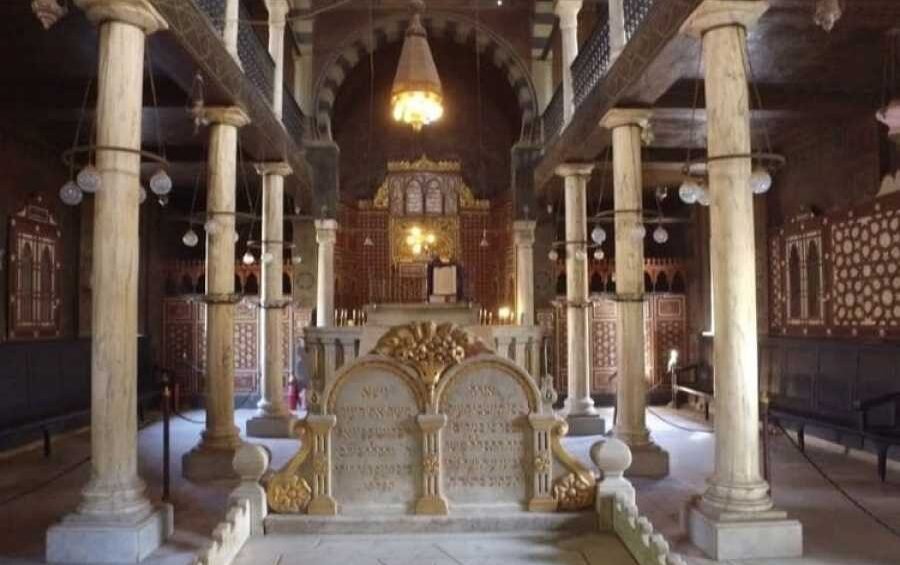
Ben Ezra Synagogue: A Timeless Testament in the Heart of Old Cairo
Hidden within the maze-like alleys of Old Cairo, the Ben Ezra Synagogue stands as one of Egypt’s most sacred and historically rich landmarks. This centuries-old synagogue brims with stories of faith, scholarship, and community that transcend time. A magnet for travelers fascinated by the religious mosaic of Egypt, the Ben Ezra Synagogue occupies a hallowed spot in the Coptic quarter adjacent to the Christian churches and Islamic mosques that define the city’s ancient districts. Here, the echoes of Jewish prayers mingle with the whispers of Egypt’s diverse heritage, presenting a fascinating interplay of culture, spirituality, and architecture that continues to captivate scholars and pilgrims alike.
Steeped in legend, the Ben Ezra Synagogue’s origins stretch back to the 9th century, when it was reputedly founded on the ruins of a former church. Through its many restorations and transformations, this majestic place has withstood centuries of change—its resilience a symbol of the enduring spirit of Cairo’s Jewish community. The synagogue is far more than a place of worship; it’s a living museum of Egyptian history where faith and intellect merge. Visitors exploring nearby attractions like the Coptic Cairo or the Coptic Museum often find themselves drawn into its tranquil courtyard, marveling at its soaring wooden ceilings, intricate geometric designs, and profound sense of serenity.
Whether you’re tracing the footsteps of medieval scholars or delving into Egypt’s layered past, the Ben Ezra Synagogue offers a mesmerizing window into a vibrant chapter of Egypt’s soul. It’s not just a monument—it’s a story written in stone, faith, and memory.
The Historical Origins of Ben Ezra Synagogue
The roots of the Ben Ezra Synagogue lie deep within Egypt’s early medieval era. According to tradition, the synagogue was purchased by Abraham Ben Ezra of Jerusalem in 882 CE, marking the beginning of its Jewish legacy. Before that, the site was said to have hosted a Christian church, which creates an intriguing layer of interreligious continuity rarely seen in ancient architecture. This sacred ground became home to a thriving Jewish community that blended seamlessly into the diverse fabric of Old Cairo.
Over the centuries, the synagogue became a beacon for intellectual and religious dialogue. By the 11th century, its adjoining genizah—or sacred storeroom—had become one of the most important repositories of Jewish manuscripts ever discovered. The discovery of the Cairo Genizah in the late 19th century unveiled more than 300,000 priceless documents—letters, legal texts, poetry, and business contracts—that revealed everyday life among Jews in medieval Egypt and the Mediterranean world. These documents now reside in prestigious institutions, offering scholars unmatched insight into Jewish, Arabic, and Mediterranean civilizations.
Architectural Design and Symbolism
The Ben Ezra Synagogue’s timeless architectural beauty reflects a harmonious blend of oriental and medieval influences. Its structure features high, vaulted ceilings held by thick columns, with a central bimah and intricately carved wooden balconies that once segregated male and female worshippers. The sanctuary glows with soft light filtering through stained glass windows, casting colorful reflections that add a spiritual aura to the interior. Every element—woodwork, marble panels, and geometric designs—tells a story of devotion and artistry nurtured by generations who sought to keep their faith alive despite adversity.
The wooden ceiling in particular bears traces of Ottoman ornamental style, hinting at later renovations, while remnants of Arabic calligraphy stand as subtle reminders of Cairo’s Islamic artistic legacy. Walking through its doorways is like traversing a timeline of Egypt’s diverse artistry, much like exploring historic gems such as the nearby Hanging Church and Mosque of Ibn Tulun—each monument unveiling another layer of the city’s plural heritage.
The Religious and Cultural Role of the Synagogue
For centuries, the Ben Ezra Synagogue functioned not just as a sanctuary but as the social and intellectual heart of Egypt’s Jewish community. Services, festivals, and community debates filled its halls with vitality. Its rabbis were renowned for their scholarship, fostering exchanges with Muslim and Christian theologians. This coexistence mirrored Cairo’s spirit as a cosmopolitan city at the crossroads of trade, learning, and belief.
The synagogue is also steeped in mystical lore. One ancient tale claims that Moses, as an infant, was found among the reeds near this very location by Pharaoh’s daughter—a legend that cements the site’s sacred status. While this association draws more on legend than archaeology, it captures the essence of how history intertwines with faith in Cairo’s sacred geography.
Preservation and Legacy of the Cairo Genizah
The rediscovery of the Cairo Genizah catapulted the Ben Ezra Synagogue into academic fame. The manuscripts found here changed the course of modern Jewish and Middle Eastern studies. Written in Hebrew, Aramaic, Arabic, and Judeo-Arabic, these fragments reveal the daily lives of Jews under Muslim rule and highlight Cairo’s pivotal role as a center of trade and intellect during the Fatimid period. The Genizah records marriages, dowries, business ventures, and even recipes—an invaluable mosaic of human experience. Collectors and archaeologists who studied these texts turned the synagogue into a hub of historical research.
Modern Restoration and Tourism Experience
Today, the Ben Ezra Synagogue is fully restored and serves as a museum rather than an active place of worship, symbolizing Egypt’s commitment to preserving its multicultural past. Managed carefully to protect its delicate structure, the site remains open to visitors eager to explore Old Cairo’s Coptic and Jewish quarters. Adjacent to landmarks like Babylon Fortress and Abu Serga Church, the synagogue forms part of a unique religious triangle that encapsulates Judaism, Christianity, and Islam’s historical coexistence.
Tourists can easily combine their visit with Cairo Day Tours or curated heritage experiences such as the Journey of the Holy Family in Egypt. Inside, visitors can appreciate preserved Torah scrolls, intricate liturgical furnishings, and inscriptions that tell centuries-old stories. It’s not unusual to find travelers quietly gazing at its ornate ark, lost in reflection amid the whispers of history.
Ben Ezra Synagogue in Contemporary Egypt
Though Cairo’s Jewish population has dwindled over the last century, the Ben Ezra Synagogue remains a proud symbol of Egypt’s plural past. It embodies tolerance and cultural dialogue. Egyptian authorities, in partnership with international organizations, have launched several conservation projects to safeguard the synagogue’s structure and digitalize Genizah fragments stored abroad. These efforts reinforce the country’s growing emphasis on heritage tourism, cultural inclusivity, and national identity.
In today’s Egypt, the Ben Ezra Synagogue stands as a bridge between civilizations, an enduring reminder that the roots of diversity run deep. Whether part of an Egypt Vacation Package or an independent exploration of Islamic Cairo, the site entices both scholars and wanderers with its whispering stones and evocative charm. Each visit unfolds a dialogue—between past and present, faith and inquiry—that defines Egypt’s cultural magic.
Visitor Tips and Travel Insights
When planning a trip to Old Cairo, timing and preparation matter. The best times to visit are between October and April, when the weather is mild and ideal for discovering Cairo’s historic quarter on foot. Guided excursions like the Coptic and Islamic Cairo Tour offer deep insight into the area’s intertwined cultures. Combine your Ben Ezra exploration with nearby landmarks such as the Coptic Museum, Hanging Church, and the Church of St. Sergius for a full understanding of Cairo’s ancient harmony.
Travelers seeking immersive experiences can extend their journey on a Cairo Tour Package or continue south on a Cairo and Nile Cruise, blending spiritual heritage with scenic river exploration. Such curated tours ensure convenient access, local insights, and professional guidance for first-time visitors.
The synagogue’s location inside a secure and welcoming district allows tourists of all backgrounds to feel safe while delving into millennia of Egyptian history. Photography is permitted in designated areas, and travelers should dress modestly out of respect for local customs. Nearby markets surrounding the Coptic quarter also offer unique souvenirs, from handmade crafts to religious artifacts, adding a memorable touch to any visit.
Frequently Asked Questions about Ben Ezra Synagogue
Where is the Ben Ezra Synagogue located?
The Ben Ezra Synagogue stands in the Coptic quarter of Old Cairo, near Mar Girgis Street. It’s within the same complex as the Coptic Museum and easily accessible from downtown Cairo by taxi or metro. The exact area is commonly known as Religious Complex, a hub housing Cairo’s oldest churches, mosques, and synagogues.
What’s the historical importance of the Ben Ezra Synagogue?
The synagogue holds immense cultural and academic significance due to its architecture and the discovery of the Cairo Genizah—an archive of ancient Jewish manuscripts that revolutionized historical research. It reveals valuable insights into medieval Jewish, Arabic, and Mediterranean societies.
Can visitors enter the synagogue today?
Yes. The Ben Ezra Synagogue is open daily to tourists under the supervision of Egypt’s Ministry of Antiquities. Visitors can explore the sanctuary, admire restored artifacts, and learn about Egyptian Jewish heritage as part of organized Egypt Day Tours.
What is the best time to visit Ben Ezra Synagogue?
Late autumn and early spring are ideal for touring Old Cairo, offering pleasant temperatures and fewer crowds. Morning visits provide the best atmosphere for photography and uninterrupted reflection within the tranquil courtyard.
Is Ben Ezra Synagogue part of Egypt’s interfaith heritage?
Absolutely. The site exemplifies Egypt’s inclusive spiritual fabric. Its proximity to Christian and Islamic monuments underscores Cairo’s long-standing tradition of coexistence and cultural exchange that continues to inspire visitors from all over the world.


