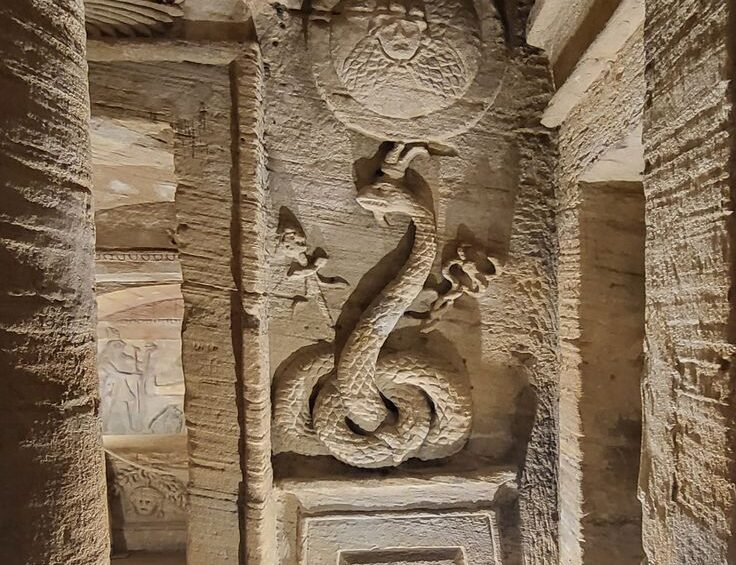
Catacombs Of Kom El Shoqafa

Catacombs of Kom El Shoqafa: Exploring Alexandria’s Mysterious Underground Necropolis

The Catacombs of Kom El Shoqafa in Alexandria stand as one of Egypt’s most fascinating archaeological treasures. Hidden beneath the bustling modern city, these underground tombs embody a rare fusion of Egyptian, Greek, and Roman art and spiritual traditions. Discovered by chance in the early 20th century, the catacombs reveal not only the craftsmanship of ancient architects but also a rich tapestry of beliefs and social life during the second century AD. Alexandria, with its long-standing cultural crossroads, offers visitors a tangible link to an era when civilizations intertwined seamlessly.

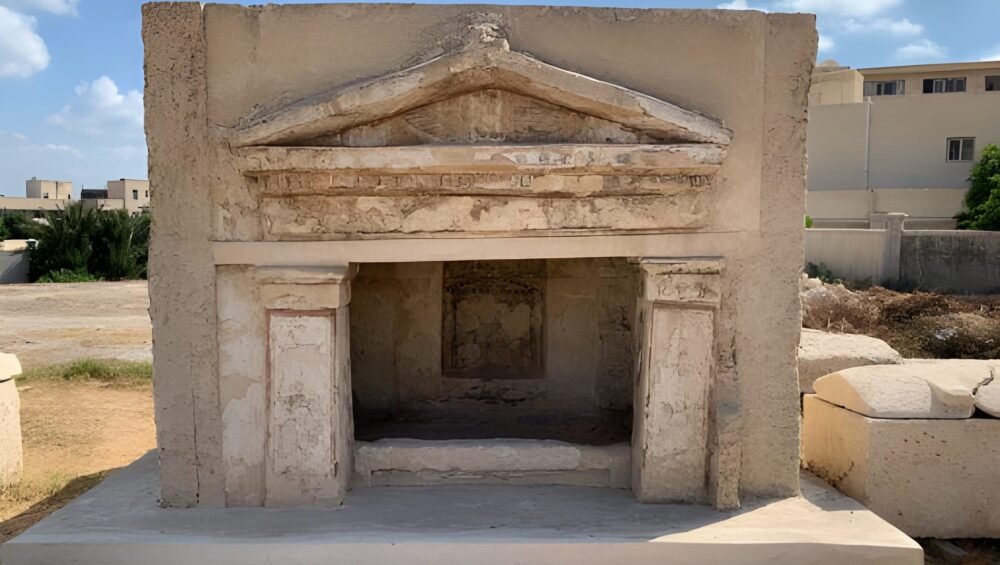
Originally serving as a private tomb, the complex grew into an expansive burial site carved directly into the bedrock. The labyrinthine tunnels, spiraling staircases, and chambers evoke a profound sense of mystery. Sculptures carved in limestone, sarcophagi adorned with hybrid iconography, and the eerie silence of the subterranean corridors blend to create an atmosphere that captivates historians, travelers, and spiritual seekers alike. To stroll through Kom El Shoqafa is to experience the confluence of paganism, Hellenistic art, and native Egyptian motifs, all beautifully preserved underground.

Today, the Catacombs of Kom El Shoqafa attract global visitors eager to uncover the stories etched into its stone. In the heart of Alexandria City, this necropolis rivals other iconic landmarks like the Citadel of Qaitbay and Alexandria Bibliotheca in historical allure. Whether you’re exploring timeless tombs or marveling at the delicate blend of cultural symbolism, this ancient site promises unforgettable revelations.

Unfolding the History of Kom El Shoqafa

Dating back to the second century AD, the Catacombs of Kom El Shoqafa emerged during a period when Alexandria thrived as a cosmopolitan hub. Under Roman influence, yet deeply rooted in Egyptian tradition, the necropolis speaks volumes about the city’s multicultural essence. The name ‘Kom El Shoqafa’ translates as ‘Mound of Shards,’ referencing the heaps of broken pottery once found nearby—likely remnants of vessels used by mourners who broke them after funerary rituals.

The site was rediscovered in 1900 by pure accident when a donkey fell through a shaft leading into the subterranean marvel. This chance discovery led archaeologists to uncover one of the most complex burial networks ever constructed. The catacombs, thought to have served a wealthy Alexandrian family before becoming a communal burial ground, encapsulate three levels adorned with intricate carvings and sarcophagi that blend pharaonic deities with Roman portraiture.

In architectural style and symbolism, Kom El Shoqafa mirrors Egypt’s evolution under Greco-Roman rule—a time when divine worship and artistic expression merged across cultures. For travelers seeking insight into Alexandria’s layered past, a visit complements excursions to ancient wonders like the Serapeum of Alexandria and the once-magnificent Pharos Lighthouse site.

Architectural Mastery Behind the Catacombs

The engineering brilliance of Kom El Shoqafa reveals ancient Alexandria’s adaptability and devotion. Descending the spiral staircase—a hallmark of the site—visitors enter spaces hewn entirely from bedrock, arranged for ceremonial purposes. The central shaft, once fitted with ropes and pulleys, allowed the lowering of bodies into the burial chambers. Light filtered through small openings, adding an ethereal quality to the stone facades.

Each level radiates precision, symbolizing the connection between the earthly and the divine. The first level served as a vestibule and triclinium, where relatives of the deceased gathered for rituals and feasts. Deeper still lies the main burial chamber, guarded by sculptures of gods like Anubis and Sobek—yet portrayed wearing Roman armor, illustrating the cross-cultural artistic blend that defines Kom El Shoqafa. The third level, once submerged due to ground water, is now inaccessible to visitors but remains a testament to Alexandrian engineering resilience.

Visitors fascinated by sacred architecture might also explore ancient temples showcased in tours such as the 4 Day Luxor, Edfu, Kom Ombo, Aswan and Abu Simbel Tour, connecting Egypt’s great monuments with similar artistic interplay.

Symbolism and Cultural Fusion in Stone

The art and reliefs inside Kom El Shoqafa express a profound synthesis of beliefs. Egyptian symbols of eternity coexist with Greco-Roman design flourishes. Decorative motifs include lotus flowers, serpents, and mythological scenes where Osiris, Isis, and Anubis join Roman gods in harmonious representation. Such artistic fusion uniquely narrates the spiritual tolerance that flourished in Alexandria during its golden age.

This tomb’s iconography unveils how Egyptians embraced Roman realisms—naturalistic faces replacing stylized profiles—and merged them seamlessly with age-old spiritual abstractions. The blend of funerary practices, from mummification to Roman cremation rituals, underscores Alexandria’s status as a vibrant cultural melting pot.

Mythologies of Death and Rebirth

The recurring themes within Kom El Shoqafa reflect eternal transition and spiritual rebirth. Hieroglyphic inscriptions, often coupled with Greek text, guide souls into the afterlife. Reliefs depicting the judgment of Osiris intermingle with Roman-style garlands, representing hope and continuity. The tomb’s name, its layout, and artistic elements evoke the cyclical nature of existence—a belief deeply rooted in both Egyptian and Mediterranean thought.

Curiously, statues show Anubis in a Roman legionary uniform, reinforcing how Alexandria’s people humanized, adapted, and blended divine imagery. This hybrid depiction captures more than artistic taste—it represents identity, faith, and adaptation in changing empires.

Much like the scenes preserved within the Dendera Temple Complex and Temple of Hathor, Kom El Shoqafa’s decorations exude magnificent storytelling through art and architecture.

Rediscovery and Modern Preservation Efforts

Ever since its accidental discovery, the Catacombs of Kom El Shoqafa have remained a symbol of hidden Alexandrian grandeur. Archaeologists from across the world have studied its structure, eager to decode the symbolism etched into its walls. Preservation initiatives aim to protect the limestone from water seepage and urban encroachment, ensuring future generations witness its wonder.

Modern Alexandria has embraced the catacombs as a cultural emblem, integrating it into heritage tourism circuits and educational programs. Visiting this site today provides not only a step back into antiquity but also an understanding of humanity’s continual quest to honor life and death through art. Visitors often combine the journey with tours of nearby landmarks like the Montazah Palace or embark on comprehensive Egypt Day Tours for deeper exploration across the country.

Why the Catacombs of Kom El Shoqafa Are a Must-See Attraction in Egypt

Among Egypt’s archaeological marvels, Kom El Shoqafa offers a rare glimpse into the multiethnic spirit that defined ancient Alexandria. The serene silence and delicate carvings tell untold stories of devotion, artistry, and social aspiration. For historians, photographers, and curious travelers, the site provides a deeper appreciation for how Egypt absorbed and redefined foreign influences without losing its cultural essence.

Unlike monumental sites such as the Sakkara Necropolis or the Abu Simbel Temples, Kom El Shoqafa extends the narrative of Egyptian craftsmanship inside the earth, proving grandeur isn’t only found above ground. The unique feel of its underground chambers offers a haunting yet enlightening journey through the ancient belief systems that once shaped one of the world’s greatest cities.

Visitors often pair their exploration with luxurious experiences like the 11 Days Luxury Egypt Tour Package, combining Alexandria, Cairo, and Nile highlights in one seamless itinerary for enthusiasts craving both history and comfort.

Travel Tips for Visiting Kom El Shoqafa

The Catacombs of Kom El Shoqafa are located in Karmouz, west of central Alexandria. The best time to visit is early morning when temperatures remain cool, as airflow inside the tunnels is limited. Guides on-site narrate fascinating tales that animate the relics’ symbolism. Comfortable walking shoes and modest clothing are advised, especially as pathways may be uneven.

For travelers seeking seamless organization, consider a guided tour from Cairo or Alexandria through Day Tour to Alexandria from Cairo by Car, offering historical insights and expert-led exploration of Kom El Shoqafa in a single-day itinerary. With proper planning, this journey unveils the heart of Egypt’s underground heritage while complementing iconic surface landmarks.

Integrating Kom El Shoqafa into a Broader Egyptian Itinerary

To fully absorb Egypt’s timeless grandeur, travelers often combine Alexandria’s highlights with other classic experiences—exploring Luxor’s tombs, sailing along the Nile, or visiting Aswan’s temples. Cruises like the Nour El Nil Dahabeya or trips through Luxury Nile Cruise routes allow visitors to connect Egypt’s distinct eras—from Ptolemaic Alexandria to Pharaonic Thebes. Each destination enhances appreciation for how ancient civilizations celebrated life, death, and artistic mastery.

FAQs About the Catacombs of Kom El Shoqafa

1. When were the Catacombs of Kom El Shoqafa built?

Historians date the Catacombs of Kom El Shoqafa to the second century AD, during the early Roman period in Egypt. They were originally dedicated to a wealthy Alexandrian family before transforming into a communal burial site reflecting Alexandria’s multicultural identity.

2. How were the Catacombs of Kom El Shoqafa discovered?

In 1900, a donkey accidentally fell into a shaft revealing the tombs. Excavations soon followed, leading archaeologists to uncover one of the most intricate subterranean burial sites of the Greco-Roman era.

3. What makes the architecture of Kom El Shoqafa unique?

The catacombs exhibit a remarkable blend of Egyptian and Greco-Roman architectural styles. The spiral staircase, triclinium, and richly decorated reliefs portray divine figures merging traditional Egyptian religious motifs with classical Roman aesthetics.

4. How many levels do the catacombs have?

The Catacombs of Kom El Shoqafa consist of three levels. The first and second levels are accessible, featuring burial chambers, sculptures, and banqueting halls. The third level, partially submerged, remains closed for safety reasons but contributes to the site’s mystique.

5. Is it possible to visit Kom El Shoqafa today?

Yes, the site is open to the public under the supervision of the Egyptian Ministry of Tourism and Antiquities. It’s best visited as part of guided experiences like the Cairo Day Tours or specialized Alexandria sightseeing excursions for rich historical context and professional interpretation.

Alexandria City

Alexandria City: Egypt’s Mediterranean Jewel and Ancient Gateway

Alexandria City, the legendary Mediterranean metropolis of Egypt, glimmers with more than two millennia of history, culture, and charm. Established by Alexander the Great in 331 BC, it remains a timeless marvel at the intersection of ancient allure and modern energy. As Egypt’s second-largest city, Alexandria captivates travelers with its blend of archaeological splendor, coastal elegance, and cosmopolitan spirit. The city’s identity weaves together Greek grandeur, Roman sophistication, and Arab finesse, revealing layers of civilization that pulse beneath its turquoise shoreline.

Its history reads like a novel of power, intellect, and beauty—from Cleopatra’s reign to the rise of the famed Great Library and Lighthouse, one of the ancient Seven Wonders of the World. The breeze that sweeps through Alexandria carries whispers of philosophers, mathematicians, and explorers whose legacies once shaped the ancient world. Today, the same breeze brushes over beachfront promenades, lush gardens, and vibrant markets infused with Mediterranean zest. Alexandria City stands as both a historical muse and a living, breathing mosaic of cultures, inviting visitors to rediscover Egypt through a coastal lens unlike any other.

From the Citadel of Qaitbay to the ultramodern Bibliotheca Alexandrina, every landmark tells a story that transcends centuries. Whether you’re drawn to its Roman catacombs, its restored palaces, or simply the laid-back Mediterranean rhythm of Corniche cafés, Alexandria wraps every traveler in a tapestry of history and heart. This article unravels the magic behind Alexandria City—its origins, top attractions, hidden gems, and modern-day marvels that continue to make it one of Egypt’s most fascinating destinations.

Historical Origins of Alexandria City

Founded by Alexander the Great, Alexandria was crafted as the crown jewel of the ancient world, designed by the Greek architect Dinocrates. The city quickly became the cultural and intellectual hub of the Hellenistic era. Its Great Library stood as the largest collection of knowledge in antiquity, drawing scholars from across continents. The Pharos Lighthouse, an architectural wonder at the harbor’s edge, guided sailors through the Mediterranean for centuries until its destruction by earthquakes.

Alexandria City’s early success was due largely to its strategic coastal position, serving as a vital trade link between Europe, Africa, and Asia. During the Ptolemaic dynasty, its grandeur mirrored its power, hosting palaces, academies, and one of the ancient world’s grandest ports. Philosophers like Euclid revolutionized geometry here, while astronomers recalibrated humankind’s understanding of the cosmos. Few cities in history have blended intellectual brilliance and maritime might quite like Alexandria. Even though much of ancient Alexandria lies beneath the sea today, diving expeditions continue to uncover remnants of Cleopatra’s palace and the ancient harbor walls.

Alexandria City During the Roman and Islamic Eras

When Rome conquered Egypt in 30 BC, Alexandria retained its prominence as a thriving urban center. Roman amphitheaters, marble baths, and villas adorned the cityscape. The Catacombs of Kom El Shoqafa, an extraordinary example of Greco-Roman influence, remain an essential landmark blending Egyptian mythology and Roman artistry.

In 641 AD, Alexandria embraced a new era under Islamic rule. The city continued to function as a key Mediterranean port, with mosques, markets, and schools redefining its skyline. Despite several natural disasters and foreign invasions, the city’s pulse never ceased. Its multicultural flavor persisted, creating a living collage of Greek, Roman, Coptic, and Arab legacies—reflected even today in its architecture and streetscapes.

Modern Alexandria City: A Mediterranean Haven

Present-day Alexandria balances its ancient cachet with a distinctly modern charm. Skyscrapers stand alongside historic villas, artisan shops dot every corner, and the rhythmic hum of waves complements the hustle of urban life. The iconic Corniche—a scenic waterfront promenade—acts as the city’s beating heart. Locals and travelers stroll its long curve to admire the sea, savor street food, and breathe in the crisp Mediterranean air. The district of Montazah shines as the ultimate blend of serenity and nostalgia, hosting the resplendent Montazah Palace and its royal gardens.

Alexandria’s culinary scene is equally magnetic. From fresh-caught seafood to fragrant Egyptian street dishes, every meal tells a story of coastal abundance and local tradition. The city also houses elegant European-style cafés reminiscent of its cosmopolitan 19th-century golden age, when it became Egypt’s window to Europe. The famous Stanley Bridge stands as a contemporary emblem connecting Alexandria’s past grandeur with its vibrant modern identity.

Top Attractions in Alexandria City

Among Alexandria’s top attractions, none intrigue visitors like the reconstructed Bibliotheca Alexandrina. This architectural masterpiece revives the spirit of the city’s ancient library. Another must-see is the Citadel of Qaitbay, perched where the Pharos Lighthouse once stood. Its commanding presence offers breathtaking sea views.

Equally fascinating is the Serapeum of Alexandria, where the remnants of a sacred Greco-Egyptian temple connect modern travelers to the divine mysteries of antiquity. For culture enthusiasts, the Graeco-Roman Museum offers a deep dive into the city’s layered heritage. And for relaxation, Alexandria’s golden beaches—from Maamoura to Agami—offer perfect respites from urban bustle.

Alexandria City’s Role in Modern Egypt’s Tourism

Today, Alexandria plays a pivotal role in Egypt’s tourism industry. Many visitors combine an Alexandria stop with a multi-day Nile voyage or a luxury itinerary. Popular tour combinations include the 16 Day Cairo, Alexandria, Nile Cruise and Abu Simbel experience, where travelers get to see the best of Egypt’s coastal and riverine worlds. Others enjoy exploring nearby heritage cities through Egypt vacation packages that perfectly integrate Alexandria’s treasures with sites in Cairo, Luxor, and Aswan.

Cultural Soul and Local Lifestyle of Alexandria City

Alexandria City embodies the phrase “East meets West” with striking authenticity. Art galleries, theaters, and universities uphold its intellectual tradition. Literature and film festivals often gather local artists and international creators to celebrate Alexandria’s contribution to arts and culture. The people of Alexandria, known for their warmth and humor, live by the sea’s rhythm—calm yet endlessly dynamic. This coastal pace seeps into its markets, cafés, and neighborhoods, exuding a Mediterranean charm that’s uniquely Egyptian.

Beyond the monuments, Alexandria’s neighborhoods reveal its beating heart. El-Mansheya, with its old-world charm, hums with trade and history. Meanwhile, Roushdy and San Stefano exhibit a more contemporary, cosmopolitan flair. Visitors often find solace walking along Raml Station, where tram bells echo through narrow European-style streets. Those yearning for serenity often take day trips through expert-organized excursions like the Day Tour to Alexandria City, a wonderful introduction to the city’s timeless appeal.

Hidden Gems and Experiences in Alexandria City

While most visitors gravitate toward major landmarks, Alexandria hides dozens of lesser-known delights. The Royal Jewelry Museum offers an opulent glimpse into Egypt’s royal past. Meanwhile, the ancient Pompey’s Pillar—an awe-inspiring Roman column—invites admiration and wonder. For those seeking spiritual reflection, the Attarine Mosque, built on the ruins of a church, embodies the city’s religious diversity. The underwater archaeological parks off Alexandria’s coast entice adventurous divers hoping to spot artifacts submerged for centuries beneath the waves.

Curious travelers can also combine their Alexandria exploration with broader adventures through Egypt Family Tours or Luxury Egypt Tours that unveil hidden corners of Egyptian heritage, from coastal marvels to desert landscapes. Alexandria City proves the ideal beginning—or grand finale—to Egypt’s enthralling story.

Seasonal Highlights and Climate in Alexandria City

Thanks to its Mediterranean location, Alexandria enjoys mild weather year-round. Summers, though warm, are tempered by sea breezes, while winters remain pleasantly cool. Autumn and spring are especially delightful for sightseeing. Travelers seeking festive experiences often visit during local cultural events or holidays, which complement winter itineraries like Egypt Christmas Tours. No matter the season, the city’s light creates a poetic hue—golden at dawn, silver by dusk—that photographers and dreamers alike find irresistible.

Frequently Asked Questions About Alexandria City

What makes Alexandria City unique compared to other Egyptian destinations?

Alexandria City stands out for its Mediterranean charm and Greco-Roman heritage. Unlike Cairo or Luxor, which focus on Pharaonic wonders, Alexandria offers a seaside blend of cultures—Greek, Roman, and Arab—making it a crossroad of civilizations. Its beaches, museums, and antique architecture make it both relaxing and intellectually stimulating.

When is the best time to visit Alexandria City?

The best time to visit Alexandria is from March to May or September to November, when the weather is pleasant and crowds are minimal. During these months, visitors can enjoy both historical sightseeing and leisurely seaside strolls without the heat of peak summer.

Which landmarks should I prioritize in Alexandria?

Top landmarks include the Citadel of Qaitbay, the Bibliotheca Alexandrina, Catacombs of Kom El Shoqafa, Montazah Palace, and Pompey’s Pillar. Each offers a glimpse into Alexandria’s layered past and maritime prestige.

Can Alexandria City be explored in a single day?

Yes, a well-planned one-day itinerary—like the guided Day Tour to Alexandria City—covers major sites efficiently. However, spending two or three days allows time to linger in museums, coastal cafés, and neighborhood bazaars.

How can I combine a visit to Alexandria with other Egyptian destinations?

Travelers often combine Alexandria with Nile cruise experiences or cultural journeys. For example, packages like the 16 Day Cairo, Alexandria, Nile Cruise and Abu Simbel tour or 10 Day Cairo with Nile Cruise offer comprehensive exposure to Egypt’s best attractions, balancing coastal beauty with ancient river wonders.

Final Thoughts on Alexandria City

Alexandria City continues to enchant visitors with its eternal dialogue between antiquity and the present. Its sea-kissed promenades, storied museums, and cosmopolitan spirit position it as Egypt’s cultural bridge to the Mediterranean. Whether travelers arrive for heritage, relaxation, or a deeper understanding of Egypt’s dynamic soul, Alexandria rewards every seeker with beauty, wisdom, and authenticity. Long after leaving its shores, most visitors find the city lingers in memory—like the scent of salt and jasmine in the evening breeze—a poetic tribute to Egypt’s timeless northern queen.

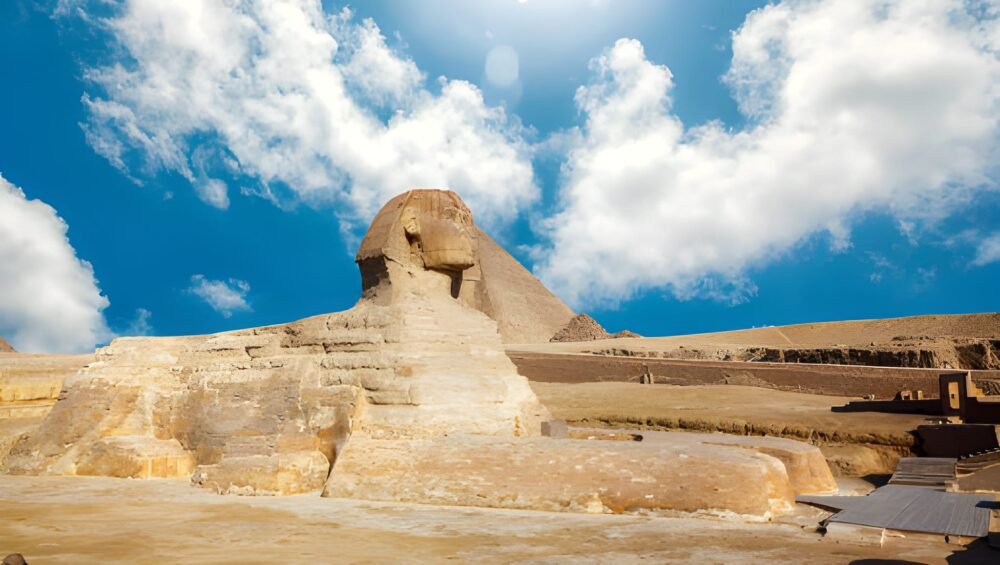
Sphinx Statue

The Timeless Majesty of the Sphinx Statue: An Enduring Symbol of Ancient Egyptian Grandeur

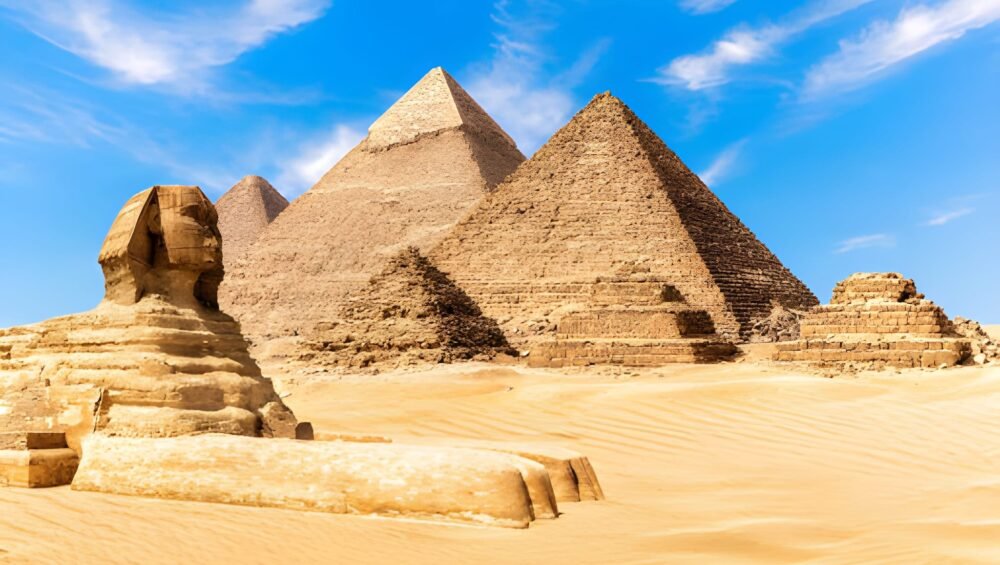
The Sphinx Statue stands as one of Egypt’s most recognizable landmarks—a colossal guardian carved from limestone, embodying millennia of mystery, power, and faith. Towering with the body of a lion and head of a pharaoh, this enigmatic sculpture has sparked intrigue for centuries. Located on the Giza Plateau near the Great Pyramids, the Great Sphinx of Giza is more than a monument; it’s a story told in stone, a silent witness to the rise and fall of dynasties and civilizations. Its sheer size, symbolism, and spiritual significance make it an irreplaceable icon of ancient Egyptian culture. Travelers, historians, and archaeologists alike flock to its mighty paws to uncover its secrets, interpret its expression, and marvel at humanity’s ability to blend art with divine purpose.

Carved around 2500 BCE during the reign of Pharaoh Khafre, the Sphinx Statue is believed to represent his likeness fused with the powerful body of a lion, symbolizing strength and wisdom. Time, wind, and sand have weathered its features, yet its aura remains unbroken. Whether you visit it during the golden hours of sunrise or under the silver glow of the moon, the Sphinx commands reverence. Exploring this marvel is often combined with a trip across the Giza Plateau, accessible through guided experiences like Cairo Day Tours or a breathtaking Day Tour to the Pyramids & the Nile. History blends seamlessly with myth here, making every visit unforgettable.

Historical Background of the Great Sphinx Statue

The Sphinx Statue’s origins are steeped in ancient Egyptian mythology and royal tradition. Commissioned during the Fourth Dynasty, around 2558–2532 BCE, it’s attributed to Pharaoh Khafre, whose pyramid sits nearby. Crafted from a single limestone outcrop, it measures approximately 73 meters long and 20 meters high, a testament to Egyptian artisans’ precision and craftsmanship. Many historians believe that the Sphinx served as a spiritual sentinel guarding the pyramid complex, symbolizing both divine protection and the merging of human intellect with animal prowess.

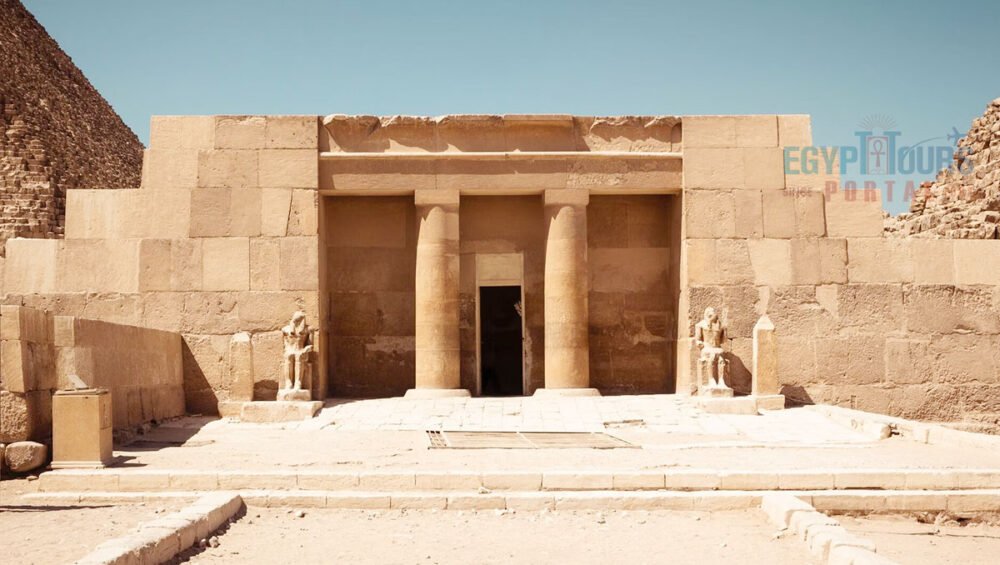
The Sphinx’s name derives from Greek mythology, yet its Egyptian name, ‘Hor-em-akhet’—meaning ‘Horus of the Horizon’—reveals its celestial significance. Egyptians saw it as an incarnation of Ra, the sun god, perpetually watching over the land. Visitors today often expand their journey from the Sphinx to include a stop at the The Valley Temple, a sacred site closely linked to Khafre’s funerary rituals, offering insight into the ceremonial practices surrounding death and resurrection in ancient Egypt.

The Architectural Genius Behind the Sphinx Creation

Imagine sculptors wielding copper chisels and stone hammers, shaping a mammoth rock into a masterpiece that defied both time and technique. The Sphinx Statue’s design isn’t just impressive for its scale; it’s revolutionary. Engineers and laborers carved the monument directly into the bedrock, showcasing early mastery of proportion and perspective. The limestone used varies in density, explaining why parts of the Sphinx have eroded unevenly. Restoration works throughout history—from ancient times to modern conservation—have helped preserve its monumental form against natural and human-made threats.

Those charmed by the architectural prowess of ancient Egypt might also find wonder in a visit to the Luxor Temple and Ramesseum Temple, where colossal statues stand as proud testaments to regal artistry and divine reverence. Together, these monuments weave a story of Egypt’s cultural continuity and stone-carved devotion.

The Mystical Symbolism of the Sphinx Statue

Symbolism flows through every line of the Sphinx Statue. With the lion’s body representing earthly power and the human head embodying wisdom, it captured the Egyptian ideal of kingship—dominion balanced by intellect. It may have served as a physical manifestation of Khafre’s divine authority, bridging the mortal and immortal worlds. The alignment of the Sphinx with the rising sun links it to solar worship traditions, reinforcing its identity as a guardian of cosmic order. Even in its silent stance, the Sphinx whispers of eternity and equilibrium.

The allure of its symbolism draws visitors into Egypt’s ancient belief system, akin to experiences at spiritual sites such as Temple of Hatshepsut and Abu Simbel Temples, where divine connection and pharaonic power merge seamlessly through monumental art.

Restorations and Archaeological Discoveries

For centuries, the Sphinx lay buried up to its shoulders in sand, rediscovered multiple times throughout history. Early excavations conducted during the 1800s revealed the monument’s grandeur, sparking archaeological fascination that endures today. Restoration campaigns by Egyptian and international teams have focused on stabilizing its body, repairing cracks, and protecting it from Cairo’s encroaching urban expansion. Despite modern technologies, the Sphinx still poses unanswered questions—Was there a hidden chamber beneath? Could it predate Khafre’s reign?

Archaeologists working near the Giza Plateau often collaborate with experts at renowned Egyptian sites like The Grand Egyptian Museum, housing invaluable artifacts related to ancient craftsmanship that deepen our understanding of monuments such as this timeless guardian.

The Sphinx in Egyptian Myth and Global Culture

Beyond Egypt, the image of the Sphinx transcended borders, capturing the imagination of ancient Greece, Rome, and beyond. Each civilization adapted the creature into its mythology—Greek tales portrayed it as a riddle-giver and harbinger of fate, while the Egyptian Sphinx represented wisdom and justice. This duality between menace and majesty fuelled centuries of intrigue, inspiring poets, explorers, and artists to interpret its enigma anew.

Modern visitors exploring the Sphinx’s mystique can easily complement their cultural adventures with a tranquil Felucca trip on the Nile or an elegant journey along a Luxury Nile Cruise, providing opportunities to see how Egypt’s mythic legacy continues to shimmer through its landscapes and waterways.

The Great Sphinx’s Role in Tourism and Cultural Heritage

Today, the Sphinx Statue is an integral part of Egypt’s cultural tourism circuit, attracting millions from every corner of the world. Visitors marvel at its calm demeanor and the legends that surround it. Whether as part of an Egypt Private Tour or a Luxury Egypt Tour, viewing the Sphinx against the rising sun is a moment that encapsulates the very essence of ancient Egyptian spirituality. Its continued conservation ensures that future generations will also stand before it in awe, hearing echoes of pyramids and pharaohs carried through the desert wind.

Spiritual Significance and Astronomical Alignment

The Great Sphinx aligns perfectly with the east horizon, directly facing the sunrise. This intentional design reveals that ancient Egyptians synchronized architecture with celestial movements, believing the Sphinx would channel protective energy from the sun god Ra. Seasonal equinoxes and solstices amplify its cosmic aura, transforming the monument into more than mere stone—a celestial portal connecting humanity and divinity. Such symbolic harmony can also be felt while visiting sacred sites like Temple of Philae or Edfu Temple, both built with astronomical precision reflecting cosmic beliefs.

Preservation Challenges of the Sphinx Statue

Preserving such a monument is no small feat. Erosion, pollution, and fluctuating humidity threaten its delicate limestone surface. Conservationists employ advanced technologies, from 3D scanning to laser cleaning, aiming to stabilize and restore. These preservation efforts are part of modern Egypt’s broader mission to protect national heritage sites. Partnerships between Egypt’s Ministry of Antiquities and international research centers have been vital, further instilling global pride in safeguarding humanity’s oldest guardians.

Interesting Facts About the Sphinx

Few realize the Sphinx’s original face may have been painted in vivid hues of blue and red, echoing divine symbolism. Legends persist about missing noses and beards—some claim soldiers used it for target practice, others assert ancient earthquakes caused irreversible damage. Moreover, beneath the Sphinx, a network of tunnels and chambers adds to its legendary enigma, feeding centuries of exploration and speculation. For curious travelers, engaging storytelling and local guides available through Egypt Day Tours can turn such facts into living, immersive experiences.

FAQs About the Great Sphinx Statue

1. Who built the Great Sphinx and when?

Most scholars attribute the Sphinx Statue’s construction to Pharaoh Khafre around 2500 BCE. Its proximity to Khafre’s Pyramid and shared architectural style strengthen this theory, aligning the monument with his reign during Egypt’s Fourth Dynasty.

2. What does the Sphinx symbolize in ancient Egyptian religion?

The Sphinx embodies royal power, wisdom, and solar worship. Its lion’s body symbolizes earthly strength, while its human head represents divine intellect and leadership. Together, they portray the ideal pharaoh—mighty yet enlightened under the protection of the sun god Ra.

3. How was the Sphinx Statue discovered and excavated?

The monument was buried in sand for centuries, with only its head visible. Excavations in the early 19th and 20th centuries, particularly led by Giovanni Battista Caviglia and later Selim Hassan, cleared away the desert layers, revealing the majestic body beneath.

4. Can visitors see the Sphinx today?

Absolutely! The Sphinx remains one of Egypt’s top attractions. It’s located near the Great Pyramids on the Giza Plateau, accessible through guided packages like Camel Ride Trip at the Pyramids or full-day excursions such as Day Tour to Giza Pyramids & Sakkara.

5. Why is the Sphinx missing its nose?

Historical evidence suggests the Sphinx’s nose was deliberately removed. Arabic historians recount that a Sufi zealot in the 14th century defaced it, believing it represented pagan idolatry. Centuries of erosion and weather further contributed to its missing features.

Final Thoughts: The Eternal Spirit of the Sphinx Statue

The Sphinx Statue represents more than a monumental sculpture; it’s a dialogue between humanity and eternity. Its face, worn by time yet resolute, continues to command awe, inspiring generations to explore Egypt’s cultural legacy. Standing before it, one feels both humbled and awakened—a reminder that some creations are destined to transcend ages. Whether you arrive in the gentle dawn via a 6 Days Cairo to Luxor Tour or drift on a serene cruise like the Nile Premium Cruise, the Sphinx awaits, ancient yet timeless, whispering the story of Egypt’s soul through its silence.

Meidum Pyramid

The Meidum Pyramid: The Mysterious Transformation of Egypt’s Early Monuments

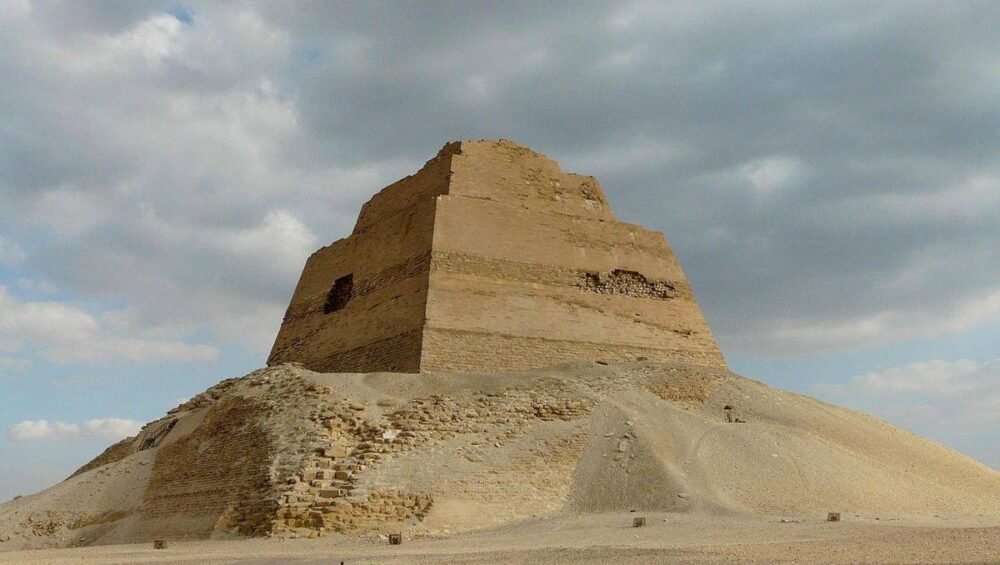
Rising from the edge of the desert near El Fayoum, the Meidum Pyramid is an enigma shrouded in the sands of ancient Egypt. Often overshadowed by its more famous siblings in Giza, this pyramid tells a story of transition, engineering ambition, and the experimental spirit that shaped Egypt’s monumental history. Known as the ‘collapsed pyramid,’ Meidum stands as one of the earliest attempts to perfect the classic form we associate with pharaonic power. Believed to have been begun by Pharaoh Huni, the last ruler of Egypt’s Third Dynasty, and later completed—or reengineered—by his son, Sneferu, the Meidum Pyramid marks a crucial evolutionary stage from step pyramids to smooth-sided masterpieces.

When you first catch a glimpse of Meidum, it stands like a massive tower rising from the desert plain—a haunting reminder of both human achievement and failure. The once-layered steps, now partially buried under rubble, give it a surreal appearance. Archaeologists have long debated whether the collapse occurred during construction or centuries later, but its silhouette alone evokes the ingenuity and mystery of ancient builders. Visiting the Meidum Pyramid is like peering directly into the mind of the ancient architects who dared to reach for the heavens. It’s not just an archaeological site; it’s a revelation of the technological breakthroughs and missteps that paved the way for the majestic Pyramids of Giza.

Today, the Meidum Pyramid offers travelers and historians alike a chance to witness one of ancient Egypt’s most fascinating turning points. It rests quietly about 100 kilometers south of Cairo, beckoning the curious to explore its deserted corridors and tumble-down stones. The structure may not glitter like the Sphinx or the temples of Luxor, but its story is no less captivating. For those drawn to the origins of Egyptian architecture and the kingdom’s earliest visionaries, the Meidum Pyramid is a must-see treasure that unites the art of design with the timeless question of human ambition.

Historical Background of the Meidum Pyramid

The Meidum Pyramid dates to around 2600 BC and represents one of Egypt’s earliest large-scale attempts to create a true pyramid. It was initially conceived as a step pyramid, similar to the iconic one at Saqqara, attributed to Djoser. Scholars believe that Pharaoh Huni began the construction late in his reign and that Sneferu, known for his architectural innovations and the father of Khufu, transformed it into a smooth-sided pyramid. This modification, however, may have led to the structural instability that caused part of its collapse. The pyramid’s story thus stands at the crossroads of design evolution—from the crude step prototypes to the flawless geometries achieved later at Dahshur and Giza.

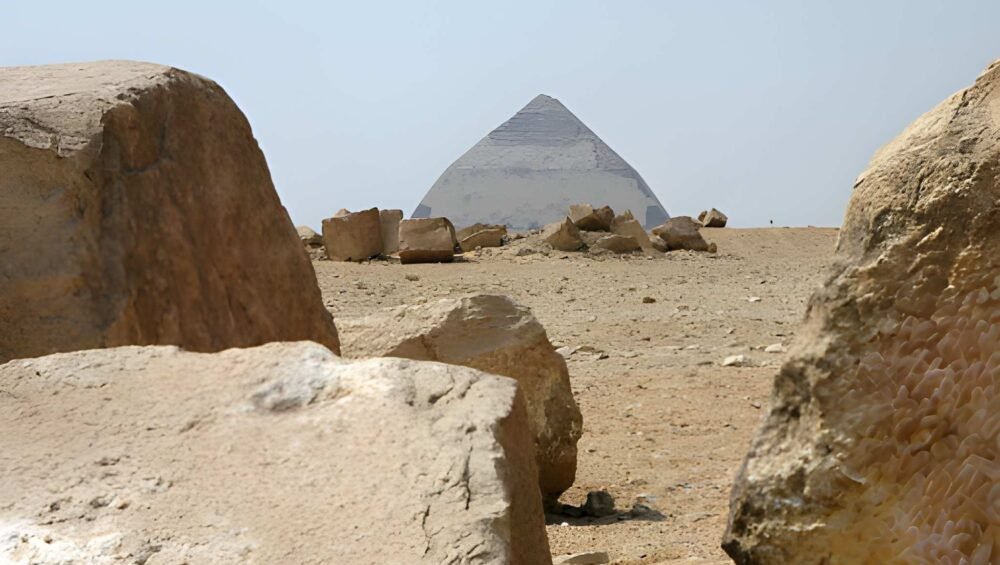
Sneferu’s projects were the laboratory of Egypt’s architectural genius. After Meidum, he built the Bent Pyramid and the Red Pyramid at Dahshour, perfecting the form that would define Egypt’s golden era. The Meidum Pyramid’s fall was no mere failure—it was the stepping stone toward mastery. Ancient builders learned hard lessons in weight distribution, angle calculation, and stone placement that would guide pyramid construction for centuries. To this day, the monument serves as a tangible reminder of humankind’s early struggle between vision and reality.

Architectural Features and Symbolism

The Meidum Pyramid was originally composed of seven steps, later expanded to eight, and then encased in a smooth limestone shell. This transitional architecture embodies a huge leap in engineering design. Inside, a narrow descending passageway leads to a central burial chamber set deep within the structure. Although now empty, this chamber was likely intended to hold the pharaoh’s spirit, ensuring his ascension to the gods. Early historians noted that the corridors’ alignment mirrored the cosmic pathways believed to link earth and the afterlife—an idea central to ancient Egyptian religion and architectural symbolism.

The material used was primarily limestone quarried from nearby Fayoum, a region famous for its ancient building resources and lush oases. The pyramid’s angle of inclination, nearly 51 degrees, proved too steep for the encasing stones to hold—yet that misstep birthed perfection in the next generation of pyramids. This curvature adjustment is exactly what Sneferu applied successfully to his masterpieces. The Meidum Pyramid thus remains an invaluable transitional model in understanding pyramid evolution, bridging the experimental zeal of early dynasties with the engineering precision of the Fourth Dynasty’s zenith.

The Collapse: A Mystery of Time and Technique

The question of why Meidum partially collapsed persists as one of Egyptology’s great puzzles. Some experts claim the outer casing slipped away during or shortly after construction. Others suggest centuries of erosion and earthquakes loosened the stones. Interestingly, the internal core remains largely intact, indicating that the failure lay not in overall design but in execution—a tragic consequence of experimentation. The massive mound surrounding the pyramid today, covering its base, is composed of the fallen casing stones, creating the illusion of a monument emerging from a sandstorm frozen in time.

Recent studies, using 3D scanning and ground-penetrating radar, reveal signs of stabilizing efforts made by ancient engineers—suggesting that even the builders recognized the structural risks. The fact that Sneferu continued with two more pyramid constructions afterward demonstrates both his determination and Egypt’s thirst for innovation. Unlike static relics, Meidum feels alive—a dialogue between past ambitions and modern rediscovery.

Surrounding Complex and Temples

Adjacent to the pyramid lies a wide courtyard flanked by an offering chapel, once adorned with reliefs of the king’s name and titles. Though now weathered, these remnants mirror early examples of the mortuary complexes that became integral to later royal burials. Just beyond stands a series of mastabas—rectangular tombs belonging to royal family members and officials. These structures offer invaluable insights into the craftsmanship, burial customs, and artistic conventions of the time. Together they form an archaeological ensemble that deepens our understanding of the shift from step pyramids to grand mortuary temples like those found in Luxor Temple and Abu Simbel.

Visiting the Meidum Pyramid Today

Travelers lucky enough to visit Meidum encounter a surreal sense of solitude. The site attracts far fewer crowds than Giza, making it ideal for those seeking quiet reflection among timeless ruins. A day trip from Cairo or Fayoum offers the opportunity to explore its terraces and inner passages, witnessing the earliest efforts of a civilization learning to move mountains—literally. Combining a Meidum visit with nearby destinations like the oases of Fayoum Oasis or the natural beauty of Wadi Al Hitan creates a journey rich in contrast and wonder.

Guided excursions such as Day Tour to El Fayoum from Cairo or private Cairo Day Tours often include Meidum, giving visitors a deeper appreciation of Sneferu’s architectural footprint. Many seasoned explorers recommend timing your visit for late afternoon when the sunlight bathes the remaining tiers in a warm golden glow, emphasizing the pyramid’s haunting majesty.

Archaeological Discoveries and Preservation Efforts

Excavations around Meidum have uncovered numerous artifacts—tools, pottery shards, and funerary stelae—that tell of ancient workers and priests who maintained this site across dynasties. Early 20th-century excavations led by Flinders Petrie documented the pyramid’s structural components in great detail, revealing the meticulousness of Old Kingdom engineering. Preservation remains an ongoing challenge; wind erosion and shifting sands continue to threaten the stability of exposed stones. Projects supported by the Egyptian Ministry of Antiquities aim to strengthen the pyramid’s base, clear debris, and improve access paths without altering its ancient character.

Modern-day adventurers often connect a Meidum exploration with broader Egypt Day Tours that trace the progression of pyramid architecture across the country—from Sakkara Necropolis to Memphis and onward to the resplendent Grand Egyptian Museum. These comparisons reinforce the Meidum Pyramid’s role as the missing link between early conceptual models and polished perfection.

Legacy of the Meidum Pyramid in Egyptian Architecture

The Meidum Pyramid’s legacy lives on in every limestone block of Giza. Without Sneferu’s experiments here, the precision of Khufu’s Great Pyramid might never have existed. The lessons learned from Meidum—especially regarding slope, foundation, and casing—redefined architectural strategies in subsequent centuries. Beyond its physical form, Meidum represents a profound shift in cultural psychology: the realization that even divine projects require human adaptation and engineering logic.

In the broader timeline of Egyptian art, Meidum coincides with emerging sophistication in sculpture and carving. Statues discovered nearby exhibit realistic proportions and expressive features, heralding a stylistic maturity that paralleled architectural advances. These works exemplify the harmony between form and function that became hallmarks of Old Kingdom aesthetics.

FAQs about the Meidum Pyramid

What makes the Meidum Pyramid different from other pyramids in Egypt?

The Meidum Pyramid stands out as a transitional structure between step and true pyramids. It’s unique in its collapsed form, which provides insight into the experimental phase of Egyptian pyramid construction. The transformation initiated by Sneferu showcases early attempts to achieve the smooth-sided design perfected later at Dahshur and Giza.

Who built the Meidum Pyramid?

Archaeological evidence attributes the Meidum Pyramid to Pharaoh Huni, the last ruler of the Third Dynasty, with major reconstruction by his successor, Sneferu. Their collaboration symbolizes the turning point in ancient engineering, bridging earlier step forms with the classic pyramid silhouette.

Can visitors enter the Meidum Pyramid?

Yes, visitors can enter through a narrow descending passage leading to the burial chamber. The interior offers a remarkable look at early architectural design and provides a more intimate experience than the more crowded sites in Giza. Tours from Cairo often include guided access with safety supervision.

Where is the Meidum Pyramid located?

The pyramid lies about 100 kilometers south of Cairo, near the modern village of Meidum and the lush fields bordering El Fayoum. Its isolated position adds to its mystique, contrasting with the busy tourist hubs of northern Egypt.

What other attractions are near the Meidum Pyramid?

Nearby attractions include the verdant Fayoum Oasis, the ancient ruins of Qasr Qarun Temple, and the stunning fossil beds of Wadi El Rayan. The combination of archaeological wonder and natural beauty makes any visit to the Meidum Pyramid an unforgettable journey through Egypt’s forgotten landscapes.

Dahshour

Dahshour: The Forgotten Gem of Egypt’s Ancient Pyramid Fields

Just a short drive south of Giza and Saqqara lies Dahshour, a captivating archaeological treasure trove that seldom makes it onto mainstream tourist itineraries. Yet, for those who venture beyond the well-trodden paths of Egypt’s more famous sites, Dahshour rewards every traveler with a serene, profoundly historic, and visually stunning experience. This ancient necropolis was the experimental playground for Pharaoh Sneferu, whose architectural innovations here sparked the evolution of Egypt’s iconic pyramids. Dahshour’s blend of mystery, engineering marvels, and raw desert landscapes offers an unforgettable glimpse into Egypt’s golden age of pyramid construction.

Dahshour is home to some of Egypt’s earliest, best-preserved pyramids, which uniquely capture the transition from the step-sided to the smooth-faced structures we now associate with pharaonic power. Visitors can explore the mighty Bent Pyramid, the Red Pyramid, and the lesser-known Black Pyramid, enveloped in an atmosphere far quieter and more contemplative than that at Giza. Here, where desert dunes kiss ancient stone, history whispers through every gust of wind. Dahshour isn’t merely a site to tick off—it is a story of ambition, engineering genius, and eternal glory.

For those planning immersive Egypt day tours, Dahshour offers a superb opportunity to connect with authentic antiquity, away from crowds and chaos. Whether explored alongside neighboring sites like Saqqara or included in tailor-made Egypt private tours, this hidden wonder delivers both educational insights and visual splendor. Let’s delve into the rich narrative of Dahshour, Egypt’s pioneering pyramid landscape that changed architecture and eternity forever.

The Historical Significance of Dahshour’s Necropolis

Dahshour served as a royal burial ground during Egypt’s Old and Middle Kingdoms, particularly under Pharaoh Sneferu of the Fourth Dynasty. Sneferu’s reign, famed for architectural innovation, birthed not one but multiple pyramids across this field as the Egyptians refined the concept of a true pyramid. These experiments resulted in monumental achievements such as the Bent Pyramid, with its unique change in angle, and the Red Pyramid, recognized as Egypt’s first perfect true pyramid.

The necropolis of Dahshour reveals invaluable insights into early pyramid construction techniques. Excavations have unearthed mud-brick temples, causeways, and small subsidiary pyramids, reflecting the complexity of ritual life linked to royal burials. Discoveries at Dahshour mirror cultural and technological leaps that defined Egypt’s signature architectural identity. Through these ruins, visitors encounter a turning point in Egypt’s monumental legacy—an age when innovation met divine ambition.

Modern travelers often combine Dahshour with iconic sites like Memphis or Saqqara, included in specially curated private tours to Pyramids, Sakkara and Dahshur, to fully grasp the evolution of Egyptian royal tombs. These combined explorations shed light on Sneferu’s experimentation, ultimately paving the way for his son, Khufu, to build the Great Pyramid of Giza.

The Bent Pyramid: A Marvel of Ancient Engineering

Standing 101 meters tall, the Bent Pyramid remains one of ancient Egypt’s most enigmatic monuments. Built around 2600 BCE, this pyramid is famed for its unusual shape: a lower incline of 54 degrees abruptly shifts to 43 degrees midway up. Scholars theorize that structural instability or symbolic design changes caused this modification. Whatever the truth, the Bent Pyramid’s partial smooth casing stones—still visible today—offer rare insight into how the Great Pyramid at Giza would have originally appeared.

What makes the Bent Pyramid even more extraordinary is its surrounding landscape. Flanked by a smaller satellite pyramid and remnants of a mortuary temple, it captures both spiritual and architectural sophistication. Independent travelers and scholars alike find this site a dream for close-up photography and quiet reflection. On-site exploration, particularly during early mornings or late afternoons, reveals incredible play of desert light across its limestone face—a photographer’s paradise rivaling any structure around Cairo.

The Red Pyramid: Egypt’s First True Pyramid

The Red Pyramid, named after its reddish hue, marks Sneferu’s crowning engineering success. With a perfect 43-degree slope and precise inner chambers, this structure effectively became Egypt’s earliest complete true pyramid. Measuring an impressive 104 meters in height and 220 meters on each side, it set the gold standard for pyramid craftsmanship, influencing every royal tomb to follow for centuries.

Tourists can actually enter the Red Pyramid, trekking through its 61-meter descending passage into massive corbelled galleries. Inside, one can still sense the echoes of Sneferu’s vision and the labor of thousands who built this wonder. A climb within the pyramid is not for the faint-hearted—it’s hot, narrow, and steep—but it’s an unparalleled adventure that evokes a sense of connection few sites can replicate. Nearby panoramic dunes expand the view, encapsulating both the Bent and Red Pyramids in one unforgettable vista.

Travelers combining Dahshour visits with Cairo discoveries can easily extend their trips into unforgettable itineraries, such as the 5-Day Cairo and Luxor Tour Package that blends urban and ancient experiences flawlessly.

The Black Pyramid: A Testament to Ambition and Innovation

Constructed during the Middle Kingdom, the Black Pyramid of Amenemhat III represents Egypt’s continued pyramid tradition. Unlike its Old Kingdom predecessors, this structure used mudbrick cores coated with stone, creating a darker, almost haunting appearance. Though partially collapsed due to unstable materials, the Black Pyramid remains a crucial archaeological link demonstrating evolving engineering and economic strategies during a more centralized era of Egyptian rule.

Today, the Black Pyramid’s ruins still command an air of melancholic beauty. Its subsurface chambers, originally supported by complex wooden reinforcements, reveal the ambitious—but ultimately flawed—attempts to adapt pyramid architecture centuries after Sneferu. Standing amidst its remains, modern travelers reflect on human persistence—how even ancient kings dared to push limits to immortalize their legacies.

To pair such ancient marvels with modern excellence, travelers might enjoy a classic 4-Day Cairo Tour Package, seamlessly integrating Dahshour within the grand story of ancient Egypt.

The Desert Setting and Scenic Beauty of Dahshour

Dahshour unfolds across a sweeping expanse of golden sands, where tranquility reigns supreme. Unlike the bustling tourist centers around Giza, the Dahshour pyramids rise in splendid isolation, surrounded by uninterrupted desert vistas and timeless quietude. This setting enhances not only the site’s mystique but also its contemplative atmosphere, ideal for travelers seeking deeper cultural immersion.

The nearby village life offers an authentic touch of Egyptian rural charm. Camel caravans occasionally cross the horizon, while local farmers tend their fields along the fertile Nile fringes. The juxtaposition between ancient royal tombs and everyday life underscores Egypt’s enduring connection to land, labor, and legacy. For those craving off-the-beaten-path journeys, Dahshour encapsulates all that’s fascinating about Egypt—mystery, solitude, and history, bound into one extraordinary place.

Exploring Dahshour often complements broader heritage tours such as Cairo day tours or longer expeditions combining 8 Days Best Egypt Tour with Nile Cruise, enabling travelers to savor historical diversity at every step.

Travel Tips for Visiting Dahshour

Reaching Dahshour is remarkably easy from Cairo—it’s about an hour’s drive south of the capital. For efficiency and comfort, hiring a private guide through agencies specializing in Egypt vacation packages ensures a smooth experience. As temperatures can soar, visits during morning or late afternoon are ideal. Comfortable shoes and light clothing are recommended for exploring the sandy terrain and descending pyramid passages.

Photography enthusiasts should bring good lighting equipment, as interior chambers are dimly lit. Additionally, combining visits with other nearby archaeological wonders like Saqqara or Memphis—once Egypt’s ancient capital—offers context to Dahshour’s architectural breakthroughs. A mixture of history and hands-on exploration awaits anyone ready to travel slightly beyond the beaten path.

Why Dahshour Deserves More Recognition

Dahshour is not just another pyramid site—it’s the foundational chapter of Egypt’s monumental legacy. Many travelers underestimate its value, yet historians agree that without Sneferu’s experiments here, the Great Pyramid of Giza might never have existed. The lessons of failure and triumph written in Dahshour’s limestone set architectural standards that lasted for millennia. In essence, Dahshour encapsulates humanity’s timeless pursuit of perfection, ambition, and immortality.

Incorporating Dahshour into luxury itineraries like the 11 Days Luxury Egypt Tour Package transforms any holiday into a journey through innovation and eternity. Every traveler who steps into its sand-swept silence instantly understands why Egypt’s kings looked to Dahshour for divine inspiration.

FAQs About Dahshour

Where is Dahshour located?

Dahshour lies approximately 40 kilometers south of Cairo, near the western bank of the Nile River. It forms part of the greater Memphis necropolis, linked closely with Saqqara and Giza. Its proximity makes it ideal for half-day tours from the capital, especially for travelers aiming to witness Egypt’s earliest true pyramids.

Which pyramids can be found in Dahshour?

Visitors to Dahshour can explore several pyramids, most notably the Bent Pyramid, the Red Pyramid, and the Black Pyramid. Each represents a unique stage in ancient Egyptian architectural evolution—from experimental to perfected designs. The Red Pyramid, Egypt’s first smooth-sided pyramid, is particularly renowned for its accessibility and preservation.

Is entry into the Red Pyramid allowed?

Yes, tourists are permitted to enter the Red Pyramid. The interior features narrow tunnels and grand chambers leading deep into the core of the structure. Although the descent is steep, it’s one of the few pyramids where travelers can stand within the ancient royal tomb itself, offering a profound firsthand experience of Egyptian ingenuity.

How can travelers include Dahshour in their Egypt itinerary?

Dahshour can easily be integrated into Cairo-centered itineraries or broader historical tours. Packages like the 6 Days Cairo to Luxor Tour allow visitors to include Dahshour along with other prominent sites, combining the convenience of guided travel with immersive historical storytelling.

What makes Dahshour unique compared to Giza?

Unlike Giza’s crowded atmosphere, Dahshour offers serenity and authenticity. With far fewer visitors, it provides a raw, immersive sense of discovery, bringing travelers closer to ancient craftsmanship and natural desert beauty. It’s not just the innovation of the Bent and Red Pyramids that makes Dahshour exceptional but also its peaceful ambiance and intact historical context that transport visitors straight into Egypt’s Old Kingdom era.

The Grand Egyptian Museum

The Grand Egyptian Museum: A Modern Gateway to Egypt’s Ancient Wonders

Sitting impressively at the edge of the Giza Plateau, the Grand Egyptian Museum (GEM) redefines how humanity connects with Egypt’s pharaonic treasures. This state-of-the-art museum is not just a collection of artifacts—it’s a breathtaking narrative of civilization, innovation, and legacy. The Grand Egyptian Museum, near the iconic Pyramids of Giza, promises to become the largest archaeological museum in the world. Designed as a futuristic haven for Egypt’s heritage, the museum bridges ancient splendor with cutting-edge architecture and technology. Tourists and historians alike are poised to experience an unparalleled journey through five millennia of history within its walls.

After years of meticulous planning and construction, the Grand Egyptian Museum stands as a landmark achievement for Egypt and global cultural preservation. Boasting more than 100,000 artifacts, including the entire collection of King Tutankhamun, it offers immersive experiences through 3D displays, interactive exhibits, and sustainable design. This museum aligns seamlessly with Egypt’s vision of revitalizing its tourism industry and safeguarding its treasures for future generations.

From the grand atrium showcasing colossal statues to specialized conservation laboratories, every inch of the museum breathes sophistication and reverence for the past. For travelers exploring Giza, Cairo, or embarking on Egypt Vacation Packages, a visit to GEM is an unmissable highlight, inviting everyone to witness antiquity come alive in a modern narrative. This introduction sets the stage for understanding why the Grand Egyptian Museum captivates adventurers, historians, and dreamers from across the globe.

Architectural Brilliance and Symbolism of the Grand Egyptian Museum

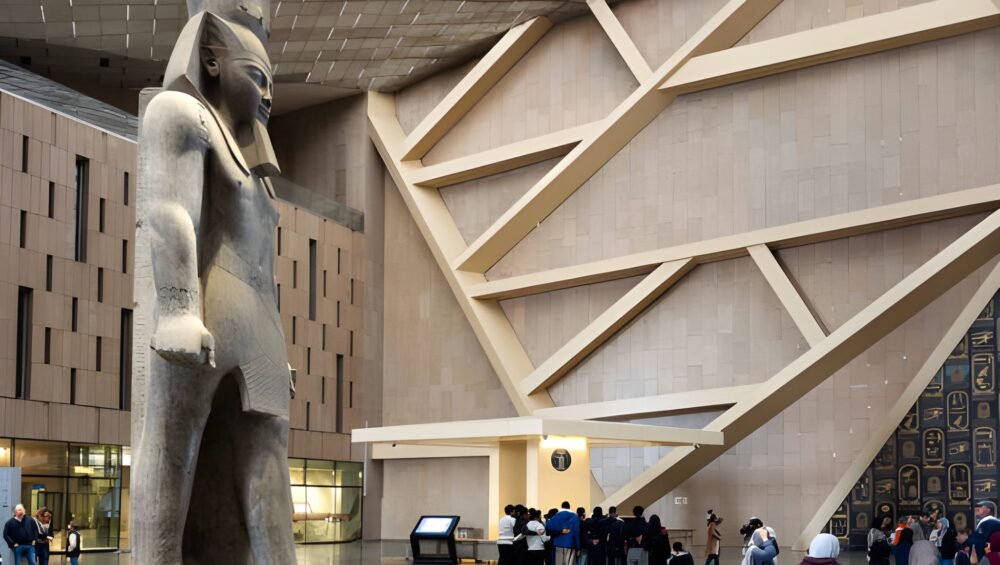
The architecture of the Grand Egyptian Museum is an architectural marvel steeped in symbolism. Designed by the visionary Heneghan Peng Architects, its triangular façade mirrors the angles of the Pyramids, underscoring Egypt’s eternal identity. Using translucent alabaster stone, the structure captures the Egyptian sunlight, creating a dynamic play of light and shadow reminiscent of ancient temples.

The museum’s position is strategically chosen—it lies on a direct sightline between Cairo and the Giza Pyramids, creating a visual and cultural connection between past and present. The vast Grand Staircase, flanked by monumental statues of Egypt’s greatest pharaohs, forms a dramatic focal point for visitors. The entrance courtyard greets guests with an awe-inspiring statue of Ramses II, emblematic of Egypt’s grandeur.

Visitors who combine their GEM visit with Cairo Day Tours or specialized museum excursions can appreciate how the museum’s layout harmonizes environmental sustainability with cultural authenticity. Solar panels, natural ventilation, and innovative waste management systems demonstrate that the museum’s grandeur extends far beyond aesthetics—it embodies responsibility toward the planet.

The Grand Egyptian Museum’s Design Philosophy

The design philosophy behind GEM emphasizes storytelling through space. Each gallery unfolds a different chapter of Egypt’s chronological history, from pre-dynastic civilizations to the Greco-Roman period. The use of open atriums, soft curves, and layered hieroglyphic-inspired textures draws visitors into a meditative engagement with artifacts. This meticulous spatial arrangement ensures seamless transitions, allowing travelers to explore while feeling connected to time itself.

The Treasures Within: King Tutankhamun’s Complete Collection

Among the museum’s greatest attractions is the full collection of King Tutankhamun’s treasures, displayed for the first time in one unified exhibition. Over 5,000 objects—including the pharaoh’s golden chariot, intricately inlaid jewelry, ceremonial bed, weapons, and ornate sarcophagi—tell the story of the boy king whose tomb fascinated the world.

Displayed with advanced preservation technology, these items give insight into Ancient Egyptian beliefs about the afterlife, royal rituals, and artistic mastery. Controlled lighting and atmosphere mimic the tomb’s conditions, ensuring both authenticity and protection. Pairing a GEM visit with a guided Private Tour to Pyramids, the Egyptian Museum and Khan Khalili offers a remarkable opportunity to contextualize Tutankhamun’s story across different periods of Egyptian history.

For history enthusiasts, the King Tut galleries highlight Egypt’s golden age in a way no textbook can replicate. Visitors often describe the experience as stepping into the pharaoh’s spirit—each detail expressing eternal beauty and divine purpose.

Beyond Tutankhamun: Galleries and Exhibits Across Eras

While King Tutankhamun’s chamber attracts the most attention, GEM’s galleries encompass the entire spectrum of Egyptian civilization. The Prehistoric Gallery showcases artifacts dating to 5,000 BCE—tools, pottery, and sculptures illustrating early human ingenuity. The Middle Kingdom section emphasizes the flourishing of art and culture, while the Late Period collection delves into Egypt’s interactions with foreign empires. The museum also celebrates the legacy of prominent pharaohs such as Ramses II and Hatshepsut, whose reigns left enduring imprints on temples like Temple of Hatshepsut.

Linking to the past through multimedia storytelling, soundscapes, and digital reconstructions, GEM transforms a traditional visit into an emotional encounter with history. Collaboration with artists and Egyptologists ensures accuracy and accessibility for all audiences.

Conservation Laboratories and Museum Innovation

The Grand Egyptian Museum isn’t only a showcase of relics—it’s a hub for scientific research and artifact preservation. Its Conservation Center ranks among the largest in the world, dedicated to restoring and studying Egypt’s archaeological finds. Specialized labs handle organic materials, wood, metals, and textiles, ensuring each artifact is meticulously analyzed before display.

With advanced imaging, 3D scanning, and micro-laser cleaning, the museum merges ancient craftsmanship with modern ingenuity. Researchers here collaborate with institutions worldwide to develop sustainable preservation techniques that serve as benchmarks for global museum science. Tourists interested in education and cultural technology can include this site within their comprehensive Egypt Private Tours or academic explorations. For future Egyptologists, GEM provides a living classroom and opens the door for archaeological advancement.

Green Technology and Sustainability in the GEM

Committed to Egypt’s environmental agenda, the Grand Egyptian Museum integrates green design throughout its structure. Solar energy fuels much of its systems, while adaptive shading reduces heat absorption. Recycled materials and energy-efficient lighting cut down the carbon footprint significantly. This eco-architecture not only preserves ancient artifacts but emphasizes Egypt’s role in sustainable cultural tourism. Including this destination in an Luxury Egypt Tours itinerary illustrates how heritage and innovation coexist beautifully.

Visitor Experience: What to Expect Inside the Grand Egyptian Museum

Walking through the Grand Egyptian Museum is an odyssey through time. From the moment visitors step inside, the atmosphere hums with awe. The lobby, bathed in natural light, presents monumental statues including Ramses II and Amenhotep III. Interactive touchscreens offer multilingual guidance, helping guests tailor their visit according to interest. Advanced holograms revive the stories of ancient craftsmen and priests, making learning effortless and enjoyable.

Families planning Egypt Family Tours can enjoy creative workshops where children engage with ancient art and hieroglyphs. Cafés and panoramic terraces provide stunning views of the Giza Plateau, while themed souvenir shops offer authentic memorabilia inspired by Egyptian heritage. Each corridor, sculpture, and artifact echoes a narrative of discovery and human spirit.

The Gateway to Giza and the Egyptian Heritage Trail

GEM’s proximity to the Pyramids of Giza enhances its significance. The museum acts as the perfect starting point before visiting the pyramids or the Sphinx Statue. Its panoramic design ensures breathtaking pyramid views from several vantage points. As part of Egypt’s comprehensive tourism framework, GEM connects seamlessly to the Egypt Day Tours and regional archaeological circuits. Adventurers seeking full immersion in ancient Egypt can combine their visit with a Cairo and Luxor Tour Package for a multi-dimensional journey.

The Cultural and Economic Impact of the Grand Egyptian Museum

The Grand Egyptian Museum plays a pivotal role in boosting Egypt’s cultural diplomacy and economic revival. By attracting millions of visitors annually, GEM positions Cairo and Giza as central global destinations for cultural tourism. Local communities benefit from revitalized infrastructure, job creation, and international partnerships in conservation, education, and technology.

Furthermore, GEM embodies Egypt’s renewed pride and soft power in sharing its story on its own terms. From hosting world-class exhibitions to academic conferences, it fosters cross-cultural dialogue and promotes Egypt as a vibrant, modern nation deeply rooted in heritage. Travelers embarking on Luxury Nile Cruise or multi-city experiences often extend their itineraries to include GEM, underscoring its growing demand among discerning global explorers.

Planning Your Visit to the Grand Egyptian Museum

Though exact operational schedules evolve as Egypt fine-tunes its grandest cultural project, tourists can expect guided multilingual tours, exclusive night exhibitions, and seasonal events. The museum’s vast accessibility features accommodate all visitors comfortably, and its future digital ticketing system ensures smooth entry. Pairing a GEM visit with the nearby Stopover Tour of Cairo offers added convenience for travelers on limited time frames.

As GEM continues to unveil new wings, it promises endless discovery for returning guests. From ancient treasures to futuristic design, the Grand Egyptian Museum stands as a dazzling bridge between history and the modern world, inspiring endless curiosity about Egypt’s unmatched civilization.

FAQs About The Grand Egyptian Museum

When will the Grand Egyptian Museum officially open?

The Grand Egyptian Museum is set to open its doors in phases, with partial previews already scheduled. Its completion marks one of the most anticipated cultural events of the century, featuring state-of-the-art galleries and interactive installations for both locals and international visitors.

Where is the Grand Egyptian Museum located?

The museum lies between central Cairo and the Giza Plateau, offering a direct view of the Great Pyramids. Its strategic position connects visitors with surrounding attractions such as the Cairo City highlights, ensuring an immersive experience of Egypt’s cultural and historical landscape.

What makes the Grand Egyptian Museum different from the old Egyptian Museum in Tahrir Square?

Unlike the traditional Egyptian Museum, GEM features modern preservation technology, thematic storytelling, and an integrated display of the entire Tutankhamun collection. Additionally, it offers greater space, sustainability features, and digital accessibility.

How can travelers integrate a GEM visit into their Egypt itinerary?

Visitors can incorporate a GEM visit into custom packages such as Cairo and Nile Cruise Packages or regional day trips. Tour operators offer flexible schedules linking GEM with nearby historic wonders, maximizing the cultural journey.

What other attractions can be combined with a Grand Egyptian Museum tour?

Nearby destinations include the Pyramids of Giza, the Valley Temple, and cultural landmarks within Cairo such as the Al Azhar Mosque and El Moez Street. For extended itineraries, add Luxor and Aswan City via organized Nile River Cruises.

Saqqara Pyramids

Saqqara Pyramids: The Oldest Step Pyramid and Gateway to Egypt’s Timeless Heritage

Just south of modern-day Cairo, where the golden sands whisper stories of antiquity, the Saqqara Pyramids rise with quiet majesty over Egypt’s timeless desert plateau. This ancient necropolis, possibly one of the most stunning archeological landscapes in the world, marks the cradle of pyramid construction. Long before the Great Pyramid of Giza dominated the skyline, Saqqara stood as a testament to the ingenuity and ambition of early Egyptian civilization. Here, beneath the bright Egyptian sun, began the transformative evolution from simple mastabas to the breathtaking masterpieces of the Old Kingdom. Every block, passageway, and hieroglyph offers travelers a gateway into the dawn of architecture, spirituality, and artistry. Visiting Saqqara feels like stepping back over 4,700 years to the reign of King Djoser, where the very first pyramid—the iconic Step Pyramid—was born under the genius mind of Imhotep. More than a burial site, Saqqara became a symbol of eternal life, power, and divine connection. The Cairo Day Tours often include this destination, inviting history enthusiasts and curious travelers to explore the roots of Egyptian civilization from an up-close perspective.

History and Significance of the Saqqara Necropolis

The vast necropolis of Saqqara stretches for miles along the west bank of the Nile, serving as the sacred burial ground for the ancient Egyptian capital, Memphis. Its historical layers reveal a story much deeper than stone tombs—it’s a chronicle of faith, evolution, and eternal reverence. Over millennia, Saqqara became home to the tombs of nobles, priests, and pharaohs across multiple dynasties. As a UNESCO World Heritage Site, it unveils a stunning timeline of architectural progression, from the earliest mastabas to pyramids crafted in polished limestone. To walk here is to witness history unfold under your feet, where ancient artisans carved intricate funeral texts and preserved bodies for the afterlife. The Sakkara Necropolis reveals how religious beliefs shaped the structure of Egyptian burial practices and showcased the unshakable faith in immortality that defined the civilization’s worldview.

The Step Pyramid of Djoser: Egypt’s Architectural Revolution

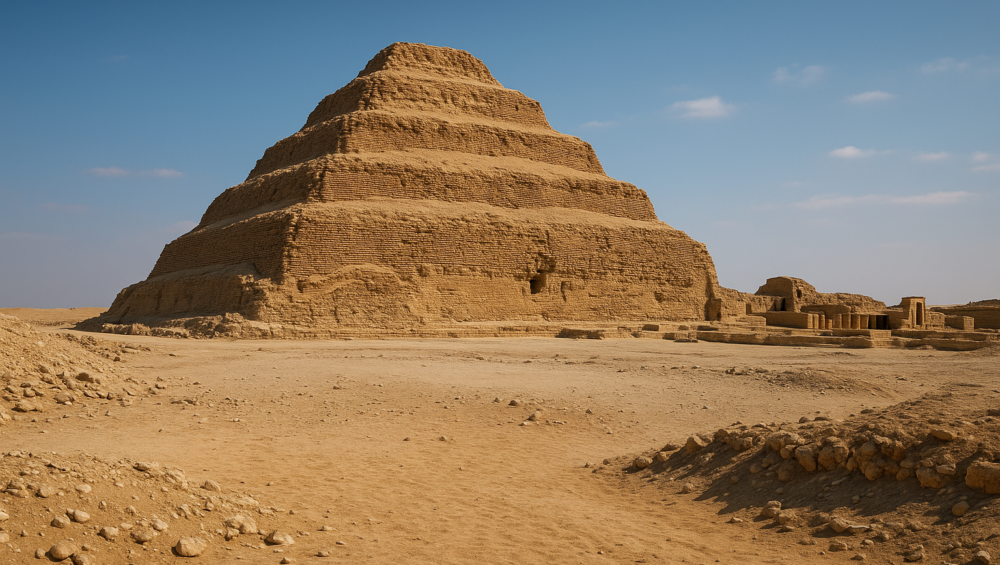
At the heart of Saqqara stands the Step Pyramid of King Djoser, a striking departure from previous rectangular tomb structures. Designed by the high priest and architect Imhotep around 2630 BCE, this engineering marvel was the first pyramid built entirely of stone. The six-step structure ascends nearly 200 feet high, representing a literal and symbolic stairway to heaven. Unlike later smooth-sided pyramids in Giza, Djoser’s pyramid reflected experimentation—an audacious blueprint that blended mathematics, astronomy, and religious philosophy. Exploring the restored corridors, visitors encounter vibrant limestone carvings and ceremonial courtyards that once echoed with rituals dedicated to divine kingship. Today, photography lovers find this site a perfect inspiration, and many travel itineraries—like the Day Tour to Pyramids, Memphis, and Sakkara—bring these stories back to life through guided exploration and captivating storytelling.

Imhotep’s Legacy: The Genius Behind the Pyramid

The creator of this masterpiece, Imhotep, remains one of the most remarkable figures in ancient history. As both an architect and a priest, he earned divine status centuries later, revered as the god of wisdom and medicine. His groundbreaking approach to design transformed mudbrick tombs into solid limestone edifices capable of withstanding eternity. Many Egyptians and scholars alike see Imhotep as the true father of architecture. His legacy expanded far beyond engineering—he shaped the aesthetic and spiritual harmony that defined Egyptian art for millennia.

Architectural Wonders Within the Saqqara Complex

The Saqqara complex is a vast labyrinth of sanctuaries, causeways, and sacred chambers meticulously aligned with celestial paths. The enclosure wall of the Djoser Pyramid introduces visitors to this sense of divine geometry. Paved courts once hosted royal ceremonies and elaborate rituals to ensure the king’s regeneration in the afterlife. The T-shaped hypostyle halls and replica palaces symbolized life beyond death, bridging the mortal and divine realms. Every structure within the compound shares a story—an unbroken dialogue between kings and gods. For a deeper insight into Egypt’s architectural milestones, travelers often pair a visit to Saqqara with ancient marvels in Dahshur and Giza on trips like the Private Tour to Pyramids, Sakkara, and Dahshur.

The Tombs of Nobles: Artistic Wonders Beneath the Sand

Saqqara’s tombs of high officials speak volumes about the society’s hierarchical depth and artistry. Tombs like those of Ti, Mereruka, and Ptahhotep burst with vivid reliefs depicting scenes of agriculture, trade, and daily life. These masterpieces reveal glimpses into the world’s earliest depictions of human expression. Carvings show workers brewing beer, farmers harvesting grain, and fishermen casting nets—all immortalized in technicolor hues that have outlasted empires. Many travelers consider these tombs an equally mesmerizing part of Egyptian heritage as the pyramids themselves. For a complete cultural immersion, check itineraries such as the Day Tour to Giza Pyramids & Sakkara—ideal for travelers fascinated by the blend of art and archaeology.

The Serapeum of Saqqara: Mysteries of the Sacred Bulls

Beneath the desert sands lies another astonishing marvel—the Serapeum of Saqqara. This subterranean labyrinth houses the massive granite sarcophagi of the sacred Apis bulls, believed to be earthly incarnations of the god Ptah. Carved with unparalleled precision, these sarcophagi weigh up to 80 tons. The site reflects not only the Egyptians’ engineering prowess but also their spiritual devotion. The Serapeum offers insight into religious syncretism and the continuity of sacred Egyptian traditions up until the Greco-Roman period.

Modern Discoveries and Ongoing Excavations

Recent excavations have breathed new life into Saqqara’s ancient sands, unveiling tombs, mummies, and inscriptions previously hidden for millennia. Archaeologists continue to unearth colorful wooden coffins, revealing well-preserved papyrus scrolls inscribed with the Book of the Dead. These discoveries rewrite our understanding of Egypt’s late dynastic periods and continue to fuel worldwide fascination. The Saqqara plateau has become a treasure trove for Egyptologists and a favorite destination for visitors during cultural-focused tours like the Egypt Photography Tour and Cultural Tours Egypt, capturing the perfect fusion of heritage and discovery.

Preservation Work and Visitor Experience

Thanks to modern restoration efforts, Saqqara’s ancient splendor continues to captivate today’s travelers. Restoration projects preserve hieroglyphs, rebuild corridors, and stabilize structures against desert erosion. Visitors now stroll along designed pathways that offer panoramic views of the necropolis. The Egyptian Ministry of Tourism has made great strides to balance accessibility with conservation, ensuring that Saqqara’s historical authenticity endures for future generations. Those who explore the site as part of extended Egypt Vacation Packages gain the unique advantage of private guides unraveling millennia-old mysteries in real time.

Travel Tips: Visiting the Saqqara Pyramids Like a Pro

Located just 30 kilometers from Cairo, Saqqara makes for a perfect day trip for those fascinated with Egyptian heritage. The best time to visit is early morning or late afternoon to avoid the midday heat and to witness the pyramid glowing under the golden desert light. Comfortable footwear, sun protection, and a camera are essential companions. Combinations with nearby attractions like Memphis, Dahshur, or Giza enrich the experience, creating a well-rounded historical adventure. Opting for expertly arranged Egypt Day Tours ensures a well-curated, seamless visit that blends storytelling, archaeology, and personalized exploration.

Why Saqqara Should Be on Every Traveler’s Bucket List

Many visitors overlook Saqqara in favor of its more famous sibling, Giza, but the site offers unmatched authenticity and serenity. Here, sand drifts quietly over ancient stones untouched by mass tourism. The feeling of solitude gives visitors a deep connection to Egypt’s earliest visionaries. Saqqara reveals not just where the ancient pyramid tradition began but how it evolved into one of the world’s most enduring cultural legacies. Combining it with a Cairo and Luxor tour package transforms your journey into a breathtaking saga through time.

Frequently Asked Questions about the Saqqara Pyramids

1. What’s unique about the Step Pyramid of Djoser?

The Step Pyramid of Djoser stands as the first large-scale stone monument in history. Its six-step design marks the transition from flat-roofed mastabas to the smooth-sided pyramids of later dynasties. It’s considered the revolutionary prototype that set the stage for Giza’s landmarks.

2. How old are the Saqqara Pyramids?

The Step Pyramid was built around 2630 BCE during Egypt’s Third Dynasty, making it approximately 4,700 years old—centuries older than the Great Pyramid of Giza. Its innovative engineering forever changed ancient architecture.

3. Can visitors enter the Saqqara Pyramid?

Yes. After significant restoration, visitors can now enter parts of the Step Pyramid, exploring chambers and corridors that lead deep into its interior. Guided tours, such as the Pyramids and Sakkara Day Tour, often include access to these restored sections.

4. What other attractions are near Saqqara?

Close to Saqqara, travelers can visit the Dahshur Pyramids, ancient Memphis City, and several beautifully decorated tombs. These sites together illustrate Egypt’s full pyramid development timeline.

5. How do you reach Saqqara from Cairo?

Saqqara lies about 45 minutes south of Cairo by car. Most travelers opt for organized tours like the Giza and Sakkara Day Tour or the Saqqara Pyramids Desert Safari Trip, offering comfortable transport and expert guides.

Conclusion: The Eternal Pulse of Saqqara

Standing before the Saqqara Pyramids, one doesn’t just see stone blocks and ancient dust—it’s as if time itself breathes through the desert. The site’s haunting beauty tells a story of visionaries who sought to reach the divine through innovation and faith. From Imhotep’s genius to modern discoveries, Saqqara bridges the past and present, proving that Egypt’s legacy is not buried—it’s alive, whispering fiercely through its pyramids. For those yearning to feel the soul of ancient Egypt beyond postcards and history books, Saqqara is an unmissable chapter in the timeless saga of human achievement.

Sakkara Necropolis

Sakkara Necropolis: Egypt’s Timeless Gateway to the Afterlife

Step into the vast and mysterious Sakkara Necropolis, a cornerstone of Ancient Egypt’s funerary landscape and one of the most intriguing archaeological sites near Cairo. Located in the desert sands southwest of modern Giza, this ancient burial ground served as the necropolis for the city of Memphis, Egypt’s first capital. The site unfolds a mesmerizing tableau of pyramids, mastabas, and tombs that date back more than 4,700 years, unlocking secrets of art, belief, and architecture that shaped Egyptian civilization. Every stone seems to whisper tales of pharaohs, priests, and visionaries who sought immortality.

The crown jewel of Sakkara is the Step Pyramid of Djoser, the earliest colossal stone building on earth and the revolutionary creation of the genius architect Imhotep. But Sakkara is not just about Djoser’s pyramid—it’s a sprawling city of the dead covering over seven by one and a half kilometers, where generations of ancient Egyptians built tombs, temples, and causeways that celebrated their devotion to the afterlife. Wandering through its labyrinthine tombs, you’ll witness vibrant wall carvings depicting lively scenes of daily life, giving a peek at Egypt’s ancient soul. Whether you are an archaeology enthusiast, a history lover, or a traveler in search of spiritual connection, Sakkara Necropolis offers an enchanting bridge to Egypt’s eternal past.

The Birthplace of Pyramid Architecture

The Sakkara Necropolis marks the dawn of pyramid architecture, representing Egypt’s evolutionary leap from simple mud-brick mastabas to monumental stone pyramids. Commissioned by King Djoser during the Third Dynasty (around 2630 BCE), the famed Step Pyramid became the first large-scale cut-stone construction in human history. Designed by Imhotep, this six-stepped marvel reached approximately 62 meters in height and was encased in fine white limestone. The innovation reflected an unprecedented mastery of mathematics, engineering, and religious ideology—a beacon that inspired the later Giza Pyramids.

For visitors exploring nearby landmarks with Cairo Day Tours or Day Tours to Pyramids, Memphis and Sakkara, the sheer scale and age of Djoser’s pyramid often elicit awe. Beneath the pyramid lies a maze of tunnels stretching over five kilometers, originally filled with offerings, symbolic chambers, and blue-glazed tiles representing the heavens. This structure paved the way for the later classic forms of pyramids, earning Sakkara a permanent place in the annals of architectural evolution.

Imhotep’s Genius: The First Architect in Recorded History

Imhotep, the master architect, physician, and high priest, emerged as a legendary figure in ancient Egypt. Beyond designing Djoser’s Step Pyramid, Imhotep established principles that defined Egyptian monumental construction. Centuries later, he was deified as a god of wisdom and healing. His architectural vision fused functionality with divine symbolism, embodying the Egyptian quest for eternity. Even today, his name stands alongside the greatest innovators in world history, and a visit to Sakkara feels like walking through the blueprints of time itself.

The Tombs and Burial Chambers of Nobles

Apart from royal pyramids, Sakkara Necropolis harbors hundreds of elaborate mastabas belonging to high officials, priests, and nobles from Egypt’s Old Kingdom through the Late Period. The Tomb of Ti, one of the most celebrated, boasts stunning bas-reliefs depicting scenes of agriculture, fishing, and ritual. These masterpieces breathe life into stone, showing people farming papyrus, navigating the Nile, and worshipping gods with heartfelt devotion. Through such artistry, we glimpse the social order, economy, and spirituality that underpinned Egyptian culture.

Other must-see tombs include those of Mereruka, Kagemni, and Ptahhotep—each revealing exceptional craftsmanship and aesthetic refinement. Many travelers combine their exploration of Sakkara’s noble tombs with visits to Memphis Egypt, The Old Egyptian Capital or Dahshour, forming an unforgettable triangle of ancient wonder south of Cairo.

The Serapeum of Sakkara: A Subterranean Mystery

Hidden deep beneath the desert lies the Serapeum, a haunting subterranean necropolis housing massive granite sarcophagi, each weighing up to 80 tons. This temple complex served as the burial ground for the sacred Apis bulls, considered incarnations of the god Ptah. When an Apis bull died, it received royal mummification and elaborate ceremonies before being interred in these colossal coffins. The gallery tunnels stretch into the darkness, inspiring wonder about ancient craftsmanship and the spiritual rituals of Memphis’ priests. The Serapeum stands as one of Egypt’s most mind-bending feats, merging sacred devotion with unmatched engineering.

Sakkara through the Ages: A Mirror of Egyptian Civilization

Sakkara wasn’t a static necropolis—it evolved over more than three millennia, chronicling transitions from the Old Kingdom to the Ptolemaic era. Each dynasty left its mark in stone. The Old Kingdom introduced pyramid construction; the Middle Kingdom reflected artistic refinement; and the New Kingdom revived Sakkara as a spiritual pilgrimage site. Tombs from this later period reveal a blend of traditional beliefs with Greco-Roman influences, representing Egypt’s adaptability and enduring faith in eternal life. Even after pharaohs shifted their focus to Thebes, Sakkara remained a sacred symbol of divine continuity.

Modern excavations continue to unearth incredible finds, including colorful coffins, papyrus texts, and mummified animals. Archaeologists recently uncovered burial shafts filled with gilded statues and sealed sarcophagi, offering glimpses into burial practices of different dynastic stages. Visitors touring from Egypt Day Tours or Luxury Egypt Tours can witness this living archaeology unfold right before their eyes.

Religious Symbolism and the Concept of the Afterlife

To ancient Egyptians, life and death were chapters of the same cosmic journey. The Sakkara Necropolis embodied the transition from earthly existence to divine eternity. The Step Pyramid’s layered design symbolized ascension—the pharaoh climbing to the heavens to reunite with the sun god Ra. Every hieroglyphic, offering table, and painted wall was charged with spiritual energy, ensuring the ka (soul essence) would thrive forever. Such devotion illuminates why Egypt’s funerary landscape remains unmatched in human history.

Architectural Innovations and Craftsmanship

The artistry of Sakkara speaks volumes about the sophistication of ancient Egyptian engineering. Builders mastered limestone quarrying, precision alignment, and hidden chamber design using rudimentary tools yet astonishing accuracy. The polished limestone casing of the Step Pyramid once gleamed under the desert sun like a celestial beacon. Beneath the surface, intricate corridors and vaults reveal advanced security measures to guard royal treasures. The layout of each tomb aligned with solar and cosmic principles—an interplay of art, astronomy, and spirituality that continues to fascinate modern researchers.

Modern Discoveries and Ongoing Excavations

Sakkara keeps rewriting Egypt’s history with every dig. Archaeologists have recently unearthed cache after cache of sealed coffins near the Bubasteion area, dating back 2,600 years, alongside mummified cats and crocodiles dedicated to goddess Bastet. These discoveries not only enrich our understanding of ancient religion but also boost Egypt’s cultural tourism. Many travelers combine Sakkara visits with excursions such as the Private Tour to Pyramids, Sakkara and Dahshur or Day Tour to Giza Pyramids & Sakkara to experience Egypt’s monumental continuum firsthand.

Preservation Efforts and Visitor Experience

Egypt’s Ministry of Antiquities has implemented meticulous restoration projects to preserve Sakkara’s fragile structures and paintings. Wooden walkways, lighting systems, and interpretive panels now enhance accessibility without compromising authenticity. Visitors strolling through this open-air museum can marvel at sunlit pyramids by day and witness the desert’s magical silence by dusk—a truly poetic juxtaposition of history and serenity. The site’s proximity to Cairo makes it an easy must-see for anyone fascinated by Egypt’s timeless grandeur.

Exploring Sakkara: Travel Insights and Nearby Attractions

Reaching Sakkara is straightforward, just a 30-minute drive from central Cairo. To enrich your journey, consider pairing it with nearby destinations like Memphis, Dahshur, or the Grand Egyptian Museum. For those craving immersive experiences, 4 Day Cairo and Luxor Tour Packages and 7 Days Egypt Adventure Tour often feature Sakkara as a historical highlight, blending the wonder of ancient tombs with modern-day exploration.

The desert’s golden hues amplify the site’s mystique during sunrise or sunset visits, providing sensational backdrops for photography enthusiasts. Every step across its sands feels like walking through eternity, where each tomb, statue, or relic whispers stories across dynasties. Whether you’re following in the footsteps of archaeologists or simply savoring the quiet majesty of ancient Egypt, Sakkara ensures a deeply immersive experience unlike anywhere else.

Frequently Asked Questions about Sakkara Necropolis

What is the Sakkara Necropolis famous for?

Sakkara is most famous for the Step Pyramid of Djoser—the world’s first pyramid—and its vast collection of tombs, temples, and burial chambers that span multiple Egyptian dynasties. It served as the burial ground for ancient Memphis, showcasing Egypt’s earliest monumental stone architecture and religious evolution.

How old is the Sakkara Necropolis?

The necropolis dates back to around 2700 BCE, making it over 4,700 years old. It remained an active burial ground for more than 3,000 years, with monuments from the Old Kingdom through the Greco-Roman periods.

Where is the Sakkara Necropolis located?

Sakkara lies about 30 kilometers south of Cairo, on the west bank of the Nile River. It forms part of the UNESCO World Heritage Site encompassing the Memphis Necropolis, along with Dahshur, Abusir, and Giza.

Can visitors enter the Step Pyramid of Djoser?

Yes, the Step Pyramid’s interior was reopened after restoration. Visitors can now descend into its underground passages and view the burial chamber and blue-tiled corridors—an unforgettable glimpse into the dawn of pyramid-building.

Which other sites should I visit with Sakkara?

Combine a Sakkara visit with nearby highlights such as Memphis, Dahshur’s Bent and Red Pyramids, and Giza’s Great Pyramid complex. Many organized tours like the Day Tour to Pyramids, Memphis and Sakkara offer a seamless exploration of these interconnected wonders.

Memphis Egypt, The Old Egyptian Capital

Memphis Egypt – The Old Egyptian Capital and Eternal Heart of Civilization

Memphis, Egypt, the dazzling capital of the ancient empire, wasn’t just a city—it was the very soul of early civilization. Sitting gracefully at the mouth of the Nile Delta, this city was the cradle of Egyptian unity, artistry, and power. Known in ancient Egyptian as *Inebu-Hedj*, meaning “The White Walls,” Memphis symbolized authority, divinity, and architectural refinement. Founded by King Narmer (also known as Menes) around 3100 BCE, it became the heartbeat of Egypt, uniting Upper and Lower Egypt into one mighty kingdom. For centuries, Memphis was home to kings who shaped the destiny of the ancient world and built monumental legacies that still whisper tales of grandeur through their ruins today.

The story of Sakkara Necropolis and nearby archaeological treasures begins and ends with Memphis. The city hosted the god Ptah, the patron deity of craftsmen and architects, whose temple once glistened with alabaster statues. Every pharaoh felt the magnetic pull of this sacred place; every ruler wanted to be associated with its cosmic order. From the awe-inspiring colossus of Ramses II to the mysterious Temple of Ptah, Memphis Egypt remains a breathtaking fusion of history, artistry, and myth, offering glimpses into the very foundations of Egyptian identity. This ancient capital influenced neighboring sites like Saqqara Pyramids, Dahshour, and even the evolution of pyramid architecture that defined the Old Kingdom. Today, its open-air museum stands as a timeless reminder of human ingenuity and faith.

Historical Origins of Memphis: Birthplace of a Unified Egypt

Memphis Egypt carries an origin story drenched in legend and power. According to early chronicles, Pharaoh Menes (or Narmer) founded the city after uniting Upper and Lower Egypt. Strategically located at the apex of the Nile Delta, Memphis was perfectly positioned to guard trade routes and assert royal dominance. It became Egypt’s administrative, religious, and cultural hub, bridging Cairo’s area with the evolving Nile civilization.

For nearly two millennia, Memphis was the epicenter of political control before Thebes and later Alexandria rose in prominence. At its zenith, the city sprawled with temples, schools, granaries, and workshops—an architectural symphony dedicated to the gods and the greatness of Egyptian rule. Nearby, the sacred necropolis of Sakkara complemented its divine resonance, with the Temple of Seti and the Step Pyramid of Djoser serving as epic echoes of Memphis’s spiritual magnetism.

The Strategic Location of Memphis and Its Lifeline – The Nile River

Memphis’s success lay in its geostrategic brilliance. Nestled near where the Nile splits into its delta tributaries, the city became a vital link between northern and southern Egypt. This position made it the heartbeat of commerce, connecting agricultural abundance with bustling trade from Nubia, the Levant, and beyond. The Nile River wasn’t merely a waterway for Memphis—it was the artery of life, feeding prosperity into every corner of the ancient capital.

Through the river’s blessings, the people of Memphis could cultivate, trade, and worship. The port facilities allowed imports of alabaster, gold, and cedar wood from Lebanon, promoting a booming artisan scene dedicated to creating devotional statues and royal treasures. Temples along the Nile mirrored celestial order, reinforcing the divine harmony between nature and human endeavor. It’s no wonder Memphis became synonymous with abundance and order—the very principles upon which Egyptian civilization thrived.

The Temple of Ptah – Memphis’s Divine Core

At the sacred nucleus of Memphis stood the monumental Temple of Ptah, the god of creation and craftsmanship. Believed to have inspired the Greek term “Aigyptos,” the temple set Memphis apart as a spiritual metropolis. Inside, the high priests of Ptah conducted ceremonies to bless pharaohs and artisans before major state projects. The temple also housed sacred statues, including the awe-striking alabaster sphinx and numerous colossal sculptures that glorified divine kingship.

The worship of Ptah extended beyond ritual—it embodied the craftsmanship that built the Sphinx Statue, pyramids, and temples scattered across Egypt. Every artisan in Memphis was considered a divine tool, forging creation from chaos through their work in Ptah’s name. The temple’s design, aligned with cosmic laws, reflected the ancient Egyptians’ belief that Memphis was literally the first mound of creation where life began.

Cultural and Artistic Brilliance: From Sculpture to Symbolism

Memphis Egypt wasn’t just a seat of power—it was a powerhouse of art and innovation. Its sculptors and architects revolutionized stonework, developing exquisite techniques later mastered at sites like Luxor Temple and Abu Simbel Temples. From colossal statues of Ramses II to intricate carvings depicting divine rituals, Memphis laid the groundwork for Egypt’s unique artistic identity.

The city’s artisans raised monuments not only for gods and pharaohs but also for eternal harmony. Art from Memphis emphasized proportion, serenity, and divine perfection—a reflection of how Egyptians viewed themselves as cosmic participants in an ordered universe. Even the city’s necropolises reflect balance between life and death, showing humanity’s never-ending pursuit of immortality.

Memphis as a Gateway for Modern Exploration

Today, visitors to Memphis step into an open-air museum teeming with remnants of glory. Towering over the site is the magnificent Colossus of Ramses II—one of ancient art’s greatest marvels. Nearby lies the alabaster sphinx, radiating silent strength and mystery. Modern explorers often combine trips to Memphis with the nearby Step Pyramid, making it a pivotal attraction on any Cairo Day Tour. The site epitomizes Egypt’s eternal dialogue between past and present, where every statue whispers stories etched in eternity.

Adventurers seeking immersive journeys may also extend their exploration through Egypt Day Tours or luxurious Nile cruise programs like the Luxury Dahabiya Nile Cruise. A visit to Memphis blends seamlessly with other timeless Egyptian experiences, such as exploring the Grand Egyptian Museum or wandering the majestic ruins at The Valley Temple.

The Decline and Rediscovery of Memphis Egypt

As centuries passed, Memphis witnessed a gradual decline. By the time Alexander the Great founded Alexandria, Memphis had already seen its royal light dim. Yet, its cultural influence never truly faded. It remained a cherished religious center through the Ptolemaic and Roman eras. Over time, shifting Nile courses buried parts of the city under layers of silt and sand, leaving explorers with tantalizing fragments of its glory.

Rediscovered by archaeologists during the 19th and 20th centuries, Memphis astonished historians with its sophisticated urban planning, temple structures, and artistic relics. Many of these masterpieces now reside in museums, while the in-situ artifacts at Memphis offer visitors a direct connection to Egypt’s earliest circle of civilization. Tours connecting Memphis with Day Tour to Pyramids, Memphis and Sakkara reveal this seamless narrative of Egyptian history.

Why Memphis Still Matters in the Modern Age

Memphis, Egypt, may have lost its title as the capital long ago, but its spirit reigns eternal. It’s not merely an archaeological site—it’s the birthplace of Egyptian culture, religion, and monarchy. The city laid the ideological groundwork for kingship and cosmic order that persisted through every dynasty. Standing among its ruins, one doesn’t just see crumbling stones but the foundation of civilization itself.

Modern travelers find Memphis both awe-inspiring and humbling, realizing that the legacy of humankind’s first capital still radiates through Egypt’s art, architecture, and even tourism today. It remains a timeless testament to what humanity can achieve through unity, vision, and reverence for creation.

FAQs about Memphis Egypt, The Old Egyptian Capital

What was the main significance of Memphis Egypt?

Memphis Egypt served as the first unified capital of ancient Egypt. Its significance lies in being the political, cultural, and religious heart of the Old Kingdom. It symbolized order, divine kingship, and creative energy under the protection of the deity Ptah.

Where is Memphis Egypt located today?

Modern-day Memphis lies about 20 kilometers south of Cairo, near the town of Mit Rahina. It sits close to major archaeological landmarks like Saqqara, Dahshur, and Giza, making it an essential stop for those exploring the heritage of ancient Egypt.

What can visitors see at the Memphis archaeological site?

Visitors can explore an open-air museum displaying colossal statues of Ramses II, the alabaster sphinx, fragments of temple columns, and a range of royal inscriptions. Memphis offers a serene yet thrilling glimpse into the origins of Egyptian art and architecture.

Who founded Memphis Egypt?

King Narmer, known as Menes, is traditionally credited with founding Memphis around 3100 BCE after uniting Upper and Lower Egypt. His monumental achievement in establishing the city marks the dawn of the first Egyptian dynasty and the birth of organized governance.

Why should tourists include Memphis in their Egypt itinerary?

Memphis provides a deep historical context for understanding Egypt’s evolution. Its proximity to iconic sites such as Sakkara and Dahshur makes it ideal for tours combining the origins of pyramid construction and the rise of pharaonic civilization. Moreover, it forms a captivating segment in many Egypt Vacation Packages and Luxury Egypt Tours, appealing to history enthusiasts and adventure seekers alike.

The Valley Temple

The Valley Temple of Khafre – The Eternal Gateway to Ancient Egypt’s Mystical Afterlife

Standing like a sentinel of stone beside the mighty Giza Plateau, the Valley Temple of Khafre is one of Egypt’s most enigmatic and well-preserved monuments. Unlike the colossal Great Sphinx that guards it or the towering pyramids that overshadow it, this temple exudes quiet grandeur. Its smooth limestone walls, solid granite pillars, and masterful symmetry embody both function and faith. Built during the 4th Dynasty of the Old Kingdom around 2520 BCE, the Valley Temple was part of the royal pyramid complex of Pharaoh Khafre—son of Khufu, the builder of the Great Pyramid. This ancient wonder served as both a mortuary site and a sacred threshold between the earthly realm and the afterlife. Visitors today still marvel at the temple’s uncompromising precision, timeless materials, and spiritual resonance that bridges more than four millennia of Egyptian history.

Exploring the Valley Temple isn’t merely stepping into a monument—it’s walking into a timeless ritual space. Here, divine power, architectural genius, and cosmic alignment merge seamlessly. Each stone whispers tales of religious rites, funerary purification, and eternal continuity. In its halls, Egyptian priests prepared Khafre’s body for his journey to immortality, an act symbolizing rebirth beyond death. The Valley Temple stands as a living testimony to Egypt’s unwavering belief in the afterlife, a concept that shaped its art, culture, and religion for generations. With its proximity to the Giza Pyramids, it forms an indispensable chapter in Egypt’s monumental narrative, echoing the grandeur of civilization’s dawn.

Architectural Brilliance of the Valley Temple of Khafre

The Valley Temple’s design reflects pure mastery in engineering and spiritual symbolism. Built primarily from massive limestone blocks lined with red granite and alabaster, the temple was designed to endure eternity. Despite the ravages of time, erosion, and centuries of shifting sands, the temple stands remarkably intact. Its interior layout follows a meticulous plan—rectangular halls supported by columns, corridors leading to offering chambers, and a central courtyard drenched in sunlight. Scholars believe polished diorite statues of Khafre once adorned its sanctuaries, such as the one now displayed at the National Museum of Egyptian Civilization.

This precision-cut structure mirrors the ingenuity that made Egypt’s builders legendary. Without iron tools or modern machinery, ancient craftsmen transported and positioned blocks weighing dozens of tons. The architectural symmetry of the Valley Temple aligns harmoniously with both Khafre’s Pyramid and the Sphinx, forming an interconnected sacred design meant to guide the pharaoh’s soul toward eternity. The temple’s floor plan exemplifies the Old Kingdom’s mastery in integrating function and faith within architectural expression, emphasizing ritual purification, divine transformation, and royal ascension.

Stone Selection and Construction Techniques

The Valley Temple’s enduring elegance owes much to the ancient Egyptians’ meticulous selection of materials. The core structure was crafted from local limestone, quarried directly from the Giza Plateau. Red granite—transported laboriously from Aswan—lined the temple’s walls and pillars, a symbol of strength and divine permanence. Polished alabaster, used for floors and decorative insets, bathed the temple’s inner chambers in an ethereal glow.

Remarkably, modern engineers still puzzle over how these tremendous stones were cut and fitted with such precision. Some stones reveal joints so tight that even a sheet of paper cannot fit between them. The seamless bonding demonstrates advanced knowledge of geometry and balance, unmatched in the ancient world. Those fascinated by ancient craftsmanship often compare such techniques across monuments like the Temple of Hatshepsut in Luxor and the Abu Simbel Temples of Ramses II—both later marvels inspired by the architectural precision pioneered in Khafre’s era.

The Religious Function of the Valley Temple

At its heart, the Valley Temple functioned as a critical element in the funerary complex of Pharaoh Khafre. Here, priests purified the royal body before it was ferried via a paved causeway to the mortuary temple beside the pyramid. Ritual cleansing symbolized rebirth, ensuring the king’s spiritual transition. The temple also hosted offerings, chants, and incense ceremonies meant to secure Khafre’s eternal sustenance. This confluence of architecture and ritual made the Valley Temple a divine laboratory of transformation, where the mortal was molded into the divine.

Egyptian religion emphasized harmony between the physical and spiritual worlds—known as Ma’at. The Valley Temple became a stage for this cosmic order, uniting heaven and earth through sacred geometry. Comparable religious symbolism is later mirrored in sites such as the Temple of Philae, where preservation of tradition lingered well into the Ptolemaic age.

Hidden Scientific and Astronomical Alignments

The ancient Egyptians built with purpose, not coincidence. The Valley Temple aligns perfectly with Khafre’s Pyramid, both situated in relation to solar and stellar pathways. Many Egyptologists propose these designs symbolized the pharaoh’s union with the sun god Ra, emphasizing resurrection and cosmic balance. As sunlight streamed into specific chambers on certain days of the year, it transformed the temple into a celestial observatory, marking transitions of life and afterlife. This interplay between architecture and astronomy also characterizes sanctuaries like the Dendera Temple Complex.

Preservation and Modern Significance of the Valley Temple

Despite its antiquity, the Valley Temple retains much of its original form thanks to its robust construction and partial burial under sand until excavation in the 19th century. Archaeologists have since uncovered remarkable insights into Egypt’s ritual life. When visitors step into these granite-lined halls, they can vividly imagine the orations, processions, and divine incantations that once resonated here. The temple’s preservation now serves scholars, travelers, and archaeologists alike as a prime example of early Egyptian stone architecture in its purest form.

Modern explorers visiting Giza often combine their journey with nearby attractions like the Grand Egyptian Museum or the Day Tour to Pyramids, Memphis and Sakkara, where Egypt’s timeline unfolds before their eyes. From here, travelers frequently embark on extended voyages such as a Luxury Nile Cruise to experience the breath of Egypt’s ancient heritage from Giza to Aswan.

Unveiling the Mysteries: Symbolism Behind the Valley Temple

The Valley Temple’s enigmatic presence isn’t confined to stone. Every architectural decision, relief carving (though most eroded over time), and spatial configuration carries layers of symbolism. The temple served as the pharaoh’s resurrection chamber—a physical embodiment of transformation, linking corporeal death to divine awakening. Its lower location represented the earthly domain where purification began, while pathways led heavenward toward the pyramid—Khafre’s eternal resting point. The layout thus mirrored the cosmic journey from mortality to immortality.

Some archaeologists hypothesize that the temple’s minimalist design was deliberate—spiritual rather than decorative. Unlike richly ornamented temples of the New Kingdom, this Old Kingdom edifice emphasized function over form, reflecting the purity of divine ascension. In this simplicity, the Valley Temple proclaims an eternal truth: perfection lies not in embellishment but in sacred purpose. Visitors interested in symbolic interpretation often explore related themes at sites like Abydos Temple, Egypt’s enduring center of Osirian worship.

The Valley Temple within the Giza Complex

The Valley Temple forms one segment of Khafre’s larger necropolis ensemble—an architectural triad including the pyramid itself, the causeway, and the mortuary temple. Together, they reflect Egypt’s cosmic worldview. The pyramid symbolized the pharaoh’s ascension, the mortuary temple served as his eternal cult site, and the Valley Temple represented the threshold where his earthly remains transformed into divine essence. Positioned strategically east of the pyramid, it connected both spiritually and physically via a causeway once adorned with celestial motifs.

Modern visitors marvel at the Temple’s closeness to the Great Sphinx, likely serving as its guardian companion. Both structures embody royal divinity, with the Sphinx gazing eternally eastward toward the sunrise—a reflection of rebirth central to Egyptian theology. Exploring both monuments offers insight into King Khafre’s ambitious vision of divine kingship merging architecture, religion, and cosmic symbolism.

Tourist Experience and Modern Exploration

Today, the Valley Temple of Khafre stands as one of the essential stops on any Cairo Day Tour. Visitors marvel at the interplay of sunlight and shadow across polished granite, the absence of roof slabs revealing open skies, and the haunting stillness enveloping each hall. Guides often recount how, centuries ago, intrusive sand nearly concealed the structure until excavation revived its lost majesty.

Combining a visit here with a broader historical experience like the Private Tour to Pyramids, the Egyptian Museum and Khan Khalili enriches one’s understanding of ancient artistry and daily ritual. For travelers who desire to extend this historical immersion into Upper Egypt, joining a 4 Day 3 Night Nile Cruise from Aswan to Luxor unveils how this architectural precision evolved through successive dynasties.

FAQs about the Valley Temple

What was the primary function of the Valley Temple of Khafre?

The Valley Temple served as a mortuary purification hall where priests prepared Pharaoh Khafre’s body for burial. Ritual washing and embalming took place here before transporting the body through the causeway to the pyramid. It also hosted ongoing offerings to ensure the pharaoh’s eternal sustenance in the afterlife.

How old is the Valley Temple of Khafre?

The temple dates back approximately 4,500 years to Egypt’s 4th Dynasty, built around 2520 BCE during King Khafre’s reign. Its stones and design remain among the most well-preserved examples of Old Kingdom architecture.

Why is the Valley Temple significant in ancient Egyptian religion?

The Valley Temple symbolized the junction between life and afterlife. Through purification rituals performed inside it, the deceased ruler transitioned spiritually, securing his immortality. It thus embodied the concept of rebirth central to Egypt’s belief system.

Can visitors explore the Valley Temple today?

Yes. The Valley Temple is open to visitors as part of the Day Tour to Giza Pyramids & Sakkara experience. Tourists can walk through its limestone corridors, observe ancient granite columns, and stand near the entrance aligned with the Sphinx, feeling the palpable aura of eternity.

How does the Valley Temple relate to other Egyptian monuments?

Architecturally and spiritually, the Valley Temple represents the prototype of later Egyptian mortuary temples. Its precision and symbolism influenced structures from the Luxor Temple to the Kom Ombo Temple. Its alignment strategy also inspired future architects in mirroring cosmic beliefs through monumental design.

The Valley Temple of Khafre, carved from earth and designed for eternity, remains not just a monument but a dialogue between time and faith. Every visitor who steps upon its threshold retraces footsteps taken millennia ago, connecting with humanity’s earliest and most profound pursuit—the desire for eternal life under the Egyptian sun.