Tunis Village Faiyum

Tunis Village Faiyum: Egypt’s Hidden Artistic Gem in the Heart of the Oasis

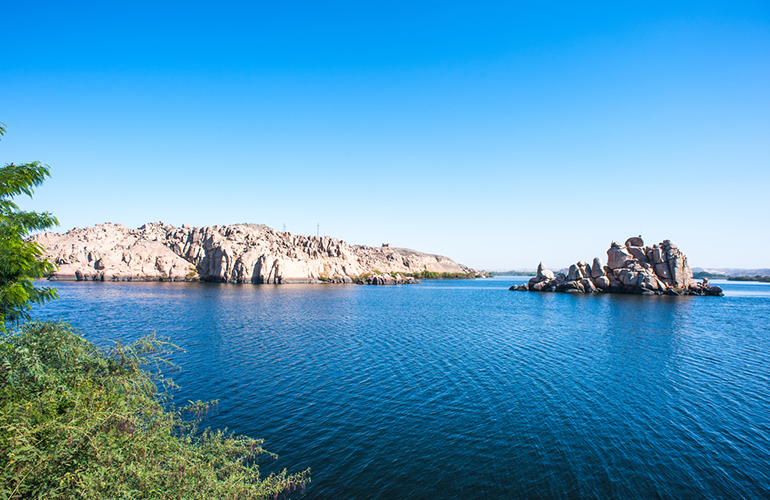
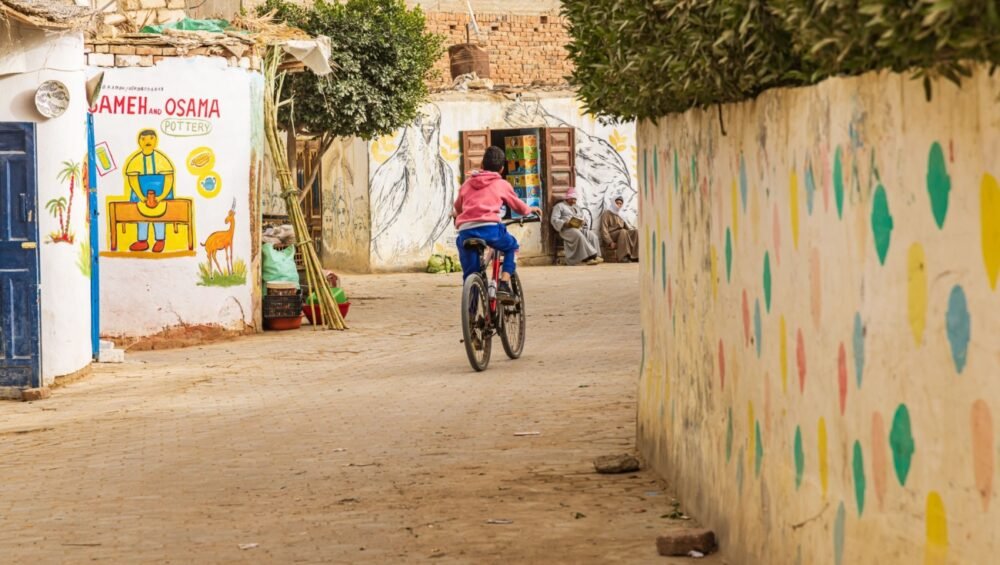
Perched along the serene banks of Lake Qarun, Tunis Village Faiyum is a picturesque artists’ haven that captures the authentic charm of rural Egypt. This enchanting village blends nature, artistry, and heritage into a timeless experience that resonates with culture lovers and eco-travelers alike. Often dubbed Egypt’s pottery capital, Tunis Village has evolved from a quaint agricultural community into a thriving hub of creativity, attracting artisans, travelers, and photographers from every corner of the world. The distinctive fusion of mud-brick houses, cobalt-dyed pottery, and the tranquil desert backdrop crafts an irresistible allure that’s hard to find elsewhere. With its lush palm groves, ancient waterwheels, and sweeping lake vistas, Tunis Village Faiyum is more than a destination—it’s an emotion, a sensory journey through Egypt’s living tradition.

Once an obscure settlement, Tunis Village gained fame in the 1960s when the Swiss potter Evelyne Porret established her pottery school here. Her artistry and teaching drew global attention, inspiring locals to embrace their creative heritage and launch a thriving pottery movement. Today, the village hosts the annual Pottery Festival, welcoming locals and tourists to celebrate craftsmanship, music, and culture in an atmosphere that feels both festive and familial. In many ways, Tunis Village reflects the spirit of Faiyum itself—a place where Egypt’s natural beauty and artistic soul meet in harmonious rhythm. Unsurprisingly, it’s now featured in many Egypt Day Tours and is regarded as a must-visit on the cultural map of modern Egypt.

The Captivating History Behind Tunis Village Faiyum

The story of Tunis Village Faiyum begins with its agricultural roots. Nestled within the fertile Faiyum Depression—one of Egypt’s oldest inhabited regions—the village once thrived as a farming community that benefited from the nearby Nile-fed irrigation systems. However, its transformation didn’t occur until modern times. In the early 20th century, foreigners exploring the Faiyum oasis began to appreciate its idyllic setting and mild climate. But it was Evelyne Porret’s arrival in the 1960s that changed everything. By founding a pottery school based on traditional clay techniques, she revived local craftsmanship, merging rural simplicity with modern artistry. The movement gave birth to a new generation of artisans and put Tunis Village on Egypt’s cultural radar.

Beyond its pottery fame, Tunis Village Faiyum stands as a living chronicle of local resilience and adaptation. Its history mirrors Egypt’s broader narrative—one that constantly evolves while preserving its roots. Much like the timeless architecture of Memphis Egypt, The Old Egyptian Capital, the village symbolizes an unbroken link between past and present, where every street corner whispers tales of heritage and hope.

Pottery and Art: The Pulse of Tunis Village

Pottery is more than a craft in Tunis—it’s a lifestyle. The village’s clay studios brim with handmade vessels, vases, and tiles painted in earthy tones and blues that echo Lake Qarun’s shimmering hues. Each piece tells a story; each design reveals a reflection of Faiyum’s desert and water landscapes. Visitors can wander from one workshop to another, engaging directly with artisans who shape beauty from local clay. Many travelers choose hands-on experiences through workshops, learning age-old techniques passed through generations.

For art enthusiasts, the annual Tunis Village Pottery Festival is a must-see. Held each autumn, it features local artists, live pottery demonstrations, and cultural exhibitions that celebrate Faiyum’s identity. This artistic heartbeat has inspired growing interest in Eco Tours in Egypt, as Tunis Village seamlessly blends sustainability with creativity.

Accommodation and Hospitality: A Home in the Oasis

True to its rustic charm, Tunis Village Faiyum offers intimate guesthouses built from traditional mud-brick architecture that keeps rooms naturally cool in Egypt’s desert climate. Popular lodgings incorporate local artistry—handcrafted pottery, colorful textiles, and straw furniture echoing ancient Egyptian aesthetics. Among them, several eco-lodges cater to travelers seeking comfort while supporting sustainable tourism. Guests often compare the peaceful retreat of Tunis Village to staying in the serene backstreets of Luxor City, where slow living and authenticity rule.

Hospitality here feels personal. Villagers welcome guests as family, serving homemade meals with locally sourced ingredients. Traditional dishes like molokhia, lentil soup, and roasted fish from Lake Qarun are crowd favorites, appealing to anyone passionate about Traditional Dishes in Egypt. Evenings unfold under the soft glow of lanterns, accompanied by the gentle rhythm of handmade drums and friendly chatter by the fire. It’s the kind of experience that lingers long after you’ve left the desert horizon behind.

Nature and Landscape: The Oasis Beyond Imagination

Surrounding Tunis Village Faiyum is a stunning panorama of shifting landscapes. From fertile farmlands to desert dunes and the glittering expanse of Lake Qarun, the scenery radiates variety. Birdwatchers gather here year-round to spot migratory species such as flamingos, herons, and pelicans, while hikers enjoy evening strolls along the lake shore. A day trip to the nearby Wadi El Rayan waterfalls or the fossil-strewn Wadi Al Hitan (Whale Valley) offers a deeper appreciation for the region’s geological past.

The proximity of Tunis Village to these UNESCO-protected sites positions it as an emerging hub for eco-tourism. Like the timeless mysteries surrounding Qarun Lake, the village harnesses natural harmony, inspiring travelers to reconnect with Earth’s rhythms. Whether kayaking across calm waters or cycling through palm-lined paths, every journey through Faiyum’s oasis is a celebration of life in all its delicate balance.

Craftsmanship Meets Sustainability

What sets Tunis Village Faiyum apart is its deep-rooted commitment to sustainability. Here, artisans use local clay, natural pigments, and organic resources to produce environmentally friendly art. Houses are constructed from clay and straw, creating eco-efficient insulation that aligns with ancient Egyptian building techniques reminiscent of structures found in Dendera Temple Complex. Recycled materials and solar energy systems have gradually become part of the community’s ethos, reinforcing Tunis Village’s reputation as a model for responsible tourism and green living in rural Egypt.

This conscious approach draws eco-travelers seeking authentic, low-impact experiences—those who prefer handcrafted souvenirs over mass-produced trinkets, and starlit nights over neon resorts. Tunis Village provides a well-rounded model for sustainable travel, contributing directly to local livelihoods while preserving Faiyum’s fragile ecosystem.

Festivals, Culture, and Daily Life

Life in Tunis Village Faiyum moves at a rhythm dictated by nature. Each season brings its own charm—golden harvests in autumn, crisp breezes in winter, and the influx of international artists in spring. The Pottery Festival marks the highlight of the year, transforming the village into a vibrant marketplace alive with color, music, and laughter. Folkloric dancers perform traditional routines as craft stalls showcase everything from handmade jewelry to handwoven baskets.

Visitors often find themselves immersed in cultural exchanges, painting alongside local artists or learning Arabic phrases from friendly children. Much like cultural hubs such as Coptic Cairo (Old Cairo), Tunis Village embodies the coexistence of tradition and modern creativity—a vibrant dialogue between history and innovation.

Visiting Tunis Village Faiyum: Travel Tips and Highlights

Reaching Tunis Village is surprisingly simple. Located about 140 km southwest of Cairo, it’s a two-hour drive through scenic desert highways. Private transfers and organized trips—such as the Day Tour to El Fayoum from Cairo—offer convenient access. Travelers often combine it with visits to nearby attractions like Qasr Qarun, Wadi El Rayan, and Wadi Al Hitan to appreciate the full breadth of the Faiyum oasis ecosystem.

For photographers, mornings and sunsets are magical. The light’s golden hue reflects off the clay rooftops and pottery displays, creating postcard-perfect images reminiscent of desert dreamscapes. Stay at least two nights to fully immerse yourself in the rhythms of village life, explore surrounding hiking trails, and join pottery workshops that yield both memories and handmade souvenirs.

Why Tunis Village Faiyum Should Be on Every Egypt Itinerary

Tunis Village isn’t just for art lovers—it’s a soulful escape for anyone yearning to connect with authentic Egypt. Its combination of culture, nature, and human warmth makes it stand out from classic tourist cities. In an era when travel often feels commercialized, Tunis offers genuine connection. Here, travelers engage with a real community, learn traditional skills, and witness sustainability in motion. Compared to bustling attractions in Cairo or the grandeur of the Abu Simbel Temples, Tunis Village provides a tranquil balance—quiet yet deep, modern yet timeless.

This unique character makes it an ideal complement to luxury journeys like the 10-Day Egypt Luxury Trip with Dahabiya Nile Cruise, allowing travelers to experience both Egypt’s grandeur and its authentic countryside charm. Tunis Village reminds us that the heart of travel lies not only in monuments but in moments—the ones shared over pottery wheels, by lakeside sunsets, or beneath star-filled skies.

Frequently Asked Questions about Tunis Village Faiyum

1. Where exactly is Tunis Village located?

Tunis Village sits on the west bank of Lake Qarun in Egypt’s Faiyum Oasis, about two hours southwest of Cairo. It’s accessible by car or as part of organized excursions like the Day Tour to El Fayoum from Cairo, making it a convenient day or weekend getaway.

2. What’s the best time to visit Tunis Village Faiyum?

The ideal period runs from October to April, when temperatures are mild and perfect for exploring. During these months, you can enjoy the Pottery Festival, birdwatching around Lake Qarun, and comfortable outdoor activities similar to those featured in Fayoum Oasis.

3. What is Tunis Village Faiyum famous for?

The village is celebrated for its pottery artistry, eco-friendly lifestyle, and scenic setting. Its pottery school, established in the 1960s, sparked a creative renaissance that turned the community into one of Egypt’s most artistic destinations. Visitors often take workshops and visit craft markets inspired by the style seen in Tunis Village Pottery.

4. Can I stay overnight in Tunis Village?

Absolutely. The village offers cozy eco-lodges and guesthouses built in a traditional style, blending rustic beauty with comfort. Many accommodations are family-run, offering home-cooked meals and lake views that rival stays in historical towns like Dakhla Oasis.

5. What other attractions near Tunis Village are worth visiting?

Nearby highlights include Qasr Qarun Temple, the twin waterfalls of Wadi El Rayan, and the fossil-rich valleys of Wadi Al Hitan. These natural and archaeological wonders make Faiyum one of Egypt’s most diverse explorative regions.
Fayoum Oasis

Fayoum Oasis: Egypt’s Timeless Hidden Gem of Water, Desert, and Culture

Tucked away southwest of Cairo, the Fayoum Oasis is a breathtaking treasure that blends ancient charm, natural wonders, and rural serenity into one unforgettable destination. Often dubbed Egypt’s “green desert,” this incredible landscape is one of the oldest continuously inhabited regions in the world. Imagine undulating sand dunes meeting lush farmlands, crystal lakes mirroring the sky, and centuries-old archaeological ruins telling tales of bygone civilizations. Travelers seeking an authentic Egyptian experience beyond the bustling cities and pharaonic monuments will find paradise here. The oasis is not only an ecological marvel but also a living museum of Egyptian tradition. From the serene shores of Lake Qarun to the fascinating fossil remains of Wadi Al Hitan (Valley of the Whales), Fayoum offers a mosaic of landscapes and cultures few other places can match.

For the curious adventurer, day tours to Fayoum from Cairo open invitations to explore captivating waterfalls, rustic villages, and ancient temples like Qasr Qarun Temple. Whether you crave kayaking on Lake Qarun, wandering through Tunis Village, or trekking through Wadi El Rayan, Fayoum promises a journey wrapped in tranquility, color, and history. Let this oasis captivate your imagination and entice your wanderlust — a place where the heart of ancient Egypt still beats softly under modern skies.

Historical Significance of Fayoum Oasis

The history of the Fayoum Oasis stretches back more than 4000 years, making it one of Egypt’s most historically rich regions. Originally connected to the Nile via canals, it became a vital agricultural center during the Middle Kingdom. Fayoum’s ancient name, “Shedet,” was later translated to Crocodilopolis by the Greeks due to the worship of the crocodile god Sobek. Traces of that devotion endure today at sacred sites like Qasr Qarun. The area flourished as the breadbasket of Egypt, with fertile soils supporting vast agricultural production. Even now, the oasis maintains its age-old irrigation systems, a living testimony to ancient engineering genius. Tourists who enjoy exploring archaeological heritage can easily transition from Fayoum’s natural attractions to cities like Memphis Egypt, where the roots of pharaonic civilization still whisper through time.

Fayoum Oasis Through the Ages

Throughout the Greco-Roman and Coptic periods, the Oasis retained its importance as a spiritual and trading hub. Roman villas, intricate mosaics, and necropolises have been unearthed across the region, revealing artistic brilliance and daily life from centuries past. The legacy of the Fayoum portraits, those lifelike paintings of mummified faces, remains one of Egypt’s most remarkable archaeological treasures. These stunning works of art have captivated historians and art aficionados around the world for their realism and emotional depth. People visiting this oasis aren’t just walking through history—they’re stepping into scenes where ancient Egyptians, Greeks, and Romans once mingled, traded, and thrived together.

Natural Attractions and Breathtaking Landscapes

The Fayoum Oasis is endowed with unparalleled natural beauty. Spanning lush farms, lakes, and protected deserts, the area has evolved into a natural sanctuary teeming with biodiversity. Its diversity stems from the contrast between Lake Qarun’s freshwater charms and the surrounding desert’s stark beauty. This rare balance draws nature lovers, geologists, and travelers yearning for tranquility.

Lake Qarun: The Beating Heart of Fayoum

Lake Qarun lies shimmering at the center of Fayoum, offering both scenic beauty and ecological importance. As Egypt’s oldest natural lake, it’s a thriving habitat for migratory birds, making it a haven for birdwatchers. The sunsets here paint the waters with gold and crimson hues while fishermen cast their nets from wooden boats, upholding traditions passed down through generations. On its northern shores, the ancient ruins of Dimet el-Sebaa whisper forgotten stories of temples and settlements. Travelers can relax by the lakeside lodges or explore nearby historical gems.

Wadi El Rayan: Where Waterfalls Meet Desert Sand

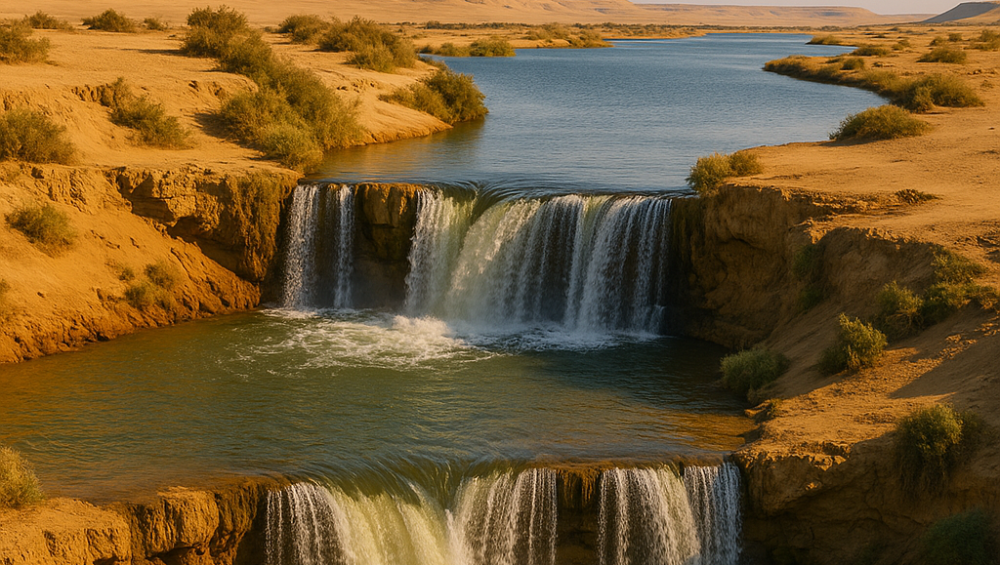
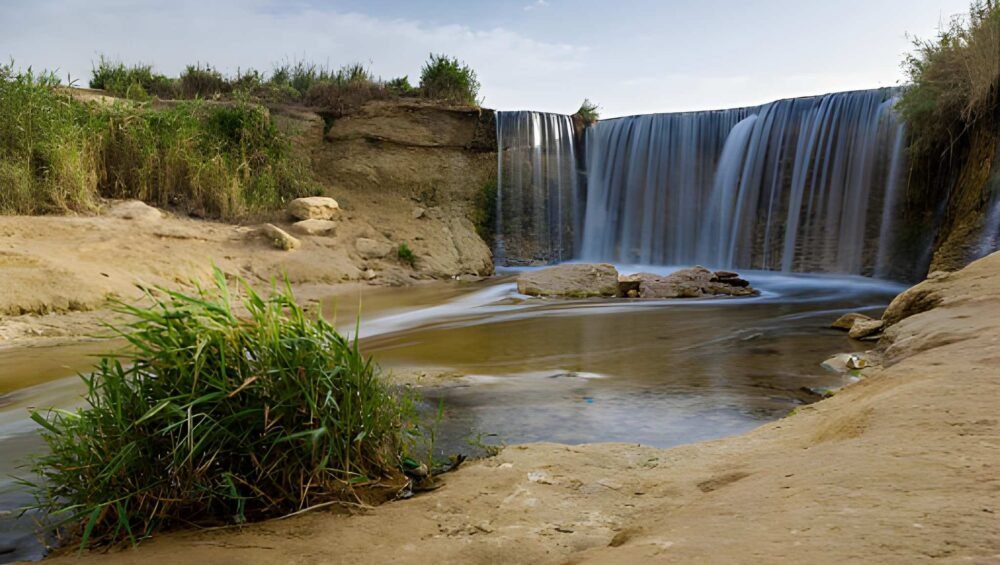
The remarkable Wadi El Rayan is one of Egypt’s most beloved nature reserves. Famous for its twin waterfalls, the only ones in the country, this destination enchants visitors with surreal desert-meets-water vistas. Sandboarding down golden dunes or snapping photographs by crystal lagoons are favorite pastimes here. Wadi El Rayan also shelters endangered species like the slender-horned gazelle, adding wildlife excitement to scenic beauty. It’s a must-see spot for photographers and eco-tourists searching for authentic Egyptian wilderness.

Wadi Al Hitan: The Valley of the Whales

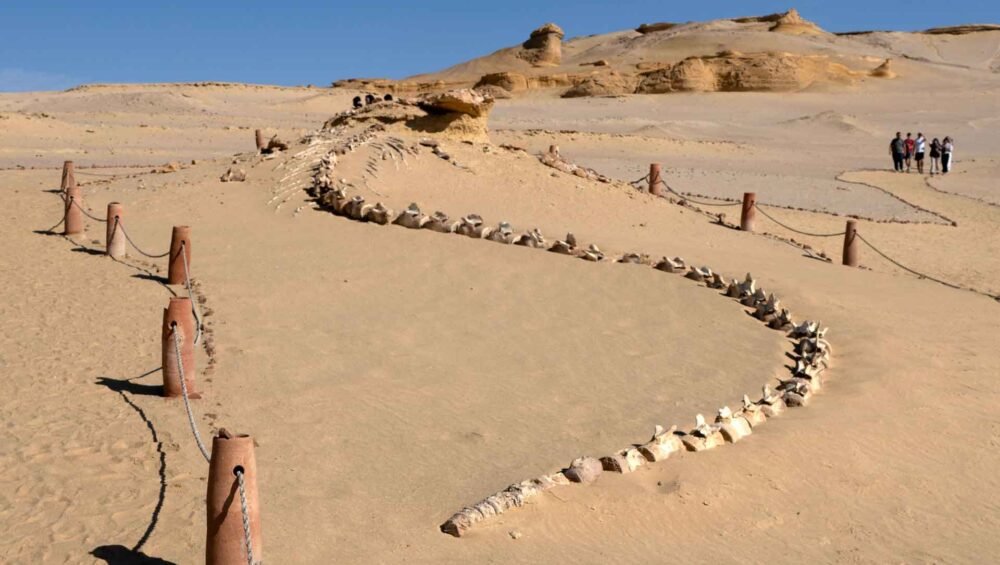
Declared a UNESCO World Heritage Site, Wadi Al Hitan showcases fossils of ancient whales that prove the evolution of marine mammals. Over 40 million years old, these remains are astonishingly preserved in the desert landscape, making it a global paleontological wonder. Visitors can wander its trails to witness the silent skeletons embedded in golden sand—a surreal encounter blending Earth’s prehistory with Egypt’s timeless mystery. When paired with nearby desert experiences, it turns into a holistic journey through time itself. Adventure seekers often combine their visit with a scenic desert safari by quad bike to soak up more of Fayoum’s raw beauty.

Cultural Charm of Tunis Village

Among Fayoum’s many highlights, Tunis Village stands out as a symbol of creative revival. Set along the western shores of Lake Qarun, this quaint settlement became a vibrant artistic center after Swiss potter Evelyne Porret established her pottery school in the 1980s. Now, the entire village thrives on art, sustainability, and hospitality. Each corner reveals exquisite handmade ceramics, local galleries, and family-run guesthouses that welcome visitors with warmth. Every November, Tunis hosts a pottery festival that attracts artisans and travelers from across the globe. Here, culture isn’t confined to museums—it lives, breathes, and inspires daily life.

Local Life and Culinary Traditions

The people of Fayoum Oasis live in harmony with the land, practicing agriculture and crafts inherited through generations. Strolling through the villages, visitors can observe traditional weaving, pottery, and date farming. The aroma of freshly baked bread wafts through homes, and local dishes feature farm-fresh ingredients like figs, olives, and honey. Dining with locals offers a heartfelt connection to Egyptian rural culture, reminding every traveler that genuine discovery lies beyond sightseeing. Food enthusiasts can also explore Egyptian flavors through traditional dishes in Egypt, a sensory experience that begins in places like Fayoum.

Adventure and Eco-Tourism in Fayoum

Eco-tourism thrives in Fayoum thanks to its mix of natural reserves and community-based tourism. Travelers can join eco-lodges that maintain sustainable practices, merging comfort with environmental respect. Whether it’s kayaking on Lake Qarun, off-roading across Wadi El Rayan dunes, or kite surfing on the oasis lakes, adventure flows freely here. For thrill-seekers, combining the oasis with a wider exploration of Egypt—perhaps through Egypt day tours—allows them to enjoy the country’s contrasts, from Cairo’s bustle to Fayoum’s peaceful sands.

Birdwatching, Hiking, and Photography

With over 250 bird species recorded, Fayoum is a birdwatcher’s paradise. Flamingos, pelicans, and herons use Lake Qarun and Wadi El Rayan as resting stops along migratory routes. At dawn, the sight of birds taking flight over tranquil waters creates a photographer’s dream. Hiking trails that weave through dunes and geological formations open panoramic views that mesmerize and calm in equal measure.

Planning Your Visit to Fayoum Oasis

Located roughly 95 kilometers southwest of Cairo, Fayoum Oasis is easily accessible for both local and international visitors. A scenic two-hour drive transports travelers from urban chaos to serene countryside. Those who prefer organized experiences can join cultural or adventure-focused trips like the Day Tour to Fayoum from Cairo, designed to unveil the best of the region in a single day. Multi-day excursions allow deeper exploration, including stargazing under pristine skies and soaking in desert silence. To blend Fayoum with Nile journeys, consider connecting your trip with a Luxury Nile Cruise or a scenic Cairo and Nile Cruise package.

Best Time to Visit Fayoum

The ideal months to explore Fayoum Oasis are between October and April when the weather is mild and comfortable. Summers tend to be hot, though early mornings and evenings remain pleasant for outdoor activities. The winter brings cool breezes, perfect for exploring natural attractions and cultural sites without the crowds. Many visitors time their travels to coincide with local festivals in Tunis Village or the migratory bird seasons for exceptional photo opportunities.

Preserving the Oasis for Future Generations

Sustainability lies at the heart of modern Fayoum tourism. Local communities and conservationists collaborate to maintain ecological balance while offering meaningful traveler engagement. Efforts to protect Wadi El Rayan and Wadi Al Hitan from over-tourism continue to gain ground. Visiting eco-lodges, respecting wildlife habitats, and supporting local artisans are small actions with big impact. They ensure Fayoum stays pristine—a living legacy spanning deserts and generations. Incorporating eco-friendly experiences aligns beautifully with principles explored in Eco Tours in Egypt, ensuring each journey is as responsible as it is rewarding.

Frequently Asked Questions About Fayoum Oasis

What is the Fayoum Oasis famous for?

Fayoum Oasis is renowned for its mix of stunning natural beauty, ancient monuments, and cultural artistry. From Lake Qarun and Wadi El Rayan waterfalls to centuries-old temples, it’s Egypt’s most diverse and accessible oasis. The area also stands out for its pottery village, wildlife reserves, and fossil sites like Wadi Al Hitan.

How far is Fayoum from Cairo?

The Fayoum Oasis lies about 95 kilometers southwest of Cairo, roughly a two-hour drive by car. Many travelers choose guided transport or organized trips through agencies offering Egypt day tours for convenience and local expertise.

What activities can travelers enjoy in the Fayoum Oasis?

Visitors can go birdwatching, sandboarding, kayaking, and hiking across scenic protected areas. Cultural enthusiasts indulge in pottery workshops at Tunis Village pottery, while adventurers opt for desert quad bike safaris and fossil exploration in Wadi Al Hitan.

Is Fayoum Oasis suitable for families and eco-tourists?

Absolutely. Fayoum offers a tranquil, safe, and enriching environment ideal for family tours. Eco-tourists will appreciate sustainable lodges, community-driven tourism initiatives, and an abundance of nature-based activities promoting environmental awareness.

What’s the best way to explore the Fayoum Oasis?

The most rewarding experience comes from joining a comprehensive tour such as a Day Tour to Fayoum from Cairo. This helps

Wadi Al Hitan

Wadi Al Hitan: Egypt’s Fossil Valley and Window into Prehistoric Oceans

Hidden deep within Egypt’s Western Desert, Wadi Al Hitan — literally the ‘Valley of the Whales’ — is a hauntingly beautiful desert expanse that reveals secrets older than civilization itself. This UNESCO World Heritage Site, located within the Fayoum & Western Desert region, is a natural time capsule containing perfectly preserved fossils of ancient whales that roamed Earth more than 40 million years ago. Those fossils vividly document one of evolution’s most fascinating transformations — the whale’s journey from land-dwelling mammal to ocean master. For travelers captivated by nature, history, and mystery, Wadi Al Hitan promises a surreal encounter between time and terrain, where endless dunes whisper stories of shifting continents and vanished seas.

Unlike typical archaeological sites, Wadi Al Hitan doesn’t showcase temples or hieroglyphs. Instead, its treasure lies in rock and bone. The vast shallow sea that once covered this desert left behind skeletal remains that challenge and affirm our understanding of life’s adaptation to the environment. The fossils lie scattered across ochre sands beneath an endless blue sky, forming a dramatic tableau of science and beauty. Touring this site feels almost spiritual—where silence amplifies the power of nature’s ancient memory. Visitors who combine Wadi Al Hitan with peaceful desert escapes like Wadi El Rayan or serene oases such as Fayoum Oasis discover that this corner of Egypt is an unmatched reminder of Earth’s dynamic history.

The Geological Formation of Wadi Al Hitan

Millions of years before humans emerged, the area now known as Egypt’s Fayoum Depression was submerged under the prehistoric Tethys Sea. As tectonic forces shaped the African continent, this sea slowly receded, leaving behind layers of sedimentary rock rich in organic matter. These layers became a goldmine for paleontologists. The unique geographical history of Wadi Al Hitan explains the exceptional preservation of fossils — their delicate structures escaped destruction because of stable desert conditions. Over time, wind erosion and shifting sand dunes uncovered the fossils, turning the valley into an open-air museum of natural history.

Wadi Al Hitan’s sandstone cliffs contain marine fossils, plant traces, and even mangrove roots, proving that this desert once teemed with life. While the valley’s distinctive orange and red hues reflect mineral composition, they also highlight the timeless beauty of nature’s artistic layers. As part of the Protected Area of Wadi El Rayan, Wadi Al Hitan forms an essential piece in Egypt’s ecological mosaic. Many travelers explore Wadi Al Hitan as a day extension on scenic Egypt Day Tours that showcase the country’s diverse natural wonders beyond its ancient pyramids.

The Discovery of Ancient Whales: A Scientific Revolution

The first fossils in Wadi Al Hitan were discovered early in the 20th century, but serious scientific study began in the 1980s when Egyptian and international teams realized the site’s profound significance. They identified remains of two species of early whales: Basilosaurus isis and Dorudon atrox. These creatures retained traces of hind limbs, proving transitional evolution from land mammals to aquatic species — a revolutionary confirmation in evolutionary biology.

Every discovery in Wadi Al Hitan adds another brushstroke to the grand picture of life’s adaptability. Some skeletons stretch over 18 meters long and lie in natural repose as if still swimming through currents of time. Details like preserved stomach content, tooth marks, and bone joints tell stories of predation, birth, and adaptation. For eco-tourists and scientific travelers, witnessing these fossils firsthand is nothing short of awe-inspiring, comparable to seeing the monumental architecture of Abu Simbel Temples but from a biological rather than human era.

Wadi Al Hitan as a UNESCO World Heritage Site

In 2005, UNESCO recognized Wadi Al Hitan as a World Heritage Site, citing its outstanding universal value to humanity. What sets it apart is not merely the fossils’ quantity but their near-perfect preservation and environmental setting. UNESCO celebrates the site as “the most important area in the world to demonstrate the evolution of whales.” The desert’s remoteness shelters it from urban encroachment, maintaining its authenticity and serenity. Egypt’s environmental ministry has worked meticulously to protect this heritage through sustainable pathways, eco-lodges, and interpretive centers that blend seamlessly into the surrounding desert.

Visitors can now explore carefully constructed trails guiding them through well-marked exhibits where interpretative panels and multimedia presentations explain each specimen’s significance. Eco-education plays a vital role, and local Bedouin communities contribute to preservation efforts, ensuring that tourism benefits both people and nature. For those considering eco-conscious travel experiences, Wadi Al Hitan pairs beautifully with environmentally responsible adventures featured in Eco Tours in Egypt.

A Traveler’s Guide to Visiting Wadi Al Hitan

Reaching Wadi Al Hitan is an adventure itself. About 150 kilometers southwest of Cairo and roughly a two-hour drive from Fayoum city, the valley is accessible by 4×4 vehicles via desert tracks. For adventurous hearts, this journey is an exhilarating ride through wilderness dotted with limestone cliffs, dunes, and sparse vegetation. Many will choose organized expeditions that combine the visit with stops at Qarun Lake, Tunis Village Faiyum, and Qasr Qarun Temple.

Once inside the valley, the sense of isolation deepens. Temperatures fluctuate dramatically — extremely hot by day and chilly at night — so planning ahead is essential. The visitor center, built using local materials and traditional architecture, functions as both a museum and educational hub, giving travelers a deeper understanding of what they’re about to witness. Inside, displays of ancient whale bones, 3D reconstructions, and interactive maps bridge history with modern discovery.

Top Things to Do in Wadi Al Hitan

Walking the Fossil Trail is the highlight — a well-curated circuit that winds past skeletons, rock formations, and natural monuments sculpted by time. Photography enthusiasts find the play of shadows and desert light irresistible. Sunset hikes reveal a glowing horizon that transforms sand and sky into a soft watercolor of gold and crimson. Stargazing amid total darkness is equally astounding; the Milky Way spills across the sky like a celestial river. Adventurous visitors often combine their Wadi Al Hitan trip with off-road exploration or desert camping experiences reminiscent of the White Desert Egypt or the mysterious Valley of Agabat.

Authentic Bedouin meals, prepared under the stars, introduce travelers to Egypt’s desert hospitality — a perfect blend of ancient rhythm and modern comfort. Many travelers who have explored Unique Experiences in Egypt cite Wadi Al Hitan as one of the country’s most unforgettable natural destinations.

Best Time to Visit Wadi Al Hitan

The ideal season to visit Wadi Al Hitan runs from October to April, when temperatures are mild and desert conditions more comfortable. During summer, the heat intensifies sharply, making early morning or late afternoon tours preferable. Organized desert tours frequently operate from Cairo or Fayoum, offering comfortable transportation, guided interpretation, and provisions. Combining Wadi Al Hitan with refreshing activities around nearby lakes or waterfalls like Wadi El Rayan offers balance between adventure and relaxation.

Conservation and Sustainability Efforts

Preserving Wadi Al Hitan’s delicate ecosystem is crucial. The site’s management emphasizes eco-tourism that protects both fossils and the desert’s biodiversity. Wooden pathways minimize direct contact with fossil zones, while carefully controlled visitor numbers prevent erosion and pollution. Awareness campaigns educate visitors about the significance of this precious environment. Educational programs align with Egypt’s broader environmental vision, integrating natural heritage with modern ecotourism models found in protected parks such as Wadi El Gemal National Park.

The Role of Local Communities in Wadi Al Hitan’s Preservation

Local residents play a vital role in keeping Wadi Al Hitan alive — not only through guiding services but also by promoting handicrafts and sustainable hospitality. Visitors can stay in eco-lodges around the Fayoum oasis, built using natural materials and powered partly by solar energy. Such projects help balance tourism revenue with environmental protection. The valley has become a model for desert conservation that other regions of Egypt now emulate, ensuring that tourism enhances rather than threatens heritage preservation. Travelers curious about similar projects often explore eco-friendly getaways within curated Luxury Egypt Tours or All Inclusive Egypt Vacations.

Wadi Al Hitan in Modern Egyptian Tourism

While Egypt is globally renowned for its ancient pyramids and Nile temples, emerging destinations such as Wadi Al Hitan redefine its tourism narrative. They highlight the country’s natural diversity and environmental heritage. Combining a Wadi Al Hitan excursion with traditional cultural routes like Cairo Day Tours or Luxor Day Tours allows travelers to experience both the geological and historical grandeur of Egypt. The country’s unique geography, spanning Sahara sands, lush oases, and coral-rich coasts, continues to attract explorers seeking more than monuments — seeking stories written by nature itself.

Adventurers completing their Egypt itineraries often include Wadi Al Hitan within broader experiences that connect desert solitude with Nile elegance, such as a Nile Cruise holiday or even a Luxury Dahabiya Nile Cruise. The juxtaposition of fossils older than human civilization with ancient temples along the Nile creates an unparalleled Egyptian narrative stretching from prehistoric seas to historic sands.

FAQs about Wadi Al Hitan (Valley of the Whales)

Where is Wadi Al Hitan located?

Wadi Al Hitan sits within the Wadi El Rayan Protected Area in Egypt’s Fayoum Governorate, about 150 km southwest of Cairo. The journey takes roughly three to four hours by car, passing through desert landscapes and scenic lakes that enrich the travel experience.

Why is Wadi Al Hitan called the “Valley of the Whales”?

The name comes from the extraordinary concentration of ancient whale fossils found in the valley. These remains trace the evolutionary transition from terrestrial to aquatic life forms, making Wadi Al Hitan the world’s most important site for studying early whale evolution.

Is it possible to visit Wadi Al Hitan independently?

While it’s technically possible, visitors are strongly encouraged to join guided eco-tours organized from Cairo or Fayoum. Local experts ensure safe travel across the desert terrain and offer insights into geology, fossils, and conservation initiatives that greatly enrich the experience.

What should travelers pack for a trip to Wadi Al Hitan?

Essential items include sunblock, sturdy footwear, a hat, reusable water bottles, light clothing, and a camera. The desert sun can be intense, and temperatures drop sharply after sunset. A good guidebook or hiring a licensed tour operator specializing in desert travel is highly recommended.

How is Wadi Al Hitan protected today?

The Egyptian Environmental Affairs Agency manages Wadi Al Hitan under strict conservation protocols. Visitor access is controlled, infrastructure uses sustainable materials, and local rangers monitor the area to ensure its preservation for future generations.

Final Thoughts: Why Wadi Al Hitan Captures the Spirit of Timeless Egypt

Standing in the middle of Wadi Al Hitan, one realizes that

Qarun Lake

Qarun Lake: Egypt’s Captivating Natural Jewel in the Heart of Fayoum

Qarun Lake, also known as Birket Qarun, is an extraordinary natural wonder tucked within Egypt’s Fayoum Oasis, about 80 kilometers southwest of Cairo. This lake is one of the oldest natural lakes on Earth, a remnant of the ancient Lake Moeris that once dominated the Fayoum depression thousands of years ago. Its mysterious charm, historical depth, and thriving biodiversity make Qarun Lake a destination unlike any other in Egypt. From its sparkling saltwater surface to its lush surroundings and the time-worn ruins nearby, every corner whispers tales of antiquity and nature’s resilience.

Tourists and locals alike flock to Qarun Lake for its mesmerizing sunrise reflections, year-round birdwatching, and opportunities for relaxation by its serene shores. Those seeking authentic Egyptian experiences beyond crowded tourist hubs will find Qarun Lake an idyllic escape—an oasis of tranquility that mingles history, adventure, and natural wonder. The lake’s ecosystem is home to hundreds of bird species, turning it into a paradise for ornithologists, photographers, and eco-tour travelers.

What makes Qarun Lake so remarkable is how it blends human history with geological time. Once part of a massive prehistoric freshwater lake, it has gradually evolved into a saline basin due to the region’s arid climate. Ancient Egyptians revered its waters and cultivated the surrounding fertile lands, a practice still visible today in Fayoum’s thriving agricultural heartland. Its proximity to Fayoum & Western Desert and nearby attractions like Wadi El Rayan and Wadi Al Hitan positions Qarun Lake as a central hub for eco-tourism and cultural exploration in Egypt.

The Ancient Legacy of Qarun Lake and Its Connection to Egyptian Civilization

Qarun Lake holds centuries of historical significance. The region was once a vital agricultural center during ancient Egyptian times, supplying crops and fish to support the expanding civilization along the Nile. Archeologists have unearthed Neolithic artifacts and Greco-Roman ruins near the lake, unveiling layers of continuous settlement. One of the area’s iconic structures is the Qasr Qarun Temple, a Ptolemaic gem that offers insight into the lake’s religious and sociopolitical importance.

Qasr Qarun, also called the Temple of Dionysius, dates to the Ptolemaic era and serves as a gateway to understanding the symbiosis between man and nature in Fayoum. Built from yellow limestone and facing the lake, it captures the golden sunset reflections across Qarun’s shimmering waters. Visitors walking through its halls can still feel the spiritual aura that once permeated ancient rituals dedicated to local deities and fertility gods.

Historians often associate Qarun Lake with the legend of “Qarun,” a wealthy man mentioned in the Quran and Bible, whose arrogance led to his downfall. Though symbolic, this story adds a mystical layer to the lake’s allure. Blending myth, archaeology, and the soothing rhythms of nature, Qarun Lake invites travelers to explore Egypt’s soul away from bustling tourist trails of the Nile River and massive temple complexes.

Ecological Wonders and Biodiversity of Qarun Lake

The remarkable ecosystem surrounding Qarun Lake is one of Egypt’s most vibrant natural habitats. It plays host to over 200 migratory bird species, including flamingos, pelicans, and herons that grace its waters during winter migration seasons. The Fayoum Governorate has long been recognized as one of Egypt’s top birdwatching destinations.

The saline condition of the lake has fostered a unique aquatic environment where certain fish species have adapted extraordinarily to the increased salinity—an example of evolution in action. Fishermen still rely on Qarun Lake’s bounty, supplying tilapia, shrimp, and other catches to nearby communities. During your visit, engaging with local fishermen provides an intimate glimpse into their age-old techniques, unchanged for generations.

Close to Qarun Lake lies the exotic landscape of Fayoum Oasis, a fertile masterpiece that contrasts perfectly with the desert’s austerity. Water channels, date palms, and ancient irrigation systems reveal how human ingenuity has sustained life here since Pharaonic times.

Top Activities and Adventures Around Qarun Lake

While tranquility reigns over Qarun Lake, it’s far from boring for adventure enthusiasts. Visitors can enjoy lakeside camping, desert safaris, birdwatching, and photography expeditions. The area’s mild winter weather and golden-hued sunsets create ideal conditions for outdoor exploration. Eco-lodges and boutique resorts scattered around the lake promise comfortable stays amid breathtaking scenery.

Those yearning for adrenaline can embark on a day trip through nearby dunes and rock formations or opt for a Day Tour to El Fayoum from Cairo to explore both Qarun Lake and its surrounding marvels in a single excursion. Alternatively, joining specialized desert safaris through Desert Safari by Quad Bike routes can be an electrifying way to embrace Egypt’s natural side while feeling the thrill of the open desert wind.

Visitors who crave cultural immersion can also visit nearby villages like Tunis Village Faiyum, where pottery artisans craft exquisite handmade ceramics inspired by Egypt’s earthy tones. Watching local artisans shape clay using age-old techniques is both inspiring and grounding—a perfect balance to nature’s serenity at Qarun Lake.

The Geological Evolution of Fayoum’s Timeless Lake

The story of Qarun Lake is a geological epic. Roughly 70 kilometers long and 20 kilometers wide, the lake occupies a depression that sits 40 meters below sea level. Scientists believe it once formed part of the much larger prehistoric Lake Moeris during the Pleistocene epoch. As the climate gradually shifted toward aridity, the lake’s freshwater supply diminished, leaving behind a concentrated basin of saline water we see today.

Interestingly, irrigation channels from the Nile still feed into the basin, sustaining it despite limited rainfall. However, increasing salinity poses environmental challenges that Egypt’s environmental authorities are actively managing. Restoration and eco-preservation projects strive to balance human livelihood with nature’s delicate rhythm, ensuring Qarun Lake continues to serve both ecological and cultural heritage for future generations.

For geologists and eco-tourists alike, Qarun Lake is a case study in adaptation—of ecosystems, local communities, and evolving landscapes. The result is a remarkable tableau of resilience, capturing the spirit of Egyptian endurance that has persisted for millennia.

Preserving Qarun Lake: The Role of Eco-Tourism and Sustainability

With increasing attention toward sustainable travel, Qarun Lake has emerged as a beacon for responsible tourism in Egypt. Eco-conscious visitors are encouraged to explore the lake while respecting its fragile environment. Local guides often introduce travelers to conservation efforts, including birdlife protection zones and waste management campaigns initiated across Fayoum.

Sustainable lodges around the lake blend traditional materials with modern comfort. By supporting these community-based accommodations, visitors contribute to preserving the natural ecosystem and ensuring that local families thrive economically. Those who choose eco-friendly travel experiences, such as Eco Tours in Egypt, find Qarun Lake a rewarding destination where their presence actively aids in environmental stability.

Planning Your Visit to Qarun Lake: Travel Tips and Local Experiences

Reaching Qarun Lake is relatively straightforward. Travelers can enjoy scenic drives from Cairo that take approximately two hours. Many visitors pair their trip with stops at Whale Valley (Wadi Al Hitan), an UNESCO World Heritage Site exhibiting fossilized whale skeletons that reveal Egypt’s prehistoric seabeds. Another must-see site nearby is Tunis Village Pottery, famous for its artistic charm and serene environment.

Tour operators offer tailor-made experiences that combine Qarun Lake, Fayoum Museum, and desert adventures. For those preferring guided journeys, checking out premium travel options from Cindrella Egypt Travel or curated itineraries under All Inclusive Egypt Vacations ensures an effortless and authentic exploration. Adventure-seekers can also incorporate a scenic Luxury Nile Cruise or cultural tours to places like Luxor and Aswan for a well-rounded Egyptian experience.

Local Cuisine and Culture Around Qarun Lake

No trip to Qarun Lake is complete without savoring its local dishes. Freshly caught fish grilled to perfection, spiced with Egyptian herbs, and served alongside traditional bread reflects Fayoum’s culinary identity. Local restaurants and guesthouses often source ingredients from nearby farms, offering authentic farm-to-table experiences. Engaging with villagers offers glimpses into rural Egyptian traditions, warm hospitality, and the rhythmic pace of life dictated by the desert sun and fertile fields.

Visitors seeking deeper immersion in Egyptian culture can plan a cultural circuit including Egypt Holidays and Traditions, where festivals, folk music, and ancient rituals form part of a living heritage that seamlessly blends with modern-day rural charm.

Frequently Asked Questions About Qarun Lake

What is the best time to visit Qarun Lake?

The ideal time to visit Qarun Lake is between October and April when temperatures are mild, and migratory birds flock to the area. Winter months provide clear skies, ideal for photography and birdwatching, while spring brings a vibrant bloom of desert flora.

Can you swim in Qarun Lake?

Due to its high salinity levels, Qarun Lake isn’t ideal for swimming. However, its shores are perfect for leisurely strolls and picnics. Most visitors prefer boating, photography, or relaxing by the water with breathtaking views of the surrounding desert.

How far is Qarun Lake from Cairo?

Qarun Lake lies around 80 kilometers southwest of Cairo. Driving takes roughly two hours, making it a perfect weekend getaway. Organized tours often combine this destination with nearby attractions in Fayoum, offering a smooth travel experience.

Are there accommodations near Qarun Lake?

Yes, the region offers a range of accommodations—from eco-lodges and boutique inns near Tunis Village to comfortable hotels overlooking the lake. Many eco-friendly resorts emphasize sustainability while providing excellent facilities for travelers seeking tranquility.

What other attractions can be explored near Qarun Lake?

Around Qarun Lake, visitors can explore Wadi El Rayan, home to Egypt’s only waterfalls, or immerse themselves in prehistory at Wadi Al Hitan. Historical enthusiasts often include the Qasr Qarun Temple, while pottery lovers enjoy a stop at Tunis Village.

Closing Thoughts on the Timeless Beauty of Qarun Lake

Qarun Lake stands as Egypt’s hidden masterpiece—a tranquil refuge harmoniously blending nature, history, and culture. Whether you come for the serenity of its glistening shores, the thrill of desert adventures, or the echoes of ancient civilizations, Qarun Lake promises an experience that lingers long after your journey ends. It’s not just a destination; it’s a story—eternal, unforgettable, and utterly Egyptian at heart.

Wadi El Rayan

Wadi El Rayan – Egypt’s Hidden Oasis of Nature, Beauty, and Tranquility

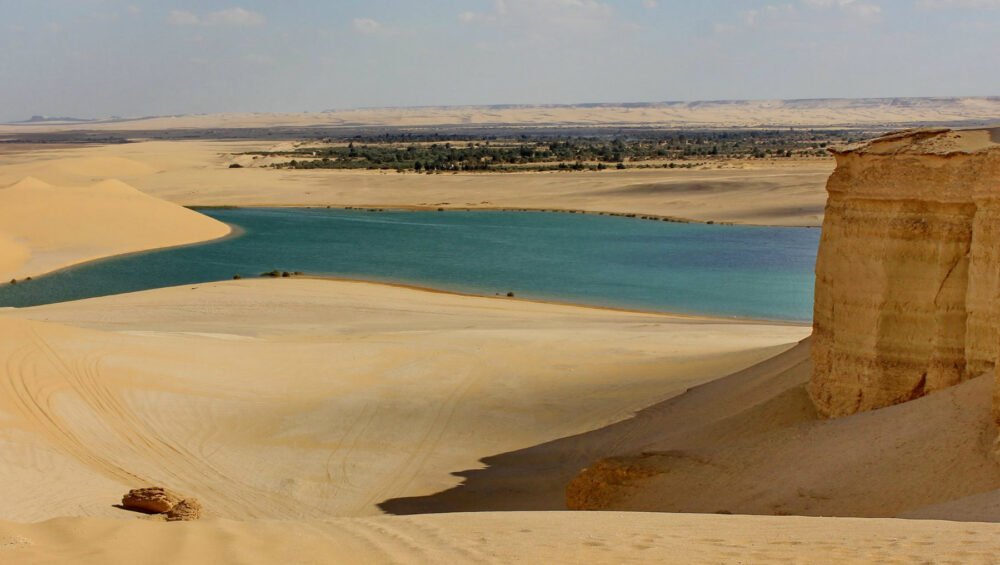
Nestled deep in the Fayoum Depression, Wadi El Rayan is one of Egypt’s most enchanting natural reserves — a place where vast desert sand dunes meet serene turquoise lakes, forming a breathtaking tapestry of contrasts rarely found elsewhere. The unique geology of Wadi El Rayan showcases Egypt’s rich ecological diversity, drawing visitors who crave a taste of the country’s untamed wilderness mixed with the tranquility of crystal-clear waters. This protected valley, located about 150 kilometers southwest of Cairo, isn’t just a geographic marvel; it’s a sanctuary of biodiversity, history, and peace for travelers seeking authentic adventure.

Named after El Rayan, a revered Islamic figure, this oasis captures hearts through its cascading waterfalls, sculpted cliffs, and thriving wildlife. Its captivating charm has made Wadi El Rayan a must-see on many Egypt Day Tours, where visitors witness nature harmoniously blending with culture. Unlike the crowded tourist sites of Cairo or Luxor, Wadi El Rayan offers quiet introspection — a place where one can feel the whispers of wind sweeping across endless dunes while watching rare birds soar above shimmering water bodies. The region’s untouched beauty makes it a growing highlight for ecotourism and photographers hoping to capture Egypt’s hidden gems.

From breathtaking natural wonders to adventurous escapades like sandboarding, hiking, and wildlife spotting, Wadi El Rayan provides more than relaxation — it’s an experience that rejuvenates the soul. Whether you’re drawn by the magic of its waterfalls or the allure of star-studded nights, this nature reserve is a living masterpiece, constantly evolving and inviting explorers to immerse themselves in its serenity. Once you visit, you’ll understand why many consider Wadi El Rayan one of Egypt’s best-kept secrets.

Where Is Wadi El Rayan Located?

Wadi El Rayan lies within the Fayoum Governorate, a region celebrated for its ancient history and scenic desert landscapes. Roughly two hours by car from Cairo, it’s accessible for both day-trippers and long-term explorers seeking a serene getaway. The natural depression of Fayoum makes this location particularly distinctive, as it sits below sea level, forming part of the vast Western Desert ecosystem. Many travelers visiting the nearby Fayoum Oasis choose to extend their adventure to Wadi El Rayan to discover its lakes, dunes, and wildlife habitat.

What makes this area fascinating is the artificial yet stunning water system created from agricultural drainage that formed the upper and lower lakes. These lakes, sustained by interconnected waterfalls, are surrounded by impressive rock formations carved by desert winds over millennia. Close to Wadi El Rayan lies another UNESCO-protected site — Wadi Al Hitan (The Valley of the Whales) — famous for its fossilized remains of ancient whales, offering a glimpse into Egypt’s prehistoric marine past.

The Lakes and Waterfalls of Wadi El Rayan

At the center of Wadi El Rayan lie two magnificent lakes — the upper and lower lakes — connected by Egypt’s only natural waterfalls. These cascading waters form a refreshing contrast to the arid desert that surrounds them, attracting locals and tourists year-round. The lower lake, fringed by reeds and home to migratory birds, reflects golden sunsets that turn the entire horizon into shades of amber and crimson. For photographers and nature enthusiasts, Wadi El Rayan’s waterfalls present one of the most mesmerizing vistas in Egypt.

This picturesque landscape also provides the perfect backdrop for eco-friendly adventures. Visitors often embark on guided expeditions similar to those featured in Day Tour to El Fayoum from Cairo or combine it with stops at Qarun Lake, another breathtaking spot in Fayoum. Together, these destinations paint a complete picture of Egypt’s desert lagoons and wildlife sanctuaries, showcasing unparalleled ecological harmony.

The Desert Dunes and Adventure Sports

Wadi El Rayan isn’t just about still waters; its vast surrounding desert offers thrilling activities for adrenaline lovers. The rolling sand dunes here are massive — ideal for sandboarding, an Egyptian alternative to snowboarding but set on sun-drenched slopes. Quad biking through the desert landscape or enjoying an off-road jeep safari is an experience that makes hearts race. Tour options akin to the Desert Safari Trip by Quad Bike in Giza mirror the same thrill in equally spectacular terrain.

These dunes form dramatic silhouettes against golden sunsets, creating a cinematic view that rivals famous desert destinations worldwide. Whether you choose to glide down sandy peaks or stargaze under the vast desert canopy, Wadi El Rayan delivers adventure wrapped in natural splendor. Many visitors also enjoy organized camping experiences, where nights are filled with campfires, Bedouin stories, and peaceful silence beneath the Milky Way.

Flora, Fauna, and Ecological Significance

Declared a protected area in 1989, Wadi El Rayan is a crucial ecological site that supports rare wildlife species, especially birds. Flamingos, herons, ibises, and eagles can be spotted around the wetlands, making it a paradise for birdwatchers. The region also supports several desert animals like the fennec fox, Dorcas gazelle, and sand cat. Plant life, though sparse, thrives in the oasis ecosystem, adapting to extreme temperatures and low rainfall. This rich biodiversity makes Wadi El Rayan an integral component of Egypt’s environmental conservation.

The area’s ecological importance mirrors the preservation efforts seen in places like Wadi El Gemal National Park, underscoring Egypt’s commitment to protecting its natural habitats. Environmental initiatives also aim to maintain sustainable tourism practices, ensuring that visitors can enjoy nature while preserving it for future generations.

Culture, Myth, and Historical Echoes of Wadi El Rayan

While Wadi El Rayan’s fame primarily arises from its natural wonders, the region carries subtle threads of ancient history and Bedouin legend. Locals often recount tales of travelers and traders passing through these desert trails centuries ago. Ancient caravans once crossed Fayoum, connecting Nile Valley civilizations to remote oases. Today, Bedouin communities maintain a presence here, preserving traditions in music, food, and storytelling that enrich any visit.

Many explorers visiting Fayoum’s landmarks such as the renowned Qasr Qarun Temple also include Wadi El Rayan in their itineraries, tracing ancient spiritual and cultural routes. The fusion of myth, nature, and rustic living adds a layer of authenticity to every traveler’s journey through this serene desert haven.

Best Time to Visit Wadi El Rayan

The best period to explore Wadi El Rayan is between October and April, when the climate is pleasantly cool and the skies remain clear. Summer months can be scorching, making outdoor activities challenging. During the peak season, the lakes shimmer under mild sunlight, and the desert breeze carries an unmistakable freshness. It’s this balance between weather and scenery that draws photography enthusiasts and outdoor adventurers to plan their visits wisely, ensuring a rewarding and comfortable experience.

Things to Do in Wadi El Rayan

There’s no shortage of activities in and around this picturesque reserve. For nature enthusiasts, hiking through the sand dunes or gazing at wildlife offers pure tranquility. If you’re in the mood for action, try sandboarding, desert safaris, or even camel rides. Some visitors enjoy combining their trip with a cultural tour, visiting the charming Tunis Village Faiyum, known for pottery workshops and local art.

To add variety, travelers often connect their visit with multi-destination tours similar to 7 Days Cairo, Luxor, Abu Simbel & Sahara Trip, blending city exploration with natural and desert experiences. It’s this combination that allows visitors to witness both Egypt’s ancient civilization and raw wilderness in a single journey.

Photography and Eco-tourism at Wadi El Rayan

For eco-tourists and photographers, Wadi El Rayan offers an endless canvas of creative opportunities. The play of light over the waterfalls and dunes is captivating, while birdlife around the lakes provides excellent photographic subjects. Sustainable travel has become crucial in recent years, and Wadi El Rayan stands as a shining example of ecotourism done right — minimal intrusion but maximum appreciation. Similar to initiatives promoted through Eco Tours in Egypt, responsible tourism here encourages respect for nature while sharing its stories globally.

Travel Tips for Visiting Wadi El Rayan

When planning your trip, bring plenty of water, comfortable clothing, sunscreen, and a camera. It’s also ideal to hire a local guide who knows the terrain intimately, ensuring you safely navigate deserts and reach the shimmering lakes on time. Those interested in organized adventures might consider joining packages offered by Cindrella Egypt Travel, which often include well-curated itineraries around Fayoum, Cairo, and nearby natural attractions.

Combining Wadi El Rayan with Other Destinations

Travelers frequently combine their Wadi El Rayan trip with excursions to the nearby Valley of the Whales or the lush greenery of Fayoum. Those who wish to add a luxurious twist might even link it with Nile journeys such as the Luxury Dahabiya Nile Cruise — merging desert serenity with timeless river elegance. Pairing these experiences reveals Egypt’s multidimensional charm: from golden sands to the life-giving Nile, every corner tells its own story.

FAQs about Wadi El Rayan

What is Wadi El Rayan famous for?

Wadi El Rayan is renowned for its dual lakes, beautiful waterfalls, and desert dunes. As Egypt’s only waterfall site, it attracts those seeking both relaxation and adventure. Its unique wildlife and striking scenery make it a premier destination for eco-tourism.

How do I get to Wadi El Rayan from Cairo?

Wadi El Rayan is approximately a two-hour drive southwest of Cairo. Visitors typically travel via private tour, rental car, or organized excursions such as Day Tour to El Fayoum from Cairo. Roads are well-marked, and guides enhance the journey with local insight.

Is there an entrance fee to Wadi El Rayan?

Yes. A small entrance fee applies, managed by the Fayoum protectorate authorities to support conservation efforts. Fees are modest and help maintain the park’s ecological integrity.

What should I bring for a Wadi El Rayan visit?

Bring water, snacks, sunscreen, sunglasses, and sturdy shoes. A camera is essential to capture the remarkable landscapes. For those planning sunset or camping visits, a light jacket and flashlight are helpful.

Can I swim in the lakes of Wadi El Rayan?

Although some visitors wade into shallow areas, swimming isn’t recommended due to variable water conditions and conservation rules. It’s better to enjoy the lakes through photography or peaceful boat rides when permitted.

In essence, Wadi El Rayan remains one of Egypt’s truly unexplored treasures — a place where time slows, nature heals, and every sense awakens. Whether you’re a photographer chasing golden hues, a traveler craving silence amid beauty, or an adventurer seeking desert thrills, Wadi El Rayan promises an unforgettable encounter with Egypt’s wild heart.

Fayoum & Western Desert

Enchanting Wonders of Fayoum and the Western Desert: Egypt’s Hidden Oasis and Untamed Beauty

Nestled just a short distance from Cairo, Fayoum and the Western Desert unveil an Egypt that few travelers ever experience—a captivating blend of natural beauty, pristine desert landscapes, archaeological marvels, and timeless Bedouin heritage. The Fayoum region, cradled within one of the world’s oldest natural oases, lures adventurers and culture seekers with its lush date palms, ancient ruins, and tranquil lakes such as the famed Qarun Lake. Meanwhile, the Western Desert stretches across endless golden dunes and surreal rock formations, an unspoiled wilderness that radiates magic from sunrise to sunset. From fossilized whale skeletons in Wadi Al Hitan to crystal-studded hills and chalky white plains, the region captures the imagination of explorers looking for deeper connection with Egypt’s soul.

This is where nature meets history—a living museum sculpted by millennia of geological change and human ingenuity. Fayoum offers a refreshing escape from Cairo’s hustle, a gateway to ancient villages, eco-lodges, and spiritual calm. The Western Desert, on the other hand, embodies the dramatic contrast of Egypt’s landscapes, from volcanic black hills to snowy white sands. Whether it’s a quiet retreat or a thrilling desert safari, Fayoum and the Western Desert inspire wanderlust in every visitor. Their authenticity, combined with the warmth of local hospitality, makes this region one of Egypt’s most underrated yet mesmerizing destinations—ideal for those eager to step off the beaten path.

Discovering Fayoum Oasis – The Green Heart of Egypt’s Desert

Only 90 kilometers southwest of Cairo, Fayoum Oasis escapes the typical desert imagery. Fertile lands span between the Bahr Youssef canal and the shimmering surface of Lake Qarun. The area’s history stretches back over 4,000 years, with ancient Egyptians cultivating crops and building temples to celebrate the fertility brought by the Nile’s hidden arm. The oasis boasts extraordinary sites like Qarun Lake, one of Egypt’s oldest natural lakes, and Qasr Qarun Temple, a well-preserved Greco-Roman treasure that silently guards the western shore of the lake.

Fayoum’s charm goes beyond its ancient relics. Its local villages, like Tunis Village, are havens for artisans and creative souls. The area is world-famous for hand-thrown pottery and eco-tourism lodges overlooking date groves and tranquil waters. Birdwatchers also find paradise here, especially during migratory seasons, as flamingos, pelicans, and herons flock to the wetlands. Visitors can explore the oasis through guided trips or embark on a Day Tour to El Fayoum from Cairo to experience both culture and serenity up close.

Wadi Al Hitan – Egypt’s Valley of the Whales

Perhaps the crown jewel of Fayoum, Wadi Al Hitan (Valley of the Whales) is a UNESCO World Heritage Site that takes you back 40 million years. Here, hundreds of fossilized whale skeletons are scattered across the desert sands, offering tangible proof of evolution and Earth’s shifting history. The protected site reveals how the ancient Tethys Sea once covered Egypt’s deserts, leaving behind an unparalleled prehistoric legacy. Visitors often combine Wadi Al Hitan with Wadi El Rayan, another natural wonder featuring Egypt’s only waterfalls cascading between serene lakes.

Adventure enthusiasts often arrive in 4×4 vehicles, guided by local experts who tell fascinating tales of discovery and geology. Camping under the stars and hiking through the golden dunes provide unmatched opportunities for astronomy and photography. Every dune, rock formation, and fossil whispers nature’s story, a reminder that time moves differently here.

Tunis Village – Art, Culture, and Eco-Living in Fayoum

Tucked against the edge of Lake Qarun, Tunis Village is the cultural heart of Fayoum. Renowned for its earthen architecture, artistic workshops, and tranquil guesthouses, it attracts travelers yearning for authenticity. The village hosts Fayoum’s Pottery Festival, where artisans showcase centuries-old techniques. A stroll through its narrow lanes leads you to craft boutiques, cozy cafés, and stunning desert views. Staying in one of the hotels in Tunis Village immerses guests in sustainability and creativity—a harmony between traditional lifestyle and modern eco-tourism.

Adventure and Outdoor Escapes in Fayoum

Beyond culture, Fayoum brims with adventure. Sandboarding down the dunes of Qatrani, camel rides, and quad-bike tours fill itineraries for the daring. Nature lovers join eco-tours that explore unique ecosystems, while photographers chase sunsets over the lagoon. Wildlife thrives here—gazelles, desert foxes, and migrating birds inhabit the protected zones. Combining a day in Fayoum with a Nile cruise, such as the Luxury Dahabiya Nile Cruise, gives travelers a perfect contrast of lush water vistas and golden silence.

The Western Desert – Egypt’s Vast Wilderness of Stone and Sand

The Western Desert covers nearly two-thirds of Egypt’s landmass, yet remains one of the country’s best-kept secrets. With its five grand oases—Bahariya, Farafra, Dakhla, Kharga, and Siwa—it offers a world of contrasts. Each destination has its distinct character, from ancient temple ruins to sparkling salt lakes and surreal geological formations. Journeying through these landscapes feels like traveling across time itself.

Bahariya Oasis – Gateway to the Black and White Desert

Starting from Cairo, the first true desert haven you’ll encounter is Bahariya Oasis. Surrounded by groves of palm and olive trees, Bahariya is also the starting point for tours into the White Desert and Black Desert. The stark contrast between the volcanic black hills and the dazzling white chalk formations creates one of the world’s most extraordinary natural tableaus. The Valley of Agabat adds yet another layer of enchantment with its honey-hued peaks that glow at sunset.

Visitors often explore the oasis town of Bawiti, where ancient tombs from the Pharaonic era and remnants of the Greco-Roman period tell captivating tales. A dip in the natural hot springs offers relaxation after a day of desert trekking. Many adventurers book a Desert Safari Trip by Quad Bike to traverse the undulating dunes and discover the true essence of Egypt’s wild west.

Farafra Oasis and the Crystal Mountain

Moving deeper into the sands, Farafra Oasis greets travelers with small whitewashed settlements and fertile palms surrounding bubbling springs. The nearby Crystal Mountain dazzles under the desert sun, a geological marvel composed of quartz crystals that glisten like gems. Just beyond lies the White Desert, a surreal expanse of limestone sculptures—some shaped like mushrooms, others like camels or giant eagles—carved by centuries of sand and wind erosion. Farafra is a favorite among art lovers and writers; its quietness has inspired numerous works of travel literature and paintings.

Dakhla and Kharga – The Desert’s Cultural Frontier

Further south, Dakhla Oasis unveils lush greeneries dotted with historic Islamic architecture and mud-brick fortresses. Visitors can wander through the medieval town of Al-Qasr, its narrow alleys and ancient mosques bearing witness to the desert’s living heritage. A trip onward to Kharga Oasis showcases the ancient Hibis Temple, one of the few surviving Persian-era monuments in Egypt. The route between the oases brims with Roman forts, caravan routes, and fossil beds that tell stories of trade, empire, and endurance.

Siwa Oasis – Where Desert Tranquility Meets Ancient Mysticism

Last but never least, Siwa Oasis sits near the Libyan border, a magical realm of salt lakes, palm trees, and legends. It’s home to the Oracle of Amun, famously consulted by Alexander the Great. Its natural springs, like Cleopatra Spring, invite visitors to bathe in ancient waters under the open sky. Siwa’s mud-brick fortress, Shali Castle, stands as a weathered guardian of its history and traditions. For anyone seeking peace, authenticity, and wonder, Siwa captures the essence of Egypt’s Western Desert spirit.

Eco-Tourism and Sustainable Travel in Fayoum and the Western Desert

Responsible tourism plays a vital role in preserving these fragile ecosystems. Sustainable lodges, locally run tours, and conservation programs allow visitors to explore ethically. Experiences like eco-safaris, camel expeditions, and geology tours introduce travelers to natural heritage while supporting local communities. Companies offering Luxury Egypt Tours and Egypt Private Tours increasingly incorporate environmentally friendly itineraries in Fayoum and the Western Desert, blending comfort with conscience.

Many itineraries combine desert exploration with cultural stops along the Nile. Adventure seekers can extend their journey with a 7 Days Cairo, Luxor, Abu Simbel & Sahara Trip, merging world-class monuments with thrilling off-road adventures. The region also features in various Egypt Vacation Packages, offering seamless connections between heritage, nature, and luxury.

FAQs About Fayoum & Western Desert

What’s the best time to visit Fayoum and the Western Desert?

The ideal months are between October and April when the weather is cooler and pleasant. During these months, daytime temperatures hover around 25°C, perfect for outdoor activities, hiking, and photography. Summer can be extremely hot, especially in southern oases.

How do travelers reach Fayoum from Cairo?

Fayoum is easily accessible by road, about a 90-minute drive from Cairo. Travelers can hire private vehicles, organized tours, or opt for a guided Day Tour to El Fayoum from Cairo for a hassle-free experience including transport and local expertise.

What activities can be enjoyed in the Western Desert?

Popular adventures include desert camping, sandboarding, stargazing, visiting the White and Black Deserts, exploring ancient fortresses, and relaxing in natural hot springs. Photographers and nature enthusiasts find endless inspiration among the unique landscapes.

Is Fayoum safe for travelers?

Yes, Fayoum is safe and welcoming. The local communities are hospitable, and guided tours ensure smooth transportation and professional assistance. The same applies to the Western Desert—well-organized expeditions prioritize safety through trained guides and reliable equipment.

Can visitors stay overnight in the desert?

Absolutely. Many tours offer

Temple of Kalabsha

Temple of Kalabsha: The Hidden Jewel of Nubia on Lake Nasser’s Shores

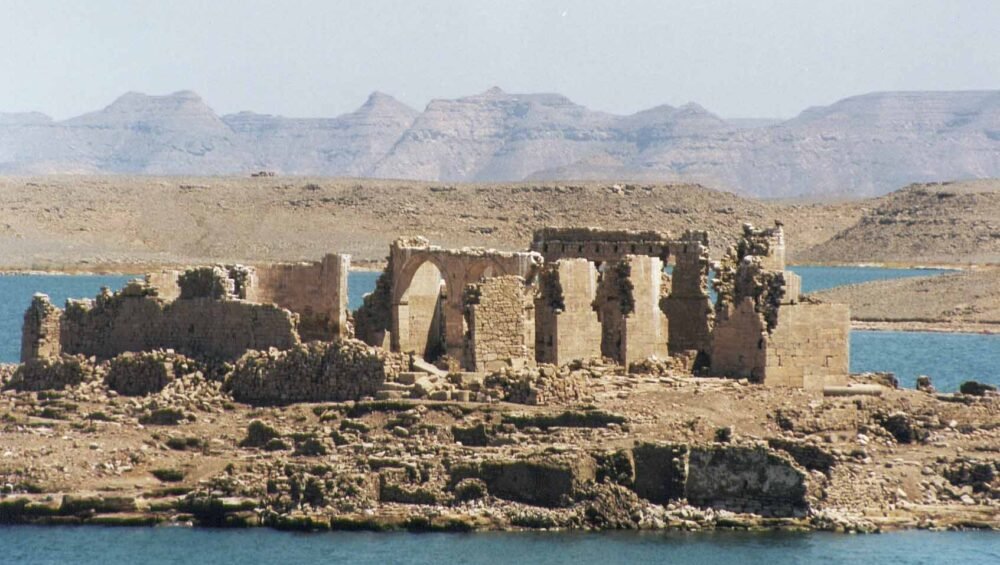
Set against the calm waters of Lake Nasser, the Temple of Kalabsha stands as one of the most underrated masterpieces of ancient Nubian architecture. This grand sandstone temple, dedicated to the Nubian deity Mandulis, reflects both Egyptian and Greco-Roman influences, capturing the essence of Upper Egypt’s fascinating cultural fusion. Originally located about 50 kilometers south of Aswan before being moved due to the construction of the High Dam, this temple today serves as an unshakable testament to human ingenuity and preservation efforts.

Built during the reign of Emperor Augustus in the early Roman period, the Temple of Kalabsha reveals artistic and religious continuity even as ancient Egypt’s political landscape evolved. Visitors exploring this site are often enchanted by its intricate carvings, hieroglyphs, and colossal gateways overlooking the immense lake. Every wall tells a story — of gods, pharaohs, rituals, and the shared heritage of two ancient civilizations coexisting under the Egyptian sun. A visit here feels less like a trip back in time and more like stepping inside a chronicle etched in stone.

The UNESCO-supported relocation of the Temple of Kalabsha during the 1960s remains one of the most ambitious archaeological rescues ever undertaken. This magnificent engineering feat not only saved the monument from submersion beneath Lake Nasser but also cemented its status as one of the must-see highlights of any Aswan Day Tours. Today, the temple forms part of a larger archaeological complex alongside Gerf Hussein, Beit el-Wali, and the Kiosk of Qertassi — each radiating its own mysterious grandeur.

Whether you’re an avid historian, architecture enthusiast, or traveler seeking a tranquil escape from Egypt’s bustling cities, the Temple of Kalabsha offers a profoundly immersive encounter. Bathed in desert light, whispering the secrets of ancient Nubia, and overlooking an inland sea, Kalabsha captures Egypt’s eternal dialogue between earth and water, civilization and nature. Let’s explore what truly makes this temple a hidden treasure of southern Egypt’s sacred landscape.

Historical Origins of the Temple of Kalabsha

The Temple of Kalabsha was originally constructed around 30 BCE, a period when Egypt had just become a Roman province following Cleopatra VII’s demise. Though built under the patronage of the Roman emperor Augustus, its foundation rested upon Ptolemaic traditions. The temple honored Mandulis, a local Nubian sun god known as Merul, who symbolized fertility, light, and the eternal cycle of life. Despite its Roman origin, the temple’s design adheres to classical Egyptian religious architecture — with pylons, hypostyle halls, and sanctuaries that mirror New Kingdom blueprints.

At the time of its completion, Kalabsha served as a spiritual and administrative center for Nubian Egypt. Rich reliefs depict offerings to Isis, Horus, and Osiris, revealing how imperial theology intertwined with indigenous worship. These images also provide a unique lens through which modern Egyptologists interpret the blending of Egyptian and Roman symbolism. For travelers exploring ancient heritage through organized Egypt Vacation Packages, Kalabsha stands as a significant stop that bridges the Nubian and Pharaonic worlds beautifully.

Mandulis: The Divine Patron of Kalabsha

Mandulis, worshiped primarily in Lower Nubia, was often depicted wearing a feathered crown symbolizing solar power and fertility. Known as the Nubian Sun God, he became assimilated into the Egyptian pantheon during the late Ptolemaic and Roman eras. Inside the temple, frescoes and carvings illustrate offerings by Augustus himself, a move that politically aligned the Roman emperor with Egypt’s divine hierarchy. This divine association aimed not only to legitimize imperial rule but also to unify both cultures under shared spiritual beliefs — a central theme reflected across other Nubian temples saved along Lake Nasser.

Relocation of the Temple: Engineering Brilliance of the Modern Age

To prevent its permanent loss to the rising waters of Lake Nasser, the Temple of Kalabsha was cut into over 13,000 individually numbered blocks and meticulously reassembled on a nearby hill above the lake’s western bank. The relocation project, carried out between 1960 and 1970, displayed groundbreaking collaboration between UNESCO and the Egyptian government. This was the same massive preservation campaign that salvaged other temples like Abu Simbel Temples and Temple Of Philae.

Today, visitors arriving by boat are rewarded with breathtaking views of the temple rising dramatically from the desert-dominated shore of Lake Nasser. Its sandstone façade gleams warm gold under the blazing Nubian sun, while the backdrop of deep blue waters creates a spectacular visual contrast that photographers find irresistible. Many travelers integrate a visit to this relocated wonder during scenic cruises such as the Luxury Nile Cruise or tailor-made 4 Day 3 Night Nile Cruise from Aswan to Luxor.

Architectural Mastery and Artistic Significance

The architecture of the Temple of Kalabsha epitomizes the refinement of Nubian craftsmanship blended with classical Egyptian temple layout. Its grand entrance pylon, standing over ten meters high, leads visitors through a courtyard, hypostyle hall, and inner sanctuary. Hieroglyphic inscriptions narrate both mythological tales and royal dedications. The reliefs highlight finely carved figures of gods such as Isis, Osiris, Horus, and Maat — their postures radiating both motion and serenity. The decorative precision seen here rivals that of celebrated monuments like Edfu Temple or Kom Ombo Temple.

Another striking architectural element is the temple’s use of sunlight. The layout aligns perfectly with the solar cycle, so particular chambers glow with sunlight during key seasonal shifts — symbolizing enlightenment and divine renewal. The stone color transitions gracefully from ochre to amber as the sun moves, making every visit unique depending on the time of day. Small chapels and annex structures found nearby suggest that Kalabsha likely served not only as a place of worship but also as a pilgrimage and economic hub during antiquity.

The Temple’s Courtyard and Inner Chambers

When entering the temple’s courtyard, visitors are immediately struck by its expansive open space framed with divine reliefs. The hypostyle hall contains twelve massive columns, each crowned with floral capitals imitating blooming papyrus. Inside the sanctuary — the temple’s holiest section — are depictions of Emperor Augustus receiving blessings from Mandulis, an artistic expression of authority conveyed through divine endorsement. Despite centuries of desert erosion, these reliefs maintain remarkable clarity, demonstrating Nubian artisans’ exceptional skills. Many cultural travelers combine Kalabsha visits with experiences such as the Kalabsha Temple and Nubian Museum Tour.

The Surrounding Complex: Beit el-Wali, Gerf Hussein, and Kiosk of Qertassi

The Kalabsha complex encompasses several nearby temples. The Beit el-Wali Temple, constructed by Ramses II, presents vivid wall carvings depicting military campaigns and the pharaoh’s divine connection to the gods. Nearby stands the Kiosk of Qertassi, featuring elegant Hathor-headed columns — possibly a resting point for sacred processions. Each of these complements the majesty of Kalabsha and reflects the spiritual vitality of ancient Nubian culture. Many Egypt Day Tours include stops at these neighboring relics to create a full cultural immersion in southern Nubia’s frontier legacy.

The Role of Kalabsha in Modern Tourism

Aswan’s serene charm already makes it a favorite among travelers, and the Temple of Kalabsha adds yet another feather to its cultural crown. Thanks to modern infrastructure and curated excursions like the Day Trip to Philae and Kalabsha Temples and Nubian Museum, visitors can uncover Egypt’s southernmost temples with exceptional ease. Its accessibility by boat offers spectacular panoramas rarely found in other parts of Egypt. No wonder cultural enthusiasts often describe this experience as one of the most tranquil and rewarding detours from bustling tourist circuits.

Preservation Efforts and the Legacy of Nubian Temples

Preserving monuments like the Temple of Kalabsha represents more than archaeological pride; it’s a legacy of humanity’s collective cultural responsibility. Today, ongoing efforts ensure protection from wind erosion and structural stress caused by temperature fluctuations. The site stands as both a historical archive and a living classroom for researchers studying Nubian art and cross-cultural worship. Integrating a visit here into curated experiences such as the Day Tour of Aswan, Philae Temple, High Dam and Obelisk enhances appreciation for Egypt’s southern marvels.

Traveler’s Guide: How to Visit the Temple of Kalabsha

Getting to the Temple of Kalabsha usually involves a short boat ride from the west bank of Lake Nasser, near Aswan. Most guided tours operate early morning or late afternoon, offering pleasant weather and dreamy lighting perfect for photography. As a highlight of many 9 Days Egypt and Nubia Tour, it appeals equally to first-time visitors and seasoned Egyptologists. It’s advisable to carry water, sunscreen, and comfortable footwear — the desert sun can be intense, yet every step rewards visitors with unmatched serenity and grandeur.

Those seeking deeper cultural encounters can extend their exploration through 8 Days Best Egypt tour with Nile cruise packages, combining sites across Aswan, Luxor, and Nubia. The best time to visit is between October and April when temperatures range comfortably and lake breezes make boat rides particularly enjoyable.

FAQs About the Temple of Kalabsha

Where is the Temple of Kalabsha located today?

The Temple of Kalabsha is currently situated on the western bank of Lake Nasser, near Aswan in southern Egypt. It was relocated approximately 50 kilometers northwest of its original site to save it from inundation caused by the creation of the Aswan High Dam.

Who built the Temple of Kalabsha?

The temple was constructed under the rule of the Roman Emperor Augustus around 30 BCE, although earlier foundations date back to the late Ptolemaic period. It was dedicated primarily to the Nubian god Mandulis, blending Roman imperial symbolism with Egyptian religiosity.

What deities are worshiped in the Temple of Kalabsha?

The main deity worshiped at Kalabsha was Mandulis, the Nubian Sun God associated with rebirth and solar energy. However, reliefs inside also honor Egyptian gods including Isis, Osiris, Horus, and Maat — portraying divine harmony across cultures.

How was the temple relocated during the construction of the High Dam?

In the 1960s, a joint operation by UNESCO and the Egyptian government saw the temple dismantled block by block, numbered, transported, and reconstructed stone by stone on higher ground. This immense effort safeguarded it from Lake Nasser’s flooding, preserving its majesty for future generations.

Is the Temple of Kalabsha open for tourists?

Yes, it’s open to visitors daily and can be accessed via guided excursions or private boat rides from Aswan. Combining the site with nearby attractions like the Nubian Museum, Philae Temple, or the High Dam offers a full-day excursion beautifully encapsulating Aswan’s ancient heritage.

Lake Nasser Ruins

Lake Nasser Ruins: Discover Egypt’s Submerged Heritage and Ancient Wonders

Lake Nasser, one of the world’s largest man-made lakes, is more than a marvel of modern engineering; it’s also a place where ancient history and nature exist in remarkable harmony. Lying between southern Egypt and northern Sudan, this vast reservoir, created during the construction of the Aswan High Dam, submerged countless historical sites and monuments. Yet, through enormous international efforts, many temples were saved, relocated, and preserved for future generations. The Lake Nasser Ruins are a captivating chapter in Egypt’s archaeological heritage—a page where Nubian history, ancient Egyptian artistry, and environmental triumph intertwine. For travelers seeking a less-crowded yet deeply spiritual destination, exploring the ruins scattered along Lake Nasser’s tranquil shores offers a hidden treasure chest of wonders.

Imagine sailing across turquoise waters as golden cliffs gleam in the sun, and along the way, monumental temples rise from the desert. These reassembled sanctuaries—such as Kalabsha, Wadi Es-Sebua, Amada, and Dakka—speak of devotion, resilience, and architectural genius. Lake Nasser is more than a scenic expanse; it’s an open-air museum stretching across Nubia, where every site whispers stories of gods, kings, and artisans. With eco-tourism rising in relevance, visiting these ruins offers a responsible and spiritual journey through Egypt’s southern frontier. It’s time to dive deeper into the secrets of the submerged kingdom—an extraordinary testament to human creativity and courage against time and flood.

The Origins of Lake Nasser and the Fate of Nubia’s Ancient Monuments

Lake Nasser was formed between 1958 and 1970 after the construction of the mighty Aswan High Dam. This monumental project controlled the Nile’s annual floods and generated hydroelectric power, but it came at a steep archaeological price. As the dam rose, over 500 kilometers of Nubian land were destined to disappear beneath the water. Villages, temples, and historical relics faced submersion. To save Egypt’s priceless heritage, UNESCO initiated the Nubian Salvage Campaign, one of the most ambitious archaeological rescue operations in history.

Temples were cut into precise blocks, transported, and meticulously reassembled on higher ground. Among them were not only the famous Abu Simbel Temples but also several lesser-known masterpieces collectively known as the Lake Nasser Ruins. These monuments represent centuries of devotion—from the reign of Ramses II to Roman times—each inscribed with stories of gods, battles, and royal triumphs. What once risked being lost forever now thrives as part of a reimagined Nubian landscape, inviting adventurers, historians, and spiritual seekers to explore its beauty.

The Temple of Kalabsha: Gateway to Lake Nasser’s Sacred Legacy

Standing proudly on the western bank near the Aswan High Dam, the Temple of Kalabsha is often the first encounter travelers have with Lake Nasser’s ruins. Dedicated to Mandulis—the Nubian sun god—this temple dates back to the Roman Emperor Augustus era. Though it was built during Roman rule, its architectural style reflects the grand traditions of ancient Egyptian design, complete with lotus columns and hieroglyphic reliefs that glow in the desert sunlight.

Originally located 50 kilometers south of Aswan, the entire structure was relocated in the 1960s to save it from submersion. Walking through its colossal pylons, visitors can feel the fusion between Egyptian and Nubian artistic expression. The detailed carvings, showing pharaohs presenting offerings to gods, highlight the continuing reverence for ancient deities long after Egypt’s political landscape shifted. A short boat ride from Aswan can bring travelers directly to Kalabsha, making it one of the most accessible ruins on Lake Nasser.

Wadi Es-Sebua and the Guardian of the Desert

Wadi Es-Sebua, or the “Valley of the Lions,” takes its name from the rows of sphinxes leading to its main temple. This site was constructed by Ramses II and dedicated to Amun and Ra-Horakhty. Every step along the avenue of stone lions feels like a journey into divine territory. Relocated in its entirety to save it from the rising waters, Wadi Es-Sebua remains one of the most atmospheric sites along Lake Nasser, partly due to its remote location and mystical aura.

The carvings here illustrate Ramses II’s devotion to the gods and his military triumphs, especially in Nubia. Intriguingly, traces of Christian occupation remain carved into the walls, showing how temples transitioned into churches during Egypt’s Coptic period. For modern explorers, visiting Wadi Es-Sebua by cruise—perhaps aboard a vessel like the 4 Day 3 Night Nile Cruise from Aswan to Luxor—is a surreal experience. The stillness of the desert, mirrored in the calm lake waters, evokes a timeless connection between nature and divinity.

The Amada Temple: The Oldest Jewel of Lake Nasser

The Temple of Amada stands as one of the oldest and most historically crucial among the Lake Nasser ruins. Built by Thutmose III and expanded by Amenhotep II, it’s a celebration of power, piety, and artistry. Despite being one of the smaller temples, its interior boasts delicate wall paintings and hieroglyphs that have retained their color after more than 3,000 years. The inscriptions not only glorify the gods Amun and Ra but also record Egypt’s military campaigns in Syria and Nubia.

The temple’s relocation was a groundbreaking feat. Engineers moved it intact—a remarkable achievement that preserved its fragile inscriptions. Today, a visit to Amada feels intimate, almost sacred. You can stand beneath archways that witnessed millennia of change. For travelers on a Luxury Nile Cruise, detouring southward to explore these ancient treasures offers an unmatched window into early Egyptian and Nubian fusion culture.

Dakka and Maharraqa: Twin Temples of Devotion

Close to Wadi Es-Sebua lie two fascinating yet underrated ruins: the temples of Dakka and Maharraqa. Dakka, or el-Dakka, was dedicated to Thoth, god of wisdom. Its origins trace back to the Meroitic period, which infused Nubian art with Hellenistic influences. Unlike earlier temples, Dakka has a unique pylon alignment and blends Roman architectural motifs with Pharaonic symbols—a blend symbolic of cultural evolution across Nile civilizations.

Nearby, the Maharraqa Temple distinguishes itself with an incomplete tower and spiral staircase—rare in Egyptian design. Though unfinished, it offers panoramic views of Lake Nasser and tells a story of spiritual perseverance through changing eras. Many travelers include these stops on an Aswan Day Tours cruise extension, ensuring a deeper connection to Nubia’s celestial past.

Qasr Ibrim: The Lone Sentinel Above the Waters

Unlike other temples, Qasr Ibrim wasn’t relocated; instead, it still stands on its original cliff island, partially surrounded by Lake Nasser’s waters. This fortress and religious center witnessed multiple civilizations—from Egyptian to Roman, Christian, and Islamic. Its oldest layers date back over 3,000 years, and it was once a vital stronghold guarding Upper Egypt’s southern frontier. Due to its fragile condition, visitors can only view it from boat decks, but even from afar, it’s hauntingly majestic.

The preservation of Qasr Ibrim symbolizes resilience—just as Nubians adapted to displaced lives, this temple remains steadfast, a living sentinel over the waters. Cruises like the 9 Days Egypt and Nubia Tour often highlight Qasr Ibrim as a spiritual midpoint, where guests can reflect on millennia of faith and survival.

Traveling to Lake Nasser Ruins: A Journey Beyond Time

Most travelers begin their exploration from Aswan, Egypt’s southern gateway. The city offers access to tranquil cruises, such as the Luxury Dahabiya Nile Cruise, that sail through sites scattered across Lake Nasser. These journeys bring guests to remote temples unreachable by road, combining serenity with adventure. Whether you prefer curated Egypt Vacation Packages or private tours, each excursion offers rare insights into Nubia’s heart.

Beyond archaeology, Lake Nasser is an ecological wonder. It supports a vibrant ecosystem of fish, birds, and desert wildlife. The blend of historical depth and natural tranquility makes it an unmatched destination for slow travelers and photographers. Exploring the Lake Nasser Ruins is not merely sightseeing; it’s an emotional encounter with lost civilizations reborn through human persistence and respect for heritage.

Top FAQs About Lake Nasser Ruins

What are the Lake Nasser Ruins?

The Lake Nasser Ruins refer to the collection of ancient temples, monuments, and archaeological sites relocated or preserved around Lake Nasser after the construction of the Aswan High Dam. They include temples like Kalabsha, Wadi Es-Sebua, Amada, Dakka, and Maharraqa, all of which were saved from submersion.

How can I visit the Lake Nasser Ruins?

Most travelers visit the Lake Nasser Ruins via cruise. Options like the 3 Nights Nile Cruise Aswan to Luxor or specialized Lake Nasser tours offer guided excursions to these historical landmarks. You can also take short boat rides from Aswan for nearby temples.

Which is the most famous temple among the Lake Nasser Ruins?

The most famous are the Abu Simbel Temples, which were dramatically relocated to avoid being lost beneath Lake Nasser’s waters. However, sites like Kalabsha and Amada are equally stunning for their artistry and historical resonance.

What is unique about Lake Nasser travel experiences?

Exploring Lake Nasser offers a peaceful and authentic Egyptian adventure. Unlike crowded tourist zones, the region remains unspoiled, blending cultural immersion, spectacular landscapes, and ancient spirituality. Cruises often include comfortable accommodations, expert Egyptologists, and scenic sunset moments among the ruins.

When is the best time to visit Lake Nasser Ruins?

The ideal time is between October and April, when temperatures are mild and desert air is pleasant. These months allow for enjoyable temple visits and comfortable overnight cruises. Many Egypt Private Tours include tailored itineraries highlighting Lake Nasser during this season.

Lake Nasser: Where Past Meets Eternal Waters

In the shimmering expanse of Lake Nasser, history isn’t buried—it’s reborn. The Lake Nasser Ruins encapsulate Egypt’s soul, where ancient devotion merges with modern ingenuity. Each temple saved is a triumph; each carving is a voice echoing across centuries. From Kalabsha’s grandeur to Amada’s intimacy, every monument offers a bridge between the divine and the human spirit. Whether cruising peacefully or standing before sunlit ruins, visitors can feel the profound connection between Egypt’s eternal past and its vibrant present. For those seeking to touch the depths of time itself, Lake Nasser’s sacred ruins await—silent yet speaking volumes to every traveler who listens.

The Nubian Museum In Aswan

The Nubian Museum in Aswan: A Cultural Gem Preserving Egypt’s Southern Heritage

Nestled in the sun-drenched city of Aswan, the Nubian Museum stands as a powerful tribute to the ancient Nubian civilization, one of Africa’s most fascinating and resilient cultures. Officially opened in 1997, this architectural marvel is more than a mere museum—it’s a living storybook that brings to life the rich tapestry of Nubian history, art, and traditions. Whether you’re an archaeology enthusiast, a history lover, or simply a traveler intrigued by Egypt’s multifaceted legacy, the Nubian Museum in Aswan is an essential stop on your cultural journey through Upper Egypt. With its collection of over three thousand artifacts spanning prehistoric to Islamic periods, it captures the evolution of human creativity along the Nile Valley. This masterpiece was born from UNESCO’s efforts following the creation of the Aswan High Dam to preserve Nubia’s submerged heritage. Today, the museum’s exhibits, outdoor gardens, and architectural design invite you to embark on a visual and emotional voyage through time, making it one of the most comprehensive cultural spots in the region.

Its strategic location in Aswan, the gateway to ancient Nubia, makes it easily accessible for travelers exploring nearby landmarks such as the Temple of Philae, the High Dam of Egypt, or the tranquil Elephantine Island. Visitors can dive even deeper into the experience through specialized excursions like the Private Day Tour to the Nubian Museum or combined trips such as the Day Trip to Philae and Kalabsha Temples and Nubian Museum. For anyone curious about Nubia’s artistic and spiritual heritage, this museum bridges the past and present in a profoundly moving way.

History Behind the Creation of the Nubian Museum

The Nubian Museum in Aswan was conceived during a time of immense transformation. When the Aswan High Dam was built in the 1960s, vast stretches of ancient Nubia were flooded, threatening to erase millennia of civilization. The international community, led by UNESCO, launched an ambitious rescue campaign to relocate temples, artwork, and monuments to safer ground. Yet, as vital as saving the physical structures was the need to safeguard the spirit of Nubian life itself. Thus, the idea for a dedicated museum emerged to immortalize the identity, art, language, and resilience of the Nubian people. The Nubian Museum officially opened in 1997 as part of a global collaboration between Egypt and UNESCO, symbolizing cultural solidarity and preservation. With sleek granite façades echoing Nubian architecture and a serene blend of modern and traditional design, the museum’s very structure mirrors its theme—an intersection between antiquity and innovation, memory and modernity.

Architectural Brilliance Reflecting Nubian Heritage

One of the museum’s most remarkable features is its architectural design by Egyptian architect Mahmoud El-Hakim. He masterfully captured the essence of Nubia’s natural environment—its rocky hills, golden sand, and earthy tones—while incorporating elements of ancient Egyptian styles. The building flows with the landscape rather than imposing upon it, creating harmony between structure and setting. Terraces, open courtyards, and limestone paths lead visitors through gardens filled with native plants and reconstructed Nubian dwellings. The museum’s lighting system cleverly mimics sunlight streaming through desert mountains, producing an intimate, spiritual ambiance. Situated at the foot of the eastern desert cliffs overlooking Old Aswan, it’s not just a museum; it’s a piece of art etched into the Earth itself. For guests embarking on Aswan Day Tours, this architectural gem offers a stunning environment to experience both culture and nature at once.

Inside the Nubian Museum: A Walk Through Time

Stepping inside, visitors are instantly transported through thousands of years of Nubian history. The museum’s collection covers prehistoric settlements, Pharaonic Nubia, the Christian period, and Islamic influences. Among its treasures are intricately carved stelae, jewelry, pottery, tools, and stunning statues, including a monumental black granite head of Ramses II and beautifully preserved artifacts from the temples of Abu Simbel and Kalabsha. The museum highlights how the Nubian identity evolved alongside, yet distinct from, ancient Egyptian civilization. A special section is dedicated to Nubian folklore, music, and everyday life, displaying traditional clothing, colorful baskets, utensils, and instruments that speak volumes about the region’s creative spirit.

The Open-Air Museum and Outdoor Exhibits

Outside, the museum’s gardens create an enchanting open-air gallery. Life-size statues, temple fragments, and architectural reconstructions sit among palms and acacias, giving context to ancient Nubian life along the Nile. There’s even an artificial waterfall symbolizing the Nile’s eternal flow, connecting the physical and symbolic essence of Nubian heritage. Visitors roaming these tranquil grounds often describe the experience as meditative—a silent dialogue between ancestors and the living. From this scenic viewpoint, the setting sun paints the museum’s granite walls a deep copper hue, reflecting the gentle rhythms of Aswan’s natural beauty. Pairing such a visit with a Felucca Ride on the Nile in Aswan creates a poetic blend of culture and serenity.

The Museum’s Role in Modern Nubian Cultural Preservation

Beyond its exhibits, the Nubian Museum plays a crucial role in preserving contemporary Nubian identity. It regularly hosts cultural programs, art workshops, and heritage festivals celebrating Nubian language, dance, and storytelling. Educational initiatives engage younger generations with their ancestral roots, ensuring that Nubian traditions thrive amid modernity. The museum also partners with international archaeological missions and universities, fostering global appreciation for Africa’s overlooked civilizations. For travelers exploring multi-day experiences such as the 9 Days Egypt and Nubia Tour, the museum offers deep insight into the soul of southern Egypt.

Visitor Experience: What to Expect at the Nubian Museum

Visiting the Nubian Museum is like embarking on a time-traveling adventure. From the moment you arrive, you’re greeted by peaceful gardens and soft Nubian music echoing through the courtyards. The museum’s layout naturally guides you on a chronological journey—from prehistoric rock carvings to medieval Christian murals. Interpretive displays in both Arabic and English offer context about each artifact’s origin and meaning. The detailed models of Nubian villages and relocated temples provide a hands-on understanding of how communities adapted to life by the Nile. For travelers on Egypt Vacation Packages or Luxury Egypt Tours, this museum offers a balanced mix of learning and leisure that complements adventures across Aswan, Luxor, and Cairo.

Practical Information for Tourists

The Nubian Museum is open daily, and its central Aswan location makes it easy to visit either independently or with a guide. The best time to explore is early morning or late afternoon when the desert light enhances the scenery. Photography is permitted in most areas, though some sections—especially those housing rare antiquities—restrict flash use. Comfortable walking shoes and plenty of water are recommended, especially if you plan to wander the outdoor sections. Combine the visit with nearby attractions on an Aswan City Tour or enjoy a serene break at the Trip to the Nubian Villages by Boat for a full cultural immersion day.

Tips for Making the Most of Your Visit

Visitors looking to fully appreciate what the Nubian Museum offers should take their time exploring each gallery. Hiring a local guide enriches the experience, revealing hidden meanings and folk stories behind various exhibits. It’s also wise to visit in the late afternoon, allowing you to enjoy the outdoor gardens as the sun dips behind Aswan’s hills. To round out your experience, join an evening Sound and Light Show at Philae Temple, which presents Nubia’s myths through dramatic lights on ancient stones.

Why the Nubian Museum Is Vital to Egypt’s Cultural Tourism

The Nubian Museum isn’t just an archive; it’s a living celebration of a people’s identity. It reminds travelers that Nubia contributed profoundly to the broader Egyptian civilization—from its architecture and art to its spiritual philosophies. Many visitors are surprised to learn how interconnected Nubian and Egyptian societies were, sharing dynasties, trade, and religion while maintaining distinct cultural traits. The museum encapsulates this duality perfectly, making it a cornerstone for Cultural Tours in Egypt. Whether you’re a solo traveler diving deep into history or on one of the All-Inclusive Egypt Vacations, immersing yourself in Nubia’s story adds emotional and intellectual depth to your journey.

The Museum’s Connection to Other Historical Landmarks

In many ways, the Nubian Museum complements the region’s other attractions. The nearby Abu Simbel Temples echo the same story of cultural rescue during the dam’s construction. A short drive brings you to the Temple of Kalabsha, another monument relocated to safety. Together, these sites form a network of living memory, showing how Nubian and Egyptian histories intertwine through triumph and tragedy. Exploring all of them through an itinerary such as the 4-Day Luxor, Edfu, Kom Ombo, Aswan and Abu Simbel Tour gives travelers a rare chance to witness this fascinating continuum firsthand.

FAQs about the Nubian Museum in Aswan

What is the significance of the Nubian Museum in Aswan?

The Nubian Museum preserves the legacy of the Nubian people whose culture once thrived along the Nile between Egypt and Sudan. Its collections immortalize a civilization that contributed to Egypt’s development yet retained a distinctive identity. Beyond mere artifacts, it celebrates language, art, and living traditions, making it a vital center for African heritage preservation.

Where is the Nubian Museum located?

The Nubian Museum lies at the southern end of Aswan, near the Old Cataract Hotel and the entrance to the desert hills. Its central position makes it easily accessible from downtown Aswan and other top attractions like Philae Temple and the Aswan High Dam.

What are the museum’s main highlights?

Key highlights include statues of ancient Nubian rulers, rescued artifacts from temples such as Kalabsha and Abu Simbel, traditional Nubian crafts, and an interactive model of flooded Nubian villages. The open-air museum with reconstructed Nubian homes is equally captivating.

When is the best time to visit the Nubian Museum?

The best time to visit is between October and April when Aswan’s weather is pleasantly warm. Mornings or late afternoons are ideal for strolling through the indoor and outdoor exhibits while enjoying the soft desert light.

Is the Nubian Museum suitable for families?

Absolutely. Families find it an engaging educational destination. Children enjoy the life-size village replicas and visual storytelling displays that bring history to life, making it a favorite stop for those on Egypt Family Tours.

Lake Nasser In Africa

Lake Nasser in Africa: Egypt’s Majestic Reservoir of History and Nature

Stretching into the heart of Africa, Lake Nasser stands as one of the world’s largest man-made lakes—an awe-inspiring expanse of brilliant blue water surrounded by vast desert landscapes and ancient history. Nestled in southern Egypt and extending into northern Sudan, this colossal reservoir isn’t merely a body of water; it’s a symbol of engineering triumph, cultural preservation, and ecological complexity. The creation of Lake Nasser in Africa transformed the region’s economy, protected countless communities from flooding, and gave life to new ecological possibilities that thrive even amidst the arid Nubian Desert. For travelers seeking breathtaking vistas and encounters with heritage sites lost to time, Lake Nasser offers a once-in-a-lifetime experience. Its shores tell stories of Pharaohs, hidden temples, and the enduring power of the Nile.

Formed after the construction of the High Dam of Egypt in Aswan during the 1960s, this lake stretches over 500 kilometers in length and covers more than 5,000 square kilometers. Today, it remains a cornerstone of Egypt’s power generation and irrigation systems, while its ecosystem supports abundant fish species and migratory birds. Yet beyond its environmental role, Lake Nasser shelters ancient Nubian monuments that were relocated stone by stone before the dam’s construction—like the breathtaking Abu Simbel Temples and the intricate Temple of Kalabsha. To sail across this lake is to drift over the drowned valleys of old Nubia, where history and progress coexist in shimmering harmony.

The Birth of Lake Nasser: A Vision of Development and Power

Lake Nasser owes its existence to the Aswan High Dam, a monumental engineering project undertaken to control the unpredictable flooding of the Nile River, provide hydroelectric power, and secure Egypt’s water resources for generations. The dam’s completion created a vast reservoir named after Egypt’s second president, Gamal Abdel Nasser, whose leadership embodied the dreams of modernization and independence. As water slowly filled the new basin behind the dam, entire Nubian villages were submerged, prompting a massive relocation effort to preserve both people and temples. This human and cultural shift became one of the largest archaeological rescue operations in history, led by UNESCO, ensuring that treasures like the Nubian Museum in Aswan would safeguard the legacy of lost lands.

Lake Nasser’s Strategic Role in Egypt’s Economy and Ecology

Today, Lake Nasser plays a fundamental role in Egypt’s agricultural expansion, serving as a primary water source for irrigation across Upper and Lower Egypt. The reservoir also generates a significant portion of the nation’s hydroelectric power, promoting sustainable energy while protecting downstream communities from both drought and flood. The lake’s sprawling ecosystem is home to over 30 fish species, including Nile perch and tilapia, attracting fishing communities and eco-conscious travelers alike. Wildlife like crocodiles, monitor lizards, and migratory birds thrive here, creating a delicate balance between progress and preservation. Visitors often combine their exploration with scenic cruises such as the Luxury Dahabiya Nile Cruise that navigates along the Nile before reaching the lake’s dramatic expanse.

Engineering Marvels Behind the Aswan High Dam

The Aswan High Dam, standing proud at over 110 meters in height and more than 3,800 meters long, remains an emblem of human ingenuity. Its construction revolutionized Egypt’s water management and introduced advanced irrigation strategies that turned desert lands into fertile fields. Beyond its technical prowess, the dam gave Egypt profound economic autonomy. Yet the environmental challenges that followed—such as reduced sediment downstream and aquatic imbalances—also shaped new ecological studies and initiatives around Lake Nasser’s sustainability. Many travelers interested in history and technology tour both the dam and lake through curated programs like the Day Tour of Aswan, Philae Temple, High Dam and Obelisk.

Cultural Heritage Beneath the Waves of Lake Nasser

Before Lake Nasser’s creation, Nubia was home to countless archaeological sites, vibrant villages, and temples carved into sandstone cliffs. As waters rose, the world witnessed an extraordinary effort to rescue submerged monuments. Temples such as Abu Simbel, Kalabsha, Wadi es-Sebua, and Amada were dismantled, transported, and reconstructed on higher grounds. These projects preserved Egypt’s ancient narrative while symbolizing international collaboration. The restored temples continue to enchant travelers who embark on Aswan Day Tours and Luxury Nile Cruises offering excursions along Lake Nasser’s peaceful waters.

Abu Simbel and the Majesty of Nubian Artistry

No exploration of Lake Nasser in Africa is complete without admiring Abu Simbel’s monumental temples—originally carved during the reign of Ramses II. These colossal statues and intricately adorned chambers were cut from solid rock and relocated block by block to save them from submersion. Situated at the lake’s southern end, they remain a breathtaking reminder of ancient Egypt’s architectural genius and the power of international cooperation. Visitors can explore these UNESCO World Heritage sites on specialized itineraries like the Day Trip to Abu Simbel from Aswan by coach or combine them with extended journeys such as the 4 Day Luxor, Edfu, Kom Ombo, Aswan and Abu Simbel Tour.

Temples of Kalabsha and Beyond: Submerged Memories Reborn

The Temple of Kalabsha, moved to the western bank of Lake Nasser, honors the Nubian god Mandulis and offers sweeping views of the lake’s calm surface. Nearby, other temples like Beit el-Wali and Dakka stand resilient against the advancing desert, showcasing Nubia’s spiritual diversity. These monumental complexes, preserved against the odds, grant travelers a rare window into the fusion of Egyptian and Nubian cultural expressions. History lovers can enhance their visits with immersive cultural experiences, like the Day Trip to Philae and Kalabsha Temples and Nubian Museum, which connects the story of lake preservation with artistic heritage.

Adventure and Wildlife in the Lake Nasser Region

Beyond its archaeological marvels, Lake Nasser teems with adventure opportunities. Anglers from across the world visit for trophy fishing, particularly for massive Nile perch weighing over 100 kilograms. Safari enthusiasts can witness crocodiles basking along the rocky shores or spot rare migratory birds circling above the reservoir. Cruise itineraries from Aswan City to Abu Simbel Temples offer scenes of raw wilderness and tranquil solitude unlike anywhere else. Ecotourism and sustainable travel initiatives are growing rapidly, ensuring that future generations can enjoy Lake Nasser’s biodiversity without compromise.

The Unseen Beauty of the Nubian Desert Surrounding Lake Nasser

The Nubian Desert that frames Lake Nasser creates an unforgettable contrast of serene blues and sunbaked amber dunes. This unique blend of water and desert produces mesmerizing sunsets and crisp, clear nights dotted with countless stars. Few destinations in Egypt can rival the solitude one feels here—isolated yet spiritually stirring. Those with a taste for off-the-grid travel often pair their lake cruise with desert excursions such as the Desert Safari Trip by Quad Bike or the Marsa Alam Day Tours, blending aquatic serenity with untamed adventure.

Wildlife of Lake Nasser: A Hidden Ecosystem Flourishing in the Desert

Lake Nasser supports a surprising variety of fauna. It’s a sanctuary for Nile crocodiles—the largest in Africa—alongside migratory flamingos and African jacanas. The lake’s nutrient-rich waters create microhabitats where tilapia, catfish, and perch thrive, sustaining local economies. Birdwatching expeditions reveal thousands of winged species that turn the lake into a seasonal paradise. For photographers and nature enthusiasts, Lake Nasser’s environment is a dream come true, blending natural abundance with unspoiled tranquility.

Best Ways to Explore Lake Nasser in Africa

The most immersive way to explore Lake Nasser is through a private or group cruise. Vessels glide quietly past desert cliffs and temples rising from the sands, offering unmatched opportunities for relaxation, fishing, and heritage sightseeing. Popular routes include luxury cruises starting in Aswan and ending in Abu Simbel, such as the 4-Day Nile Cruise from Aswan to Luxor or customized packages like the Egypt Vacation Packages combining Nile and Nasser exploration. Visitors can also enhance their journey with guided temple tours or trips to the Nubian Village for authentic cultural encounters.

Recommended Itineraries and Cruise Packages Around Lake Nasser

Travelers seeking luxury can opt for premium itineraries such as the 11 Days Luxury Egypt Tour Package or family-friendly journeys under Egypt Family Tours. Adventure seekers can combine a Lake Nasser cruise with stops at hidden temples or extend north to enjoy Luxor Day Tours. Whatever itinerary you choose, the lake’s serene rhythm guarantees introspection and wonder at every bend of the coastline.

FAQs About Lake Nasser in Africa

1. Where is Lake Nasser located?

Lake Nasser lies mainly in southern Egypt, stretching southward into northern Sudan. About 83% of it resides within Egyptian borders, with the remaining portion—called Lake Nubia—inside Sudan.

2. Why was Lake Nasser created?

The lake was formed following the construction of the Aswan High Dam to manage Nile flooding, generate hydroelectric energy, and provide stable irrigation for agricultural expansion. It also led to major archaeological preservation efforts.

3. What are the main tourist attractions around Lake Nasser?

Visitors can explore remarkable sites such as Abu Simbel, Kalabsha, Amada Temple, and the Wadi es-Sebua complex. Cruises and day tours from Aswan offer immersive trips to these heritage landmarks.

4. Can you fish in Lake Nasser?

Yes, fishing is one of the lake’s main draws. Anglers travel from all over the world to catch Nile perch, catfish, and tigerfish in its vast waters, often through organized fishing expeditions.

5. What’s the best time to visit Lake Nasser?

The ideal time to explore Lake Nasser is between October and April when the weather is mild and comfortable. During these months, sunrise reflections and evening breezes make cruising and temple visits especially delightful.