Egypt Holidays and Traditions: A Journey Through Heritage, Celebration, and Culture
Egypt holidays and traditions are a colorful tapestry woven from thousands of years of history, faith, and vibrant culture. Stretching from ancient Pharaonic rites to the lively customs of today, Egypt’s cultural calendar pulsates with festivals, family gatherings, and national pride. Whether it’s the spiritual rhythm of Ramadan, the festive cheer of Sham El Nessim, or the sacred tranquility of Coptic Christmas, every tradition reveals a layer of Egyptian identity—deeply rooted but ever-evolving. The blend of Islamic, Coptic, and ancient Egyptian influences gives Egypt a unique flavor among the world’s nations, where every celebration holds meaning, storytelling, and joy.
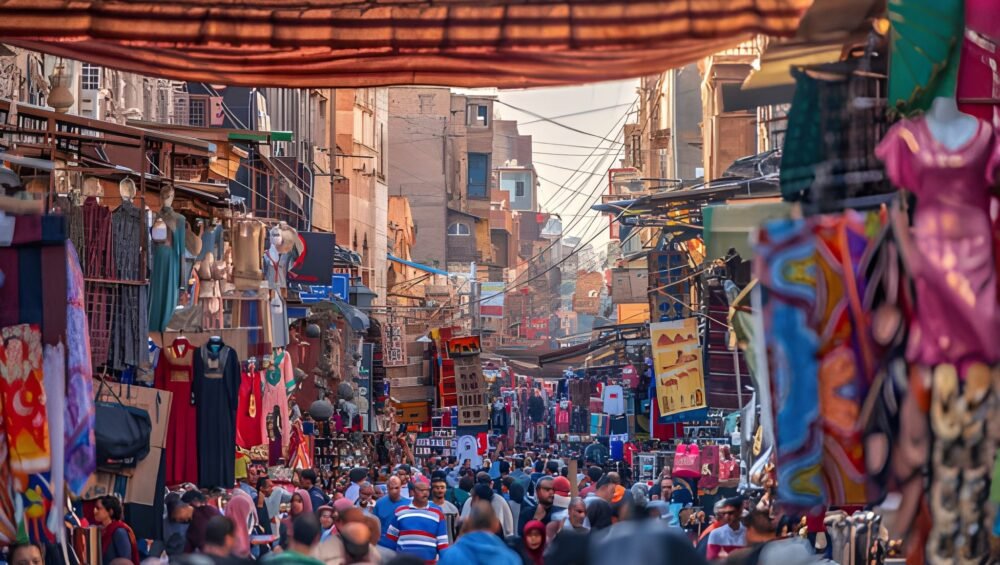
Modern Egyptians embrace these customs with the same zeal their ancestors had for rituals by the Nile. Families feast together, cities light up, and villages erupt in song and dance. Even for travelers exploring through Egypt vacation packages, witnessing these festivities offers more than entertainment—it’s an immersion into Egypt’s soul. From Cairo’s bustling streets to Luxor’s serene temples, holidays in Egypt reveal a living history that unites people through warmth, faith, and tradition.
Understanding Egypt’s holidays is essential for anyone seeking to experience the country beyond its pyramids and monuments. It’s about feeling the pulse of a society where past and present merge gracefully. Let’s uncover these fascinating Egypt holidays and traditions that shape the spirit of one of the world’s oldest civilizations.
Islamic Celebrations That Shape Egypt’s Social Life
Ramadan: The Month of Faith and Community
Ramadan, the holiest month for Muslims, transforms Egyptian life from sunrise to sunset. It’s a time of fasting, reflection, and generosity. Streets brim with lanterns called ‘fanoos,’ symbolizing joy and unity. As dusk falls, families gather to break their fast with dates, soup, and hearty dishes like mahshi and koshari. The rhythms of Islamic Cairo change dramatically—markets open late, mosques echo with evening prayers, and everywhere, laughter fills the air.
Beyond the religious significance, Ramadan strengthens community ties. Egyptians share meals with neighbors and donate food to those in need, reflecting the spiritual message of compassion. For visitors on Luxury Egypt Tours, attending an iftar feast beneath Cairo’s glowing lights is an unforgettable experience—one that captures the soul of Egyptian generosity.
Eid Al-Fitr: The Feast of Joy and Renewal
After a month of fasting, Eid Al-Fitr bursts forth in celebration. Streets are polished, new clothes are worn, and children eagerly await festive treats. Egyptians attend morning prayers, exchange greetings, and visit relatives with boxes of kahk, traditional sweet cookies filled with nuts or dates. The energy in cities like Alexandria and Aswan is infectious, as laughter flows through every alley and park.
Travelers exploring the Nile during this holiday, especially aboard a serene Nile Premium Cruise, can witness how ancient hospitality blends seamlessly with modern festivity. It’s a time when Egyptians reaffirm bonds, renew faith, and savor a sense of belonging rooted deeply in their cultural DNA.
Eid Al-Adha: The Festival of Sacrifice
Eid Al-Adha, marking the culmination of the Hajj pilgrimage, commemorates Abraham’s devotion to God. The celebration involves prayers, feasting, and acts of charity. Families prepare special dishes from the sacrificial meat, often sharing portions with the less fortunate. In Cairo’s neighborhoods or Nile Delta villages, the aroma of grilled lamb fills the air while children play joyfully in their fresh outfits. The spiritual meaning—obedience, faith, and gratitude—echoes profoundly across generations, reinforcing Egypt’s time-honored unity.
Coptic Christian Holidays in Egypt
Coptic Christmas: A Season of Light and Faith
Egypt’s Coptic Orthodox community celebrates Christmas on January 7th, following the Julian calendar. Churches glow with candles as families gather for midnight mass. The following day, tables overflow with dishes after a 43-day vegan fast known as the Holy Nativity Fast. Dishes like lentil soup, falafel, and kushari dominate the festive spread. For tourists, attending mass at the Hanging Church or exploring Coptic Cairo reveals Egypt’s Christian heritage, one of the oldest in the world.
Egyptians, regardless of religion, respect each other’s holidays—a trait that reinforces Egypt’s cultural harmony. In recent years, both Muslims and Christians exchange greetings and share sweets, adding more warmth to this meaningful celebration. Many travelers plan Egypt Christmas Tours during this period to bask in the peaceful yet festive ambiance.
Easter and Sham El Nessim: The Joy of Spring
While Easter marks the resurrection for Christians, Egyptians from all walks of life eagerly anticipate the following day—Sham El Nessim. This ancient holiday, dating back thousands of years, celebrates spring and renewal. Families picnic in parks, sailboats float on the Nile, and kites adorn Cairo’s skies. Traditional foods like feseekh (salted fish) and green onions symbolize life and fertility. The word “Sham El Nessim” literally means “sniffing the breeze,” an invitation to relish nature’s freshness.
For a deeper dive into Egypt’s ancient roots, visiting the Nile River during this season offers travelers an enchanting blend of past and present—where natural beauty meets cultural vitality.
National Holidays Reflecting the Egyptian Spirit
Revolution Day: Pride and Patriotism
July 23 marks the anniversary of the 1952 Revolution, a turning point that shaped modern Egypt. Across the nation, parades, concerts, and fireworks pay tribute to national heroes. The streets buzz with pride as flags flutter along the Corniche. Whether in Alexandria, with views of the Citadel of Qaitbay, or in Tahrir Square, Egyptians unite to celebrate their freedom and shared identity.
Sinai Liberation Day
Every April 25, Egyptians commemorate the recovery of Sinai Peninsula—a symbol of resilience and independence. Coastal towns and resorts come alive with festivities, making it an ideal time to explore the scenic Red Sea region. Travelers might join Sharm El Sheikh day tours or visit the sacred Mount Sinai to appreciate both history and breathtaking landscapes tied to Egypt’s story of perseverance.
Traditional Egyptian Customs That Endure Through Time
Weddings: Music, Dance, and Tradition
Egyptian weddings burst with joy, symbolism, and song. Ceremonies combine age-old customs with modern flair—Zeffa processions featuring drums, dancers, and lights announce the couple’s entrance. Guests celebrate with folk music, belly dancing, and feasts lasting hours. The event exemplifies Egyptian hospitality, where even strangers are welcomed like family. In Upper Egypt, traditions such as henna nights add regional charm, reflecting how diverse Egyptian culture remains across provinces.
Birth and Family Traditions
New births are celebrated through ‘Sebou,’ a seven-day ceremony filled with blessings, music, and joyful noise. It’s believed to bring good luck for the newborn. Family plays a vital role in Egyptian society—multi-generational households remain common, ensuring that customs and values pass naturally from elders to youth. The tight family structure underpins much of Egypt’s social strength, visible in daily life and joyous gatherings.
Egyptian Food Traditions
Food forms the heart of most celebrations. Dishes symbolize generosity and heritage, with recipes passed down for centuries. During Ramadan, sweet treats like qatayef and basbousa dominate dessert tables, while feasts during weddings or Eid feature lamb, molokhia, and stuffed pigeons. Exploring Egyptian cuisine through traditional dishes in Egypt uncovers layers of influences—from ancient agriculture to Mediterranean flavors—that make every bite a tribute to its history.
Ancient Roots of Egyptian Festivals
Harvest and Nile Festivals
Long before modern religions, ancient Egyptians worshipped nature’s cycles. The Nile was celebrated annually in the Wafaa El Nil festival, honoring the river’s life-giving floods. Villages offered flowers and food to thank the gods for abundance. Echoes of these festivals remain alive today—citizens still mark Nile Day every August, appreciating the water that sustains their land. Travelers on a Best Nile River Cruise can witness how deep this reverence runs, as locals sing folk songs and share stories along the banks.
Ancient New Year: The Egyptian Wepet Renpet
The ancient Egyptian New Year, ‘Wepet Renpet’ or “Opening of the Year,” was tied to the flooding of the Nile. It symbolized renewal, prosperity, and connection with divine forces. Modern Sham El Nessim is thought to descend from this timeless celebration, illustrating how Egypt seamlessly merges ancient meaning with modern joy. This continuity between eras crowns Egypt as a guardian of living heritage.
Modern Blending of Tradition and Tourism
Experiencing Holidays on the Nile and Beyond
As Egypt welcomes millions seeking culture and adventure, authentic experiences remain abundant. Guests on the 4-Day Nile Cruise from Aswan to Luxor or enjoying Egypt Family Tours often find themselves amid local celebrations—watching folk dances, tasting holiday sweets, or joining evening festivities. This coexistence of tourism and tradition strengthens Egypt’s standing as a land where hospitality and heritage walk hand in hand.
Festivals and Cultural Tourism
From the Abu Simbel Sun Festival to the Luxor African Film Festival, Egypt’s event calendar keeps culture alive every season. These gatherings attract locals and foreigners alike, creating dialogue between art, history, and modern creativity. Visiting Luxor Temple during a festival night lights up ancient columns in hues of gold and crimson, blending mystery and modern celebration effortlessly.
FAQs About Egypt Holidays and Traditions
What are the main holidays celebrated in Egypt?
Egypt celebrates Islamic holidays like Ramadan, Eid Al-Fitr, and Eid Al-Adha; Coptic festivals such as Christmas and Easter; and national observances including Revolution Day and Sinai Liberation Day. Each blends faith, family, and festivity in distinctive Egyptian style.
How do Egyptians celebrate Sham El Nessim?
Sham El Nessim marks the arrival of spring. Families head outdoors for picnics along the Nile or in parks, enjoying feseekh, onions, and colored eggs. It’s an ancient tradition symbolizing renewal, connecting modern Egyptians to their Pharaonic ancestors.
What makes Egyptian Christmas unique?
Coptic Christmas, observed on January 7th, combines solemn midnight masses with family feasts following a long fasting period. The celebration reflects deep spirituality and unity among Egypt’s communities, enhanced by shared goodwill across faiths.
Which traditional foods are common during Egyptian holidays?
Holiday tables feature iconic foods like kahk cookies, molokhia, roast lamb, lentil soup, and qatayef sweets. These dishes represent hospitality and cultural identity, echoing culinary traditions that trace back thousands of years.
Can tourists participate in Egyptian holiday celebrations?
Absolutely! Visitors are often welcomed to join street festivities, religious events, and public gatherings. Experiencing these moments through Cindrella Egypt Travel tours provides an authentic glimpse into Egypt’s living heartbeat—one rooted in hospitality and shared joy.