Education In Ancient Egypt

Education in Ancient Egypt: The Foundation of Knowledge, Culture, and Civilization

Education in Ancient Egypt formed the backbone of one of the most sophisticated civilizations in human history. The Egyptians valued learning as the key to both individual advancement and social harmony. Their system of education, primarily designed for scribes, priests, and administrators, established a strong foundation for literacy, mathematics, and administration that would influence neighboring cultures for millennia. Unlike modern education, which emphasizes equal access, the ancient Egyptian education system was deeply tied to social class and religion. Yet, its legacy of organized learning, written language, and specialized schools remains a testament to Egypt’s intellectual achievements.

Education wasn’t only about reading and writing—it was a means to sustain the divine order, or *Ma’at*, that guided every aspect of Egyptian life. Boys from noble or wealthy families trained to become scribes, while others learned crafts, agriculture, or military skills. The priesthood functioned as the intellectual elite, ensuring that spiritual, scientific, and practical knowledge was preserved. In temples and palaces, scrolls, papyri, and inscriptions served as textbooks, chronicling administrative procedures and moral teachings. The discipline was intense, yet rewarding; literacy was the gateway to power, prestige, and a comfortable life.

Understanding education in Ancient Egypt opens a window into how this ancient society maintained stability for thousands of years. In this article, we’ll explore the structure, methods, subjects, and societal impacts of the Egyptian educational system. Travelers visiting modern Egypt can still see its echoes in monuments, temples, and museums—from the mesmerizing Luxor Temple inscriptions to the relics preserved in the National Museum of Egyptian Civilization. Education, quite literally, built Egypt.

The Origins and Purpose of Education in Ancient Egypt

The origins of education in Ancient Egypt were deeply intertwined with religion and governance. As one of the earliest centralized states, Egypt needed a reliable bureaucracy to manage agriculture, taxation, and royal decrees. Education thus served as the primary tool for producing capable scribes and priests, who ensured the smooth functioning of the state.

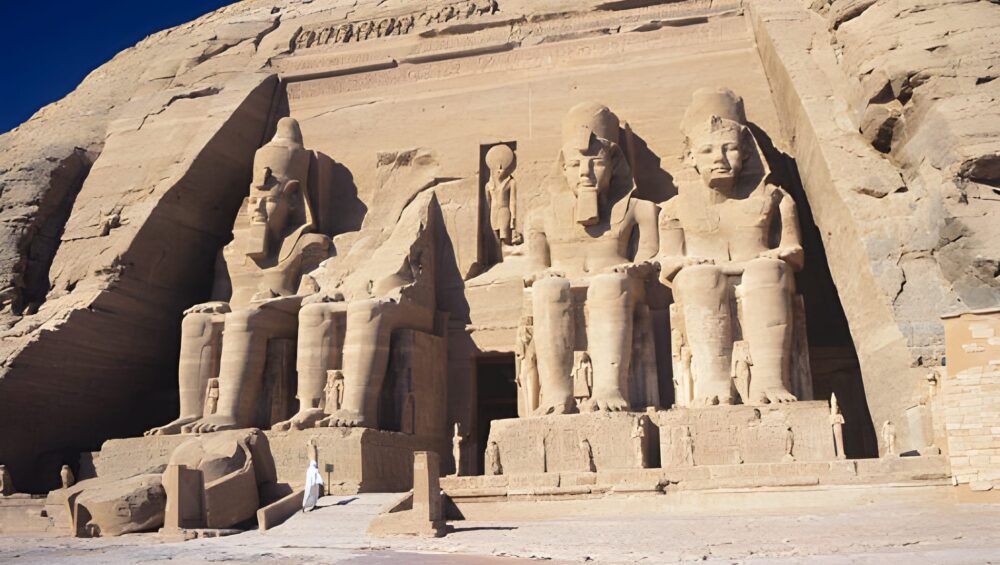
Temples acted as the first schools—centers of religious learning, rituals, and the preservation of divine knowledge. The temple schools, often attached to monumental sites like Temple of Hatshepsut, nurtured students who memorized hymns, liturgies, and ethical codes. The pharaoh, revered as both ruler and deity, entrusted priests with maintaining spiritual order through education. The curriculum had both practical and moral objectives: to create skilled civil servants and virtuous citizens aware of their duties to gods and society.

Social Stratification and Educational Access

Education in Ancient Egypt wasn’t universally accessible. It largely catered to males from the upper and middle classes. The sons of nobles, officials, and temple workers had the best opportunity to attend schools. Commoners learned informally through apprenticeships, passing vocational skills like carpentry, pottery, or farming from father to son. Women’s education, while limited, wasn’t entirely absent. Elite women like Famous Egyptian Queens were sometimes well-educated, trained in reading hieroglyphs and managing estates.

Social mobility through education, though rare, was possible. Talented boys could rise from humble origins to become scribes, a profession synonymous with prestige and comfort. It’s often said that “the pen was mightier than the hoe” in Egypt—a phrase reflecting the desirability of white-collar life over manual labor.

The Scribe Schools: Core of Ancient Egyptian Learning

The cornerstone of education in Ancient Egypt was the scribal school. Known as the “House of Life”, these institutions doubled as libraries and schools. Located within temples or palaces, they housed records, medical texts, and literary works.

Becoming a scribe required immense discipline. Students practiced writing on ostraca—pieces of limestone—or papyrus using reed brushes. The Egyptian writing system, a combination of hieroglyphics, hieratic, and later demotic scripts, was complex but elegant. Scribes mastered thousands of symbols, developing beautiful calligraphy that adorned everything from royal decrees to tomb walls like those of the Valley of the Queens.

Scribes studied not only writing but also mathematics, geometry, and accounting—skills essential for managing tax records, land division, and temple inventories. Mastery of numbers allowed Egyptian engineers to build architectural marvels such as the pyramids explored in the Why Did the Egyptians Build Pyramids article. Thus, education shaped every dimension of Egyptian civilization, linking intellect to divinity and practicality.

Curriculum and Teaching Methods

Teaching in Ancient Egypt relied heavily on repetition and memorization. Lessons began early in the morning, often accompanied by strict discipline. Students copied proverbs, wisdom texts, and moral instructions onto tablets until perfection. The ‘Instructions of Ptahhotep’ and ‘Maxims of Ani’ were among the most widely used texts, emphasizing honesty, respect, and social responsibility.

Mathematics formed a core part of the curriculum, covering arithmetic, geometry, measurement, and fractions—necessary for land surveying after the Nile’s floods. Astronomy, another integral discipline, helped priests predict the flooding of the Nile, critical for agriculture and calendar making. Those interested in exploring how this connection between the cosmos and agriculture persisted may enjoy a visit to Temple of Seti I, whose celestial ceilings capture Egypt’s fascination with stars.

Discipline and Rewards in Ancient Egyptian Schools

Egyptian schools were strict, with students expected to show unwavering obedience and endurance. Teachers, often priests or senior scribes, weren’t reluctant to use the rod. Ancient inscriptions even state, “The ear of a boy is on his back; he listens when he is beaten.” Despite the harsh environment, education was seen as a privilege, and success as a scribe promised lifelong comfort, respect, and stability.

Priestly Education: The Keepers of Sacred Knowledge

Priestly education represented the pinnacle of intellectual training in Ancient Egypt. Priests studied not only theology but also medicine, astronomy, and architecture. Temples like Temple of Philae and Kom Ombo Temple functioned as spiritual universities. Sacred writings taught rituals, healing chants, and the interpretation of divine will.

Medical papyri such as the Ebers Papyrus illustrate their deep understanding of anatomy, herbal remedies, and surgical practices. Mathematics, essential for temple construction, blended with religious symbolism, demonstrating how education shaped Egypt’s temples, pyramids, and calendar systems.

Women in Education and Intellectual Life

Although patriarchal, Egyptian society occasionally granted women intellectual opportunities. Priestesses served in temples of goddesses like Hathor and Isis, receiving religious and administrative training. Queens such as Nefertari and Hatshepsut were well-versed in ceremonial literacy, evident in inscriptions at their temples and tombs, including the grand Abydos Temple.

Impact of Education on Society and Civilization

Education in Ancient Egypt created a stable, organized society. Knowledge trained administrators, architects, and astronomers who kept the state functioning efficiently. It encouraged respect for order, justice, and divine harmony. Scribes recorded laws, agricultural data, and religious rituals, ensuring continuity across generations.

The intellectual elite’s dominance shaped Egypt’s bureaucratic legacy, influencing administrative systems throughout Africa and the Mediterranean. Even Greek philosophers later admired Egyptian pedagogy; it was said that Pythagoras and Plato drew wisdom from Egyptian priests. Travelers exploring today’s Egyptian wonders like the Luxor Museum or Papyrus Museum can still glimpse the educational finesse behind these timeless achievements.

Education’s Role in Art, Literature, and Architecture

The artistic brilliance of hieroglyphics, temple reliefs, and monumental inscriptions reflects the scholastic rigor of Egypt’s education system. Literary compositions, from religious hymns to stories like “The Tale of Sinuhe,” were products of a literate elite that valued eloquence and aesthetics.

Even architecture mirrored educational prowess. The geometric symmetry of the Sakkara Necropolis or the precise alignment of temples demonstrate mastery of engineering, born from education steeped in mathematics and astronomy.

Decline and Transformation of Ancient Egyptian Education

As dynasties rose and fell, the educational system evolved. During the Late Period and under Greco-Roman influence, Greek became the scholarly language. The fusion of Egyptian and Hellenistic knowledge produced remarkable advances in science and medicine, cementing Alexandria’s reputation as the world’s intellectual hub.

However, with the decline of temple authority under Roman rule, traditional priestly education faded. Yet, its influence persisted, shaping the intellectual traditions of subsequent civilizations and leaving behind libraries, scrolls, and monumental inscriptions as eternal lessons.

Frequently Asked Questions About Education in Ancient Egypt

What subjects were taught in Ancient Egyptian schools?

Students studied reading, writing, mathematics, religion, and morals. Scribes mastered hieroglyphs and accounts, while priests delved into medicine, astronomy, and theology. The combination of practical and spiritual subjects made education essential to Egyptian administration and culture.

Who could receive an education in Ancient Egypt?

Mostly boys from wealthy or noble families received formal education. Girls were usually taught domestic and management skills at home, but some prominent women—especially priestesses and royals—accessed advanced learning.

What were the tools used by students?

Students wrote on wooden boards, ostraca, or papyrus scrolls using reed brushes dipped in ink. These tools helped develop precision, an art still admired in artifacts displayed at museums like the Grand Egyptian Museum.

Why was education so important in Ancient Egypt?

Education ensured social order, government efficiency, and religious continuity. It trained scribes to manage economic and legal records, preserving harmony in a civilization guided by the principle of Ma’at.

How did Ancient Egyptian education influence later civilizations?

The Egyptian model of literacy, record-keeping, and temple-based learning influenced Greek, Roman, and early Christian educational systems. Its legacy endures in how societies value written language and formal schooling.

Conclusion: The Everlasting Legacy of Education in Ancient Egypt

Education in Ancient Egypt was far more than a practical necessity—it was the soul of a civilization. Through disciplined schooling, moral philosophy, and scientific precision, Egyptians built a society that valued intellect as divine. From temple classrooms to royal libraries, they turned knowledge into power, shaping an empire that inspired the ancient and modern world alike. Visitors planning a learning-focused tour can trace this heritage by taking Luxury Egypt Tours or exploring the wonders of the Nile aboard the Luxury Dahabiya Nile Cruise. Truly, education laid the bedrock upon which the eternal glory of Ancient Egypt was carved in stone and spirit.
Egyptian God Of Music

The Harmonious Divinity: Exploring the Egyptian God of Music and His Sacred Symphony

In the heart of ancient Egypt, where the rhythm of the Nile dictated the pulse of life, music was more than mere sound—it was divine expression. Among Egypt’s pantheon of gods, one deity stood out as the embodiment of melody, rhythm, and harmony: Ihy, the Egyptian God of Music. Often depicted as a youthful, radiant god playing a sistrum, Ihy bridged the mortal and divine worlds through sound, joy, and celebration. His name itself means ‘Sistrum Player’, representing not only the music’s sound but the sacred connection it created between people and gods. Ancient Egyptians didn’t just make music—they worshiped it. For them, sound was creation, vibration was power, and music was the pure language of gods. Ihy, son of Hathor—the goddess of love, dance, and beauty—and sometimes Horus or Ra, personified ecstatic sound that linked heaven and earth. Through the ages, the Egyptian God of Music remained a symbol of vitality, festivity, and divine communication that inspired temples, rituals, and artistic expression across the kingdom.

His cult thrived in Dendera, where his mother, Hathor, was venerated. Together, they formed a divine musical duet, orchestrating cosmic balance. The ancient hymns that honored Ihy reverberated through temple walls, affirming the power of music to awaken the gods, purify the soul, and maintain Ma’at—the law of universal harmony. Even today, Ihy’s story fascinates scholars and travelers exploring sites like the Dendera Temple Complex and the Temple of Hathor, where vivid inscriptions immortalize his youthful joy and divine performance. From sacred processions to royal festivities, Ihy’s influence pulsed through ancient Egyptian life, making him not just a god of music but a keeper of life’s spiritual rhythm.

Ihy: The Child of Joy and Divine Harmony

Ihy personified ecstatic musical energy, encapsulating joy, youth, and divine artistry. Represented as a child with a sidelock of youth and often holding a sistrum or menat necklace, his image was vibrant, tender, and filled with the promise of renewal. Ancient Egyptians saw the sistrum—a ritual instrument associated with Hathor—as a magical conduit capable of pleasing gods and warding off evil spirits. Ihy’s melodies summoned divine presence, transforming temples into spiritual orchestras where the universe and humans sang in one accord. His connection to his mother positioned him as the living rhythm of her joy, spreading life, fertility, and harmony to all creation. In festivals celebrating Hathor, such as those at Dendera, Ihy’s music echoed across processional routes, turning devotion into dance and prayer into song. Visitors to Egypt who experience modern cultural echoes of such ceremonies, like the Sound and Light Show at Karnak Temples, often feel the ancient rhythm still alive in Egypt’s soul.

The Divine Lineage: Ihy’s Sacred Parentage and Meaning

Ihy’s origin rests between heaven and earth. His mother, Hathor, symbolized love, fertility, dance, and motherhood, while his father—variously Horus, Ra, or another aspect of the solar god—represented divine authority and light. This celestial heritage made Ihy the offspring of cosmic balance, blending joy and order into perfect harmony. Temples inscribed with his titles refer to him as “He Who Satisfies with His Music” or “He Who Fills the Sanctuary with Joy.” His childhood eternalized innocence and creation’s beginnings, reminding Egyptians that divine joy started with sound—the sacred vibration that brought the world to life. The people of Egypt, from priests to commoners, saw Ihy as both god and muse, inspiring them to sing, play instruments, and celebrate life’s rhythm daily.

Symbolism of the Sistrum in Ihy’s Worship

The sistrum, Ihy’s signature instrument, held deep ritual significance. A rattle-like device made of bronze or precious metal, it emitted delicate jingles symbolizing the laughter of Hathor and the awakening of gods. The sistrum’s gentle shake was believed to rejuvenate Ra’s sun each day and guard the world against chaos. Priestesses played it during festivals, particularly in honor of Hathor and Ihy. Modern travelers exploring Egypt’s cultural heritage often encounter ancient depictions of these instruments in wall carvings at temples such as Abydos Temple or the Luxor Temple, each echoing millennia-old celebrations. The sistrum thus became the divine baton through which Ihy conducted the eternal song of existence.

Music in Ancient Egyptian Religion: The Voice of the Gods

For ancient Egyptians, music wasn’t entertainment—it was sacred communication. They believed divine vibration shaped creation itself, echoing the first sound uttered by the gods at the dawn of time. Priests and priestesses used chants and rhythmic instruments to invoke deities, cleanse spaces, and align with Ma’at. In such rituals, Ihy was ever-present, guiding the tones between heaven and humanity. Musical ceremonies took place in majestic locations like Temple of Philae or Kom Ombo Temple, where sacred hymns filled the stone chambers. His music wasn’t confined to temples—it accompanied life and death, birth and burial, representing life’s perpetual rhythm. Even funerary texts suggest that harmonious sound eased the departed soul’s journey through the Duat, reflecting Ihy’s role as divine mediator between worlds.

The Temple of Hathor at Dendera: Shrine of the Musical Child

The Dendera Temple of Hathor serves as the beating heart of Ihy worship. Within its sanctified walls, reliefs portray the young god performing for his celestial mother during jubilant festivals. Ritual musicians, dancers, and priests recreated these divine moments annually, bringing the sacred joy to earthly celebration. Visitors who explore Dendera through immersive trips such as a 4-Day Cairo and Luxor Tour Package can still witness the artistry and acoustics of temples designed for divine music. Ihy’s festival honored rebirth, agricultural abundance, and the unbroken bond between humanity and its gods. In every carved wall and inscribed hymn, one can almost hear the echoes of his joyous performance.

The Spiritual Science of Sound: Music as Magic in Egypt

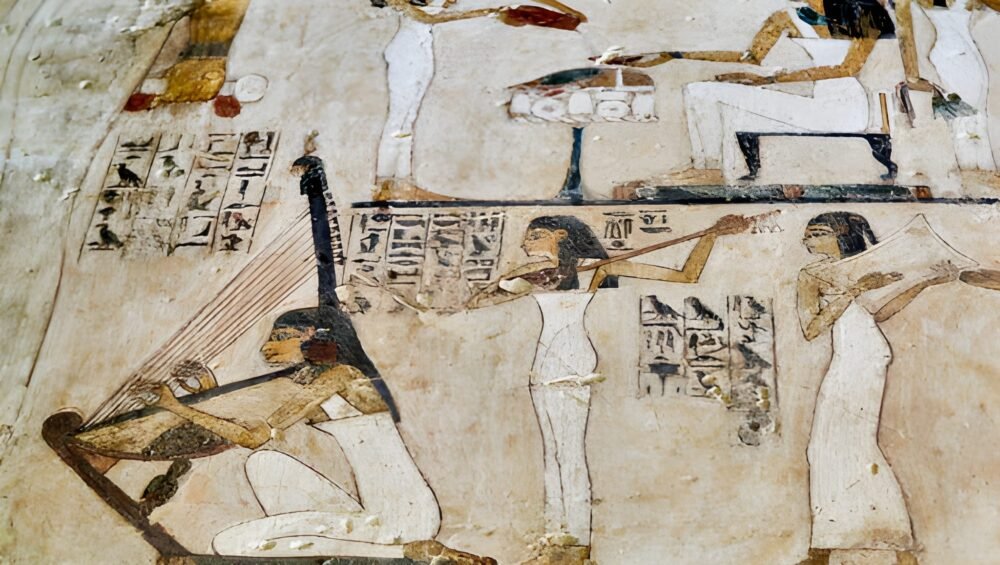
To the ancient Egyptians, music had magical power. They believed specific scales and rhythms could heal, attract blessings, and even open portals between life and death. Ihy’s melodies embodied this magical harmony. Hieroglyphs describe him leading celestial choirs, guiding the vibrations that maintained cosmic balance. Musicologists and Egyptologists now understand that such sound rituals mirrored the cyclic nature of existence. From sacred harps to the rhythmic clapping of festivals, every sound paid homage to Ihy’s divine coordination. Contemporary performances in cultural festivals across Egypt still resonate with these origins, blending ancient vibration into modern expression, much like the rhythmic flow of the Nile River.

Ihy’s Role in Egyptian Rituals and Festivals

Throughout Egypt’s long history, Ihy’s influence in ceremonies was unmistakable. His joyful aura was invoked during temple rites, harvest celebrations, coronations, and fertility rituals. His energy brought warmth to Hathor’s motherhood ceremonies and music to Osiris’s rebirth festivals. He symbolized unity—melody transforming chaos into divine order. Ancient scripts depict priests calling upon Ihy to ‘radiate sound into silence’, a metaphor for life emerging from void. His ceremonies weren’t limited to elite gatherings; even villagers celebrating local deities mimicked his musical offerings with drums, lyres, and flutes. Festivals such as the “Beautiful Festival of the Valley” in Thebes vibrated with his spirit, where songs and chants echoed from temple to tomb. On some Luxor Day Tours, travelers can still walk the paths where such divine orchestration once unfolded, imagining the air thick with song and incense.

The Child-God’s Cultural Impact on Egyptian Society

Ihy reminded Egyptians of the sanctity of youth, laughter, and artistic freedom. His worship encouraged creativity, transforming daily life into a rhythmic dance of gratitude. Music teachers, artisans, and performers looked to Ihy for inspiration, seeking divine favor for their craft. His myth also influenced the structure of musical education in temple schools, where rhythm and devotion intertwined. The presence of his symbols across Nubia and Upper Egypt reveals how his cult unified musical heritage throughout the land. Modern explorers visiting areas like Aswan City or Luxor City discover that his legacy still permeates Egyptian folk traditions, from Nubian drum patterns to temple chants passed through generations.

The Eternal Melody: Ihy’s Modern Relevance

In modern spiritual and musical circles, the Egyptian God of Music remains a figure of inspiration. Many artists see Ihy as a muse of creativity, embodying the idea that true art connects souls. Musicians and historians studying Egypt’s heritage often visit heritage tours like the Nour El Nil Dahabeya cruise, which drifts past temples where his songs first resonated. Ihy teaches that sound isn’t just an artistic tool—it’s a spiritual calling. The vibrational frequencies linked with him represent renewal, awakening, and joyous transformation, themes that still move audiences worldwide. Through his myth, we understand that every note carries a piece of the divine, every song echoes eternity, and every silence contains potential music.

Exploring Temples Devoted to Ihy and Hathor

Traveling through Egypt’s archaeological heartland reveals countless testaments to the Egyptian God of Music. The Dendera Temple Complex in Upper Egypt is Ihy’s spiritual home, adorned with celestial ceilings and engraved instruments. Pilgrims once journeyed by boat along the Nile to join in musical festivals, a tradition beautifully mirrored in present-day experiences like the Steigenberger Minerva Nile Cruise. Temples such as Edfu Temple and Abu Simbel Temples also carry symbols of Hathor and Ihy’s musical essence, linking sound to divine creation. These monumental shrines acted both as houses of gods and living theaters for the music that celebrated them. Standing within these sacred halls, visitors often imagine priests shaking sistra in rhythmic devotion, invoking Ihy’s name as harmonies reverberated through stone.

Rediscovering the Spirit of Ihy Through Modern Egypt Experiences

Today’s explorers can trace Ihy’s melodic legacy across Egypt’s landscapes. Participating in cultural performances, Nile cruises, or traditional music shows transports travelers back to an age when every note was sacred. Near Luxor and Aswan, experiences such as a Felucca Ride on the Nile in Aswan or a Best Nile River Cruise reflect the tranquil flow of Egypt’s musical spirit. Watching the sunset as boatmen hum ancient tunes feels like reconnecting with Ihy’s divine orchestra. It’s in these timeless moments that his message resurfaces—that music, nature, and the soul are eternally intertwined.

Frequently Asked Questions about the Egyptian God of Music

Who is the Egyptian God of Music?

The Egyptian God of Music is Ihy, a joyful child deity associated with musical harmony, dance, and celebration. He’s the son of Hathor, goddess of love and beauty, and often depicted playing a sistrum, symbolizing his power to delight gods and humans alike.

What instrument is Ihy most often associated with?

Ihy is linked with the sistrum, a sacred percussion instrument used in rituals to honor Hathor and invoke divine presence. Its jingling sound represented the laughter and joy that sustained the universe’s balance.

Where was Ihy primarily worshipped in ancient Egypt?

King Tutankhamun’s Mask

The Timeless Splendor of King Tutankhamun’s Mask: Egypt’s Golden Enigma

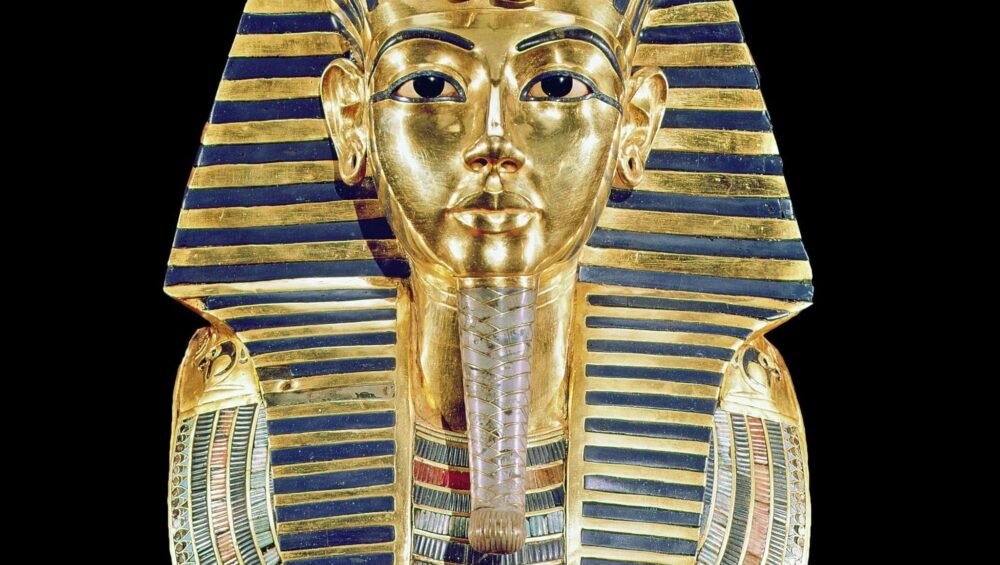
King Tutankhamun’s Mask stands as perhaps the most recognizable symbol of ancient Egypt—a stunning masterpiece crafted in gold and inlaid with precious stones that reveals the incredible artistry of an empire devoted to its deities and kings. This funerary mask, unearthed in 1922 by archaeologist Howard Carter in the young pharaoh’s nearly intact tomb, encapsulates more than just the visage of a boy king. It represents divine authority, eternal life, and the culmination of Egyptian art and craftsmanship at its zenith.

The mask of Tutankhamun is not simply an artifact but a profound cultural emblem that reflects the beliefs, aesthetics, and spiritual grandeur of the New Kingdom’s 18th Dynasty. Measuring about 54 centimeters in height and weighing nearly 11 kilograms of solid gold, it continues to mesmerize historians, art enthusiasts, and travelers visiting the Grand Egyptian Museum. The gleaming silhouette of Tutankhamun’s serene face is a window into an ancient world obsessed with eternity, transformation, and cosmic balance.

Through this masterpiece, one can glimpse the very essence of Egyptian civilization’s devotion to its gods, the meticulous care of mummification, and the artistry preserved within every golden contour. For those enchanted by ancient mysteries, standing before King Tutankhamun’s Mask is not merely looking at gold—it’s witnessing the face of history itself.

The Discovery of Tutankhamun’s Tomb and Its Priceless Mask

The discovery of Tutankhamun’s tomb in the Valley of the Kings in 1922 remains one of archaeology’s most exhilarating triumphs. Resting untouched for over three thousand years, the tomb of the young pharaoh was laden with treasures—each telling a story of power, piety, and an unyielding quest for immortality. Among these treasures, none caught the world’s imagination quite like his funerary mask. Found draped over the linen-wrapped mummy, it immediately became the crown jewel of the modern fascination with ancient Egypt.

Howard Carter’s find sparked a global sensation, transforming the boy king into a timeless icon. Tourists who later travel on Cairo and Nile Cruise tours often retrace the steps of discovery through museums displaying replicas of the mask, while the original resides under tight security in Egypt. The expression of the mask—gentle yet godlike—embodies the pharaoh’s transformation from mortal ruler to eternal deity, fulfilling the Egyptian concept of rebirth in the afterlife.

Craftsmanship and Symbolism Behind King Tutankhamun’s Mask

Constructed primarily from solid gold sheets, Tutankhamun’s Mask displays unmatched precision in design. The artisans of the 18th Dynasty mastered metallurgy and lapidary techniques that even modern craftsmen find astonishing. Embedded with lapis lazuli, turquoise, obsidian, and carnelian, the mask’s intricate details create a dazzling interplay of color and light symbolizing divine radiance and protection.

The golden visage of Tutankhamun represents the skin of the gods—specifically associated with the sun god Ra. The inlaid stripes of blue glass and semi-precious stones on the headdress portray the sacred nemes worn by pharaohs. Across his brow glisten the emblems of Wadjet, the cobra goddess, and Nekhbet, the vulture goddess—both symbols of protection over Upper and Lower Egypt. The mask perfectly marries divine symbolism with royal iconography, affirming the pharaoh’s exalted role as intermediary between gods and men.

Visitors interested in exploring Egyptian craftsmanship often combine museum visits with excursions such as Cairo Day Tours to experience where ancient artisans left behind astounding works carved in stone and gold.

Artistry and Engineering: A Testament to Ancient Skill

Every millimeter of the mask highlights a civilization far ahead of its time. The eyes, made from quartz and obsidian, give an uncanny sense of realism, while the combination of soft curves and strong symmetry showcases a harmony that Egyptologists call ‘sacred proportion’. Beneath the surface, microscopic analysis reveals forged joints so precise that modern tools can barely identify the seams.

Even more intriguing is the survival of delicate materials—pigments mixed with organic binders, turquoise mosaics, and precious copper details—that have endured millennia. To truly appreciate such detail, travelers on Luxor Day Tours often explore workshops that recreate similar ancient techniques, seeing firsthand how the legacy of ancient Egypt’s perfection in gold and stone still thrives today.

The Divine and Spiritual Significance of the Mask

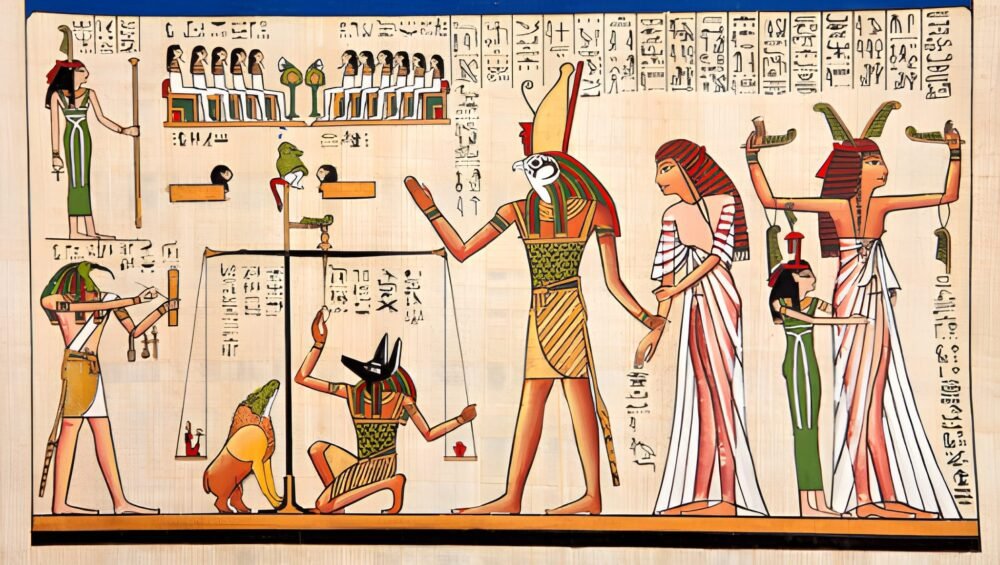
King Tutankhamun’s Mask wasn’t designed merely as ornamentation—it was a divine instrument safeguarding his spirit in the afterlife. Ancient Egyptians believed that after death, a soul would journey through the underworld and be judged by Osiris. The mask served as a spiritual shield during this passage, ensuring the pharaoh’s identity remained intact. Its inscriptions contain spells from the Book of the Dead, invoking protection and eternal life.

One spell carved delicately on the mask’s shoulders reads as a magical safeguard guiding the pharaoh’s spirit through the Duat—the mysterious underworld. This connection between religion, art, and science makes Tutankhamun’s Mask one of the most profound religious artifacts of the ancient world. Those exploring the mystique of the afterlife can complement their journey with historical stops such as the Valley of the Queens or the sacred temples dedicated to Osiris and Isis along the Nile.

Cultural Symbol and Modern Legacy

In the modern era, King Tutankhamun’s Mask has transcended archaeology—it has become a global cultural icon. The mask adorns exhibitions, documentary covers, and academic research, standing for the revival of Egyptomania that swept the 20th century. Artists, designers, and historians alike continue to draw inspiration from its timeless beauty.

Travelers taking Best Nile River Cruises often find themselves gazing upon Egypt’s ancient wonders reconnecting with this boy king’s story. The mask’s gaze—both haunting and tranquil—reflects a lost era where art, belief, and royalty coexisted in divine symmetry.

Where To See King Tutankhamun’s Mask Today

The original mask currently resides in Cairo, housed within the dazzling halls of the Egyptian Museum—soon to be permanently displayed at the National Museum of Egyptian Civilization or the Grand Egyptian Museum. Each institution preserves Egypt’s treasures with remarkable care, inviting visitors to witness the resplendence of pharaonic artistry firsthand.

Tourists eager to include the exhibit in their itineraries can select from luxurious travel packages such as the 11 Days Luxury Egypt Tour Package or a shorter yet equally immersive 5 Day Cairo and Luxor Tour, merging cultural enlightenment with world-class relaxation. These curated journeys allow enthusiasts to step closer to ancient brilliance while exploring Luxor Temple, the resting sites of kings, and the artistic achievements of their craftsmen.

Conservation and Controversy

Over time, conservation efforts on Tutankhamun’s Mask have sparked debates within the archaeological community. A 2014 incident involving improper restoration raised concerns about preservation techniques and ethical museum practices. Nevertheless, modern conservation teams have since used advanced imaging and non-invasive methods to protect this irreplaceable masterpiece.

Efforts to maintain Egypt’s most valued relic symbolize the balance between cultural heritage and scientific preservation—ensuring that future generations can stand face to face with the pharaoh who inspired an enduring fascination.

The Enduring Allure of King Tutankhamun’s Mask

Every glint from the polished gold reminds onlookers of the young pharaoh’s eternal story. King Tutankhamun’s Mask isn’t simply a vestige of death—it’s a proclamation of immortality. Its delicate craftsmanship, symbolic layering, and divine aura make it one of the most captivating objects humanity has ever created. In every contour lies the intersection of faith and artistry, a tale as radiant today as it was under the torchlight of ancient tomb builders.

Modern explorers tracing its legacy through Egypt Vacation Packages discover not just the relic itself but the broader picture of cultural transmission, spirituality, and the unrelenting human desire to live forever through beauty and art.

Frequently Asked Questions About King Tutankhamun’s Mask

What is King Tutankhamun’s Mask made of?

The mask is primarily composed of solid gold weighing around 11 kilograms, intricately inlaid with semi-precious stones like lapis lazuli, carnelian, turquoise, and obsidian. These materials symbolized divine attributes—gold representing the flesh of the gods and blue symbolizing the heavens.

Where can I see King Tutankhamun’s Mask today?

King Tutankhamun’s Mask is displayed in Cairo’s Egyptian Museum and will soon take a permanent position in the Grand Egyptian Museum in Giza. Visitors planning Egypt Day Tours often make it a centerpiece of their itinerary.

What does the mask symbolize in ancient Egyptian culture?

It symbolizes the divine transformation of the deceased into a godly form fit for eternal life. The mask’s inscriptions, colors, and protective deities reflect ancient beliefs about resurrection and cosmic harmony, ensuring the pharaoh’s protection in the afterlife.

Who discovered Tutankhamun’s mask and tomb?

British archaeologist Howard Carter unearthed the tomb of Tutankhamun in 1922 in the Valley of the Kings. The discovery revealed thousands of treasures, but none as iconic as the golden funerary mask that instantly captivated the world.

How old is King Tutankhamun’s Mask?

The mask dates back to approximately 1323 BCE, over 3,300 years old. Despite its age, its craftsmanship, color, and condition remain remarkably preserved—a testament to ancient Egypt’s artistry and spiritual devotion.

From its ancient splendor to modern-day admiration, King Tutankhamun’s Mask continues to embody the grandeur of Egypt’s golden past, drawing countless travelers through heart-stealing expeditions such as 4 Day 3 Night Nile Cruise from Aswan to Luxor that blend history, luxury, and timeless wonder across the land of the pharaohs.

Can You Drink Alcohol In Egypt?

Can You Drink Alcohol in Egypt? The Ultimate Traveler’s Guide to Drinking Laws, Culture, and Customs

Many travelers planning their adventure to Egypt wonder, ‘Can you drink alcohol in Egypt?’ With its blend of ancient traditions and modern lifestyles, Egypt is a fascinating country where cultural norms can be quite different from what visitors are used to. Alcohol consumption in Egypt is legal but regulated, reflecting the balance between Islamic principles, tourism demands, and local customs. Understanding where, when, and how drinking is acceptable will help visitors enjoy a respectful and memorable trip. This comprehensive guide explores every aspect of drinking in Egypt—from official regulations and social attitudes to the best spots for a relaxing drink overlooking the Nile. So, if you’re curious whether it’s okay to sip a cold beer in Cairo or enjoy a glass of wine in Luxor, keep reading because we’ll unravel everything you need to know before raising a glass in this timeless land.

Before diving in, travelers should recognize that Egypt is a predominantly Muslim country where religious values influence daily life. Public intoxication is frowned upon, yet the tourism industry caters to international tastes, creating a setting where alcohol is available but discreet. Understanding these cultural dynamics ensures you can enjoy your time responsibly while respecting local traditions. Whether you’re lounging in a Red Sea resort, cruising down the Nile, or dining in an elegant Cairo rooftop bar, knowing what’s allowed will make your stay much smoother and stress-free.

Egypt’s Alcohol Laws and Policies for Tourists

Egypt’s alcohol laws exist within a framework that acknowledges Islamic cultural values while supporting its tourism-driven economy. Alcohol is permitted but strictly controlled by the state. Licensed venues—including hotels, resorts, bars, and certain restaurants—are allowed to serve alcoholic beverages. However, consumption in public streets or unlicensed venues is prohibited. It’s worth noting that alcohol sales are restricted during specific religious events, such as Ramadan, when most establishments temporarily suspend serving or selling alcoholic drinks.

Tourists arriving at the airport can purchase limited quantities of alcohol—usually up to four liters—from duty-free shops within 48 hours of arrival. This provision is especially convenient for visitors staying in dry towns or devout areas where alcohol may be harder to find. Violating alcohol laws, such as public drunkenness or unlicensed consumption, can lead to fines or other legal complications. Hence, understanding these regulations helps avoid unpleasant confrontations and ensures a smooth travel experience throughout the land of the Pharaohs.

Where You Can Legally Drink Alcohol in Egypt

The availability of alcohol varies widely depending on your location. Touristic cities like Cairo, Luxor, Aswan, Hurghada, and Sharm El Sheikh have ample bars, restaurants, and hotels licensed to serve drinks. High-end resorts and Nile cruises such as Steigenberger Minerva Nile Cruise or Nour El Nil Dahabeya offer extensive wine and cocktail menus. In contrast, smaller towns or religiously conservative areas such as rural Upper Egypt seldom permit public alcohol consumption. Tourists should always respect local sensitivities and avoid drinking outside designated locations.

Hotels, Resorts, and Nile Cruises

Most international hotels, luxury resorts, and river cruises are fully licensed to serve alcohol. Onboard experiences like the 8 Days Best Egypt Tour with Nile Cruise and the Steigenberger Royale Nile Cruise often feature open bars, themed parties, and elegant lounges with panoramic river views. Alcoholic options range from imported beers to Egyptian wines and locally produced spirits. Some locally brewed beverages such as Stella and Sakara beer are favorites among visitors seeking a genuine Egyptian experience.

Restaurants and Bars

In cosmopolitan areas like Cairo and Alexandria, travelers will find a mix of sophisticated lounges, rooftop bars, and casual pubs. For example, local hot spots in Zamalek or Heliopolis cater to international guests and affluent locals who enjoy nightlife in a comfortable, discreet environment. It’s crucial to remember that not all restaurants serve alcohol, especially those near mosques or in conservative neighborhoods. Asking in advance saves you from any uncomfortable surprises during dinner.

Where Alcohol Is Not Allowed

Public spaces such as beaches, parks, streets, and archaeological sites strictly prohibit drinking. Visiting places like the Luxor Temple or Abu Simbel Temples while intoxicated is not only disrespectful but also illegal. Alcohol is also typically off-limits during Islamic celebrations, the holy month of Ramadan, and in areas with fewer tourists. Local transport, including trains and buses, bans alcoholic drinks entirely.

Understanding Egyptian Culture and Alcohol Consumption

Although alcohol is legally available, Egyptian society maintains conservative values. Most Egyptians don’t drink for religious reasons, and public intoxication is socially unacceptable. Tourists who behave respectfully and avoid overt drunkenness are warmly received. Egyptians appreciate cultural sensitivity; maintaining composure in social settings reflects mutual respect between visitors and locals.

Drinking etiquette also includes refraining from offering alcohol to Egyptians unless you’re sure they drink. Many Muslims abstain, but Christian Egyptians and expatriates may drink in private or social gatherings. In general, modesty, discretion, and politeness go a long way in maintaining cultural harmony while enjoying your drink abroad.

Popular Alcoholic Drinks in Egypt

Egypt produces a small selection of locally brewed beverages that have become household names among residents and travelers alike. The most notable brands are Stella and Sakara beers, both light lagers with a refreshing taste ideal for Egypt’s climate. Omar Khayyam, an Egyptian wine label named after the famous Persian poet, is a common sight in hotels and liquor stores. Additionally, locally distilled spirits like Auld Stag and Butler’s Gin are available but may not match international quality standards.

Imported wines, vodkas, gins, and whiskeys dominate the high-end scene, especially in five-star establishments and modern resorts. Many upscale bars pair these beverages with scenic views, such as on a Luxury Nile Cruise or a Cairo Day Tour dinner cruise. Tourists preferring unique cultural experiences can also explore dining venues that blend traditional Egyptian music and cuisine with modern hospitality.

Alcohol Prices in Egypt

Due to taxation and import restrictions, alcohol prices tend to be higher compared to neighboring countries. Local beer typically costs between 70–100 EGP in supermarkets, while imported bottles can be substantially more expensive. Bars and clubs in upmarket areas often charge international rates for cocktails. Duty-free purchases remain the most economical option, making it wise to buy limited supplies upon arrival if you wish to enjoy drinks privately.

Tips for Drinking Responsibly and Respectfully in Egypt

Enjoying alcohol in Egypt is entirely possible when approached respectfully and responsibly. Dress modestly when visiting public bars or lounges, avoid loud or offensive behavior, and steer clear of discussions involving religion or politics while drinking. Public drunkenness is not tolerated, and doing so could attract unwanted attention or intervention by security personnel.

If you plan to bring alcohol back to your hotel room or private space, ensure it comes from legitimate shops or duty-free outlets. Buying from street vendors or unlicensed stores is illegal and could pose health risks. Furthermore, never attempt to smuggle alcohol into cities or events where it’s banned—security checks at archaeological sites and transport terminals are strict.

Drinking During Ramadan

During Ramadan, Egypt observes heightened religious sensitivity. Hotels serving international guests may still offer alcohol discreetly, but bars across the country usually close. Even in tourist-heavy areas, it’s vital to consume alcohol privately and avoid drinking in public during fasting hours. Tourists are encouraged to be considerate toward fasting locals, understanding that patience and respect foster positive interactions and cultural appreciation during this sacred month.

Alternative Experiences for Non-Drinkers

For travelers who choose to abstain or where alcohol is limited, Egypt offers countless enriching experiences. Enjoying a sunset felucca ride on the Nile, exploring the vibrant streets of Cairo City, or savoring traditional Egyptian tea at a local café are equally delightful. The country’s ambiance, music, and gastronomy ensure entertainment and relaxation beyond the realm of alcohol.

Embark on Unique Egyptian Tours

Tourism in Egypt caters to all kinds of visitors, from adventurous explorers to luxury seekers. Packages such as the 11 Days Luxury Egypt Tour Package or the 4 Day Cairo Tour Package include opportunities to unwind in refined environments and witness spectacular historical wonders. Each itinerary combines world-class service with deep cultural immersion, offering travelers an unforgettable journey beyond nightlife alone.

Frequently Asked Questions About Drinking Alcohol in Egypt

Is It Legal to Drink Alcohol in Egypt?

Yes, it’s legal to drink alcohol in Egypt, but only in licensed venues such as hotels, bars, and restaurants. Public consumption in streets or near religious sites is strictly prohibited. Tourists can purchase alcohol legally from duty-free shops within 48 hours of arrival.

Can You Bring Alcohol Into Egypt?

Travelers are allowed to bring up to one liter of alcohol in their luggage plus up to four liters purchased from Egyptian duty-free outlets after arrival. Always declare your purchases to avoid customs issues.

Can You Buy Alcohol in Egyptian Supermarkets?

Standard supermarkets rarely sell alcohol. Instead, look for specially licensed shops like Drinkies or Cheers in big cities. These outlets usually stock local beers, Egyptian wines, and a modest selection of imported liqueurs.

Is Alcohol Served on Nile Cruises?

Yes, most Nile cruises, including premium ones like Esmeralda Nile Cruise and MS Nile Style Nile Cruise, offer on-board bars and wine lists. Passengers can relax with drinks while gliding past Egypt’s ancient wonders, making it one of the most enjoyable ways to experience the country.

What’s the Legal Drinking Age in Egypt?

The legal drinking age in Egypt is 21. Hotels and bars usually enforce this rule, so carry identification if you appear underage. Some establishments may set stricter internal policies depending on local regulations.

Final Thoughts: Enjoy Alcohol in Egypt the Right Way

So, can you drink alcohol in Egypt? Absolutely—you just need to know where and how. By understanding the local laws, respecting cultural norms, and practicing moderation, tourists can safely enjoy wines, beers, and cocktails amidst Egypt’s timeless beauty. Whether you’re toasting to the sunset from a Red Sea resort or relaxing aboard a Nile cruise, the key lies in enjoying responsibly. Egypt welcomes visitors with open arms, and those who appreciate its traditions find that its warmth, hospitality, and charm make every sip even more memorable.

Thutmose III

Thutmose III: The Warrior Pharaoh Who Forged Egypt’s Golden Empire

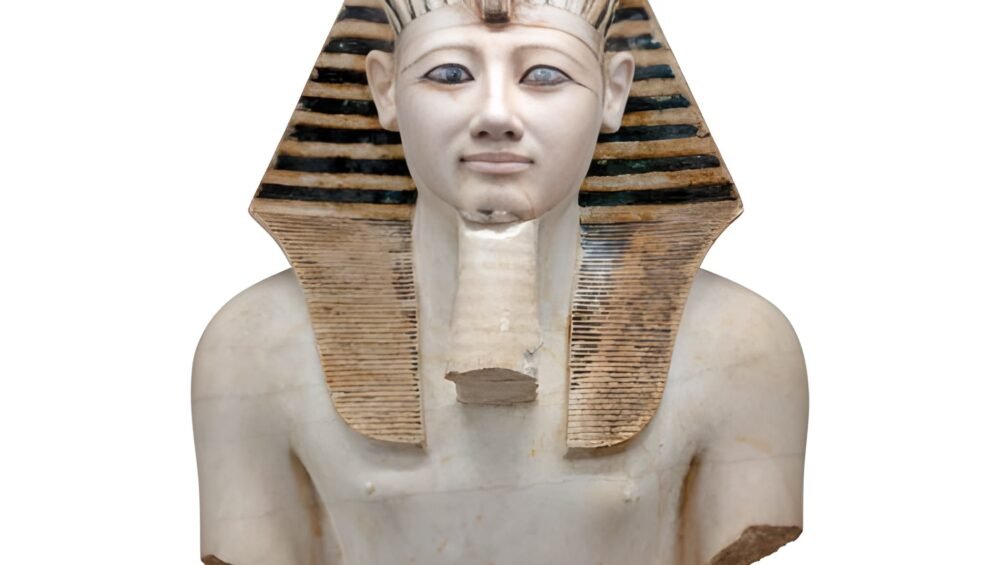
Step back more than three thousand years into the heart of Egypt’s Eighteenth Dynasty and meet Thutmose III — the brilliant warrior king whose reign carved Egypt’s name into the annals of world history. Known as the ‘Napoleon of Ancient Egypt,’ Thutmose III wasn’t just another pharaoh with a crown; he was a visionary ruler, master strategist, and empire builder whose tactical genius and unyielding ambition transformed Egypt into an imperial powerhouse. His reign marked one of the most explosive periods of expansion and prosperity the ancient world had ever seen. From his monumental victories on the battlefield to his exceptional administrative reforms and architectural contributions, Thutmose III’s legacy echoed loudly across centuries.

Born around 1481 BCE to Pharaoh Thutmose II and a lesser wife named Iset, young Thutmose’s royal journey began amid palace intrigue and political tension. His early years shadowed the reign of his powerful stepmother, Queen Hatshepsut, one of Egypt’s most celebrated female pharaohs. But when her reign ended, Thutmose III unleashed a wave of energy that reshaped the Egyptian empire’s destiny. His relentless campaigns swept through Canaan, Nubia, and Syria, bringing hundreds of cities beneath Egypt’s golden standard. These conquests filled the treasury, strengthened trade, and spread Egyptian influence far and wide.

Yet, his story extends beyond heroic battles. Thutmose III’s reign illuminated the brilliance of ancient Egyptian governance, with advanced record keeping, grand temple constructions, and an artistic renaissance. Today, visitors still marvel at his remarkable building projects scattered across Egypt’s sacred landscapes — from the awe-inspiring temples at Karnak to the towering obelisks that defined Thebes’ skyline.

The life and reign of Thutmose III stand as a vibrant testament to ambition, innovation, and military might — the hallmarks of a ruler whose empire thrived under his indomitable hand. Whether you’re exploring history or planning to step into his world with a breathtaking Luxor day tour, you’ll find yourself captivated by the enduring influence of Egypt’s warrior king.

Early Life and the Shadow of Queen Hatshepsut

Thutmose III’s childhood unfolded within the grand palaces of ancient Thebes. His father’s death when Thutmose was still a child placed the throne nominally in his hands — yet true control rested with his stepmother and aunt, Queen Hatshepsut. Acting first as regent, Hatshepsut soon crowned herself Pharaoh, adopting full royal titles. Her reign brought monumental achievements, including incredible architectural works at Deir el-Bahari and the thriving trade missions to Punt. While young Thutmose III was confined to secondary duties, possibly as a military officer, he absorbed vital leadership, strategy, and diplomacy lessons that would later define his reign.

Historians believe that during this period, Thutmose nurtured an eagerness to reclaim his throne and restore full monarchic power. The artistic depictions and temple carvings show that, even while Hatshepsut ruled Egypt as king, Thutmose remained a visible but restrained heir. After her mysterious death, Thutmose III quickly ascended as the unchallenged Pharaoh and began consolidating his power, ensuring no trace of her political structure remained. In time, he even ordered the removal of her name from several monuments — a decisive yet calculated move to declare his reign supreme.

Military Campaigns and the Rise of an Egyptian Empire

Once in control, Thutmose III embarked on a series of military campaigns never before seen in Egyptian history. Over 17 major expeditions extended Egypt’s boundaries from the banks of the Nile deep into the Near East. His first and most famous campaign took place at the Battle of Megiddo, where he defeated a powerful coalition of Canaanite rulers. His brilliant siege strategy — taking a daring route through a narrow pass — caught his enemies off guard and secured Egypt’s dominance over the Levant.

His subsequent expeditions swept across Syria, reaching as far as the Euphrates River. In Nubia, to the south, he reinforced Egypt’s frontiers and secured mineral-rich territories. These military victories brought immense wealth — gold, precious stones, horses, and tribute flowed into Thebes, empowering Egypt to become a global superpower of the Bronze Age. Even today, visitors cruising the Nile aboard the luxurious Luxury Dahabiya Nile Cruise can imagine the same rivers that once carried spoils, soldiers, and envoys back to Egypt’s heartland.

Strategic Brilliance at the Battle of Megiddo

The Battle of Megiddo remains the crown jewel of Thutmose III’s military career and one of the oldest recorded wars in world history. His masterstroke lay in dividing his army and maneuvering through a treacherous mountain route, a high-risk decision few commanders would dare. The bold gamble paid off when he trapped the enemy city and took control after a lengthy siege. His victory was so complete that Megiddo’s submission opened the gateways to vast new lands for Egypt’s expanding empire.

Legacy of Expansion and Imperial Administration

After his conquests, Thutmose III organized his empire with administrative finesse. Rather than ruling through brute force, he established a network of loyal governors, tribute systems, and cultural exchanges that cemented Egyptian control. Foreign princes sent their sons to study at Thebes, ensuring loyalty and cultural assimilation. The empire under Thutmose wasn’t just vast — it was meticulously structured, reflecting his sharp intellect and governance mastery.

Architectural and Cultural Achievements under Thutmose III

Though his military campaigns defined him as the ‘Warrior Pharaoh,’ Thutmose III was also a monumental builder. His largest projects centered on the sanctuaries of Amun at Karnak, where he added towering pylons, halls, and obelisks that glorified his victories and divine right to rule. The Festival Hall of Thutmose III, sometimes called the Akh-menu, still amazes visitors with its forest of columns and walls carved with detailed reliefs of plants and animals — a visual diary of his journeys and conquests.

He commissioned temples across Egypt and Nubia, solidifying religious devotion and royal propaganda. His focus on architecture wasn’t about vanity alone; it demonstrated Egypt’s prosperity and divine blessings. If you visit these awe-inspiring sites today through a specialized Best Nile River Cruise, you’ll trace his grandeur etched in stone, witnessing how Thutmose III cemented eternity through art and architecture.

Artistic Flourishing and Egyptian Symbolism

During his era, Egyptian art evolved toward precision, realism, and dynamism. Reliefs portrayed soldiers in movement, flora from foreign lands, and vividly carved depictions of Egyptian gods. The art became both political propaganda and a documentation of Egypt’s reach and diversity under Thutmose’s rule. Temples such as those at Luxor Temple still reflect this aesthetic evolution — a synergy between spiritual devotion and royal pride.

Thutmose III’s Religious Beliefs and Divine Connection

Thutmose III’s devotion to the god Amun shaped his religious policies and public image. A firm believer in divine kingship, he credited Amun for his victories, frequently dedicating temples and monuments to this mighty god. In return, priests of Amun in Thebes supported his authority, weaving divine legitimization into every aspect of his governance. The Karnak Temple complex became not only a religious hub but also a mirror of Thutmose’s vision — where earthly power met divine will.

Through ritual festivals and offerings, Thutmose forged a direct spiritual link between people and gods. Visitors can experience a glimpse of this ancient piety by attending the Sound and Light Show at Karnak Temples, a mesmerizing modern tribute to Egypt’s spiritual heritage that vividly brings Thutmose’s legacy to life.

Death, Burial, and Legacy in the Valley of the Kings

After a reign of fifty-four dynamic years, Thutmose III departed the mortal world around 1425 BCE. His tomb, located in the Valley of the Kings (KV34), stands as one of the earliest and most spectacular burial chambers. Decorated with detailed wall art illustrating ancient religious texts like the Amduat, his tomb represents Egypt’s cosmic journey of rebirth. His mummified remains, later discovered in a royal cache, still testify to the reverence and respect afforded Egypt’s greatest warrior king.

Even long after his death, Thutmose III continued to inspire pharaohs of successive generations. His empire-building model, temple networks, and architectural legacy laid the groundwork for Egypt’s New Kingdom peak. Tourists visiting Thebes, or enjoying a serene 4 Day 3 Night Nile Cruise from Aswan to Luxor, voyage through the same lands where his armies once marched, and his temples still breathe ancient glory.

Frequently Asked Questions about Thutmose III

Who was Thutmose III in ancient Egyptian history?

Thutmose III was the sixth Pharaoh of Egypt’s Eighteenth Dynasty and is often regarded as ancient Egypt’s most powerful ruler. His reign transformed the kingdom into a sprawling empire spanning from Nubia to the Euphrates. Known for his strategic brilliance, architectural achievements, and administrative reforms, he set the standard for future Egyptian kings.

What were Thutmose III’s most significant military accomplishments?

His most notable military triumph was the Battle of Megiddo, where his daring tactics crushed a coalition of Canaanite rulers. Over seventeen campaigns, he brought vast regions under Egyptian control, securing immense wealth and transforming Egypt into a global superpower of the ancient world.

How did Thutmose III’s relationship with Hatshepsut influence his reign?

Initially overshadowed by his stepmother Hatshepsut, Thutmose III honed his leadership and military skills during her reign. After her passing, he took steps to assert his full sovereignty, expanding Egypt’s influence through decisive governance and conquest. The contrast between her diplomatic rule and his militaristic expansion defined Egypt’s dual legacy of peace and power.

What were Thutmose III’s contributions to art and architecture?

Thutmose III’s architectural innovations were monumental. He built the Festival Hall at Karnak, several temples across Upper and Lower Egypt, and adorned them with intricate artistic reliefs. His art style, rich in movement and realism, set a precedent for subsequent dynastic art forms and temple construction.

Where is Thutmose III buried and what makes his tomb unique?

Thutmose III’s burial site, located in the Valley of the Kings (KV34), is one of the most fascinating royal tombs. Its vivid wall scenes depict his spiritual journey through the underworld and his rebirth among the gods. The tomb’s design and inscriptions symbolize the merging of royal power and divine faith during Egypt’s New Kingdom peak.

Why Did The Egyptians Build Pyramids

Why Did The Egyptians Build Pyramids? Unlocking the Secrets of Ancient Egypt’s Timeless Marvels

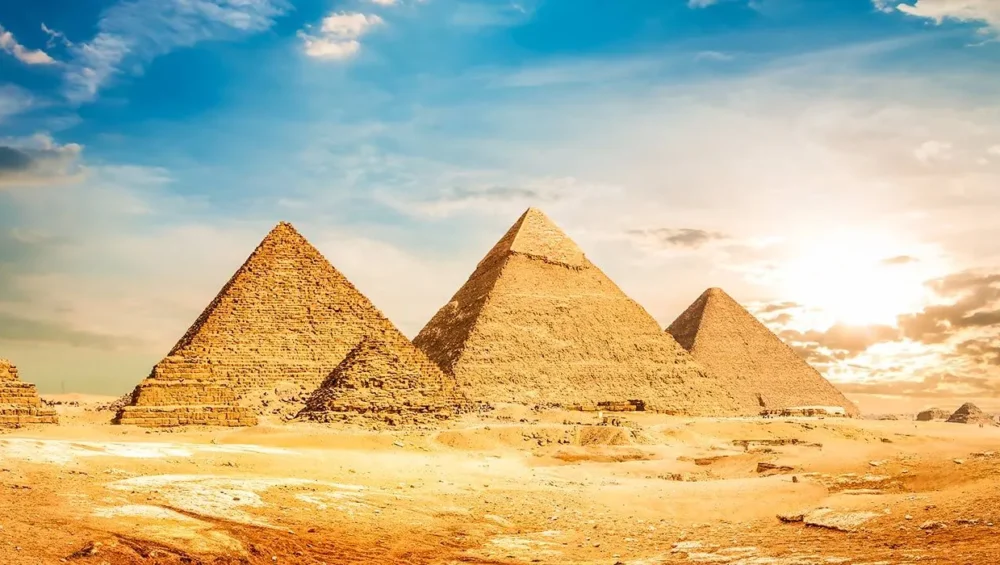
The Egyptian pyramids have long captured the imagination of historians, travelers, and scientists alike. These grand stone monuments, dominating the desert horizons of Giza, Saqqara, and Dahshur, symbolize the extraordinary achievements of one of the world’s most advanced ancient civilizations. But beyond their unmistakable beauty and architectural mastery lies a profound purpose deeply rooted in the Egyptian worldview, religious beliefs, and societal structure. Understanding why the Egyptians built pyramids sheds light not only on their engineering capabilities but also on their spiritual life, politics, and enduring obsession with immortality.

For the ancient Egyptians, life on earth was merely one part of an eternal journey. The pyramids, therefore, were not simply royal tombs—they were celestial launchpads, colossal bridges linking the mortal and eternal realms. Every stone was laid with precision to ensure the pharaoh’s safe passage to the afterlife. As we unravel this centuries-old question—why did the Egyptians build pyramids—we unearth fascinating insights about Egyptian religion, cosmology, daily life, and the evolution of royal power. Their engineering talent, religious devotion, and organizational efficiency forged monuments that still leave modern architects scratching their heads.

Many visitors today witness their grandeur through curated Cairo Day Tours or Camel Ride Trips at the Pyramids, standing in awe of structures built over 4,500 years ago. Yet, the question lingers in every traveler’s mind—what truly motivated such massive undertakings in the blazing desert sands? Let’s dig deeper into the mystical, political, and cultural layers behind these monumental endeavors.

The Spiritual Purpose Behind the Egyptian Pyramids

The Egyptians’ belief in the afterlife forms the foundation for understanding why the pyramids were built. Egyptian religion was deeply intertwined with death and rebirth, guided by the principle of ‘Ma’at’—the cosmic order that sustained life, justice, and balance. The pharaoh, seen as both a divine and mortal ruler, was the living embodiment of Horus on earth and Osiris after death.

The pyramid’s shape itself symbolized the rays of the sun descending to earth, connecting heaven and earth. This geometrical symbolism was no coincidence. The Egyptians believed that the soul of the deceased pharaoh ascended to heaven along the sun’s rays to join Ra, the sun god. Hence, the pyramid acted as a spiritual gateway—a stairway to eternity. Many Egyptologists argue that the orientation of pyramids aligned with specific celestial points to assist the pharaoh’s spiritual rebirth in the divine realm.

The connection between pyramids and divine kingship becomes even clearer when visiting sacred sites like Saqqara Pyramids and Dahshur, where early prototypes reveal Egypt’s centuries-long experimentation before reaching perfection with the Great Pyramid of Giza.

Engineering Marvels: How the Pyramids Embodied Cosmic Order

The engineering precision of these pyramids was no accident—it was a reflection of the Egyptian worldview that emphasized symmetry, order, and harmony. The orientation of the Giza pyramids, for instance, mirrors the four cardinal directions, and even today, they remain almost perfectly aligned with the true north. Achieving this level of accuracy without modern tools underscores not only mathematical genius but also spiritual devotion to cosmic order.

By aligning architecture with divine geometry, Egyptians ensured that their pharaoh’s journey mirrored cosmic balance. This fusion of science, religion, and art made the pyramids an eternal testament to human creativity powered by divine inspiration.

The Political Symbolism of the Pyramids

Beyond their religious function, pyramids were also potent political symbols. They reinforced the authority of the king both in life and death. Constructing a pyramid required thousands of workers, vast resources, and meticulous planning—showcasing the pharaoh’s absolute control over both men and materials. Each block of stone represented royal might.

During Egypt’s Old Kingdom, especially from the Third to the Sixth Dynasties, pyramid-building reached its zenith. Kings like Sneferu and Khufu transformed engineering into an imperial project. As the nation watched these immense structures rise, their faith in divine kingship strengthened. The pharaoh’s ability to organize such monumental works symbolized Egypt’s stability, unity, and cosmic order under his rule. Their message was clear: as eternal as these stone mountains stood, so too would the king’s legacy endure.

Travelers today can witness those same symbols of authority on journeys such as the Day Tour to the Pyramids & the Nile or through Private Tours to Pyramids, Sakkara, and Dahshur, tracing the footsteps of kings who once commanded nations from these sacred grounds.

Labor, Logistics, and National Identity

Contrary to popular myths of slave labor, evidence now shows that workers who built the pyramids were skilled laborers—craftsmen, stonemasons, and farmers employed during the Nile’s flood season. These temporary workers were housed in organized communities with access to food, medical care, and social structures. Their collective loyalty reflected Egyptian pride and devotion to serving the god-king, ensuring divine favor for the entire nation.

The Evolution of Pyramid Design

Pyramid design didn’t start grand; it evolved through centuries of trial and innovation. The earliest pyramid, Djoser’s Step Pyramid at Saqqara, designed by the legendary architect Imhotep, marked a transformative chapter in architecture. It started as a simple mastaba tomb and evolved into a six-tiered structure, the first monumental stone building in history. Sneferu’s reign experimented with techniques that led to the development of the Red and Bent Pyramids at Dahshur—precursors to the near-flawless perfection of Khufu’s Great Pyramid of Giza.

Every generation of builders refined stone-cutting technology, transport methods, and logistic systems, creating a tradition of architectural excellence that influenced later civilizations. Exploring Meidum Pyramid or visiting the Grand Egyptian Museum reveals the story of evolution from early prototypes to eternal perfection.

The Shift to the Valley of the Kings

As time passed, pyramid construction declined due to resource strain, tomb robberies, and changes in royal ideology. Later pharaohs, particularly during the New Kingdom, built tombs hidden within rock-cut valleys to protect their sacred remains. This shift gave rise to the Valley of the Queens and the Ramesseum Temple in Thebes. While these tombs abandoned pyramid shapes, the symbolism of resurrection and eternal life persisted.

The Pyramids as Portals to Immortality

For the ancient Egyptians, building pyramids was an act of faith, ensuring that death was not the end but a transition to eternal life. Within the pyramids lay passageways, false doors, and ceremonial chambers filled with treasures, food, and sacred texts meant to guide the king’s ka (spirit) through the trials of the afterlife. Hieroglyphs in burial chambers describe the soul’s journey, and texts such as the Pyramid Texts recorded spells and incantations. Through these divine instructions, the king dared to ascend among the stars.

The interior of the Great Pyramid was designed not for display but for transformation. Every passage symbolized stages of spiritual awakening—moving from earthly darkness to celestial illumination. Visiting sites such as Pyramids and Nile Cruise Holidays brings this mystical journey to life, connecting the sands of Giza with the sacred waters of the Nile.

Cosmic Alignments and Celestial Faith

Egyptian architects oriented their monuments to mirror constellations like Orion’s Belt, associated with Osiris, god of the afterlife. The stars served as navigational and spiritual points, marking the pharaoh’s eternal home among the gods. This celestial connection reveals how deeply astronomy influenced Egyptian religion, society, and the construction of these monumental gateways to the heavens.

The Lasting Legacy of the Pyramids

The pyramids were not merely tombs—they were Egypt’s message to eternity. Even today, they inspire travelers from around the world to take journeys like Egypt Vacation Packages or Cairo and Nile Cruise Packages that combine history, culture, and adventure.

Engineers study them as feats of precision. Theologians view them as sacred structures symbolizing man’s yearning for immortality. And tourists stand in silent awe beneath these colossal structures, realizing they witness humanity’s oldest love letter to eternity. The pyramids endure because they embody the essence of what it means to be human—a blend of ambition, faith, and creativity that transcends time itself.

Frequently Asked Questions About Why the Egyptians Built Pyramids

1. What was the main purpose of the pyramids in ancient Egypt?

The primary purpose of the pyramids was to serve as burial tombs for Egypt’s pharaohs. They were designed to protect royal mummies and help the soul ascend to the afterlife. The pyramids symbolized the pharaoh’s divine nature and his eternal union with the gods, especially Ra, the sun god.

2. How were the Egyptian pyramids constructed?

The construction of the pyramids involved quarrying massive limestone and granite blocks, transporting them via sleds and ramps, and meticulously aligning them by hand. Skilled laborers, not slaves, executed the work under organized teams. Studies of ancient quarrying methods and worker villages in Giza offer insights into this incredible feat of engineering.

3. Why are pyramids mostly found near the Nile River?

The proximity to the Nile facilitated the transportation of heavy stones and materials. Additionally, the fertile Nile Valley supported the workforce’s food supply. Being close to the river also reflected the Egyptians’ belief in rebirth and continuity since the Nile symbolized life-giving energy and eternal renewal.

4. Did all Egyptian pharaohs build pyramids?

No, not all pharaohs built pyramids. After the Middle Kingdom, pyramid construction declined due to resource constraints and frequent tomb robberies. Later rulers opted for hidden tombs, like those in the Luxor City area’s Valley of the Kings, to safeguard their burial treasures and ensure eternal rest.

5. Can tourists visit inside the pyramids today?

Yes, visitors can explore the interior of several pyramids, including the Great Pyramid of Khufu. Walking through the narrow corridors and burial chambers offers a tangible connection to Egypt’s grand past. Modern packages such as Luxury Egypt Tours and Egypt Day Tours allow travelers to experience these wonders with expert guides, ensuring a safe and memorable adventure.

Egypt At Night

Egypt at Night: The Enchanting Soul of the Pharaohs After Sunset

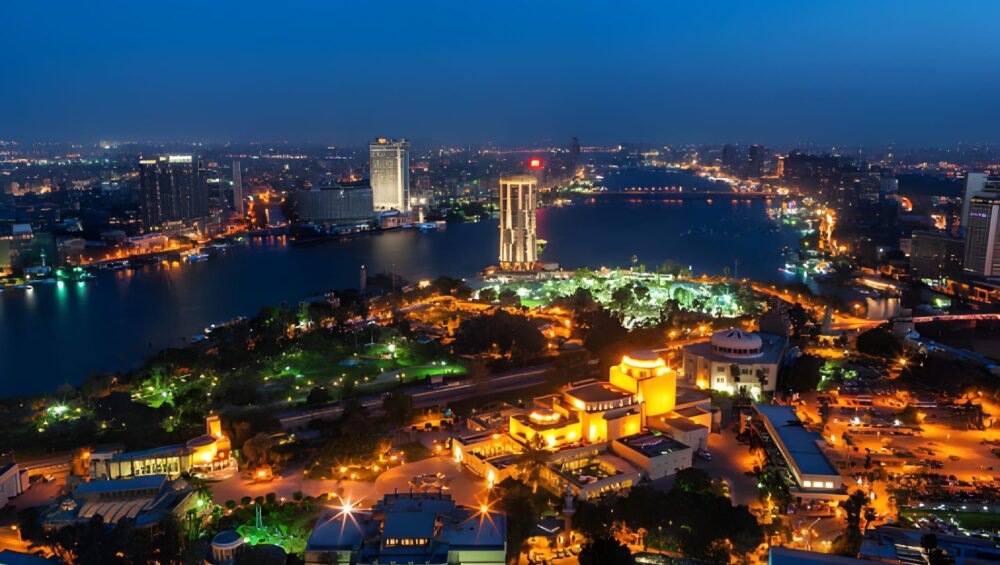
Egypt at night transforms into an ethereal paradise that feels worlds apart from the desert landscapes and sun-drenched temples travelers see by day. When twilight falls, the Nile shimmers beneath the moonlight, the bustle of Cairo melts into laughter-filled cafés, and the golden sands of Luxor hum quietly under starlit skies. This is where ancient mysteries meet modern life—where the pulse of history continues well after sunset. Experiencing Egypt at night is to see a side of the country that tourists rarely imagine: glamorous dinner cruises, mystical sound and light shows, and desert adventures by torchlight that bring the legends of the pharaohs to life.

The cool evening breeze across the Nile soothes tired travelers, while the call to prayer echoes from mosque minarets, mixing with the rhythmic beat of oriental drums from nearby cafés. Locals stroll the corniches; markets sparkle with brass lamps and spices; and the air itself seems charged with memory. From the illuminated magnificence of the Nile River to the grandeur of illuminated temples in ancient cities, Egypt’s nocturnal charm is pure magic. Whether you’re cruising down the Nile, wandering through Cairo’s vibrant bazaars, or exploring Luxor’s sleeping tombs, Egypt at night unravels a narrative of timeless romance, adventure, and wonder.

The Spellbinding Charm of Cairo at Night

When darkness descends over Cairo, a different city awakens. The “City of a Thousand Minarets” gleams under an ocean of lights as the sound of laughter and music fills its streets. Begin your evening with a peaceful felucca trip on the Nile in Cairo and watch the horizon glow pink before the city lights take over. Cairo at night is a living theater—filled with energy, traffic, and tales of history whispered from the shadows of the Pyramids.

For a taste of Egyptian grandeur, the Cairo Dinner Cruise and Oriental Show offers a floating feast of traditional food, belly dancing, and folklore performances while the illuminated skyline glides by. Wander through El Moez Street or sip mint tea in historic quarter cafés that buzz with writers, musicians, and storytellers. The Cairo Tower lights up like a torch in the night, providing panoramic views that make the city look almost alive from above.

Giza’s Majestic Glow and the Starry Pyramids

Few spectacles rival Giza’s Pyramids after dusk. As the sun fades, golden lights trace the colossal outlines of these ancient giants while the mystical Sound and Light Show at the Pyramids projects vivid stories of Egypt’s ancient kings against the desert sky. The Sphinx, bathed in luminous blue and gold hues, seems to breathe again as haunting music and dramatic narration resurrect memories of Ramses and Khufu. You might top it off with a quiet camel ride across the sands, where only the stars and the ancient stones witness your passage.

Luxor at Night: Where History Shimmers in Golden Hues

The City of Temples becomes even more enchanting after dark. Imagine walking between colossal statues bathed in soft light—each flicker revealing a fragment of history. The Luxor Temple, with its massive columns and sacred carvings, seems to come alive beneath the stars. Just steps away, the Avenue of Sphinxes glows like a golden river, drawing visitors toward the magnificent Sound and Light Show at Karnak Temples, where the gods of Thebes are honored with unmatched theatrical brilliance.

For travelers chasing luxury and history blended seamlessly, a Luxury Nile Cruise offers a timeless nocturnal landscape with candle-lit dinners and traditional music floating across the river. Drift gently between Luxor and Aswan, where legendary monuments reflect on tranquil waters, each carrying whispers of eternity.

Aswan’s Moonlit Magic

In contrast to Cairo’s energy, Aswan radiates calm under the stars. The gentle hum of traditional Nubian music echoes through its peaceful islands as boats glide gracefully along the river. The Temple of Philae, illuminated at night, is simply mesmerizing—appearing to float over shimmering waters like a celestial mirage. Visitors often take the Sound and Light Show at Philae Temple to witness ancient legends of Isis and Osiris unfold beneath the moonlight.

Revive your evening by joining a serene Felucca Ride on the Nile in Aswan. As the sail catches the cool breeze, you’ll experience why this city is beloved by poets and dreamers alike. For the culturally curious, a night stroll through the Nubian Village reveals colorful murals, handcrafted souvenirs, and the warmest smiles in Egypt.

The Red Sea Riviera After Dark

Egypt’s Red Sea coast transforms into a dazzling paradise by night. In Hurghada City and Sharm El Sheikh, beach clubs sparkle with fairy lights while waves lap rhythmically along luxury resorts. Evening entertainment is endless—from live music and fire shows to romantic dining right on the beach. After sunset, visitors can also join the exhilarating Sunset Desert Safari Trip by Quad Bike to race through golden sands or simply gaze in awe at the Milky Way from the quiet dunes.

The underwater world even gets its share of nighttime wonder. Experienced divers take part in rare Scuba Diving Sharm El Sheikh adventures or relax with authentic Bedouin dinners by candlelight. Such experiences redefine what it means to feel alive in Egypt’s nighttime splendor.

Night Markets and Egyptian Street Life

When the heat of the day wanes, marketplaces and narrow lanes teem with new energy. Strolling through Cairo’s Khan El Khalili Bazaar becomes a delightful sensory explosion—leather, perfumes, silver, spices, and laughter fill the night air. The scent of hookah smoke mingles with the rich aroma of Turkish coffee, while artisans craft lanterns that shimmer like drops of molten gold. Wander deep enough, and you’ll hear oud music drifting from traditional cafés where locals play backgammon and debate politics or poetry late into the night.

In Alexandria, a moonlit walk along Stanley Bridge Alexandria provides irresistible romance. Couples enjoy sweet corn and roasted chestnuts from vendors as waves dance under the streetlights. Stop by any seaside restaurant for a plate of freshly grilled fish and let the soft Mediterranean breeze remind you how passionately Egypt lives after dark.

Desert Nights and Celestial Dreams

For adventurers seeking solitude, Egypt’s deserts reveal unmatched night-time serenity. Far from the city lights, stars illuminate endless dunes, and the silence is almost holy. Travelers joining a Bedouin Safari and Star Gazing Tour will find themselves huddled around campfires under the galaxy’s arch. Local guides share ancient tales of spirits and kings, while traditional meals—baked bread and fire-roasted lamb—satisfy both appetite and soul. The Milky Way seems so close you could almost touch it.

Romantic Cruises and Cultural Performances

In cities along the Nile, night cruises and shows celebrate Egypt’s layered identity. The gentle rhythm of the river pairs perfectly with candlelight and live music. Guests aboard a classic Nour El Nil Dahabeya or luxurious Steigenberger Royale Nile Cruise dine under constellations as ancient temples slide by their windows. Cultural events like tanoura dance shows at Wekalet El Ghouri leave spectators spellbound, their vibrant spinning skirts symbolizing spiritual transcendence in rhythm and color.

Modern Nightlife and Hidden Corners

Beyond the historical charm, Egypt’s nightlife can be surprisingly trendy. Cairo, Alexandria, and Hurghada host chic rooftop lounges, cozy bars, and outdoor concerts that blend modern creativity with local flair. The fusion of classical Arabic tunes with jazz, or house music under palm canopies, creates an eclectic yet deeply Egyptian experience. Street food remains a staple—grab some koshari, falafel, or shawarma from vendors who never seem to sleep. Egyptians know the art of hospitality; even strangers become friends during these warm, moonlit interactions.

Why Egypt at Night is Unforgettable

Egypt at night captivates because it connects emotion with history, tranquility with energy. Each city brings its own type of nocturnal magic—from Giza’s mystic silence to Cairo’s chaotic joy and Luxor’s spiritual calm. Whether it’s the reflection of statues on the Nile or the whisper of sand dunes beneath desert stars, it’s impossible not to fall under the country’s spell after dusk. Those who venture out at night discover that Egypt never sleeps—it simply changes costume, shimmering in mystery, beauty, and light.

FAQs About Egypt at Night

Is Egypt safe to explore at night?

Yes, Egypt is generally safe for nighttime exploration, especially in popular tourist areas like Cairo, Luxor, and Aswan. Travelers should exercise normal caution, stick to well-lit streets, and avoid isolated places. Hotels and official Egypt Day Tours can help plan safe night excursions.

What are the best nighttime activities in Egypt?

Top nighttime experiences include the Sound and Light Shows at the Pyramids and temples, Nile dinner cruises, stargazing in the desert, and wandering through open-air bazaars. A leisurely Luxor Hot Air Balloon Ride at dawn after a tranquil night is another unforgettable option.

Can you visit temples at night?

Most temples close at sunset, but special evening tours like the Sound and Light Show at Philae Temple or the illuminated Sound and Light Show at Karnak Temples allow visitors to experience sacred architecture in breathtaking nighttime settings.

What to wear for evening tours in Egypt?

Light layers are ideal since nights can get cooler, especially in the desert. Comfortable shoes are recommended for exploration, and modest attire remains respectful in public places. A scarf or shawl can be useful for entering religious or historic sites.

Where can I find the most romantic Egyptian night views?

The Nile River remains unbeatable for romance. Choose a private dinner on deck, or a stroll along the Corniche in Aswan. The ancient cityscape of Luxor, shining softly under the moon, makes a magical backdrop for couples seeking unforgettable memories.

Famous Egyptian Queens

Famous Egyptian Queens Who Shaped the Destiny of Ancient Egypt

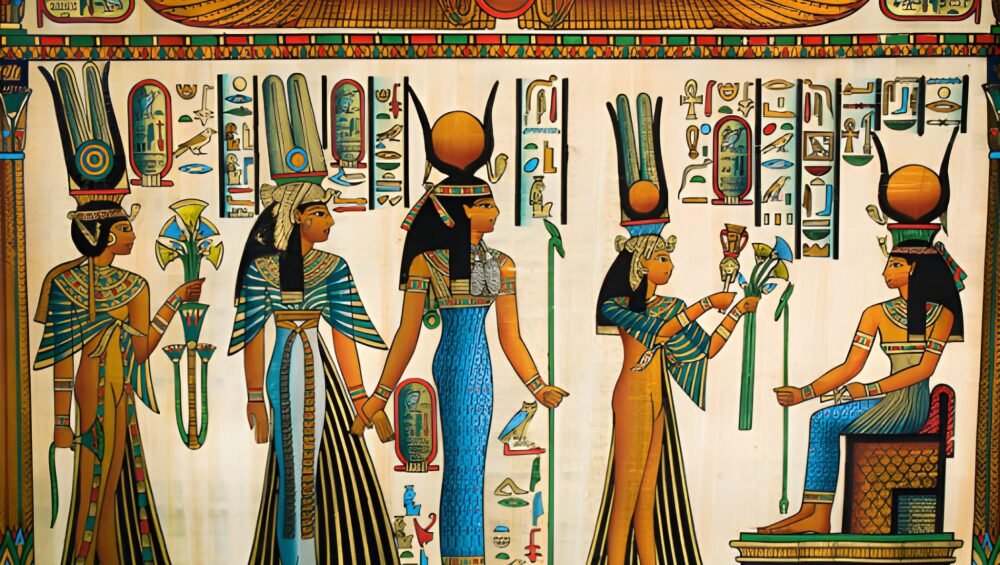
The story of Egypt unfolds like a timeless epic, rich with mystery, power, and the grace of women who defied convention to wear the double crown. The most famous Egyptian queens weren’t merely consorts to kings—they were sovereign rulers, divine priestesses, and architects of empires. From the dazzling beauty of Cleopatra VII to the indomitable will of Hatshepsut, these women altered the course of history and left enduring symbols etched into stone. Their influence extended beyond the Nile, reaching diplomacy, art, religion, and politics in ways that defy imagination. The legacy of these queens shows that Ancient Egypt didn’t just build pyramids; it built legends of feminine power.

Step by step, these queens guided Egypt through eras of prosperity and turmoil. They led massive construction projects, commanded fleets on the Nile, and conducted rituals to honor gods like Amun and Isis. Even millennia later, their images still watch over us from temples and tomb walls like eternal guardians of Egypt’s heritage. Their achievements remind us that power knows no gender, and ambition can echo for centuries through stone and papyrus. Whether admired for intelligence, aesthetic mastery, or sheer political acumen, these queens embody what it means to rule with wisdom and fire. Let’s venture deep into the heart of their fascinating stories and discover how these famous Egyptian queens championed a civilization that still captures the world’s imagination today.

Queen Hatshepsut: The Female Pharaoh Who Reigned Supreme

Queen Hatshepsut remains one of the most successful and powerful rulers in Egyptian history. As a member of the 18th Dynasty, she dared to claim a throne traditionally reserved for men. Rather than serve merely as regent for her stepson Thutmose III, she boldly crowned herself Pharaoh. Her rule was marked by peace, prosperity, and groundbreaking architectural accomplishments. Visitors can still gaze upon the magnificent mortuary temple built in her honor at Deir el-Bahari, a structure that stands as a tribute to her unmatched vision and determination.

Hatshepsut used careful imagery to reinforce her authority—donning male regalia, wearing the pharaonic beard, and commissioning grand statues proclaiming divine legitimacy. She opened lucrative trade routes, like the famed expedition to the Land of Punt, which filled Egypt with exotic goods and wealth. Beneath her serene rule, Egypt thrived culturally and economically, while religion flourished under her devotion to Amun-Ra, the supreme deity of Thebes. To walk through Luxor Temple is to feel her presence woven into every stone.

Hatshepsut’s Visionary Architecture and Legacy

Architecture was Hatshepsut’s language of power. Her mortuary temple stands as one of the most iconic structures in Egypt, masterfully blending harmony with grandeur. She initiated projects that expanded Thebes into an eternal capital of art and devotion. The obelisks she erected at Karnak reached toward the heavens like golden arrows of triumph. Her era championed innovation, blending spirituality and artistry like never before. Despite later attempts by Thutmose III to erase her from history, Hatshepsut’s story endures stronger than ever—a symbol of ambition and grace carved into eternity.

Queen Nefertiti: The Icon of Beauty and Revolution

Queen Nefertiti, the radiant wife of Pharaoh Akhenaten, shone as a symbol of elegance and religious transformation during the 18th Dynasty. Her name, which means ‘the beautiful one has come,’ perfectly matches her iconic bust displayed in museums today. Together with Akhenaten, she spearheaded a bold monotheistic revolution centered around the sun god Aten, moving the capital from Thebes to Amarna. The royal couple’s artistic depictions broke tradition, showing affection and realism rarely seen before in Egyptian art.

Nefertiti wasn’t merely a consort; she was a co-ruler depicted almost as equal to the Pharaoh himself. Some Egyptologists believe she may have ruled as Pharaoh under another name after Akhenaten’s death. Her mysterious disappearance only adds to her mystique. Her reign blurred the lines between divine worship and royal duty, setting the stage for a profound cultural shift. In essence, Nefertiti’s elegance wasn’t superficial—it was the embodiment of unshakable authority cloaked in beauty and spiritual devotion.

The Artistic and Religious Impact of Nefertiti

Under Nefertiti’s guidance, Egypt’s art exploded with life. The Amarna Period introduced unprecedented naturalism—royal daughters playing tenderly beside their parents, rays of the sun god touching their faces. It was a world where divine light itself crowned the family with power. Despite later pharaohs erasing the Amarna legacy, the icon of Nefertiti’s face still represents Egypt’s enduring allure. Anyone journeying through the galleries of The National Museum of Egyptian Civilization can feel the silent echo of her presence resonate through centuries.

Queen Cleopatra VII: The Last Pharaoh and Master Diplomat

Cleopatra VII of the Ptolemaic Dynasty was the ultimate embodiment of intellect, strategy, and allure. Fluent in multiple languages, she was the only Ptolemaic ruler to speak Egyptian, a sign of her commitment to her people. Cleopatra combined charm with sharp diplomacy, aligning herself first with Julius Caesar and later with Mark Antony to defend Egypt’s independence from Roman domination. Her story transcends romance—it’s a tale of relentless political genius and an enduring quest for sovereignty.

Cleopatra’s reign preserved Egypt’s wealth through smart economic reforms, trade agreements, and profound patronage of learning. Her capital, Alexandria, glowed as a hub of scholarship and culture, home to the ancient Library of Alexandria. Though her tragic end marked the fall of pharaonic rule, her defiance immortalized her name across history. Cleopatra remains not a footnote but a force—a queen who dared to challenge empires with intellect as sharp as a blade.

Cleopatra’s Political and Cultural Legacy

Few queens have left as indelible a mark as Cleopatra VII. Her rulership fused Greek and Egyptian cultures, melding gods and languages to create a cosmopolitan Egypt. She maintained Egypt’s autonomy longer than anyone expected, skillfully navigating the stormy politics of Rome. Even her death by alleged asp bite symbolizes control—choosing destiny over submission. When wanderers gaze across the Alexandrian coast, they can almost hear the whisper of her empire’s last breath carried on the sea breeze.

Queen Tiye: The Matriarch Behind the Power of Pharaohs

Long before Cleopatra and Nefertiti, Queen Tiye redefined royal influence. The beloved consort of Amenhotep III and mother of Akhenaten, Tiye’s wisdom guided two generations of rulers. She played an essential diplomatic role, corresponding with kings across the Near East. Her intelligence and political acumen made her both respected and feared. She stood at the crossroads of Egypt’s religious reform, serving as a bridge between tradition and transformation. Her reign witnessed monumental constructions like at Abydos and the great mortuary temples of Western Thebes.

Tiye’s Enduring Role in Shaping the 18th Dynasty

Although not declared Pharaoh, Queen Tiye wielded unmatched power. Evidence of her influence lies in statues, scarabs, and foreign letters that recognized her as Egypt’s voice of stability. She guided kings, raised prophets, and fostered divine loyalty to Amun. Few royal mothers have ever commanded such reverence. Travel through the fertilized plains near Luxor, and the echoes of her matriarchal strength still linger among stone and sand.

Queen Nefertari: The Eternal Beloved of Ramesses II

Queen Nefertari, the cherished wife of Ramesses the Great, remains a symbol of eternal love and artistic perfection. She shared power gracefully beside one of Egypt’s most celebrated rulers. Her tomb in the Valley of the Queens is often hailed as the Sistine Chapel of Ancient Egypt for its vibrant color and exquisite detailing. Nefertari wasn’t merely a royal spouse; she held titles such as ‘Great Royal Wife’ and participated in ceremonial diplomacy. Her beauty and wisdom inspired poems that praise her like the goddess Hathor herself.

Nefertari’s Artistic and Spiritual Influence

Ramesses II’s devotion to Nefertari stretched beyond words—he built the small temple beside his own at Abu Simbel in her honor. That monument celebrates not just love but divine partnership. Paintings depict Nefertari as Isis, emphasizing her sacred role as a protector of Egypt’s divine balance. Her tomb remains one of the best-preserved testaments to Egypt’s artistry, reinforcing her place among the most famous Egyptian queens who ruled hearts as well as nations.

Queen Ahmose-Nefertari: The Mother of the New Kingdom

Ahmose-Nefertari stands as one of the pivotal figures who restored Egypt after the Hyksos invasion. As the consort of Pharaoh Ahmose I and mother of Amenhotep I, she guided the dawn of the New Kingdom—a period that marked Egypt’s golden age. Her divine status extended long after death; she was worshipped as a goddess in Thebes for centuries. Ahmose-Nefertari’s administrative skills, religious influence, and maternal guidance unified the realm during a period of rebirth and consolidation.

Ahmose-Nefertari’s Role in the Rise of Thebes

Her name echoes among the sacred temples near Ramesseum Temple and the sanctuaries of Karnak. She served as the highest priestess of Amun, bridging mortal and divine. Her leadership laid the foundations for dynasties that produced legendary rulers and builders. In Egyptian iconography, she appears wrapped in black skin—a symbol of rebirth and eternal life, signifying her power over both the living and the dead.

FAQs About Famous Egyptian Queens

Who was the most powerful queen of Ancient Egypt?

While many queens wielded influence, Queen Hatshepsut stands out as the most powerful. She ruled as Pharaoh, commissioning vast architectural masterpieces and establishing formidable trade networks. Her reign symbolizes prosperity and monumental vision.

Why is Cleopatra VII considered famous worldwide?

Cleopatra VII gained international fame as Egypt’s last Pharaoh. Her political alliances, intellect, and tragic romance with Roman leaders like Julius Caesar and Mark Antony rendered her story timeless. She embodied Egypt’s final defiance against Roman conquest.

Where can travelers explore monuments built by Egyptian queens?

Visitors can witness their legacies across Egypt—from Hatshepsut’s temple in Deir el-Bahari to Nefertari’s tomb in the Valley of the Queens, and Cleopatra’s influence in Alexandria. Specialized tours like Luxury Egypt Tours and Luxor Day Tours take travelers straight into their ancient realms.

What role did Egyptian queens play in religion?

Egyptian queens often functioned as high priestesses, mediating between gods and people. Many were linked to divine figures such as Isis and Hathor, embodying fertility and wisdom. Their spiritual authority fortified their political legitimacy, ensuring dynastic stability.

Can I visit sites dedicated to Queen Nefertari or Hatshepsut today?

Absolutely. Tourists can explore Hatshepsut’s temple via Egypt Day Tours or admire Nefertari’s tomb during Nile Cruises. Each site offers an unrivaled opportunity to

Egypt 19th Dynasty

Unraveling the Power and Legacy of Egypt’s 19th Dynasty: The Age of Great Pharaohs

The Egypt 19th Dynasty stands as one of the most influential and fascinating periods in ancient Egyptian history. Spanning from approximately 1292 to 1189 BCE, this dynasty marked the beginning of the New Kingdom’s revival after the political turmoil of the preceding years. Known for its iconic rulers like Ramesses I, Seti I, and Ramesses II (often called Ramesses the Great), the dynasty was synonymous with architectural grandeur, military prowess, and artistic brilliance. The 19th Dynasty not only redefined the political map of Egypt but also reinforced religious traditions that had long shaped its civilization.

Under the leadership of the 19th Dynasty pharaohs, Egypt reached new heights of stability and splendor. Monumental temples and tombs such as those at Luxor Temple, Abu Simbel Temples, and the Ramesseum Temple were constructed, leaving indelible marks on the cultural landscape. These rulers also immortalized their deeds through detailed inscriptions and colossal statues that continue to captivate historians and travelers alike. The period’s splendor is vividly echoed along the Nile River, the life-giving artery of Egypt, where each dynasty left its footprints in stone and sand.

Beyond its military might, the dynasty signaled a flourishing of art, religion, and literature. From the restoration of temples to the resurgence of traditional worship, the Egypt 19th Dynasty rejuvenated Egypt’s global image as a cultural superpower of the ancient world. Its leaders expanded Egypt’s borders and ensured prosperity that echoed through the corridors of time. Today, the ruins of their grand projects still mesmerize visitors through Luxor Day Tours and Aswan Day Tours, revealing the artistry and ambition of these enduring rulers.

The Birth of Egypt’s 19th Dynasty: From Instability to Empire

The 19th Dynasty arose following a turbulent era marked by the weakening of the 18th Dynasty. A military man named Ramesses I, chosen by Pharaoh Horemheb, became the founder. Though his reign was short, it set the stage for one of the most prosperous dynasties in Egyptian history. His background as a general and high official bridged the gap between military leadership and divine kingship. His vision ensured that Egypt returned to centralized power, stability, and faith in the gods once more.

Ramesses I’s son, Seti I, treasured these principles. Seti consolidated Egypt internally while campaigning abroad to secure its borders. He re-established Egyptian influence over Canaan, Syria, and Nubia—regions previously lost. The restoration of temples like The Temple of Seti at Abydos, a masterpiece of art and religion, reflected his devotion to Amun, Osiris, and the divine order. This strategic and cultural revival allowed the dynasty to ascend as a symbol of unwavering might.

Seti I: The Restorer of Egypt’s Glory

Seti I’s reign is often viewed as a golden chapter in the story of Egypt’s 19th Dynasty. He was not merely a warrior king; he was a visionary eager to re-establish the spiritual soul of the nation. His tomb, one of the most beautifully decorated in the Valley of the Kings, showcases stunning artistry and theological symbolism. During his reign, Seti oversaw the continuation of massive development projects in Thebes, Memphis, and across Nubia, setting a high standard for those who followed.

His art style also showed a return to refinement and precision. Reliefs depicting his military triumphs were filled with dramatic movement, reflecting not only human valor but divine guidance. Seti’s policies redefined Egypt as a strong, balanced empire rooted in religious devotion and territorial command.

Ramesses II: The Pharaoh Who Became a Legend

No discussion of the 19th Dynasty is complete without Ramesses II, one of the most iconic pharaohs in world history. Often dubbed “Ramesses the Great,” his reign lasted an astonishing sixty-six years. His legacy encompasses the grandiose Statue of Ramses II, colossal temples, and vast building projects that embodied Egyptian power and pride. Under his leadership, Egypt experienced unmatched economic growth, architectural innovation, and cultural strength.

Ramesses II cemented his name through monumental structures—his twin temples at Abu Simbel remain marvels of ancient engineering. His military exploits, especially the Battle of Kadesh, against the Hittites, though contested, became the stuff of legend and one of the earliest known international peace treaties. His love for Queen Nefertari, immortalized in her breathtaking tomb found in the Valley of the Queens, revealed a human side to the great pharaoh, intertwining romance and royal grandeur.

To experience his monumental legacy today, travelers can embark on remarkable journeys like the 4 Day 3 Night Nile Cruise from Aswan to Luxor or the 7 Days Cairo and Nile Cruise Package, witnessing firsthand the architectural mastery born from the Egypt 19th Dynasty’s might.

The Decline and Legacy of the 19th Dynasty

Despite decades of dominance, the 19th Dynasty gradually faltered after the reign of Merneptah and subsequent rulers. Internal conflicts, political intrigue, and weak leadership began to chip away at its once-sturdy foundation. Factionalism among the royal court grew, and external pressures increased. By the time the 20th Dynasty emerged, the grandeur of the earlier reigns was already fading into memory.

Still, the dynasty left behind a profound legacy. Its architectural triumphs at Luxor City, including the Avenue of Sphinxes, continue to attract scholars and tourists. The period became a symbol of what ancient Egypt could achieve when faith, power, and creativity harmonized. Through excursions like the Day Tour to Edfu and Kom Ombo from Luxor, enthusiasts explore temples that echo the legacy of this mighty lineage.

Architecture, Religion, and Art in the Egypt 19th Dynasty

Architecture was the dynasty’s visual proclamation of divinity. The construction boom extended across Thebes, Abydos, Memphis, and beyond. Massive granite statues, decorated pylons, and perfect symmetry conveyed not only political stability but also cosmic balance. Artistic expression peaked under Seti I and Ramesses II, blending realism with spiritual symbolism. The intricate details inside the royal tombs, wall engravings, and temple inscriptions showcased incredible craftsmanship.

The religious reforms of this period centered around reaffirming Amun-Ra’s supremacy, though other deities such as Osiris, Horus, and Ptah continued to flourish. Rituals became more public, linking kingship with divine will. Many of these sacred narratives are captured in the temple walls of Abydos Temple and the grand interiors of Karnak. Experiences like the Sound and Light Show at Karnak Temples today bring these spiritual marvels vividly back to life.

Economy and International Relations of the 19th Dynasty

The 19th Dynasty’s economic foundation was built upon trade, agriculture, and tribute from conquered territories. Egypt’s wealth surged as it controlled gold-rich Nubia and vital trade routes linking the Mediterranean to sub-Saharan Africa. Diplomatic strategies under Ramesses II were equally significant. The peace treaty with the Hittites marked one of the earliest examples of international diplomacy, emphasizing coexistence over endless warfare.

This stability allowed artisans and engineers to flourish. Luxurious goods, exotic animals, and imported cedar from Lebanon enriched the royal estates. The Nile remained the principal artery of commerce and culture, dotted with temples and settlements that showcased Egypt’s prosperity. Modern travelers following similar routes on a Luxury Dahabiya Nile Cruise can trace the historical heartbeat of this dynasty’s trading prowess.

Top Historical Sites Linked to the 19th Dynasty

The enduring monuments of this dynasty beckon visitors from across the globe. The Temple of Philae, Kom Ombo Temple, and Edfu Temple reflect the architectural finesse of the era. Abydos stands as a shrine to Seti I’s divine ambitions, while Abu Simbel immortalizes Ramesses II’s might.

The colossal Colossi of Memnon, though older, continued to epitomize Egypt’s artistic heritage cherished by the 19th Dynasty. Exploring these landmarks through an 8 Day Egypt Luxury Tours and Nile Cruise Package brings history to life with modern comfort, echoing the spirit of exploration first inspired by Egypt’s great kings.

FAQs about Egypt 19th Dynasty

When did the Egypt 19th Dynasty begin and end?

The 19th Dynasty began around 1292 BCE with the coronation of Ramesses I and concluded in 1189 BCE. It spanned the reigns of several iconic pharaohs, including Seti I and Ramesses II, marking an age of cultural and political revival in ancient Egypt.

Why is Ramesses II considered one of the greatest pharaohs?

Ramesses II earned his reputation through his extensive building programs, long reign, and legendary military campaigns. His temples at Abu Simbel and the Ramesseum stand as testaments to his ambition, while his peace treaty with the Hittites represents a milestone in world diplomacy.

What was Seti I’s major contribution to Egypt’s 19th Dynasty?

Seti I revitalized Egypt through ambitious construction projects and successful military expeditions. His temple at Abydos became one of the most artistically refined temples in Egyptian history, celebrating gods and legitimizing royal power.

How did the economy flourish during the Egypt 19th Dynasty?

Economic stability was sustained through agricultural efficiency along the Nile, international trade, and control of mineral-rich territories like Nubia. Tribute from conquered lands enriched the treasury, funding marvellous temples and royal tombs.

Where can tourists experience the heritage of the 19th Dynasty today?

Visitors can explore landmarks associated with the 19th Dynasty in Luxor City, Aswan City, and Abu Simbel. Historical journeys such as the 4 Day Cairo and Luxor Tour Package allow travelers to witness the monumental legacies left behind by the dynasty’s legendary rulers.

Egyptian Eye Of Horus

The Timeless Symbolism and Mystery of the Egyptian Eye of Horus

The Egyptian Eye of Horus, or Wadjet, stands among the most iconic emblems of ancient Egyptian civilization. Beyond mere decoration, it encapsulated profound beliefs about cosmic balance, divine protection, and health. To the ancient Egyptians, symbols communicated more powerfully than words; they channeled spiritual energy, uniting the physical and metaphysical realms. In this context, the Eye of Horus served as both a protective talisman and a representation of the eternal struggle between order and chaos. It adorned tombs, jewelry, ships, and even ritual objects, believed to safeguard travelers, heal the wounded, and preserve the soul’s journey in the afterlife.

This mesmerizing symbol originated from one of Egyptian mythology’s most dramatic tales—the battle between Horus and Set. Horus, the falcon-headed god of kingship, lost his left eye during a violent clash with his uncle Set, the god of disorder. When the god Thoth restored Horus’s eye, it came to signify renewal, wholeness, and divine restoration. From then on, the Eye of Horus transcended mythology, representing the triumph of good over evil, health over illness, and harmony over destruction. Its distinctive geometric design—a human eye marked by a falcon’s feathers—became a spiritual compass for Egyptians seeking protection in life and the afterlife.

Today, the Eye of Horus continues to captivate historians, travelers, and spiritual seekers alike. Whether spotted in museum relics, tourist souvenirs, or modern jewelry, this ancient emblem remains an enduring testament to Egypt’s unmatched artistry and spiritual depth. Visitors exploring Luxor Temple or the timeless sands of Giza City often find themselves drawn to artifacts embellished with the Eye of Horus, marveling at its mysterious aura and layered meanings.

Origins of the Egyptian Eye of Horus in Ancient Mythology

The origin story of the Eye of Horus is a cornerstone of Egyptian mythology. According to legend, Horus sought vengeance for his father Osiris, murdered by Set. Their cosmic battle tore through the heavens—the symbol of chaos battling divine justice. During their brutal fight, Horus lost his left eye, which Thoth, the god of wisdom, later restored through magic. This restoration symbolized healing and rebirth, cementing the Eye as a sacred emblem of renewal. Ancient Egyptians believed the restored eye carried the divine power of healing and protection, becoming a universal amulet known as the Eye of Horus.

The mythic cycle containing the Eye also reflected the rhythmic patterns of nature—the waxing and waning moon. In some interpretations, the Eye of Horus represented the lunar phases, its loss symbolizing the moon’s dimming and its restoration marking renewal. This cyclical perspective anchored Egyptian spirituality, reinforcing their profound connection to cosmic balance and time’s cyclical nature. Travelers exploring Temple of Philae, dedicated to Isis, mother of Horus, often encounter inscriptions featuring the Eye, seamlessly merging myth and devotion.

Symbolic Anatomy of the Eye of Horus

The anatomy of the Eye of Horus is deeply symbolic. Each section of the eye corresponds to a fraction, forming part of an ancient mathematical system tied to measuring grains and medicine. Egyptians believed these measurements embodied sensory perception: sight, hearing, taste, smell, touch, and thought. The harmonious combination of these senses represented completeness—a balanced human existence intertwined with divine wisdom.

Eye of Horus amulets and carvings often aimed to preserve this sacred balance. They were placed over the eyes of mummies to guide the deceased on their voyage through the underworld. The detail of this belief resonates when exploring tombs in Valley of the Queens or Abu Simbel Temples, where protective icons like the Eye appear alongside hieroglyphs promising safety and immortality.

Restoration and Protection: Spiritual Meaning of the Eye of Horus

Healing remained central to the Eye’s meaning. Egyptian physicians often drew the Eye on jars containing medicinal ointments, believing its sacred geometry brought spiritual and physical recovery. The term “Udjat,” meaning “the sound one,” emphasized restoration—the reintegrated eye symbolizing wholeness of the body and soul. Sailors painted it on boats for divine vision across treacherous waters, tying this symbolism to the Nile’s perils. As a result, even today, Eye of Horus motifs appear on vessels and protective charms throughout Egypt.

Visitors embarking on a Luxury Nile Cruise will notice the symbol on boats gliding along the river, echoing the tradition’s enduring legacy. It serves not only as a decorative motif but also as a timeless reminder of ancient hopes for a safe journey under divine watch.

The Difference Between the Eye of Horus and the Eye of Ra

Though often confused, the Eye of Horus and the Eye of Ra carry distinct meanings. The Eye of Ra represents the sun and the power of divine wrath. It embodies solar energy and fierce protection against enemies. Conversely, the Eye of Horus aligns with lunar symbolism and healing qualities. The two eyes—left and right—together portray the cycle of day and night, light and shadow, acting as complementary guardians of the world’s balance. The left, or “moon eye,” symbolizes intuition and rejuvenation, while the right, or “sun eye,” stands for authority and illumination.

This duality mirrors the Egyptian worldview—the delicate equilibrium between creation and destruction. Celestial harmony ensured that the universe remained in Ma’at, the state of cosmic order. Many archaeological sites like Kom Ombo Temple commemorate both aspects, engraving the twin eyes onto sacred walls and relics as universal expressions of divine omniscience.

Eye of Horus in Ancient Egyptian Culture and Rituals

The Eye of Horus was integral to Egyptian daily life and religious strategy. From sacred rituals to burial practices, its role extended well beyond symbolism. Priests used Eye amulets during funerary rites to ensure safe passage for souls. Pharaohs wore it on crowns, leveraging its energy for divine rulership. Soldiers carried it into battle to ward off harm. Farmers, merchants, and artisans alike used miniature Eyes carved from lapis lazuli or turquoise, believing them to invite prosperity and fertility. In many tombs around Memphis Egypt, these talismans remain carefully placed beside tools and jewelry—proof of their daily importance.

The Eye of Horus in Architecture and Artifacts

Architectural sites across Egypt echo the Eye’s theme. Stone reliefs in temples like Dendera Temple Complex and Abydos Temple depict it radiating protective energy. Artists used vibrant pigments to emphasize its divine glow, ensuring that the symbol guarded devotees within the sacred chambers. Archaeologists have even uncovered the motif on the lids of canopic jars, sarcophagi, and golden pectorals. Each piece proclaimed steadfast faith in the Eye’s eternal guardianship.

Modern Significance of the Egyptian Eye of Horus

Today’s fascination with the Eye of Horus extends from academic study to personal spirituality. It’s commonly worn as a charm for health, intuition, and luck. Modern design houses and jewelers incorporate it into fashion accessories, celebrating its timeless elegance. Scholars, meanwhile, analyze its geometric proportions—a subject that hints at ancient mathematical precision and spiritual philosophy.

Visitors participating in 10 Day Cairo with Nile Cruise itineraries often witness artisans skillfully carving Eye motifs onto alabaster souvenirs or silver pendants at local markets. These handcrafted symbols merge ancient meaning with modern artistry, keeping the legacy alive through cultural tourism and spiritual curiosity.

Eye of Horus in Popular Culture and Symbolism Worldwide

Beyond Egypt, the Eye of Horus has transcended into global symbolism. From tattoos and films to New Age spirituality, it represents protection, perception, and higher consciousness. Many find comfort in wearing or meditating upon it, believing it strengthens intuition and deflects negativity. Even the “all-seeing eye” concept in modern iconography borrows echoes of the Eye of Horus, reinforcing its unbroken lineage through the ages.

While some contemporary interpretations detach the symbol from its roots, its original essence as a fusion of healing, protection, and divine insight remains unmistakable. To experience its authentic meaning, exploring Egypt through Egypt Vacation Packages reveals layers of context invisible in textbooks—an invitation to stand before history’s eye itself.

Mathematical and Astronomical Aspects of the Eye of Horus

Egyptian scholars were masters of numerical harmony, and they encoded mathematical understanding within the Eye’s form. Each fraction associated with the Eye represented parts of a whole, collectively summing to six pieces—mirroring the Eye’s symbolic parts. These fractions guided early calculations of grain, trade, and lunar cycles. The link between geometry and divinity underscored Egypt’s unified view of science and mysticism.

Astronomically, the Eye corresponded to both lunar and solar phenomena. Priests observed celestial patterns from temples like Luxor City, tracing the Eye’s phases to measure time and predict seasonal floods along the Nile. This celestial application magnified its importance, as balance in the heavens ensured order in earthly life.

Frequently Asked Questions About the Egyptian Eye of Horus

What does the Egyptian Eye of Horus represent?

The Eye of Horus symbolizes healing, protection, and divine insight. In mythology, it represents restoration after conflict—Horus regaining his eye from Set’s destruction. Ancient Egyptians used it as a talisman to protect against evil spirits and sickness.

Is the Eye of Horus the same as the Eye of Ra?

No. The Eye of Horus is linked with the moon and healing, while the Eye of Ra embodies the sun and divine vengeance. They’re complementary forces reflecting the dual aspects of cosmic equilibrium—restorative and destructive energies.

Where can I see the Eye of Horus in Egypt today?

Travelers can find carvings and amulets at sites like Temple of Hathor, Edfu Temple, and numerous tombs around Luxor and Aswan. Museums such as the Grand Egyptian Museum also exhibit exquisite examples of Eye of Horus jewelry and artifacts.

Why did ancient Egyptians wear the Eye of Horus?

They wore it for protection and healing. Whether in life to guard from harm or death to ensure safe passage, the Eye was believed to channel divine power. Pharaohs and commoners alike trusted its strength against the unseen and the malevolent.

Can I buy Eye of Horus jewelry in Egypt?

Yes. Markets in Cairo, Luxor, and Aswan offer authentic Eye of Horus-inspired jewelry crafted from gold, silver, and faience. During Cairo Day Tours, visitors often find artisans carving intricate designs, blending traditional craftsmanship with contemporary fashion.

Conclusion: The Eternal Watch of the Eye of Horus

The Eye of Horus remains one of antiquity’s most enduring symbols—an emblem that transcends eras, continents, and belief systems. Rooted in Egyptian mythology, it champions restoration, vigilance, and spiritual health. Its power still resonates along the Nile and within the hearts of those who seek meaning in ancient wisdom. Whether admired on temple walls, crafted into modern trinkets, or explored through immersive tours like 7 Days Cairo and Nile Cruise Package, the Egyptian Eye of Horus continues to open the vision of humankind to the eternal—reminding all to strive for harmony, mindfulness, and divine balance.