
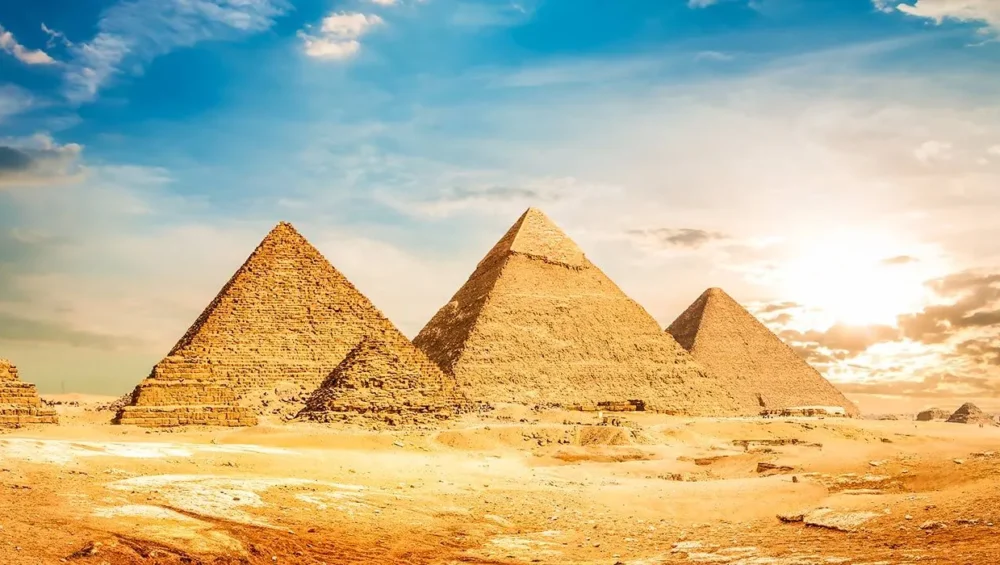
Why Did The Egyptians Build Pyramids? Unlocking the Secrets of Ancient Egypt’s Timeless Marvels
The Egyptian pyramids have long captured the imagination of historians, travelers, and scientists alike. These grand stone monuments, dominating the desert horizons of Giza, Saqqara, and Dahshur, symbolize the extraordinary achievements of one of the world’s most advanced ancient civilizations. But beyond their unmistakable beauty and architectural mastery lies a profound purpose deeply rooted in the Egyptian worldview, religious beliefs, and societal structure. Understanding why the Egyptians built pyramids sheds light not only on their engineering capabilities but also on their spiritual life, politics, and enduring obsession with immortality.
For the ancient Egyptians, life on earth was merely one part of an eternal journey. The pyramids, therefore, were not simply royal tombs—they were celestial launchpads, colossal bridges linking the mortal and eternal realms. Every stone was laid with precision to ensure the pharaoh’s safe passage to the afterlife. As we unravel this centuries-old question—why did the Egyptians build pyramids—we unearth fascinating insights about Egyptian religion, cosmology, daily life, and the evolution of royal power. Their engineering talent, religious devotion, and organizational efficiency forged monuments that still leave modern architects scratching their heads.
Many visitors today witness their grandeur through curated Cairo Day Tours or Camel Ride Trips at the Pyramids, standing in awe of structures built over 4,500 years ago. Yet, the question lingers in every traveler’s mind—what truly motivated such massive undertakings in the blazing desert sands? Let’s dig deeper into the mystical, political, and cultural layers behind these monumental endeavors.
The Spiritual Purpose Behind the Egyptian Pyramids
The Egyptians’ belief in the afterlife forms the foundation for understanding why the pyramids were built. Egyptian religion was deeply intertwined with death and rebirth, guided by the principle of ‘Ma’at’—the cosmic order that sustained life, justice, and balance. The pharaoh, seen as both a divine and mortal ruler, was the living embodiment of Horus on earth and Osiris after death.
The pyramid’s shape itself symbolized the rays of the sun descending to earth, connecting heaven and earth. This geometrical symbolism was no coincidence. The Egyptians believed that the soul of the deceased pharaoh ascended to heaven along the sun’s rays to join Ra, the sun god. Hence, the pyramid acted as a spiritual gateway—a stairway to eternity. Many Egyptologists argue that the orientation of pyramids aligned with specific celestial points to assist the pharaoh’s spiritual rebirth in the divine realm.
The connection between pyramids and divine kingship becomes even clearer when visiting sacred sites like Saqqara Pyramids and Dahshur, where early prototypes reveal Egypt’s centuries-long experimentation before reaching perfection with the Great Pyramid of Giza.
Engineering Marvels: How the Pyramids Embodied Cosmic Order
The engineering precision of these pyramids was no accident—it was a reflection of the Egyptian worldview that emphasized symmetry, order, and harmony. The orientation of the Giza pyramids, for instance, mirrors the four cardinal directions, and even today, they remain almost perfectly aligned with the true north. Achieving this level of accuracy without modern tools underscores not only mathematical genius but also spiritual devotion to cosmic order.
By aligning architecture with divine geometry, Egyptians ensured that their pharaoh’s journey mirrored cosmic balance. This fusion of science, religion, and art made the pyramids an eternal testament to human creativity powered by divine inspiration.
The Political Symbolism of the Pyramids
Beyond their religious function, pyramids were also potent political symbols. They reinforced the authority of the king both in life and death. Constructing a pyramid required thousands of workers, vast resources, and meticulous planning—showcasing the pharaoh’s absolute control over both men and materials. Each block of stone represented royal might.
During Egypt’s Old Kingdom, especially from the Third to the Sixth Dynasties, pyramid-building reached its zenith. Kings like Sneferu and Khufu transformed engineering into an imperial project. As the nation watched these immense structures rise, their faith in divine kingship strengthened. The pharaoh’s ability to organize such monumental works symbolized Egypt’s stability, unity, and cosmic order under his rule. Their message was clear: as eternal as these stone mountains stood, so too would the king’s legacy endure.
Travelers today can witness those same symbols of authority on journeys such as the Day Tour to the Pyramids & the Nile or through Private Tours to Pyramids, Sakkara, and Dahshur, tracing the footsteps of kings who once commanded nations from these sacred grounds.
Labor, Logistics, and National Identity
Contrary to popular myths of slave labor, evidence now shows that workers who built the pyramids were skilled laborers—craftsmen, stonemasons, and farmers employed during the Nile’s flood season. These temporary workers were housed in organized communities with access to food, medical care, and social structures. Their collective loyalty reflected Egyptian pride and devotion to serving the god-king, ensuring divine favor for the entire nation.
The Evolution of Pyramid Design
Pyramid design didn’t start grand; it evolved through centuries of trial and innovation. The earliest pyramid, Djoser’s Step Pyramid at Saqqara, designed by the legendary architect Imhotep, marked a transformative chapter in architecture. It started as a simple mastaba tomb and evolved into a six-tiered structure, the first monumental stone building in history. Sneferu’s reign experimented with techniques that led to the development of the Red and Bent Pyramids at Dahshur—precursors to the near-flawless perfection of Khufu’s Great Pyramid of Giza.
Every generation of builders refined stone-cutting technology, transport methods, and logistic systems, creating a tradition of architectural excellence that influenced later civilizations. Exploring Meidum Pyramid or visiting the Grand Egyptian Museum reveals the story of evolution from early prototypes to eternal perfection.
The Shift to the Valley of the Kings
As time passed, pyramid construction declined due to resource strain, tomb robberies, and changes in royal ideology. Later pharaohs, particularly during the New Kingdom, built tombs hidden within rock-cut valleys to protect their sacred remains. This shift gave rise to the Valley of the Queens and the Ramesseum Temple in Thebes. While these tombs abandoned pyramid shapes, the symbolism of resurrection and eternal life persisted.
The Pyramids as Portals to Immortality
For the ancient Egyptians, building pyramids was an act of faith, ensuring that death was not the end but a transition to eternal life. Within the pyramids lay passageways, false doors, and ceremonial chambers filled with treasures, food, and sacred texts meant to guide the king’s ka (spirit) through the trials of the afterlife. Hieroglyphs in burial chambers describe the soul’s journey, and texts such as the Pyramid Texts recorded spells and incantations. Through these divine instructions, the king dared to ascend among the stars.
The interior of the Great Pyramid was designed not for display but for transformation. Every passage symbolized stages of spiritual awakening—moving from earthly darkness to celestial illumination. Visiting sites such as Pyramids and Nile Cruise Holidays brings this mystical journey to life, connecting the sands of Giza with the sacred waters of the Nile.
Cosmic Alignments and Celestial Faith
Egyptian architects oriented their monuments to mirror constellations like Orion’s Belt, associated with Osiris, god of the afterlife. The stars served as navigational and spiritual points, marking the pharaoh’s eternal home among the gods. This celestial connection reveals how deeply astronomy influenced Egyptian religion, society, and the construction of these monumental gateways to the heavens.
The Lasting Legacy of the Pyramids
The pyramids were not merely tombs—they were Egypt’s message to eternity. Even today, they inspire travelers from around the world to take journeys like Egypt Vacation Packages or Cairo and Nile Cruise Packages that combine history, culture, and adventure.
Engineers study them as feats of precision. Theologians view them as sacred structures symbolizing man’s yearning for immortality. And tourists stand in silent awe beneath these colossal structures, realizing they witness humanity’s oldest love letter to eternity. The pyramids endure because they embody the essence of what it means to be human—a blend of ambition, faith, and creativity that transcends time itself.
Frequently Asked Questions About Why the Egyptians Built Pyramids
1. What was the main purpose of the pyramids in ancient Egypt?
The primary purpose of the pyramids was to serve as burial tombs for Egypt’s pharaohs. They were designed to protect royal mummies and help the soul ascend to the afterlife. The pyramids symbolized the pharaoh’s divine nature and his eternal union with the gods, especially Ra, the sun god.
2. How were the Egyptian pyramids constructed?
The construction of the pyramids involved quarrying massive limestone and granite blocks, transporting them via sleds and ramps, and meticulously aligning them by hand. Skilled laborers, not slaves, executed the work under organized teams. Studies of ancient quarrying methods and worker villages in Giza offer insights into this incredible feat of engineering.
3. Why are pyramids mostly found near the Nile River?
The proximity to the Nile facilitated the transportation of heavy stones and materials. Additionally, the fertile Nile Valley supported the workforce’s food supply. Being close to the river also reflected the Egyptians’ belief in rebirth and continuity since the Nile symbolized life-giving energy and eternal renewal.
4. Did all Egyptian pharaohs build pyramids?
No, not all pharaohs built pyramids. After the Middle Kingdom, pyramid construction declined due to resource constraints and frequent tomb robberies. Later rulers opted for hidden tombs, like those in the Luxor City area’s Valley of the Kings, to safeguard their burial treasures and ensure eternal rest.
5. Can tourists visit inside the pyramids today?
Yes, visitors can explore the interior of several pyramids, including the Great Pyramid of Khufu. Walking through the narrow corridors and burial chambers offers a tangible connection to Egypt’s grand past. Modern packages such as Luxury Egypt Tours and Egypt Day Tours allow travelers to experience these wonders with expert guides, ensuring a safe and memorable adventure.