El Moez Street

El Moez Street: The Vibrant Heart of Islamic Cairo’s Golden History

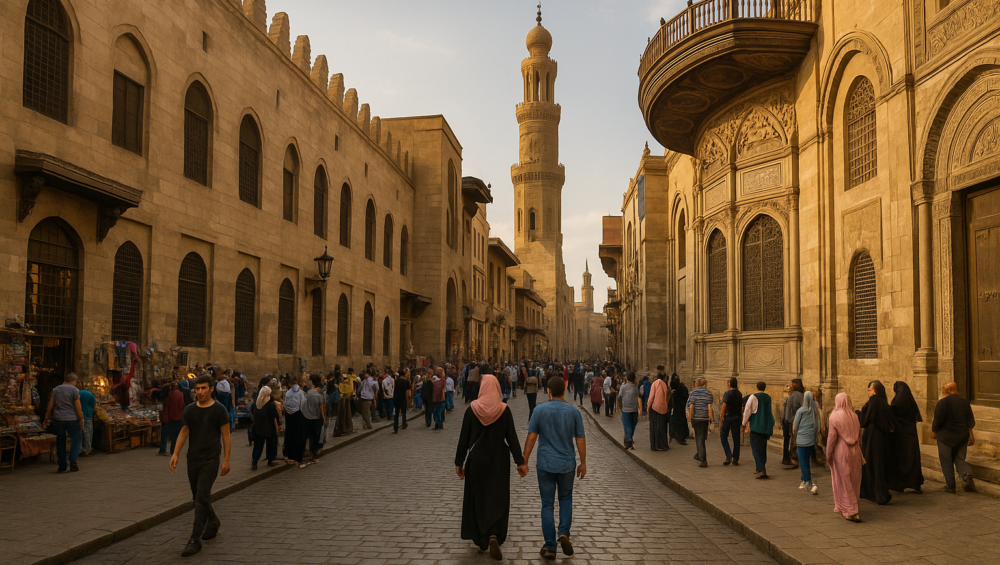
El Moez Street, also known as Al Moez li-Din Allah Street, is one of the oldest and most captivating streets in Cairo. It stands as a living museum of Islamic architecture, stretching through the heart of ancient Cairo. Established during the Fatimid era in the 10th century, El Moez Street remains a profound representation of Egypt’s rich cultural and architectural heritage. The street unfolds like an open-air gallery where every minaret, courtyard, and gate tells a story of faith, artistry, and glorious dynasties that once ruled Egypt.

Walking down El Moez Street is like stepping back in time. The aroma of incense wafts through the air, traditional craftsmen still hammer away at copper and brass, and the echoes of the azan from historic mosques create a spiritual atmosphere. Travelers who embark on a journey here find themselves amazed by the seamless blend of the ancient and modern. Between bustling souks and timeless monuments, El Moez Street embodies an immersive experience that calls visitors to capture the essence of Islamic Cairo. Whether day or night, its beauty never fails to surprise anyone who ventures here.

For those on a cultural exploration through Islamic Cairo, El Moez Street stands out as one of the top places to visit. With over a thousand years of history, this UNESCO-recognized heritage site showcases more Islamic monuments per square meter than any other street in the world. Indeed, it’s where Egypt’s legacy whisperers dwell — from Fatimid mosques to Mamluk schools and Ottoman houses. Adventurers visiting through Cairo Day Tours can easily include this monumental street in their itineraries and get a firsthand glimpse of Cairo’s captivating magic.

The Historical Legacy of El Moez Street

El Moez Street’s deep history dates back to the Fatimid Caliphate around 970 AD, named after Caliph Al-Moez Li-Din Allah, the founder of Cairo. The Fatimids intended it as the city’s main ceremonial axis. Over the centuries, it flourished under various Islamic dynasties — Ayyubids, Mamluks, and Ottomans — each adding their architectural flavor. Today, it embodies an uninterrupted timeline of Islamic art in stone and brick.

At its peak, El Moez stretched from Bab Al-Futuh in the north to Bab Zuweila in the south, forming the core of old Cairo. These two gates still stand proudly, symbolizing the city’s endurance. With meticulous restoration projects, the street has regained its former glory, attracting architecture enthusiasts, historians, and travelers alike. The street’s layout reveals Cairo’s genius urban planning with mosques, madrasas, khanqahs, and sabils all aligned along a narrow path that exudes mystery and vitality.

Architectural Marvels Along El Moez Street

The architecture of El Moez Street is nothing short of mesmerizing. It’s where the early Islamic, Mamluk, and Ottoman designs merge harmoniously. Some of the most renowned monuments include the Sultan Qalawun Complex, notable for its exquisite marble and intricate wooden ceilings, and the Al-Aqmar Mosque, showcasing unique stone facades and geometric patterns. The Sultan Hassan Mosque nearby, though technically beyond the street, reflects similar craftsmanship defining Islamic Cairo’s golden era.

Another remarkable gem is the Al-Ghuri Complex, built by Sultan Al-Ghuri during the early 16th century. Its towering minaret and geometrically adorned walls make it a visual masterpiece. The adjacent Wekalet El Ghouri hosts mesmerizing Sufi dance performances that connect visitors to Egypt’s spiritual side. If you’re on one of our comprehensive Egypt Day Tours, reaching this area is a must to embrace the synergy between heritage and culture.

Famous Monuments That Define El Moez Street

Visitors can explore a series of stunning sites along the street, such as the Al Azhar Mosque, a beacon of Islamic education for over a millennium, and the Mosque of Sultan Barquq, adorned with mosaics and calligraphy. Hidden alleys lead to old caravanserais, or khans, that once accommodated merchants from across Africa and the Middle East. Their intricate mashrabiya windows and sturdy designs reflect Cairo’s commercial heart.

Just steps away stands the Mosque of Ibn Tulun, one of the oldest and largest in Egypt, representing architectural elegance from the 9th century. For those wanting a panoramic experience, climbing its spiral minaret offers breathtaking views of Islamic Cairo, including vibrant neighborhoods and iconic rooftops.

The Night Ambience of El Moez Street

At night, El Moez Street transforms into something utterly magical. Soft golden lights illuminate the ancient stone facades, making the monuments glow under the Cairo sky. The combination of shadows and warm light gives the scene an almost surreal beauty. Musicians play Arabic oud and tabla rhythms along the sidewalks, street vendors sell aromatic coffee, and the evening hum grows into a lively cultural symphony. It’s the perfect time for photography, street food, and leisurely walks for those fascinated by Cairo’s living heritage.

El Moez Street: A Cultural Experience Beyond Time

Visiting El Moez Street is more than sightseeing — it’s a multisensory journey through Cairo’s spiritual and social heart. Here, you’ll witness how Egyptians have preserved traditions for centuries. Copper workshops still ring with the sound of hammers creating fine ornaments, while spice shops release exotic fragrances. This legacy of craftsmanship makes it one of the most authentic cultural destinations for explorers opting for Egypt Vacation Packages with heritage highlights. The street truly represents Islamic Cairo’s durable vitality — ancient yet eternally renewed.

Top Experiences on El Moez Street

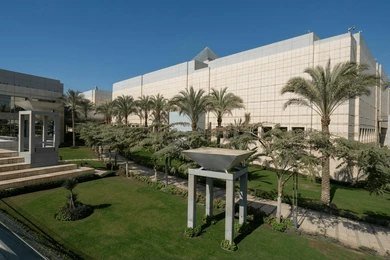
El Moez Street isn’t just a walk down memory lane; it’s where history and everyday life walk hand in hand. You’ll find local artisans selling traditional brass lanterns, intricate wooden boxes, and handwoven textiles — souvenirs you won’t find elsewhere. Culinary delights await too, from crispy falafel to sweet konafa, echoing Egypt’s timeless flavors. Many travelers combine their visit with a tour to Coptic Cairo and the National Museum of Egyptian Civilization for a full immersion into Cairo’s multilayered identity.

Morning is ideal for photography as the sunlight unveils the true color palette of the monuments, while evenings deliver mesmerizing shadow contrasts. Local guides share fascinating anecdotes and hidden details, ensuring your experience goes beyond surface beauty. Choosing private guided tours like Egypt Private Tours allows visitors to appreciate each monument’s history without the crowds.

El Moez Street and Khan El Khalili Market

At the southern end of El Moez Street lies the bustling Khan El Khalili bazaar, another Cairo landmark. These two sites blend seamlessly, forming a labyrinth of historic charm and commercial vibrance. The bazaar was once the hub of trade during the Mamluk period and continues to buzz with energy today. Here, bargaining is both an art and tradition. Whether you’re seeking antiques or Egyptian spices, this bazaar completes the cultural mosaic that El Moez Street begins.

Preservation and Restoration Efforts

The Egyptian government and UNESCO have invested significantly in preserving El Moez Street’s integrity. Restoration projects recovered mosaics, maq’ad (balconies), and fountains that once risked decay. Electric cables were buried underground to maintain the historical view, and street lighting now enhances night visits. This conservation ensures future generations can still walk amid the glories of Cairo’s past. Visitors taking heritage-focused journeys like the 7 Days Cairo and Nile Cruise Package often highlight this as their top cultural stop.

How to Reach El Moez Street

Reaching El Moez Street is convenient from any part of Cairo. It’s located in the heart of old Cairo, near Al Azhar Mosque. Taxi and ride-hailing services easily drop visitors by the northern gate, Bab Al-Futuh, or the southern Bab Zuweila. Those staying in downtown Cairo can even enjoy a short walk through the city’s vibrant streets. Travelers arriving via Egypt Family Tours find El Moez Street particularly enjoyable for its safety and charm.

Best Time to Visit El Moez Street

Though the street is beautiful year-round, the best time to explore is during cooler months from October to April. Early mornings and late afternoons offer ideal lighting and smaller crowds. During Ramadan, the entire area bursts to life with decorations, lanterns, and night feasts creating extraordinary spiritual energy. Many tourists consider joining a themed city excursion such as the Coptic and Islamic Cairo Tour, which typically includes El Moez Street for a full-day cultural exploration.

FAQs about El Moez Street

Where is El Moez Street located?

El Moez Street lies within the Islamic Cairo district, stretching from Bab Al-Futuh to Bab Zuweila. It’s within walking distance of Al Azhar Mosque and Khan El Khalili bazaar, right at Cairo’s historical center.

Why is El Moez Street famous?

It’s famous for being one of the oldest streets in Cairo and hosting the greatest concentration of Islamic architectural monuments from different eras, making it a UNESCO World Heritage treasure.

How long does it take to explore El Moez Street?

Depending on your pace, exploration can take 3 to 5 hours. Guided tours help you access and understand the historical background of each mosque and madrasa along the way.

Is El Moez Street safe for tourists?

Yes, it’s one of the safest areas in Cairo for visitors. Police presence and tourist guidance make it comfortable to explore both day and night, especially when combined with certified tours like those offered in All Inclusive Egypt Vacations.

What’s the best way to experience El Moez Street?

Joining a local guide or booking private historical tours enhances the experience. Visitors often pair their trip with nearby attractions such as Al Azhar Park and the Alabaster Mosque for panoramic views of Cairo’s skyline.
Sultan Hassan Mosque

Sultan Hassan Mosque: The Crown Jewel of Mamluk Architecture

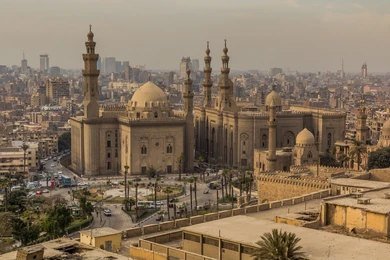
Rising majestically in the heart of Cairo, the Sultan Hassan Mosque stands as one of the most extraordinary architectural achievements of the Islamic Golden Age. Constructed during the 14th century, this mosque-madrasa complex has captured hearts for centuries with its grandeur, exquisite detailing, and sheer scale. As one approaches its towering façade, the harmony between power and faith becomes almost palpable. Sultan Hassan Mosque isn’t just a historical site; it’s a monumental reflection of Islamic art, Mamluk engineering genius, and Egypt’s rich cultural tapestry. Travelers, historians, and photographers consider it one of the most mesmerizing mosques in the Islamic world, a masterpiece harmonizing history, symmetry, and spirituality in one breathtaking blend.

Commissioned by Sultan An-Nasir Hassan of the Mamluk dynasty in 1356 AD, this mosque was designed to house not only a place of worship but also an institution for Islamic learning. Its massive walls, intricate carvings, and lofty minarets evoke awe and reverence. The monument’s design was revolutionary for its time, setting a precedent for mosque architecture across the Islamic world. Every curve, column, and carving reflects intricate craftsmanship that defies imagination. Visitors today who join specialized Cairo Day Tours often highlight this mosque as their most profound encounter with Islamic art and history.

Standing opposite the majestic Al Rifai Mosque and near the enduring Citadel of Salah El-Din, the Sultan Hassan Mosque contributes to one of Cairo’s most iconic cityscapes. Its legacy extends beyond faith—representing resilience, architectural superiority, and a timeless testament to Egypt’s spiritual depth. Let’s uncover its history, architecture, and everlasting cultural importance.

The Historical Significance of Sultan Hassan Mosque in Cairo

The Sultan Hassan Mosque is not merely a religious structure. It represents an era of power, opulence, and artistic awakening in medieval Cairo. Erected under the reign of Sultan Hassan, the mosque was constructed at a time when the Mamluk Sultanate was at its zenith. After regaining the throne from turmoil and political instability, Sultan Hassan ordered a grand mosque that would symbolize his authority and his devotion to Islam. The result? One of the most ambitious architectural endeavors the Islamic world had ever seen.

Spanning nearly 7,906 square meters, it was an engineering miracle considering the tools of the era. Historians even dubbed it the ‘Pyramid of Islamic Architecture’ due to its sheer size and perfection. Many of those intrigued by Egypt’s multifaceted religious history pair their mosque visit with experiences such as the Coptic and Islamic Cairo Tour, which explores Cairo’s layered spiritual narrative—from ancient Christian shrines to Islamic marvels like Sultan Hassan Mosque and beyond.

Founding Vision: Sultan Hassan’s Determination and Faith

Sultan Hassan ascended the throne as a young ruler whose reign was marked by challenges. His vision for building a colossal mosque symbolized more than spirituality—it symbolized continuity amid chaos. He appointed accomplished architects and artisans, orchestrating an extraordinary symphony of marble, stone, and geometric ingenuity. Tragically, he didn’t live to see its completion, but the enduring mosque became his eternal legacy—standing tall for over six centuries as his monument of faith.

Mamluk Creativity and Architectural Influence

The design of Sultan Hassan Mosque was revolutionary. It wasn’t just grand; it was ingeniously functional. The mosque integrated a madrasa (school) system designed to teach the four main Sunni schools of thought—Hanafi, Maliki, Shafi’i, and Hanbali—within the same complex. This multi-purpose concept influenced future Islamic learning centers across the Middle East. Its distinct blend of Persian and Syrian design elements showcased Cairo’s pivotal position as a hub of culture and education. Visitors who embark on historical journeys such as the Private Tour to the Pyramids and Khan Khalili Bazaar often combine it with a visit to Sultan Hassan Mosque for a deeper appreciation of Cairo’s fusion of faith and heritage.

Architectural Marvel: A Masterpiece of Islamic Artistry

The Sultan Hassan Mosque is celebrated worldwide for its extraordinary architectural elegance. The massive pointed arch gateway, reaching almost 38 meters high, astonishes visitors upon entry. The enormous bronze doors, intricately decorated with Quranic calligraphy, open into a hypnotic courtyard surrounded by towering iwans. Sunlight dances on the polished marble floors as echoes of the adhān (call to prayer) fill the air, creating a transcendent aura of sacred tranquility.

The walls are adorned with Kufic inscriptions and geometric motifs, while the marble mihrab remains one of the finest ever carved. The minaret, among Cairo’s tallest, soars above the city, overseeing its ancient skyline with quiet grandeur. For those exploring Cairo’s architectural heritage through curated experiences like the Alabaster Mosque of Muhammad Ali or the Islamic Art Museum, Sultan Hassan Mosque offers the unrivaled climax of artistry and ingenuity.

The Grand Courtyard and Iwans

At the heart of the complex lies a vast courtyard bordered by four monumental iwans. Each iwan, vault-like and richly adorned, is devoted to a particular Islamic school of law. The central ablution fountain glimmers beneath a wooden dome, revealing years of careful preservation. The acoustics are exceptional, amplifying chants during prayers—a fine example of early acoustic engineering. Scholars often reference this courtyard in architectural study programs similar to those spotlighted in heritage explorations like El Moez Street, the beating heart of Islamic Cairo.

The Marble Mihrab and Minbar

The mosque’s mihrab (prayer niche) is dazzling. Gilded marble slabs, intricate mosaics, and gilded inscriptions converge into artistry that speaks of divinity. The minbar (pulpit) beside it, made of inlaid wood and mother-of-pearl, retains its original form—a masterpiece unmatched across North Africa. Craftsmen of the time imported marble from distant quarries, showcasing Cairo’s role as a global art destination centuries ago.

Stone Masonry and Domes

The craftsmanship of the carved stonework reflects Mamluk excellence. The domes, once among Cairo’s most ambitious, define spatial balance and beauty unparalleled in medieval Islamic construction. Although restorations altered some features, the mosque’s original soul persists—its strength and harmony remain untouched, much like the eternal architectural expressions one witnesses during an exploration of Luxor Temple.

Cultural Legacy: Sultan Hassan Mosque Through the Centuries

The Sultan Hassan Mosque isn’t just a relic—it’s a living monument breathing through Cairo’s rhythm. It has endured political turmoil, earthquakes, and wars, yet remains a vibrant epicenter of spirituality. Throughout centuries, scholars, Sufi mystics, and travelers have gathered here for dialogue, prayer, and learning. The mosque’s design later inspired several mosques in regions from Damascus to Istanbul. Its enduring cultural pulse remains central to Islamic Cairo, serving as an architectural timeline of the city’s evolution.

Even for modern tourists exploring Egypt’s diversity through packages such as Egypt Vacation Packages or Luxury Egypt Tours, Sultan Hassan Mosque provides an intimate window into Cairo’s soul—where faith meets art in an eternal embrace.

The Mosque’s Role in Islamic Education

During the 14th and 15th centuries, the Sultan Hassan Mosque was among Cairo’s grandest centers of Islamic scholarship. Generations of students learned jurisprudence, literature, and astronomy beneath its domes. It embodies an era when Cairo thrived as a beacon of learning across the Islamic world. Its madrasa-system blueprint inspired countless institutions, much like how the Al Azhar Mosque became synonymous with global Islamic education.

Modern Conservation and Tourism

The Egyptian government and international heritage organizations have preserved the mosque with diligence. Restoration projects focus on preserving its marble details, minarets, and halls for generations to admire. Whether visited through a Day Tour from Cairo or integrated into broader cultural journeys, it remains an unmissable treasure for heritage enthusiasts and architectural connoisseurs alike.

The Mosque in Popular Culture

Many filmmakers, photographers, and novelists have found inspiration within its monumental shadow. The mosque has appeared in historical documentaries and modern productions alike. Its sheer presence continues to shape Cairo’s identity, acting as both muse and monument for artists seeking authentic Egyptian scenes.

Tips for Visiting Sultan Hassan Mosque

For travelers drawn by history and elegance, a visit to Sultan Hassan Mosque is a must. Early mornings or late afternoons illuminate the courtyard in golden hues—perfect for serene photography moments. Modest attire is required, and visitors are encouraged to explore both the interior and the view across to the Al Rifai Mosque for the complete Cairo skyline experience. Many travelers include the mosque visit in curated Egypt Day Tours for a deeper dive into Islamic and Mamluk heritage.

Nearby Attractions Worth Exploring

The Citadel of Salah El-Din, the Alabaster Mosque, and the bustling Khan El Khalili Bazaar are all within proximity. For those seeking relaxation after a day steeped in Cairo’s history, luxurious cruise experiences such as the Luxury Dahabiya Nile Cruise offer a tranquil contrast—sailing between serenity and elegance.

Frequently Asked Questions About Sultan Hassan Mosque

What is the Sultan Hassan Mosque famous for?

The Sultan Hassan Mosque is celebrated for its massive scale, majestic design, and role as a historical and educational complex. It represents Mamluk architecture at its peak, symbolizing both devotion and architectural mastery in Islamic Cairo.

When was the Sultan Hassan Mosque built?

Construction began in 1356 AD under Sultan An-Nasir Hassan and continued for about seven years. Despite the Sultan’s early death, his vision of a monumental place of worship and learning was fully realized.

Where is Sultan Hassan Mosque located?

The Sultan Hassan Mosque sits opposite Al Rifai Mosque in the historic district near the Citadel of Salah El-Din, in Cairo, Egypt. This area is a cornerstone for those exploring the Islamic heritage of the city.

What makes the architectural design unique?

The mosque’s four-iwan layout, its towering entrance, and exquisite marble mihrab distinguish it from other mosques. The integration of multiple madrasa schools within a single structure was innovative, making it both functional and elegant.

Can non-Muslim visitors enter Sultan Hassan Mosque?

Yes, non-Muslim visitors are welcome to explore Sultan Hassan Mosque. Modest dress and respectful behavior are expected. Guided visits often provide deeper insights into its religious and artistic importance, available through many Egypt Private Tours.

Baron Empain Palace

Baron Empain Palace – The Enigmatic Jewel of Heliopolis and its Captivating Architectural Legacy

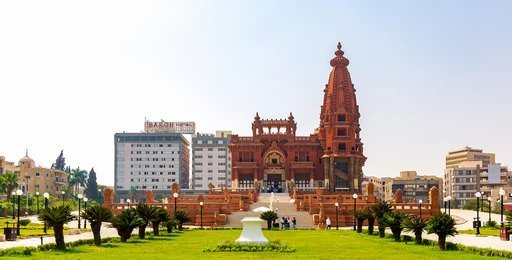
Nestled in the heart of Heliopolis, Cairo, the Baron Empain Palace stands as a stunning symbol of eccentric architecture, colonial ambition, and mystique. This awe-inspiring mansion, designed by Belgian industrialist Édouard Louis Joseph Empain, known as Baron Empain, is more than just a palace—it’s a living legend. It captures the imagination of every traveler who sets foot before its gates. Built between 1907 and 1911, its design fuses Hindu temple flair with European luxury, creating one of Egypt’s most visually arresting monuments. This architectural masterpiece is a striking representation of Egypt’s early 20th-century modernity meeting timeless historical charm. With its otherworldly design, intricate rotunda, and panoramic tower view of Heliopolis, Baron Empain Palace has fascinated historians, architects, and explorers alike for over a century.

The palace’s history is steeped in mystery and tales of grandeur. Local legend whispers that the palace once revolved on its axis to follow the path of the sun, though this myth remains unverified. What’s true, however, is that Baron Empain envisioned Heliopolis as a luxurious desert suburb—a utopian retreat—and his palace, an architectural manifesto of this dream. Today, following extensive restoration by the Egyptian Ministry of Antiquities, the palace has reopened to the public, offering an immersive historical experience. Travelers visiting Cairo can easily pair a visit to Baron Empain Palace with spectacular experiences like Coptic and Islamic Cairo Tour or a scenic Felucca Trip on the Nile in Cairo. A visit here reveals the splendor of colonial Egypt and the intriguing story of an eccentric baron who helped shape modern Cairo.

Origin of the Baron Empain Palace – A Visionary’s Dream Turned Reality

Baron Empain, the Belgian millionaire behind the palace, wasn’t merely a businessman—he was a visionary. After gaining fame through railway construction across Europe and the Middle East, he came to Egypt to build the electric tramway system connecting Cairo to his newly planned city of Heliopolis. His dream was to create an exclusive community for the elite, filled with gardens, palatial mansions, and public buildings blending cultures and styles. His own residence, the Baron Empain Palace, was the apogee of this idea. It symbolized the birth of Heliopolis, combining functionality with unconventional beauty. Designed by French architect Alexandre Marcel and landscape architect Georges-Louis Claude, the palace’s unique Indo-Saracenic style was heavily inspired by the Angkor Wat temple in Cambodia and Hindu architecture of South India.

One can’t help but compare its grandeur to other Egyptian royal estates, such as Abdeen Palace or Montazah Palace in Alexandria. Yet, Baron Empain Palace stands apart for its mystical aura and spiritual design. Its structure allowed sunlight to elegantly interact with its sandstone pillars throughout the day, radiating golden hues that still bedazzle visitors. The baron’s fascination with mythology, religious symbols, and architectural perfection echoes in every corner, from the bronze statues of deities to the lavish spiral staircases.

Architectural Design of Baron Empain Palace – Merging Cultures in Stone

The architectural language of Baron Empain Palace is a fascinating hybrid of Eastern and Western motifs. The palace’s towers, columns, and carvings are symbolic orchestrations of Hindu, Khmer, and European Renaissance influences. Standing tall against Cairo’s desert skyline, the building is constructed primarily from reinforced concrete—an innovative material at the time—ensuring its longevity. Its pinkish hue, adorned with statues of gods, fantasy creatures, and mythological beasts, makes the palace not only mysterious but also a timeless symbol of Heliopolis’s grandeur.

The interior offers a maze of opulent rooms, secret passages, and finely carved wooden staircases. Each room tells a tale of Empain’s travels and spiritualism. While the palace once featured luxurious décor imported from Europe, the current restoration emphasizes authenticity, preserving its original essence. Similar stylistic wonder can be found in ancient Egyptian temples like Temple of Philae and Abu Simbel Temples, both of which evoke that same blend of faith, design, and storytelling through architecture.

Heliopolis: From Desert to Dream City

Before Heliopolis became a bustling suburb, it was just barren desert. Baron Empain’s vision was revolutionary—he wanted to transform this empty land into a paradise of luxury living and cultural exchange. Heliopolis quickly grew into a landmark of Cairo’s modernization. The palace stood proudly as its icon, surrounded by avenues, tramlines, and charming villas. Baron Empain even built the Basilique Notre-Dame d’Heliopolis, adding a spiritual dimension to the neighborhood. The Baron’s concept resonated with European elegance, yet it seamlessly blended with Egyptian charm.

Over time, Heliopolis became one of Cairo’s most desired districts, attracting wealthy Egyptians and foreigners. Today, visitors to the area can easily enrich their experience by exploring other nearby wonders through Cairo Day Tours or a captivating Day Tour to El Fayoum from Cairo, which reflects the region’s harmony between innovation and heritage.

Symbolism and Mythology Within the Baron Empain Palace

The Baron Empain Palace’s intricate sculptures reflect deep symbolism rooted in ancient mythology and Indian spirituality. Its windows and doors are framed by scenes depicting deities, dragons, dancers, and floral motifs, representing life, energy, and eternal movement. One fascinating myth says the palace was aligned to follow the sun’s path—a poetic expression of harmony between man-made craft and natural energy. This symbolic interplay gives the palace an almost mystical character, reinforcing its reputation as Cairo’s “Palace of the Sun.”

Legends even speak of supernatural occurrences in its halls, adding layers of intrigue that attract both historians and thrill seekers. Whether fact or fiction, these stories only enhance the palace’s appeal and make it a centerpiece among Egypt’s mysterious landmarks, much like the enigmatic Sphinx Statue and the magnificent Valley Temple in Giza.

Restoration and Revival of the Baron Empain Palace

After decades of neglect, the Egyptian government initiated a comprehensive restoration project in 2017, returning the palace to its former glory. The work included structural reinforcement, surface cleaning, reproduction of original murals, and the recreation of sculptural details using archival blueprints. Today, the palace operates as both a museum and cultural venue, featuring exhibitions that document Heliopolis’s history and the baron’s life. This revival marks a significant step in preserving Egypt’s modern heritage while reinforcing its touristic appeal.

Visitors now can explore the palace’s rooms, admire the panoramic rooftop, and attend cultural events celebrating Egypt’s cosmopolitan spirit. Those who wish to expand their adventures can discover more of Cairo’s historical marvels through journeys such as the Cairo City Tour to the Egyptian Museum, Citadel and Old Cairo or enjoy ultimate luxury through customized Luxury Egypt Tours.

Touring the Baron Empain Palace: What Visitors Can Expect

Inside the Baron Empain Palace, every corridor whispers stories from the past. Guided tours reveal not just architectural expertise but a vision that shaped Cairo’s identity. The exhibition halls display artifacts, photographs, and models highlighting Heliopolis’s transformation. Visitors can ascend to the rooftop for breathtaking city views, making the palace a perfect stop for photographers and history enthusiats alike.

Tourists often combine this visit with day excursions like Day Tour to the Pyramids & the Nile or exclusive Egypt Private Tours, ensuring a full perspective on Cairo’s fascinating past and dynamic present. The palace’s convenient location makes it an ideal start for exploring other key sites such as Citadel of Salah El-Din and Al Azhar Mosque.

Baron Empain Palace and Cairo’s Modern Identity

Today, Baron Empain Palace is not merely a monument; it’s a symbol of Egyptian resilience and identity. It bridges European and Egyptian heritage while reminding visitors of the globalization Cairo embraced in the early 1900s. The palace embodies ambition, art, and innovation—values deeply ingrained in the Egyptian spirit. Its revival encourages sustainable tourism and cultural education, aligning perfectly with Egypt’s broader mission to modernize while protecting its historical essence.

FAQs About Baron Empain Palace

1. Where is the Baron Empain Palace located?

The Baron Empain Palace is situated in Heliopolis, a northern district of Cairo, Egypt. It’s easily accessible via taxi, metro, or organized Cairo Day Tours.

2. Who built the Baron Empain Palace?

The palace was commissioned by Belgian entrepreneur Baron Édouard Empain and designed by French architect Alexandre Marcel, combining Hindu and Cambodian architectural styles.

3. What makes the Baron Empain Palace unique?

Its Indo-Saracenic design, intricate sculptures, and panoramic tower make it one of Egypt’s most extraordinary examples of early 20th-century architecture.

4. Can tourists visit inside the Baron Empain Palace?

Yes, after restoration, the palace reopened to the public as a museum showcasing the history of Heliopolis and Baron Empain’s vision for modern Cairo.

5. What are nearby attractions to the Baron Empain Palace?

Travelers can visit sites like the Grand Egyptian Museum, Cairo Tower, and enjoy guided city tours such as Day Tour to Cairo from Luxor by Flight.

Conclusion: The Eternal Allure of the Baron Empain Palace

The Baron Empain Palace continues to epitomize the grandeur, creativity, and mystery that define Egypt’s timeless beauty. More than a landmark, it’s a portal into an era when hearts dreamed boldly, and hands built the unimaginable. This monument doesn’t just stand in stone; it breathes history. Whether you’re captivated by its architectural genius, intrigued by its legends, or simply chasing Egypt’s charm, visiting the Baron Empain Palace promises an experience that lingers long after you’ve left its sunlit gates.

For those seeking to dive deeper into Egypt’s treasures, pairing your visit with luxury journeys like the 10 Days Palace Hotels in Egypt Tour or river adventures aboard the Dahabiya Nile Cruise transforms your trip into an unforgettable voyage through Egypt’s royal legacy and artistic brilliance.

Al Azhar Mosque

Al Azhar Mosque: The Beating Heart of Islamic Scholarship in Cairo

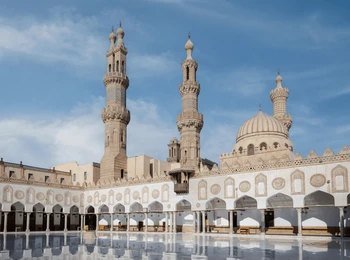
Al Azhar Mosque, nestled in the historic core of Cairo, stands as one of the most influential and venerated institutions in the Islamic world. Established over a millennium ago, it isn’t merely a place of worship but a thriving center of intellectual light, drawing scholars and travelers alike from every corner of the globe. The mosque’s landscape, adorned with elegant minarets and intricate calligraphy, whispers stories of devotion, resilience, and enlightenment. The impact of Al Azhar radiates far beyond Egypt; its legacy in education, architecture, and faith continues to shape the spiritual and cultural identity of countless generations.

Walking through its grand courtyard, visitors can feel the pulse of history beneath their feet. Constructed in 970 AD during the Fatimid Caliphate, it quickly became the cradle of Islamic learning. The significance of Al Azhar transcends religion—it represents the merging of science, theology, and philosophy within the Islamic Golden Age. Today, the mosque and university serve as a beacon for Muslims worldwide, offering degrees in Sharia, Arabic studies, and comparative jurisprudence. Moreover, the architecture of Al Azhar Mosque mirrors Cairo’s evolving identity through multiple Islamic dynasties, each leaving behind artistic layers that make this site a remarkable study in Islamic artistry and heritage.

The Glorious History of Al Azhar Mosque

Founded by the Fatimid Caliph Al-Mu’izz li-Din Allah, Al Azhar was initially built to serve as a symbol of the new Islamic power in Egypt. The name ‘Al Azhar’ was inspired by ‘Al Zahra,’ meaning ‘the shining’—a reference to Fatimah al-Zahra, the Prophet Muhammad’s daughter. Over the centuries, the mosque transcended politics, evolving into a universal hub of Islamic scholarship. By the 10th century, classes in Quranic interpretation, linguistics, and theology were actively being held here, solidifying its status as an educational powerhouse.

Though many dynasties came and went—the Ayyubids, Mamluks, Ottomans, and even modern Egyptian states—Al Azhar maintained its spiritual authority. Each era contributed distinct architectural and academic enhancements, creating a layered narrative of history carved into its marble walls. The mosque’s endurance symbolizes Egypt’s position as the intellectual heart of the Muslim world. Visitors exploring Islamic Cairo often start their journey at Al Azhar, as it represents the city’s most sacred and scholarly origins.

Architectural Evolution Through the Ages

Al Azhar Mosque’s architecture is a visual timeline. Its development mirrors Egypt’s political shifts and artistic trends. Initially simple, the mosque saw expansions during the Fatimid, Ayyubid, Mamluk, and Ottoman periods. Each dynasty left distinct marks—the Mamluks added ornate minarets and marble mihrabs, while the Ottomans introduced domes and decorative calligraphy. The combination results in a mesmerizing fusion of Islamic art and Cairo craftsmanship.

For those who appreciate Islamic architectural masterpieces, pairing a visit to Al Azhar with sites like the Sultan Hassan Mosque or Mosque of Ibn Tulun presents a complete journey through Cairo’s architectural evolution. Each mosque offers a glimpse into different artistic phases that influenced Al Azhar’s own aesthetic journey.

Minarets: The Voices of Faith Through Time

The mosque features a collection of distinctive minarets representing various eras. The twin minarets of Al-Ghuri, constructed in the early 16th century, are especially iconic. Each minaret’s silhouette adds to Cairo’s skyline of spires. These structures not only serve religious purposes but also stand as artistic representations of the dynamic Islamic world that Al Azhar has long influenced.

Al Azhar University: A Global Intellectual Lighthouse

Among the world’s oldest operating universities, Al Azhar University transformed from a mosque school into a sophisticated academic institution offering curricula spanning across Islamic jurisprudence, Arabic linguistics, philosophy, and modern sciences. Its graduates include numerous scholars, reformers, and thinkers who have profoundly shaped Islamic education.

Unlike many religious foundations, Al Azhar encourages dialogue, debate, and interfaith understanding. It has long been an institution that engages with modernity without compromising its traditions. Students from around the globe still gather in its marble courtyards, eager to engage with sacred texts and debate intricate theological concepts—a testament to its ongoing vitality.

For visitors taking Cairo Day Tours, a stop at this revered university gives an incredible peek into how Egypt interlaces education, history, and religion. Every corridor and study hall breathes centuries of enlightenment.

The Academic Curriculum of Al Azhar

The curriculum of Al Azhar is as diverse as its student body. It encompasses fields such as Quranic exegesis, Hadith (prophetic traditions), Islamic law, Arabic grammar, literature, science, and even philosophy. The integration of classical teachings with modern perspectives ensures that students grasp both the historical significance and contemporary relevance of Islamic thought. This balance positions Al Azhar as a mediator between tradition and progress, fostering scholars who contribute meaningfully to the global Muslim community.

Modernization and Global Influence

Throughout the 20th and 21st centuries, Al Azhar launched reforms that modernized its teaching methodologies and extended its curriculum. Inclusion of social sciences, medicine, and engineering created an interdisciplinary model rare among Islamic universities. This transformation positioned Al Azhar as an active participant in international educational discourse. Its university branches and cultural centers across continents make it an unmatched ambassador of Egyptian intellect.

Architectural Beauty and Artistic Treasures

Visiting Al Azhar Mosque is like stepping into a living museum. The intricacy of its stucco carvings, geometric tilework, wooden lattice screens, and rich calligraphy testify to Egypt’s artistic mastery. Every inch tells stories of dynasties that sought to glorify beauty through devotion. The central courtyard, surrounded by arcades, reflects light that dances gracefully on its limestone floors.

Travelers exploring Cairo’s ancient byways—perhaps on a Coptic and Islamic Cairo tour—often describe Al Azhar as a soul-stirring experience. Indeed, its beauty is not ostentatious but harmonious, a reflection of the Islamic aesthetic principle that true art must inspire contemplation.

The Courtyard and Praying Halls

The mosque’s vast courtyard, lined with marble columns and arches, serves as both a communal gathering space and sanctuary. The prayer hall behind the courtyard features multiple niches, each showcasing different historical periods through subtle design elements. These layers embody how Al Azhar absorbed and evolved through Egypt’s transitions—from Fatimid splendor to modern Egyptian pride.

Decorative Elements and Symbolism

Floral motifs, Kufic inscriptions, and geometric patterns run along every column and arch. These decorations symbolize divine unity and perfection—a visual expression of faith itself. These artistic flourishes not only highlight the craftsmanship but also carry metaphysical depth, transforming Al Azhar from a building into a living symbol of worship.

Spiritual Role and Cultural Significance

Beyond its architectural grandeur, Al Azhar’s influence reaches deep into global Islamic spirituality. It remains the primary authority on Islamic jurisprudence for millions of Sunni Muslims worldwide. Its sermons, fatwas, and scholarly debates influence laws, education, and ethics across nations. This makes visiting Al Azhar not merely an act of tourism but one of cultural pilgrimage.

Those interested in Cairo’s religious heritage often include Al Azhar in packages like Egypt Vacation Packages or Luxury Egypt Tours for a truly immersive cultural encounter.

Al Azhar’s Role in Modern Society

Today, Al Azhar stands as a voice for peace, moderation, and understanding. It consistently calls for tolerance between nations and religions while defending authentic Islamic values. Its scholars participate in global conferences on interfaith relations and lead initiatives to bridge the gap between civilizations. Al Azhar thus remains both a guardian of faith and a bridge to the modern world.

Cultural Connections in Cairo’s Heart

Located near the vibrant El Moez Street, Al Azhar is surrounded by bustling bazaars, ancient mosques, and traditional madrassas. This proximity amplifies its role as Cairo’s cultural heart. In the evenings, the call to prayer echoes harmoniously with the murmurs of local merchants, creating a soundscape that captures the city’s timeless essence.

Visiting Al Azhar Mosque: Practical Insights

Visitors can enter through multiple gates, but the main entrance off Al Azhar Street offers a dramatic introduction to this spiritual wonder. Modest dress and respectful behavior are required, as the site remains fully functional for daily prayers and religious gatherings. Guides often describe the mosque’s long history with stories tied to Fatimid Caliphs and revered scholars—a living oral tradition passed through generations.

Including Al Azhar within your Egypt Day Tours itinerary gives you a unique chance to witness one of the world’s oldest learning centers in action. For those seeking deeper immersion, packages such as the 7 Days Cairo and Nile Cruise Package combine visits to religious landmarks with a luxurious Nile journey, blending spirituality and adventure seamlessly.

Tips for Tourists and Photography Enthusiasts

Photography is welcome, provided visitors respect worshippers and avoid flash during prayers. Early mornings capture Al Azhar in soft, golden light—perfect for travelers planning an Egypt Photography Tour. Pairing this with visits to the neighboring Al Azhar Park offers panoramic views of old Cairo and the mosque’s majestic domes.

FAQs About Al Azhar Mosque

What is the historical significance of Al Azhar Mosque?

Al Azhar Mosque is historically significant as the first institution of Islamic higher education established in Egypt. Founded in 970 AD, it evolved into a global intellectual hub promoting Islamic theology, law, and culture. Its continuity through centuries of dynasties highlights Egypt’s role as the guardian of Islamic scholarship.

Where is Al Azhar Mosque located?

Al Azhar Mosque is located in the heart of Islamic Cairo, near Khan el Khalili Bazaar and El Moez Street. Its central position makes it easily accessible for anyone exploring the historic districts of Egypt’s capital.

Can non-Muslims visit Al Azhar Mosque?

Yes, non-Muslim visitors are welcome to explore Al Azhar Mosque outside of prayer times, provided they dress modestly and act respectfully. Many guided tours include detailed explanations of its religious and historical background.

What is Al Azhar University known for?

Al Azhar University is known for being the world’s oldest continuous Islamic university. It offers rigorous programs in religious studies as well as modern disciplines. Its graduates include scholars and leaders influencing education, jurisprudence, and politics throughout the Muslim world.

When is the best time to visit Al Azhar Mosque?

The best time to visit Al Azhar Mosque is in the early morning or late afternoon when crowds are minimal and natural lighting enhances its breathtaking architecture. Combining a visit here with nearby attractions like Al Azhar Park or the Citadel of Salah El-Din provides a rewarding full-day cultural experience.

The Hanging Church

The Hanging Church of Cairo: An Architectural Wonder of Coptic Heritage

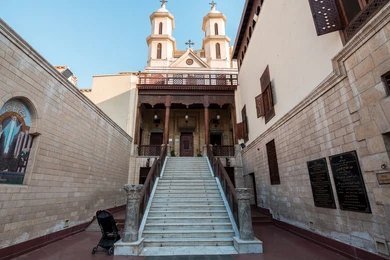
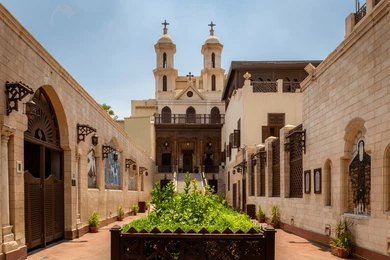
Hidden in the heart of Coptic Cairo (Old Cairo), The Hanging Church, also known as Saint Virgin Mary’s Coptic Orthodox Church, stands as a breathtaking testament to early Christian architecture and faith. Suspended above the southern gatehouse of the ancient Babylon Fortress Cairo, this iconic church is one of the most remarkable religious landmarks in Egypt. The Hanging Church attracts travelers, historians, and spiritual seekers yearning to explore its holy atmosphere and architectural splendor. With roots tracing back to the 3rd century AD, the church is a shining symbol of Egypt’s enduring Coptic heritage—a place where faith, art, and history meet in harmony.

Travelers who wander through its wooden doors find themselves immersed in centuries of devotion. The Hanging Church isn’t just a historical site; it’s a living symbol of resilience. Throughout turbulent eras—from Byzantine rule to Islamic caliphates—it has remained a cornerstone of the Coptic community. Its elevated design, meticulous craftsmanship, and timeless mosaics evoke reverence, drawing visitors into a story older than Cairo itself. The air carries whispers of liturgical chants, the scent of incense, and the cool aura of stone polished by faithful hands over ages. For anyone exploring Egypt’s spiritual sites, a visit to The Hanging Church is an unforgettable experience.

Historical Origins of The Hanging Church

The Hanging Church earned its name for its extraordinary structure—being literally “suspended” above the Roman gatehouse. Built initially in the 3rd or 4th century, this church marked the heart of early Christianity in Egypt. It became the official seat of the Coptic Orthodox Pope of Alexandria for nearly nine centuries. Legend says that many patriarchs were elected and enthroned right here, beneath its intricately carved cedar ceiling that mimics Noah’s Ark. This symbolism was no accident—the church was designed to represent salvation and divine protection amidst storms of persecution.

Situated in the historical region of Old Cairo, near the sacred route of the Journey of the Holy Family in Egypt, the Hanging Church stands as an integral part of Egypt’s Christian history. The site’s layered history makes it a must-see during Cairo Day Tours, connecting travelers to more than a millennium of worship and divine inspiration. Over the centuries, restorations have preserved its structure, blending Roman, Byzantine, and Coptic architectural influences. Each stone and column echoes the resilience of a faith that has survived through empires and ages.

Architectural Features and Design

The Hanging Church mesmerizes visitors with a brilliant mix of style and symbolism. Its suspended platform rests atop two enormous towers from the sleeping Babylon Fortress—a marvel of ancient engineering. The wooden ceiling bears a ship-like form, symbolizing the church as the ark of salvation for humanity. Inside, white marble columns gleam under filtered sunlight streaming through narrow arched windows. The intricate wooden screens, delicately inlaid with ivory and ebony, separate the sanctuary from the nave, enhancing the mystical atmosphere.

Each of the thirteen pillars symbolizes Christ and the twelve apostles. The pulpit, dating to the 11th century, stands as a testimony to unparalleled craftsmanship, supported by fifteen marble columns. Religious icons of the Virgin Mary, Jesus Christ, and saints adorn the walls. Centuries-old frescoes and Coptic crosses bring the interior to life, blending spirituality with artistry. This level of sacred detail rivals masterpieces found in other historical sanctuaries such as Abu Serga Church and the revered Ben Ezra Synagogue nearby, forming the spiritual trio of Coptic Cairo.

The Hanging Church in Coptic Cairo’s Religious Landscape

As one of the oldest surviving churches in Egypt, The Hanging Church remains a spiritual focal point for Coptic Christians. Located near landmarks like The Coptic Museum and the Al Azhar Mosque, the church symbolizes Egypt’s deep-rooted harmony between faiths. Its presence among Islamic and Jewish landmarks underlines Cairo’s multicultural essence. Pilgrims gather here not only for prayer but also to trace the footsteps of early Christian saints who shaped Egypt’s ecclesiastical identity.

The church’s strategic location along the spiritual corridor of Old Cairo allows easy inclusion in broader Egypt Day Tours or religious travel itineraries. Tourists marvel at how seamlessly ancient architecture interacts with modern devotion. The church’s courtyard, lined with mosaics and lush garden patches, leads to a serene entrance—an introduction to a sacred world preserved from urban chaos just beyond its gates.

Spiritual and Cultural Significance

For believers, The Hanging Church isn’t merely a historical artifact—it’s divine testimony. The church’s dedication to the Virgin Mary has made it a central shrine for Christian celebrations like the Feast of the Assumption. Worshipers come to light candles, offer prayers, and experience the divine ambience. The Hanging Church preserved Coptic liturgy and art through centuries of adversity. Its teachings, relics, and rituals continue to sustain Egypt’s Christian community today.

Beyond faith, the church is a profound cultural treasure. It’s a place where ancient craftsmanship meets story-telling architecture, where walls whisper theology through stone and wood. The church’s influence extends deep into Egyptian culture, echoing in artistic expressions, heritage conservation, and pilgrimage tourism. It’s frequently featured in travel programs such as 7 Days Cairo and Nile Cruise Package and educational itineraries for tourists eager to explore Egypt’s vibrant spiritual legacy.

Legends, Miracles, and Mysticism

Countless legends surround The Hanging Church, intertwining folklore with divinity. One story tells of patriarchs witnessing miracles here—light manifestations and healing wonders associated with the Virgin Mary. Ancient believers considered it sanctified ground where heaven touched earth. The church also played a vital role during the miraculous “Moving of the Mokattam Mountain,” led by Pope Abraham the Syrian through faith and prayer, confirming the spiritual authority of Egypt’s Coptic Church at the time.

Even skeptics fall silent before the serene beauty of its altar icons and candlelit aisles. The Hanging Church whispers divine stories to visitors who listen carefully. This sanctified aura contributes to its reputation as one of the most visited Christian landmarks on Egypt Vacation Packages, especially among pilgrims seeking inspiration and peace.

Preservation and Restoration Efforts

Over nearly two millennia, the Hanging Church has undergone several restorations. Floods, earthquakes, and urban expansion once threatened its foundations. Extensive conservation efforts by the Egyptian government and the Coptic community have preserved the church’s beauty. Restorations focused on strengthening the ancient pillars, repairing woodwork, and restoring faded frescoes. Artists and historians worked meticulously to maintain its authenticity while ensuring safety for visitors.

Today, the church stands sturdier than ever, retaining its ethereal charm amid Cairo’s bustling streets. It remains a profound point of pride for Egyptians, Christian and Muslim alike. Much like prominent architectural treasures such as the Citadel Of Salah El-Din or the Mosque Of Ibn Tulun, this church showcases Egypt’s eternal devotion to preserving cultural and spiritual heritage.

Exploring The Hanging Church Today

Visiting The Hanging Church today offers travelers a living experience of history. Within its serene courtyard, the echoes of ancient prayers still resonate. Visitors pass through narrow alleys of Old Cairo, where echoes of centuries entwine with the aroma of incense. Inside, guides explain the intricate carvings, icons, and symbols that define Coptic spirituality. It’s a seamless fusion of devotion and design, calling everyone—from architecture lovers to mystics—to stand still and marvel at sacred artistry.

Those exploring through customized Egypt Private Tours can include this site as a highlight. Many pair their visit with cultural explorations to the National Museum Of Egyptian Civilization or river adventures like the Nile Premium Cruise. Whether viewed as a pilgrimage or a historical encounter, The Hanging Church guarantees an emotional connection like no other.

Tips for Travelers to The Hanging Church

When visiting The Hanging Church, time your exploration during early morning or late afternoon for the best lighting and serene ambience. Dress modestly out of respect for sacred customs. Photography is permitted but should be done quietly to maintain reverence. Visitors can combine their tour with nearby attractions like Egypt Beaches or Cairo’s enchanting night culture highlighted in Egypt At Night. For a complete Old Cairo experience, book well-curated city excursions or day trips covering multiple historical landmarks.

Guided tours such as the Coptic and Islamic Cairo Tour often include The Hanging Church as a central stop. With expert narrators, travelers uncover fascinating details invisible to the casual eye—like the secret staircase symbolizing ascension or the ceiling ribs symbolizing divine protection. The spiritual serenity embraces everyone stepping under its arches, offering a truly transcendent experience.

Frequently Asked Questions about The Hanging Church

1. Why is The Hanging Church called ‘Hanging’?

The church is named “Hanging” because it’s built above the gatehouse of the ancient Roman Babylon Fortress. Its nave literally hangs over this structure on huge wooden beams and stone arches, giving the impression that it is suspended in the air.

2. Where is The Hanging Church located?

The Hanging Church is situated in the Coptic Cairo district of Old Cairo, near the Babylon Fortress, close to other religious sites such as Ben Ezra Synagogue and Abu Serga Church. It’s an easily accessible site on many Cairo Day Tours.

3. What makes The Hanging Church architecturally unique?

Its construction atop a fortified gateway, the wooden ceiling shaped like an inverted ark, and the stunning iconostasis made of ebony and ivory distinguish it as one of the most original architectural feats in Coptic heritage. It’s a living museum of early Christian art in Egypt.

4. Can tourists visit The Hanging Church year-round?

Yes, visitors can explore it year-round. The church welcomes tourists and pilgrims daily, though visiting hours may adjust during major religious celebrations. Guided tours bring deeper insights into its historical and artistic richness.

5. What other sites should be visited near The Hanging Church?

Nearby, visitors can explore the Coptic Museum, Al Azhar Mosque, and Citadel Of Salah El-Din. Many tourists also include it in Cairo City Tour to Egyptian Museum, Citadel and Old Cairo packages to appreciate both Coptic and Islamic heritage in one itinerary.

Cairo Tower

Cairo Tower – The Iconic Symbol of Modern Egypt’s Skyline

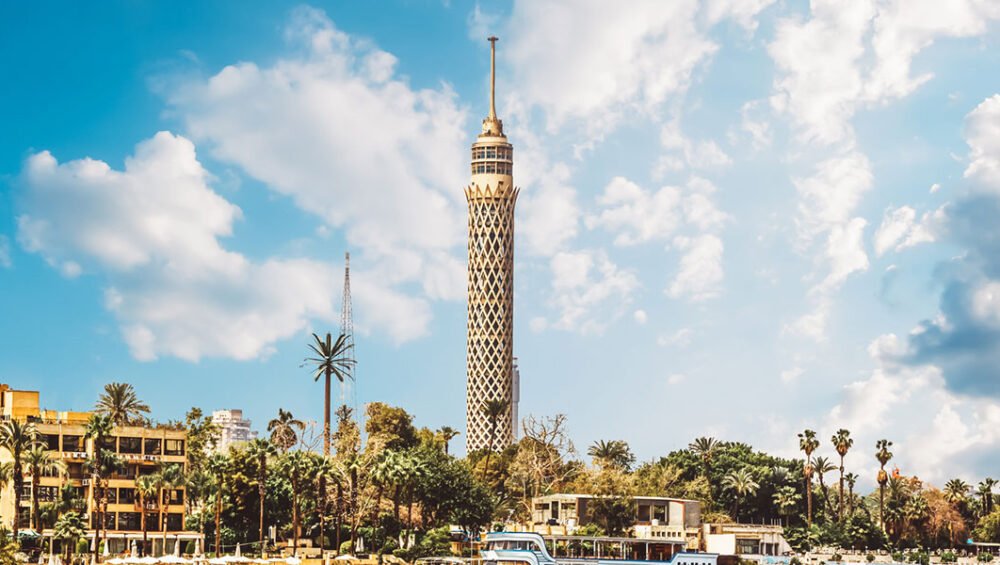
Standing tall above the bustling metropolis, the Cairo Tower is more than just a structure of steel and concrete — it’s the emblem of modern Egypt’s ambition, elegance, and creativity. Rising 187 meters into the Cairo sky, this landmark monument watches over the city from the island of Gezira in Zamalek, offering visitors a panoramic spectacle of the capital’s countless wonders. Since its opening in 1961, it’s remained one of Egypt’s most visited attractions, representing not only architectural mastery but also the pride of a nation poised between deep-rooted history and dynamic modernization.

From afar, the Cairo Tower looks like an unfurling lotus flower — a nod to Egypt’s Pharaonic heritage — but up close, its lattice pattern of reinforced concrete is distinctly modernist, reflecting the aspirations of mid-20th-century Egypt. Designed by the celebrated architect Naoum Chebib, it was constructed using more than eight million small mosaic-like tiles that shimmer in the desert sun. At night, the entire surface glows under golden illumination, making it one of the most romantic and breathtaking spots to witness Cairo’s skyline under the stars.

Towering above landmarks like the Egyptian Museum, the Al-Azhar Mosque, and the historic Citadel of Salah El-Din, the Cairo Tower offers unrivaled 360-degree views. Visitors can spot the Giza Pyramids fading into the horizon, the winding Nile River, and the modern sprawl of a metropolis that never sleeps. It’s not just a sightseeing attraction; it’s a timeless conversation between Egypt’s ancient soul and its forward-looking vision.

Origins and Architectural Legacy of Cairo Tower

The Cairo Tower tells a fascinating story about Egypt’s national identity and postcolonial pride. Commissioned during the presidency of Gamal Abdel Nasser, the tower was a bold statement of independence and cultural renaissance. Constructed between 1956 and 1961, its creation marked a defining shift from colonial influence toward an era of Egyptian innovation. Built entirely by Egyptian hands with domestic materials, the tower became a living testament to local craftsmanship and ingenuity.

Naoum Chebib’s design drew inspiration from the lotus flower — a symbol of creation and rebirth deeply entwined with ancient Egyptian mythology. This design was revolutionary, merging symbolism with state-of-the-art engineering. Its cylindrical body tapers gracefully upwards, supporting a revolving restaurant at the summit that spins leisurely, allowing diners a full view of the city every 70 minutes. Visitors savor not just delectable Egyptian cuisine but also mesmerizing landscapes stretching from the Giza Plateau to the distant outskirts of Cairo.

Within walking distance from the serene gardens of Al-Azhar Park and the enchanting aesthetic of the Baron Empain Palace, Cairo Tower stands as an architectural masterpiece that bridges the past and present. Every inch of its design reflects the aesthetic sophistication and technical mastery of mid-century Egypt, setting it apart as a monument of global architectural significance.

A Beacon of Culture, Politics, and Art

When the Cairo Tower was inaugurated in 1961, it wasn’t just a tourist attraction — it was a political and cultural statement. President Nasser envisioned it as a symbol of Egypt’s sovereignty, technologically advanced yet firmly grounded in its heritage. It became a landmark representing national unity, resilience, and artistic innovation, drawing visitors from every corner of the world.

Throughout the decades, the tower has been featured in countless films, documentaries, and artistic projects, solidifying its cultural position. Artists often depict it as a metaphor for ambition and love — a sentinel connecting earth and sky. Locals visit the platform to enjoy the cool breezes and unwind under Cairo’s starlit sky, a favorite pastime that pairs beautifully with the nearby Cairo dinner cruises floating along the Nile.

Surrounded by lush gardens and the serene Zamalek district, the tower offers a unique escape from Cairo’s whirlwind energy. Whether viewed from the Nile’s embankment or a rooftop terrace during Egypt at night, its silhouette dominates the skyline with pride and grace.

Cairo Tower as a Modern Tourist Destination

Today, no visit to Cairo would be complete without ascending the Tower’s glass elevators to the observation deck. Tourists flock to experience the jaw-dropping vistas and take unforgettable photos — the kind that light up social media feeds and inspire wanderlust worldwide. The revolving restaurant remains a highlight, attracting couples and families who dine as the city glides by beneath them.

Integrated into various Egypt vacation packages and luxury Egypt tours, the Cairo Tower frequently complements excursions to the Grand Egyptian Museum or the ancient Saqqara Pyramids. Many travelers combine a daytime visit to the tower with evening entertainment, like the Pyramids Sound and Light Show, to experience the city’s modern allure and ancient magic in a single itinerary.

Unforgettable Experiences from the Observation Deck

The tower’s viewing deck provides an unparalleled vantage point for sightseeing. On a clear day, one can spot the monumental Giza Pyramids standing proudly against the desert horizon. The Nile shimmers as feluccas glide beneath bridges connecting both sides of Cairo. The view extends toward landmarks like the National Museum of Egyptian Civilization and the ornate Mosque of Sultan Hassan. It’s an open-air stage where Cairo reveals its many layers — ancient relics, Ottoman domes, modern skyscrapers, and the persistent hum of life below.

Photographers and travel enthusiasts consider the Cairo Tower one of the most Instagrammable spots in Egypt. From sunrise to sunset, each moment paints a different mood — the vibrant hues of dawn, the glinting copper of noon light, and the golden glow cascading over the Nile at dusk. For romantics, there’s something almost cinematic about whispering over coffee 600 feet above Cairo as the evening lights flicker to life one by one.

Planning Your Visit – Practical Tips and Insights

Located in Zamalek on Gezira Island, the tower is easily accessible by taxi, metro, or private tour. Opening hours typically run late into the evening, allowing travelers plenty of time to enjoy both day and night views. The entrance fee is modest, making it an accessible attraction for all types of visitors — from budget explorers to those on high-end Egypt travel packages.

For the best experience, arrive before sunset to witness the city transform under shifting light. Afterward, indulge in dinner at the revolving restaurant or enjoy a scenic evening walk through the surrounding gardens, followed by a relaxing felucca trip on the Nile. For travelers seeking curated experiences, combining the Cairo Tower visit with a guided Egypt day tour ensures seamless exploration of Cairo’s major landmarks.

The Symbolic Power of Cairo Tower in Egyptian Identity

Beyond its concrete and steel frame, the Cairo Tower resonates as a symbol of Egyptian resilience and pride. During the 1960s, Egypt was redefining itself as a regional power, and the tower became a metaphor for progress — standing tall against colonial shadows, much like how the pyramids symbolized divine permanence. It represented independence, unity, and intellect — a vision that continues to inspire Egyptians and visitors alike today.

Even now, the Cairo Tower stands as a source of national pride, akin to how the Abu Simbel Temples embody spiritual endurance or the Temple of Philae evokes ancient devotion. Every visitor climbing its heights partakes in a silent dialogue between past and future, history and hope.

Why Cairo Tower Should Top Your Egypt Bucket List

While Egypt dazzles with pyramids, Nile cruises, and ancient temples, the Cairo Tower offers an entirely different perspective — a sweeping portrait of modern Egypt alive with energy and charm. It’s the place to feel the pulse of Cairo, to stand above chaos and grace in equal measure. For families, honeymooners, photographers, and adventurers, it’s one of those unmissable spots that define what it truly means to feel Egypt’s spirit.

Pair your visit with a Nile cruise such as the Steigenberger Royale Nile Cruise or explore cultural extensions like Aswan day tours to complete your Egyptian journey. The tower isn’t just a viewpoint — it’s a viewpoint into Egypt’s heart.

FAQs about Cairo Tower

What is the best time to visit the Cairo Tower?

The best time to visit is during late afternoon and sunset when the golden rays of the sun bathe the city in warm hues, transitioning into a breathtaking view of Cairo illuminated at night. The cooler weather from October to April offers an especially comfortable visit.

How tall is the Cairo Tower?

The Cairo Tower stands approximately 187 meters (614 feet) tall, making it one of North Africa’s tallest structures and a defining architectural feature of Cairo’s skyline.

Can visitors dine inside the Cairo Tower?

Absolutely! The tower features a revolving restaurant at its summit, serving both Egyptian and international dishes. Every 70 minutes, the restaurant completes a full rotation, giving diners a panoramic view of the city.

Where is the Cairo Tower located?

The tower is situated in the Zamalek district on Gezira Island, right in the heart of Cairo. It’s easily accessible via taxi or metro and close to other top attractions like the Egyptian Museum and the Nile Corniche.

Is Cairo Tower worth visiting at night?

Yes, visiting at night is a must. The tower glows beautifully under soft illumination, and the view of Cairo’s twinkling city lights from above is nothing short of magical. Pair it with a nearby Nile cruise or dinner experience for a perfect evening in Egypt’s capital.

Citadel Of Salah El-Din

Citadel of Salah El-Din: The Timeless Guardian of Cairo’s Skyline

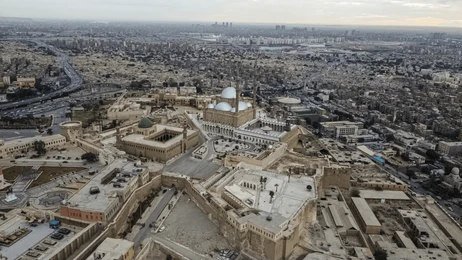
Rising majestically above the heart of Cairo, the Citadel of Salah El-Din — also known as the Cairo Citadel — stands as one of Egypt’s most awe-inspiring landmarks. Perched high on Mokattam Hill, this magnificent fortress dominates the city’s eastern skyline, bearing witness to nearly nine centuries of Egyptian history, Islamic architecture, and military triumph. Built under the command of the legendary Salah El-Din (Saladin) in the 12th century, the Citadel was designed to protect Cairo from Crusader invasions and eventually evolved into a symbol of power for successive dynasties. Today, the Citadel of Salah El-Din draws visitors from around the world with its stunning panoramic views, remarkable mosques, and fascinating museums, making it an unmissable stop on any Cairo Day Tours.

From the moment you step through its ancient gates, the aura of grandeur and military ingenuity envelops you. The Citadel was engineered with advanced defensive features for its time—walls fortified with towers, massive gates, and strategic positioning overlooking Old Cairo. Beyond defense, it became a royal residence and political hub, witnessing pivotal decisions that shaped Egypt’s destiny. Exploring the Citadel of Salah El-Din isn’t merely a walk through stone corridors; it’s a journey through centuries of Egyptian resilience and artistry, harmonizing history, religion, and culture beneath the golden Cairo sun.

As a focal point in Islamic Cairo, the Citadel remains surrounded by equally captivating monuments such as the Alabaster Mosque, Sultan Hassan Mosque, and Al Rifai Mosque. Together, these masterpieces deliver an unrivaled perspective of Cairo’s Islamic heritage. Whether you’re an avid historian, architecture enthusiast, photographer, or first-time traveler, the Citadel promises an unforgettable exploration of Egypt’s medieval might and spiritual spirit.

The Strategic Vision Behind Salah El-Din’s Fortress

In the late 12th century, Salah El-Din—renowned for his valor during the Crusades—recognized Cairo’s vulnerability. His strategic brilliance inspired him to fortify the city by constructing an impregnable stronghold on Mokattam Hill. This vantage point offered an unparalleled command of both Cairo and its surroundings, securing the capital against foreign invasions. The Citadel of Salah El-Din wasn’t just a fortress; it symbolized unity, authority, and defense. Its design integrated military intelligence with urban planning, forming a self-sufficient complex containing barracks, palaces, water reservoirs, and even mosques—an entire city within walls.

Salah El-Din’s vision laid the foundation for Cairo’s prominence as the political and cultural heart of Egypt. The fortress later became home to Mamluk and Ottoman rulers, each leaving their distinct architectural mark. This grand continuity illustrates why the Citadel remains central in Islamic Cairo tours. Its legacy represents more than a military triumph—it embodies the unyielding spirit of Egyptian civilization through evolution, adaptation, and endurance.

Architectural Splendor of the Citadel’s Structures

The architecture of the Citadel of Salah El-Din showcases a breathtaking mixture of medieval military ingenuity and Islamic artistry. High defensive walls form layered barriers connecting towers once used for surveillance and artillery placement. The inner courtyards lead to majestic buildings such as the Mosque of Muhammad Ali, known widely as the Alabaster Mosque—a dazzling Ottoman marvel that glows under sunlight. These monumental features reveal how successive rulers expanded, redesigned, and embellished the Citadel over centuries.

Beyond the mosques, you’ll find the National Military Museum and Police Museum, both preserving relics that narrate Egypt’s dynamic past. Restored walkways invite travelers to pause and absorb views that span from the ancient minarets of Fatimid Cairo to the modern metropolis shimmering below. For travelers joining Cairo City Tours, stepping into the Citadel offers both educational enrichment and awe-inspiring scenery that perfectly blend history with beauty.

The Alabaster Mosque: Jewel of the Citadel

No mention of the Citadel of Salah El-Din is complete without the Mosque of Muhammad Ali. Constructed in the 19th century, this mosque dominates the Citadel’s silhouette with its twin minarets and grand central dome. Crafted primarily from alabaster, it radiates a soft glow, symbolizing both piety and power. Influenced by Ottoman mosques like those in Istanbul, it introduced a fresh architectural character to Cairo’s skyline. Inside, exquisite chandeliers, marble columns, and intricate inscriptions dazzle the eyes while resonating with spiritual intimacy.

As the mosque crowns the Citadel, visitors often combine their exploration with stops at nearby destinations such as Coptic Cairo and the National Museum of Egyptian Civilization for a seamless journey through multiple epochs of Egyptian culture.

The Evolution from Medieval Fortress to Cultural Treasure

Although originally a military stronghold, the Citadel transformed over time into a political capital, housing royal residences and administrative offices. Under the Mamluks and Ottomans, its towers witnessed royal decrees, lavish ceremonies, and moments of revolution. Even during turbulent times, this citadel endured as Cairo’s steadfast guardian. The Citadel also functioned as a status symbol for rulers showing their dominant presence over Egypt’s skyline. This dynamic evolution immortalized the site as both a military relic and a cultural masterpiece, attracting scholars, architects, and travelers who eagerly uncover its layered tales.

Unmatched Views: Cairo from the Citadel’s Heights

From the Citadel’s vantage points, Cairo unfolds before the eyes in a mesmerizing panorama. On clear days, one can even spot the Giza Pyramids on the horizon—ancient silhouettes merging with the urban sprawl. This seamless fusion of eras, from Pharaonic grandeur to modern vitality, epitomizes Egypt’s enduring charm. For photographers and romantics, sunset from the Citadel becomes a memory etched forever. Many adventurers extend their exploration southwards to marvel at similar panoramic sites in Luxor City or Aswan City, connecting the dots of Egypt’s majestic story along the Nile.

Exploring the Citadel’s Museums and Courtyards

Within the Citadel’s vast interior lies a complex of museums revealing Egypt’s martial and civic history. The Military Museum hosts uniforms, cannons, and weaponry from ancient to modern wars, chronicling Egypt’s path to sovereignty. Similarly, the Police Museum showcases law enforcement milestones, including relics of early investigations and pivotal cases of the 20th century. Walking across the spacious courtyards, visitors encounter fountains, Ottoman-style facades, and stone passageways whispering centuries of activity. These settings make the Citadel one of Cairo’s most immersive historical attractions, blending storytelling with sensory experience.

Tourists seeking comprehensive Egyptian insights often continue their cultural discovery through packages like Egypt Day Tours or Egypt Private Tours, ensuring the Citadel of Salah El-Din stands proudly alongside other icons such as the Pyramids, mosques, and palaces.

The Citadel at Night: A Magical Encounter

As evening shrouds Cairo, the Citadel of Salah El-Din transforms into an illuminated marvel. Spotlights dance across its alabaster walls while minarets gleam against the night sky, exuding serenity. The surrounding streets bustle softly below, but within the fortress, peace reigns. Night visits often coincide with cultural performances or Ramadan festivities, turning the Citadel into a living stage of Egyptian heritage. For those enchanted by Egypt’s nocturnal aura, similar twilight experiences unfold across other destinations like Abu Simbel Temples and the Luxor Temple, creating a mosaic of light and legacy.

Visiting the Citadel: Essentials for Travelers

Situated in the heart of Islamic Cairo, reaching the Citadel of Salah El-Din is straightforward. Guided tours typically begin in downtown Cairo, where air-conditioned vehicles escort travelers through historical quarters. Comfortable footwear is recommended, as the walkways are cobbled and spacious. The site opens daily, with mornings offering cooler weather and fewer visitors. Tourists often combine their visit with other nearby attractions like the Mosque of Ibn Tulun or Baron Empain Palace.

For those eager to delve deeper into Arabian-era Egypt, it’s convenient to connect the Citadel stop with cultural extensions included in itineraries such as 7 Days Cairo and Nile Cruise Package or the 10 Day Cairo with Nile Cruise. Such tours synchronize perfectly with visits to Cairo’s other treasures, providing a holistic understanding of Egypt’s layered identity.

Why the Citadel of Salah El-Din Captures Every Traveler’s Heart

The Citadel isn’t merely about stones and fortifications—it’s a living testament to Egypt’s pride and persistence. Every arch, courtyard, and minaret speaks of resilience, visionary leadership, and a devotion to beauty. It unites architectural grandeur with historical significance, continuing to inspire millions annually. In the context of Egyptian tourism, the Citadel of Salah El-Din stands shoulder to shoulder with attractions like the Grand Egyptian Museum and Palaces of Egypt, each revealing different chapters of the country’s grandeur.

FAQs About the Citadel of Salah El-Din

What year was the Citadel of Salah El-Din built?

Construction began around 1176 AD under Salah El-Din’s orders and continued through subsequent rulers. Its completion stretched into the early 13th century, reflecting an evolving design shaped by changing dynasties and needs.

Where is the Citadel of Salah El-Din located?

The Citadel sits on Mokattam Hill in eastern Cairo, offering commanding views of both the old and modern neighborhoods. Its prime position was chosen strategically to monitor and defend the city below.

What’s inside the Citadel of Salah El-Din?

Inside, visitors will find numerous landmarks including the Alabaster Mosque (Mosque of Muhammad Ali), the Mosque of Al-Nasir Muhammad, the National Military Museum, and the Police Museum. Courtyards, gardens, and towers complete the fortress experience.

Is the Citadel worth visiting during a short Cairo stay?

Absolutely. Even a brief visit offers incredible photo opportunities, sweeping city views, and valuable insights into Egypt’s Islamic and military history. It’s a highlight of half-day Cairo excursions.

How can I include the Citadel in an Egypt tour package?

Many pre-arranged tours, such as Egypt Vacation Packages and Luxury Egypt Tours, feature the Citadel of Salah El-Din as part of broader itineraries through Cairo and the Nile. This integration ensures travelers experience the perfect blend of history, luxury, and adventure.

Coptic Cairo (Old Cairo)

Coptic Cairo (Old Cairo): The Heart of Egypt’s Christian Heritage and Timeless History

Nestled in the southern quarters of modern Cairo lies a remarkable enclave shimmering with centuries of spiritual and historical significance — Coptic Cairo, also known as Old Cairo. This mesmerizing district stands as a living testament to Egypt’s layered civilizations, where ancient Pharaonic remnants, Roman ruins, and Christian sanctuaries intertwine in a harmonious medley. Coptic Cairo isn’t merely a neighborhood; it’s a chronicle of human endurance, devotion, and artistry. Walking through its narrow alleys feels like flipping through the pages of a living Bible, echoing with whispers from Egypt’s earliest Christians who fled persecution to seek solace amid the fortress walls of Babylon. The sound of church bells mingling with the hum of the bustling city gives the place an irresistible charm that’s both sacred and vibrant.

For history lovers, pilgrims, and architecture aficionados, Coptic Cairo is one of Egypt’s most treasured jewels. Its churches, monasteries, and synagogues date back over fifteen centuries, forming a diverse patchwork of faith and resilience. Here, the Hanging Church perches gracefully above ancient gates, the Babylon Fortress looms as a silent protector, and the Ben Ezra Synagogue preserves valuable Judaic history. Each site narrates tales that merge scriptural legends with local history. Today, this area isn’t just a pilgrimage site—it’s an essential stop for anyone embarking on Cairo day tours or exploring Egypt’s ancient roots. The air feels thick with devotion, mystery, and nostalgia—a rare blend that’s impossible to forget once experienced.

Tracing the Origins of Coptic Cairo: Where Christianity Found Shelter

The origins of Coptic Cairo stretch back to the very dawn of Egypt’s Christian era. After the death of Christ, Christianity spread across the Mediterranean world, finding fertile ground in Egypt. Early believers settled within the protective embrace of the Roman-built Babylon Fortress, giving rise to what would later become the cradle of Coptic Christianity. According to tradition, the Holy Family — Mary, Joseph, and the infant Jesus — sought refuge here during their journey through Egypt. This profound connection elevated Coptic Cairo from a mere fortress town into a sacred destination cherished by pilgrims for generations.

By the 3rd century AD, this area had transformed into a thriving Christian hub. The establishment of monasteries and churches reflected not just religious fervor but also defiance against Roman authorities who sought to suppress the burgeoning faith. Today, remnants of those early days can still be felt in the spiritual energy that radiates from every stone and mosaic. For travelers on curated Egypt vacation packages, delving into this timeless district feels like unearthing the faith’s oldest roots amidst the backdrop of one of the world’s oldest cities.

The Babylon Fortress: The Ancient Gateway to Old Cairo

No visit to Coptic Cairo is complete without encountering the monumental Babylon Fortress. Built initially by the Romans around the 1st century AD, it served as both a military stronghold and later a spiritual anchor for the developing Christian community. Strategically positioned near the Nile River, this fortress controlled trade routes and river access to Upper Egypt. When Christianity arrived, the soldiers’ barracks gradually gave way to sanctuaries and chapels, transforming the fortress into a symbol of resilience and conversion. The fortress now envelopes several holy structures, including the famed Hanging Church and the Abu Serga Church, both brimming with tales of faith and endurance.

The Hanging Church: An Icon of Faith Suspended in Time

Perhaps the most iconic landmark in Coptic Cairo, the Hanging Church—or Al-Muallaqa—captivates visitors with its ethereal beauty and spiritual magnetism. Built atop the southern gate of the Babylon Fortress, its name derives from its seemingly suspended position above ancient Roman towers. Constructed between the 3rd and 7th centuries, the church’s wooden roof mimics the shape of Noah’s Ark, symbolizing salvation and divine refuge. Inside, intricate Coptic art, religious icons, and marble structures create a sanctuary where spirituality and craftsmanship meet in perfect unison.

The Hanging Church also serves as the official seat of the Coptic Orthodox Pope, reinforcing its undeniable importance in Egyptian Christianity. Travelers on spiritual tours often pair their visit with explorations of the Coptic Museum, located nearby, which houses an invaluable collection of early manuscripts, textiles, and icons that shed light on centuries of Christian tradition in Egypt.

Saint Sergius and Bacchus Church (Abu Serga): The Holy Family’s Refuge

The Abu Serga Church, one of the oldest in Egypt, carries an aura of divine memory. This sacred site is believed to mark the very place where the Holy Family rested during their flight into Egypt. Built over a crypt that once sheltered them, the church emanates peace and solemnity. Its design reflects early Coptic architecture with a basilica-style layout, mosaics, and carved wooden screens. For pilgrims, standing inside Abu Serga is an emotional journey—one that bridges the miraculous and the tangible.

Visitors who follow in these spiritual footsteps often extend their itinerary with other sacred Egyptian destinations such as St. Catherine’s Monastery and Mount Sinai (Jebel Musa), both of which deepen the spiritual tapestry that binds Egypt’s religious legacy together.

Ben Ezra Synagogue: Judaic Heritage in Christian Surroundings

In a remarkable show of harmony, Coptic Cairo also shelters Egypt’s oldest synagogue — the Ben Ezra Synagogue. Nestled within the same historical quarter as the churches, it underscores the city’s diverse religious mosaic. According to tradition, this was where baby Moses was found among the reeds of the Nile. The synagogue’s 9th-century structure, adorned with Arabian motifs, shelters the legendary Cairo Geniza — a treasure trove of ancient Hebrew manuscripts that unveiled profound insights into medieval Jewish life. For anyone interested in interwoven faiths, Ben Ezra encapsulates Egypt’s inclusivity and intellectual depth.

The Coptic Museum: A Window into Early Christian Art

Housing the world’s most comprehensive collection of Coptic art, the Coptic Museum is undeniably the crowning jewel of Old Cairo. Founded in 1908, it exhibits a mesmerizing array of relics from Egypt’s early Christian period—icons, frescoes, manuscripts, textiles, and stone carvings that trace the evolution of Egyptian Christianity from its origins through medieval times. Strolling through its galleries is like reading an illustrated gospel of artistic genius and spiritual devotion.

Experiencing Coptic Cairo Today: A Living Spiritual Heritage

Modern Coptic Cairo continues to thrive as both a pilgrimage center and a vibrant cultural district. Visiting this quarter provides travelers with a deeper perspective of Egypt beyond its pharaonic grandeur. The area hums with life—vendors selling incense, artisans crafting crosses, and monks guiding visitors through ancient sanctuaries. The narrow cobbled streets exude a timeless aura where every stone whispers stories of faith and fortitude. Tour packages like Coptic and Islamic Cairo Tour offer excellent guided explorations, combining historical insight with spiritual enrichment.

After exploring the historic landmarks, travelers can unwind along the Nile through serene experiences such as a felucca trip on the Nile in Cairo or immerse in Egypt’s luxury offerings with an exquisite Luxury Dahabiya Nile Cruise. Those crafting tailor-made Egypt private tours often highlight Coptic Cairo as a must-see stop for its unique combination of spirituality and history.

Architecture, Art, and Symbolism of Coptic Cairo

The visual allure of Coptic Cairo lies in its seamless fusion of Egyptian, Greek, and Roman influences reinterpreted through Christian symbolism. Its churches brim with intricate iconostasis screens carved from ebony and ivory, while biblical scenes depicted in mosaic floors evoke deep devotion. The art, characterized by humble simplicity yet spiritual depth, reveals a distinct Egyptian interpretation of early Christianity. The architectural motifs blend the ancient lotus and papyrus with the cross, creating an unmistakable aesthetic uniquely Coptic.

Spiritual Significance: The Soul of Coptic Christianity

Coptic Cairo stands as the pulsating heart of global Coptic Christianity, hosting annual celebrations, liturgical events, and pilgrimages that draw believers from all corners of the world. This spiritual magnetism reinforces Egypt’s pivotal role in Christianity’s early narrative. It’s not uncommon for visitors to find priests chanting timeless hymns in Coptic script, preserving a language descended directly from the hieroglyphs of ancient Egypt.

How to Visit and When to Go

Exploring Coptic Cairo is best done during the cooler months, from November through March, when the weather is comfortable for walking. Most sites lie within walking distance of each other inside the Old Cairo region, near Mar Girgis metro station. Opting for a guided cultural experience like those offered under Cultural Tours Egypt ensures deeper understanding and access to lesser-known corners rarely seen by casual tourists.

Why Coptic Cairo Belongs on Every Egypt Itinerary

Beyond its religious prestige, Coptic Cairo provides a soul-stirring exploration into the very identity of Egypt. It embodies the meeting point of civilizations—Pharaonic, Roman, Byzantine, and Islamic—forming a crossroads of cultural memory and coexistence. While the Grand Egyptian Museum showcases Egypt’s earthly glory, Coptic Cairo reveals its spiritual resilience. Together, they present the full spectrum of the Egyptian legacy—one grounded in eternity.

FAQs about Coptic Cairo (Old Cairo)

1. What is Coptic Cairo famous for?
Coptic Cairo is celebrated as the cradle of Egyptian Christianity. It’s home to some of the world’s oldest churches, including the Hanging Church, Abu Serga, and the Church of St. Barbara, alongside the Ben Ezra Synagogue and the Coptic Museum. This area reflects Egypt’s diverse religious heritage and ancient architecture.

2. How can I reach Coptic Cairo?
Coptic Cairo is easily accessible via the Mar Girgis metro station in central Cairo. Many travelers include it in guided Egypt day tours or private itineraries from central hotels. It’s also featured in several multi-day cultural and luxury Egypt tours.

3. What are the best attractions in Coptic Cairo?
Top attractions include the Hanging Church, Babylon Fortress, Abu Serga Church, St. Barbara’s Church, Ben Ezra Synagogue, and the Coptic Museum. Each site unveils centuries of faith, artistry, and historical transformation. Pairing this visit with the Islamic Cairo district offers a complete perspective on Cairo’s multicultural spirit.

4. Is Coptic Cairo safe for tourists?
Absolutely. Coptic Cairo remains one of Cairo’s safest areas, frequented daily by local families, pilgrims, and global travelers. The Egyptian government actively preserves and protects the area. Pairing your visit with trusted operators like Cindrella Egypt Travel ensures seamless and secure experiences.

5. When is the best time to visit Coptic Cairo?
The most suitable time to explore Coptic Cairo is between October and April. During these months, temperatures are ideal for sightseeing. Visitors can also witness Coptic celebrations such as Christmas in Egypt, which adds an

The National Museum Of Egyptian Civilization

The National Museum of Egyptian Civilization – A Journey Through Egypt’s Timeless Heritage

The National Museum of Egyptian Civilization, often abbreviated as NMEC, stands as one of Egypt’s most ambitious cultural achievements, located in the ancient city of Al Fustat, the heart of modern Cairo. This remarkable museum is the first in the Arab world dedicated to exhibiting the entire span of Egyptian civilization—from prehistoric times to the present day. More than just an exhibition hall, the NMEC redefines how human history is perceived, interpreted, and celebrated. Every corner of this institution exudes passion, innovation, and national pride, welcoming visitors to embark on an unforgettable journey through the story of Egypt.

Opened officially to the public in 2021, following a spectacular royal procession of mummies from the Egyptian Museum in Tahrir Square, the NMEC attracted global attention for its unique narrative of history. Unlike other museums that focus solely on the Pharaonic era, the National Museum of Egyptian Civilization offers a comprehensive, thematic exploration of how Egyptian identity evolved over millennia. Inside, guests are greeted by sweeping halls narrating the development of civilization through art, craftsmanship, science, religion, and daily life. It’s more than a collection—it’s Egypt’s living memory beautifully unveiled.

The museum’s mission extends beyond mere preservation—it represents a bridge between past and present, calling visitors to reflect on the timeless ingenuity of Egyptians. From delicate prehistoric tools to glorious royal mummies and stunning Coptic icons, every item speaks volumes about resilience, creativity, and human progress. Guided by world-class curation, NMEC immerses visitors in the grandeur of Egypt’s story in ways books alone never could. Whether you’re exploring during Egypt day tours or on a specialized Cairo day tour, NMEC remains a must-visit cultural landmark.

The Vision and Significance of the National Museum of Egyptian Civilization

The National Museum of Egyptian Civilization was designed to foster understanding and pride in the multifaceted story of Egypt’s past. Its creation reflects decades of commitment to creating a centralized cultural hub emphasizing not only the grandeur of the pharaohs but also the human stories that shaped Egypt’s legacy. Developed under UNESCO’s guidance, NMEC is both a research center and a cultural epicenter where history meets modernity.

The museum’s architectural design cleverly blends minimalism with symbolism. The clean lines represent knowledge, while the sand-hued tones mirror Egypt’s deserts and timeless landscapes. Its placement near the ancient city of Fustat, Cairo’s first Islamic capital, highlights continuity—from antiquity to the Islamic golden age and beyond. For visitors pursuing historical depth beyond the Pyramids, NMEC is an invaluable addition alongside destinations like the Coptic Cairo District and Islamic Art Museum in Cairo.

The Museum’s Unparalleled Exhibitions

The crown jewel of NMEC’s exhibitions is the Royal Mummies Hall. Ingeniously designed to evoke the sacred atmosphere of ancient tombs, it houses the mummies of 22 ancient Egyptian kings and queens, including Ramses II and Queen Hatshepsut. This hall remains one of the most visited museum sections in the entire Middle East. Visitors descend into a solemn underground chamber where these ancient monarchs rest, remarkably preserved after thousands of years. The emotional power of the experience leaves visitors awe-struck, honoring Egypt’s eternal connection between life, death, and immortality.

The Main Hall tells another part of Egypt’s story. Through thematic narratives, it explores core elements defining Egypt’s civilization—craftsmanship, writing, urban development, and belief systems. Here, interactive digital displays and precise lighting highlight intricate artifacts. From prehistoric jewelry and pottery shards to Islamic mosaics and textile art, the exhibition illustrates the evolution of society in a highly engaging way. The museum’s emphasis on education and interactivity makes it a favorite stop during Egypt family tours.

Modern Architecture Enriched by Ancient Spirit

The museum’s architectural form complements its spirit. Designed by Egyptian architect El-Ghazali Kosseiba, NMEC’s building spans approximately 33,000 square meters overlooking Ain El-Sirah Lake. This serene waterfront reflects the delicate balance between Egypt’s rich heritage and modern aesthetics. Its grand staircase, spacious corridors, and minimalist façade symbolize enlightenment stemming from deep roots. The design deliberately evokes ancient temples like Luxor Temple and Abu Simbel Temples while projecting a 21st-century vision of cultural pride.

Educational and Cultural Programs That Inspire

Beyond exhibitions, NMEC functions as an active educational center, hosting cultural festivals, archaeological workshops, academic seminars, and hands-on programs for children. The museum’s education wing welcomes students, artists, and researchers from around the world striving to deepen their understanding of history and restoration techniques. This initiative strengthens ties between Egypt’s youth and their ancestral legacy, ensuring the continuity of historical knowledge through modern engagement. The NMEC often partners with institutions involved in Egyptological fieldwork near Saqqara Necropolis and Valley of the Queens.

Technology, Innovation, and Sustainable Development

Modern technology breathes life into NMEC’s exhibitions. Augmented reality guides, holographic displays, and dynamic projections provide visitors fresh perspectives on ancient objects. The museum integrates environmentally friendly practices—its lighting systems use renewable sources, and digital documentation ensures minimal handling of delicate artifacts. These advancements affirm Egypt’s commitment to sustainability and preservation for generations to come.

Many travelers combine their NMEC visit with a day trip to Luxor from Cairo, exploring UNESCO sites that inspired the museum’s themes. Others enhance their historical experience with a classic Egypt tour with a Nile Cruise, blending museum exploration with breathtaking temple visits along the riverbanks.

Thematic Approach Reflecting Egypt’s Entire Timeline

The NMEC presents its permanent collection through chronological and thematic galleries. Visitors embark on a time-travel adventure starting from prehistoric ages—stone tools and primitive artworks—progressing into Pharaonic masterpieces, Greco-Roman sculptures, Coptic treasures, Islamic calligraphy, and finally, modern Egyptian art. Each era links smoothly to the next, revealing a cultural continuity rarely seen elsewhere. The museum bridges ancient grandeur and modern creativity, ensuring no historical chapter remains forgotten.

Pharaonic civilization, for instance, is showcased through an aesthetic lens that emphasizes humanity rather than mythology. Visitors observe how daily life unfolded across millennia—how Egyptians cooked, traded, prayed, and celebrated. The Roman and Coptic galleries illustrate Egypt’s cosmopolitan character through objects blending local and foreign influences. The Islamic section illuminates Cairo’s reign as a global hub of science and art, aligning beautifully with destinations like the Citadel of Salah El-Din and Al-Azhar Mosque.

The Royal Mummies Hall: The Beating Heart of NMEC

It’s impossible to mention NMEC without referencing its celebrated Royal Mummies Hall—meticulously curated to offer a dignified resting place for Egypt’s ancient rulers. The lighting, temperature, and acoustics are carefully engineered to replicate a tomb-like ambiance. Here, visitors stand before the preserved remains of authority and intellect, from Ahmose I, founder of the 18th Dynasty, to Ramses II, whose reign redefined architectural magnificence. Each mummy tells its own story, supported by multimedia panels displaying facial reconstructions, burial rituals, and genealogical data.

In 2021, the televised ‘Pharaohs’ Golden Parade’ captivated millions worldwide as 22 royal mummies were ceremoniously transferred from Tahrir to NMEC in spectacular fashion. The procession symbolized Egypt’s continuing reverence for its kings, merging ancient splendor with modern pride. Today, this hall remains a must-see for anyone tracing humanity’s earliest expressions of immortality. Visitors can later deepen their understanding by joining a private tour to the Pyramids and Egyptian Museum.

Visitor Experience and Curatorial Philosophy

The museum experience is curated not as a passive observation but as an active dialogue between the viewer and antiquity. Each installation invites curiosity, contemplation, and emotional engagement. Audio guides available in multiple languages provide deeper storytelling, while tactile displays accommodate inclusivity for all visitors. On-site cafés offer panoramic views of Cairo’s skyline and scenic lakefronts, elevating NMEC from a museum to a holistic destination where culture, leisure, and education intersect beautifully.

How to Visit the NMEC

Situated about 30 minutes from downtown Cairo, the museum is easily accessible by taxi or tour bus, often included in Egypt private tours or longer cultural itineraries. Opening hours typically stretch from morning to late evening, giving visitors ample time to explore every gallery. Combining NMEC with nearby heritage attractions like the Coptic Museum, Mosque of Ibn Tulun, and Babylon Fortress creates a full-day exploration of Egypt’s religious and cultural timeline.

FAQs About the National Museum of Egyptian Civilization

1. Where is the National Museum of Egyptian Civilization located?

The NMEC is located in Al Fustat, Old Cairo, overlooking Ain El-Sirah Lake. It’s easily accessible by car or as part of Cairo city tours. The dynamic setting connects ancient history with the modern capital’s vibrant energy.

2. What makes the NMEC different from other Egyptian museums?

Unlike the Grand Egyptian Museum, which focuses mainly on the Pharaonic period, NMEC adopts a comprehensive approach covering all historical eras. It integrates modern technology, interactive storytelling, and sustainable practices to enhance the visitor experience.

3. Can I visit the Royal Mummies in person?

Yes, the museum’s Royal Mummies Hall is open to the public. Visitors can view the mummies of famous kings and queens in climate-controlled chambers designed to preserve them for centuries while providing a deeply respectful atmosphere.

4. How much time should I spend at the NMEC?

Most visitors spend between two to three hours exploring the exhibits, but true history enthusiasts could easily devote half a day. Guided tours available as part of luxury Egypt tours offer insightful interpretations and behind-the-scenes stories that enrich the experience.

5. What other attractions can I combine with a visit to the NMEC?

Near NMEC, travelers can explore the Al-Azhar Park, Hanging Church, and Cairo Tower for panoramic city views. Extending your adventure with a Cairo and Nile Cruise Package perfectly balances culture, nature, and relaxation.

Conclusion: A Living Testament to Egypt’s Enduring Legacy

The National Museum of Egyptian Civilization is more than an institution—it’s a living story unfolding in real-time. It encapsulates 7,

The Nile River

The Nile River: Lifeline of Egypt and Cradle of Civilization

The Nile River, the longest river in the world, has carved its identity deep into the heart of Africa and the soul of Egypt. Stretching for about 6,650 kilometers, this majestic river travels through eleven countries, finally pouring into the Mediterranean Sea. More than just a waterway, the Nile River is a symbol of continuity, culture, and civilization. For thousands of years, it has sustained life, inspired religion, influenced trade, and shaped one of the most advanced ancient societies in history. Often referred to as the ‘Gift of the Nile,’ Egypt’s very existence depends on its gentle yet powerful flow. Its annual floods once brought fertile silt to the land, ensuring bountiful harvests and prosperity for generations. Without the Nile, the golden sands of Egypt would remain barren — a stark reminder of how nature’s rhythm can define the destiny of an entire nation.

The Nile River runs through diverse terrains — from the lush highlands of Burundi and Rwanda to the sun-soaked delta of northern Egypt. Along its path, it forms life-sustaining oases, nurtures wildlife, and nourishes millions of people. Ancient Egyptians believed the river was divine, a living god whose waters were gifts from the heavens. Today, the Nile still dominates modern Egypt’s economy and tourism, with countless travelers sailing its waters aboard elegant Luxury Nile Cruise ships or exploring heritage-filled banks in Aswan Day Tours and Luxor Day Tours. Whether admired from a felucca ride or photographed at sunset, the Nile remains the beating heart of Egyptian culture and an everlasting testament to human resilience and nature’s generosity.

Geographical Wonders of the Nile River

The Nile River is formed by two primary tributaries: the White Nile, originating from Lake Victoria, and the Blue Nile, flowing from Lake Tana in Ethiopia. Their confluence in Khartoum, Sudan, creates the mighty river that winds through the deserts of Egypt before reaching the Mediterranean. The path of the Nile is a geographical masterpiece — an unbroken artery of life slicing through arid landscapes, bringing fertility to an otherwise inhospitable region. Its waters foster lush greenery that abruptly contrasts with the surrounding desert, a sight that has enchanted travelers for centuries.

As the river meanders north, it forms breathtaking natural landmarks like the cataracts of Nubia and the Nile Delta. The delta itself fans out majestically near modern Alexandria, providing fertile soil that supports Egypt’s agricultural industry. Agriculture, fishing, and tourism thrive along its banks. From the timeless temples of Aswan City to the magnificent monuments of Luxor City, every bend of the river seems to whisper tales from history’s oldest chapters.

The Role of the Nile in Ancient Egyptian Civilization

No other natural feature on Earth has influenced a civilization as profoundly as the Nile did ancient Egypt. Its dependable annual floods were pivotal to agricultural cycles, enabling farmers to grow crops like wheat, barley, and flax. Each year’s inundation determined the kingdom’s economic success, with the floods viewed as divine blessings orchestrated by Hapi, the god of the Nile. Villages, temples, and cities sprouted along the riverbanks — forming a linear kingdom stretched from Aswan to the Delta. Transport, trade, and communication thrived thanks to the Nile’s navigable waters, making Egypt one of the most connected and powerful civilizations of the ancient world.

Monumental sites like Temple of Philae, Abu Simbel Temples, and Edfu Temple were erected along the Nile, each reflecting architectural brilliance and spiritual devotion. Priests performed rituals to honor the river, while citizens depended on its bounty for food and trade. The Nile wasn’t just a source of water — it was the spiritual bloodstream of an empire.

Modern Economic Importance of the Nile River

Today, the Nile continues to play a vital role in Egypt’s economy and livelihood. Modern agriculture along its floodplains feeds millions, while vast infrastructure projects like the Aswan High Dam have transformed Egypt’s ability to control and harness its waters. The dam has protected communities from destructive floods and provided hydroelectric power, fueling industrial progress. Urban centers such as Cairo, Luxor, and Aswan depend heavily on the Nile for freshwater and energy. The river also draws international tourism, as travelers embark on itineraries like the 4 Day Cairo and Luxor Tour Package or the spectacular 4 Day 3 Night Nile Cruise from Aswan to Luxor, combining luxury travel with historical exploration.

Cultural and Religious Significance of the Nile

The Nile River has long been intertwined with Egypt’s religious and cultural identity. To ancient Egyptians, it represented life, death, and rebirth — a mirror of their beliefs in the afterlife. Temples aligned with the river’s axis symbolized the harmony between humanity and nature. In modern times, the river still holds deep meaning during festivals and folk traditions celebrating the flood season. Cities like Luxor and Aswan celebrate the Nile through music, color, and dance, keeping its sacred aura alive.

Travelers who join a Luxor Hot Air Balloon Ride or a Felucca Ride on the Nile in Aswan experience not just breathtaking landscapes but also the spiritual rhythm that has pulsed through Egypt for centuries. The river continues to inspire poets, artists, and dreamers from around the world.

Environmental Challenges and Sustainable Efforts

Despite its majesty, the Nile faces growing environmental challenges. Population expansion, industrialization, and climate change threaten its water quality and balance. Water management and equitable sharing between the basin’s nations remain critical issues. Egypt has invested heavily in modern irrigation systems and water-saving technologies to preserve this lifeline. Programs promoting eco-tourism and sustainable travel are rising, especially through tours like Eco Tours in Egypt that emphasize conservation while allowing visitors to explore the river’s wonders responsibly.

Scientists and policymakers collaborate across borders to ensure the Nile’s longevity, fostering renewable energy initiatives and sustainable agriculture. As one of Earth’s oldest natural treasures, protecting the Nile isn’t just Egypt’s responsibility — it’s a global commitment to history, culture, and the environment.

Nile River Cruises: A Journey Through History

Few experiences rival sailing along the Nile under the Egyptian sun. Modern cruises blend the allure of ancient history with luxury amenities. Each voyage transports travelers through time — from the temples of Kom Ombo to the tombs of the Valley of the Kings. Cruise lines such as Steigenberger Minerva Nile Cruise, Farida Nile Cruise, and Nour El Nil Dahabeya offer exceptional itineraries that cater to both culture seekers and luxury travelers. The gentle rhythm of the river, coupled with golden desert vistas, creates an unforgettable travel memory that embodies Egypt’s timeless charm.

Travel agencies like Cindrella Egypt Travel curate customized Nile cruise experiences, allowing visitors to witness the harmony between ancient temples, modern cities, and pristine river landscapes. These journeys seamlessly blend relaxation and exploration, delivering an intimate connection with Egypt’s living past.

FAQs About the Nile River

1. Why is the Nile River called the “Gift of the Nile”?

The term “Gift of the Nile” was coined by ancient historian Herodotus, summarizing Egypt’s dependence on the river. The Nile’s annual floods enriched the soil, allowing agriculture to thrive and supporting the civilization’s survival. Without the Nile, Egypt’s desert landscape would’ve made habitation impossible.

2. Where does the Nile River start and end?

The Nile begins in the highlands of East Africa, with its main tributaries — the White Nile originating from Lake Victoria and the Blue Nile from Lake Tana in Ethiopia. Both merge in Khartoum, Sudan, and the river flows northward through Egypt until it empties into the Mediterranean Sea.

3. How did the Nile River influence ancient Egyptian religion?

The Nile was believed to be sacred, personified by the god Hapi. Egyptians associated the river’s cycles with fertility, death, and rebirth. Many temples, including the Temple of Hatshepsut and Ramesseum Temple, were aligned with the Nile’s direction, signifying spiritual harmony with nature’s flow.

4. What role does the Nile play in modern Egypt?

The Nile continues to sustain agriculture, tourism, and energy. The Aswan High Dam ensures flood control and power generation. The river also drives Egypt’s tourism economy, especially through cultural expeditions and luxurious Best Nile River Cruises, which attract visitors worldwide.

5. What are the best ways to explore the Nile River?

The best way to experience the Nile is through guided tours and cruises that combine heritage and leisure. Popular choices include the 8 Days Best Egypt Tour with Nile Cruise and 10 Day Egypt Luxury Trip with Dahabiya Nile Cruise. Travelers can also enjoy scenic felucca rides, cultural excursions, and day trips that bring them close to the heart of Egyptian history and life.