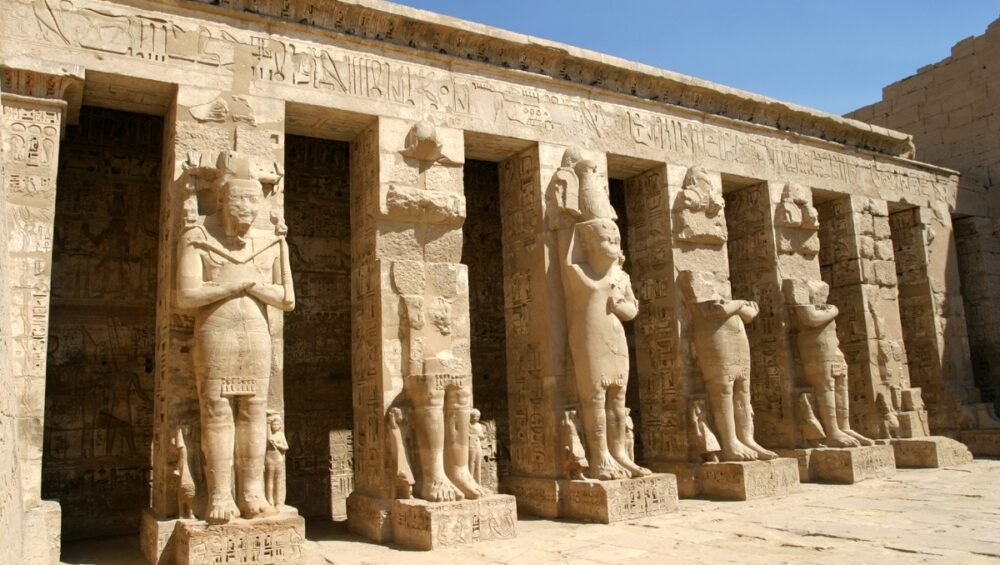
Habu Temple

The Majestic Habu Temple: A Testament to Ancient Egyptian Grandeur

On the west bank of Luxor stands the awe-inspiring Habu Temple, officially known as the Mortuary Temple of Ramesses III. This architectural marvel serves as both a symbol of divine power and a glimpse into the glory days of ancient Thebes. For centuries, its walls have whispered stories of conquests, religious rituals, and daily life under one of Egypt’s greatest pharaohs. Habu Temple isn’t just another archaeological site; it’s a monumental book written in stone—a chronicle carved in hieroglyphs celebrating the eternal might of Ramesses III. Every inch breathes history, from its towering pylons to its detailed reliefs that depict epic battles against foreign invaders. The sheer scale and artistry here make visitors stop mid-step in absolute awe.

Unlike many other ancient temples, Medinet Habu (as it’s known locally) preserves its structure remarkably well. Step through its colossal entrance, and you’re immediately surrounded by vibrant scenes of triumph, colorful frescoes, and sculpted columns that tell a thousand tales. The temple was not merely a mortuary shrine—it was an entire complex, complete with royal palaces, workshops, storehouses, and housing for priests. It became a hub of activity, a vital center for worshiping Amun and commemorating the king’s divine legacy. Today, travelers who choose immersive Luxor Day Tours often consider this hidden gem among their top stops, marveling at its preserved beauty and historical depth. Whether you’re a history buff, a photography enthusiast, or simply captivated by ancient culture, Habu Temple delivers a soul-stirring encounter with Egypt’s past unlike anywhere else.

Origins of Habu Temple and the Vision of Ramesses III

Built during the reign of Ramesses III of Egypt’s 20th Dynasty, the Habu Temple reflects not only Egypt’s devotion to the gods but also the pharaoh’s determination to immortalize his victories. Modeled partly after the mortuary temple of Ramesses II at the Ramesseum, this colossal monument became the pharaoh’s statement of divine right and resilience. Construction began around 1186 BCE and continued for years, evolving into a fortified temple-town designed to withstand both time and turmoil.

Ramesses III, remembered as one of the last great warrior kings, used Habu Temple to enshrine his achievements, particularly his legendary triumphs over the Sea Peoples and Libyan incursions. Walls bursting with vivid reliefs depict naval skirmishes, scenes of tribute, and processions honoring Amun, the god of creation. The pharaoh stands amidst gods, crowned and serene, asserting both mortal strength and divine favor. For anyone exploring the rich tapestry of Luxor City, understanding Habu’s origin deepens appreciation for Egypt’s astounding continuity of art, religion, and power.

Architectural Mastery: Design and Layout of Habu Temple

The temple complex at Medinet Habu sprawls across nearly 7,000 square meters, embodying Egyptian precision and grandeur. Its twin pylons rise defiantly against the desert sky, opening into vast courtyards and pillared halls. The first court is ringed by colossal Osiride statues—figures of Ramesses III depicted as Osiris, god of the afterlife. Beyond lies the second court, which once dazzled visitors with colorful murals portraying religious festivals, notably the ‘Festival of Min.’ Each wall radiates the artistic finesse typical of New Kingdom craftsmanship.

The temple’s defensive walls, complete with watchtowers and storerooms, also reveal its role beyond spirituality—it served as a sanctuary and fortress for Theban residents during invasions. While exploring the West Bank with guided experiences like the Day Tour to Ramesseum Temple, Habu Temple, and Nobles Valley, travelers can clearly see how this structure functioned as both a religious and practical masterpiece.

Symbolism and Religious Significance within Habu Temple

The Habu Temple primarily honored Amun, the supreme deity of Thebes, but it also celebrated Ramesses III’s divine connection. Every carving combines scripture, ritual, and homage, reinforcing the pharaoh’s power as god-king. Scenes of offerings to Amun, Mut, and Khonsu line the walls, emphasizing the eternal cycle of life, death, and rebirth. Moreover, unique texts within the temple record festivals where statues of gods were paraded through sacred routes connecting Habu to Luxor and Karnak. These cosmic journeys represented renewal and harmony between gods and kings.

Modern scholars often compare this temple’s religious imagery with that of Temple of Hatshepsut and Ramesseum Temple, underlining Habu’s unparalleled focus on afterlife symbolism. Its spiritual weight attracts not only historians but also travelers seeking deeper meaning beyond mere sightseeing.

Inscriptions, Reliefs, and the Battle Scenes at Habu

One of the temple’s most arresting features is its intricately chiseled battle reliefs—some of the finest in all of Egypt. These depict Ramesses III’s decisive victories against invading forces in dramatic, cinematic sequence. Each figure pulses with energy: chariots wheel forward, archers aim their bows, boats collide amid chaos. Such scenes didn’t merely record warfare—they communicated divine justice and order triumphing over chaos, a key tenet in Egyptian belief. The detailed papyrus boat scenes in the northern pylons remain a marvel for both visitors and archaeologists alike.

These vivid images play an essential role in understanding Egypt’s Late Bronze Age conflicts and the broader geopolitical shifts that followed. Exploring this artistry often encourages visitors to extend their itinerary through curated programs such as the 4 Day 3 Night Nile Cruise from Aswan to Luxor, which gracefully connects iconic temples along the Nile including Medinet Habu.

The Village Around Medinet Habu and Its Historical Continuity

Surrounding Habu Temple once stood a bustling community of priests, artisans, and scribes. In ancient times, the entire area functioned as an administrative hub, known as ‘Djemé.’ Long after the pharaonic period, Coptic Christians built churches amid the ruins, their faith layering new chapters upon old stones. The medieval town’s remnants still blend with Habu’s massive walls, reminding us how history stacks upon itself in living color. Today’s visitors can stroll through this historic precinct, observing how ancient and modern Egypt coexist in seamless harmony.

For those seeking immersive cultural insight, Habu’s setting provides an authentic perspective quite distinct from the grandeur of the Luxor Temple or the sacred serenity of the Valley of the Queens. Witnessing this enduring landscape highlights why Luxor is often called the world’s greatest open-air museum.

Preservation Efforts and the Modern Significance of Habu Temple

Conservation projects at Habu Temple have been ongoing for decades, aiming to protect delicate reliefs and restore original pigment traces. Due to Luxor’s arid climate, many carvings remain well-preserved, but environmental challenges—including tourism pressure and wind erosion—pose risks. Teams from international institutions collaborate with the Egyptian Ministry of Antiquities, employing state-of-the-art technology to preserve the temple’s legacy for future generations.

Visiting Medinet Habu provides not only an aesthetic delight but also a humbling reminder of Egypt’s continuous relationship with its past. Whether you’re taking part in a breathtaking Luxor Hot Air Balloon Ride at sunrise or embarking on a detailed Private tour to the West Bank, the panoramic view of Habu’s monumental design leaves visitors spellbound. The temple remains a cornerstone of Luxor’s cultural identity, an anchor point connecting modern Egypt with its eternal spirit.

Why Visit Habu Temple in Luxor

Many travelers overlook Habu Temple due to its slightly remote setting, yet those who make the journey discover one of Egypt’s best-preserved and least crowded temples. Its tranquil atmosphere contrasts beautifully with the bustling grandeur of Karnak. The low foot traffic allows visitors to linger, take in microscopic details of carving, and capture stunning photos without interruption. Habu Temple’s preservation makes it a must-visit destination for anyone venturing on a Egypt Vacation Package or customizing their Luxury Egypt Tour.

Moreover, its accessibility from central Luxor makes it ideal for blending with nearby excursions, including a relaxing Felucca Ride on the Nile or deeper explorations of Thebes’ royal necropolises. Each visit reveals something new—a faint hieroglyph rediscovered, a restored fresco bursting with ancient color, or simply a quiet courtyard echoing with the whispers of millennia.

Frequently Asked Questions about Habu Temple

1. Where is Habu Temple located?

Habu Temple stands on Luxor’s west bank, in the Theban Necropolis, near other notable landmarks like the Ramesseum and the Colossi of Memnon. It’s approximately seven kilometers from central Luxor, making it easily accessible by car or guided excursion.

2. Who built Habu Temple and why?

The temple was commissioned by Pharaoh Ramesses III of the 20th Dynasty. It served both as his mortuary temple—ensuring worship after death—and as a fortress symbolizing divine kingship and protection of Egypt from external enemies.

3. What makes Habu Temple unique compared to other temples in Luxor?

Unlike other sites, Medinet Habu retains much of its original color and structural integrity. Its vivid battle reliefs, detailed inscriptions, and fortified layout distinguish it as not only a religious site but a historical archive showcasing Egypt’s resilience and artistry.

4. Can visitors explore the interior of Habu Temple?

Yes, visitors can stroll through multiple courtyards, hypostyle halls, and sanctuaries. The paths are well-maintained, and many inscriptions are visible with natural light, offering extraordinary opportunities for photography and reflection. Many guided tours, such as the Private Tour to the East and West Bank of Luxor, include Habu Temple in their itinerary.

5. What’s the best time to visit Habu Temple?

Early morning or late afternoon provides the best lighting for viewing carvings and taking photos. Between October and April, the milder weather makes sightseeing more comfortable. Pairing the visit with a serene Luxor Overnight Tour offers the ideal way to absorb its tranquil beauty without rush.

Conclusion: A Living Legacy of Ancient Egypt

Habu Temple isn’t merely an ancient ruin—it’s a living testament to the genius and spirit of one of Egypt’s most fascinating epochs. Its craftsmanship, scale, and preservation surpass many other monuments from the New Kingdom. To stand within its shadow is to feel the pulse of history—the heartbeat of a civilization that defined eternity itself. Whether you’re traveling via a scenic Luxury Dahabiya Nile Cruise or meandering through Luxor’s timeless west bank, visiting Medinet Habu promises an unforgettable encounter with the sacred power, artistry, and grandeur of ancient Egypt.
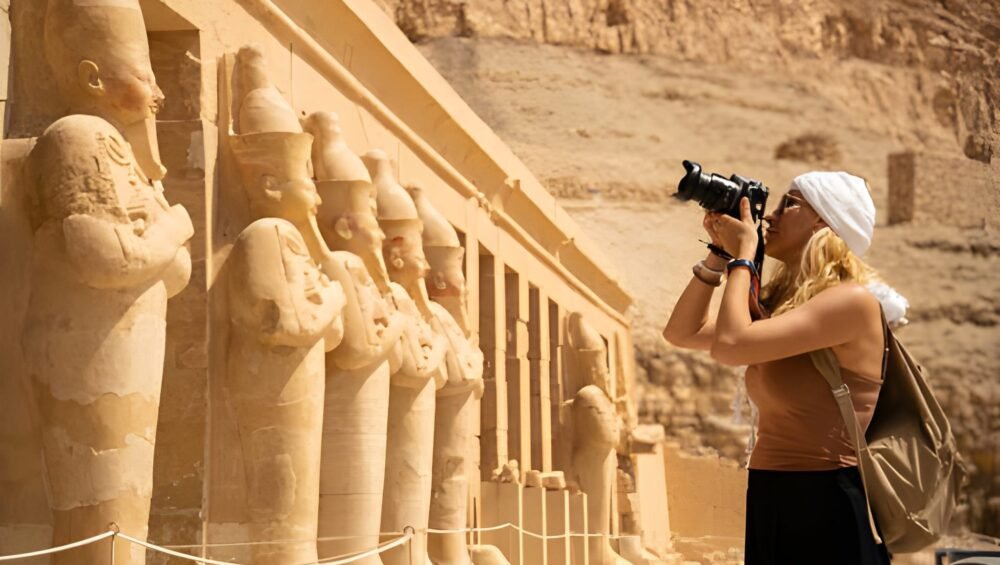
Temple Of Hatshepsut

Temple of Hatshepsut: The Timeless Masterpiece of Ancient Egyptian Architecture

Resting majestically against the rugged cliffs of Deir el-Bahari, the Temple of Hatshepsut is more than an architectural wonder—it’s a statement of power, devotion, and divine legitimacy. This ancient mortuary temple, built during Egypt’s 18th Dynasty, stands as a breathtaking tribute to Pharaoh Hatshepsut, one of the most remarkable and controversial women to rule ancient Egypt. The temple’s bold terraces, symmetrical lines, and awe-inspiring reliefs make it one of Luxor’s most iconic attractions, drawing travelers, historians, and architects from around the globe. The Temple of Hatshepsut isn’t merely a structure; it’s an experience that immerses visitors in the glorious age of pharaohs and gods.

Visiting the Temple of Hatshepsut during your Luxor Day Tours offers a spectacular glimpse into the grandeur that defined Ancient Egypt. Nestled near the fabled Valley of the Queens and facing the mighty Nile River, its location alone is steeped in symbolism—life, death, and rebirth converge here in a masterpiece carved into the limestone. The temple was designed to honor both the gods and the queen who dared to reign as a pharaoh in a male-dominated world, forever leaving her mark on Thebes’ sacred landscape.

The Visionary Pharaoh Behind the Temple: Queen Hatshepsut

Queen Hatshepsut is often celebrated as one of Egypt’s most innovative monarchs. Her rule from 1479 to 1458 BCE marked a golden era of peace, prosperity, and artistic revival. While women had wielded influence in Egypt before, none had taken on the full regalia of a male king until Hatshepsut. She adopted the royal kilt, the false beard, and all traditional symbols of pharaonic authority. Building her temple at Deir el-Bahari was her grand declaration of legitimacy and divine favor.

The Temple of Hatshepsut wasn’t simply a monument to her reign; it was also a deeply spiritual project devoted to Amun-Ra, the most powerful god of the Egyptian pantheon. The temple’s location, directly aligned with the Temple of Karnak across the river, reflects a cosmological connection between the two sacred sites. During festivals, statues of Amun would be ferried from Karnak to Hatshepsut’s temple, symbolizing union between the divine and the mortal realm.

Architectural Marvel: The Design and Structure of the Temple

Designed by Senenmut, Hatshepsut’s trusted architect and advisor, the Temple of Hatshepsut revolutionized funerary architecture in ancient Egypt. The temple is built on three ascending terraces connected by long ramps flanked by colonnades, giving the illusion of harmony between human artistry and the surrounding cliffs. Each level had a unique purpose and sacred meaning.

The lower courtyard served as a gathering space for processions; the middle terrace displayed intricate reliefs narrating Hatshepsut’s divine birth and her ambitious expedition to the Land of Punt—an extraordinary trading mission depicted in one of the most detailed scenes of ancient Egyptian art. The upper terrace, accessible through soaring pillared corridors, was reserved for rituals dedicated to Amun-Ra and Hatshepsut’s deified soul.

For those eager to delve into Luxor’s legendary architecture, a visit to the nearby Luxor Temple and Colossi of Memnon perfectly complements the journey through Hatshepsut’s temple complex. Each structure tells a part of the grand narrative of Thebes, the religious capital of the ancient world.

Symbolism and Sacred Design of Deir el-Bahari

Every architectural element in the Temple of Hatshepsut is imbued with symbolism. The temple’s alignment with the winter solstice sunrise suggests deep astronomical and religious significance. When sunlight strikes the temple’s innermost sanctuary, it illuminates the statue of Amun-Ra, creating a divine connection between the heavens and earth. The blending of natural cliffs with artificial terraces mirrors the Egyptian belief in balance—Ma’at—between chaos and order.

Nearby lies the marvelously preserved Habu Temple, showcasing similar architectural finesse but on a grander military scale. Comparing these temples reveals how pharaohs used architecture not only for devotion but also as declarations of political and divine authority.

The Reliefs and Inscriptions: Voices of Antiquity Carved in Stone

The walls of the Temple of Hatshepsut pulse with life through intricate reliefs narrating epic tales. One of the most captivating sequences is the depiction of the expedition to the Land of Punt—considered today’s Eritrea or Somalia—where Egypt traded for myrrh, incense, gold, and exotic trees. The scenes portray the ships, foreign ambassadors, unusual animals, and flourishing trade, emphasizing Egypt’s far-reaching influence during Hatshepsut’s reign.

Other carvings tell myths of her divine conception, suggesting that the god Amun-Ra himself fathered her, legitimizing her rule in the eyes of her subjects and the clergy. Despite later attempts by Thutmose III to erase her legacy, many of these inscriptions survived, whispering through time of a queen whose ambition reshaped history. A visit to the Luxor Museum reveals artifacts and fragments that further illuminate her reign’s artistic brilliance.

The Temple’s Role in Religious and Funeral Ceremonies

The Temple of Hatshepsut served as both a mortuary temple and a ceremonial center for the worship of Amun-Ra. Priests conducted daily rituals, offerings, and festivals, ensuring the queen’s spirit remained united with the gods. During the annual Festival of the Beautiful Valley, the temple transformed into a hub of celebration as Amun’s statue journeyed from Karnak to the west bank, symbolizing divine visitation to the deceased king’s temples. The echoes of chanting, incense smoke, and rhythmic drumming once filled these massive courtyards, creating an ethereal connection between mortals and the divine.

Legacy of Destruction and Rediscovery

After Hatshepsut’s death, her successor Thutmose III initiated a systematic campaign to erase her memory. Her statues were defaced, her cartouches chiseled away, and her name omitted from kings’ lists. Yet, despite centuries of defacement and neglect, the temple’s enduring structure withstood both natural decay and human vengeance. Rediscovered and meticulously restored by archaeologists in the 19th and 20th centuries, the temple now stands as a pristine ode to her defiant legacy. Exploring its restored chambers through Egypt Day Tours feels like turning back time itself.

Today’s Visitor Experience: What to Expect at The Temple of Hatshepsut

Modern travelers to the Temple of Hatshepsut can expect a journey that blends history, archaeology, and adventure. Approaching the temple via its grand causeway, you’re greeted by tiers of colonnades rising beneath towering cliffs. The views over the Theban necropolis and the lush Nile Valley are breathtaking. The best time to visit is early morning, when the sun softly bathes the limestone in hues of gold and rose. For an unforgettable experience, book a guided tour or include it in multi-day packages such as the 7 Days Cairo and Nile Cruise Package or 8 Days Best Egypt Tour with Nile Cruise.

Nearby attractions further enrich the journey—stunning sites like the Ramesseum Temple, Avenue of Sphinxes, and Luxor Hot Air Balloon Ride all complement the experience, turning Luxor into an open-air museum of ancient grandeur.

The Enduring Legacy of Hatshepsut’s Temple in Egyptian Heritage

The Temple of Hatshepsut continues to influence modern design, storytelling, and archaeological understanding. It marks a shift from the rigid pyramid-style funerary monuments to imaginative and integrated cliffside complexes that harmonized with their environment. For Egyptologists, the temple provides invaluable insight into gender politics, religion, and imperial diplomacy of New Kingdom Egypt. Visitors feel its pulse even today—its symmetry, spirituality, and silence tell stories words can’t capture.

Hatshepsut dared to defy convention, and her temple immortalizes that defiance. Rising proudly under the sun after more than three millennia, it represents human ingenuity, divine artistry, and the timeless allure of Egypt’s heritage. A true gem of Luxor’s west bank, it inspires admiration, reverence, and wonder in all who behold it.

Frequently Asked Questions About the Temple of Hatshepsut

Where is the Temple of Hatshepsut located?

The Temple of Hatshepsut lies in Deir el-Bahari on Luxor’s west bank of the Nile River, near the Valley of the Kings. It’s easily accessible from central Luxor, often included in guided tours through Day Tour to Luxor from Hurghada or similar itineraries.

Who built the Temple of Hatshepsut?

The temple was commissioned by Pharaoh Hatshepsut and designed by her chief architect Senenmut. Together, they created one of the most advanced architectural achievements in ancient Egyptian history.

What is unique about the design of the Temple of Hatshepsut?

Its multi-terraced layout, integration with the cliffs, and symmetrical alignment with celestial events make it a masterpiece of harmonious design. The balance between nature and architecture remains unmatched in ancient Egyptian art.

Can visitors explore inside the Temple of Hatshepsut?

Yes, the site is open to the public and includes access to terraces, relief-filled chambers, and sanctuaries. Combining it with excursions like a Day Tour to Edfu and Kom Ombo from Luxor enhances the historical experience.

When is the best time to visit the Temple of Hatshepsut?

The ideal visiting months are from October to April, when the weather is mild, allowing for delightful exploration. Early morning visits offer the most captivating views as sunlight awakens the cliffs, creating a surreal contrast against the blue Luxor sky.

Colossi Of Memnon

Colossi of Memnon: Eternal Sentinels of Ancient Thebes

The Colossi of Memnon stand tall and unyielding under the blazing Egyptian sun, commanding reverence from all who visit the Theban Necropolis on Luxor’s West Bank. These two colossal statues, weathered yet majestic, echo the grandeur of the Pharaoh Amenhotep III, one of ancient Egypt’s greatest rulers. Crafted around 1350 BCE, they were erected to guard the entrance of the magnificent mortuary temple of Amenhotep III—a structure once considered among the largest ever built in Egypt. Today, the temple’s ruins stretch silently across the sands, while these stone giants continue to mesmerize travelers, historians, and archaeologists alike.

Each statue towers at roughly 18 meters (about 60 feet) and was carved from single blocks of quartzite sandstone transported from quarries near Cairo—an astonishing feat of engineering given the distance and antiquity of their construction. Over the centuries, earthquakes, floods, and time itself have ravaged much of their original form. Yet, even in ruin, the Colossi of Memnon retain their aura of mystique and solemn beauty, serving as a testament to Egypt’s architectural prowess and enduring cultural legacy.

Visitors who stand before the Colossi cannot help but feel dwarfed by their magnitude and captivated by the ancient stories carved into every crack and contour. Their enduring presence inspires a sense of awe and spiritual wonder rarely matched by other monuments in Luxor—an ancient city that’s also home to wonders like the Temple of Hatshepsut and the Valley of the Queens. As the desert wind blows and the Nile glimmers nearby, the Colossi continue to whisper tales of ancient Egypt’s golden age to modern ears eager for connection with its glorious past.

The Historical Significance of the Colossi of Memnon in Ancient Thebes

The Colossi of Memnon were originally constructed as monumental guardians of Amenhotep III’s mortuary temple, an architectural masterpiece dedicated to the pharaoh’s divine essence. The temple complex once covered more land than any other in Egypt, rivaling even the grandeur of Karnak. But repeated Nile floods and the extraction of its stones for later buildings reduced most of it to rubble, leaving only the twin statues to mark the splendor of what once was. For many travelers on Luxor Day Tours, these towering figures are the city’s most iconic landmarks, representing Thebes’ enduring spiritual and historical prominence.

In antiquity, Amenhotep III’s reign was known for peace, prosperity, and artistic renaissance. His mortuary temple celebrated these virtues, but the Colossi of Memnon—his eternal sentinels—were built to outlast time itself. They not only reflected the king’s divine power but also linked his legacy to the gods, particularly Amun-Ra, the ruler of the heavens. Standing at the threshold between life and death, the Colossi symbolized resurrection and the journey to eternity, central tenets in the ancient Egyptian belief system. Their facial features once mirrored the youthful king’s serene confidence, though centuries of erosion have softened their expression into timeless abstraction.

The Legend of the Singing Colossus: A Greek and Roman Fascination

During the Hellenistic and Roman periods, the northern statue developed a mysterious reputation—it “sang” at dawn. After an earthquake in 27 BCE cracked the statue, early morning heat and humidity caused the remaining fragments to emit a haunting musical tone. Pilgrims, poets, and emperors traveled across continents to witness this eerie phenomenon. The Greeks identified the statue as Memnon, a hero of the Trojan War and son of Eos, the dawn goddess. They believed the sound was his greeting to his divine mother, earning the monument the name “Singing Colossus.” This legend transformed the site into one of the most celebrated tourist attractions of the ancient world, rivaling the Sphinx and the Abu Simbel Temples.

Roman emperors like Hadrian and Septimius Severus visited the site, and inscriptions from Greek and Latin travelers can still be seen on the lower portions of the statues. The “singing” ceased after restoration attempts in the second century CE, which repaired the cracks responsible for the acoustic phenomenon. Yet, the legend endured, weaving the Colossi of Memnon into both Egyptian and Greco-Roman cultural tapestries.

The Engineering Brilliance Behind the Colossi’s Construction

The sheer logistics of the Colossi of Memnon’s creation remain a wonder of ancient engineering. Each stone block was quarried near modern-day Cairo and transported some 700 kilometers to Thebes. Scholars suggest they were floated along the Nile during the flood season, a process demanding intense labor and technical mastery. Once on-site, the statues were carved and assembled using copper chisels and dolerite pounding stones. Considering each statue weighs over 700 tons, their placement demonstrates the Egyptians’ exceptional architectural precision. Modern travelers cruising the Nile on luxury vessels such as the Steigenberger Royale Nile Cruise or Nour El Nil Dahabeya can easily imagine how the river served as the lifeline for these monumental endeavors.

The Colossi of Memnon in Modern Egyptian Tourism

Today, the Colossi of Memnon are among Luxor’s most photographed sites, forming an iconic introduction to the city’s sprawling archaeological landscape. As the first monuments visitors encounter on the West Bank, they act as symbolic guardians to the magnificent tombs and temples beyond, such as the Ramesseum Temple and the Valley of the Kings. They also frequently feature in premium Egypt itineraries, including curated journeys like the 11 Days Luxury Egypt Tour Package and scenic river odysseys such as the 3 Nights Nile Cruise Aswan to Luxor.

Throughout the day, light transforms the mood of the Colossi—from the golden hues of sunrise that seem to revive their divine energy to the crimson glow of sunset when they blend into the desert horizon. Photographers, history enthusiasts, and spiritual travelers alike find themselves entranced. Some visitors even combine their exploration with a Luxor Hot Air Balloon Ride, capturing the Colossi from the skies—a perspective that perfectly illustrates their colossal grandeur amid the landscapes of ancient Thebes.

The Restoration Efforts and Archaeological Discoveries

Since the early 2000s, extensive archaeological projects have been ongoing to excavate the buried remains of Amenhotep III’s temple complex surrounding the Colossi. These excavations have revealed statues, sphinxes, and fragments that shed light on the original architecture. Restoration experts are meticulously working to stabilize the structures and reassemble broken statues. The efforts, led by teams from Egypt and Europe, have revived global interest in the site’s grandeur. Such initiatives align with a broader renaissance of historical preservation that also encompasses other ancient landmarks like the Luxor Museum and the Dendera Temple Complex.

Each discovery at the Colossi site enriches our understanding of Egypt’s 18th Dynasty and Amenhotep III’s reign. Statues of deities such as Sekhmet and depictions of the queen Tiye have been unearthed, confirming the temple’s role in royal divinity and ritual performance. Every excavation breathes life back into these timeless monuments, ensuring their stories endure for generations of travelers to come.

Why Visit the Colossi of Memnon Today?

Standing before the Colossi is more than just sightseeing—it’s an encounter with eternity. The juxtaposition of their silent power and the whispering desert evokes deep introspection. Travelers often include a visit as part of comprehensive Egypt vacation packages, blending ancient history with modern comfort. Whether accessed by a luxury cruise such as the Luxury Dahabiya Nile Cruise or through classic road excursions, the monuments stand as a perfect introduction to Egypt’s enduring magnificence.

Beyond their historical appeal, the Colossi of Memnon offer an emotional connection to humanity’s deepest fascination with immortality, art, and divine kingship. As more visitors rediscover their story, the site continues to inspire scholarly research and sustainable tourism. Their indomitable presence continues to uplift Luxor’s identity as the open-air museum of the world—a city where every step transports one back to the age of pharaohs and gods.

Frequently Asked Questions About the Colossi of Memnon

1. Who built the Colossi of Memnon and why?

The Colossi of Memnon were constructed by Pharaoh Amenhotep III during Egypt’s 18th Dynasty around 1350 BCE. They were originally positioned at the entrance of his mortuary temple, which celebrated his deification and eternal reign. The statues embodied his power, divine descent, and the connection between the earthly and spiritual realms.

2. Why are they called the Colossi of Memnon?

The name “Memnon” originates from Greek mythology. When visitors during the Greco-Roman era heard one of the statues “sing” at dawn, they associated it with Memnon—a Trojan hero who was said to greet his mother, the goddess of dawn, each morning. Thus, the term “Colossi of Memnon” became permanently tied to the ancient Egyptian statues.

3. How tall are the Colossi of Memnon?

Each statue stands about 18 meters (60 feet) tall and weighs approximately 720 tons. Originally, they were slightly taller as each had a pedestal adorned with intricate reliefs and hieroglyphs depicting Amenhotep III and divine figures.

4. What caused the Colossi to “sing”?

An earthquake in 27 BCE cracked one of the statues. When the morning sun warmed the dew inside the fissures, it created a resonating sound akin to a hum or song. This phenomenon captivated ancient travelers, who interpreted it as a divine melody. Repairs made in the second century CE ended the phenomenon.

5. Can visitors see the Colossi of Memnon today?

Absolutely! The Colossi of Memnon are freely accessible near the modern city of Luxor. They’re often included in itineraries such as Egypt Day Tours or multi-day trips like the 4 Day Cairo and Luxor Tour Package. Visitors can marvel at these statues both from ground level and, for a breathtaking view, during a sunrise hot air balloon flight over the ancient city.

In essence, the Colossi of Memnon are more than giant statues—they’re living fragments of history that bridge myth, engineering marvel, and cultural identity. Standing under the Egyptian sky, they continue their age-old task: guarding ancient Thebes and enchanting the hearts of all who behold them.

Luxor Temple

Luxor Temple: The Timeless Jewel of Ancient Thebes

On the east bank of the Nile River in the heart of modern-day Luxor stands a spectacle that has mesmerized humanity for more than three millennia — Luxor Temple. This colossal architectural masterpiece, once called ‘Ipet Resyt’ or ‘The Southern Sanctuary,’ encapsulates ancient Egypt’s divine grandeur and political might. Commissioned primarily by Pharaoh Amenhotep III during the 14th century BC and later expanded by Ramses II, Luxor Temple was not just a monument but a living stage for sacred ceremonies uniting gods and kings. Its towering pylons, graceful colonnades, and intricate hieroglyphs beam with stories of devotion, power, and celestial harmony.

Unlike other temples dedicated to a single deity, Luxor Temple symbolized the divine embodiment of kingship itself. It was here where pharaohs went through coronation rituals, bridging mortal life and divine right. The temple complex once connected to the magnificent Avenue of Sphinxes leading to Karnak Temple, forming a sacred thoroughfare that hosted the grand Opet Festival — a celebration aligning the human king with Amun, the king of gods.

Today, Luxor Temple remains a dazzling open-air museum — a gateway to the inner soul of ancient Thebes. Whether illuminated under the fiery dusk or bathed in moonlight, its sandstone pillars whisper echoes of civilization’s dawn. For travelers exploring Luxor City, the temple is a crown jewel that fuses beauty, mythology, and mystery into one captivating experience.

The Historical Genesis of Luxor Temple

Constructed around 1400 BCE, Luxor Temple emerged at the height of Egypt’s New Kingdom. Its foundations were laid by Amenhotep III, one of Egypt’s most prolific builders, who envisioned a sanctuary dedicated to Amun-Ra, his wife Mut, and their son Khonsu — deities forming the revered Theban triad. Later expansions by Ramses II added monumental statues, reliefs, and pylons bearing scenes of his military triumphs, immortalizing his reign in stone. Subsequently, Tutankhamun, Horemheb, and Alexander the Great contributed refinements, each layering their legacy atop this enduring canvas.

As centuries marched forward, Luxor Temple evolved. Roman emperors transformed parts of it into military chapels, and in the 4th century AD, a Christian church occupied the site. Remarkably, the mosque of Abu al-Haggag, still active to this day, was built atop the ruins — symbolizing Luxor Temple’s seamless adaptation through successive epochs of religion and empire.

Architectural Grandeur and Symbolic Mastery

Luxor Temple’s architecture exemplifies refined Egyptian artistry balanced by bold political vision. The entrance is guarded by colossal seated statues of Ramses II, projecting divine authority to all who cross the threshold. Two towering obelisks once flanked the gate; one still stands here, while its twin now graces the Place de la Concorde in Paris. Beyond the gateway stretches the Great Court, adorned with detailed carvings narrating festivals, rituals, and royal offerings.

Visitors marvel at the peristyle court built by Amenhotep III, where soaring papyrus-shaped columns mimic an eternal forest reaching heavenward. The Hypostyle Hall — its roof held by tightly arranged pillars — unveils walls praising both gods and pharaohs. One can trace the inscriptions depicting the annual Opet Festival, when Amun’s statue was carried ceremoniously from Karnak to Luxor amid chants, incense, and radiant procession.

The Religious Power Behind the Design

Luxor Temple’s spiritual role extended beyond worship; it reinforced the divine nature of Egyptian kingship. Through grand rituals, the pharaoh reaffirmed his status as the earthly embodiment of Horus and son of Amun. Each architectural alignment resonates with cosmic precision, symbolizing harmony between earth and heaven, mortal and divine. When illuminated by the golden Nile sunset, its carvings seem to come alive — Amun’s eternal blessings etched in hieroglyphic rhythm.

Luxor Temple and the Opet Festival

Among Egypt’s ancient festivals, none surpassed the Opet Festival in magnificence. This annual celebration marked the rejuvenation of divine energy and the reaffirmation of the pharaoh’s sovereignty. During Opet, the sacred barques of Amun, Mut, and Khonsu traveled along the Nile or through the Avenue of Sphinxes, linking Karnak Temple and Luxor Temple in a symphony of music, incense, and devotion. The event filled Thebes with pageantry that echoed divine rebirth — a spectacle reaffirming cosmic order and human faith.

Luxor Temple Through Time: Beyond the Pharaohs

The legacy of Luxor Temple is one of transformation. Under Roman rule, Emperor Diocletian erected a military stronghold within the complex, converting parts into shrines for Roman emperors depicted as pharaohs. Later, with the rise of Christianity, converts adapted the sanctuary into a church, painting religious frescoes on ancient walls. The mosque of Abu al-Haggag, built over the temple’s ruins, remains a living symbol of Egypt’s layered spiritual continuum — where Islam, Christianity, and ancient belief harmoniously intersect.

Visiting Luxor Temple: A Modern Pilgrimage through Antiquity

Today, a visit to Luxor Temple promises an unparalleled journey across time. The site is most enchanting after sunset, when strategic lighting casts dramatic shadows that highlight carvings and hieroglyphs. Many travelers pair their exploration with an immersive experience such as the Sound and Light Show at Karnak Temples or a tranquil Luxor Hot Air Balloon Ride, offering dreamy vistas of the temple glowing under dawn’s pastel hues.

Visitors often combine their exploration with guided itineraries like the 4 Day Cairo and Luxor Tour Package or extended options such as a 7 Days Cairo and Nile Cruise Package. For those craving ultimate indulgence, the 10 Day Egypt Luxury Trip with Dahabiya Nile Cruise delivers a royal experience echoing Luxor’s golden past.

Traveling along the Nile unveils a living timeline of splendor. Many routes include the 4 Day 3 Night Nile Cruise from Aswan to Luxor and the 7 Nights Nile Cruise Luxor, Aswan & Luxor, offering glimpses of Edfu Temple, Kom Ombo Temple, and the majestic Abu Simbel Temples — a journey through Egypt’s architectural soul.

Luxor Temple’s Artistic Treasures and Preservation

Preserving Luxor Temple is a mission blending archaeology, conservation, and reverence. Each relief bears witness to an epoch, decoded meticulously by Egyptologists uncovering political alliances, religious hierarchy, and myths that shaped humanity’s oldest civilization. Restoration efforts have revealed that many original pigments survived centuries beneath layers of sand, showcasing vibrant hues once painting gods and kings in divine brilliance.

Furthermore, modern initiatives align with sustainable tourism principles, ensuring that visitors appreciate the temple without compromising its heritage. Whether joining local guides on Luxor Day Tours or embarking on a cultural journey combining Egypt Vacation Packages, travelers immerse in history responsibly while empowering local communities.

Luxor Temple in the Broader Egyptian Landscape

No exploration of Egypt is complete without contextualizing Luxor Temple within the nation’s grand narrative. Nearby rise the Colossi of Memnon, solemn guardians of Amenhotep III’s vanished mortuary temple. Across the Nile, the Valley of the Queens shelters imperial tombs adorned with celestial murals, while the Temple of Hatshepsut stands as a symphony of limestone symmetry. These sites together embody the genius of Thebes — a civilization that sculpted its eternity from stone and spirit.

Why Luxor Temple Captures the Soul of Egypt

Unlike any other monument, Luxor Temple transcends physical beauty. It’s an emotional, living symbol representing rebirth, faith, and continuity. Through changing empires and evolving faiths, it has remained a sanctuary of peace. Its columns don’t merely hold stone; they hold the memory of humankind’s pursuit to connect with the divine. Every traveler who crosses its threshold partakes in the same awe once reserved for pharaohs, priests, and pilgrims alike.

Conclusion: The Eternal Pulse of the Temple of Luxor

Luxor Temple stands not only as a cornerstone of Egypt’s architectural perfection but as a timeless dialogue between past and present. Walking under its monumental colonnade is to feel history’s pulse — warm, rhythmic, immortal. It invites us to witness the continuity of civilization and to appreciate how art, religion, and human ambition converge under the Egyptian sun. For those seeking to unravel the mysteries of ancient Thebes, Luxor Temple is more than a site — it’s an experience that etches itself deep within the traveler’s heart.

Frequently Asked Questions about Luxor Temple

1. When was Luxor Temple built?

Luxor Temple was begun by Pharaoh Amenhotep III around 1400 BCE and later enhanced by Ramses II, Tutankhamun, and Alexander the Great. Each ruler added elements reflecting their era’s architectural innovations and spiritual emphasis.

2. What was the primary purpose of Luxor Temple?

The temple was principally dedicated to the Theban triad — Amun, Mut, and Khonsu. It served as a central stage for the Opet Festival, symbolizing the rejuvenation of the pharaoh’s divine authority and maintaining cosmic balance between gods and humankind.

3. How is Luxor Temple different from Karnak Temple?

While Karnak focused on worship and the power of Amun-Ra, Luxor Temple celebrated kingship and divine embodiment. The two were connected via the Avenue of Sphinxes, emphasizing their shared yet distinct ceremonial meanings.

4. Can visitors access Luxor Temple at night?

Yes, Luxor Temple transforms beautifully after sunset. Night tours reveal the site in a mesmerizing glow, with sophisticated lighting accentuating columns, statues, and hieroglyphs — creating an ethereal atmosphere. It’s one of the highlights of Luxor Day Tours.

5. What’s the best way to experience Luxor Temple?

The best approach combines guided tours with experiential travel. Consider pairing your visit with a Luxor to Aswan Nile Cruise From Hurghada or exploring local marvels like private tour to the East Bank. This enriches understanding of how Luxor Temple fits into Egypt’s grand historical mosaic.

Luxor City

Luxor City – The Timeless Treasure of Ancient Egypt

In the heart of Upper Egypt, nestled along the serene banks of the Nile River, lies Luxor City — the ancient Thebes, a majestic open-air museum that brings the grandeur of the pharaohs to life. Luxor is not just a city; it’s an anthology of ancient Egyptian civilization and an epicenter of heritage, mystery, and beauty. Every stone, statue, and temple whispers stories of gods, kings, and the eternal journey of the soul. Visitors from across the globe flock here to step back over 4,000 years in time, tracing the footsteps of Ramses, Hatshepsut, and Tutankhamun.

Today, Luxor City seamlessly blends its timeless past with a vibrant modern lifestyle. From bustling souks filled with handmade treasures to peaceful felucca rides along the Nile, the city’s rhythm beats in harmony with both ancient wonders and Egyptian warmth. It’s an essential stop on any Egypt vacation package, offering travelers a rich tapestry of temples, tombs, and timeless legends. Whether you’re drawn by its archaeological splendor or the allure of luxury Nile cruises, Luxor promises an unforgettable escape into the soul of Egypt.

The Historical Significance of Luxor City

Luxor City, once the ancient capital Thebes, served as the religious and political hub during the New Kingdom — the golden era of Egyptian civilization. Here, divine temples rose to honor gods like Amun-Ra and Osiris, and royal tombs were carved deep within the mountainsides of the west bank. Luxor boasts two of the most impressive temple complexes in the world: the awe-inspiring Luxor Temple and the sprawling Karnak Temple with its massive Hypostyle Hall of 134 columns.

This sacred city was believed to be the gateway to the afterlife. Pharaohs prepared for eternity in the Valley of the Queens and the legendary Valley of the Kings, where Tutankhamun’s tomb was unearthed. Every monument reflects precise astronomical alignment, revealing the ancient Egyptians’ profound understanding of the universe. The historical importance of Luxor cannot be overstated — it’s a living chronicle of ancient Egypt’s artistry, religion, and power.

Top Monuments and Temples in Luxor

At the core of Luxor’s charm lies its extraordinary monuments. The Colossi of Memnon — two gigantic seated statues of Pharaoh Amenhotep III — guard the west bank. Meanwhile, the mortuary Temple of Hatshepsut dazzles with its terraces carved into cliffs, celebrating one of history’s most extraordinary female pharaohs.

Across the Nile, the grand Avenue of Sphinxes connects the Luxor and Karnak temples, stretching over two miles of breathtaking sculptures. Within the valley, each tomb unveils a different narrative, adorned with colors and hieroglyphics still vibrant after thousands of years. Visitors can also explore the intricately preserved Ramesseum Temple and the quiet splendor of the Tomb of Nefertari, where vivid artwork depicts her journey through the afterlife.

Cultural Experiences and Local Life in Luxor

Beyond its temples, Luxor thrives with authentic Egyptian charm. Wander the local bazaar brimming with alabaster crafts, spices, and colorful textiles. Sample traditional Egyptian dishes that reflect the region’s deep agricultural roots. For a truly unique experience, enjoy a sunrise flight with the famous Luxor Hot Air Balloon Ride and watch the entire city bathe in golden light from above.

Visitors can also embark on leisurely felucca rides drifting along the Nile’s calm waters, or take an enchanting evening stroll through the city’s illuminated landmarks. The blend of ancient grandeur and contemporary life creates an atmosphere unlike anywhere else.

Luxor City on the Nile Cruise Route

For many travelers, Luxor marks the beginning or end of a magnificent Nile journey. Cruising between Luxor and Aswan unveils the ravishing landscape of Upper Egypt — temples, villages, and timeless views. Popular itineraries such as the 4-day 3-night Nile Cruise from Aswan to Luxor or the 7-Night Nile Cruise from Luxor, Aswan & Luxor combine comfort with adventure.

Luxuriously appointed riverboats, like the Steigenberger Minerva Nile Cruise or the Nour El Nil Dahabeya, promise an unforgettable experience of Egypt’s timeless river. Onboard, travelers savor Egyptian cuisine, music, and hospitality while gliding past landscapes that have inspired explorers for centuries.

Best Time to Visit Luxor City

The perfect time to explore Luxor City is between October and April, when the desert weather is mild and the days are comfortably warm. During this period, visitors can comfortably roam the vast temple grounds and tombs without the intense summer heat. In December and January, Luxor reflects festive vibes, especially during Egypt Christmas tours, as travelers from around the world celebrate amidst ancient backdrops.

Early mornings are the best for exploring major sites, capturing marvelous photographs, and avoiding crowds. Sunset along the Nile creates a spellbinding view, ideal for romantic felucca rides. Luxor’s magic is eternal, but its winters offer the most pleasant and picturesque moments.

Tourist Attractions Beyond Temples

While temples dominate Luxor’s fame, the city offers much more. The Luxor Museum and the Mummification Museum provide insightful glimpses into ancient beliefs and artistry. These attractions showcase delicate artifacts, statues, and tools that once belonged to the pharaohs.

Travelers can join guided Luxor day tours to see both east and west banks, combining historical exploration with local experiences. Adventurous spirits may also extend their trips with excursions such as the Private Tour to the East and West Bank of Luxor or onwards to spectacular neighboring sites via customized journeys like the Aswan day tours.

Modern Luxor: Hotels, Transportation, and Comfort

Today’s Luxor City beautifully balances its heritage with modern infrastructure. The city is well-equipped with luxury resorts, boutique accommodations, and delicious dining options. Travelers arriving from other destinations can easily book Luxor transfers for convenient connections via airport or cruise port.

Tour operators and travel agencies such as Cindrella Egypt Travel specialize in curating hassle-free itineraries that combine cultural immersion with comfort. Whether opting for all-inclusive options like All Inclusive Egypt Vacations or family-centric journeys through Egypt Family Tours, Luxor assures ease and elegance in every step.

Adventure and Extended Excursions from Luxor

Beyond the city limits, Luxor serves as the perfect gateway to discover deeper Egypt. Travelers can embark on adventurous routes to Edfu and Kom Ombo through the Day Tour to Edfu and Kom Ombo from Luxor or travel farther with the Private Tour to Dendera and Abydos from Luxor.

For thrill-seekers, a camel experience along the Nile or village explorations nearby offer vivid glimpses into local life. Those who crave relaxation can wander through lush palm groves or enjoy traditional Nile houseboat dinners, all while soaking in the golden glow of the Egyptian sun.

Why Luxor City Must Be on Every Traveler’s Bucket List

Luxor City holds the power to enchant history enthusiasts and casual wanderers alike. The emotion of standing before ancient temples, where pharaohs once stood in devotion, is unmatched. Each site draws you deeper into an era that shaped humanity’s artistic and spiritual foundations. Combine that with warm Egyptian hospitality, vibrant bazaars, and modern comfort, and you have a destination that goes beyond sightseeing — it’s a soulful encounter with eternity.

Whether you’re tracing the monumental temples, cruising along the legendary Nile, or simply enjoying serene moments at dusk, Luxor continues to prove why it remains the beating heart of Egypt’s tourism.

Frequently Asked Questions About Luxor City

1. Where is Luxor City located in Egypt?

Luxor is situated in Upper Egypt, about 670 km south of Cairo and 220 km north of Aswan, on both sides of the Nile River. It lies in one of Egypt’s most fertile regions and is often included in itineraries such as the 6 Days Cairo to Luxor Tour.

2. What are the main attractions in Luxor City?

Luxor offers world-renowned archaeological masterpieces including Karnak Temple, Luxor Temple, Valley of the Kings, Temple of Hatshepsut, and the Colossi of Memnon. Museums and cultural markets complement the experience with vivid storytelling about ancient Thebes’ glory.

3. How can I travel between Luxor and Aswan?

The most scenic route between Luxor and Aswan is by a 4 Nights Nile Cruise from Luxor to Aswan. Alternatively, well-organized Aswan transfers are available by road or rail.

4. Are there family-friendly activities in Luxor?

Absolutely! Families can enjoy engaging historical tours, scenic balloon rides, and safe Nile cruises. Luxor’s lively markets offer children and adults a delightful cultural adventure, ideal for private Egypt tours or family tours.

5. How long should travelers spend in Luxor?

To truly appreciate Luxor’s grandeur, a minimum of two to three days is ideal. Many choose extended stays through curated journeys like the 5 Day Cairo and Luxor Tour Package or longer luxury expeditions covering the Nile and nearby cities.

Luxor City stands as a living chronicle of the world’s greatest civilization — a destination that

Stanley Bridge Alexandria

Stanley Bridge Alexandria – The Jewel of Egypt’s Mediterranean Coastline

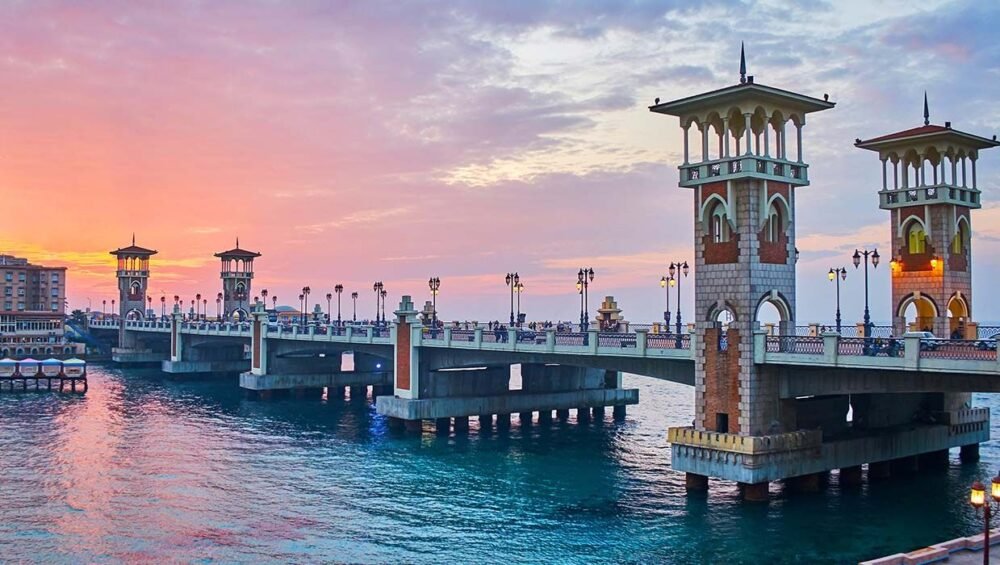
Stanley Bridge in Alexandria isn’t just a crossing—it’s one of Egypt’s most captivating landmarks, combining elegance, history, and culture in one sweeping architectural masterpiece. Perched above the turquoise waters of the Mediterranean, the bridge embodies both modernity and nostalgia, effortlessly connecting Alexandria’s Corniche with its cosmopolitan lifestyle. For travelers exploring Egypt’s coastal treasures, Stanley Bridge is not only a scenic stop but a symbol of the city’s rebirth. The moment you step onto it, you’ll feel the sea breeze whisper tales of history, while gentle waves glimmer under the sun or city night lights. It’s where romance meets engineering brilliance, offering photographers, wanderers, and dreamers alike a front-row view of Alexandria’s maritime beauty.

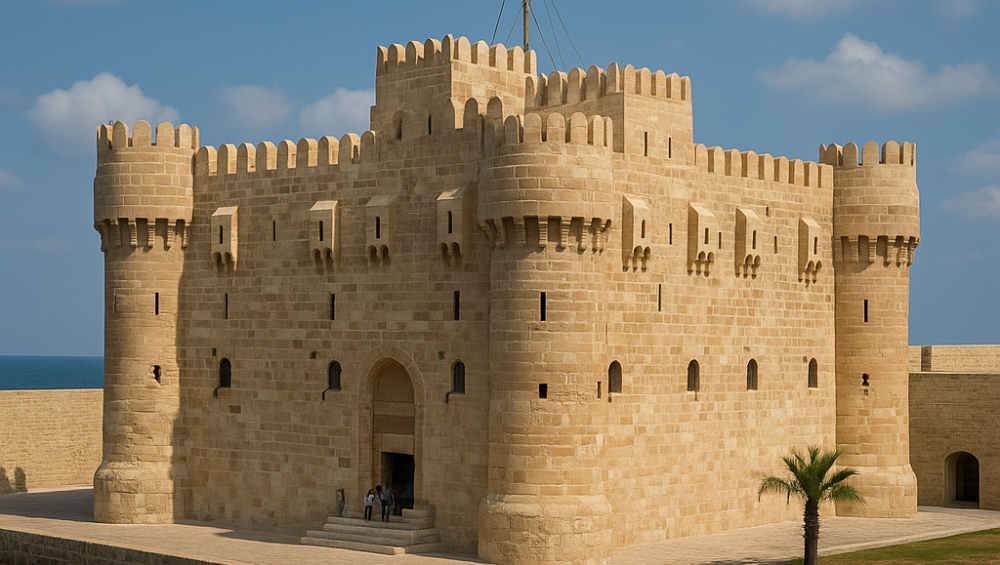
Built with a striking blend of contemporary design and classic charm, Stanley Bridge is one of the most scenic viewpoints in Egypt. It reflects the city’s ever-evolving identity—one where the ancient Pharaonic spirit intertwines with modern urban vitality. As part of the larger development of the Corniche, this bridge has transformed how locals and tourists experience the sea. Whether you’re capturing stunning sunset shots, strolling through Alexandria’s neighborhoods, or venturing on a coastal drive toward landmarks like The Citadel of Qaitbay or Montazah Palace, Stanley Bridge offers a majestic pause in time. It’s no wonder that it continues to captivate millions every year, merging the magnetism of Alexandria’s past with the excitement of its future.

History and Origins of Stanley Bridge in Alexandria

Stanley Bridge holds a relatively modern yet deeply symbolic history. Constructed in 2001, this architectural gem was part of Alexandria’s Corniche development project, an urban renewal effort designed to revitalize the city’s coastline. The Corniche had always been an artery of life in Alexandria, but traffic congestion and narrow roads were challenging the city’s charm. The Egyptian government collaborated with leading engineers to design a bridge that elegantly extended over the Stanley Bay, preserving its natural vistas while improving the infrastructure. The outcome—Stanley Bridge—became Egypt’s first modern sea bridge, an achievement celebrated across the Mediterranean region.

Despite its recent construction, Stanley Bridge pays homage to Alexandria’s historical grandeur. Its design reflects a neo-classical aesthetic, inspired by traditional Islamic and Mediterranean architecture. The four signature towers at its corners feature ornate, arched roofs and intricate detailing reminiscent of Alexandria’s old-world structures. These stylistic choices weren’t just for show—they were deliberate efforts to blend modern functionality with heritage aesthetics, maintaining the city’s coastal identity while embracing progress. Visitors arriving from the Corniche towards Stanley often describe the experience as gliding into a visual symphony of sea, stone, and sky.

Architectural Significance and Design of Stanley Bridge

The design is more than eye candy—it’s an engineering marvel meant to withstand sea spray, salt corrosion, and the relentless elements of the Mediterranean coast. The 400-meter-long bridge consists of six arches resting on sturdy concrete piers plunged deep into the sea. Its wide lanes accommodate thousands of vehicles daily, while pedestrian walkways allow locals and visitors to enjoy unhindered coastal views. The bridge’s illumination system, featuring hundreds of lamps, transforms it into a glowing spectacle after sunset. Golden and amber lights shimmer across the waves, crafting an unforgettable nighttime panorama that has become one of Alexandria’s top photography spots.

Design-wise, Stanley Bridge stands as a graceful expression of Egypt’s modern architectural identity—bold yet culturally rooted. For those keen on architectural exploration, the structure draws parallels with other modern icons along Egypt’s routes, much like the sleek designs found in Cairo near the Al-Azhar Park area or the restoration genius behind the Grand Egyptian Museum. Stanley’s form embodies balance—utilitarian purpose coupled with artistic flair, all while standing firm against the Mediterranean winds.

Stanley Bridge’s Location: The Heart of Alexandria’s Corniche

Situated strategically along the famous Corniche Road, Stanley Bridge connects two bustling neighborhoods of Alexandria—Stanley and Sidi Gaber. The Stanley district, from which the bridge takes its name, has long been one of Alexandria’s most affluent areas, famous for its seaside resorts, cafes, and beaches. As you drive along the Corniche, you’ll notice how seamlessly Stanley Bridge integrates into the seafront, offering panoramic views of Stanley Bay below. The bay, with its crescent-shaped shoreline, golden sand, and gentle surf, serves as a picturesque complement to the bridge’s grandeur.

Many visitors choose to walk across the bridge to capture Alexandria’s horizon against the vibrant Mediterranean. It’s also a favored romantic spot for locals who gather to watch the sunset. The area surrounding Stanley Bridge is filled with life—street vendors selling traditional snacks, families enjoying seaside picnics, and photographers waiting for the perfect lighting. Its accessibility, both from downtown and the city’s eastern districts, makes it a convenient stop during a Day Tour to Alexandria City. Standing on the bridge, you can easily see fishing boats dotting the horizon and the towering buildings of Alexandria forming a vibrant, urban backdrop.

Why Stanley Bridge Alexandria Captivates Every Traveler

Stanley Bridge doesn’t merely serve as infrastructure—it’s an Instagram-worthy landmark and a cultural symbol of Alexandria’s identity. Travelers come here to feel the pulse of the city. It’s the convergence point of energy, history, and sea spray, creating an atmosphere where old-world charm meets modern charisma. Whether it’s the sound of waves resonating beneath or the laughter of locals selling roasted corn along the walkway, the sensory experience here feels almost cinematic. Many tours include Stanley Bridge as part of their itinerary, paired with historical sites like the Alexandria Bibliotheca and the Catacombs of Kom El Shoqafa. Together, they narrate the story of an ancient city thriving in the modern age.

Stanley Bridge by Day: Sun-Kissed Views and Coastal Vibrancy

During the daytime, Stanley Bridge transforms into a luminous spectacle of color. The Mediterranean sparkles in shades of azure and emerald, with fishing boats gently bobbing in the water below. Locals often stop mid-drive to soak in the view, while early-morning joggers and photographers capture the radiant hues of dawn. Street vendors offer fresh juices, roasted nuts, and souvenirs that embody Alexandrian flair. This scene gives visitors a glimpse of life in Alexandria—easy-going yet soulful. When sunlight bounces off the bridge’s stone pillars and metal railings, it creates an incredible visual mosaic that symbolizes Egypt’s coastal vitality.

Not far from Stanley, you can explore more of the city’s maritime wonders. A quick trip east brings you to Alexandria City’s cultural heart, while continuing west leads toward the majestic Serapeum of Alexandria. Each landmark tells a chapter of Egypt’s diverse heritage, reinforcing how Stanley Bridge isn’t an isolated attraction but a central thread in the city’s historical tapestry.

Stanley Bridge by Night: When Alexandria Glows

As dusk falls, Stanley Bridge takes on another persona—one drenched in the romance of twinkling lights and moonlit tides. The bridge’s lampposts illuminate the water, reflecting golden hues across the bay. Many visitors find this hour ideal for tranquil walks, often pairing the experience with a late-night coffee at one of the nearby seaside cafes. Nighttime at Stanley Bridge feels magical, almost as if the bridge itself becomes a living painting moving gently to the rhythm of the waves. Alexandria at night rivals any coastal city in charm, echoing the vibrancy found in modern urban hubs while maintaining a distinct Egyptian soul.

Nearby, restaurants serve fresh seafood straight from the Mediterranean, while live music fills the air. The mood is elegant yet casual—a perfect balance that mirrors Alexandria’s character. Those joining extended itineraries like the 16 Day Cairo, Alexandria, Nile Cruise and Abu Simbel tour often describe the evening view from Stanley Bridge as the highlight of their visit.

Touring Around Stanley Bridge: Attractions and Experiences

Because of its prime location, Stanley Bridge serves as an excellent hub for exploring Alexandria’s other highlights. Within minutes, travelers can reach famed attractions such as Montazah Gardens, El Corniche Boulevard, and San Stefano Grand Plaza. Many Egypt Day Tours include Stanley Bridge as a scenic stop before venturing toward historical gems scattered throughout the city.

For those looking for a deeper dive into Alexandria’s cultural essence, pairing your bridge visit with sites like Abdeen Palace or the spiritual space of Coptic Cairo (Old Cairo) enriches the experience tenfold. Beyond architecture, it’s the atmosphere—the laughter of fishermen, the aroma of sea air, and the hum of bustling traffic—that makes Stanley unforgettable. Whether you’re on a Egypt Vacation Package or simply a day explorer, Stanley Bridge ensures Alexandria imprints itself on your heart.

Travel Tips and the Best Time to Visit Stanley Bridge Alexandria

The best time to explore Stanley Bridge is during spring and autumn when temperatures hover around 20–25°C. Mornings are calm and ideal for photography, while evenings promise mesmerizing sunsets. Summers can get crowded as locals flock to the beaches, but the lively vibe adds an authentic Egyptian flavor. Avoid midday during peak tourist months to enjoy a quieter stroll. Traffic flows smoother early morning and late evening. Bring a camera, bottled water, and maybe a small snack to soak in the entire experience leisurely.

Planning broader exploration? Consider booking structured itineraries like the 10 Day Cairo with Nile Cruise or a 7 Days Egypt Adventure Tour that pairs Alexandria’s coastal elegance with Egypt’s other marvels. You’ll experience the seamless blend of history, culture, and leisure that defines Egypt’s essence.

Frequently Asked Questions about Stanley Bridge Alexandria

1. What is special about Stanley Bridge?

Stanley Bridge is Egypt’s first sea bridge and one of the most iconic landmarks in Alexandria. Its unique design, inspired by Islamic architecture, and its location above Stanley Bay make it one of the most photographed sites along the Mediterranean coast. It blends modern engineering with artistic flair, offering breathtaking city and sea views.

2. Where is Stanley Bridge located?

The bridge lies along the Corniche in Alexandria, connecting the Stanley district to Sidi Gaber. Its central position makes it easily accessible from major hotels and city attractions, perfect for visitors exploring Egypt’s northern coastline.

3. What is the best time to visit Stanley Bridge?

Visit during sunrise or sunset for the most spectacular scenery. Spring and autumn months offer balanced weather, while evenings add extra allure thanks to the bridge’s illuminated towers reflecting on the water.

4. Can I walk on Stanley Bridge?

Absolutely! Stanley Bridge features dedicated pedestrian paths on both sides, allowing visitors to stroll safely while absorbing views of the Mediterranean. The walking experience is particularly magical at night.

5. Are there attractions near Stanley Bridge?

Yes, nearby attractions include Montazah Palace, Alexandria Bibliotheca, and The Citadel of Qaitbay. You can also explore shopping centers, restaurants, and cultural museums, many featured in comprehensive packages like the 8 Days Pyramids and Nile Cruise Holidays. Stanley Bridge serves as both a scenic spot and a convenient access point to Alexandria’s urban wonders.

Alexandria Bibliotheca

The Timeless Majesty of the Alexandria Bibliotheca: Egypt’s Beacon of Knowledge and Innovation

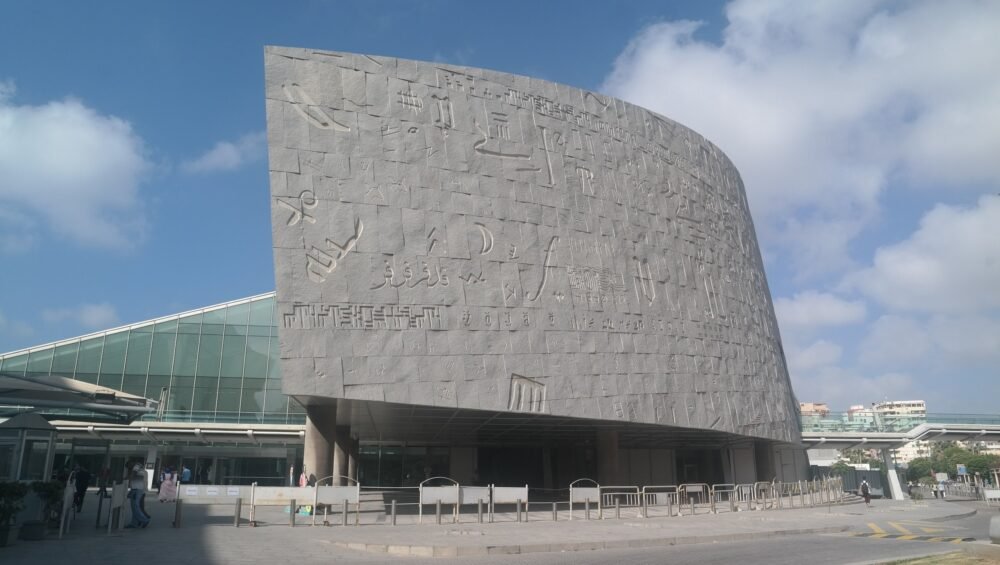
The Alexandria Bibliotheca, or Bibliotheca Alexandrina, stands as one of the most remarkable modern architectural and cultural landmarks in Egypt. Built to resurrect the ancient Great Library of Alexandria, this contemporary wonder redefines intellectual pursuit and global collaboration. Overlooking the Mediterranean Sea, it symbolizes humanity’s eternal thirst for wisdom. With its sleek circular design and granite façade carved with scripts from across the world, the library represents both Egypt’s rooted legacy in antiquity and its dedication to the future of knowledge. Its mission goes far beyond preserving books—it serves as a bridge between civilizations, fostering education, culture, and global dialogue. Anyone embarking on Egypt vacation packages will find the Alexandria Bibliotheca a captivating stop filled with history, beauty, and intellectual challenge.

Sitting on the very ground where the ancient world’s largest library once thrived, the Bibliotheca Alexandrina evokes deep respect for human curiosity. The structure, inaugurated in 2002, houses millions of books, museums, art galleries, a planetarium, and several academic research centers. Its dynamic spirit makes it much more than a national archive—it’s a global hub of creativity. The library seamlessly fuses Egypt’s glorious past with the digital present, making it a striking symbol of continuity, resilience, and innovation. The intentional design—an angled circle seemingly rising from the earth—echoes the dawn of civilization itself. Through this powerful shape and its multidisciplinary offerings, Alexandria Bibliotheca serves as a daily reminder that the pursuit of knowledge never ends.

Reviving the Legacy of the Ancient Library of Alexandria

The idea behind establishing the modern Bibliotheca Alexandrina was not merely nostalgic—it was visionary. The original Library of Alexandria, founded during the reign of Ptolemy I in the third century BCE, housed countless scrolls and manuscripts covering philosophy, science, medicine, mathematics, and literature. It drew some of history’s greatest thinkers, like Euclid and Archimedes. When the ancient library was tragically destroyed, humanity lost a treasure trove of intellectual heritage. The opening of the new library decades later restores that same spirit of discovery, offering a place where cultures converge and ideas flourish. Visitors exploring Alexandria City often marvel at how old-world grandeur meets modern genius in one breathtaking space.

In its rebirth, Alexandria Bibliotheca became Egypt’s cultural compass and a centerpiece for global cooperation. UNESCO’s involvement in the project emphasized its importance as a universal platform for learning. Today, researchers, artists, and students from every corner of the world frequent the facility to access digital archives, attend international symposiums, and engage in academic exchange. The library not only resurrects Alexandria’s storied scholarly tradition but also positions Egypt as a trailblazer in modern education and cultural diplomacy. For many academics traveling through Egypt’s coastal wonders with Luxury Egypt Tours, a day spent at Bibliotheca Alexandrina is the intellectual highlight of their journey.

Architectural Brilliance: A Monument of Design and Symbolism

Few modern structures capture imagination like the Alexandria Bibliotheca. Designed by the Norwegian firm Snøhetta, its architectural language conveys harmony between knowledge, light, and time. The granite walls engraved with over 120 scripts signify the universality of communication, embodying the idea that knowledge transcends linguistic boundaries. The building’s vast circular roof tilts toward the sea, reflecting sunbeams and symbolizing the rising sun—a metaphor for enlightenment emerging from darkness. Visitors arriving via Cairo Day Tours can easily spot this gleaming landmark from afar, its design calling forth curiosity and awe even before they step inside.

The interior radiates innovation as well—massive reading halls drenched in natural light, glass ceilings supported by elegant columns, and fluidly connected galleries offer both aesthetic pleasure and practical function. Architects didn’t simply design a building; they shaped an inspiring ecosystem that nourishes thought. Each hall, exhibition, and research center contributes to a greater narrative of human intellect’s resilience. The building can accommodate eight million books, positioning it among the world’s most extensive libraries. Those looking to pair architectural exploration with scenic leisure might continue onwards with Egypt family tours, discovering how Alexandria merges scholarship and relaxation in one coastal paradise.

The Digital Library Revolution

One of the Alexandria Bibliotheca’s greatest triumphs lies in its expansive digital capacity. Beyond physical manuscripts, the library manages digital repositories containing historical photographs, manuscripts, and multimedia resources. Its digital archives make rare documents accessible to users globally, creating an interconnected network of knowledge. With high-speed connectivity and collaboration with international institutions, the Bibliotheca became a pioneer in digitization across Africa and the Middle East. For inquisitive travelers who enjoy tech-driven experiences after a cultural visit, a Sharm El Sheikh day tour or sea excursion offers a refreshing contrast between ancient wisdom and natural marvels.

The library’s online platforms give students and professionals open access to rich Egyptian history collections, ancient scroll records, and even global cultural archives. It’s not just an archive; it’s a living, breathing database that mirrors Alexandria’s original mission—to gather all knowledge of the known world. Scholars and digital innovators recognize the Bibliotheca’s digital initiative as one of the most successful integrations of technology and heritage preservation in the modern era. Combining such broad access with on-site research areas ensures the library remains relevant in an age defined by data and digital inclusion.

Cultural Exhibitions, Art, and Interactive Experiences

Modern culture thrives inside Bibliotheca Alexandrina’s galleries. Art exhibitions, performance spaces, and lecture halls continuously host events exploring art, innovation, and science. Visitors encounter both local Egyptian artists and international curators showcasing creative narratives that span millennia. Whether observing ancient scroll replicas or immersive visual arts installations, every experience sparks dialogue. Many travelers include a visit to nearby monuments such as the Citadel of Qaitbay or Montazah Palace to complement their journey through Alexandria’s artistic soul.

Beneath its modern aesthetic, the Alexandria Bibliotheca embraces Egypt’s cultural identity. The library honors its coastal location with maritime exhibits and collaborations with marine research organizations. Its museum sections provide glimpses into ancient manuscripts, coins, and archeological artifacts discovered along the Mediterranean. Concerts, film screenings, and workshops amplify the library’s role as a multifaceted cultural space, inspiring creativity while strengthening local and international community bonds. It’s little wonder that many tourists who opt for a 2-day tour of Cairo and Alexandria often rank the Bibliotheca as their most memorable attraction.

Educational Powerhouse and Global Collaboration

The Alexandria Bibliotheca functions as a major educational institution and a symbol of intellectual unity. Several specialized centers within the library focus on research in literature, civilization, medicine, and environmental sustainability. International organizations continually partner with it to promote scientific inquiry and scholarly exchange. Its academic conferences attract thousands of researchers every year, reaffirming Egypt’s place in global academia. Visitors on long itineraries such as the 16 Day Cairo, Alexandria, Nile Cruise and Abu Simbel tour often find the library’s programs enriching beyond expectation.

Education here transcends the academic realm—it embraces curiosity across ages. The children’s library fuels young imaginations, while language centers encourage multicultural communication. The library also partners with universities worldwide to digitize texts, advance literacy projects, and support innovation. With so many collaborative ventures, the Bibliotheca Alexandrina essentially acts as a global nerve center, where learning and cultural appreciation intertwine seamlessly. Anyone seeking an intellectual retreat while exploring Egypt’s rich history through Aswan day tours or Luxor day tours will find this coastal masterpiece unforgettable.

Visiting the Alexandria Bibliotheca: Experience and Inspiration

Stepping into the Bibliotheca Alexandrina is like crossing a threshold into the heart of enlightenment. The structure radiates serenity, while its panoramic Mediterranean view provides an inspiring atmosphere for learning and reflection. Visitors often describe a sense of personal discovery as they wander through galleries, libraries, and exhibitions. To make the journey smoother, travelers frequently book Egypt private tours that include personalized guidance through the complex. The tour reveals not only architectural wonders but also the lives of librarians, artists, and scholars who make the institution thrive.

Inside, the library experience unfolds like a journey across time—where papyrus scrolls coexist with AI-driven archives. Museum halls blend ancient Egyptian relics with contemporary art, revealing that the pursuit of knowledge knows no boundaries. Those who love maritime views can stroll through Alexandria’s Corniche, linking the Bibliotheca with other coastal jewels like the Serapeum of Alexandria and Catacombs of Kom El Shoqafa. Every path in Alexandria radiates the same essence—curiosity, culture, and historical depth that align perfectly with the library’s enduring spirit.

Practical Tips for Travelers and Culture Enthusiasts

For visitors planning their first encounter with this world-class institution, timing matters. The best seasons to experience Alexandria’s mild beauty are spring and autumn, when ocean breezes and soft sunlight complement hours of exploration. Travelers can combine the library visit with coastal relaxation or ancient discoveries by choosing Best Nile River Cruises, seamlessly weaving ancient heritage and modern comfort into one unforgettable itinerary. Within the Bibliotheca, guided tours operate daily, offering insights into Egyptian art, global scholarship programs, and the technology that fuels the library’s archives.

It’s worth setting aside several hours to appreciate the site properly. Start in the main reading hall, ascend through interactive exhibitions, and finish at the rooftop viewpoints overlooking Alexandria’s harbor. Photography enthusiasts often capture iconic perspectives of its glimmering roof set against the sea. To extend the journey, visit landmarks like the Stanley Bridge Alexandria or embark on Egypt day tours that merge historical depth with coastal leisure.

Frequently Asked Questions about Alexandria Bibliotheca

What is the significance of the Alexandria Bibliotheca?

The Alexandria Bibliotheca revives the spirit of the ancient library, once the most renowned center of knowledge in antiquity. It acts as a modern cultural and research hub, offering millions of books, exhibitions, and digital resources while promoting academic exchange globally.

Where is the Bibliotheca Alexandrina located?

It’s situated on the eastern harbor of Alexandria, Egypt, near the original location of the ancient library. Its coastal position gives it breathtaking views of the Mediterranean Sea and easy access from Alexandria’s main attractions.

What can visitors see inside the Alexandria Bibliotheca?

Visitors can explore extensive reading halls, specialized research centers, museums, art galleries, and a planetarium. The library also features cultural exhibitions, digital archives, and special events showcasing international collaboration.

Is the Alexandria Bibliotheca open to tourists?

Yes. The library welcomes tourists, researchers, and locals alike. Daily tours provide guided insight into its architecture, libraries, and exhibitions. Tickets can be purchased on-site or through many Egypt travel agencies offering cultural packages.

When was the modern Alexandria Bibliotheca inaugurated?

The Bibliotheca Alexandrina officially opened in October 2002 as part of a joint initiative between the Egyptian government and UNESCO, marking the revival of Alexandria’s scholarly and cultural legacy on a global scale.

Montazah Palace

Montazah Palace: The Timeless Jewel of Alexandria’s Royal Legacy

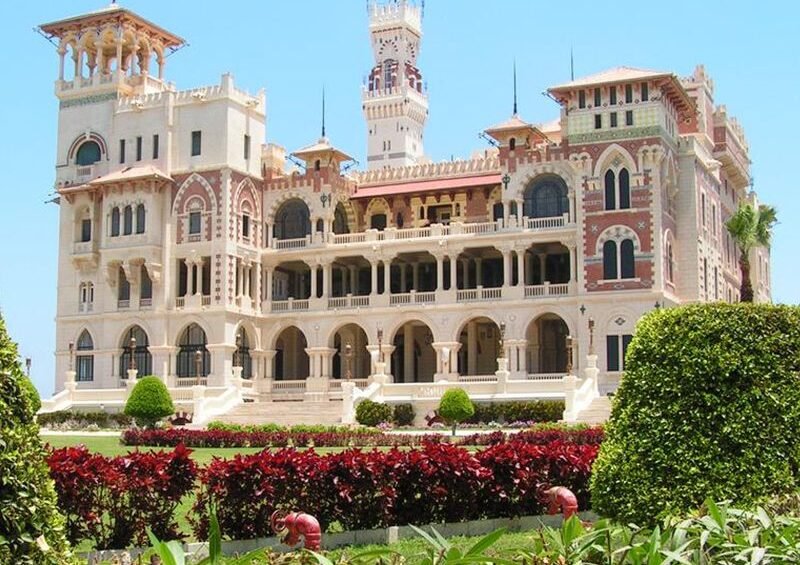
Montazah Palace stands as one of Alexandria’s most captivating landmarks, harmoniously merging history, architecture, and nature into one breathtaking masterpiece. Nestled along the glistening Mediterranean coastline, this exquisite royal retreat has enchanted travelers for over a century with its lavish gardens, exotic design, and irresistible charm. A stroll through Montazah’s sprawling grounds feels like stepping into a fairytale, where every tower and terrace whispers tales from Egypt’s golden royal era.

Built during the reign of Khedive Abbas II in the late 19th century, Montazah Palace was envisioned as a retreat from the bustling royal life in Cairo—a place of peace and sea breezes. With a design blending Ottoman, Moorish, and Florentine influences, the palace became a symbol of luxury and refinement. Surrounded by lush gardens and framed by azure waters, Montazah remains one of Alexandria’s most beloved attractions and a crown jewel of Egypt’s architectural treasures.

Today, visitors come not only to admire its palatial beauty but also to revel in the serenity of Montazah Gardens, a vast sanctuary of manicured lawns, exotic trees, and vibrant blooms. Whether enjoying a picture-perfect sunrise from the palace’s terraces or indulging in a seaside stroll, Montazah Palace continues to capture the hearts of travelers seeking both history and tranquility. It’s no wonder that this royal masterpiece consistently features among the must-see places for anyone touring Alexandria or exploring Egypt’s regal past.

The Fascinating History of Montazah Palace

Montazah Palace traces its origins back to 1892 when Khedive Abbas Hilmi II, the last ruler of Egypt from the Muhammad Ali Dynasty, commissioned a summer residence in Alexandria. The Khedive, captivated by the area’s cool climate and panoramic sea views, envisioned a coastal sanctuary that would rival the elegance of European seaside estates. The project began with the construction of Salamlek Palace, designed primarily as a hunting lodge and royal retreat.

In later years, King Fuad and King Farouk expanded the royal compound, adding the magnificent Al-Haramlik Palace, which showcased a unique blend of Ottoman and Italian Renaissance architecture. High towers, ornate balconies, and a dramatic red-tiled roof reflect the cross-cultural artistry that defined Egypt’s royal taste in the early 20th century. The palace served as a symbol of modern elegance and cosmopolitan grandeur during a period of significant cultural transformation in Egypt’s history.

After the 1952 revolution, Montazah Palace was nationalized and opened to the public. Its gardens became one of Alexandria’s top leisure destinations, attracting locals and tourists alike. The palace’s rich past and scenic surroundings make it a living chronicle of Egypt’s royal legacy, echoing the opulence and sophistication of a bygone era.

Architectural Splendor: A Fusion of East and West

The architecture of Montazah Palace is a fascinating fusion that reflects Egypt’s cosmopolitan identity during the late 19th and early 20th centuries. The Al-Haramlik Palace, the most recognized structure within the complex, combines Ottoman grandeur with European sophistication. Its asymmetric towers, pointed arches, and ornamental windows nod to Moorish artistry, while the elegant façades and colonnades borrow heavily from Florentine designs.

Inside, the palace is adorned with Venetian mosaics, marble flooring, and intricate woodwork. These details capture the essence of royal opulence, creating an ambience that feels both regal and intimate. Visitors often draw comparisons between Montazah and the palaces of southern Europe, underlining its international aesthetic appeal. Every architectural element here was meticulously crafted to symbolize Egypt’s status as a crossroads of cultures and styles.

Montazah Gardens: A Coastal Paradise of Serenity

Stretching over 150 acres, Montazah Gardens encircle the palace grounds with an irresistible symphony of greenery and color. Majestic palm trees sway with the Mediterranean breeze, while groomed lawns, flowerbeds, and fountains imbue the landscape with serenity. These gardens once served as private royal grounds but are now open to the public, offering visitors a peaceful refuge from urban life.

Couples, families, and photographers find Montazah Gardens a picture-perfect spot. It’s also a favorite location for evening picnics, romantic walks, and special celebrations. The gardens extend gracefully toward private beaches, where turquoise waters meet golden sands—an ideal setting for a tranquil day in Alexandria.

While visiting, travelers often combine their Montazah adventure with broader explorations of the city, such as the Citadel of Qaitbay or the Alexandria Bibliotheca, enriching their understanding of Egypt’s coastal heritage.

The Royal Family’s Seaside Retreat

Montazah Palace once hosted Egypt’s royal family during the hot summer months, serving as a lavish escape from Cairo’s desert heat. The royal family used the palace to entertain foreign dignitaries, hold grand parties, and enjoy secluded family life by the sea. King Farouk, in particular, adored Montazah and used it frequently as his personal oasis. The palace gardens were his private domain, often filled with rare plants imported from across the world.

Over time, Montazah’s reputation as a royal retreat spread internationally, symbolizing Egypt’s refined aristocratic culture. Even today, the former royal district carries a sense of nostalgia and elegance that harkens back to its glittering past. Close to this iconic landmark, other royal gems like Abdeen Palace in Cairo further tell the story of Egypt’s regal architectural tradition.

Montazah Palace Today: A Journey Through Culture and Leisure

In modern Alexandria, Montazah Palace stands not only as a monument but as a vibrant cultural hub. Its gardens host events, festivals, and film shoots, while its beaches attract thousands of visitors annually. Locals see Montazah as a symbol of pride—a reminder of the city’s connection to elegance and legacy. As Egypt’s tourism continues to flourish, Montazah remains on every traveler’s itinerary, rivaling other attractions such as the Palaces of Egypt and the thriving Alexandria City promenade.

For those planning to explore Egypt’s royal and coastal marvels, curated experiences like the 10 Days Palace Hotels in Egypt Tour offer seamless itineraries combining Montazah with other regal destinations. Visitors can relish the authentic charm of Egyptian heritage while basking in world-class comfort.

Nearby Attractions and Modern Experiences

Montazah Palace’s prime location near the eastern edge of Alexandria gives access to a treasure chest of experiences. Just a short drive away lies the Catacombs of Kom El Shoqafa, one of the most remarkable ancient burial sites blending Pharaonic, Greek, and Roman influences. Visitors can also enjoy Alexandria’s cosmopolitan side, from the elegant Stanley Bridge to vibrant cafés along the Corniche.

History enthusiasts might choose multi-day tours that combine Alexandria with Cairo and Upper Egypt—trips such as the 16 Day Egypt Tour. Meanwhile, short breaks like the 2 Day Tour of Cairo and Alexandria provide quick yet immersive experiences that bring Montazah’s splendor to life for travelers on tight schedules.

Visiting Montazah Palace: Tips and Experiences

Exploring Montazah Palace is a treat for history lovers, architecture admirers, and nature enthusiasts alike. The site’s vast gardens invite leisurely walks, and its cliff-side views offer perfect photo opportunities, especially during sunrise or sunset. The area’s Mediterranean breeze and mosaic-laden charm make it one of the best picnic spots in Egypt.

As visitors wander through its lush landscapes, they can find nearby seaside restaurants serving authentic Egyptian cuisine. From freshly caught seafood to aromatic teas, every corner around Montazah offers sensory delights. Adventurers can also embark on city tours that include visits to the Citadel of Salah El-Din in Cairo or the ancient Memphis Egypt, perfect for those seeking deeper historical context.

Best Time to Visit Montazah Palace

The ideal time to visit Montazah Palace is between March and June or September and November when the Mediterranean weather is mild and pleasant. During these seasons, the gardens are in full bloom, offering photographers brilliant hues and crisp light. Early mornings provide quieter moments for peaceful reflection, while evenings bring a festive atmosphere as families and couples fill the lawns.

Travelers can complement their Alexandria escapade with luxurious Nile adventures such as the Luxury Dahabiya Nile Cruise or Steigenberger Minerva Nile Cruise. These experiences create the perfect balance between coastal relaxation and riverborne exploration.

How to Reach Montazah Palace

Getting to Montazah Palace is simple. The palace is located about 15 kilometers east of downtown Alexandria, along the Corniche Road. Visitors can access it easily via taxi, ride-sharing apps, or organized tours from Cairo or Alexandria itself. Those traveling from Cairo often combine Montazah with historical landmarks through curated packages like the Day Tour to Alexandria from Cairo by Car or multi-day alternatives such as the 7 Day Egypt Tour which covers the country’s top highlights.

FAQs About Montazah Palace

1. When was Montazah Palace built?

Montazah Palace was commissioned by Khedive Abbas II in 1892. Later expanded by King Fuad and King Farouk, it evolved into a symbol of Egypt’s royal heritage and Mediterranean grandeur. The palace’s rich history makes it one of Alexandria’s must-see attractions.

2. Can visitors enter Montazah Palace interiors?

Currently, the interiors of Montazah Palace are not open to the public, as the site remains under partial government use. However, guests can freely explore the sprawling Montazah Gardens, beaches, and surrounding viewpoints, offering numerous opportunities for sightseeing and photography.

3. Where is Montazah Palace located?

Montazah Palace sits in the eastern district of Alexandria, overlooking the sparkling Mediterranean coast. It’s approximately 15 km from the city center and easily reachable by taxi or private tours departing from Alexandria hotels or Cairo-based travel packages.

4. What other attractions can be visited near Montazah Palace?

Near Montazah, visitors can discover Alexandria’s gems such as the Alexandria Bibliotheca, Citadel of Qaitbay, Catacombs of Kom El Shoqafa, and Stanley Bridge Alexandria. Together, these create an unforgettable coastal itinerary rich in culture, history, and scenic beauty.

5. What makes Montazah Palace unique?

Montazah Palace’s uniqueness lies in its architectural fusion of Ottoman, Moorish, and Italian styles, set against a lush Mediterranean backdrop. It tells the story of Egypt’s royal heritage while offering visitors a chance to unwind amid one of Alexandria’s most mesmerizing landscapes.

The Serapeum Of Alexandria

The Serapeum of Alexandria: A Lost Wonder of Faith, Knowledge, and Power

The Serapeum of Alexandria once stood as a grand symbol of unity between Greek and Egyptian spirituality, intellectual ambition, and royal authority. Perched majestically on the acropolis of Egypt’s shining coastal city, this magnificent temple dedicated to Serapis—the hybrid deity combining Osiris and Apis with aspects of Zeus and Hades—wasn’t just a sanctuary of worship but also a treasure house of scholarship and culture. It embodied the eclectic soul of Alexandria, where philosophers debated, scholars read scrolls, and pilgrims sought divine wisdom under one resplendent roof.

Founded during the Ptolemaic era, the Serapeum exemplified the cosmopolitan genius of Hellenistic Egypt. Towering columns, intricate sculptures, and expansive courtyards turned it into an architectural and spiritual beacon. Historians describe it as the second greatest temple complex in Alexandria after the grand library, seamlessly blending Greek aesthetics with Egyptian symbolism. For centuries, it remained a meeting point for worshippers, thinkers, and travelers from around the Mediterranean world.

However, like many great monuments of ancient Alexandria, the Serapeum’s glory succumbed to waves of political strife, religious transformation, and natural calamities. Today, only scattered ruins whisper of its former magnificence. Still, its story resonates as a compelling testament to the city’s role as the beating heart of ancient cultural exchange. Exploring the Serapeum of Alexandria is more than studying a lost temple—it’s diving into a chapter of human ingenuity and devotion that helped bridge civilizations and faiths.

Origins of the Serapeum: Birth of a Divine Synthesis

The historical foundation of the Serapeum of Alexandria dates back to the reign of Ptolemy I Soter around the 3rd century BCE. Ptolemy, striving to unite the divergent Greek and Egyptian populations under one religion, sought a deity that embodied both cultures. Thus emerged Serapis—a god with the wisdom of Greek philosophy and the regenerative essence of Egyptian theology. The Serapeum became the centerpiece of this vision.

Much like the reverence given to monumental temples such as the Temple of Philae or the grand sanctuaries of Abu Simbel, the Serapeum stood as both a political statement and a religious marvel. Architectural evidence suggests the temple complex was adorned with colonnaded courts, halls, and underground galleries, symbolizing the underworld connection of Osiris-Serapis. Its elevated position overlooked Alexandria, serving as a physical and spiritual landmark guiding ships entering the city’s famed harbor.

Serapis: The God of Harmony Between Worlds

Serapis wasn’t just another deity in the pantheon. He was a divine innovation that merged Egyptian and Greek philosophical ideals. With a beard and regal demeanor like Zeus, yet holding an Egyptian symbol of fertility—the modius—on his head, Serapis represented abundance, healing, and the afterlife. The Serapeum in Alexandria became his most venerated shrine, housing the colossal seated statue of the god, which was said to awe worshippers with its grandeur.

The Serapeum’s theological purpose mirrored Alexandria’s broader identity as a crossroads of cultures. Philosophers of the Alexandria Bibliotheca debated metaphysics near its steps, poets wove hymns inspired by its rituals, and pilgrims traveled from across the Mediterranean to witness its wonders. As a result, the Serapeum became an anchor of intellectual and spiritual tourism in the ancient world.

Architectural Grandeur: Design, Art, and Symbolism

Accounts from ancient writers like Rufinus and Ammianus Marcellinus describe the Serapeum as one of antiquity’s greatest masterpieces. Its architecture reflected sheer audacity and refinement. Sculpted marble façades, colonnades reaching skyward, and ornate sanctuaries framed the divine image of Serapis himself. The Serapeum’s design combined classical Greek proportions with Egyptian symbolism—an architectural dialogue between two worlds.

Within the complex, wide stairways led to sacred crypts, where priests performed secret rituals. Murals and reliefs depicted the cosmic journey of Serapis, illustrating the fusion of life, death, and resurrection. The temple’s peristyle court, where devotees gathered, was surrounded by sphinxes—perhaps echoes of the grandeur of the Great Sphinx of Giza, linking the Serapeum’s sanctity to Egypt’s ancient royal past.

The Daughter Library of the Serapeum

The Serapeum of Alexandria was said to house a “daughter library”—a branch of the Great Library of Alexandria. This repository held thousands of scrolls collected from scholars across Greece, Egypt, and Mesopotamia. It made the Serapeum not only a religious hub but also a guardian of human knowledge. Scholars seeking tranquility often preferred the Serapeum’s calm environment compared to the bustling main library near the royal quarter.

The temple thereby served as a physical bridge between worship and wisdom—a reflection of the Alexandrian philosophy that intellect and spirituality could coexist. Many argue this shared literary presence made it one of the world’s earliest examples of a multidisciplinary center of learning, a forerunner to modern religious universities and academies.

Destruction and Decline: The Fall of the Serapeum

The downfall of the Serapeum of Alexandria heralded the end of the old gods. By the late 4th century CE, as Christianity rose across Egypt, religious tensions escalated. Pagan worshippers clung to Serapis as a symbol of identity, while Christian converts, backed by the Roman Empire, sought to dismantle paganism. In 391 CE, Emperor Theodosius I issued decrees banning all non-Christian cults, effectively sealing the Serapeum’s fate.

The once-majestic temple became a battlefield of faith. Historical records recount how the Christian mob, under imperial approval, stormed the sanctuary, toppling statues and burning scrolls. The statue of Serapis was smashed, marking a decisive victory for Christianity and an irreversible loss for ancient heritage.

The destruction of the Serapeum echoed through history much like the tragic loss of the Great Library, leaving historians to mourn what vanished knowledge might have been preserved there. Yet, even in ruins, the Serapeum’s spirit remained—a silent reminder of Alexandria’s complex evolution from polytheism to monotheism.

What Remains at the Site Today

Modern archaeologists have uncovered limited remains of the Serapeum, including subterranean chambers, fragments of statues, and the famed “Pompey’s Pillar,” which now rises as the site’s most iconic survivor. Contrary to its name, the pillar wasn’t erected for Pompey but for Emperor Diocletian in the 3rd century CE, possibly built amid reconstruction efforts following a civil war.

Travelers exploring Alexandria today can visit these remnants during day tours in Alexandria, where guides recount tales of grandeur associated with the temple and the divine fusion that inspired it. Walking among the stones of the Serapeum allows visitors to experience, firsthand, the enduring allure of Alexandria’s mythic past.

Cultural Significance: The Serapeum’s Role in Ancient Alexandria

The Serapeum wasn’t merely a temple; it was an epicenter of community, culture, and diplomacy. The cult of Serapis unified Greeks and Egyptians under one spiritual banner, fostering peace and cooperation. The site also influenced artistic expressions, inspiring sculptures and mosaics across the Hellenistic world. Artists captured Serapis in divine repose, his sacred serpent curling beside him, symbolizing eternity.

The Serapeum’s influence extended to other cities. Temples dedicated to Serapis appeared throughout Egypt and the Mediterranean, including Rome’s Campus Martius and Canopus. The cult set the stage for religious syncretism that later shaped Gnostic and early Christian philosophies.

Even after its destruction, echoes of the Serapeum’s ideology lingered. The merging of faith and intellect that defined Alexandria’s golden age laid the groundwork for later Renaissance thought, where reason and spirituality would once again intersect.

Modern Tourism and Legacy

For modern travelers uncovering Egypt’s layered past through an Egypt day tour or a luxury Egypt tour, the Serapeum stands out as a must-visit historic marvel. Its ruins echo the grandeur once rivaling that of the Citadel of Qaitbay or Montazah Palace. Whether explored as part of a cultural journey or an academic pilgrimage, the site provides an intimate glimpse into Alexandria’s enduring blend of myth, mystery, and knowledge.

Exploring Beyond: Egypt’s Connected Wonders

Those deeply moved by the story of the Serapeum can continue their exploration across Egypt—from visiting the serene banks of the Nile River and its temple-laden cities, to wandering through Luxor Temple or sailing aboard a luxury Nile cruise. These experiences reveal how ancient Egyptians balanced devotion, architecture, and artistry—qualities embodied by the Serapeum itself.

The Symbolism That Endures

At its core, the Serapeum of Alexandria remains a timeless allegory of unity. It reminds us that civilizations flourish when cultural exchange thrives and decline when intolerance takes root. Though its walls have crumbled, the ideals it stood for—the intertwining of divine mystery, human intellect, and artistic brilliance—continue to inspire historians, philosophers, and dreamers alike.

Frequently Asked Questions About the Serapeum of Alexandria

1. Where was the Serapeum of Alexandria located?

The Serapeum stood on Alexandria’s acropolis, in the Rhakotis district—the oldest part of the city. This elevated position gave it prominence over the city’s skyline and made it visible to ships arriving at Alexandria’s famous harbor.

2. Who built the Serapeum, and why?

Ptolemy I Soter built the Serapeum in the 3rd century BCE to unify Greek immigrants and native Egyptians. The temple was dedicated to Serapis, a deity blending aspects of Osiris and Zeus, symbolizing harmony between the two civilizations.

3. What was inside the Serapeum?

The temple housed a massive statue of Serapis, libraries, ritual chambers, and underground catacombs. The Serapeum also featured sacred spaces used by priests for ceremonies honoring resurrection and prosperity.

4. How was the Serapeum destroyed?

In 391 CE, after Christianity became the state religion of Rome, the Serapeum was destroyed by a Christian mob following imperial orders from Emperor Theodosius I. The act marked the end of pagan cult practices in Alexandria.

5. Can visitors see the Serapeum today?

Yes, visitors to Alexandria can explore the archaeological remains of the Serapeum, including Pompey’s Pillar and surviving underground chambers. Many Alexandria day tours include the site on their itineraries, offering travelers an up-close look at the ruins of one of antiquity’s greatest temples.

The Citadel Of Qaitbay

The Citadel Of Qaitbay: The Glorious Guardian of Alexandria’s Coastline

Standing proudly at the edge of the Mediterranean Sea, the Citadel of Qaitbay in Alexandria, Egypt, is more than just a fortress—it’s a living symbol of resilience, history, and architectural brilliance. Built on the ruins of the legendary Lighthouse of Alexandria, one of the Seven Wonders of the Ancient World, this 15th-century stronghold tells tales of power, defense, and maritime glory. When you walk through its timeworn corridors, you’re stepping into the footsteps of Mamluk sultans, Ottoman warriors, and Egyptian defenders who once stood guard against the threat of invaders approaching the northern coast. The Citadel of Qaitbay isn’t just a monument—it’s a journey through the soul of Egypt’s coastal heritage.

The fortress dominates the eastern harbor of the Alexandria City, radiating timeless charm and evoking the majesty of the days when this strategic seaport was a global maritime power. The Citadel’s limestone walls, weather-beaten by centuries of briny air, overlook the turquoise waters that once carried Greek ships, Ottoman fleets, and European traders. Inside, the labyrinth of stone corridors and echoing chambers reveals the ingenuity of its 15th-century builders, who combined artistry and function in brilliant harmony. Every stone whispers stories of naval battles, trade, and ancient civilization. The Citadel of Qaitbay is not only an architectural marvel but also a testament to Egypt’s perpetual determination to protect and preserve its legacy.

Today, it stands as one of Egypt’s most visited landmarks. Travelers who embark on Egypt Day Tours or enriching Egypt Vacation Packages often find themselves mesmerized by this coastal guardian. Its panoramic views, historical depth, and deep cultural connection make the Citadel of Qaitbay a must-see destination for those intrigued by the grandeur of Alexandria and the legends that shaped it.

Historical Background of the Citadel of Qaitbay

The Citadel of Qaitbay was constructed in 1477 AD by Sultan Al-Ashraf Sayf al-Din Qaitbay, one of the most prominent rulers during the Mamluk period. The fortress was built on the exact site of the world-renowned Lighthouse of Alexandria (Pharos), which had collapsed centuries earlier due to devastating earthquakes. To utilize what remained of the famous lighthouse, Qaitbay incorporated parts of its stones and foundations into his citadel, giving new life to an ancient wonder through a structure of formidable strength and design.

During the 15th and 16th centuries, the Citadel guarded Egypt’s Mediterranean coast against potential invasions by the Ottoman Empire and other foreign powers. Later, under Ottoman rule, the fortress continued serving as a defensive structure, housing military garrisons and artillery. When Napoleon’s forces invaded Egypt in 1798, the Citadel once again played its defensive role, standing defiantly even as Alexandria’s fate changed hands. Such layers of history make this site one of the most vital fortifications in North Africa, bridging centuries of maritime warfare, architectural innovation, and Egypt’s unwavering sovereignty.

Architectural Excellence and Design of the Citadel of Qaitbay

The Citadel’s design ingeniously merges Islamic architectural elegance with military fortification principles. Its square blueprint is surrounded by high stone walls fortified by circular towers at each corner, giving it both defensive and aesthetic balance. The main tower rising at the center served as a lookout post and command room. The use of limestone, sourced locally from the coasts of Alexandria, adds a warm cream hue that glows under the Mediterranean sun.

Inside the Citadel, visitors find vaulted halls, soldier’s quarters, prayer rooms, and storerooms constructed with remarkable precision. The fortress once held cannons along its seaward walls, placed strategically to repel enemy fleets. The layout reveals remarkable attention to defense mechanisms, including narrow openings for archers, concealed staircases, and hidden chambers. This high level of craftsmanship continues to attract scholars and enthusiasts fascinated by the Mamluk era’s architectural legacy, much like structures such as the Citadel Of Salah El-Din in Cairo, another masterpiece from Egypt’s defensive history.

The Citadel’s Symbolism and Cultural Importance

The Citadel of Qaitbay isn’t merely a monumental relic—it embodies Egypt’s spirit of resilience and adaptation. Throughout the centuries, it symbolized strength, vigilance, and pride. Alexandria’s coastal residents often viewed it as more than stone and mortar; it became their steadfast guardian, especially during turbulent times when foreign fleets threatened the harbor.

Moreover, the Citadel has served as a symbol of continuity between ancient and medieval Egypt. By integrating remnants of the Pharos Lighthouse into the Mamluk fortress, Qaitbay intentionally restored Alexandria’s glory as a beacon of culture and innovation. Its robust silhouette continues to inspire artists, historians, and travelers. For those exploring Egypt’s remarkable legacies—from the magnificent Montazah Palace to the fascinating Catacombs Of Kom El Shoqafa—the Citadel remains a timeless highlight of architectural heritage.

Exploring the Surroundings of the Citadel of Qaitbay

Positioned at the far end of the Alexandria Corniche, the Citadel commands sweeping sea views. Around the fortress, cafés and local eateries tempt visitors with fresh seafood and authentic Egyptian flavors. The clear blue sea that stretches beyond the walls offers an almost romantic sight, creating an inviting escape for photography enthusiasts and travelers seeking tranquility. The nearby Alexandria Bibliotheca and Stanley Bridge Alexandria are perfect additions for a full cultural excursion connecting the city’s modern charm with its ancient roots.

When visiting, travelers might also enjoy a guided tour within the Citadel’s interior, where historical artifacts and maritime relics showcase Egypt’s naval past. Many Cairo Day Tours or coastal itineraries include stops at Qaitbay, linking history with scenic leisure. It’s a destination that caters equally to families, cultural explorers, and photographers with an eye for dramatic landscapes.

Best Time to Visit the Citadel and Practical Travel Tips

The most delightful time to visit the Citadel of Qaitbay is between October and April, when Alexandria enjoys mild Mediterranean weather and gentle breezes. The fortress’ stone walls reflect golden sunlight during the late afternoon, creating unforgettable views especially for sunset watchers. Comfortable shoes are recommended, as navigating the fortress involves climbing steps and exploring uneven paths. Morning visits offer tranquil settings for reflection, while evenings allow the dramatic sea breeze to enhance the sensory experience.

Many visitors prefer organized excursions through reputable local companies like Cindrella Egypt Travel, ensuring convenient transportation, professional guides, and enriching narratives. Extended journeys combining the Citadel with other grand destinations such as 8 Days Pyramids and Nile Cruise Holidays deliver a complete Egyptian experience—melding Alexandria’s maritime allure with the timeless splendor of the Nile.

Legends, Restoration, and Modern Significance of the Citadel

Over centuries, the Citadel underwent several restorations, particularly during the Ottoman and Mohamed Ali era. Each ruler left a mark, whether by reinforcing the towers, adding decorative engravings, or revitalizing its battlements. The most extensive modern restoration took place in the 20th century, when Egyptian authorities aimed to preserve and showcase this monument as a cultural treasure. Today, the Citadel stands as a proud museum of maritime heritage, attracting historians, architects, and travelers from every corner of the globe.

The fortress vividly embodies Alexandria’s layout as a maritime capital bounded by beauty and power. While the original Pharos Lighthouse may have fallen, the Citadel of Qaitbay continues its legacy as a guiding landmark for Egypt’s identity. It reminds onlookers that from fallen stones rise stronger fortresses, carried by the spirit of creativity and national pride.

FAQs About the Citadel of Qaitbay

What makes the Citadel of Qaitbay historically significant?

The Citadel of Qaitbay was erected on the exact site of the ancient Lighthouse of Alexandria, merging two distinct eras of history. It exemplifies both Mamluk military architecture and the enduring Egyptian tradition of innovation and defense. Its preservation allows visitors to experience a living connection to Alexandria’s glorious maritime past.

When was the Citadel of Qaitbay built?

The Citadel was constructed in 1477 AD by Sultan Qaitbay during the Mamluk period. The goal was to safeguard Egypt’s Mediterranean coast from frequent naval threats and to commemorate Alexandria’s historical greatness as a coastal stronghold.

Can visitors tour the interior of the Citadel?

Yes, visitors can enter and explore various sections of the fortress, including ancient chambers, watchtowers, and courtyards that evoke the grandeur of Mamluk engineering. Guided tours often reveal captivating insights about its strategic architecture and defensive systems.

How can travelers reach the Citadel of Qaitbay?

The Citadel is located at the western edge of Alexandria’s corniche, easily accessible by car, bus, or taxi. Many travelers integrate it into excursions like the Day Tour to Alexandria City or multi-day holidays that highlight Egypt’s coastal wonders.

What are the nearby attractions worth visiting?

Alongside the Citadel, visitors can explore the impressive Serapeum Of Alexandria, the beautiful Montazah Palace, and the magnificent Alexandria Bibliotheca. Each offers a perfect complement to the Citadel experience, showcasing Alexandria’s blend of ancient and modern culture.

Timeless, enduring, and awe-inspiring—the Citadel of Qaitbay invites explorers to step beyond the pages of Egypt’s maritime heritage and into a sanctuary that guards the waves of the Mediterranean. It’s a monument that stands unshaken, echoing the power and poetry of the ages.