Ramesseum Temple

The Majestic Ramesseum Temple: A Testament to Pharaoh Ramses II’s Eternal Legacy

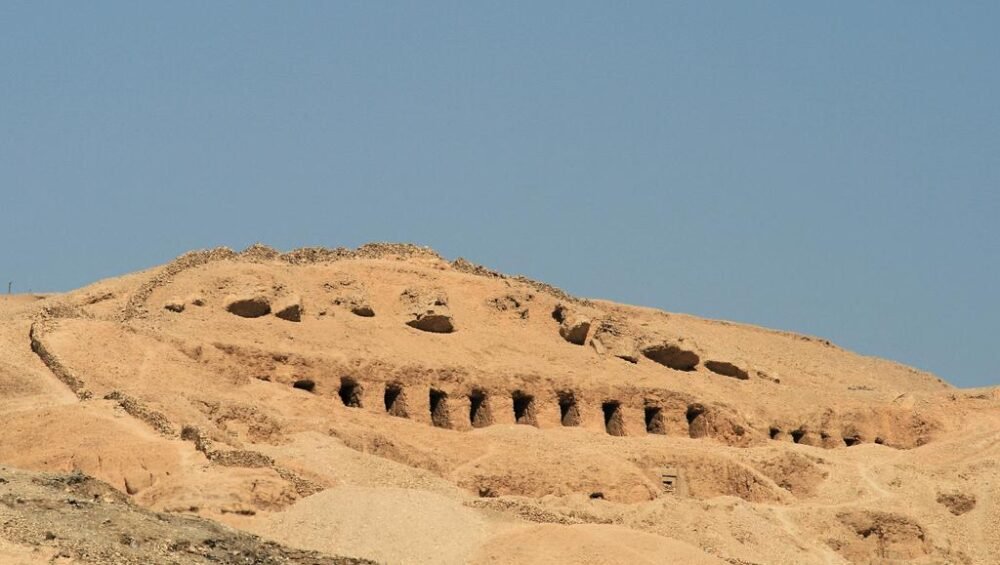
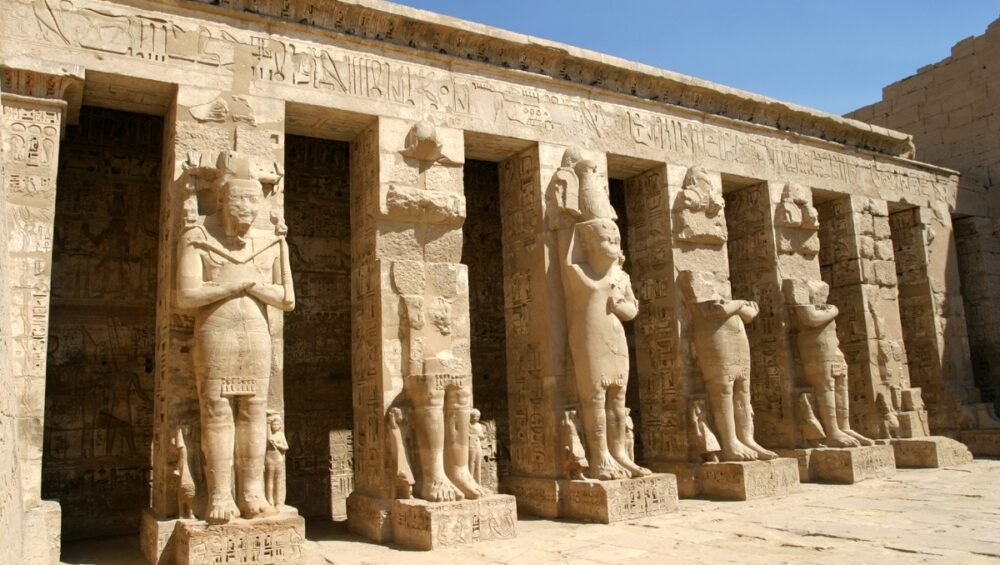
Standing with commanding grace on the West Bank of Luxor, the Ramesseum Temple embodies the grandeur, ambition, and architectural prowess of ancient Egypt. Built by Pharaoh Ramses II during the 19th Dynasty, this colossal memorial temple served not only as a tribute to his divine rule but also as a beacon of religious devotion to Amun-Ra. Every stone block carved into the Ramesseum whispers the tales of conquest, devotion, and divine connection that defined Egypt’s golden era. Visitors today wander through time, marveling at the colossal statues, vast courtyards, and hieroglyph-covered walls that depict scenes from Ramses II’s military triumphs.

The temple’s ruins still convey overwhelming majesty, even though centuries of Nile floods and time have eroded its symmetry. Designed as part of the Theban Necropolis, opposite modern Luxor, the Ramesseum was among several mortuary temples aligning with rebirth beliefs in the afterlife. Its striking resemblance to the Luxor Temple reveals the consistent artistic vision of New Kingdom architects, blending devotion, propaganda, and pure aesthetic beauty. As the sun sets on the ancient sandstone, golden light filters across statues of Ramses II, making the Ramesseum one of Egypt’s most soul-stirring archaeological treasures.

For modern travelers exploring with curated Luxor Day Tours or immersive Nile cruise programs, the Ramesseum offers a refreshing detour from mainstream attractions, allowing a moment of awe and reflection. With its fallen colossus that once stood 20 meters tall and intricate carvings inspired by the Battle of Kadesh, this temple continues to stand as a powerful reminder of human creativity, ambition, and devotion to immortality. Whether you’re a history enthusiast, an adventurer, or a seeker of spiritual connection, the Ramesseum Temple will leave an indelible mark on your journey through ancient Egypt’s timeless wonders.

Origins and Purpose of the Ramesseum Temple

The Ramesseum Temple, commissioned by Ramses II—often hailed as Ramses the Great—was meticulously designed to honor both the king and the god Amun-Ra. Construction began around 1279 BCE, and its architectural layout reflects a syncretic fusion of religion, artistry, and royal propaganda. Much like the Abu Simbel Temples, it symbolized divine kingship and celebrated Ramses II’s reign as both ruler and deity. This temple served dual purposes: functioning as a house of worship and a mortuary complex intended to perpetuate the king’s cult after death.

The grand design included pylons engraved with battle scenes from the famous Battle of Kadesh, which glorified Ramses II’s might and divine favor. Beyond its political symbolism, the Ramesseum also mirrored the Egyptian concept of Ma’at—the balance of order and cosmic harmony. As visitors walk through its monumental gateways, they trace the same pathway that ancient priests took to perform rituals meant to sustain the pharaoh’s eternal soul. In many ways, the Ramesseum embodies the ideological essence of New Kingdom Egypt, blending religion, art, and politics into a masterpiece that has withstood the passage of time.

Architectural Brilliance and Symbolic Alignment

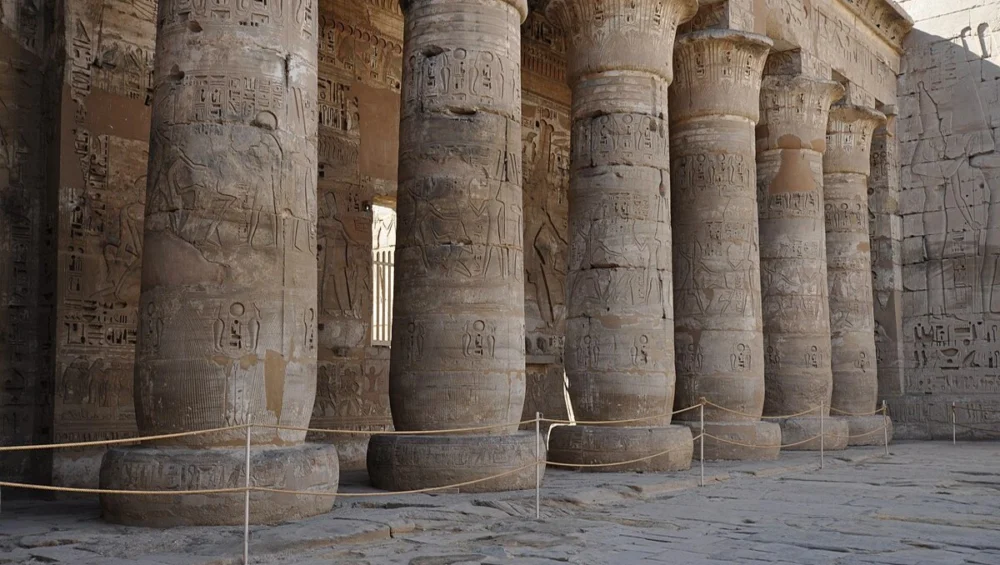
The Ramesseum Temple’s architecture is a marvel of symmetry, symbolism, and ambition. Built primarily from limestone and sandstone, it once featured massive colonnades, sprawling courtyards, sanctuaries, and storerooms. The temple’s axis aligns perfectly with cardinal points, symbolizing cosmic balance and harmony with celestial forces. The first pylon, now partially collapsed, displayed vivid reliefs depicting Ramses II riding his chariot into the thick of battle—a stellar example of ancient Egyptian bas-relief artistry. Beyond it lies the peristyle court adorned with colossal statues that once towered over viewers, showcasing Ramses II as a god among men.

Inside the hypostyle hall, the grandeur continues. Forty-eight papyrus-shaped columns rose toward intricately decorated ceilings, each adorned with scenes of offerings, processions, and divine adoration. The temple’s inscriptions describe Ramses II’s devotion to Amun-Ra, Osiris, and Ra-Horakhty, emphasizing the divine lineage that justified his reign. Remarkably, fragments of the fallen colossus—once among the largest in Egypt—remain on site, a poignant testament to ancient craftsmanship rivaling masterpieces such as the Sphinx Statue in Giza.

The Artistic Legacy and Carvings of Ramses II’s Greatness

Every inch of the Ramesseum’s walls was meant to speak to eternity. Reliefs chronicle military victories, offering scenes to the gods, and symbolic celebrations of divine power. The Battle of Kadesh series remains its central highlight—one of the earliest known historical battle depictions, rich with motion, detail, and propaganda. Artists captured the king’s chariot charging into enemy ranks with divine composure, overseen by the gods who bestowed protection and courage.

Perhaps most fascinating is how these walls also reflect domestic and cosmic serenity. Scenes showing agricultural activities, priestly rituals, and offerings underscore Egypt’s cyclical harmony. The juxtaposition of warfare and peace captures the duality that governed Ramses II’s image: warrior and protector, destroyer and creator. The Ramesseum thus stands not merely as a building but as an open stone book narrating divine-human interaction.

The Temple’s Unique Influence on Classical and Modern Culture

Although partially in ruins, the Ramesseum Temple has profoundly influenced global literature, art, and archaeology. In the 19th century, the colossal fallen statue of Ramses II inspired poets and explorers alike. The British poet Percy Bysshe Shelley famously drew inspiration for ‘Ozymandias,’ a work that immortalized the impermanence of human ambition. Scholars, too, continue to uncover fascinating insights into construction methods and ritual significance here, tying the Ramesseum’s design to other wonders like the Temple of Hatshepsut and the Habu Temple nearby.

Modern travelers exploring the temple often extend visits to participate in local experiences such as the Day Tour to Ramesseum Temple, Habu Temple, and Nobles Valley, immersing themselves in the atmosphere that once echoed with ancient prayers and rituals. Each crumbling statue and engraved wall unveils a layer of ancient art that resonates with Egyptologists and romantics alike, emphasizing humanity’s unending desire to be remembered through art, belief, and architecture.

Preservation, Excavation, and Modern Tourism

Archaeological teams from around the world have spent decades documenting and restoring portions of the Ramesseum, ensuring its legacy transcends time. Advanced conservation techniques have stabilized column reliefs and protected inscriptions from erosion. Agencies and heritage experts work closely to balance tourism and preservation, keeping the structure accessible while safeguarding it for future generations. Travelers often combine their visit to the Ramesseum with a serene Nile River cruise, discovering neighboring marvels like the Colossi of Memnon and the Temple of Seti.

Preservation programs also focus on illuminating the temple’s spiritual context, especially its connection to funerary rituals. By studying artifacts discovered in inner chambers, researchers gain rare insight into Ramses II’s theology and the evolving relationship between kingship and divinity. The Ramesseum, despite its ruined state, still guards invaluable knowledge that binds the modern world to ancient Egypt’s spiritual heart.

Ramesseum Temple: Location, Layout, and Visitor Experience

Nestled near the Luxor City on the west bank of the Nile, the Ramesseum lies among the clustered jewels of the Theban Necropolis. Surrounded by sand dunes and the serene westward drift of the Nile breeze, its sacred location was meticulously chosen to reflect eternity—the domain of the setting sun where the spirits of kings were believed to dwell. Visitors stepping onto this hallowed ground are instantly transported into an atmosphere steeped in grandeur and divine reverence.

The temple’s layout guides visitors progressively inward—from grand courtyard to hypostyle hall to the inner sanctum—symbolizing a spiritual journey from the earthly realm to the divine. Today, guided explorations, often part of Egypt Vacation Packages, allow tourists to decode the hieroglyphic inscriptions under expert narration. The towering columns, scattered colossal statues, and elaborate reliefs create an immersive open-air museum echoing with ancient hymns and footsteps of priests who once tended the sacred fires.

Symbolism of the Ramesseum and Its Spiritual Role

For ancient Egyptians, the Ramesseum Temple served as a vital bridge between the mortal and divine worlds. It hosted daily rituals, offerings, and festivals dedicated to Amun-Ra, promoting the pharaoh’s eternal sustenance through divine energy. The statues of Ramses II portrayed him as Osiris—the resurrected god of the underworld—strengthening the belief that the temple secured his immortality. The ceremonial alignment of halls and sanctuaries embodied ancient cosmological principles where light, order, and eternity converged.

Even today, visitors feel the pull of that powerful symbolism. Many travelers combine exploration of the Ramesseum with enriching stops such as the magnificent Dandara Temple and intimate local tours like the Luxor Hot Air Balloon Ride, catching early morning glimpses over the ruins as the Nile shimmers below—the same view Ramses II himself might have admired millennia ago.

Practical Travel Insights and Recommendations

For travelers seeking to explore Egypt beyond the obvious highlights, the Ramesseum Temple stands as a rewarding detour—serene, less crowded, and mesmerizingly authentic. Located about 25 minutes from central Luxor, it’s easily accessible via organized Egypt Day Tours. Early mornings or late afternoons are ideal for visiting, as soft sunlight illuminates the reliefs, emphasizing the delicate craftsmanship lost beneath midday shadows.

Visitors often integrate their journey into larger multi-day itineraries, combining this temple with fascinating excursions such as the 4 Day Cairo and Luxor Tour Package or luxury cruise options like the Steigenberger Royale Nile Cruise. Standing amidst the sand-swept courtyards, visitors can almost sense the rhythm of ancient hymns echoing against massive columns—a perfect moment to lose oneself in Egypt’s eternal allure.

Interesting Facts About the Ramesseum Temple

One of the lesser-known facts is that the Ramesseum was originally called ‘The House of Millions of Years of Usermaatre-Setepenre,’ Ramses II’s throne name. At its peak, the temple complex included not only worship halls but also granaries, schools, and archives that documented agricultural production and royal endowments. Archaeologists have discovered remnants of statues, papyri, and sculptures offering glimpses into temple administration and priestly life. The temple’s library, one of the earliest documented in Egypt, contained texts on medicine, poetry, and theology—truly a sanctuary of knowledge and spirituality.

The Enduring Legacy of the Ramesseum Temple

Though time and natural elements have partly dismantled its glorified façade, the Ramesseum persists as a living chronicle of Egyptian civilization. Its architectural genius paved the way for later innovations seen in the Temple of Philae and Edfu structures. For historians, it’s a reminder of Egypt’s unmatched creative ambition; for travelers, it remains an enchanting chapter of humanity’s timeless fascination with eternity.
Frequently Asked Questions About the Ramesseum Temple

What was the main purpose of the Ramesseum Temple?

The Avenue Of Sphinxes

The Avenue of Sphinxes: Egypt’s Sacred Road Reborn in Glory

The Avenue of Sphinxes, also known as El Kebbash Road, stands as a mesmerizing path of divine history connecting two of the most iconic temples of Luxor – the Luxor Temple and the Karnak Temple Complex. Stretching for nearly three kilometers, this splendid processional road once served as a sacred ceremonial route for the opulent Opet Festival, where priests, musicians, and dancers carried the god Amun on a grand procession from Karnak to Luxor. Recently restored to its former grandeur, the Avenue of Sphinxes has reemerged as one of the world’s most remarkable archaeological achievements, drawing travelers, historians, and dreamers to its timeless stone corridors.

Walking along this awe-inspiring avenue is like stepping into an open-air museum where every sandstone carving whispers tales of pharaohs, rituals, and divine celebrations. Each of the more than 1,350 sphinx statues guarding the road, sculpted with the head of a ram or a human, stands watch as an eternal sentinel to Egypt’s sacred legacy. Today, visitors on Luxor Day Tours gaze in wonder at this resplendent alignment, feeling a tangible connection with ancient Thebes’ glorious past. The restoration of this legendary avenue gives Egypt’s golden era a new life, weaving history and majesty into the heartbeat of modern tourism. It’s not merely a walkway; it’s an experience that evokes reverence, curiosity, and unshakable awe.

Historical Origins of the Avenue of Sphinxes

The construction of the Avenue of Sphinxes began during the reign of Pharaoh Amenhotep III (1390–1352 BCE) and was later expanded under Nectanebo I of the 30th Dynasty. This remarkable project was designed as a sacred passage connecting the great temples of Amun-Ra at Karnak and Luxor. The road served as the artery of the Nile River festival of Opet, an elaborate celebration of fertility, rejuvenation, and divine kingship. During this revered event, the statues of Amun, Mut, and Khonsu were carried down the avenue in ornate boats amid music, incense, and offerings.

The archaeological remains reveal that the avenue was lined with a diverse array of sphinx statues – some with the lion’s body and human head symbolizing the power and wisdom of the pharaoh, others with the ram-headed form representing Amun himself. These figures weren’t mere decorations; they were divine protectors ensuring the sanctity of the priests and the gods’ journey between the temples. Excavations spanning decades, particularly those conducted by Egypt’s Supreme Council of Antiquities, have unearthed ceremonial altars, chapels, and ram-headed guardians, all contributing to our growing understanding of Thebes’ spiritual heart.

The Avenue of Sphinxes and Luxor’s Urban Evolution

Through centuries, the Avenue of Sphinxes became embedded in the evolution of Luxor City, bridging its holy landscape with everyday life. Ancient Thebes thrived on divine celebrations, and the avenue symbolized the spiritual pulse of pharaonic society. As urban layers overlapped, this majestic pathway disappeared beneath sand and modern settlements. Its rediscovery and restoration are monumental efforts that rekindled interest in Egypt’s New Kingdom heritage and gave archaeologists invaluable insight into the architectural ingenuity of the pharaohs.

With meticulous restoration works completed in 2021, the avenue has made a spectacular comeback, complementing other heritage marvels such as the Colossi of Memnon and Temple of Hatshepsut. Travelers exploring Luxor on a Cairo and Nile Cruise package now find the Avenue of Sphinxes a breathtaking centerpiece of ancient continuity, bridging temples, time, and belief.

Symbolism and Divine Purpose

The Avenue of Sphinxes wasn’t simply a route; it was a living testament to Egypt’s divine worldview. The alignment of sphinxes represented cosmic order, symbolizing the eternal balance between the gods and mankind. Every statue, with its powerful stance and serene expression, was believed to guard the spiritual energy flowing along this sacred corridor. The ram-headed sphinxes signified Amun’s protective presence, while the human-headed ones reflected the pharaoh’s role as the gods’ earthly counterpart.

In many ways, the avenue functioned like a ceremonial gateway to ascension, where divine energy passed from one temple to another during major feasts. Seasonal rituals, including offerings, chants, and purification rites, transformed the boulevard into a stage for cosmic renewal. This rich tapestry of meaning makes the Avenue of Sphinxes one of the most spiritually charged destinations for those seeking to understand Egypt’s ancient faith.

Architectural Mastery and Restoration Efforts

The restoration of the Avenue of Sphinxes stands as one of modern archaeology’s grandest endeavors. Years of excavation and conservation revealed thousands of blocks, buried shrines, and hundreds of sphinxes in various states of decay. Teams painstakingly cleared sand, stabilized weathered stones, and realigned colossal statues. Each rediscovered sphinx was cataloged, preserved, and, when possible, restored to its original position along the sacred road.

The official reopening in 2021, marked by a spectacular state ceremony, showcased Egypt’s dedication to heritage preservation. This event rivaled the splendor of ancient processions and renewed the city’s position as the world’s greatest open-air museum. Luxor’s revitalized landscape now blends the magnificence of its past with modern tourism experiences like the Luxor Hot Air Balloon Ride and immersive tours of nearby monuments. The Avenue’s revival not only restored stone and beauty but reignited national pride and global fascination.

Experiencing the Avenue of Sphinxes Today

Today, the Avenue of Sphinxes is a cornerstone attraction for travelers seeking the soul of ancient Egypt. Whether visiting during sunrise, when soft light kisses the sandstone figures, or at twilight, when golden hues transform the statues into mystical silhouettes, the experience is transcendent. Tourists undertaking Egypt Day Tours or comprehensive Egypt Vacation Packages can walk the same route once reserved for gods and pharaohs.

Guided tours often include both the Luxor Museum and the illuminating Sound and Light Show at Karnak Temples, letting visitors contextualize the cultural importance of the monuments flanking the avenue. The site’s lighting system enhances its evening allure, creating a magnificent spectacle that fuses history and artistry. Luxor’s skyline glows, and the rhythmic echoes of ancient festivals seem to stir once more in the desert breeze.

The Religious and Cultural Significance of the Avenue of Sphinxes

The Avenue of Sphinxes played a defining role in Luxor’s religious life. It was integral to the Opet Festival, which symbolized the cyclical rejuvenation of kingship. This sacred feast strengthened the divine bond between Amun and the reigning pharaoh, reaffirming his legitimacy. As musicians performed hymns, dancers invoked fertility, and priests offered libations, the avenue turned into a cosmic theater representing the union of heaven and earth.

Modern visitors can still feel that spiritual aura as they traverse its sands. The very alignment of the statues—from Karnak’s grandeur to Luxor Temple’s intimacy—mirrors the pharaonic path toward divine alignment. The ceremony’s echoes persist in every breeze that travels the stone corridor, merging antiquity and eternity. This symbolic role continues to fascinate anthropologists and historians exploring Egypt’s theological evolution and its impact on architecture, art, and ritual.

Tourism Revival and Global Heritage Appeal

Following decades of excavation, the Avenue of Sphinxes now serves as a beacon for cultural tourism, revitalizing Egypt’s global heritage reputation. Its reopening attracted worldwide attention, showcasing the country’s ability to preserve its treasures while inviting modern audiences to rediscover them. For visitors embarking on curated journeys such as the 8 Day Cairo and Nile Cruise Tour or the Luxury Nile Cruise, the avenue is a historical highlight woven into every travel itinerary.

Luxor’s tourism infrastructure has also evolved around this landmark, from elegant riverside hotels to expertly guided archeological circuits. The site supports local artisans, guides, and historians who breathe life into Egypt’s storytelling tradition. Moreover, the avenue’s restoration has boosted community pride and strengthened international cooperation between Egyptologists, conservators, and UNESCO missions. The renewed influx of travelers exploring the Abu Simbel Temples or Temple of Philae also benefit from this cultural momentum.

Preserving the Legacy for Future Generations

Egypt’s Ministry of Tourism and Antiquities continues to invest in advanced preservation technologies to safeguard the Avenue of Sphinxes against environmental wear. Laser scanning, 3D modeling, and site monitoring ensure that future generations will witness these timeless sentinels standing tall. Public engagement initiatives, educational exhibits, and documentary projects enhance awareness of this unique monument’s significance in the context of Egypt’s living heritage.

The Avenue’s continuity from antiquity to modernity reflects Egypt’s resilience—a nation steadfastly committed to sharing its past. This initiative aligns with broader heritage revival projects across the country, from restoring the Grand Egyptian Museum in Giza to promoting sustainable exploration of sites like Habu Temple and Valley of the Queens. Each effort reinforces the narrative of a civilization that continues to inspire wonder thousands of years later.

FAQs About The Avenue of Sphinxes

1. Where is the Avenue of Sphinxes located?

The Avenue of Sphinxes lies in the city of Luxor, on the east bank of the Nile River, connecting the great Karnak Temple to the majestic Luxor Temple. It stretches for approximately 2.7 kilometers, forming one of the most ancient ceremonial avenues in the world.

2. When was the Avenue of Sphinxes built?

Construction began during the reign of Pharaoh Amenhotep III around 1400 BCE and was later expanded by Nectanebo I of the 30th Dynasty. The avenue developed through multiple periods, with successive pharaohs adding their mark to its grandeur across centuries.

3. How many sphinxes are along the Avenue?

Archaeologists estimate over 1,350 sphinx statues once lined both sides of the avenue. Each sphinx stands approximately three meters high, depicting either a human or ram head, symbolizing divine protection and royal authority over this sacred path.

4. What was the purpose of the Avenue of Sphinxes?

The Avenue of Sphinxes served as a ceremonial route for the annual Opet Festival. It connected two major temples dedicated to Amun-Ra, allowing the god’s statue to travel in procession amid festivities celebrating renewal, fertility, and the pharaoh’s divine connection.

5. Can tourists visit the Avenue of Sphinxes today?

Yes, the Avenue of Sphinxes is open to the public following its grand reopening in 2021. Visitors can explore the entire road on guided tours offered through popular Egypt Private Tours or join All

Luxor Museum

Luxor Museum: Exploring the Treasure Trove of Ancient Egyptian Artistry

Luxor Museum isn’t just another stop on Egypt’s historical map — it’s a vivid narrative carved in stone, bronze, and gold. Nestled on the East Bank of the Nile in Luxor, this museum stands as a remarkable bridge between the glorious past and modern Egypt. With its minimalist architecture, skillful lighting, and immaculate curation, Luxor Museum delivers an experience that sweeps visitors back into the splendor of ancient Thebes. Every hall, every statue, every artifact tells a tale of gods, kings, and artisans whose legacy still shapes our image of ancient civilization. From colossal sculptures to delicate jewelry, each piece inside the museum echoes the sophistication of a culture that defined eternity.

What makes Luxor Museum captivating isn’t just its collection but the storytelling finesse that transforms artifacts into experiences. The museum’s design allows every exhibit to breathe; the lighting caresses every curve of a granite statue, much like sunlight filtering through the temple pylons of Luxor Temple. Whether you’re exploring as part of Luxor Day Tours or savoring Egypt’s timeless heritage during a Luxury Egypt Tour, this museum offers a seamless journey from the Old Kingdom through the Islamic eras. In an age where authenticity reigns supreme, Luxor Museum is Egypt’s answer to travelers yearning for genuine encounters with history.

A Journey Through the Timeless Legacy of Luxor Museum

Opened in 1975, Luxor Museum represents the evolution of Egyptian museology, focusing on precision rather than quantity. Instead of overwhelming crowds with countless pieces, it showcases a meticulously selected array of artifacts, each chosen for its aesthetic or historical significance. Among its crown jewels lies the statue collection from the Cachette of Luxor Temple, unearthed in 1989. These sculptures, hidden beneath the temple courtyard for centuries, now stand resplendent once again — gleaming under lights that highlight their divine symmetry.

Visitors often marvel at the stunning range of relics linked to Egypt’s golden dynasties, including the reigns of Amenhotep III, Akhenaten, and Tutankhamun. The museum harmoniously merges major archaeological discoveries with rich historical storytelling. Even travelers from Hurghada Day Tours or Aswan Day Tours make the museum a must-visit landmark, proving how Luxor remains an eternal magnet for heritage enthusiasts.

The Architecture and Design: A Modern Shrine to Antiquity

The architecture of Luxor Museum mirrors the grandeur of ancient temples yet with modern restraint. The sleek lines, soft beige tones, and open spaces form a quiet backdrop for the mighty pharaohs immortalized within. Built by Egyptian architect Mahmoud El-Hakim, the design complements its purpose — simplicity wrapped around sophistication. Natural and artificial lighting intertwine, casting gentle hues that dramatize stone and gilded wood alike. As you wander through the galleries, the space itself feels like a sacred vessel preserving the whispers of ancient Luxor — the same fertile city that once celebrated festivals along the Avenue of Sphinxes connecting Karnak and Luxor Temples.

Every detail, from cascading light to strategic placement, amplifies visibility and emotion. The experience is immersive but not chaotic. It’s curated calm — a poetic contrast to the grandeur of outdoor monuments like the Temple of Hatshepsut or Colossi of Memnon nearby. For architecture lovers and history aficionados, Luxor Museum is far more than a repository — it’s a temple of knowledge crowned with Egypt’s enduring spirit.

Iconic Exhibits That Define the Luxor Museum Experience

Among the most acclaimed exhibits is the collection of statues from the reign of Amenhotep III and his son Akhenaten, showcasing graceful aspects of royal aesthetics. Then there’s the limestone head of Akhenaten — serene yet symbolic of revolutionary art that redefined Egyptian representation during the Amarna Period. Visitors also gaze in awe at the gilded head of Hathor, radiating celestial beauty. Another gem, the mummy of Pharaoh Ahmose I, evokes the dawn of the New Kingdom, making the museum’s second floor an unmissable treasure trove.

Meanwhile, everyday items — jewelry, pottery, and funerary art — offer intimate glimpses of an ancient lifestyle refined by millennia. If you’re tracing Egypt’s timeline through curated experiences like the Tour to Luxor Museum and Mummification Museum, prepare for an emotional ride balancing grandeur with subtlety. No wonder Luxor’s museum ranks as one of the best in the Middle East, outshining even colossal institutions like the Grand Egyptian Museum.

The Cachette Discovery: Reawakening Lost Deities

Perhaps the most remarkable moment in Luxor Museum’s history came with the discovery of the Cachette in 1989. Archaeologists unearthed dozens of statues from the forecourt of Luxor Temple, hidden for centuries. These works of art — depicting gods like Amun, Mut, and Khonsu — now stand tall within the museum, representing rediscovered divine energy and a revival of artistry frozen in time. The discovery rekindled global fascination, solidifying Luxor Museum’s status as a keystone of Egyptian heritage preservation.

It’s a rare thrill to stand before deities once worshipped under flickering temple torches and now beautifully illuminated under the museum’s modern glow. Travelers often pair this experience with voyages like the 4 Day 3 Night Nile Cruise from Aswan to Luxor or cultural adventures such as the 7 Days Cairo and Nile Cruise Package, knitting the pieces of Egypt’s legacy from river to relic.

The Mummification Wing: Science Meets Spirituality

Luxor Museum’s Mummification Wing pulls back the curtain on the sacred art of Egyptian preservation. Situated in a quietly lit section, this gallery features the tools, resins, canopic jars, and linen wraps used in the meticulous process of transforming mortals into eternals. It’s haunting yet awe-inspiring — a reminder that Egyptians saw death as merely a doorway. The detailed explanations alongside the artifacts guide visitors through the spiritual alchemy that ancient embalmers perfected over millennia.

To truly grasp mummification in context, pair the visit with nearby experiences like the Valley of the Queens or the legendary Tomb of Nefertari, both integral to the eternal journey Luxor celebrates so passionately. The mummification section reveals that ancient Egyptians weren’t obsessed with death — they were enchanted by immortality.

Luxor Museum After Dark: An Evening of Illumination

As twilight descends over the Nile, the museum takes on an ethereal beauty. Strategically illuminated statues and golden artifacts gleam like guardians of eternity. The soft evening breeze drifting in from the river adds an atmospheric charm, perfect for travelers staying nearby during 8 Days Best Egypt Tour with Nile Cruise. Imagine gazing at Ahmose’s mummy or Amenhotep III’s idolized visage as the soft lighting draws out their timeless grace — it’s both surreal and spiritual.

Luxor by night is one of Egypt’s grandest experiences, especially when combined with a Sound and Light Show at Karnak Temples. In these quiet hours, Luxor Museum becomes more than a space — it becomes a sensation.

Planning Your Visit: Practical Insights for Luxor Museum Explorers

Located between the majestic temples of Karnak and Luxor, the museum enjoys an enviable position that makes it easy to include in most itineraries. It opens daily, with extended hours in the evening, allowing visitors to customize their experience. For a seamless tour, many travelers book personalized itineraries through Egypt Private Tours or Egypt Family Tours. These packages blend flexibility with in-depth interpretation, unveiling Luxor Museum in its full grandeur. Photography is typically restricted to safeguard delicate relics, so plan to capture your memories through your senses instead.

Why Luxor Museum Should Be on Every Traveler’s Bucket List

There’s no denying that Luxor Museum offers a pure, immersive touchpoint into Egypt’s heart. It’s intimate, authentic, and deeply stirring — an antidote to the crowds of larger museums. Every piece inside magnifies Egypt’s creative genius and its people’s undying thirst for eternity. Designed to elevate, not overwhelm, Luxor Museum transforms sightseeing into soul-searching. Whether you’re on an All-Inclusive Egypt Vacation or sailing elegantly aboard a Luxury Nile Cruise, this museum stands as a timeless homage to human artistry and divine aspiration.

Frequently Asked Questions about Luxor Museum

1. Where is Luxor Museum located?

Luxor Museum sits on the East Bank of the Nile River in the city of Luxor, conveniently between the monumental Karnak and Luxor Temples. This central location allows visitors easy access from hotels and cruise ports, especially those traveling on routes like the 3 Nights Nile Cruise Aswan to Luxor.

2. What are the opening hours of Luxor Museum?

The museum generally opens daily from morning until evening, often extending hours during peak tourist seasons. Evening visits are especially recommended for their tranquil atmosphere and stunning lighting effects on the exhibits.

3. What are the highlights not to miss in Luxor Museum?

Don’t miss the statues from the Luxor Temple Cachette, the mummy of Pharaoh Ahmose I, Akhenaten’s delicate limestone head, the gilded head of Hathor, and the Mummification Gallery. Each artifact immerses you in Egypt’s millennia-old narrative.

4. How long does it take to visit Luxor Museum?

Most travelers spend one to two hours exploring, though true history lovers could linger for longer to appreciate the details. Combining it with a Luxor City Tour or nearby temples can fill a fascinating half-day itinerary.

5. Is a guided tour worth it at Luxor Museum?

Absolutely. While the exhibits are well-labeled, a guide enriches your visit with deeper context, myths, and insights that bring the craftsmanship to life. Many visitors choose guided options available in packages like the 5 Day Cairo and Luxor Tour Package to experience the museum’s treasures alongside expert narratives.

Conclusion: Luxor Museum — The Soul of Ancient Thebes in Modern Form

In the grand mosaic of Egyptian wonders, Luxor Museum shines as a serene masterpiece. It blends art, spirituality, and preservation into one breathtaking journey. Standing before its statues and sacred relics, you don’t just observe — you connect with voices echoing across centuries. Elegant in form, profound in heart, and unequaled in storytelling, Luxor Museum is where Egypt’s living history whispers its secrets once more.

The Temple Of Seti

The Temple of Seti in Abydos: A Timeless Masterpiece of Ancient Egyptian Art and Faith

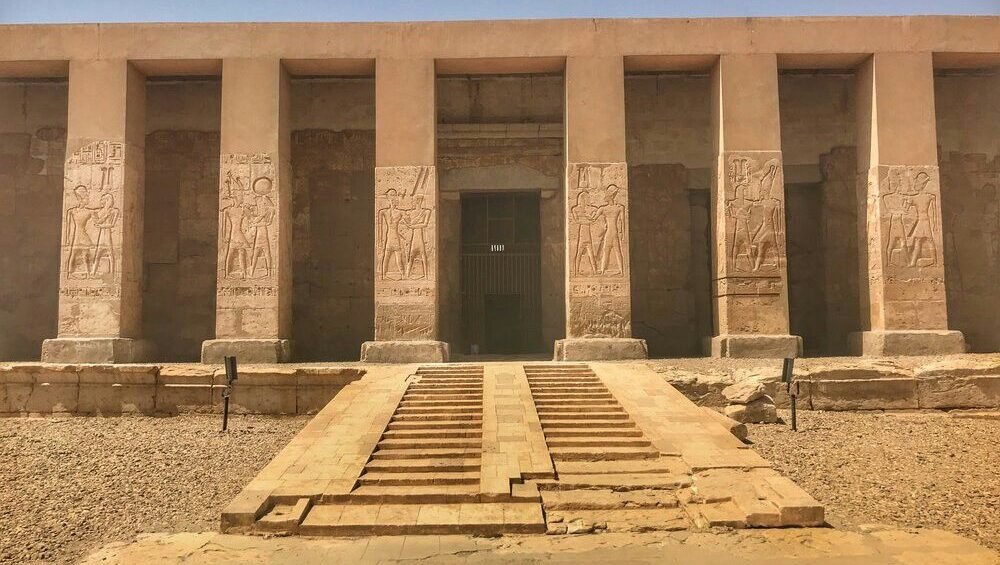
Nestled in the sacred city of Abydos, the Temple of Seti I stands as one of the most captivating testaments to Egypt’s architectural brilliance and spiritual legacy. This ancient temple, dedicated to Osiris — god of the afterlife — as well as the deified pharaoh himself, offers a fascinating glimpse into the religious devotion and artistry of the New Kingdom. Constructed during the reign of Pharaoh Seti I of the 19th Dynasty, around 1290–1279 BCE, this monumental sanctuary radiates divine order and cosmic symbolism. Its exquisite bas-reliefs, mystical alignment, and symbolic layout make it one of Egypt’s most breathtaking sites for travelers and historians alike.

The Temple of Seti, also known as the Great Temple of Abydos, wasn’t just built for ritual worship; it served as a sacred connection between the mortal world and the spiritual realm. Every line of hieroglyphic inscription carved into its limestone walls speaks volumes about the pharaoh’s reverence for the gods and his pursuit of eternal life. The site’s artwork has often been hailed as some of the best-crafted in all of ancient Egypt — unrivaled in detail, precision, and preservation. Visitors who explore this enigmatic sanctuary are often left awe-struck by the harmony between its architectural design and spiritual purpose.

Modern travelers can easily include the Temple of Seti in one of the luxurious Luxury Egypt Tours or extraordinary Best Nile River Cruises that journey between Luxor and Aswan. It’s the kind of experience where you’re not merely seeing history — you’re breathing it.

Historical Significance of the Temple of Seti I in Abydos

The Temple of Seti isn’t just an archaeological wonder; it’s a cultural cornerstone in understanding ancient Egypt’s theology and kingship. Seti I was the second king of the 19th Dynasty, following his father Ramses I. His reign marked a restoration of artistic finesse after the turmoil of the Amarna Period, when Egypt’s religious traditions had been disrupted. Through the temple’s complex design, Seti sought not only to appease the gods but also to legitimize his divine right to rule.

Abydos, known as the burial place of Osiris, had deep religious importance. By constructing his temple here, Seti tied his legacy directly to the mythological lord of resurrection. This symbolic act fortified the bond between royal authority and divine power. The presence of the Abydos Temple sequence of kings — carved on the temple walls — reveals the chronological list of pharaohs preceding Seti, famously known as the Abydos King List. This list remains an invaluable historical document, offering historians a rare continuous record of ancient Egyptian rulers.

Religious Purpose and Divine Dedications

The temple’s seven sanctuaries are dedicated to major deities — including Osiris, Isis, Horus, Ptah, Re-Horakhty, and Amun — along with Seti himself. Each sanctuary symbolized a portal into eternity where rituals renewed both the pharaoh’s soul and Egypt’s cosmic order. The processional route that ran through the temple mirrored the journey of the sun across the sky, reaffirming creation’s perpetual cycle.

The temple also connects with the nearby Osireion — an underground structure symbolizing the Underworld. Many Egyptologists believe this was designed as a cenotaph, linking Seti’s reign to the mythos of Osiris’s resurrection. The intricate carvings of Osirian scenes highlight Egypt’s enduring fascination with rebirth and eternal life.

Artistic Excellence: The Distinctive Reliefs of the Temple of Seti

One striking feature that sets the Temple of Seti apart from others like the Luxor Temple or the Edfu Temple is the perfection of its reliefs. The meticulous carvings inside the temple capture scenes of kingship, religious ceremonies, and mythical stories with astounding precision. The bas-reliefs are deeply incised and exquisitely detailed, often considered the finest examples of New Kingdom craftsmanship.

The paintings that originally adorned many chambers once glowed with vibrant pigments. Even now, traces of reds, blues, and golds testify to the temple’s former radiance. The artistry was so refined that later pharaohs — including Ramses II — continued to emulate the same aesthetic standards when building other monumental structures, such as the Abu Simbel Temples.

The Abydos King List: A Historical Treasure

Among the temple’s greatest historical assets is the Abydos King List — a sequence of seventy-six cartouches depicting the lineage of Egyptian kings from Menes (likely Narmer) to Seti’s father, Ramses I. This magnificent documentation not only honors Egypt’s dynastic past but also reflects Seti’s devotion to continuity and divine legitimacy.

The inscriptions on the walls of Abydos provide historians with critical data on Egypt’s ruling chronology, correcting and clarifying gaps found in other records. Without the Abydos King List, modern Egyptology would lack one of its clearest dynastic blueprints.

Architectural Layout of the Temple of Seti

The architectural genius of the Temple of Seti lies in its L-shaped design, a distinctive alteration from traditional temple blueprints. The temple was constructed with limestone and sandstone, featuring two great hypostyle halls supported by intricately carved papyrus columns. Beyond these halls lie the sanctuaries and offering chapels, leading deeper into chambers that amplify spiritual intimacy.

Each corridor and chamber carries symbolic meaning; the deeper one walks into the temple, the closer one moves toward the divine. This progression from light to shadow, from broad halls to confined sanctums, encapsulates the journey from mortal to immortal — an idea mirrored in temples such as the Temple of Hatshepsut in Deir el-Bahari.

The Osireion: Gateway to the Afterlife

Located directly behind the main temple complex, the Osireion adds a layer of mystical allure. Constructed below ground level, this ancient structure was once believed to house the tomb of Osiris. It is built with enormous granite blocks reminiscent of Old Kingdom craftsmanship, making it distinct from the temple’s tone. The water-filled chambers and central sarcophagus platform represent the symbolic tomb of Osiris, reinforcing Abydos’s status as the epicenter of resurrection mythology.

Rediscovery and Preservation Efforts

Modern archaeologists have studied the Temple of Seti since the 19th century, launching preservation projects to safeguard its fragile artwork and architectural integrity. Organizations and the Egyptian Supreme Council of Antiquities have taken significant steps to protect the delicate bas-reliefs from humidity and erosion caused by modern encroachment. Efforts continue to restore parts of the temple that were damaged during antiquity, ensuring future generations can marvel at its splendor.

Many tourists exploring Luxor Day Tours or Aswan Day Tours extend their travels northward to visit Abydos, often pairing it with Dandara Temple for a complete Upper Egyptian temple experience. Combining both delivers an unforgettable journey through Egypt’s sacred geography.

Symbolism and Spiritual Mysteries

The temple’s symbolic blueprints were more than architectural designs; they were metaphysical diagrams mirroring the process of creation. As one walked through its halls, each relief illustrated Egypt’s divine pantheon performing cosmic functions. The Temple of Seti encapsulates the triadic relationship between life, death, and rebirth — a principle that echoed across Egyptian dogma.

The depictions of Osiris highlight the promise of life beyond death, a central tenet of Egyptian faith. When viewed together, the temple’s artwork becomes a living text — a “Book of Resurrection” carved in stone. This profound spiritual resonance explains why ancient pilgrims traveled from distant regions to experience the blessings embedded in its walls.

Modern Tourism and Cultural Importance

Today, visiting the Temple of Seti is a transformative experience for travelers interested in Egypt’s spiritual and historical depth. The temple, surrounded by desert serenity, invites exploration at a slower pace. Tourists often combine their trip with a 4-Day 3-Night Nile Cruise from Aswan to Luxor or a 6 Days Egypt Tour, both of which incorporate key Upper Egyptian wonders.

The site’s isolation enhances its charm — far from the bustling crowds at Luxor or Cairo, Abydos provides a more intimate encounter with Egypt’s sacred heart. The Temple of Seti is not merely a ruin; it is a still-breathing testament to Egypt’s undying devotion to eternity.

FAQs About the Temple Of Seti in Abydos

Where is the Temple of Seti located?

The Temple of Seti I is located in Abydos, roughly 11 kilometers west of the Nile in Upper Egypt, near modern-day Sohag. It sits within one of Egypt’s most ancient and sacred necropolises, dedicated to Osiris, the god of the dead and ruler of the underworld.

When was the Temple of Seti built?

The temple was constructed during the reign of Pharaoh Seti I, who ruled between 1290–1279 BCE, and later completed by his son Ramses II. Its construction represents a revival of traditional art and architecture after the religious reformation of Akhenaten’s reign.

What makes the Temple of Seti unique?

The temple is renowned for its perfectly carved reliefs, the Abydos King List, and its deep spiritual significance. Its architectural design is L-shaped, distinct from most Egyptian temples, and includes seven sanctuaries dedicated to different deities. The Osireion behind the structure further enhances its mystical symbolism.

How can visitors reach the Temple of Seti?

Visitors can reach the site via guided tours from Luxor or through private excursions within an Egypt Vacation Package. Many Nile cruise itineraries, such as the 7 Days Cairo and Nile Cruise Package, include the Temple of Seti as a highlight for travelers intrigued by ancient history and heritage.

What deities are honored in the Temple of Seti?

The temple features chapels for seven deities: Osiris, Isis, Horus, Ptah, Re-Horakhty, Amun-Ra, and Seti I himself. Each sanctuary was used for offerings, rituals, and renewal of divine energy — bridging the human and celestial realms through sacred rites.

For those who seek deeper immersion in ancient civilization, visiting Abydos and the Temple of Seti offers a journey that transcends time. It’s not just archaeology — it’s spiritual storytelling etched in stone, waiting patiently beneath Egypt’s sun to reveal eternity’s secrets.

Tomb Of Ramses VI

The Tomb of Ramses VI – A Magnificent Masterpiece of the Valley of the Kings

In the sunbaked cliffs of Luxor’s West Bank lies a marvel that epitomizes the grandeur of ancient Egyptian art and belief—the Tomb of Ramses VI. This burial chamber, officially designated as KV9, remains one of the most visited and well-preserved sites in the Valley of the Queens. Originally begun for Pharaoh Ramses V and later usurped and extended by his successor Ramses VI, this tomb offers a remarkable glimpse into the New Kingdom’s religious concepts, cosmology, and artistry. Every inch of its walls and ceilings is a vibrant canvas depicting celestial journeys, divine battles, and eternal rebirth. Visitors stand in awe before the incredible detail that still glows after more than three millennia—proof of ancient Egypt’s unmatched craftsmanship and devotion.

The Tomb of Ramses VI is much more than a monumental resting place; it’s a testament to a civilization’s deep obsession with life after death. Built during the Twentieth Dynasty, around 1145 BCE, this tomb stands out not only for its architectural layout but also for its symbolic messages inscribed in colorful hieroglyphs. Here, the pharaoh’s soul transcends mortality, guided by the sun god Ra and protected by gods like Osiris and Anubis. Its sheer scale, precision, and decorative programs make it one of the crown jewels among the royal tombs scattered throughout Luxor City. A journey inside is like stepping into an ancient storybook where every figure and symbol whispers secrets of eternity.

Origins and Historical Background of the Tomb of Ramses VI

The Tomb of Ramses VI was begun for Ramses V, a lesser-known successor of Ramses IV. However, after Ramses V’s untimely death, his uncle and successor Ramses VI appropriated the tomb, expanded its chambers, and embellished them with his own iconography. This practice wasn’t uncommon; later Pharaohs often reused pre-existing tombs to conserve resources and manpower. The Twentieth Dynasty marked the end of Egypt’s New Kingdom—an era characterized by political instability but also stunning architectural achievements.

Ramses VI’s reign lasted about eight years, a relatively brief but artistically productive period. His tomb was carved deep into the limestone cliffs to ensure preservation and spiritual protection. Positioned prominently in the valley, it even overshadowed the entrance to King Tutankhamun’s Tomb, which lay buried beneath centuries of rubble until its discovery in 1922. The grandeur of KV9’s design represents one of the last architectural triumphs before Egypt’s royal burials ceased in Thebes.

Architectural Layout and Design Symmetry

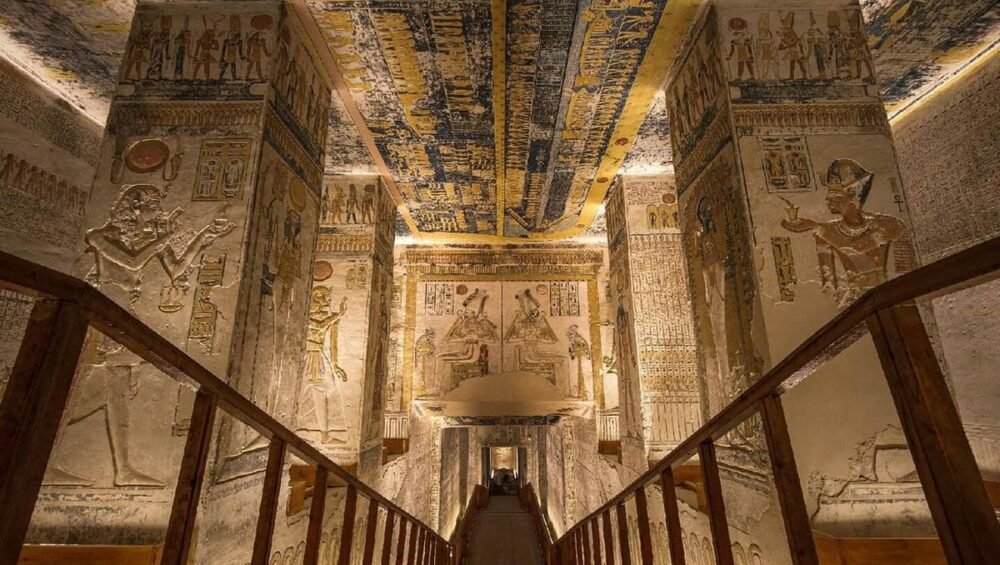
The layout of the Tomb of Ramses VI follows classic royal tomb architecture—a long descending corridor leading to multiple chambers that culminate in the burial hall. However, KV9’s design surpasses its predecessors in scale and complexity. Visitors first encounter the entrance, decorated with the vivid depiction of the pharaoh paying homage to Ra-Horakhty and Osiris, symbolizing his transition from mortal ruler to divine being. Successive corridors portray the ‘Book of Gates’ and ‘Book of Caverns,’ ancient Egyptian funerary texts illustrating the sun’s nightly journey through the underworld.

The ceilings glimmer with celestial themes. In the first corridor, the goddess Nut stretches across the arched surface, swallowing the sun in the west at dusk and birthing it anew each dawn—a metaphor for resurrection. The burial chamber itself, one of the most spectacular in Egypt, depicts the Book of the Day and the Book of the Night, encasing Ramses in cosmic eternity. Every niche, column, and angle was crafted with mathematical precision, leaving no doubt about the ancient architects’ skill and spiritual vision.

Artistic Mastery and Hieroglyphic Detail

What truly sets the Tomb of Ramses VI apart from others is its vibrant color palette and meticulous inscriptions. The artisans who carved and painted these walls employed mineral-based pigments that still retain their brilliance today. The hieroglyphs radiate intricate stories about the divine order of the universe and the pharaoh’s divine rebirth. Each figure—whether Anubis tending the mummy or Horus standing guard—is animated with expressive realism that defies the centuries.

The ceiling art inside the burial chamber depicts the entire sky goddess Nut, with astronomical symbols charting the pharaoh’s celestial voyage. These motifs reveal how ancient Egyptians perceived death not as an end, but as a transition into another realm of existence. The tomb’s walls illustrate the union of Ra and Osiris, emphasizing the cycle of life, death, and rebirth at the heart of Egyptian faith. This delicate balance between art and theology makes the Tomb of Ramses VI a true ‘Book of the Afterlife.’

Symbolism and Religious Significance

Every motif within KV9 serves a profound symbolic purpose. The presence of Osiris reflects resurrection, while Ra embodies the eternal light guiding Ramses VI’s soul. The intertwining of these deities reinforces the pharaoh’s dual transformation—both as the sun reborn each morning and as the eternal king reigning with the gods. The colors blue and gold dominate throughout, representing divinity and the heavens. The imagery of serpents encircling the walls stands for protection, safeguarding the royal spirit from chaos and evil.

Visiting this sacred site during any of the Luxor Day Tours provides travelers with unparalleled insight into ancient Egyptian cosmology. The harmony between religious art, mythology, and astronomy inside the Tomb of Ramses VI remains unmatched in the Valley of the Kings.

The Rediscovery and Modern Conservation of KV9

Though long known to locals, the Tomb of Ramses VI gained international prominence after European explorers meticulously documented its art in the 19th century. Modern conservation efforts have focused on stabilizing its walls, controlling humidity, and preserving the pigments from human-induced damage. Today, advanced lighting systems illuminate its delicate reliefs, allowing visitors to appreciate details that had been lost in the shadows for centuries.

The tomb continues to be a focal point for research teams studying ancient construction techniques and symbolic language. As part of broader preservation efforts in Luxor—home also to marvels like the Luxor Temple and Ramesseum Temple—KV9 stands as a living museum of Egypt’s golden age of art. Through careful restoration, researchers ensure its legacy endures for future generations eager to explore Egypt’s ancient mysteries.

Why the Tomb of Ramses VI Belongs on Every Traveler’s Bucket List

For anyone tracing the footsteps of pharaohs, the Tomb of Ramses VI offers an experience that captures Egypt’s soul. Unlike more deteriorated tombs, KV9’s artwork remains largely intact. Photographers, historians, and spiritual seekers alike find themselves mesmerized by its frescoes—a perfect symphony of color and geometry. Moreover, its accessibility within the Valley of the Kings makes it a must-see highlight on any Egypt Vacation Package.

Stepping inside, one feels connected to an era when architecture, art, and religion converged to express life’s greatest mystery—the afterlife. Whether part of an All Inclusive Egypt Vacation or a specialized Luxury Egypt Tour, witnessing KV9 firsthand leaves visitors humbled by humanity’s timeless quest for immortality. The sheer scale and symbolism of the tomb echo across millennia, reminding us that art doesn’t merely decorate history—it defines it.

Exploring the Tomb with Expert Guidance

Knowledgeable guides bring the tomb’s walls to life, translating hieroglyphs and pointing out depictions from ancient funerary texts like the ‘Book of the Dead’ and the ‘Book of the Earth.’ These narratives describe the perilous passage of the soul through the underworld. Travelers can complement the journey with visits to neighboring marvels on itineraries such as the 4 Day 3 Night Nile Cruise from Aswan to Luxor or the 7 Days Cairo and Nile Cruise Package, both of which explore Egypt’s most iconic archaeological sites.

Every stone and symbol inside KV9 immerses travelers in an emotional narrative of human hope, divine order, and spiritual transcendence. Whether you’re a scholar or a first-time visitor, the tomb evokes feelings that transcend mere tourism—it’s a pilgrimage to humanity’s spiritual roots.

Ramses VI – The Pharaoh Behind the Tomb

Ramses VI, born as Amenhirkhopshef, ascended to power amidst Egypt’s waning imperial days. Despite political challenges and the decline of centralized authority, he devoted great resources to temple construction, religious reform, and monumental tomb building. His decision to claim KV9 for himself symbolized continuity and legacy, ensuring his divine status alongside his predecessors. In every panel and inscription of his tomb, he is portrayed merging with the gods, his spirit intertwining with the cycles of the cosmos.

Although his reign marked the twilight of the New Kingdom, Ramses VI’s contributions preserved Egypt’s religious traditions during turbulent times. His final resting place remains one of ancient Egypt’s crowning achievements.

Frequently Asked Questions about the Tomb of Ramses VI

Where is the Tomb of Ramses VI located?

The Tomb of Ramses VI is nestled in the Valley of the Queens on Luxor’s West Bank, Egypt. It’s one of the most accessible tombs in the area and lies near other celebrated burial sites of the New Kingdom pharaohs.

Can visitors enter the Tomb of Ramses VI?

Yes, the tomb is open to visitors and often included in guided events like Egypt Day Tours. Photography is allowed with additional permits, but flash is restricted to protect the fragile pigments.

What makes the Tomb of Ramses VI unique?

Its incredible preservation, celestial ceiling art, and comprehensive depiction of the pharaoh’s passage through the afterlife distinguish it among Egypt’s royal tombs. The union of art and theology here reaches its zenith, symbolizing eternity itself.

Which deities appear in the Tomb of Ramses VI?

Key deities include Ra, Osiris, Nut, Anubis, and Horus. Their representations convey the pharaoh’s transformation into a divine being and his eternal journey across the heavens.

When was the Tomb of Ramses VI discovered?

The tomb had been known since antiquity but was fully documented by European explorers in the 18th and 19th centuries. Since then, modern archaeology and conservation have uncovered and preserved many of its original details, offering invaluable insights into ancient Egyptian spirituality and art.

Tomb Of Nefertari

Tomb of Nefertari: A Glimpse into the Eternal Beauty of Ancient Egypt’s Most Exquisite Queenly Resting Place

Hidden deep within the Valley of the Queens in Luxor, the Tomb of Nefertari, also known as QV66, is one of ancient Egypt’s most breathtaking treasures. It’s a masterpiece of art, color, and devotion that celebrates the life and afterlife of Queen Nefertari, the beloved wife of Pharaoh Ramses II. Often referred to as the “Sistine Chapel of Ancient Egypt,” this tomb is a symbol of love and divine craftsmanship that continues to dazzle archaeologists, historians, and travelers alike. Built more than 3,200 years ago, every brushstroke within its chambers whispers tales of eternal love, artistic brilliance, and powerful queenship.

When entering the tomb, the visitor is struck by the vivid depictions of Nefertari’s journey through the afterlife, welcoming deities, and intricate symbolism. The inscriptions—all executed with unparalleled precision—reveal not just a queen’s burial site but also a deep reflection of Egypt’s theology, cosmology, and artistry of the 19th Dynasty. From the moment it was discovered in 1904 by the Italian archaeologist Ernesto Schiaparelli, QV66 has become a cornerstone in Egyptology, marking a turning point in our understanding of feminine power and elegance in New Kingdom tomb architecture. Today, the Tomb of Nefertari stands as one of the most visited and admired destinations in Luxor City, Egypt’s open-air museum.

The Enchanting Queen Nefertari: Symbol of Grace and Royal Might

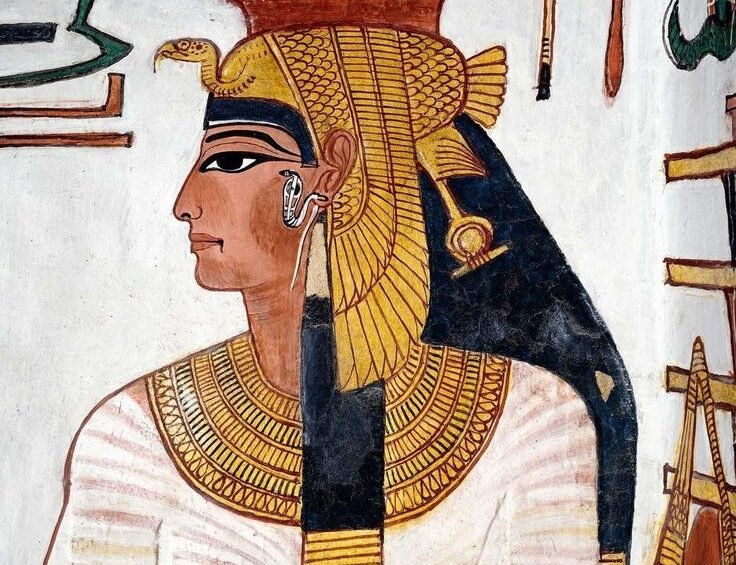
Queen Nefertari was no ordinary royal consort. As the Great Royal Wife of Ramses II, one of Egypt’s most illustrious pharaohs, she played a pivotal role in political and ceremonial life. Her name means “Beautiful Companion,” and inscriptions across temples, particularly the small temple dedicated to her at Abu Simbel Temples, reflect the pharaoh’s profound affection for her. Iconography portrays her as an equal to the gods, participating in divine rituals and celestial assemblies, underscoring her elevated status.

Her legacy endured far beyond her lifespan. Nefertari’s tomb immortalized her not as a mortal queen but as a goddess ascending into eternity. The murals encapsulate her transformation, displaying scenes of her playing senet—a game symbolizing the passage to the afterlife—guided by Isis, Hathor, and Anubis. Her tomb not only mirrors her beauty and power but also embodies the perfection of Egyptian art during the height of its civilization. For those seeking to explore similar royal splendors, visiting Temple of Hatshepsut or the Ramesseum Temple broadens the scope of understanding Egypt’s celebration of its queens and gods.

Discovery and Preservation of the Tomb

The 1904 discovery of the Tomb of Nefertari by Ernesto Schiaparelli was a revelation that altered the course of archaeological history. Buried under centuries of sand and silence, the tomb’s rediscovery exposed a kaleidoscope of paintings that seemed untouched by time. Unfortunately, exposure to humidity and human breath began to deteriorate the colors soon after. Preservation efforts led by the Getty Conservation Institute between 1986 and 1992 implemented groundbreaking restoration techniques, ensuring the monument’s survival for future generations.

Due to its fragility, the tomb was closed to the general public for decades. Today, limited access is allowed, ensuring that the pigments and plaster remain intact. Those eager to visit such heritage sites can combine their experience with guided Luxor Day Tours or an elegant 4-day Nile cruise from Aswan to Luxor to explore several other pharaonic wonders.

Architectural Splendor and Symbolism

The architectural design of the Tomb of Nefertari mirrors the spiritual beliefs of ancient Egypt. Carved into limestone cliffs, the tomb follows a multichamber plan descended through steep corridors and richly adorned rooms. Every wall, ceiling, and niche bursts with symbolic imagery—hieroglyphs illuminated by shades of cobalt, ochre, and malachite. The queen is depicted both as herself and as divine manifestations of Hathor and Isis, showcasing her eternal companionship with the gods.

The tomb’s main hall mesmerizes visitors with astronomical ceilings representing Nut, the goddess of the sky, stretching protectively over Nefertari’s spirit. The carefully measured color palette harmonizes with hieroglyphic inscriptions that detail protective spells from the “Book of the Dead.” Travelers enchanted by such celestial artistry often extend their journeys to the Dendera Temple Complex, another site famed for its cosmic and symbolic reliefs.

Artistic Mastery and Color Preservation

Few ancient sites rival the Tomb of Nefertari’s artistry. The vivid pigments—crafted from ground minerals and natural oxides—have retained astonishing brilliance even after three millennia. Detailed brushwork around the queen’s eyes, jewelry, and garments reveal the exquisite skill of Theban artists during the 19th Dynasty. Such attention to beauty wasn’t mere decoration; it was a form of sacred communication. Every tone and line carried meaning tied to resurrection, purity, and divine unity.

The restoration process itself became an art form, combining ancient pigment analysis with modern conservation science. Specialists used digital mapping and non-invasive cleaning methods to retain authenticity without introducing artificial substitutes. If visitors wish to witness ancient colors in other monuments, the Edfu Temple and Habu Temple also display remarkable preservation of relief carvings and coloration.

Religious and Cultural Significance of Nefertari’s Tomb

The Tomb of Nefertari stands as a gateway between humanity and divinity—her transition from earthbound queen to celestial entity. Every scene symbolizes her purification, judgment, and rebirth. The queen’s soul is guided by Thoth, Anubis, and Osiris through trials leading to the Field of Reeds—Egypt’s version of paradise. The depiction isn’t just religious; it conveys an ancient philosophy of harmony between mortal existence and eternity.

For modern visitors, Nefertari’s tomb evokes emotional awe. Standing before the goddess-like queen, one can almost sense the whispers of ancient prayers. Similar divine experiences await at Temple of Philae and the Kom Ombo Temple, both monuments celebrating femininity, protection, and the eternal dance of light and darkness.

Guided Tours and Visitor Experience to the Tomb of Nefertari

Access to the Tomb of Nefertari is limited but organized through small supervised groups. Only a handful of visitors per day are permitted, ensuring the preservation of the ancient pigments. Tickets sell out swiftly, so it’s advisable to book in advance through credible operators such as dedicated Egypt Private Tours or curated Luxury Egypt Tours. Each tour blends education, culture, and adventure, delivering insights far beyond typical sightseeing.

For those embracing comprehensive itineraries, multi-day trips such as the 7 Days Egypt Adventure Tour or the 6 Days Cairo to Luxor Tour are perfect ways to explore Nefertari’s tomb alongside other iconic landmarks like Luxor Temple and the Avenue of Sphinxes.

Best Time to Visit and Travel Tips

The ideal visiting period is from October to April when Egypt’s temperatures are pleasant and skies are crystal clear. Early morning visits enhance photographic potential, capturing the tomb’s interior lighting and intricate color play. To maximize one’s travel experience, pairing a visit with a Luxury Nile Cruise or Dahabiya sailing package transforms the journey into a cultural and scenic odyssey through Egypt’s timeless landscapes.

Modern Technology and Accessibility

Advancements in digital preservation allow travelers to explore virtual reproductions of the Tomb of Nefertari online. 3D scanning and immersive reality applications, commissioned by Egypt’s Ministry of Antiquities, document every inch of this incredible structure. While these digital experiences are awe-inspiring, nothing compares to gazing upon Nefertari’s divine visage in person amidst the sacred silence of Luxor’s mountains.

Legacy of the Tomb of Nefertari in Modern Egyptology

The Tomb of Nefertari reshaped the modern understanding of Egyptian funerary art. It remains the benchmark for restoration excellence and continues to influence cultural tourism strategies throughout Egypt. It amplifies appreciation for other queenly monuments such as the Temple of Seti and the Abydos Temple. Nefertari’s symbolic endurance ignites imagination and invites visitors to embrace Egypt’s eternal rhythm of life, death, and rebirth.

Conclusion: A Timeless Love Carved in Stone

The Tomb of Nefertari transcends architecture and artistry; it’s a love letter from Ramses II to his queen, immortalized within Luxor’s golden cliffs. With every step inside, one enters a sacred dialogue between past and eternity—a monument proving that beauty can indeed conquer death. For today’s travelers, exploring this tomb unveils not only Egypt’s magical heritage but also humanity’s universal longing for immortality and love.

FAQs About the Tomb of Nefertari

Where is the Tomb of Nefertari located?

The Tomb of Nefertari lies in the Valley of the Queens on Luxor’s West Bank. It’s one of Egypt’s best-preserved tombs and a prime highlight of Egypt Day Tours for art and history lovers.

Who discovered the Tomb of Nefertari?

Italian archaeologist Ernesto Schiaparelli discovered the tomb in 1904. His find unveiled one of the most color-rich and perfectly preserved monuments from ancient Egypt’s 19th Dynasty.

Can the public visit the Tomb of Nefertari?

Yes, but entry is restricted to small, controlled groups to protect the fragile wall paintings. Tickets must be purchased in advance, and photography is usually not permitted inside.

What makes the Tomb of Nefertari unique?

Its remarkable preservation, vibrant artistry, and emotional depth make it unique. Nefertari’s tomb showcases the highest achievement of ancient Egyptian art, symbolizing love, divinity, and eternal life.

Which tours include the Tomb of Nefertari?

Visitors can include the tomb within guided packages like the 7 Days Cairo and Nile Cruise Package or 8 Days Best Egypt Tour with Nile Cruise, ensuring a deep dive into Luxor’s royal heritage and other famed temples.

Dandara Temple

Dandara Temple: A Timeless Jewel of Ancient Egyptian Civilization

Nestled on the western bank of the Nile River near Qena, Egypt, the Dandara Temple—also spelled Dendera Temple—stands as one of the most captivating sanctuaries of ancient Egyptian architecture. This mesmerizing site, primarily dedicated to Hathor, the goddess of love, music, and motherhood, captures the essence of spiritual devotion and artistic mastery that flourished during Egypt’s Greco-Roman period. Stepping into the Dandara Temple complex feels like entering a time capsule, where the vibrant paintings remain astonishingly vivid, and the hieroglyphic inscriptions whisper stories of gods, kings, and cosmic order. It’s no exaggeration to say that this temple is one of the best-preserved monuments in Egypt, rivaling its more famous counterparts in Luxor Temple and Edfu Temple.

Beyond its grand design, the Dandara Temple offers a unique glimpse into how ancient Egyptians fused astronomy, mythology, and religion. The temple’s ceilings once held the original zodiac of Dendera, a celestial map that remains one of Egyptology’s greatest discoveries. Every column, every relief, reveals the remarkable precision and creativity of artisans who sought to honor their gods while chronicling cosmic cycles. A visit here isn’t just a historical detour—it’s a spiritual awakening draped in stone. For any traveler embarking on Luxor day tours or Egypt day tours, this spectacular site deserves a top spot on the itinerary.

The Mythological Significance of the Dandara Temple

Dandara Temple’s heart beats with the energy of Hathor, one of ancient Egypt’s most beloved deities. In mythology, Hathor symbolized fertility, joy, and protection, yet she also held divine power as the celestial mother and consort of Horus. The Dandara complex was more than a place of worship—it was an earthly manifestation of the goddess’s nurturing spirit. Ancient Egyptians celebrated festivals here that included music, dance, and lavish banquets in Hathor’s honor. The energy of devotion still lingers within its halls, mirroring other divine sites such as the Temple of Hathor and Abydos Temple.

The temple’s ceiling showcases striking depictions of the night sky, where constellations highlight the divine connection between heaven and earth. The famous Zodiac of Dendera, now displayed in the Louvre, once adorned this sacred roof, revealing how Egyptians mapped celestial patterns for ritual and agricultural purposes. Each scene on the temple walls conveys intricate tales of cosmic rebirth, where Hathor’s energy restored balance to the universe—a concept echoed throughout Egyptian theology.

Architectural Brilliance and Sacred Geometry

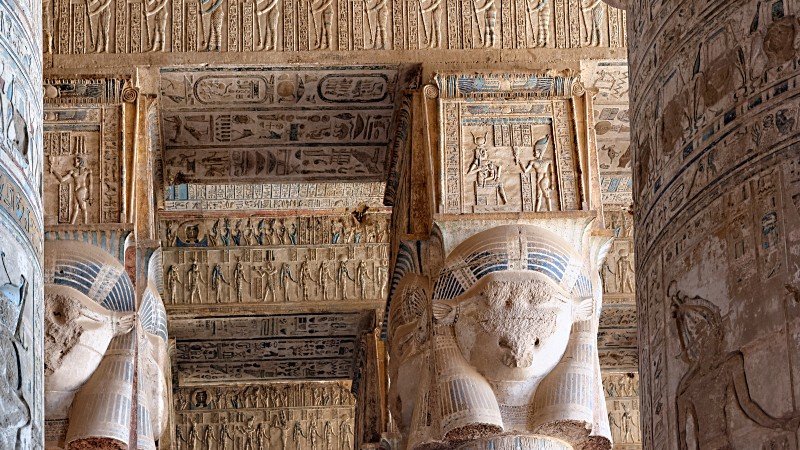
The layout of Dandara Temple exemplifies sacred symmetry. Constructed predominantly during the reigns of Ptolemy XII and Roman Emperor Tiberius, the temple’s design follows traditional Egyptian forms blended with Greco-Roman influences. The massive entrance gateway leads into a hypostyle hall supported by twenty-four majestic columns decorated with Hathor’s face—her serene features representing universal love and music. Exploring this hall feels like standing in a symphony carved into stone, similar in grandeur to the Dendera Temple Complex.

Each corridor reflects a calculated alignment to astronomical phenomena. The temple faces directly toward the Nile, a symbolic gesture representing the eternal connection between the river’s fertility and divine blessing. Behind the main sanctuary are multiple chapels, including those dedicated to Osiris, Isis, and Horus—emphasizing Dandara’s importance as a center for multiple cults. The subterranean crypts, filled with delicate carvings and sacred texts, amplified the temple’s mystical aura.

The Zodiac of Dendera: A Celestial Masterpiece

Perhaps no feature of the Dandara Temple garners more fascination than its Zodiac relief. The Dendera Zodiac, a circular representation of the stars, reveals how ancient Egyptian astronomers understood the heavens long before modern astronomy. Depicted with symbols similar to the Greek zodiac but grounded in Egyptian cosmology, it shows the gods governing celestial time. Many scholars consider it a map of divine order, indicative of the temple’s dual role as a place of worship and observatory. Visitors intrigued by this cosmic symbolism should also explore the Nile River, whose cycles guided temple rituals and offerings.

Reliefs, Inscriptions, and the Preservation of Ancient Art

The vivid quality of Dandara’s reliefs is astonishing. Unlike many other temples, the colors inside remain strikingly vibrant. Shades of blue, green, gold, and red illuminate scenes depicting Hathor’s music festivals, healing rituals, and offerings performed by pharaohs. Hieroglyphics line the walls with remarkable precision, narrating hymns and sacred chants dedicated to Hathor and Osiris. Observers can even spot scenes showcasing the pharaohs’ divine anointment ceremonies, echoing similar ritual depictions found in the Temple of Hatshepsut.

Conservation efforts have helped maintain this masterpiece against centuries of decay. Inside, the ceilings once blackened by soot have been meticulously cleaned to reveal their intricate celestial artistry. This preservation makes the Dandara Temple not only a historical gem but also an invaluable cultural treasure for future generations.

The Spiritual Energy and Symbolism of Dandara

Walking through the temple feels charged with an almost palpable spiritual current. Dandara was believed to radiate cosmic harmony, making it an essential site for healing and regeneration. Hathor’s role as a goddess of joy extended into fertility rites and musical ceremonies performed here, filling the temple with song and incense. The sacred lake within the complex served purification rituals for priests before ceremonies began. Visitors today often describe the temple as profoundly spiritual—a place where time itself seems to pause in reverence. Many travelers include Dandara Temple on their route through Luxury Nile Cruise itineraries to capture its tranquil aura beyond the bustle of modern Egypt.

Traveling to Dandara Temple: How to Experience It

Located about 60 kilometers north of Luxor, Dandara is easily accessible through guided excursions or Nile cruises linking iconic stops such as Kom Ombo Temple and Temple of Philae. Many travelers choose packages that bundle Dandara and Abydos for a full-day cultural dive into ancient mythology. If time allows, the private tour to Dandara and Abydos from Luxor offers an intimate, well-paced itinerary that blends expert narration with unhindered exploration.

Visiting during early morning hours ensures cooler weather and the chance to admire the temple’s artistry in natural light streaming through its entrances. Combining this experience with other Upper Egypt highlights—like the Ramesseum Temple or Colossi of Memnon—creates a holistic journey through Egypt’s enduring spiritual legacy.

Best Time to Visit and Travel Tips

The ideal time to tour Dandara Temple is between October and April when daytime temperatures stay moderate. Travelers should bring water, sunscreen, and a camera to capture the intricate carvings in gentle sunlight. Consider pairing the adventure with nearby sites accessible through organized Egypt vacation packages that include expert guides and transportation arrangements. For those inspired by deeper immersion, a 4-day Luxor, Edfu, Kom Ombo, Aswan and Abu Simbel tour provides a fantastic route combining the Nile’s great sanctuaries and archaeological marvels.

The Dandara Light Show and Modern Cultural Impact

Modern Egypt continues to honor Dandara’s rich legacy through restoration and cultural exhibits. Periodic light displays reenact ancient rituals with projected animation against the temple’s facade, demonstrating how history fuses with modern storytelling. For travelers enchanted by multimedia presentations, the Sound and Light Show at Karnak Temples also captures the grandeur of Egypt’s sacred architecture.

Legacy of Hathor and Dandara through the Ages

Even as dynasties rose and fell, Dandara Temple maintained its sacred importance. Early Christians adapted portions of the complex for their worship, integrating new iconography alongside ancient carvings. Later, archaeologists rediscovered it nearly intact, marveled at its preservation, and recognized it as a temple that bridged antiquity with continuity of faith. Hathor’s legacy evolved into an emblem of compassion and divine artistry that continues to inspire researchers, spiritual seekers, and artists alike. Her serene visage atop each column reminds us that beauty and devotion can coexist in timeless balance.

Exploring Nearby Attractions

After exploring Dandara Temple, visitors can extend their journey to neighboring wonders. The celestial grandeur of Abydos complements Dandara’s earthly grace, while Luxor hosts countless marvels like the Luxor Museum and Valley of the Queens. These destinations together form an essential chapter in any comprehensive tour of ancient Egypt, filled with powerful mythology, artistic mastery, and soul-stirring spirituality. For ultimate comfort and immersion, travelers may opt for an elegant river journey like the Nour El Nil Dahabeya.

Frequently Asked Questions about Dandara Temple

What is the Dandara Temple famous for?

Dandara Temple is renowned for its remarkable preservation, intricate carvings, and the breathtaking Dendera Zodiac—a depiction of the night sky that merges Egyptian and Greco-Roman astronomy. It’s also celebrated as the main cult center of Hathor, the goddess of love, joy, and motherhood.

Where is Dandara Temple located?

The Dandara Temple lies near Qena in Upper Egypt, approximately 60 kilometers north of Luxor along the western bank of the Nile River. It’s easily accessible through private tours or Nile cruise excursions.

When was the Dandara Temple built?

The temple’s main structures were built during the late Ptolemaic Period and completed in the early Roman era, particularly under the reigns of Ptolemy XII and Tiberius. However, earlier foundations date back to the Old Kingdom, making it a multi-era cultural site.

Who was Hathor, and why was she worshipped here?

Hathor was one of Egypt’s most adored deities, symbolizing love, music, fertility, and maternal care. The Dandara Temple served as her primary sanctuary, where priests and pilgrims honored her divine compassion through music and elaborate festivals.

Can visitors explore the entire Dandara Temple complex?

Yes, much of the temple remains open to the public, including its hypostyle hall, inner sanctuaries, underground crypts, and rooftop chapels. Visitors can admire the vivid colors, hieroglyphic texts, and architectural wonders firsthand—making it a highlight of any Upper Egypt itinerary.

Valley Of The Queens

Valley of the Queens: The Eternal Resting Place of Egypt’s Royal Women

Hidden in the shadow of the Theban cliffs on the west bank of the Nile near modern-day Luxor, the Valley of the Queens stands as a timeless sanctuary dedicated to the wives, daughters, and sons of ancient Egypt’s most powerful rulers. Known in ancient Egyptian as ‘Ta-Set-Neferu,’ meaning ‘the Place of Beauty,’ this sacred valley captures the essence of divine femininity and royal elegance. It’s more than just a burial ground—it’s a canvas illustrating the beliefs, artistry, and traditions of the New Kingdom. Every curve of the intricate hieroglyphs, every hue in the preserved frescoes, and every chamber carved into stone whispers stories about the afterlife and the gods who guarded it. The Valley of the Queens, although overshadowed by the more famous Valley of the Kings, commands its own reverent allure. The tombs here, especially the famed Tomb of Nefertari, are among the most exquisite ever created in ancient Egypt. For history enthusiasts and archaeologists, this valley provides a vivid window into the heart of Egypt’s 19th and 20th Dynasties. From the legends of Queen Nefertari, beloved wife of Ramses II, to the lesser-known princesses resting in painted silence, the Valley of the Queens is a poetic masterpiece of devotion, power, and eternity.

Visiting this site through expertly curated programs such as Luxor Day Tours or classic Nile cruises allows modern explorers to walk in the footsteps of royal women once celebrated as goddesses. Imagine wandering through corridors of vibrant murals where Hathor, Isis, and Mut embrace queens into the afterlife. It’s pure magic—the kind of place where past and present coalesce, igniting a sense of awe that words barely capture.

The Origin and Historical Significance of the Valley of the Queens

The Valley of the Queens emerged as a necropolis during the reign of Thutmose I in the New Kingdom, around the 18th Dynasty. As the Valley of the Kings filled with royal burials, the need for a separate resting ground for queens became apparent. Thus, this mountain-ringed valley became an exclusive sanctuary for royal women. The site holds more than 90 tombs, each boasting unique decorations, religious texts, and symbols representing the eternal journey of the soul. The location was strategically chosen to embody protection, with the surrounding cliffs forming a natural shield against tomb raiders.

Archaeologists have unearthed a trove of knowledge about funerary practices and beliefs in the afterlife from the Valley of the Queens. The tomb depictions aren’t merely artistic wonders—they represent theological concepts tied to resurrection and rebirth. The astonishing preservation of murals like those in Nefertari’s tomb has allowed Egyptologists to dive into the language, technique, and color symbolism of the New Kingdom era. When paired with insights from places like the Luxor Temple and the Ramesseum Temple, the Valley reveals the intimate social and religious tapestry of Egypt’s royal household.

Tombs Within the Valley: Architecture and Decoration

The tombs in the Valley of the Queens vary in complexity and grandeur. Some belong to princes and lesser royal members, while others, like the Tomb of Nefertari (QV66), are artistic triumphs that boggle the imagination. The painters used mineral pigments so vibrant that thousands of years later, the colors still glow like celestial light. Hieroglyphic inscriptions detail prayers to Osiris and Ra, guiding the deceased through the perilous underworld. The tomb structures often include antechambers, descending corridors, and burial halls designed to emulate the sun’s journey—a fitting metaphor for the cyclical nature of death and rebirth.

While some tombs, such as QV55 (Prince Amunherkhepshef), feature scenes of tender familial intimacy, others reveal cosmic journeys illustrated in overwhelming detail. These are not just burial vaults—they’re carefully designed spiritual pathways. Similar architectural principles can also be observed in other grand ancient Egyptian burial sites like Sakkara Necropolis and the mesmerizing Temple of Hatshepsut.

Queen Nefertari’s Tomb: A Masterpiece of Ancient Egyptian Art

Queen Nefertari, the beloved wife of Pharaoh Ramses II, was immortalized in one of the most lavish and beautifully preserved tombs of all time. Her tomb, designated QV66, is often called ‘The Sistine Chapel of Ancient Egypt.’ Every inch of the walls is adorned with brilliant paintings showing Nefertari in her divine journey through the afterlife. Depictions of Isis, Hathor, and Anubis accompany her as she transitions into the realm of the gods. Remarkably, the queen’s features are rendered with a grace that transcends centuries, embodying ideals of beauty and regal divinity. This tomb remains the crown jewel of the Valley, illuminating the golden age of Egypt’s artistry.

Visitors can include this wonder in planned excursions such as guided day tours from Luxor or even elegant river voyages like the Luxury Dahabiya Nile Cruise, ensuring a seamless blend of culture and comfort.

The Mythology and Religious Symbolism of the Valley

The Valley of the Queens isn’t just a burial landscape—it’s a spiritual narrative carved into stone. Each tomb symbolically reenacts the journey of the soul through the Duat, guided by gods like Anubis, Hathor, and Ra. The brilliant celestial blue ceilings, often dotted with golden stars, represent the night sky of Nut, the sky goddess who births the sun each morning. These designs mirror beliefs found at temples like the Temple of Philae, emphasizing Egypt’s devotion to cosmic order and resurrection. The emphasis on feminine divinity highlights the crucial role royal women played in bridging the mortal and divine realms.

Modern Discovery and Preservation Efforts

The Valley of the Queens was rediscovered during the early 19th century by Italian explorer Ernesto Schiaparelli. Since then, it has undergone careful excavation and conservation projects to preserve its fragile brilliance. The Nubian Museum in Aswan and international institutions have collaborated to ensure that digital restoration efforts continue to protect these irreplaceable treasures. UNESCO’s involvement in modern preservation ensures that future generations will experience the Valley’s splendor.

For dedicated travelers looking to experience both history and natural beauty, immersive journeys like the 4 Day 3 Night Nile Cruise from Aswan to Luxor or the 10 Day Cairo with Nile Cruise provide perfect itineraries to witness the valley’s wonders firsthand.

The Artistic Legacy of the Valley of the Queens

The artistry preserved in these tombs transcends time. The Valley’s painters mastered intricate techniques using natural pigments, finely carved reliefs, and precise hieroglyphs that still capture light and emotion. Scenes depict offerings to gods, celestial voyages, and even intimate moments between lovers—a testament to the human side of divine royalty. This artistic richness complements cultural wonders like the colorful Habu Temple and the majestic Colossi of Memnon, helping define Egypt’s classical artistic zenith.

The Valley’s Connection to the Broader Theban Necropolis

The Valley of the Queens is part of the sprawling Theban necropolis, which also houses the Avenue of Sphinxes and numerous other royal tombs. Together, they form a sacred geography deeply anchored in Egypt’s spiritual worldview. Every site within Thebes was meticulously planned to align with celestial paths and religious symbolism, blending geography with sacred geometry. Visitors exploring through Egypt Day Tours can experience this interconnected legacy, gaining a rare sense of continuity between life and eternity.

Why Visit the Valley of the Queens Today?

Modern travelers often find the Valley of the Queens less crowded than other archaeological sites, granting a more intimate and contemplative experience. Walking these tomb-lined paths allows one to reconnect with the enduring mystique of Egypt’s royal lineage. The site is easily accessible via Egypt Vacation Packages or exquisite Luxury Egypt Tours that combine historical depth with modern convenience. Visiting at dawn or sunset rewards travelers with surreal light, casting the rocky hills in shades of amber and violet—truly breathtaking for any cultural explorer or photographer.

FAQs About the Valley of the Queens

1. Where is the Valley of the Queens located?

The Valley of the Queens lies on the west bank of the Nile near Luxor, across from the city’s modern center. It forms part of the Theban Necropolis, a vast mortuary region that includes the Luxor Temple and Valley of the Kings.

2. Who is buried in the Valley of the Queens?

The valley mainly houses tombs of queens, princesses, and princes from the 18th to 20th Dynasties. The most famous burial is that of Queen Nefertari, wife of Ramses II. Others include royal children and secondary wives of notable pharaohs.

3. How can I visit the Valley of the Queens?

Travelers can reach the site via guided programs such as Luxor Day Tours or by including it in Nile cruise itineraries like the 7 Days Cairo and Nile Cruise Package. Knowledgeable Egyptologists accompany visitors for an immersive historical experience.

4. What makes Nefertari’s tomb special?

Nefertari’s tomb is renowned for its extraordinary preservation and artistry. The vibrant scenes, detailed inscriptions, and vivid depictions of gods make it one of the most beautiful tombs in Egypt, offering priceless insight into New Kingdom aesthetics and belief systems.

5. Is photography allowed inside the tombs?

Photography policies vary depending on conservation needs. In most cases, high-resolution cameras are restricted, though visitors may capture memories in designated areas. Always consult tour guides or local regulations before taking photographs.

Final Thoughts: The Enduring Magic of the Valley

The Valley of the Queens isn’t merely an archaeological landmark—it’s an everlasting tribute to love, legacy, and the celestial journey women of divine status took toward eternal peace. The serene landscape, vivid tomb art, and deep spirituality encapsulate the brilliance of ancient Egypt. Whether experienced through immersive packages like the 11 Days Luxury Egypt Tour Package or shorter cultural routes around Luxor, each visit reawakens the timeless grandeur of the queens who sleep beneath its sands. Whispered prayers, gentle desert winds, and golden rays merging with ochre cliffs—all combine to make the Valley of the Queens an unforgettable encounter with eternity itself.

Habu Temple

The Majestic Habu Temple: A Testament to Ancient Egyptian Grandeur

On the west bank of Luxor stands the awe-inspiring Habu Temple, officially known as the Mortuary Temple of Ramesses III. This architectural marvel serves as both a symbol of divine power and a glimpse into the glory days of ancient Thebes. For centuries, its walls have whispered stories of conquests, religious rituals, and daily life under one of Egypt’s greatest pharaohs. Habu Temple isn’t just another archaeological site; it’s a monumental book written in stone—a chronicle carved in hieroglyphs celebrating the eternal might of Ramesses III. Every inch breathes history, from its towering pylons to its detailed reliefs that depict epic battles against foreign invaders. The sheer scale and artistry here make visitors stop mid-step in absolute awe.

Unlike many other ancient temples, Medinet Habu (as it’s known locally) preserves its structure remarkably well. Step through its colossal entrance, and you’re immediately surrounded by vibrant scenes of triumph, colorful frescoes, and sculpted columns that tell a thousand tales. The temple was not merely a mortuary shrine—it was an entire complex, complete with royal palaces, workshops, storehouses, and housing for priests. It became a hub of activity, a vital center for worshiping Amun and commemorating the king’s divine legacy. Today, travelers who choose immersive Luxor Day Tours often consider this hidden gem among their top stops, marveling at its preserved beauty and historical depth. Whether you’re a history buff, a photography enthusiast, or simply captivated by ancient culture, Habu Temple delivers a soul-stirring encounter with Egypt’s past unlike anywhere else.

Origins of Habu Temple and the Vision of Ramesses III

Built during the reign of Ramesses III of Egypt’s 20th Dynasty, the Habu Temple reflects not only Egypt’s devotion to the gods but also the pharaoh’s determination to immortalize his victories. Modeled partly after the mortuary temple of Ramesses II at the Ramesseum, this colossal monument became the pharaoh’s statement of divine right and resilience. Construction began around 1186 BCE and continued for years, evolving into a fortified temple-town designed to withstand both time and turmoil.

Ramesses III, remembered as one of the last great warrior kings, used Habu Temple to enshrine his achievements, particularly his legendary triumphs over the Sea Peoples and Libyan incursions. Walls bursting with vivid reliefs depict naval skirmishes, scenes of tribute, and processions honoring Amun, the god of creation. The pharaoh stands amidst gods, crowned and serene, asserting both mortal strength and divine favor. For anyone exploring the rich tapestry of Luxor City, understanding Habu’s origin deepens appreciation for Egypt’s astounding continuity of art, religion, and power.

Architectural Mastery: Design and Layout of Habu Temple

The temple complex at Medinet Habu sprawls across nearly 7,000 square meters, embodying Egyptian precision and grandeur. Its twin pylons rise defiantly against the desert sky, opening into vast courtyards and pillared halls. The first court is ringed by colossal Osiride statues—figures of Ramesses III depicted as Osiris, god of the afterlife. Beyond lies the second court, which once dazzled visitors with colorful murals portraying religious festivals, notably the ‘Festival of Min.’ Each wall radiates the artistic finesse typical of New Kingdom craftsmanship.

The temple’s defensive walls, complete with watchtowers and storerooms, also reveal its role beyond spirituality—it served as a sanctuary and fortress for Theban residents during invasions. While exploring the West Bank with guided experiences like the Day Tour to Ramesseum Temple, Habu Temple, and Nobles Valley, travelers can clearly see how this structure functioned as both a religious and practical masterpiece.

Symbolism and Religious Significance within Habu Temple

The Habu Temple primarily honored Amun, the supreme deity of Thebes, but it also celebrated Ramesses III’s divine connection. Every carving combines scripture, ritual, and homage, reinforcing the pharaoh’s power as god-king. Scenes of offerings to Amun, Mut, and Khonsu line the walls, emphasizing the eternal cycle of life, death, and rebirth. Moreover, unique texts within the temple record festivals where statues of gods were paraded through sacred routes connecting Habu to Luxor and Karnak. These cosmic journeys represented renewal and harmony between gods and kings.

Modern scholars often compare this temple’s religious imagery with that of Temple of Hatshepsut and Ramesseum Temple, underlining Habu’s unparalleled focus on afterlife symbolism. Its spiritual weight attracts not only historians but also travelers seeking deeper meaning beyond mere sightseeing.

Inscriptions, Reliefs, and the Battle Scenes at Habu

One of the temple’s most arresting features is its intricately chiseled battle reliefs—some of the finest in all of Egypt. These depict Ramesses III’s decisive victories against invading forces in dramatic, cinematic sequence. Each figure pulses with energy: chariots wheel forward, archers aim their bows, boats collide amid chaos. Such scenes didn’t merely record warfare—they communicated divine justice and order triumphing over chaos, a key tenet in Egyptian belief. The detailed papyrus boat scenes in the northern pylons remain a marvel for both visitors and archaeologists alike.

These vivid images play an essential role in understanding Egypt’s Late Bronze Age conflicts and the broader geopolitical shifts that followed. Exploring this artistry often encourages visitors to extend their itinerary through curated programs such as the 4 Day 3 Night Nile Cruise from Aswan to Luxor, which gracefully connects iconic temples along the Nile including Medinet Habu.

The Village Around Medinet Habu and Its Historical Continuity

Surrounding Habu Temple once stood a bustling community of priests, artisans, and scribes. In ancient times, the entire area functioned as an administrative hub, known as ‘Djemé.’ Long after the pharaonic period, Coptic Christians built churches amid the ruins, their faith layering new chapters upon old stones. The medieval town’s remnants still blend with Habu’s massive walls, reminding us how history stacks upon itself in living color. Today’s visitors can stroll through this historic precinct, observing how ancient and modern Egypt coexist in seamless harmony.

For those seeking immersive cultural insight, Habu’s setting provides an authentic perspective quite distinct from the grandeur of the Luxor Temple or the sacred serenity of the Valley of the Queens. Witnessing this enduring landscape highlights why Luxor is often called the world’s greatest open-air museum.

Preservation Efforts and the Modern Significance of Habu Temple

Conservation projects at Habu Temple have been ongoing for decades, aiming to protect delicate reliefs and restore original pigment traces. Due to Luxor’s arid climate, many carvings remain well-preserved, but environmental challenges—including tourism pressure and wind erosion—pose risks. Teams from international institutions collaborate with the Egyptian Ministry of Antiquities, employing state-of-the-art technology to preserve the temple’s legacy for future generations.

Visiting Medinet Habu provides not only an aesthetic delight but also a humbling reminder of Egypt’s continuous relationship with its past. Whether you’re taking part in a breathtaking Luxor Hot Air Balloon Ride at sunrise or embarking on a detailed Private tour to the West Bank, the panoramic view of Habu’s monumental design leaves visitors spellbound. The temple remains a cornerstone of Luxor’s cultural identity, an anchor point connecting modern Egypt with its eternal spirit.

Why Visit Habu Temple in Luxor

Many travelers overlook Habu Temple due to its slightly remote setting, yet those who make the journey discover one of Egypt’s best-preserved and least crowded temples. Its tranquil atmosphere contrasts beautifully with the bustling grandeur of Karnak. The low foot traffic allows visitors to linger, take in microscopic details of carving, and capture stunning photos without interruption. Habu Temple’s preservation makes it a must-visit destination for anyone venturing on a Egypt Vacation Package or customizing their Luxury Egypt Tour.

Moreover, its accessibility from central Luxor makes it ideal for blending with nearby excursions, including a relaxing Felucca Ride on the Nile or deeper explorations of Thebes’ royal necropolises. Each visit reveals something new—a faint hieroglyph rediscovered, a restored fresco bursting with ancient color, or simply a quiet courtyard echoing with the whispers of millennia.

Frequently Asked Questions about Habu Temple

1. Where is Habu Temple located?

Habu Temple stands on Luxor’s west bank, in the Theban Necropolis, near other notable landmarks like the Ramesseum and the Colossi of Memnon. It’s approximately seven kilometers from central Luxor, making it easily accessible by car or guided excursion.

2. Who built Habu Temple and why?

The temple was commissioned by Pharaoh Ramesses III of the 20th Dynasty. It served both as his mortuary temple—ensuring worship after death—and as a fortress symbolizing divine kingship and protection of Egypt from external enemies.

3. What makes Habu Temple unique compared to other temples in Luxor?

Unlike other sites, Medinet Habu retains much of its original color and structural integrity. Its vivid battle reliefs, detailed inscriptions, and fortified layout distinguish it as not only a religious site but a historical archive showcasing Egypt’s resilience and artistry.

4. Can visitors explore the interior of Habu Temple?

Yes, visitors can stroll through multiple courtyards, hypostyle halls, and sanctuaries. The paths are well-maintained, and many inscriptions are visible with natural light, offering extraordinary opportunities for photography and reflection. Many guided tours, such as the Private Tour to the East and West Bank of Luxor, include Habu Temple in their itinerary.

5. What’s the best time to visit Habu Temple?

Early morning or late afternoon provides the best lighting for viewing carvings and taking photos. Between October and April, the milder weather makes sightseeing more comfortable. Pairing the visit with a serene Luxor Overnight Tour offers the ideal way to absorb its tranquil beauty without rush.

Conclusion: A Living Legacy of Ancient Egypt

Habu Temple isn’t merely an ancient ruin—it’s a living testament to the genius and spirit of one of Egypt’s most fascinating epochs. Its craftsmanship, scale, and preservation surpass many other monuments from the New Kingdom. To stand within its shadow is to feel the pulse of history—the heartbeat of a civilization that defined eternity itself. Whether you’re traveling via a scenic Luxury Dahabiya Nile Cruise or meandering through Luxor’s timeless west bank, visiting Medinet Habu promises an unforgettable encounter with the sacred power, artistry, and grandeur of ancient Egypt.

Temple Of Hatshepsut

Temple of Hatshepsut: The Timeless Masterpiece of Ancient Egyptian Architecture

Resting majestically against the rugged cliffs of Deir el-Bahari, the Temple of Hatshepsut is more than an architectural wonder—it’s a statement of power, devotion, and divine legitimacy. This ancient mortuary temple, built during Egypt’s 18th Dynasty, stands as a breathtaking tribute to Pharaoh Hatshepsut, one of the most remarkable and controversial women to rule ancient Egypt. The temple’s bold terraces, symmetrical lines, and awe-inspiring reliefs make it one of Luxor’s most iconic attractions, drawing travelers, historians, and architects from around the globe. The Temple of Hatshepsut isn’t merely a structure; it’s an experience that immerses visitors in the glorious age of pharaohs and gods.

Visiting the Temple of Hatshepsut during your Luxor Day Tours offers a spectacular glimpse into the grandeur that defined Ancient Egypt. Nestled near the fabled Valley of the Queens and facing the mighty Nile River, its location alone is steeped in symbolism—life, death, and rebirth converge here in a masterpiece carved into the limestone. The temple was designed to honor both the gods and the queen who dared to reign as a pharaoh in a male-dominated world, forever leaving her mark on Thebes’ sacred landscape.

The Visionary Pharaoh Behind the Temple: Queen Hatshepsut

Queen Hatshepsut is often celebrated as one of Egypt’s most innovative monarchs. Her rule from 1479 to 1458 BCE marked a golden era of peace, prosperity, and artistic revival. While women had wielded influence in Egypt before, none had taken on the full regalia of a male king until Hatshepsut. She adopted the royal kilt, the false beard, and all traditional symbols of pharaonic authority. Building her temple at Deir el-Bahari was her grand declaration of legitimacy and divine favor.

The Temple of Hatshepsut wasn’t simply a monument to her reign; it was also a deeply spiritual project devoted to Amun-Ra, the most powerful god of the Egyptian pantheon. The temple’s location, directly aligned with the Temple of Karnak across the river, reflects a cosmological connection between the two sacred sites. During festivals, statues of Amun would be ferried from Karnak to Hatshepsut’s temple, symbolizing union between the divine and the mortal realm.

Architectural Marvel: The Design and Structure of the Temple

Designed by Senenmut, Hatshepsut’s trusted architect and advisor, the Temple of Hatshepsut revolutionized funerary architecture in ancient Egypt. The temple is built on three ascending terraces connected by long ramps flanked by colonnades, giving the illusion of harmony between human artistry and the surrounding cliffs. Each level had a unique purpose and sacred meaning.

The lower courtyard served as a gathering space for processions; the middle terrace displayed intricate reliefs narrating Hatshepsut’s divine birth and her ambitious expedition to the Land of Punt—an extraordinary trading mission depicted in one of the most detailed scenes of ancient Egyptian art. The upper terrace, accessible through soaring pillared corridors, was reserved for rituals dedicated to Amun-Ra and Hatshepsut’s deified soul.

For those eager to delve into Luxor’s legendary architecture, a visit to the nearby Luxor Temple and Colossi of Memnon perfectly complements the journey through Hatshepsut’s temple complex. Each structure tells a part of the grand narrative of Thebes, the religious capital of the ancient world.

Symbolism and Sacred Design of Deir el-Bahari

Every architectural element in the Temple of Hatshepsut is imbued with symbolism. The temple’s alignment with the winter solstice sunrise suggests deep astronomical and religious significance. When sunlight strikes the temple’s innermost sanctuary, it illuminates the statue of Amun-Ra, creating a divine connection between the heavens and earth. The blending of natural cliffs with artificial terraces mirrors the Egyptian belief in balance—Ma’at—between chaos and order.

Nearby lies the marvelously preserved Habu Temple, showcasing similar architectural finesse but on a grander military scale. Comparing these temples reveals how pharaohs used architecture not only for devotion but also as declarations of political and divine authority.

The Reliefs and Inscriptions: Voices of Antiquity Carved in Stone

The walls of the Temple of Hatshepsut pulse with life through intricate reliefs narrating epic tales. One of the most captivating sequences is the depiction of the expedition to the Land of Punt—considered today’s Eritrea or Somalia—where Egypt traded for myrrh, incense, gold, and exotic trees. The scenes portray the ships, foreign ambassadors, unusual animals, and flourishing trade, emphasizing Egypt’s far-reaching influence during Hatshepsut’s reign.

Other carvings tell myths of her divine conception, suggesting that the god Amun-Ra himself fathered her, legitimizing her rule in the eyes of her subjects and the clergy. Despite later attempts by Thutmose III to erase her legacy, many of these inscriptions survived, whispering through time of a queen whose ambition reshaped history. A visit to the Luxor Museum reveals artifacts and fragments that further illuminate her reign’s artistic brilliance.

The Temple’s Role in Religious and Funeral Ceremonies

The Temple of Hatshepsut served as both a mortuary temple and a ceremonial center for the worship of Amun-Ra. Priests conducted daily rituals, offerings, and festivals, ensuring the queen’s spirit remained united with the gods. During the annual Festival of the Beautiful Valley, the temple transformed into a hub of celebration as Amun’s statue journeyed from Karnak to the west bank, symbolizing divine visitation to the deceased king’s temples. The echoes of chanting, incense smoke, and rhythmic drumming once filled these massive courtyards, creating an ethereal connection between mortals and the divine.

Legacy of Destruction and Rediscovery

After Hatshepsut’s death, her successor Thutmose III initiated a systematic campaign to erase her memory. Her statues were defaced, her cartouches chiseled away, and her name omitted from kings’ lists. Yet, despite centuries of defacement and neglect, the temple’s enduring structure withstood both natural decay and human vengeance. Rediscovered and meticulously restored by archaeologists in the 19th and 20th centuries, the temple now stands as a pristine ode to her defiant legacy. Exploring its restored chambers through Egypt Day Tours feels like turning back time itself.

Today’s Visitor Experience: What to Expect at The Temple of Hatshepsut

Modern travelers to the Temple of Hatshepsut can expect a journey that blends history, archaeology, and adventure. Approaching the temple via its grand causeway, you’re greeted by tiers of colonnades rising beneath towering cliffs. The views over the Theban necropolis and the lush Nile Valley are breathtaking. The best time to visit is early morning, when the sun softly bathes the limestone in hues of gold and rose. For an unforgettable experience, book a guided tour or include it in multi-day packages such as the 7 Days Cairo and Nile Cruise Package or 8 Days Best Egypt Tour with Nile Cruise.

Nearby attractions further enrich the journey—stunning sites like the Ramesseum Temple, Avenue of Sphinxes, and Luxor Hot Air Balloon Ride all complement the experience, turning Luxor into an open-air museum of ancient grandeur.

The Enduring Legacy of Hatshepsut’s Temple in Egyptian Heritage

The Temple of Hatshepsut continues to influence modern design, storytelling, and archaeological understanding. It marks a shift from the rigid pyramid-style funerary monuments to imaginative and integrated cliffside complexes that harmonized with their environment. For Egyptologists, the temple provides invaluable insight into gender politics, religion, and imperial diplomacy of New Kingdom Egypt. Visitors feel its pulse even today—its symmetry, spirituality, and silence tell stories words can’t capture.

Hatshepsut dared to defy convention, and her temple immortalizes that defiance. Rising proudly under the sun after more than three millennia, it represents human ingenuity, divine artistry, and the timeless allure of Egypt’s heritage. A true gem of Luxor’s west bank, it inspires admiration, reverence, and wonder in all who behold it.

Frequently Asked Questions About the Temple of Hatshepsut

Where is the Temple of Hatshepsut located?

The Temple of Hatshepsut lies in Deir el-Bahari on Luxor’s west bank of the Nile River, near the Valley of the Kings. It’s easily accessible from central Luxor, often included in guided tours through Day Tour to Luxor from Hurghada or similar itineraries.

Who built the Temple of Hatshepsut?

The temple was commissioned by Pharaoh Hatshepsut and designed by her chief architect Senenmut. Together, they created one of the most advanced architectural achievements in ancient Egyptian history.

What is unique about the design of the Temple of Hatshepsut?

Its multi-terraced layout, integration with the cliffs, and symmetrical alignment with celestial events make it a masterpiece of harmonious design. The balance between nature and architecture remains unmatched in ancient Egyptian art.

Can visitors explore inside the Temple of Hatshepsut?

Yes, the site is open to the public and includes access to terraces, relief-filled chambers, and sanctuaries. Combining it with excursions like a Day Tour to Edfu and Kom Ombo from Luxor enhances the historical experience.

When is the best time to visit the Temple of Hatshepsut?

The ideal visiting months are from October to April, when the weather is mild, allowing for delightful exploration. Early morning visits offer the most captivating views as sunlight awakens the cliffs, creating a surreal contrast against the blue Luxor sky.