Ben Ezra Synagogue

Ben Ezra Synagogue: A Timeless Testament in the Heart of Old Cairo

Hidden within the maze-like alleys of Old Cairo, the Ben Ezra Synagogue stands as one of Egypt’s most sacred and historically rich landmarks. This centuries-old synagogue brims with stories of faith, scholarship, and community that transcend time. A magnet for travelers fascinated by the religious mosaic of Egypt, the Ben Ezra Synagogue occupies a hallowed spot in the Coptic quarter adjacent to the Christian churches and Islamic mosques that define the city’s ancient districts. Here, the echoes of Jewish prayers mingle with the whispers of Egypt’s diverse heritage, presenting a fascinating interplay of culture, spirituality, and architecture that continues to captivate scholars and pilgrims alike.

Steeped in legend, the Ben Ezra Synagogue’s origins stretch back to the 9th century, when it was reputedly founded on the ruins of a former church. Through its many restorations and transformations, this majestic place has withstood centuries of change—its resilience a symbol of the enduring spirit of Cairo’s Jewish community. The synagogue is far more than a place of worship; it’s a living museum of Egyptian history where faith and intellect merge. Visitors exploring nearby attractions like the Coptic Cairo or the Coptic Museum often find themselves drawn into its tranquil courtyard, marveling at its soaring wooden ceilings, intricate geometric designs, and profound sense of serenity.

Whether you’re tracing the footsteps of medieval scholars or delving into Egypt’s layered past, the Ben Ezra Synagogue offers a mesmerizing window into a vibrant chapter of Egypt’s soul. It’s not just a monument—it’s a story written in stone, faith, and memory.

The Historical Origins of Ben Ezra Synagogue

The roots of the Ben Ezra Synagogue lie deep within Egypt’s early medieval era. According to tradition, the synagogue was purchased by Abraham Ben Ezra of Jerusalem in 882 CE, marking the beginning of its Jewish legacy. Before that, the site was said to have hosted a Christian church, which creates an intriguing layer of interreligious continuity rarely seen in ancient architecture. This sacred ground became home to a thriving Jewish community that blended seamlessly into the diverse fabric of Old Cairo.

Over the centuries, the synagogue became a beacon for intellectual and religious dialogue. By the 11th century, its adjoining genizah—or sacred storeroom—had become one of the most important repositories of Jewish manuscripts ever discovered. The discovery of the Cairo Genizah in the late 19th century unveiled more than 300,000 priceless documents—letters, legal texts, poetry, and business contracts—that revealed everyday life among Jews in medieval Egypt and the Mediterranean world. These documents now reside in prestigious institutions, offering scholars unmatched insight into Jewish, Arabic, and Mediterranean civilizations.

Architectural Design and Symbolism

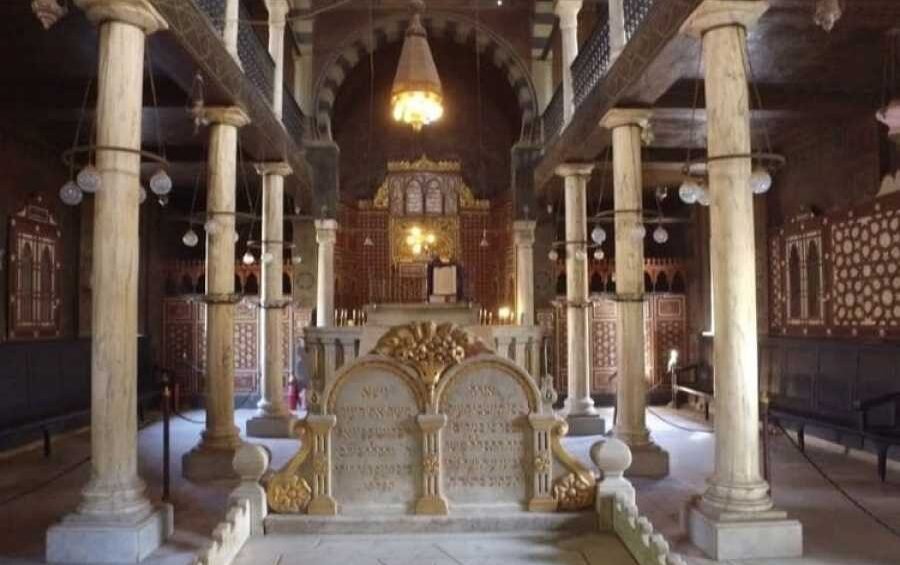
The Ben Ezra Synagogue’s timeless architectural beauty reflects a harmonious blend of oriental and medieval influences. Its structure features high, vaulted ceilings held by thick columns, with a central bimah and intricately carved wooden balconies that once segregated male and female worshippers. The sanctuary glows with soft light filtering through stained glass windows, casting colorful reflections that add a spiritual aura to the interior. Every element—woodwork, marble panels, and geometric designs—tells a story of devotion and artistry nurtured by generations who sought to keep their faith alive despite adversity.

The wooden ceiling in particular bears traces of Ottoman ornamental style, hinting at later renovations, while remnants of Arabic calligraphy stand as subtle reminders of Cairo’s Islamic artistic legacy. Walking through its doorways is like traversing a timeline of Egypt’s diverse artistry, much like exploring historic gems such as the nearby Hanging Church and Mosque of Ibn Tulun—each monument unveiling another layer of the city’s plural heritage.

The Religious and Cultural Role of the Synagogue

For centuries, the Ben Ezra Synagogue functioned not just as a sanctuary but as the social and intellectual heart of Egypt’s Jewish community. Services, festivals, and community debates filled its halls with vitality. Its rabbis were renowned for their scholarship, fostering exchanges with Muslim and Christian theologians. This coexistence mirrored Cairo’s spirit as a cosmopolitan city at the crossroads of trade, learning, and belief.

The synagogue is also steeped in mystical lore. One ancient tale claims that Moses, as an infant, was found among the reeds near this very location by Pharaoh’s daughter—a legend that cements the site’s sacred status. While this association draws more on legend than archaeology, it captures the essence of how history intertwines with faith in Cairo’s sacred geography.

Preservation and Legacy of the Cairo Genizah

The rediscovery of the Cairo Genizah catapulted the Ben Ezra Synagogue into academic fame. The manuscripts found here changed the course of modern Jewish and Middle Eastern studies. Written in Hebrew, Aramaic, Arabic, and Judeo-Arabic, these fragments reveal the daily lives of Jews under Muslim rule and highlight Cairo’s pivotal role as a center of trade and intellect during the Fatimid period. The Genizah records marriages, dowries, business ventures, and even recipes—an invaluable mosaic of human experience. Collectors and archaeologists who studied these texts turned the synagogue into a hub of historical research.

Modern Restoration and Tourism Experience

Today, the Ben Ezra Synagogue is fully restored and serves as a museum rather than an active place of worship, symbolizing Egypt’s commitment to preserving its multicultural past. Managed carefully to protect its delicate structure, the site remains open to visitors eager to explore Old Cairo’s Coptic and Jewish quarters. Adjacent to landmarks like Babylon Fortress and Abu Serga Church, the synagogue forms part of a unique religious triangle that encapsulates Judaism, Christianity, and Islam’s historical coexistence.

Tourists can easily combine their visit with Cairo Day Tours or curated heritage experiences such as the Journey of the Holy Family in Egypt. Inside, visitors can appreciate preserved Torah scrolls, intricate liturgical furnishings, and inscriptions that tell centuries-old stories. It’s not unusual to find travelers quietly gazing at its ornate ark, lost in reflection amid the whispers of history.

Ben Ezra Synagogue in Contemporary Egypt

Though Cairo’s Jewish population has dwindled over the last century, the Ben Ezra Synagogue remains a proud symbol of Egypt’s plural past. It embodies tolerance and cultural dialogue. Egyptian authorities, in partnership with international organizations, have launched several conservation projects to safeguard the synagogue’s structure and digitalize Genizah fragments stored abroad. These efforts reinforce the country’s growing emphasis on heritage tourism, cultural inclusivity, and national identity.

In today’s Egypt, the Ben Ezra Synagogue stands as a bridge between civilizations, an enduring reminder that the roots of diversity run deep. Whether part of an Egypt Vacation Package or an independent exploration of Islamic Cairo, the site entices both scholars and wanderers with its whispering stones and evocative charm. Each visit unfolds a dialogue—between past and present, faith and inquiry—that defines Egypt’s cultural magic.

Visitor Tips and Travel Insights

When planning a trip to Old Cairo, timing and preparation matter. The best times to visit are between October and April, when the weather is mild and ideal for discovering Cairo’s historic quarter on foot. Guided excursions like the Coptic and Islamic Cairo Tour offer deep insight into the area’s intertwined cultures. Combine your Ben Ezra exploration with nearby landmarks such as the Coptic Museum, Hanging Church, and the Church of St. Sergius for a full understanding of Cairo’s ancient harmony.

Travelers seeking immersive experiences can extend their journey on a Cairo Tour Package or continue south on a Cairo and Nile Cruise, blending spiritual heritage with scenic river exploration. Such curated tours ensure convenient access, local insights, and professional guidance for first-time visitors.

The synagogue’s location inside a secure and welcoming district allows tourists of all backgrounds to feel safe while delving into millennia of Egyptian history. Photography is permitted in designated areas, and travelers should dress modestly out of respect for local customs. Nearby markets surrounding the Coptic quarter also offer unique souvenirs, from handmade crafts to religious artifacts, adding a memorable touch to any visit.

Frequently Asked Questions about Ben Ezra Synagogue

Where is the Ben Ezra Synagogue located?

The Ben Ezra Synagogue stands in the Coptic quarter of Old Cairo, near Mar Girgis Street. It’s within the same complex as the Coptic Museum and easily accessible from downtown Cairo by taxi or metro. The exact area is commonly known as Religious Complex, a hub housing Cairo’s oldest churches, mosques, and synagogues.

What’s the historical importance of the Ben Ezra Synagogue?

The synagogue holds immense cultural and academic significance due to its architecture and the discovery of the Cairo Genizah—an archive of ancient Jewish manuscripts that revolutionized historical research. It reveals valuable insights into medieval Jewish, Arabic, and Mediterranean societies.

Can visitors enter the synagogue today?

Yes. The Ben Ezra Synagogue is open daily to tourists under the supervision of Egypt’s Ministry of Antiquities. Visitors can explore the sanctuary, admire restored artifacts, and learn about Egyptian Jewish heritage as part of organized Egypt Day Tours.

What is the best time to visit Ben Ezra Synagogue?

Late autumn and early spring are ideal for touring Old Cairo, offering pleasant temperatures and fewer crowds. Morning visits provide the best atmosphere for photography and uninterrupted reflection within the tranquil courtyard.

Is Ben Ezra Synagogue part of Egypt’s interfaith heritage?

Absolutely. The site exemplifies Egypt’s inclusive spiritual fabric. Its proximity to Christian and Islamic monuments underscores Cairo’s long-standing tradition of coexistence and cultural exchange that continues to inspire visitors from all over the world.
Al Rifai Mosque

Al Rifai Mosque: The Magnificent Mausoleum of Cairo’s Royal Legacy

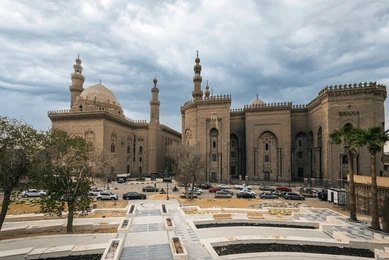
Standing boldly in the heart of historic Cairo, Al Rifai Mosque is more than a religious sanctuary — it’s a symbol of elegance, power, and Egypt’s evolving identity across centuries. Situated right beside the grand Sultan Hassan Mosque, this architectural marvel perfectly blends Islamic sophistication with European flair. Built during the 19th and 20th centuries, the mosque serves as the final resting place of Egyptian royalty and foreign monarchs. For travelers exploring Islamic Cairo, the Al Rifai Mosque is a must-see, offering a serene escape into Egypt’s royal and spiritual heritage.

The mosque’s immense marble facades, intricate mosaics, and sprawling courtyards tell stories of a Cairo caught between tradition and modernization. With its domes reaching gracefully into the sky and its ornate prayer halls echoing verses of faith, Al Rifai Mosque attracts not just worshippers but also lovers of architecture, historians, and curious wanderers. Its historical importance goes beyond religion — it embodies Egypt’s political transformations, the influence of European design, and the grandeur of dynastic tombs all in one stunning landmark.

For those on Cairo Day Tours, visiting Al Rifai Mosque offers a journey through the pages of time. Whether you’re strolling through the Citadel area, uncovering treasures of The National Museum of Egyptian Civilization, or soaking in the atmosphere of El Moez Street, the mosque stands as an epic centerpiece of architectural beauty and historical depth. Let’s uncover its fascinating story — from conception to completion — and explore what makes it one of Cairo’s most majestic sites.

The Historical Genesis of Al Rifai Mosque

The origins of Al Rifai Mosque trace back to the 19th century when Khoshiar Hanim, the mother of Khedive Ismail, envisioned a grand mausoleum to honor the revered mystic Sheikh Ali El Rifai and house royal family tombs. Construction began in 1869 but went through long interruptions due to financial constraints and political unrest. It was finally completed in 1912 under the direction of Hungarian architect Max Herz Bey, blending European design sensibilities with Mamluk-inspired patterns.

Historically, the area surrounding the mosque has always been sacred. Located across from the Citadel of Salah El-Din, this complex became an iconic symbol of Egypt’s spiritual resilience through ages of conquest and revival. The decision to construct Al Rifai Mosque next to the Sultan Hassan Mosque wasn’t coincidental; it reflected the country’s conscious effort to showcase religious continuity while embracing modern aesthetics.

Today, visiting Al Rifai Mosque during your Cairo City Tour allows you to explore this intersection between faith and political history, where every marble pillar whispers stories from Egypt’s dynamic past.

Architectural Grandeur and European Influence

Al Rifai Mosque’s architecture is a visual symphony of Italian marble, mosaic floors, and colossal arched entrances. Unlike many Islamic monuments of earlier centuries, this mosque infuses Renaissance and Baroque influences into its design. The result? A grand structure that feels both authentically Egyptian and distinctly cosmopolitan. Its massive minarets, detailed stucco work, and finely veined stone walls leave visitors awestruck.

Inside, the prayer hall glows under the light filtering through stained-glass windows, creating an intimate yet regal space. The mosque’s mihrab and minbar showcase delicate craftsmanship reminiscent of Mamluk tradition, while the vast domes above echo European cathedral design. Architects intended the mosque to symbolize a new era — one where Egypt embraced modernity without forgetting its deep-rooted Islamic identity.

If you’re passionate about monumental architecture, pair your visit with tours to the Mosque of Ibn Tulun and the Al Azhar Mosque, both of which offer insight into Cairo’s evolving architectural soul.

The Royal Tombs Inside Al Rifai Mosque

Perhaps the most intriguing aspect of Al Rifai Mosque is its role as a royal necropolis. Within its solemn chambers lie the tombs of kings, queens, and dignitaries who shaped Egypt’s modern destiny. Among the most notable are King Fuad I, King Farouk — Egypt’s last reigning monarch — and Reza Shah Pahlavi, the exiled Shah of Iran. Their ornate tombs, each adorned with marble and inscribed with historical epitaphs, reflect a life of grandeur and transition.

This sacred interior also hosts the remains of Khoshiar Hanim herself, whose vision brought this masterpiece to life. The presence of multiple tombs has transformed Al Rifai Mosque into Egypt’s modern counterpart to medieval mausoleums. It’s a unique experience, merging spirituality with a glimpse into state affairs, making it one of the most photographed and researched sites on Egypt Day Tours.

The Religious and Cultural Significance

Beyond politics and architecture, Al Rifai Mosque remains an active place of worship and a devout symbol for followers of the Rifai Sufi order. The mosque was originally dedicated to Sheikh Ali El Rifai, a 12th-century Iraqi saint whose teachings inspired followers across the Arab world. Pilgrims often visit his shrine inside the mosque, seeking blessings and inner peace.

In the wider cultural context, the mosque embodies Cairo’s harmony between old and new. Its ongoing role in national ceremonies and international visits cements its status as a living monument rather than a relic. This aspect makes Al Rifai Mosque not just a stop on Egypt Private Tours, but a meaningful landmark that connects faith, power, and art through centuries of transformation.

Al Rifai Mosque and Its Location in Cairo’s Heart

Set in the El Qalaa district, Al Rifai Mosque stands across from the Citadel, offering breathtaking views of Cairo’s skyline. The area bursts with history, featuring other remarkable attractions like the Alabaster Mosque and the Coptic Cairo quarter. The surrounding streets echo with life — from bustling souqs to traditional cafés selling mint tea and Turkish coffee.

For culture enthusiasts, a full-day exploration combining Al Rifai Mosque with the Grand Egyptian Museum or the Egypt Travel Safety guides ensures an immersive encounter with the capital’s most storied corners. Every turn leads to timeless art, architecture, and the soul of Egypt itself.

Planning Your Visit to Al Rifai Mosque

Al Rifai Mosque welcomes visitors daily, typically from morning until late afternoon. Modest dress is required; both men and women should cover shoulders and knees, while women are encouraged to wear a headscarf. Photography is generally permitted, though it’s always polite to seek permission. Guided tours provide deeper insights into its art and aristocratic burials, often included in comprehensive packages such as the 7 Days Cairo and Nile Cruise Package or the 6 Days Cairo to Luxor Tour.

After visiting, many travelers extend their journey southward with a Luxor Day Tour or a luxurious cruise like the Luxury Dahabiya Nile Cruise, combining Cairo’s wonders with the serenity of the Nile. Al Rifai Mosque thus serves as the perfect gateway to Egypt’s cultural and spiritual exploration.

Why Al Rifai Mosque Should Be on Every Traveler’s List

Few mosques encapsulate Egypt’s layered identity as magnificently as Al Rifai. It’s not only a mosque but a chronicle carved in stone — an eloquent dialogue between the old Islamic dynasties and the ambitions of a modern nation. Visiting this masterpiece offers more than sightseeing; it fosters a connection to Egypt’s royal past and its enduring religious devotion.

Whether you’re an architecture enthusiast tracing the rhythm of minarets or a photographer capturing Cairo’s sunset silhouette, the mosque’s intricate artistry will leave an indelible impression. On your trip with Cindrella Egypt Travel, this destination promises authenticity, peace, and a touch of divine history, making it an unforgettable highlight.

Frequently Asked Questions About Al Rifai Mosque

What is the historical significance of Al Rifai Mosque?

Al Rifai Mosque stands as a monumental reflection of Egypt’s 19th-century modernization under Khedive Ismail. It symbolizes the fusion of Islamic art and European architectural influence while serving as the burial place for royal figures and spiritual leaders, embodying both religious honor and national legacy.

Where is Al Rifai Mosque located?

The mosque is situated in El Qalaa (Citadel) Square in Old Cairo, directly facing the Sultan Hassan Mosque. Its proximity to other landmarks like the Citadel of Salah El-Din and Al-Muizz Street makes it easily accessible for travelers exploring the city’s Islamic treasures.

Who is buried inside Al Rifai Mosque?

The mosque houses the tombs of Egypt’s royal family, including King Fuad I and King Farouk, as well as Khoshiar Hanim and the exiled Shah of Iran, Reza Pahlavi. Each tomb represents an era of Egypt’s evolution across dynasties and transitions of power.

What are the visiting hours and entry requirements?

Al Rifai Mosque is generally open from morning until the late afternoon. Modest clothing is required, and visitors must remove shoes before entering the prayer halls. Guided tours can enhance the experience, shedding light on its architecture and royal significance.

Which nearby attractions should be visited along with Al Rifai Mosque?

Visitors often pair their trip to Al Rifai Mosque with exploring the Islamic Art Museum in Cairo, The Hanging Church, and the nearby Al Azhar Park. Together, these sites offer a panoramic view of Cairo’s spiritual and artistic heritage.

Mosque Of Ibn Tulun

The Magnificent Mosque of Ibn Tulun: Egypt’s Timeless Islamic Masterpiece

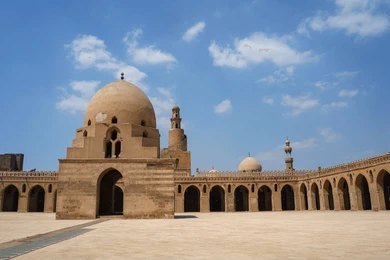
In the heart of historic Cairo lies one of Egypt’s most enduring treasures — the Mosque of Ibn Tulun. As the oldest mosque in Cairo still retaining much of its original form, this monumental site stands as a masterpiece of early Islamic architecture and devotion. Built in the 9th century, its grandeur, vast courtyard, and spiral minaret have fascinated travelers for centuries. The mosque doesn’t just tell a story of piety; it narrates an extraordinary chapter of Egyptian and Islamic heritage. For anyone exploring Islamic Cairo, visiting the Mosque of Ibn Tulun offers a glimpse into an era when artistry, geometry, and faith intertwined seamlessly to create one of Egypt’s most captivating monuments.

More than being a mosque, it’s a living remnant that bridges ancient inspirations from Samarra with Cairo’s evolving urban identity. This remarkable structure remains an active place of worship while simultaneously serving as a stunning historical landmark. Its open-air courtyard framed by elegant arches, subtle Kufic inscriptions, and ornate stucco work invites visitors to pause and breathe in over a millennium of spirituality and architectural excellence. The story of Ibn Tulun, a visionary governor who commissioned this sanctuary, blends ambition, culture, and an enduring passion for legacy — one that continues to echo through the mosque’s resonant halls even today.

Nearby attractions, like the Citadel of Salah El-Din and the Al Azhar Mosque, create an intricate network of Islamic landmarks, making the Mosque of Ibn Tulun a vital stop in any Cairo Day Tour. A journey through its vast corridors evokes the legacy of early Islamic Egypt — a civilization grounded in art, faith, and architectural innovation.

Historical Origins of the Mosque of Ibn Tulun

The Mosque of Ibn Tulun traces its roots back to 876–879 AD, commissioned by Ahmad Ibn Tulun, the founder of the Tulunid dynasty. This was a time when Cairo, then known as al-Fustat, was emerging as a beacon of Islamic leadership. Ibn Tulun envisioned a mosque that would not only accommodate large congregations but would also serve as a powerful representation of his authority and refined taste. The result was a monumental complex capable of hosting thousands, rivaling the grand mosques of Baghdad and Damascus.

Ahmad Ibn Tulun’s decision to build his mosque atop the ‘Jabal Yashkur,’ or Hill of Thanksgiving, was no random choice. According to local lore, this very hill is where Noah’s Ark came to rest after the floodwaters receded. Whether by myth or design, the symbolism perfectly suits a sanctuary of gratitude and worship.

During your exploration of Islamic Cairo or while booking a Coptic and Islamic Cairo Tour, you’ll quickly realize that the Ibn Tulun Mosque is not merely old — it’s a living testament to Cairo’s layered evolution through centuries of faith and artistry.

Architectural Inspiration: From Samarra to Cairo

The architecture of the Mosque of Ibn Tulun draws heavily from the Abbasid style of Samarra, featuring expansive courtyards, pointed arches, and the signature spiral minaret. Its clean lines and geometric harmony reflect early Islamic architectural principles emphasizing simplicity and divine unity. The red brick and gypsum materials, along with its ingenious design, make it one of the largest mosques in Africa still intact from its original construction.

The mosque’s horseshoe arches and elaborately carved stucco panels display the artistic depth of the Tulunid era. The open-air sahn (courtyard) surrounded by riwaqs (arcades) embodies balance and serenity, contrasting beautifully with the hubbub of Cairo outside its walls. Visitors stepping through its gates are often struck by the tranquil silence, a striking shift from the city’s rhythm.

The Iconic Spiral Minaret: A Symbol of Innovation

Among the most distinctive features of the Mosque of Ibn Tulun is its spiral minaret, inspired by Iraq’s Great Mosque of Samarra. This helix-shaped tower ascends gracefully from a square base, allowing worshippers to climb it via an external staircase. The minaret offers stunning panoramic views of Old Cairo, stretching toward landmarks like Sultan Hassan Mosque and the Al Rifai Mosque. This unique design wasn’t just an aesthetic statement but also served practical purposes — guiding the muezzin’s call to prayer across early medieval Cairo.

The spiral minaret became an architectural marvel that influenced countless later mosques across the Islamic world. For architectural enthusiasts and travelers exploring Egypt through Luxury Egypt Tours, ascending the minaret is an unmissable experience, merging history, artistry, and an unbeatable view of Egypt’s ancient skyline.

Spiritual and Cultural Significance

The Mosque of Ibn Tulun isn’t just an architectural jewel; it’s a profound symbol of enduring spirituality. For centuries, it has been a place of meditation, prayer, and education. The structure’s simplicity captures the essence of early Islamic worship: direct, humble, and deeply personal. The central courtyard’s vast emptiness encourages reflection, while the rhythmic arrangement of arches draws the visitor’s gaze inward — toward the soul and the divine.

Within its walls, theology, philosophy, and science once converged, turning the mosque into a hub for scholars and artists. Many spiritual leaders considered the mosque’s purity of design a reflection of the Muslim relationship with God: infinite, symmetrical, and eternally balanced. For today’s travelers, standing inside the hall evokes the same awe Ibn Tulun himself must have felt over a millennium ago.

Preservation Through the Centuries

Unlike many historical structures in Cairo that underwent extensive modifications, the Mosque of Ibn Tulun miraculously remains largely unchanged since its completion. Restoration efforts by various rulers, including Sultan Lajin in 1296, helped reinforce the mosque’s integrity while maintaining its original spirit. Today, the mosque is protected as part of Cairo’s UNESCO World Heritage Islamic quarter, drawing historians, architects, and worshippers alike.

Nearby, visitors can explore landmarks like the Grand Egyptian Museum or embark on a Cairo City Tour to connect the mosque’s narrative to broader historical contexts, envisioning how Egypt’s faith and artistry continue to flourish side by side.

The House of Gayer-Anderson: A Glimpse into the Past

Adjoining the mosque stands the Gayer-Anderson Museum, a beautifully preserved Ottoman-era residence that complements the mosque’s story perfectly. Visitors can step inside its rooms, still filled with antique furniture, Islamic art, and decorative pieces collected by the British officer Gayer-Anderson in the 1930s. Together with the mosque, this museum paints a vivid portrait of Cairo’s changing cultural identity — a blend of Islamic heritage and colonial intrigue.

Many Egypt Private Tours integrate visits to both the Mosque of Ibn Tulun and the Gayer-Anderson House, providing a seamless journey through Egypt’s architectural and cultural splendor.

Architectural Symbolism and Design Philosophy

The mosque’s rectangular layout, with a central open courtyard surrounded by deep arcades, symbolizes both physical and spiritual openness. Every design aspect — from the alignment toward Mecca to the symmetrical arches — reflects deep mathematical precision and symbolic unity. The Kufic script carving verses of the Qur’an around the mosque exemplifies the sacred geometry that defines Islamic art at its purest form.

The mosque’s mihrab (prayer niche) and minbar (pulpit) were crafted using polished marble and delicately carved wood, emphasizing permanence and harmony. Ibn Tulun’s architects designed each feature to represent earthly humility and heavenly grandeur, merging earthly form with divine order — a concept mirrored at sites like Temple of Hatshepsut and Abu Simbel Temples, where spirituality and architecture intertwine seamlessly.

An Enduring Tourist Attraction

Today, the Mosque of Ibn Tulun attracts thousands of international visitors every year. Whether you’re on a quick day trip to Cairo or on an extensive itinerary like the 10-Day Cairo with Nile Cruise, this mosque should top your must-see list. Its quiet majesty offers a perfect retreat from Cairo’s energy, inviting travelers to walk in the footsteps of ancient voices echoing through sandstone corridors.

For added cultural depth, pair your visit with the nearby Islamic Cairo attractions or explore the surrounding streets filled with local crafts, coffeehouses, and old-world charm. The area remains one of the best-preserved examples of early Islamic urban design anywhere in the world.

FAQs About the Mosque of Ibn Tulun

Where is the Mosque of Ibn Tulun located?

The Mosque of Ibn Tulun is located in the Sayyida Zaynab district of Old Cairo, Egypt. It lies between the Citadel and the historic heart of Islamic Cairo, making it easily accessible on most tour itineraries or Egypt Day Tours.

Who built the Mosque of Ibn Tulun?

The mosque was built by Ahmad Ibn Tulun, the governor of Egypt under the Abbasid Caliphate. Constructed between 876 and 879 AD, it served both as a place of worship and as a statement of Tulunid independence and architectural innovation.

What is unique about the Mosque of Ibn Tulun’s design?

The Mosque of Ibn Tulun is famed for its vast open courtyard, pointed arches, and the distinctive spiral minaret — a design inspired by the Great Mosque of Samarra in Iraq. Its use of brick and stucco, along with minimal ornamentation, makes it a profound blend of beauty and restraint in Islamic architecture.

Can visitors enter the Mosque of Ibn Tulun?

Yes, tourists are welcome to visit the mosque throughout the week. Modest attire is expected, and entering during prayer hours offers a serene, authentic experience. Its tranquil ambiance provides a welcome escape from the bustling streets of Cairo.

Why should travelers include the Mosque of Ibn Tulun in their Egypt itinerary?

The mosque is one of the few remaining untouched gems of Islamic architecture in Egypt. It offers insight into 9th-century design, spirituality, and urban planning, making it an essential stop for cultural enthusiasts, historians, and first-time visitors exploring the wonders of Egypt Vacation Packages.

Papyrus Museum

Discover the Timeless Beauty of the Papyrus Museum in Cairo

The Papyrus Museum in Cairo is a captivating treasure trove of ancient artistry and cultural heritage that transports visitors back to the dawn of written civilization. For centuries, papyrus—crafted from the stalks of the Cyperus papyrus plant—was the lifeblood of communication in the ancient world. Inside this remarkable museum, history isn’t just preserved; it’s reborn in every vibrant stroke of ink and every meticulously crafted reproduction of ancient Egyptian texts. Stepping into the Papyrus Museum feels like walking into a page of history where myth, art, and craftsmanship intertwine seamlessly. The museum’s hushed halls celebrate an art form nearly 5,000 years old while showcasing modern artisans who keep the legendary papyrus-making tradition alive today. Located close to the banks of the Nile and many other cultural landmarks, this museum invites travelers, historians, and art lovers to immerse themselves in Egypt’s enduring artistic spirit. Whether you’re exploring its ancient scrolls or watching artisans transform raw stalks into luminous sheets of history, every moment in the Papyrus Museum reveals the soul of Egyptian civilization—a civilization that gave humanity its earliest form of written expression.

Those captivated by Cairo’s historic charm can complement their visit to the Papyrus Museum with other phenomenal experiences such as the Egyptian Eye of Horus, a symbol that often appears in papyrus art, or the breathtaking architectural wonder known as The Alabaster Mosque. Travelers eager for a deeper look into Egypt’s culture may also explore The National Museum of Egyptian Civilization, where ancient artifacts and royal mummies complement the artistry of papyrus scrolls. Together, these destinations paint a complete picture of Egypt’s historical and artistic richness.

The Origins of Papyrus and Its Influence on Civilization

Before the invention of modern paper, papyrus was the cornerstone of communication across ancient Egypt and the Mediterranean world. The Egyptians mastered the delicate process of transforming the aquatic papyrus stem into thin, durable sheets that carried sacred texts, royal decrees, and literature. This technique spread far beyond Egypt’s borders, influencing neighboring nations like Greece and Rome. The Papyrus Museum provides not only stunning reproductions of these ancient documents but also live demonstrations of the art of papyrus making, offering a rare hands-on experience for history enthusiasts. Visitors watch as skilled craftsmen peel, press, and dry the papyrus reeds, revealing the stunning texture and natural sheen that kept this medium relevant for thousands of years.

Just like a trip through The Grand Egyptian Museum, where the evolution of ancient artistry unfolds, exploring papyrus production unveils Egypt’s early mastery of natural materials. Each sheet tells a story, much like carvings at the Temple of Philae or inscriptions in the Abu Simbel Temples—meticulous, enduring, and filled with symbolism.

How the Papyrus Plant Became Egypt’s Symbol of Life and Knowledge

In ancient Egypt, the papyrus plant wasn’t merely a raw material—it was a sacred emblem of life, growth, and knowledge. The plant thrived in the marshy delta of the Nile, representing the close relationship between Egyptians and their life-giving river. Ancient temple reliefs often depicted papyrus entwined in the hands of gods or as adornments of royal crowns. At the Papyrus Museum, visitors gain insight into the religious and cultural symbolism behind this plant, seeing how divine iconography was translated into artistic masterpieces. Egyptian artisans used papyrus to record everything from hieroglyphic prayers to economic records, ensuring the plant’s legacy transcended time and geography.

Those traveling through Upper Egypt can witness similar cultural echoes by visiting Luxor Temple or the Habu Temple, where motifs of papyrus appear in column carvings and wall inscriptions. Every artistic element serves as a whisper from the past, connecting today’s observer with ancient reverence for papyrus as the root of knowledge.

Inside the Papyrus Museum: A Journey Through Art and Heritage

The Papyrus Museum is not just an exhibition—it’s an immersive educational experience combining the aesthetic brilliance of ancient art with the precision of modern preservation. Visitors are welcomed by expert guides who narrate the story of Egyptian papermaking, from the selection of reeds to the final painted masterpiece. Within its galleries, vibrant scenes of deities, pharaohs, and mythological tales spring to life in brilliant hues. Each painting reflects the unwavering devotion to Egyptian artistry and storytelling traditions. Among the museum’s best-selling works are reproductions of scenes from the Book of the Dead, celestial maps, and depictions of gods like Anubis and Isis, all painted on authentic papyrus sheets using natural pigments.

Art-lovers fascinated by Egyptian mythology will find connections between papyrus art and the stories immortalized in structures such as the Ramesseum Temple and carvings describing divine judgment scenes. It’s this blend of faith, imagination, and ancient wisdom that makes the Papyrus Museum an unforgettable stop for cultural travelers and students of Egyptian history alike.

Techniques of Papyrus Production: Preserving Ancient Knowledge

The process of making papyrus involves remarkable craftsmanship. Inside the museum’s demonstration room, guides showcase how green papyrus stems are stripped, soaked, pressed, and layered into sheets. The resulting material, fibrous yet durable, was ideal for painting and writing. This process, once guarded as a royal secret, laid the foundation for global literacy. Visitors witness every step up close—a tactile connection between them and a technology nearly five millennia old. The Papyrus Museum’s experts also discuss methods of restoration, conservation, and how ancient inks have survived the ages without fading, even under Egypt’s harsh desert climate.

For travelers exploring Egypt’s educational and artisanal legacy, visiting this museum can complement tours like Cairo Day Tours and the enriching Egypt Family Tours, where interactive cultural learning brings history alive for all ages.

Why Visiting the Papyrus Museum Should Be on Every Egypt Itinerary

Including the Papyrus Museum in your Egyptian itinerary isn’t just about sightseeing—it’s about rediscovering humanity’s artistic beginnings. For many travelers, it’s an emotional experience to watch artisans reproduce the same imagery that once decorated the tombs of great rulers. The friendly and knowledgeable staff make history feel accessible and thrilling. Moreover, visitors can purchase authentic papyrus artwork directly from the museum’s gallery, ensuring each souvenir supports local craftsmanship while bringing an enduring symbol of Egypt’s genius back home. Every piece holds a story, every image echoes the myths that continue to shape the world’s fascination with Egypt.

After exploring the museum, many visitors continue their journey to historical destinations such as Sakkara Necropolis or embark on a serene Luxor Hot Air Balloon Ride to admire Egypt’s timeless landscape from above. Together, these adventures provide a vivid panorama of the art, spirit, and legacy of ancient Egypt.

Modern Relevance and Educational Impact of the Papyrus Museum

The Papyrus Museum serves a vital educational role in modern Egypt, bridging the gap between ancient innovation and contemporary creativity. The museum welcomes students, artists, and international researchers eager to understand how papyrus revolutionized communication. Workshops encourage participants to create their own pieces, fostering appreciation of Egypt’s earliest art form. Educational displays explain hieroglyphic scripts, traditional pigments, and the chemistry of ancient inks, making the museum an interactive classroom for all ages. It highlights not only Egypt’s past but also its enduring contribution to global history, linguistics, and art restoration.

After immersing in educational exhibits, travelers can extend their learning to nearby sites like Coptic Cairo (Old Cairo) or visit The Coptic Museum for a deeper understanding of Egypt’s cross-cultural history. These connections reinforce the museum’s importance as a cultural link in Cairo’s golden triangle of heritage.

Preserving Egypt’s Cultural Heritage Through Papyrus Art

Today, papyrus art does more than decorate—it preserves the essence of an ancient culture for future generations. The Papyrus Museum collaborates with Egyptian artists to sustain authentic techniques while innovating new designs that reflect modern themes. The fusion of historical integrity and modern creativity ensures the papyrus legacy remains vibrant. Through exhibitions, workshops, and international collaborations, the museum promotes Egyptian identity while connecting global audiences to the roots of written history. It acts as both an artistic hub and a historical guardian of civilization’s oldest writing surface.

Travelers can deepen their appreciation for Egypt’s visual heritage with cultural tours such as Egypt Day Tours or experience the artistic inspiration that flows along the Nile through Luxury Nile Cruise journeys where ancient art seems to float alongside timeless river views.

Practical Information for Visiting the Papyrus Museum in Cairo

The Papyrus Museum is conveniently situated along the city’s tourist corridor, easily accessible by car and guided tours. The museum typically opens daily from 9 AM to 5 PM, but schedules may vary. Entry fees are modest, often including guided explanations and access to viewing areas. Most exhibits are labeled in multiple languages, ensuring accessibility for travelers from around the globe. Photography is allowed in designated areas, and the museum shop offers certified papyrus artworks accompanied by authenticity certificates. For those seeking a structured cultural experience, visitors can join organized excursions such as Cairo City Tour to Egyptian Museum, Citadel and Old Cairo or 2 Day Tour of Cairo and Alexandria that often include the Papyrus Museum among their iconic stops.

Tips for Travelers and Collectors

When purchasing papyrus artwork, ensure the piece bears the museum’s authenticity seal guaranteeing that it was made using genuine papyrus plant materials—not imitation banana leaf. High-quality works use natural pigments that retain color for decades. Collectors should also consider temperature and humidity when framing their pieces to preserve the delicate fiber texture. Bargaining isn’t necessary within the museum as prices are fixed and funds directly support local artisans. Taking a guided walk through the art gallery before purchasing allows visitors to select designs that reflect personal interests—whether depictions of pharaohs, cosmic scenes, or hieroglyphic inscriptions.

To enrich their trip, culture enthusiasts may combine a museum tour with local excursions such as Day Tour to Giza Pyramids & Sakkara or relaxing cruises like Steigenberger Royale Nile Cruise, blending education and leisure beautifully.

Frequently Asked Questions About the Papyrus Museum

1. Where is the Papyrus Museum located in Cairo?

The Papyrus Museum is situated near the Giza Plateau area, close to major attractions like the Pyramids and the Sphinx. This prime location makes it easy to include in a full-day itinerary exploring Cairo’s ancient wonders and nearby landmarks such as Giza City.

2. What makes the Papyrus Museum different from other museums?

Unlike traditional collections, the Papyrus Museum focuses on one of humanity’s earliest technologies: written communication. Visitors witness live demonstrations of authentic papyrus production while exploring art pieces that capture Egypt’s history in brilliant detail. It blends education, creativity, and interactivity, making it a standout experience for all ages.

3. Can visitors purchase authentic papyrus artwork?

Yes, the on-site gallery offers 100% authentic papyrus paintings certified by the museum. Each piece is handmade using ancient methods and often depicts

White Monastery

White Monastery: The Timeless Jewel of Coptic Monastic Heritage in Egypt

Set against the sun-soaked sands near Sohag in Upper Egypt, the White Monastery—locally known as Deir el-Abiad—stands as a monumental testimony to Coptic Christianity’s rich spiritual legacy and architectural prowess. With its dazzling limestone facade, the monastery appears as if it’s carved from light itself, gleaming brilliantly under the Egyptian sun. Founded in the fourth century by Saint Shenouda the Archimandrite, the White Monastery was once a thriving spiritual and intellectual hub, drawing monks, scholars, and pilgrims from across Egypt and beyond. Today, it remains one of the most significant landmarks in Egyptian Christian history, captivating travelers seeking sacred destinations and cultural treasures beyond the well-trodden tourist paths.

Beyond its imposing architecture, the White Monastery symbolizes the flowering of monasticism in early Christian Egypt—a movement that profoundly influenced the spiritual life of not only Africa but the entire Christian world. Visiting this monastery offers more than sightseeing; it’s a transformative journey into the roots of Coptic identity, faith, and heritage. The worn stones, ancient frescoes, and sacred silence inside its walls whisper stories of devotion, resilience, and timeless faith. For history lovers, architecture enthusiasts, and pilgrims alike, the White Monastery presents an unforgettable encounter with Egypt’s spiritual depths—complementing iconic landmarks like the Red Monastery and the ancient wonders of Luxor City.

The Founding of the White Monastery and Its Historical Significance

The White Monastery was established around 440 AD by Saint Shenouda, one of the most influential figures in early Coptic monasticism. His leadership transformed it from a modest hermitage into a vast monastic federation that housed thousands of monks and nuns. Saint Shenouda emphasized both spiritual discipline and education, turning the site into a beacon of theological study and manuscript production. The monastery’s library was once among the most renowned in the ancient Christian world, containing precious Coptic and Greek texts.

Located just a few kilometers from the Abydos Temple, this proximity between Christian and Pharaonic heritage highlights Egypt’s unique cultural continuity. The White Monastery stood as a spiritual fortress during turbulent times, enduring invasions, natural erosion, and centuries of shifting political landscapes. Despite these challenges, it remains a living house of prayer and a potent symbol of the survival of the Coptic faith.

Architectural Grandeur of the White Monastery

The monastery’s most striking feature is its dazzling white limestone construction, which earned it the name ‘White Monastery.’ Its architectural style is distinct, blending Pharaonic symmetry, Roman engineering, and Byzantine spiritual symbolism. The main basilica, now partly in ruins, once featured a magnificent vaulted roof and towering columns reminiscent of the temples of ancient Thebes. Inside, faded frescoes depict scenes from both the Old and New Testaments, while intricate carvings showcase the early fusion of Christian and Egyptian artistic motifs.

The monastery’s design mirrors Egyptian temples, with monumental stonework and massive outer walls that create both protection and sacred separation from the outside world. This architectural blend—where Christian sanctity meets ancient Egyptian precision—makes the site an essential stop for architecture enthusiasts and religious historians. When paired with nearby attractions like the Temple of Seti and the Dendera Temple Complex, the White Monastery offers a breathtaking cross-section of Egypt’s religious evolution.

The Spiritual Legacy of Saint Shenouda

Saint Shenouda the Archimandrite was not merely a monk but a visionary spiritual reformer. He emphasized strict asceticism, communal living, and intellectual rigor—a philosophy that helped shape monastic life across Egypt and beyond. Under his guidance, the White Monastery became the heart of the ‘Shenoutean Federation,’ one of the largest monastic networks of late antiquity. His writings, sermons, and letters—many written in Coptic—formed a cornerstone of Coptic Christian theology.

Shenouda’s leadership brought the monastery into contact with major Christian centers like Alexandria and Constantinople, influencing theological debates of the era. His commitment to spiritual purity and community welfare still inspires modern monastic communities, ensuring his spiritual flame continues to burn brightly through the centuries.

Artistic and Cultural Heritage Preserved Within the Monastery

Within the monastery’s remaining chambers, fragments of artistic splendor still captivate modern visitors. Ancient wall paintings portray biblical figures in vibrant hues, while sculpted crosses and inscriptions reveal the devotional artistry of early Egyptian Christians. These artworks serve as a vital link between Egypt’s Coptic identity and its broader cultural and historical landscape.

Scholars and archaeologists have long been fascinated by the White Monastery’s manuscripts and frescoes, many now preserved in museums worldwide. Visitors exploring nearby historical landmarks such as the Coptic Museum in Cairo can see examples of these recovered treasures, each shedding light on Egypt’s early Christian artistry and literary development.

Modern Role of the White Monastery in Egyptian Christianity

Today, the White Monastery remains an active site of worship and pilgrimage. Coptic monks continue to live within its walls, following ancient liturgical traditions that date back over fifteen centuries. Every year, thousands of faithful gather here to celebrate the feast of Saint Shenouda, transforming the desert surroundings into a vibrant spiritual festival marked by prayer, hymns, and processions.

For travelers seeking meaningful cultural immersion, a visit to the White Monastery complements modern itineraries that include Luxor Day Tours and the fascinating Day Trip to Luxor from Cairo by Air. The monastery stands as a reminder that Egypt’s story isn’t written solely in hieroglyphs and stone pharaohs—it’s also etched in the devotion of those who built and preserved early Christian sanctuaries amidst the sands.

Visiting the White Monastery: What to Expect

Travelers reaching Sohag can easily visit both the White and Red Monasteries on the same day, as they lie only a few kilometers apart. The journey offers glimpses into rural Egyptian life and the tranquil landscapes of the Nile Valley’s western bank. Upon arrival, visitors are welcomed by the serene aura of the monastery, where echoing prayers and soft candlelight create a contemplative atmosphere.

Guided tours explain the monastery’s structure, its ancient relics, and its ongoing role in preserving Egypt’s spiritual heritage. Many Egypt vacation packages, such as the 10 Days Palace Hotels in Egypt Tour or the Egypt Vacation Packages, can incorporate Sohag into a broader route connecting Upper Egypt’s most fascinating sites.

The Architecture That Speaks Through Centuries

The church’s nave and transepts remain impressive even in their partially ruined state, demonstrating both the advanced engineering and the symbolic intent of its builders. The ancient stones seem to radiate sanctity, while the carved reliefs—though eroded—still carry traces of the Coptic alphabet and Christian iconography. Inside, the air feels thick with history, a sensory dialogue between devotion and time.

Photographers and cultural seekers alike find inspiration in the contrast between the stark desert light and the monastery’s pale limestone—one of Egypt’s most hauntingly beautiful scenes. Pairing a visit with a Luxury Nile Cruise offers a seamless blend of spiritual heritage and serene exploration along the timeless Nile.

How to Get There and When to Visit

The White Monastery is located roughly 10 kilometers northwest of Sohag city and is accessible by road or via local tours departing from Luxor or Asyut. The monastery welcomes visitors year-round, but the best time to visit is during cooler months between October and April. Travelers who prefer intimate cultural journeys might consider taking organized excursions like the Private Day Tour to Luxor from Aswan or extending their trip through Upper Egypt with one of the Egypt Day Tours.

Preservation and Ongoing Restoration Efforts

Recent decades have seen renewed attention from archaeologists and preservationists aiming to protect the White Monastery’s crumbling structures. Restoration projects, often carried out in collaboration with the Coptic Church and international scholars, focus on stabilizing the basilica’s walls and conserving the remaining fresco fragments. These efforts are vital, ensuring the monastery continues to inspire future generations.

Much like the preservation works in prominent heritage sites such as the Hanging Church and the Abdeen Palace, protecting the White Monastery reflects Egypt’s broader commitment to safeguarding its diverse cultural heritage—both pharaonic and Christian.

Why the White Monastery Matters: Cultural and Spiritual Tourism in Egypt

In a nation celebrated for pyramids and ancient temples, the White Monastery stands as a reminder that Egypt’s religious narrative didn’t end with the pharaohs. It bridges the ancient and the sacred, inviting pilgrims and curious travelers alike to step into a world where time seems suspended. Spiritual tourism to the White Monastery allows deeper insight into the origins of communal monastic life, a tradition that still shapes Christian spirituality globally.

For travelers seeking authenticity, visiting such hidden gems offers an evocative alternative to mainstream sites. Combining a monastery visit with spiritual tours across Egypt—such as the Coptic Cairo district or the legendary St. Catherine’s Monastery in Sinai—unveils Egypt’s diverse religious tapestry and the living connections between faith and history.

FAQs About the White Monastery

What is the White Monastery in Egypt famous for?

The White Monastery is renowned for its white limestone architecture, spiritual significance, and status as one of Egypt’s oldest Christian monastic sites. Founded by Saint Shenouda in the fifth century, it served as a powerful intellectual and religious center that shaped Coptic monastic tradition and early Christian theology.

Where is the White Monastery located?

It lies about 10 kilometers northwest of Sohag in Upper Egypt, near the west bank of the Nile. The site is accessible by car, and most guided tours include visits to both the White and Red Monasteries on the same trip.

Who built the White Monastery, and when?

Saint Shenouda the Archimandrite founded the monastery around 440 AD. Under his leadership, it became a massive monastic community known for discipline, education, and cultural achievements that influenced the Christian world.

What can visitors see at the White Monastery today?

Visitors can explore the remains of its grand basilica, ancient frescoes, and monastic quarters. The atmosphere of prayer and tranquility remains intact, offering a glimpse into Egypt’s early Christian devotion.

Can the White Monastery be included in Egypt tour packages?

Absolutely. Many Egypt Private Tours, pilgrimage itineraries, and cultural routes integrate visits to the White Monastery. It’s often paired with nearby historical attractions in Sohag, Abydos, and Dendera, enriching the spiritual and historical dimensions of any Egyptian adventure.

Red Monastery

Red Monastery in Sohag: A Coptic Masterpiece of Early Christian Egypt

Nestled on the western bank of the Nile near Sohag, the Red Monastery—known locally as Deir Anba Bishai—stands as one of Egypt’s most stunning examples of Coptic Christian architecture. Its name comes from the reddish hue of its burnt-brick walls, which glow warmly under the desert sun. Steeped in nearly sixteen centuries of devotion, art, and monastic discipline, this ancient sanctuary remains an extraordinary reminder of Egypt’s deep Christian heritage. Through meticulous restoration, the monastery has emerged as a vibrant testimony to early monastic life, making it an essential highlight for history enthusiasts and pilgrims visiting Upper Egypt. Whether you’re tracing the footsteps of hermit monks or admiring the dazzling frescoes, the Red Monastery offers a journey back to an era when faith shaped art and architecture in breathtaking ways.

The Red Monastery pairs seamlessly with other Coptic jewels like the nearby White Monastery, creating a sacred ensemble that reveals the spiritual fabric of ancient Egyptian Christianity. Both monasteries, founded around the 4th and 5th centuries AD, sit amid the golden sands of Sohag, a region rich in both Pharaonic and Christian legacies. Travelers exploring Upper Egypt through tailored Egypt Private Tours or heritage-focused itineraries often find themselves enchanted by the peace, art, and architecture that define these sites.

Historical Origins of the Red Monastery

The Red Monastery was built in the 4th century AD during Egypt’s early Christian period, under the influential monastic movement inspired by St. Pachomius. Tradition attributes its founding to Saint Pishay (Anba Bishai), a devoted disciple of Saint Shenouda the Archimandrite, leader of the renowned White Monastery community. Both structures formed part of a flourishing monastic federation that nurtured Egypt’s Coptic identity, blending Hellenistic, Roman, and native artistic influences into vibrant religious expression.

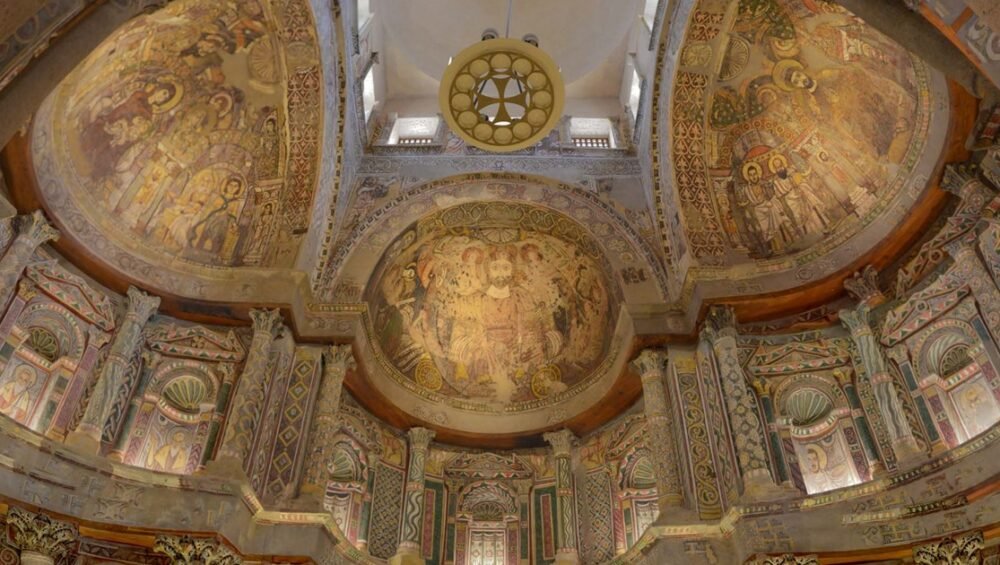
In contrast to its stark, fortress-like exterior, the Red Monastery’s interior reveals a world of intricate frescoes and painted reliefs. These decorations, among the most complete and best-preserved of any Late Antique church, date back to between the 5th and 7th centuries. Thanks to recent conservation efforts, visitors can once again witness the extraordinary geometric patterns, angelic portraits, and biblical scenes that adorn every corner. The artistry reveals clear connections to early Byzantine influence, making it a cornerstone for scholars studying Coptic art and architecture. For a deeper look into Egypt’s extraordinary sacred architecture, you may also explore the Temple of Seti in Abydos, which shares the same spiritual region of Sohag.

Architectural Brilliance: A Fortress of Faith

The Red Monastery’s architecture is a marvel of engineering, blending military-inspired design with sacred intention. Built of fired red bricks—which gave the structure its name—the monastery’s outer walls feature thick, buttressed forms designed to safeguard the monastic community from desert raids. Inside, the triconch-shaped sanctuary stands as a masterpiece of early Christian design, echoing Roman basilicas while preserving distinct Coptic features. Column shafts of blue marble, Corinthian capitals, and painted arcades emphasize both strength and grace. The effects of light filtering through narrow clerestory windows give the church a celestial ambiance, as if heaven itself blesses the worshippers below.

This iconic sanctuary reveals how early Egyptian builders combined aesthetics and devotion. The narthex, nave, and triple apses form a symbolic journey from earth to heaven. Much like the vivid splendor of the Luxor Temple, which narrates Egypt’s pagan past, the Red Monastery celebrates its Christian rebirth in brilliant shades of pigment and texture. Many travelers exploring ancient Egypt on a Luxury Nile Cruise make a special stop at Sohag to witness this architectural time capsule first-hand.

Artistic Frescoes: A Gallery of Sacred Stories

Stepping into the Red Monastery feels like entering a living icon. The walls are covered with vivid frescoes depicting saints, angels, apostles, and intricate biblical scenes painted in red, blue, and gold hues. These artworks have survived through centuries of abandonment, weathering, and war. Restoration projects spearheaded by international teams have brought to life hundreds of details once hidden under soot and decay. Layers of history are visible—each brushstroke whispering devotion from Egypt’s early Christians. The monastery’s colors and geometric forms create a spiritual rhythm unmatched in the Coptic world, rivaling even the charm of decorated tombs in Upper Egypt’s necropolises.

For art lovers exploring Egypt’s hidden wonders, pairing a visit to Sohag with cultural landmarks like the Coptic Museum in Cairo or the splendid Hanging Church offers an exceptional insight into the evolution of Christian art from the Roman era to modern Coptic traditions.

Monastic Life and Spiritual Legacy

During its peak, the Red Monastery was part of a thriving ascetic community. Monks here lived lives of strict contemplation, fasting, and manual labor, while copying sacred manuscripts that strengthened Egypt’s religious scholarship. Though centuries have passed, the spiritual atmosphere endures. The chanting of prayers echoes through corridors of baked brick, connecting today’s Coptic believers to those of centuries past. The monastery remains active, occasionally hosting liturgical services and drawing faithful pilgrims from across Egypt and beyond. Combined with visits to monasteries in Wadi El Natrun or St. Catherine’s Monastery in Sinai, the Red Monastery completes the pilgrimage circuit of Egypt’s most venerated Christian sites.

The Red Monastery’s Modern Revival

For decades, the Red Monastery languished under neglect; its ceiling cracked, frescoes dimmed, and walls weakened. However, in the late 20th and early 21st centuries, comprehensive restoration led by the American Research Center in Egypt revived this spiritual landmark. Engineers, archaeologists, and conservators meticulously cleaned the frescoes, consolidated brickwork, and stabilized the foundations. The results were breathtaking—revealing paintings so rich they transformed our understanding of early Christian aesthetics. The restoration, completed in partnership with the Egyptian Ministry of Antiquities, repositioned the Red Monastery as one of the most visually stunning religious monuments in Africa.

Visitors arriving through regional excursions or as part of Egypt Day Tours can explore the monastery’s church, ancient cells, and restored apse adorned with columns and murals. Combining the trip with excursions like a Day Tour to Pyramids, Memphis and Sakkara lets travelers experience both Pharaonic and Christian milestones in Egyptian history.

Visiting the Red Monastery Today

Located just north of Sohag city, the Red Monastery is easily accessible by car or through organized tours connecting Upper Egypt’s heritage trail. It pairs beautifully with cultural stops at the White Monastery and the rich archaeological zones of Abydos. Architecture enthusiasts, photographers, and spiritual travelers will find endless inspiration here—the harmony between ancient craftsmanship and divine creativity is palpable. The colors, restored to near-original brilliance, speak of a time when art was both devotion and expression. Beyond its visual splendor, the site serves as a symbol of perseverance for Egypt’s Christian minority, whose heritage continues to shape national identity.

Tourists often include the Red Monastery within multi-day Upper Egypt routes curated under programs such as 8 Days Best Egypt Tour with Nile Cruise or 6 Days Cairo to Luxor Tour, weaving a perfect narrative between ancient faith and timeless art. And for adventurous travelers, linking Sohag visits with spiritual oases like the Abu Simbel Temples or Aswan’s Temple of Philae adds depth to any cultural journey.

Preservation and Cultural Importance

In 2015, following years of conservation, the Red Monastery reemerged as a beacon of faith and art. UNESCO and academic circles hailed the site for its unparalleled iconographic preservation. It represents not only Egypt’s Christian heritage but also the enduring connection between art and spirituality across civilizations. Scholars trace cross-cultural influences between Coptic frescoes and Byzantine mosaics, offering insights into how Egyptian monks absorbed and reinterpreted global artistic trends. The Red Monastery thus transcends religion—it’s a universal monument to creativity born from devotion.

Travelers intrigued by ancient spirituality can extend their journey to explore Egypt’s desert hermitages or embark on a 7 Days Cairo, Luxor, Abu Simbel & Sahara Trip, discovering monastic ruins and desert sanctuaries where solitude and faith still reign supreme. The Red Monastery’s story, like the sands around it, remains timeless.

FAQs About the Red Monastery

Where is the Red Monastery located?

The Red Monastery lies about ten kilometers northwest of Sohag city in Upper Egypt, near the Nile’s west bank. Surrounded by desert plains, it forms part of a broader monastic complex that includes the White Monastery. Travelers can reach it easily by local transport or as part of organized cultural tours visiting Egypt’s Coptic landmarks.

Who founded the Red Monastery?

The Red Monastery was founded in the 4th century by Saint Pishay (Anba Bishai), a disciple of Saint Shenouda the Archimandrite. Together, these spiritual leaders established one of the most important centers of early monastic life in Egypt.

Why is it called the Red Monastery?

The name stems from the distinctive reddish brick used in its construction. The burnt clay hue not only gives the walls their characteristic tone but also distinguishes the monastery from its limestone-built counterpart, the nearby White Monastery.

Can visitors tour the inside of the Red Monastery?

Yes, visitors can tour the interior of the monastery, including the restored sanctuary and its spectacular frescoes. The site is open to tourists and pilgrims, usually as part of guided excursions arranged within heritage-focused or Luxury Egypt Tours.

What is the best time to visit the Red Monastery?

The best time to visit is during the cooler months between October and April when temperatures in Upper Egypt are pleasant for exploration. Early morning light beautifully highlights the reddish tones of the monastery’s exterior, ideal for photography enthusiasts seeking captivating compositions.

How does the Red Monastery contribute to Coptic heritage?

It serves as a living monument of early Christian Egypt, preserving art, architecture, and monastic traditions that shaped the spiritual identity of the Coptic Church. The frescoes and structural design exhibit continuity between ancient Egyptian, Greco-Roman, and Christian artistic philosophies, symbolizing a bridge between worlds and eras.

Are there nearby attractions worth visiting?

Yes, visitors can explore the White Monastery, the city of El Minya, and sites such as Abydos and Dendera Temple Complex. For broader itineraries, pairing these visits with Luxor City or Aswan City makes an unforgettable pilgrimage across Egypt’s sacred landscapes.

Gebel Elba National Park

Gebel Elba National Park: Egypt’s Hidden Wilderness and Ecological Treasure

Tucked deep into Egypt’s southeastern frontier lies Gebel Elba National Park, a breathtaking natural sanctuary where rugged mountains meet shimmering desert and the Red Sea breeze carries whispers of ancient lands. This remote protected area, resting near the border with Sudan, unfolds like an untouched canvas of biodiversity. It’s a place where African, Arabian, and Mediterranean ecosystems harmonize in a sweeping landscape that feels almost otherworldly. For travelers seeking genuine connection with nature and culture, Gebel Elba offers the kind of enchantment that no city skyline can match.

The park isn’t merely another national reserve—it’s Egypt’s wild frontier. Its vast expanse stretches across more than 35,000 square kilometers, making it one of the largest and most ecologically diverse national parks in the country. Gebel Elba’s towering mountain rises over 1,400 meters above sea level, capturing sea fog from the Red Sea and creating a rare microclimate that supports lush vegetation, endemic wildlife, and centuries-old Bedouin traditions. It’s here, far from the ordinary tourist routes, where nature breathes freely and the pulse of ancient Egypt beats quietly beneath the wind-shaped rocks.

Visitors discover solitude and awe: granite peaks, acacia groves, desert wadis teeming with life, and breathtaking coral reefs hugging the nearby coasts. It’s as if nature decided to condense all of Egypt’s ecological diversity in one remote corner. Gebel Elba invites explorers who crave authenticity—not crowds—and who long to venture beyond the well-trodden paths of Cairo or Luxor. This untouched wilderness promises adventure, serenity, and discovery all in one sweep of the landscape.

The Geography and Climate of Gebel Elba National Park

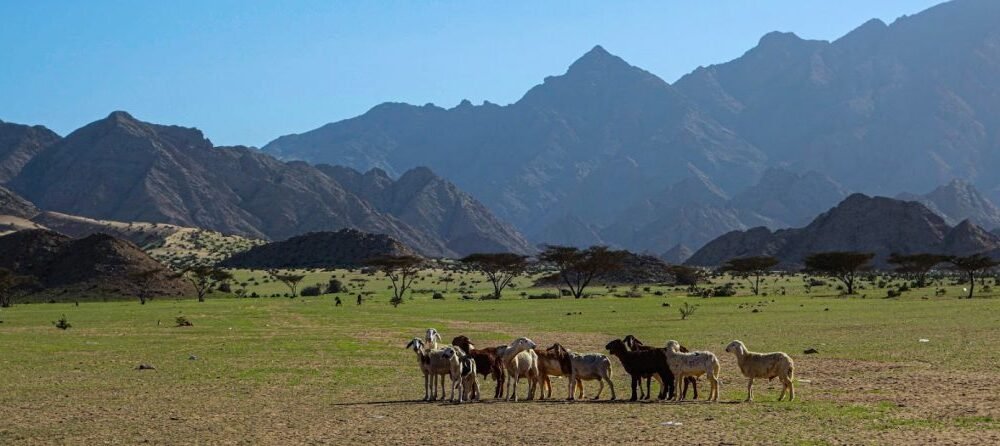
Gebel Elba National Park sits within Egypt’s Red Sea Governorate, near the Halaib Triangle. The park’s centerpiece, the mountain known as “Gebel Elba” or “Elba Mountain,” acts like a sponge for moisture carried by the Red Sea winds. Unlike most of Egypt’s arid landscapes, the slopes of Gebel Elba receive a continuous supply of dew and fog that nurture its rare vegetation. This miracle of geography turns its foothills into a verdant wonder—an oasis hidden in plain sight amid the Eastern Desert’s burnt-gold vastness.

The climatic contrast is fascinating: while nearby plains remain bone-dry and sunbaked, the upper slopes boast green wadis where fig trees, wild olives, and even small patches of grass flourish. This phenomenon, known as “orographic capture,” has fostered life forms not found elsewhere in Egypt. The weather here is mild compared to most desert regions—pleasantly warm in winter and cooler in summer, making Gebel Elba a haven for travelers who prefer to explore nature without the scorching heat typical of other desert attractions like the White Desert.

Biodiversity and Rich Ecosystems of Gebel Elba

When it comes to biodiversity, Gebel Elba National Park stands in a league of its own. Its intricate mosaic of ecosystems—ranging from coastal mangroves and coral reefs to mountain woodlands and desert plateaus—hosts hundreds of species of flora and fauna. More than 60% of Egypt’s recorded plant species find refuge here, making the park an ecological masterpiece. The mountain’s slopes bloom with acacias, dragon trees, and tamarisks that attract countless birds, mammals, and insects.

Endemic species like the Nubian ibex, Barbary sheep, and the Dorcas gazelle roam freely across the granite outcrops, while majestic eagles circle the mountain peaks. Birdwatchers are in for a treat—flocks of flamingoes, herons, and raptors frequent its wetlands and coastal lagoons. Off the Red Sea shores, coral gardens rival those near Marsa Alam and Hurghada, offering a marine paradise untouched by mass tourism.

Cultural Heritage and the Indigenous Ababda People

The Ababda tribe, the indigenous inhabitants of the region, have lived harmoniously with this landscape for centuries. Their lifestyle, deeply rooted in the rhythms of nature, reflects the sustainable way of living that modern conservationists strive to reintroduce. These semi-nomadic pastoralists herd camels and goats through the park’s valleys, relying on ancient knowledge of herbs, weather, and wildlife behavior. Their oral traditions, tribal music, and crafts embody the cultural heartbeat of Gebel Elba.

Visitors who spend time with the Ababda often describe an unforgettable exchange of wisdom and warmth. This living heritage—interwoven with ancient African and Arabian influences—makes the park not just a natural wonder but a cultural sanctuary. Much like the spiritual connection found in sites like St. Catherine’s Monastery, Gebel Elba reveals how ecology and identity can coexist beautifully.

Adventure and Ecotourism in Gebel Elba

For adventurers and nature enthusiasts, Gebel Elba National Park is a dream destination still far from the mainstream radar. The region’s remote nature offers raw adventure—off-road safaris through rugged wadis, mountain trekking, and desert camping beneath dazzling star-studded skies. Travelers can explore coral reefs, hike to panoramic viewpoints, or visit natural springs that emerge along hidden trails.

Ecotourism in Gebel Elba emphasizes minimal impact and genuine appreciation for Egypt’s natural heritage. Unlike popular resort towns or package destinations such as Sharm El Sheikh Day Tours, tourism here is about preservation over profit. Local guides from the Ababda tribe offer specialized expeditions, ensuring that every exploration benefits the community and protects the delicate environment.

With the rising popularity of nature-based experiences, Gebel Elba could soon join famous parks like Wadi El Gemal National Park as a top ecotourism hotspot in Egypt. Its potential for sustainable adventure—birdwatching, photography, and desert meditation—is limitless for those yearning to see Egypt’s wild side.

How to Visit Gebel Elba National Park

Reaching this hidden gem requires both preparation and curiosity. The easiest starting point is Aswan City or Marsa Alam, with local guides arranging overland expeditions southward. Permission from Egyptian environmental authorities is often necessary, as conservation remains a priority. Given the park’s remoteness, travelers should expect basic camping conditions—but the reward is incomparable tranquility and exclusivity.

Unlike the bustling routes toward Lake Nasser or majestic temples like Abu Simbel, Gebel Elba offers quiet immersion and a feeling of discovery unmatched in northern Africa. It’s best explored in cooler months, from October through March, when temperatures are gentle and visibility across the Red Sea coastline creates unforgettable sunrises.

Wildlife Conservation and Environmental Importance

Gebel Elba National Park is a cornerstone of Egypt’s conservation strategy. Its unique “fog desert” ecosystem provides shelter for several endangered species endangered elsewhere. Preservation efforts aim to maintain the fragile balance between human life and wilderness. Ongoing scientific studies monitor climate impacts, biodiversity loss, and sustainable resource use. Conservationists often regard Gebel Elba as a natural laboratory—its habitats mirror prehistoric ecosystems before Egypt’s desertification took hold.

Projects encourage eco-awareness across Red Sea communities—linking with initiatives in nearby reserves like Sinai & Red Sea and featuring collaborations with environmental NGOs. This commitment aligns with Egypt’s growing focus on eco tours in Egypt, offering sustainable exploration while championing wildlife protection.

Top Attractions and Hidden Gems Inside the Park

Every corner of Gebel Elba National Park holds surprises. From the mist-kissed peak where cloud forests shimmer to the coral reefs teeming with marine color, there’s always something magical waiting. The vast Wadi Diib region is renowned for its ancient petroglyphs—carvings that trace humanity’s earliest marks across the land. Photographers adore sunrise shoots from the mountain ridges, where golden light spills into the desert like liquid fire.

Nature lovers often head toward the mangrove-fringed coastline, a vital nursery for fish, crustaceans, and migratory birds. These wetlands rival the aquatic beauty of the Ras Mohammed National Park near Sinai. Beyond its scenic draw, Gebel Elba also delivers soul-stirring silence—a rare treasure for those escaping fast-paced living.

Best Time to Visit and Travel Tips

Timing plays a critical role in visiting this vast wilderness. The ideal window spans from November to March, when the sun’s warmth feels gentle, allowing full exploration. During this period, fog and dew bring landscapes alive with greener hues and blooming desert flowers. Summers, by contrast, can be sweltering, limiting access to higher elevations.

Visitors are advised to arrange tours through certified operators specializing in nature expeditions. Combining your Gebel Elba adventure with desert experiences such as the Black and White Desert or spiritual journeys to Siwa Oasis adds a broader perspective on Egypt’s incredible ecological diversity. Don’t forget essentials like satellite communication gear, sufficient water reserves, and professional local guidance.

Why Gebel Elba Deserves Global Recognition

Despite its beauty, Gebel Elba remains a well-kept secret even among Egypt’s seasoned travelers. Its remoteness protects it from over-tourism but also sidesteps global awareness. Yet, its ecological significance rivals Africa’s grand reserves. With the potential to become a UNESCO World Heritage Site, Gebel Elba represents the next frontier of responsible travel in Egypt—a symbol of coexistence between ancient tribal life and modern conservation ideals.

For explorers, it’s a place where adventure feels pure, where sunsets bleed orange behind silent peaks, and where Egypt tells a quieter, wilder story. It stands as a natural monument to time, culture, and the resilience of life itself—waiting just beyond the map’s edge for those curious enough to find it.

Frequently Asked Questions About Gebel Elba National Park

What makes Gebel Elba National Park unique?

This vast reserve is Egypt’s only region with a tropical mountain ecosystem, sustained by sea fog from the Red Sea. Its biodiversity, including endemic flora and fauna, makes it one of North Africa’s richest natural havens.

Can tourists visit Gebel Elba National Park freely?

Visitation requires special permission from the Egyptian Environmental Affairs Agency (EEAA). Authorized eco-tours and research expeditions are available, often organized from Aswan or Marsa Alam.

Is Gebel Elba safe for travelers?

Yes, when visited with licensed guides and official permits. The region is remote but monitored for ecological and tourist safety. Preparation and local guidance are essential for a safe journey.

What wildlife can be found there?

The park shelters Nubian ibex, hyenas, gazelles, rare reptiles, desert foxes, and hundreds of bird species, along with pristine coral ecosystems off its Red Sea shores.

How can Gebel Elba be combined with other Egyptian attractions?

It pairs beautifully with desert and coastal tours—explorers often extend itineraries to include Wadi El Rayan, Marsa Alam, or a relaxing Luxury Nile Cruise. This combination merges adventure, nature, and culture into one unforgettable Egyptian journey.

Wadi El Gemal National Park

Wadi El Gemal National Park – Egypt’s Hidden Marvel of Desert and Sea

Wadi El Gemal National Park, tucked along the southern coast of Egypt’s Red Sea, is a sprawling tapestry of nature, history, and raw wilderness that few have yet to truly discover. Spanning over 7,000 square kilometers, it’s an ecological treasure where the coral-rich waters of the Red Sea meet the dramatic mountains of Egypt’s Eastern Desert. This national park is not just a haven for adventurers and eco-travelers but also one of the most biodiverse regions in the country. From its lush mangroves and coral reefs to ancient Roman ruins and Bedouin trails, Wadi El Gemal (meaning ‘Valley of the Camels’) easily earns its title as one of Egypt’s most captivating hidden gems.

Situated near Marsa Alam, Wadi El Gemal National Park offers a stark contrast to Egypt’s more famous tourist centers like Luxor and Cairo. Here, travelers can dive into pristine reefs teeming with marine life, explore scenic wadis carved by time, and encounter endangered species like the Nubian ibex or the dugong grazing near the seagrass beds. But this park is more than a nature sanctuary—it’s an open-air museum preserving layers of human history, from the ancient emerald mines of Cleopatra to Bedouin traditions that still thrive under the golden sun. For anyone seeking an off-the-beaten-path adventure that blends sustainability with serenity, Wadi El Gemal serves as the ultimate eco-paradise within Egypt’s Red Sea landscape.

Many visitors exploring Egypt through Luxury Egypt Tours or Egypt Vacation Packages find the park a perfect escape from the crowds. It’s where you can witness Egypt’s wild heart beating away from the noise of urban life—a place where coral reefs, ancient quarries, and desert sands coexist in magnificent harmony. This region truly embodies the essence of eco-tourism in Egypt, introducing travelers to responsible exploration and cultural immersion at its finest.

Exploring the Geography and Ecosystems of Wadi El Gemal National Park

The geography of Wadi El Gemal National Park is nothing short of dramatic. The park covers both terrestrial and marine zones, encompassing around 5,000 square kilometers of land and 2,000 square kilometers of coastline and islands. Its name, “Valley of the Camels,” originates from the wadi’s historical use as a caravan route—one where camels carried emeralds and other precious stones through rough desert terrain. Today, Wadi El Gemal features an astonishingly diverse ecological landscape ranging from mountain ranges and acacia woodlands to mangrove groves and coral gardens that blanket the Red Sea floor.

Within its marine territories, divers and snorkelers can explore some of Egypt’s healthiest coral reefs, rivaling even those of Ras Mohammed National Park. Over 450 coral species and 1,200 species of fish thrive here, making it an underwater paradise. The coastal zones are vital feeding grounds for green turtles and dugongs—creatures symbolic of the park’s commitment to conservation. Inland, the rugged Eastern Desert landscapes cradle rare wildlife, including Dorcas gazelles, wild donkeys, and desert foxes. The wide wadi system collects flash floodwaters, turning parts of the park into green ribbons in the heart of arid wilderness—a scene that amazes any nature lover or wildlife photographer.

Ancient History and Emerald Mining Heritage of Wadi El Gemal

Long before its designation as a protected area, Wadi El Gemal was a hub of ancient activity. Within its boundaries lies the legendary Sikait Valley, home to Egypt’s famous emerald mines known as Mons Smaragdus, which dates back to the Ptolemaic and Roman eras. Cleopatra herself was said to have worn emeralds mined here, believed to represent eternal youth and power. Roman settlements, temples, and stone watchtowers still dot the park, whispering stories of a time when miners, merchants, and Bedouin traders roamed the valleys.

For archaeology enthusiasts following routes like those in Egypt Local Travel Agency adventures, Wadi El Gemal presents a rare convergence of natural and cultural history. The remains of ancient settlements, including wells, mining facilities, and inscriptions in Greek and Latin, offer fascinating glimpses into centuries of human endeavor in this forbidding landscape. Hiking through these relics feels like stepping into a living history book set against the backdrop of wind-carved sandstone formations and sweeping desert vistas.

Flora and Fauna Biodiversity of Wadi El Gemal: A Living Sanctuary

Wadi El Gemal National Park is celebrated for its exceptional biodiversity. Over 450 plant species appear across its desert and coastal zones, including acacia trees, tamarisks, and rare medicinal herbs used by Bedouin healers for generations. The park shelters a wide range of birdlife—more than 150 bird species—making it an excellent spot for birdwatching. Migratory birds use this area as a safe waypoint along their Red Sea flyway, particularly during spring and autumn migrations.

As visitors trek across the rugged plateau or dive into seagrass meadows, they may spot Nubian ibexes navigating rocky slopes, while along the coast, dolphins leap gracefully beside snorkeling boats. The park’s dunes host reptiles adapted to extreme heat, while the mangroves nurture juvenile fish that later populate coral reefs offshore. This balanced ecosystem illustrates the unique harmony between land and sea that underscores the importance of Eco Tours in Egypt.

Adventure Tourism and Eco-Friendly Activities in Wadi El Gemal

For travelers craving adventure, Wadi El Gemal is an all-in-one destination. Whether it’s camping beneath a night sky illuminated by countless constellations, hiking desert trails, or riding camels through tranquil wadis, this park embraces the wild spirit of Egypt’s Red Sea coast. Guided excursions from Marsa Alam include snorkeling trips to Hamata Islands, part of the park’s marine reserve. These islands boast crystal-clear lagoons and secluded beaches, offering some of the most pristine snorkeling experiences in the region.

Many visitors pair their journey with Marsa Alam Day Tours, extending their experience to nearby reefs and Bedouin camps. The adventurous can take part in Desert Super Safari expeditions or stargazing tours that unveil an otherworldly view of the Milky Way free of light pollution. For sustainability-minded travelers, eco-lodges in the region prioritize low-impact tourism, utilizing solar power and local resources while preserving the natural integrity of Wadi El Gemal’s delicate ecosystems.

Indigenous Culture and Bedouin Heritage

The Ababda Bedouins are the custodians of Wadi El Gemal. For centuries, they’ve lived in harmony with its rhythms, practicing traditions rooted in ancient wisdom. Their deep knowledge of desert ecology—when to harvest plants, where to find water, how to read wind patterns—is invaluable in managing this protected reserve. Visitors can experience authentic Bedouin hospitality: sharing homemade bread, sipping sweet tea, and listening to stories echoing with the cadence of the desert wind.

Local Bedouins now play key roles in eco-tourism efforts. They serve as guides, conservationists, and guardians of biodiversity, ensuring that the park’s rich natural legacy endures. Engaging with this community isn’t just a journey through scenic terrain—it’s a cultural immersion that unveils the living soul of Egypt’s wilderness. Combining such experiences with regional explorations like Marsa Alam or the Red Sea Resorts & Parks enriches any travel itinerary beyond imagination.

Marine Adventures and Coral Reef Conservation

Underwater, Wadi El Gemal is a dreamscape of color and life. Its coral reefs, among the most untouched in the region, extend across the park’s protected marine zones. Diving along Sataya and Qul’an reefs reveals gardens of brain coral, staghorn coral, and purple sea fans. Schools of butterflyfish, angelfish, and parrotfish create an explosion of vibrant motion while manta rays and turtles glide gracefully through crystal-clear water. Snorkeling trips operated from nearby ports often include eco-briefings to ensure reef-safe practices and highlight the importance of preserving fragile marine ecosystems.

The park’s marine management plan prioritizes sustainable use, banning fishing and anchoring in sensitive zones while promoting responsible eco-tourism. Conservation collaborations supported by Egyptian authorities ensure that this marine sanctuary continues to flourish—a vital model for Red Sea preservation efforts also echoed in Elphinstone Reef and nearby coastal reserves.

When to Visit and Travel Tips

The best time to visit Wadi El Gemal National Park is between October and May, when temperatures are moderate, waters are clear, and desert excursions are comfortably cool. Visitors can access the park via Marsa Alam Airport or by road from Hurghada. Most exploration is done through guided jeep safaris or marine excursions. Permits may be required for certain activities, ensuring sustainable visitor numbers. For a seamless exploration, many travelers choose tailored itineraries like the 8 Days Best Egypt Tour with Nile Cruise combined with unique Red Sea extensions.

Bring reef-safe sunscreen, plenty of hydration, and light gear suited for both desert and marine adventures. Respect signage and always follow guides’ instructions to protect both wildlife and heritage sites. Responsible travel here rewards visitors with an extraordinary connection to nature—something that transforms curiosity into conservation consciousness.

FAQs about Wadi El Gemal National Park

What makes Wadi El Gemal National Park unique?

Its rare combination of desert, mountain, and marine ecosystems makes Wadi El Gemal National Park one of the most diverse ecological destinations in Egypt. Visitors can explore coral reefs, ancient ruins, and Bedouin villages all within one region, making it unparalleled in variety and adventure.

Where is Wadi El Gemal located?

Wadi El Gemal lies approximately 45 kilometers south of Marsa Alam on Egypt’s southern Red Sea coast. It’s accessible by road or air, with guided tours available through Egypt Day Tours and specialized eco-travel agencies.

Can visitors snorkel or dive at Wadi El Gemal?

Absolutely. Wadi El Gemal is renowned for its vibrant coral reefs, particularly around the Hamata Islands. Snorkeling and diving excursions allow travelers to encounter reef sharks, turtles, and schools of tropical fish in crystal waters.

Is it safe to visit Wadi El Gemal?

Yes. The park is safe for tourists, with well-organized eco-tours operating under strict conservation and safety standards. Visitors can further explore safety tips from guides specializing in Egypt Travel Safety.

How can I include Wadi El Gemal in my Egypt itinerary?

Travelers can easily combine Wadi El Gemal with Marsa Alam or Red Sea packages. Many customized trips, such as 10 Day Egypt Luxury Trip with Dahabiya Nile Cruise, allow an ideal blend of luxury exploration and eco-adventure, extending the journey to this untouched gem of southern Egypt.

Elphinstone Reef

Elphinstone Reef: A World-Class Diving Jewel in the Red Sea

Floating in the shimmering waters of Egypt’s southern Red Sea, Elphinstone Reef is a diver’s paradise that captures imagination and heart alike. Positioned roughly 12 kilometers off the coast of Marsa Alam, this elongated limestone reef is world-renowned for its crystal-clear visibility, breathtaking drop-offs, and thrilling encounters with oceanic whitetip and hammerhead sharks. It’s a playground for adventure seekers who crave adrenaline beneath the surface, yet it radiates tranquility in its untouched marine wilderness. Every inch of Elphinstone Reef offers an explosion of color—swaying soft corals, teeming reef fish, and pelagic species darting through sunlit currents. No matter how many times one dives here, the reef never feels the same twice; it surprises even the most seasoned explorer. The combination of biological richness, deep walls, and exceptional coral gardens has made Elphinstone Reef one of the most coveted sites in the world for liveaboard enthusiasts and underwater photographers alike. Whether you’re drawn by the call of the Red Sea’s wild heart or the whispers of its blue depths, Elphinstone Reef stands as an unrivaled testament to Egypt’s underwater magnificence.

Surrounding attractions like Marsa Alam and Red Sea Resorts complement a journey to this marine wonder, offering world-class diving experiences and exquisite relaxation. With the addition of personalized Marsa Alam Day Tours or luxurious Luxury Egypt Tours, visitors can blend underwater adventures with unforgettable onshore exploration.

The Geographic Location and Structure of Elphinstone Reef

Elphinstone Reef, also known as Sha’ab Abu Hamra, lies approximately 30 kilometers north of Marsa Alam and stretches for about 300 meters. Oriented north to south, this narrow formation features majestic drop-offs that plunge to depths exceeding 70 meters. Divers often describe the north plateau as a stairway into the abyss, while the southern plateau boasts a coral garden alive with color and motion. The current can be swift, wrapping the reef in a continuous dance that attracts pelagic hunters and migratory species. The vertical walls are draped in soft coral fans and gorgonians, a kaleidoscope of marine biodiversity that anchors the ecosystem. Because it’s surrounded by such deep waters, Elphinstone is often the first place where divers are blessed with sightings of oceanic predators cruising in from the blue.

The reef’s dramatic structure makes it a photographer’s dreamscape. The sheer visibility—often reaching 40 meters—means that even first-time divers are met with scenes that feel fantastical. From the top of its plateaus to the deep vertical walls, every meter reveals life and motion, offering perfect photo opportunities for underwater photographers embarking from scuba diving Marsa Alam expeditions.

Ecological Richness: Marine Biodiversity of Elphinstone Reef

This reef teems with marine life that forms one of the most complex ecosystems in the Red Sea. Hard and soft corals coexist in stunning harmony, creating homes for countless tropical fish. Clownfish, moray eels, Napoleon wrasses, anthias, and sea turtles populate the coral gardens. It’s common to encounter pods of spinner dolphins nearby or the occasional manta ray gliding elegantly overhead. The real stars, however, are the sharks. Oceanic whitetips, grey reef sharks, and hammerheads are frequent visitors to the deeper plateaus. Their presence transforms the dive into a thrilling spectacle of nature’s raw energy and beauty.

Beyond predators, small creatures like nudibranchs, shrimps, and pipefish decorate the coral landscape, proving that Elphinstone Reef’s wonder lies not only in grand encounters but in minute details. Divers exploring the coral slopes are rewarded with vibrant macro life—photogenic and often hidden among the nooks of branching corals. These delicate creatures emphasize the reef’s ecological balance and make it a key site for both recreational and scientific dives.

Why Elphinstone Reef Is a Diver’s Paradise

Elphinstone Reef’s fame stems from its raw, natural energy combined with its accessibility. From Hurghada Day Tours or Marsa Alam ports, reaching Elphinstone takes only a short boat journey, yet it feels like you’ve entered a different world. Divers compare descending its vertical walls to free-falling through living art. Every level offers new surprises, from coral bommies to open blue water drift dives filled with oceanic giants. Visibility is phenomenal throughout the year, thanks to the Red Sea’s stable climate, ensuring consistently ideal diving conditions.

Those seeking luxury while exploring can indulge in elegant liveaboard experiences or combine their adventure with premium stays through Luxury Nile Cruises or 11 Days Luxury Egypt Tour Packages. By blending cultural exploration with marine discovery, every traveler gains a richer perspective on Egypt’s natural and historical beauty.

Diving Conditions and Best Time to Visit Elphinstone Reef

Diving Elphinstone requires respect and preparation. The reef’s open-ocean position often means strong currents and changing sea conditions, making it suitable for intermediate to advanced divers. The best times to dive here are between March and December when water temperatures average between 24°C and 30°C. During the summer months, large pelagics patrol the reef, while spring brings calm seas perfect for deep dives.

Liveaboard trips are the most popular way to dive Elphinstone, offering multi-day expeditions that explore neighboring sites as well. Options like the 10-Day Egypt Luxury Trip with Dahabiya Nile Cruise can perfectly complement such underwater adventures, giving travelers the convenience of land-sea combinations and an authentic Egyptian journey.

Responsible Diving and Marine Conservation

Elphinstone Reef isn’t just a diver’s destination—it’s a living marine sanctuary. To protect its fragile coral formations and abundant life, diving practices emphasize minimal contact, buoyancy control, and reef-safe sunscreen. Tour operators collaborate with marine conservation organizations to monitor ecological health and promote sustainable diving protocols. Visitors are encouraged to participate in coral monitoring or underwater cleanup programs, deepening their connection to both marine stewardship and Egypt’s dedication to sustainable tourism.

Those passionate about eco-travel can explore broader initiatives through guides such as Eco Tours in Egypt, highlighting conservation-based adventures that preserve Egypt’s precious ecosystems for generations to come.

Nearby Diving Destinations Around Elphinstone Reef

Elphinstone often serves as the crown jewel of Marsa Alam’s diving circuit, but its neighboring sites are equally captivating. The reefs of Abu Dabbab, Samadai (Dolphin House), and Marsa Mubarak offer vibrant coral life and gentle conditions perfect for snorkelers and beginners. Additionally, the Hamata Islands in the south promise pristine coral gardens and unspoiled waters. Many travelers combine visits to Elphinstone with rich cultural excursions through Egypt Vacation Packages to enjoy both land and sea adventures in one unforgettable itinerary.

Nearby land-based attractions such as Wadi El Gemal National Park offer deserts teeming with wildlife, connecting the marine world of Elphinstone with the terrestrial majesty of Egypt’s wilderness.

Practical Tips for Visiting Elphinstone Reef

Before diving at Elphinstone, ensure you’re certified to advanced open-water level and comfortable with drift diving. Always carry a surface marker buoy; currents can change swiftly. Hiring a reputable local operator is essential for safety and environmental responsibility. Many travelers base themselves in Marsa Alam, staying near Port Ghalib, where daily dive boats depart early morning. Equipment rental is readily available, and dive guides provide thorough briefings tailored to diver experience levels.

Combining your dive adventure with cultural extensions is highly recommended. You could, for instance, book an overnight trip to Luxor from Marsa Alam to explore ancient Egypt after thrilling days underwater—a perfect balance of history and nature.

Cultural and Travel Highlights Nearby

Elphinstone Reef’s proximity to southern Egypt’s treasures means travelers can enrich their journey with historical marvels. Ancient temples in Luxor, the Temple of Hatshepsut, and the splendor of the Valley of the Queens are within reach via day trips. This region’s combination of coral reefs below and monumental legacies above makes for the ultimate Egyptian adventure—one few destinations in the world can match.

For those preferring slow-travel luxury, a Luxury Dahabiya Nile Cruise can seamlessly follow your Red Sea experience. Transitioning from the ocean’s tranquility to the Nile’s timeless rhythm perfectly rounds off any Egyptian exploration.

FAQs about Elphinstone Reef

1. Where is Elphinstone Reef located?

Elphinstone Reef lies approximately 12 kilometers offshore from Marsa Alam in the southern Red Sea of Egypt. It’s easily accessible by boat and is considered one of the country’s premier dive sites due to its rich biodiversity and vertical coral walls.

2. What marine life can divers see at Elphinstone Reef?

Divers can encounter diverse marine species including oceanic whitetip sharks, hammerheads, manta rays, barracudas, turtles, and schools of colorful reef fish. The reef is also covered in massive colonies of soft and hard corals, creating a vibrant underwater habitat.

3. Is Elphinstone Reef suitable for beginner divers?

Due to strong currents and potential deep dives, Elphinstone Reef is best suited for advanced divers with prior drift diving experience. However, beginners can enjoy nearby reefs around Marsa Alam with calmer conditions until they gain more experience.

4. What’s the best season to dive at Elphinstone Reef?

The ideal diving period is from March to December when visibility peaks, sea temperatures are warm, and pelagic activity is highest. During these months, divers have the best chance to spot hammerheads and oceanic whitetips.

5. How can travelers reach Elphinstone Reef?

Travelers typically fly into Marsa Alam or Hurghada and take a boat or liveaboard out to the reef. Combining a diving trip with cultural tours such as a day trip to Luxor from Marsa Alam offers a perfect mix of adventure and heritage.

Elphinstone Reef remains a hidden treasure in Egypt’s Red Sea—an awe-inspiring ecosystem that merges thrill, mystery, and serenity into one unforgettable experience. Whether you’re chasing the shadows of sharks through blue waters or basking under the Egyptian sun after a dive, this reef promises memories that last far beyond the tides.

Ain Sokhna

Ain Sokhna – Egypt’s Hidden Red Sea Jewel for Relaxation and Adventure

Nestled on the western shore of the Red Sea’s Gulf of Suez, Ain Sokhna is one of Egypt’s most beloved coastal escapes. Just a 90-minute drive from Cairo, this serene destination offers a rare harmony between pristine beaches, turquoise waters, and luxurious resorts. Ain Sokhna’s name translates to “Hot Spring,” referencing its nearby sulfur springs said to have therapeutic properties. Over the past decade, Ain Sokhna has transformed into a modern leisure hub blending natural beauty, adventure, and high-end hospitality, attracting both locals and international travelers seeking sun and serenity year-round.

For city dwellers, Ain Sokhna is a refreshing retreat from the bustle of Cairo. Its proximity makes it perfect for weekend getaways, corporate retreats, and family holidays. The area offers a perfect mix of soft sandy shores, water activities, luxury accommodations, and desert excursions that uncover Egypt’s wild beauty. Unlike the busier Sharm El Sheikh or Hurghada, Ain Sokhna maintains a tranquil charm that appeals to travelers craving privacy and relaxation without sacrificing comfort.

Using the AIDA formula—Attention, Interest, Desire, and Action—this article dives deep into what makes Ain Sokhna one of the most appealing destinations on the Red Sea. From its warm climate and deluxe resorts to adventure trails and nearby heritage sites, Ain Sokhna promises an unforgettable experience where the mountains meet the sea. Let’s explore why Ain Sokhna deserves a top spot on your Egyptian itinerary.

Where Is Ain Sokhna Located?

Ain Sokhna is strategically positioned along the Gulf of Suez, about 55 kilometers south of Suez City and approximately 120 kilometers from Cairo. This easily accessible location makes it ideal for travelers looking for a quick beach escape. The region offers a blend of dramatic desert landscapes and shimmering seas, sitting between the Eastern Desert and the Red Sea Mountains. Travelers can easily include it in a broader Egypt vacation package, combining city exploration with peaceful coastal relaxation.

How to Get to Ain Sokhna from Cairo

The Cairo–Ain Sokhna highway is one of Egypt’s best-maintained routes, ensuring a smooth one-and-a-half-hour journey. Travelers can book private transfers, rent cars, or use hotel shuttle services. It’s a seamless trip that sets the stage for a rejuvenating seaside experience right after the hustle of Cairo’s vibrant city life.

Top Attractions and Things to Do in Ain Sokhna

Ain Sokhna offers an eclectic mix of relaxation, adventure, and sightseeing. Whether you’re into sunbathing, exploring mountains, or diving into the Red Sea, this destination caters to every taste.

1. Enjoy the Endless Beaches of Ain Sokhna

The beaches here stretch for miles, offering soft sands and gentle waves. Many luxury resorts have private shorelines, ensuring exclusivity for guests. It’s a top spot for swimming, snorkeling, and simply basking under golden sunshine. For a romantic getaway, Ain Sokhna rivals even the elite Sahl Hasheesh shores on the Red Sea.

2. Indulge in Water Sports and Yacht Cruises

From parasailing to deep-sea fishing, Ain Sokhna’s turquoise waters beckon thrill-seekers. Yacht charters and speedboat rides offer magnificent views of the coastline. Adventure lovers can explore shipwreck dive sites or take a scenic cruise similar to the unforgettable experiences offered on a Luxury Nile Cruise.

3. Explore the Galala Mountain Range

Behind the coast rises the impressive Galala Mountains, offering opportunities for hiking, camping, and zip-lining. The newly developed Galala City includes luxury hotels, a marina, and outdoor adventure parks. It’s turning into one of Egypt’s most futuristic urban resorts, seamlessly blending desert and sea views.

4. Discover Historical & Religious Heritage Near Ain Sokhna

Just a short drive away stands the ancient Monastery of St. Anthony—the oldest Coptic Christian monastery in the world. Nearby, the Monastery of St. Paul offers insights into early monastic life in Egypt. For history enthusiasts, excursions to Cairo’s National Museum of Egyptian Civilization are easily arranged from Ain Sokhna.

5. Experience Desert Safaris and Bedouin Adventures

Ain Sokhna’s surrounding desert is ideal for quad biking, sandboarding, and camel trekking. Visitors can join adventures akin to the thrilling Desert Safari Trip by Quad Bike tours. Sunset camps in the dunes create unforgettable photo opportunities and romantic moments under starry skies.

The Best Resorts and Hotels in Ain Sokhna

Ain Sokhna boasts a variety of accommodations ranging from beachfront villas to five-star resorts. Each offers modern amenities, infinity pools, and world-class service. The hospitality rivals that of other Egyptian luxury destinations such as Marsa Alam and Hurghada.

Luxury Resorts

Top picks include Stella Di Mare Grand Hotel, Jaz Little Venice, and Teda Swiss Inn Plaza. For an upscale retreat, these hotels feature private beaches, spa treatments, golf courses, and impeccable dining. Travelers seeking a complete luxury tour can combine Ain Sokhna with an 11 Days Luxury Egypt Tour Package for an exquisite journey through Egypt’s finest destinations.

Affordable Seaside Stays

For budget-conscious travelers, Ain Sokhna also offers charming boutique hotels and self-catering apartments. Locations near Porto Sokhna provide a lively atmosphere with shops, cable cars, and spectacular marina views—perfect for families or groups. Such appeal echoes what makes El Gouna a Red Sea favorite.

Best Time to Visit Ain Sokhna

With its temperate climate, Ain Sokhna welcomes visitors all year long. Summers are hot but cooled by sea breezes, while winters are mild and ideal for beach strolls. The optimal months are October through April, when the weather strikes a perfect balance—warm enough for swimming yet cool enough for desert exploration.

Day Trips from Ain Sokhna

One advantage of Ain Sokhna’s location is its proximity to other major attractions. Tourists can easily organize Cairo Day Tours or explore the ancient capital Memphis, the Saqqara Pyramids, or the enduring Sphinx Statue — all within a few hours’ reach.

Spiritual and Cultural Excursions

Pilgrims and history buffs often visit the nearby monasteries or plan trips to Mount Sinai and St. Catherine’s Monastery. For a seamless day journey, some visitors opt for combined Red Sea and Cairo experiences such as the Cairo & Pyramids Trip from Port Sokhna.

Local Cuisine and Dining Experiences

Ain Sokhna’s culinary scene is as diverse as its landscapes. Freshly caught seafood dominates menus along the coast—think grilled fish, calamari, and shrimp drizzled with lemon and local spices. Beachfront restaurants provide perfect sunset views for romantic dinners. For a taste of classic Egyptian flavors, many visitors savor traditional dishes like molokhia or koshary, similar to regional foods found across Traditional Dishes in Egypt.

Why Ain Sokhna Is Perfect for Family Holidays and Romantic Escapes

Families love Ain Sokhna for its calm waters and child-friendly resorts featuring pools, kids’ clubs, and easy beach access. Couples, on the other hand, are drawn to its privacy and scenic views. It’s no wonder Ain Sokhna is becoming one of Egypt’s top destinations for honeymoons and anniversary celebrations, rivaling other romantic getaways highlighted in Egypt Family Tours.

Environmental and Eco-Friendly Tourism in Ain Sokhna

In recent years, sustainable tourism has blossomed here. Resorts employ eco-conscious initiatives to protect coral reefs and marine life. Some projects align with trends in Eco Tours in Egypt, promoting a greener approach to travel while maintaining luxury standards.

Planning Your Trip to Ain Sokhna

Before traveling, it’s wise to secure accommodation ahead of time, especially during Egyptian holidays. Many hotels offer all-inclusive packages similar to All Inclusive Egypt Vacations. Bringing sunscreen, hats, and light clothing ensures comfort under the Egyptian sun. Travel agencies like Cindrella Egypt Travel offer customized itineraries that pair Ain Sokhna’s scenic beauty with other world-class Egyptian landmarks.

FAQs About Ain Sokhna

What is Ain Sokhna famous for?

Ain Sokhna is known for its gorgeous Red Sea beaches, luxury resorts, and proximity to Cairo. It’s a year-round destination favored for family vacations, water sports, and therapeutic hot springs.

How far is Ain Sokhna from Cairo?

Ain Sokhna is around 120 km from Cairo, easily accessible within 90 minutes by car via the modern Cairo–Sokhna highway.

What’s the best time to visit Ain Sokhna?

The best time to visit is from October to April when the climate is pleasantly warm. These months offer ideal conditions for swimming and outdoor adventures.

Are there historical sites near Ain Sokhna?

Yes, visitors can explore nearby Christian monasteries, the port of Suez, and even take day trips to Cairo’s famous Grand Egyptian Museum and Pyramids of Giza.

Can Ain Sokhna be included in a Nile Cruise itinerary?

While Ain Sokhna isn’t directly on the Nile, travelers often combine it with iconic Nile experiences like the 4 Day 3 Night Nile Cruise from Aswan to Luxor for a complete Egyptian holiday—seaside tranquility followed by timeless river exploration.

All in all, Ain Sokhna offers an idyllic blend of relaxation, adventure, and accessibility that’s hard to top. Whether you’re indulging in marine sports, venturing into the desert, or unwinding with the sound of waves, this Red Sea haven invites you to slow down, savor, and discover Egypt’s serene coastal elegance.