The Alabaster Mosque
The Alabaster Mosque: A Shimmering Jewel of Cairo’s Islamic Heritage
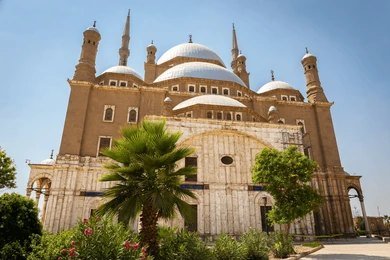
Standing proudly atop Cairo’s Citadel, the Alabaster Mosque—also known as the Mosque of Muhammad Ali—is one of Egypt’s most iconic Islamic landmarks, exuding grandeur, history, and exquisite artistry. The mosque’s elegant domes and towering minarets dominate the skyline of the Egyptian capital, drawing travelers, architects, and worshippers from around the globe. Built in the early 19th century, the Alabaster Mosque embodies a blend of Ottoman splendor and Egyptian craftsmanship, symbolizing power, faith, and unity. Its alabaster-clad walls gleam under the Cairo sun, creating a sight so striking it’s often considered a masterpiece of Islamic architecture in Africa and the Middle East.
This monumental mosque was commissioned by Muhammad Ali Pasha, the founder of modern Egypt, and completed between 1830 and 1848. Perched within the Citadel of Salah El-Din, it commands sweeping views of Cairo, including famous landmarks like the Nile River and the distant pyramids of Giza. It serves not only as a place of worship but also as a national symbol of Egypt’s autonomy and resilience during a period of transformation and modernization. Whether bathed in daylight or illuminated by evening lights, the Alabaster Mosque remains an unmissable highlight of any Cairo day tour, captivating visitors with its intricate detail, historical depth, and spiritual aura.
From the shimmering alabaster panels that inspired its name to the delicate calligraphy embellishing its interior, every feature tells a story of ambition and artistry. Travelers seeking a deep dive into Islamic architecture and Egyptian history find in this majestic mosque a living chronicle of Cairo’s spiritual and cultural evolution. Let’s explore what makes the Alabaster Mosque one of Egypt’s most enduring and magnificent treasures.
Historical Background of the Mosque of Muhammad Ali
The Alabaster Mosque was constructed as a tribute by Muhammad Ali Pasha to his stepson Tusun Pasha, who died prematurely. But beyond personal grief, it symbolized the ambitious leader’s desire to consolidate his power and proclaim Egypt’s independence from Ottoman rule. It became a statement of national identity and architectural prowess. During the construction period of the early 19th century, Muhammad Ali aimed to rival the splendid mosques of Istanbul, ensuring Egypt stood proudly among the world’s great Islamic centers.
The mosque was designed by architect Yusuf Bushnak from Istanbul, who followed strict Ottoman stylistic traditions similar to those found in the Sultan Ahmed Mosque. Its composition—with a large central dome surrounded by smaller semi-domes—evokes the era’s imperial designs, while the local Egyptian touch added depth and authenticity. Visitors arriving through an Islamic Cairo cultural route are instantly struck by the balance between Middle Eastern minimalism and grand Turkish influence.
Architectural Brilliance and Design Features
The mosque’s extensive alabaster panels, extracted from Egyptian quarries near Beni Suef, give it an ethereal glow. Inside, the spacious prayer hall boasts gleaming chandeliers, intricate mosaic patterns, and beautifully inscribed Qur’anic verses. The marble courtyard features an ornate ablution fountain, designed with the same finesse that marks other timeless mosques such as the Al Azhar Mosque and Sultan Hassan Mosque.
Its two elegant minarets—a hallmark of Ottoman architecture—rise to over 80 meters, visible from almost any point in Cairo. The symmetrical balance between the domes, arches, and corridors evokes a sense of spiritual harmony, inviting reflection and admiration. Every corner of the building reflects meticulous craftsmanship, combining Egyptian local materials with imperial design ambition.
The Mosque’s Alabaster Wonder: A Marvel of Egyptian Craftsmanship
The mosque earned its name from the alabaster panels that sheathe its lower walls, sourced from quarries near Beni Suef. This translucent material allows sunlight to dance across the surface, creating a warm honey-colored radiance that changes with Cairo’s afternoon light. Inside, alabaster complements gold-leaf detailing, filigree ironwork, and colorful stained glass. Unlike the coarser limestone or sandstone used in earlier structures, alabaster added a refined softness, transforming the mosque into an architectural gem unlike any other in the city.
Travelers who visit during a Cairo City Tour to the Egyptian Museum, Citadel, and Old Cairo often find the Alabaster Mosque an absolute highlight of their itinerary. The interplay of light and shadow beneath its lofty domes enchants visitors and photographers alike, making it a perfect stop for an Egypt photography tour.
Symbolism and Religious Significance
Beyond beauty, the Alabaster Mosque conveys a deeper spiritual and national message. Muhammad Ali Pasha intended it as both a house of worship and a political symbol—a statement of Egyptian sovereignty and faith in progress. The vast prayer hall accommodates thousands of worshippers, demonstrating Islamic unity and Cairo’s role as a beacon of faith. Quranic inscriptions around the arches and domes remind visitors of the divine connection between beauty and devotion.
Inside, Muhammad Ali’s tomb rests in a gated enclosure facing the qibla wall, carvings and arabesques reflecting his enduring legacy. Visitors often pause in respectful silence, contemplating his influence on Egypt’s modernization. The alignment of the mosque within the Citadel also carries symbolic weight: it links the spiritual with the military, signifying strength under divine guidance.
The Mosque’s Integration into Cairo’s Citadel Complex
The Alabaster Mosque crowns the majestic Citadel of Salah El-Din, Cairo’s grand fortress overlooking the city since the 12th century. Its strategic placement atop Mokattam Hill allows panoramic views stretching as far as the Giza Plateau. Through its commanding presence, the mosque seamlessly merges with Cairo’s historical fabric, uniting Islamic, medieval, and modern Egyptian eras in one breathtaking tableau.
Visitors can combine their exploration of the Alabaster Mosque with nearby historical sites such as the Hanging Church or the Coptic Museum. A Coptic and Islamic Cairo tour perfectly complements the experience, offering a diverse look into Egypt’s multilayered cultural legacy.
Visiting the Alabaster Mosque: What to Expect
A visit to the Alabaster Mosque is a journey through time and faith. Upon entering, travelers encounter vast courtyards bordered by graceful arcades. The main prayer hall is awe-inspiring, featuring a central dome nearly 52 meters high. As sunlight filters through delicately colored glass windows, it fills the space with a tranquil glow, adding to the sense of serenity.
Guided tours typically include insights into the mosque’s design, the symbolism of its structure, and anecdotes about Muhammad Ali’s reign. Visitors committed to spiritual or historical tourism often include the site within tailored packages such as luxury Egypt tours or Egypt vacation packages. Comfortable footwear, modest attire, and a respectful attitude are recommended when touring this sacred landmark.
Best Time to Visit the Mosque of Muhammad Ali
The best times to visit the Alabaster Mosque are early morning or late afternoon, when the alabaster walls take on remarkable shades of amber and rose. Cairo’s mild winter months, from October to March, provide a pleasant climate for sightseeing. Those exploring the site as part of their day tour from Cairo should plan extra time for exploring the adjoining Citadel museums and vantage terraces.
Cultural Etiquette and Photography
Visitors should remove shoes before entering the main prayer area and dress modestly. Photography is generally permitted, making this an ideal place for enthusiasts capturing Cairo’s skyline. For special images of Islamic architecture, consider pairing the mosque visit with other landmarks like the Mosque of Ibn Tulun or Al Rifai Mosque, both nearby marvels of Egypt’s religious art.
The Alabaster Mosque in Modern Egypt
Today, the Alabaster Mosque remains a defining symbol of Cairo’s identity. It features prominently in postcards, films, and educational materials exploring Egyptian history. Beyond its aesthetic allure, the mosque stands as a tribute to Egypt’s enduring faith and resilience. It continues to be an active site of worship while serving as a major tourist attraction.
Every year, millions of travelers include it in their Egypt day tours, marvelling at its stunning symmetry and peaceful atmosphere. Whether you’re a pilgrim, historian, or photographer, the Alabaster Mosque reveals the deeply spiritual heart of Cairo.
Legacy of Muhammad Ali Pasha and His Vision for Egypt
Muhammad Ali’s mosque remains the crowning jewel of his legacy—a man who redefined Egypt’s governance, economy, and military strength. His vision for a modernized nation is reflected in this immense architectural gesture. The very stone of the mosque whispers of ambition, unity, and the desire for Egypt to shine as a beacon of Islamic heritage. Just as travelers admire ancient wonders like the Temple of Philae or the Abu Simbel Temples, the Alabaster Mosque bridges the past and the present, preserving Egypt’s spiritual continuum.
FAQs About the Alabaster Mosque
1. Where is the Alabaster Mosque located?
The Alabaster Mosque, or Mosque of Muhammad Ali, sits within Cairo’s historic Citadel of Salah El-Din on Mokattam Hill, offering stunning views over the Egyptian capital and beyond.
2. Why is it called the Alabaster Mosque?
It’s named for the exquisite alabaster stone that covers much of its interior and exterior walls, creating a luminous, almost glowing effect when struck by sunlight.
3. What architectural style is the Alabaster Mosque?
The mosque follows Ottoman architectural style with a large central dome flanked by semi-domes and twin towering minarets, inspired by Istanbul’s grand mosques of the 17th and 18th centuries.
4. What are the visiting hours for the Alabaster Mosque?
The mosque is generally open daily from 8:00 AM to 5:00 PM, though hours may vary during religious holidays. It’s best to check during planning your Cairo day tour.
5. What’s the significance of Muhammad Ali’s tomb inside the mosque?
Muhammad Ali Pasha’s tomb lies within the mosque’s interior courtyard, representing his enduring influence on modern Egyptian history and his personal devotion to Islam.
Conclusion: The Alabaster Mosque—A Legacy of Light and Faith
The Alabaster Mosque continues to reign as a spiritual and architectural icon of Cairo—its alabaster gleam symbolizing purity, resilience, and divine grace. It embodies not only the legacy of Muhammad Ali Pasha but also Egypt’s centuries-old tradition of blending art, devotion, and grandeur. Whether marveling at its soaring domes, basking in its golden twilight glow, or contemplating its panoramic views across the city, one can’t help but feel the harmony