Northern Coast & Delta

Northern Coast & Delta: Egypt’s Hidden Mediterranean Gem of Culture and Nature

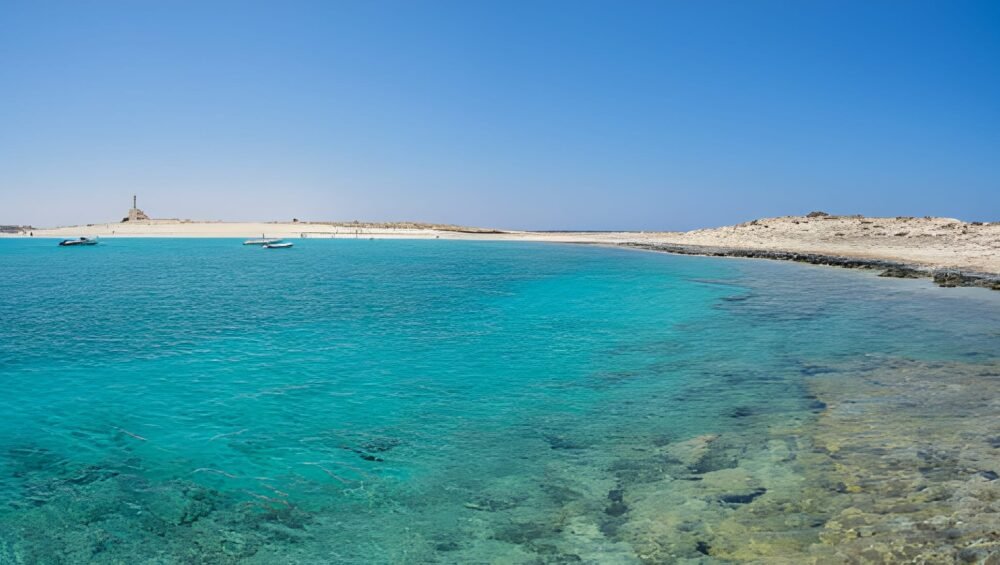
The Northern Coast and Nile Delta of Egypt form one of the country’s most intriguing and picturesque regions, stretching along the Mediterranean Sea from the western frontier near Marsa Matruh City to the vibrant port towns of Port Said and Rosetta (Rashid). This lush and productive area is the cradle of Egypt’s agriculture, the entry point of the mighty Nile River into the sea, and a living museum of ancient and modern history. The Northern Coast & Delta mesmerize with emerald fields, turquoise water, and a rhythm that fuses coastal serenity with cultural vibrancy. From the ancient relics of Alexandria to the tranquil fishing villages scattered across the Delta, this region beckons travelers seeking authenticity beyond the well-trodden paths of southern Egypt.

More than just beaches, the Northern Coast & Delta tell a story of civilizations that thrived where land and water embrace. The area’s strategic location made it essential for trade, wars, and cultural exchange, shaping its character into a mosaic of history and hospitality. Today, it’s a haven for travelers opting for Luxury Egypt Tours, family vacations, or even educational journeys through heritage and eco-rich landscapes. The coastal belt—known locally as “El Sahel El Shamali”—offers a Mediterranean charm enhanced by modern resorts, while the Delta reveals Egypt’s rural soul through farmlands, canals, and palm-fringed villages.

Drawing on the “AIDA” formula—Attention, Interest, Desire, and Action—this ultimate guide entices travelers to uncover the magic of the Northern Coast & Delta, experience its people, taste its cuisine, and feel the pulse of Egyptian life flowing between land and sea.

Geographic Grandeur of the Northern Coast & Delta

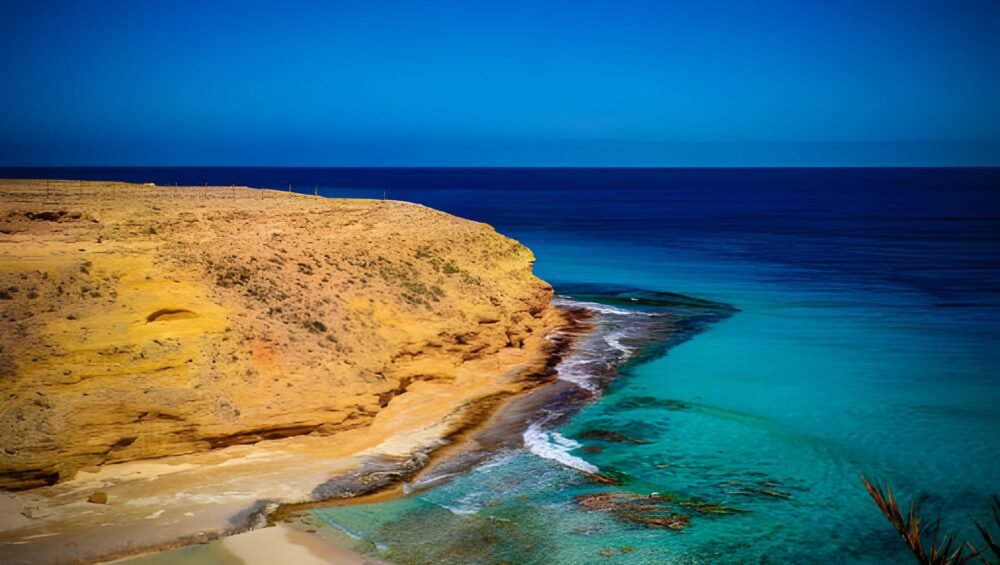
The Northern Coast stretches for about 1,050 kilometers, a ribbon of golden sand and sapphire waters bordered by rolling dunes, salt lakes, and fertile plains. This mesmerizing region acts as the gateway between Africa and the Mediterranean, blending cool breezes with the warm scent of farmland. The Nile Delta, shaped like a blossoming lotus, is not only Egypt’s breadbasket but also one of the most significant ecological zones in the world. It’s a dense patchwork of villages, historic towns, and wetlands—home to migratory birds and local wildlife that define Egypt’s northern ecological identity. Curious travelers often pair a Delta exploration with Egypt Day Tours to witness this living landscape firsthand.

Alexandria: The Crown Jewel of the Northern Coast

No exploration of the Northern Coast & Delta is complete without a deep dive into Alexandria, Egypt’s second-largest city. Known as the “Pearl of the Mediterranean,” Alexandria fuses Greco-Roman legacy with urban energy. Visitors marvel at the world-renowned Alexandria Bibliotheca, explore the haunting Catacombs of Kom El Shoqafa, and stand in awe of the resilient Citadel of Qaitbay, which guards the harbor where the famed Lighthouse of Alexandria once stood. The city’s soul sings at every corner, from the bustling corniche to its old coffeehouses where writers and poets once pondered destiny over Turkish coffee.

Mediterranean Beaches That Redefine Egyptian Luxury

While many associate Egypt with the Red Sea, the Northern Coast’s beaches steal the show during summer. Crystal waters lap against places like Sidi Abdel Rahman and Marassi—favored by locals seeking tranquility and refinement. These shores rival any Mediterranean destination, offering private villas, boutique hotels, and retreats ideal for those preferring All Inclusive Egypt Vacations. At sunset, golden hues bathe the gentle surf, while cool breezes promise serenity unspoiled by mass tourism.

Historical Echoes Across the Delta

The Nile Delta whispers tales of the Pharaohs, Ptolemies, and Arab dynasties who understood its unmatched value. Ancient towns like Rosetta gained fame as the discovery site of the Rosetta Stone—a key that unlocked hieroglyphic secrets after centuries of perplexity. Further inland, small farming towns preserve Egypt’s agricultural traditions where feluccas glide on canals lined with papyrus and lotus blooms. Travelers often find inspiration in visiting nearby Fayoum, whose serene oases mirror the Delta’s natural pulse—a journey easily combined with Fayoum & Western Desert adventures.

Cultural Tradition and Culinary Delight

The Northern Coast & Delta’s culinary heritage reflects centuries of exchange between Egyptian, Mediterranean, and Levantine cultures. Alexandria’s grilled seafood—particularly mullet and squid—rivals the best coastal cuisines, while Delta villages charm food lovers with hearty fava dishes, fresh-baked baladi bread, and the famed rice-based desserts of the region. Curious foodies looking to explore deeper into local flavors might explore Traditional Dishes in Egypt for insights that illuminate these coastal feasts.

Economic and Environmental Importance of the Nile Delta

The Delta isn’t merely scenic—it’s vital. It supports nearly half of Egypt’s population and yields the majority of its crops. Cotton, wheat, rice, and citrus fruits thrive here, nourished by networks of canals descending from the Nile’s branches. However, this abundance faces modern challenges: rising sea levels, soil salinity, and urban expansion. Sustainable travel initiatives, including Eco Tours in Egypt, allow visitors to engage ethically with the region, highlighting conservation projects and community-based tourism. By exploring the Delta responsibly, travelers contribute to preserving Egypt’s lifeline for generations to come.

Architectural Wonders and Spiritual Legacies

The Delta’s villages house mosques, ancient shrines, and Coptic churches anchored in local devotion. Its coastal cities reflect architectural evolution—from sleek modern resorts to colonial relics still echoing European aesthetics. Heritage enthusiasts frequently marvel at nearby gems such as the Montazah Palace, a masterwork of royal architecture nestled amid lush gardens. Inland from the coast, traditional mud-brick houses remain symbols of Egypt’s rural endurance.

Festivals, Folklore, and Local Liveliness

The people of the Northern Coast & Delta celebrate a mosaic of festivals rooted in harvest cycles and maritime life. Every spring, locals mark “Sham El-Nessim,” welcoming new life with picnics beside the sea. Weddings dazzle with folk music, belly dancing, and the rhythmic beats of tabla drums—a vibrant expression of Egyptian joy celebrated under starry Mediterranean skies. The cultural richness and musical rhythms here inspire artistic souls, travelers, and photographers alike, similar to those drawn to Egypt Photography Tour experiences offered across the country.

Top Destinations Along the Northern Coast & Delta

El Alamein: This peaceful coastal city still bears the echoes of World War II, housing cemeteries and museums that evoke profound reflection. Visitors often take guided tours akin to those available through Al-Alamein City insights to uncover its complex story of sacrifice and peace.

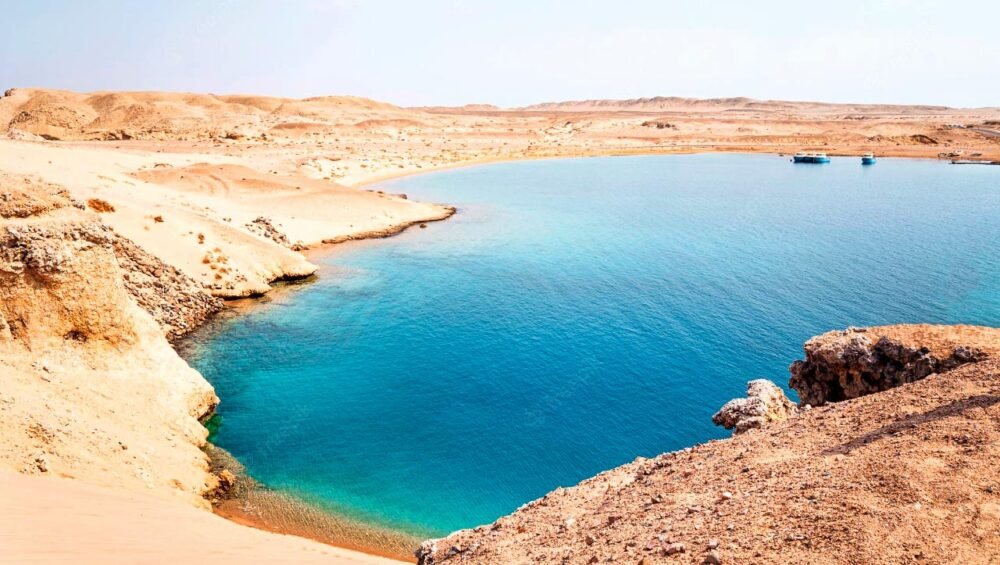
Marsa Matruh: With cerulean coves and reefs, Marsa Matruh epitomizes paradise. Once a retreat for Cleopatra herself, its rugged beauty and transparent waters make it a favorite destination among Egyptians escaping summer’s heat. Today, travelers discover modern resorts balancing tradition and comfort.

Port Said: A fusion of French-designed architecture and maritime vigor, Port Said thrives at the northern gate of the Suez Canal. Its bustling promenade, vibrant markets, and access to the Mediterranean make it a captivating stop for travelers seeking an authentic nautical vibe.

The Art of Balancing Modernity and Heritage

Modern development in the Northern Coast & Delta has brought luxury marinas and high-end resorts, yet the old-world charm remains untouched in hidden villages and ancient farmlands. Balancing tradition with progress ensures that this region maintains both authenticity and economic growth. Responsible travelers can amplify this harmony by participating in cultural immersion experiences and sustainable tourism programs, similar to those featured within Egypt Vacation Packages.

Why Visit the Northern Coast & Delta

Choosing to explore the Northern Coast & Delta means uncovering an Egypt beyond the deserts and temples—a softer, greener Egypt shaped by sea breeze and fertile plains. The region offers profound contrasts: cosmopolitan Alexandria beside untouched fishing hamlets, ancient Greeks’ footprints beside modern beach clubs, and tranquil lagoons beside lively marketplaces. For families and nature lovers, it’s a region that blends cultural education with pure relaxation—comparable to the pickest itineraries of refined travelers on Egypt Private Tours.

Ideal Activities and Experiences

Visitors can embark on heritage walks through Alexandria’s old quarters, take sunset cruises on coastal lagoons, or head inland for agritourism experiences that reveal Egypt’s traditional lifestyle. History fans often book excursions following ancient routes similar to the ones highlighted in the 7 Days Cairo and Nile Cruise Package, ensuring smooth transitions between ancient monuments and modern comfort. Beach lovers, meanwhile, will adore Sahel’s boutique hotels and Mediterranean panoramas rivaling Europe’s south coast.

Accessibility and Travel Tips

The Northern Coast is easily reachable from Cairo via modern highways, while Alexandria enjoys excellent train and air connectivity. The Delta’s internal routes weave through bucolic landscapes, allowing travelers to enjoy charming roadside cafes and local markets. Booking with reliable agencies such as Cindrella Egypt Travel ensures expert guidance, reputable transport, and tailored itineraries fitting all budgets. For a smooth travel experience, consider starting in Alexandria, then traveling east to Port Said, sampling Delta life in between.

Frequently Asked Questions About the Northern Coast & Delta

1. What is the best time to visit Egypt’s Northern Coast & Delta?

The ideal time to explore the Northern Coast & Delta is between April and October when Mediterranean breezes keep temperatures mild. During summer, locals flock to Sahel resorts for sun-soaked relaxation, while spring and early fall bring quieter, more intimate charm for sightseeing and photography.

2. Which cities or destinations should I prioritize in the Northern Coast & Delta?

Top attractions include Alexandria’s historical marvels, Marsa Matruh’s pristine beaches, El Alamein’s wartime heritage, and Port Said’s cosmopolitan canal atmosphere. Don’t miss Rosetta’s museums and narrow lanes, where Ottoman houses still whisper stories of Egypt’s maritime golden age.

3. Is the Northern Coast & Delta region family-friendly?

Absolutely. Families enjoy its calm waters, safe beaches, and abundance of cultural sites. Many resorts cater to family comfort, while educational tours to historical landmarks make it ideal for meaningful vacations echoing the values behind Egypt Family Tours.

4. Can I combine a trip to the Delta with other Egyptian destinations?

Yes, seamlessly. Travelers often merge coastal experiences with Nile cruises or desert adventures. Options similar to the 10 Day Cairo with Nile Cruise itinerary create a perfect balance between cultural immersion and relaxation. An Alexandria-to-Luxor journey easily captures Egypt’s full diversity.

5. Why is the Nile Delta so vital to Egypt’s ecosystem?

The Nile Delta acts as Egypt’s agricultural heart, providing fertile soil, biodiversity, and freshwater resources essential to millions. It’s a living ecosystem that sustains Egypt’s people and wildlife, symbolizing balance between human innovation and natural blessing cherished through centuries.

The Northern Coast & Delta embody Egypt’s delicate harmony between old and
Salah El-Din Castle (Pharaoh’s Island)

Salah El-Din Castle (Pharaoh’s Island): A Timeless Fortress in the Heart of the Red Sea

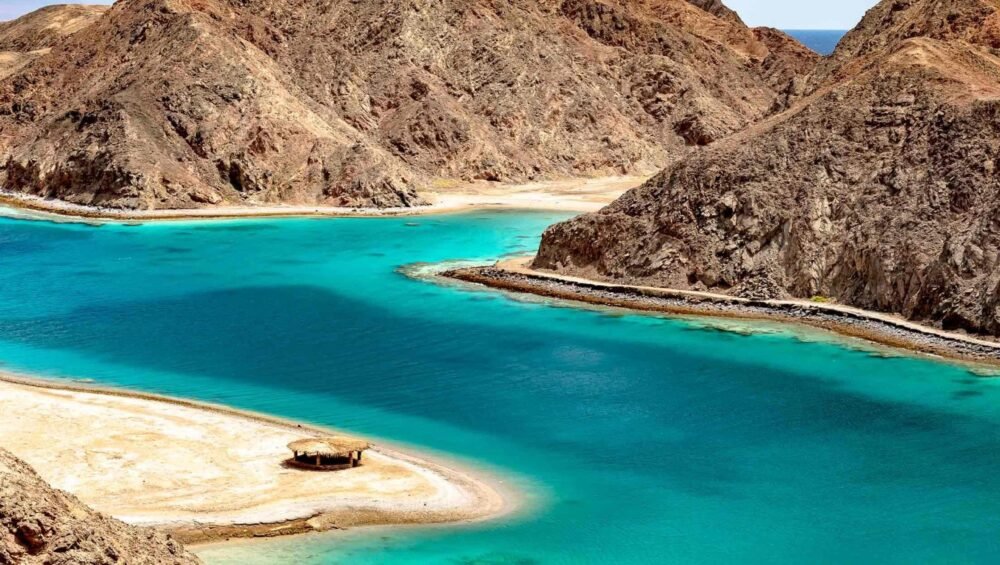
Floating majestically on Pharaoh’s Island near Taba, the historic Salah El-Din Castle stands as one of Egypt’s most enchanting medieval treasures. Known equally as the Castle of Saladin, this awe-inspiring fortress guards a storied legacy that merges Egyptian, Crusader, and Islamic history. A labyrinth of stone ramparts, rusty cannons, and sun-scorched towers, the Salah El-Din Castle (Pharaoh’s Island) captures the imagination of travelers with its strategic location, stunning coral-fringed waters, and breathtaking views of Sinai’s rugged mountains. From its early Crusader days to its role in Islamic defense strategy, the fortress remains a symbol of resilience, power, and tactical brilliance along the Red Sea coast.

This ancient fortress isn’t just a relic — it’s an experience. Imagine standing within thick stone walls, listening to the Red Sea breeze whisper secrets from a thousand years ago. History buffs, photographers, and adventure seekers all find themselves mesmerized by its charm. Whether you’re embarking on Sharm El Sheikh Day Tours or gliding over translucent waters on a glass-bottom boat, Pharaoh’s Island represents Egypt’s fusion of culture, conquest, and natural wonder. For travelers seeking to uncover hidden chapters of Egypt’s heritage beyond the pyramids, Salah El-Din Castle stands as a monument of sheer historical gravitas — a fortress suspended in time and framed by the sparkling Red Sea.

The Historical Origins of Salah El-Din Castle on Pharaoh’s Island

The story of Salah El-Din Castle begins in the 12th century when the Crusaders established it as a defensive outpost during their campaigns in the Holy Land. Later, the legendary Muslim ruler Salah El-Din Al-Ayyubi reclaimed and fortified it to protect essential trade routes between Egypt, Arabia, and the Levant. The castle’s placement on Pharaoh’s Island wasn’t arbitrary; it was a military masterstroke. The island conveniently sits at the Gulf of Aqaba, a point where the borders of four countries — Egypt, Israel, Jordan, and Saudi Arabia — almost meet. This gave control of trade routes and surveillance over the sea lanes critical to the region.

Under Saladin’s watch, this robust stone fortress became more than a military post — it transformed into a strategic stronghold and a symbol of unity against foreign aggression. Its defensive architecture, including lookout towers, barracks, and storage chambers, reflects the ingenuity of medieval Islamic warfare. Today, travelers exploring Egypt through Egypt Day Tours have the opportunity to walk through the same corridors that once echoed with the commands of Saladin’s soldiers.

Pharaoh’s Island: A Microcosm of History and Beauty

Pharaoh’s Island, also known as Coral Island, has long been a coveted paradise. Beyond its rich historical roots, the island dazzles visitors with its translucent turquoise waters, coral reefs, and mesmerizing natural scenery. Diving and snorkeling enthusiasts frequently include the site in itineraries like Dahab Day Tours, uncovering a marine ecosystem as diverse as the castle’s past. From above, the island resembles an emerald floating in the sea, crowned by the fortress like a medieval crown over a sapphire throne.

Legends suggest Pharaoh’s Island got its name due to an ancient myth tying the spot to Israel’s Exodus story, though historians debate this. Regardless, its name evokes a sense of mystery that continues to captivate modern explorers, making it a top choice for travelers searching for unspoiled Egyptian heritage sites overlooked by mass tourism.

Saladin’s Strategic Vision and Military Genius

Salah El-Din, famous for recapturing Jerusalem, understood the geopolitical significance of Pharaoh’s Island. He reinforced its walls, stationed troops, and established a signaling network enabling communication between Egypt and Arabian territories. These innovations set the foundation for what became one of Egypt’s most strategically vital Red Sea fortresses. His vision effectively safeguarded trade and pilgrimage routes against Crusader naval invasions. Salah El-Din Castle wasn’t merely bricks and mortar — it was a living instrument of empire and diplomacy.

To this day, historians view Saladin’s fortifications as a testament to Islamic unity and foresight. Visitors tracing his legacy can extend their journey to Cairo to witness other architectural marvels like the Citadel of Salah El-Din, where his enduring influence still echoes.

Architectural Design and Defensive Structure of Salah El-Din Castle

The blueprint of Salah El-Din Castle (Pharaoh’s Island) reflects the pinnacle of medieval defense engineering. Constructed mainly from local limestone, its walls envelop multiple courtyards, soldiers’ quarters, arsenals, and observation towers positioned to spot approaching threats long before they reached Egyptian shores. Labyrinthine corridors ensured attackers could be trapped in confined zones, while elevated battlements provided sweeping visibility of the surrounding sea.

One highlight is the castle’s central keep, where sentinels once guarded treasure stores and military archives. Walking through its shadowed chambers today evokes a palpable sense of history — a realization that this fortress has witnessed countless tides of empire. The intricate design elements echo Islamic architectural styles, blending utility with aesthetic elegance, a trait shared by masterpieces like the Sultan Hassan Mosque in Cairo.

Preservation, Restoration, and Modern-Day Tourism

Over centuries, Pharaoh’s Island Castle endured natural erosion and maritime challenges. Egyptian authorities, supported by UNESCO experts, initiated conservation projects to stabilize the fortress while maintaining its authenticity. These efforts ensured visitors could safely explore this vital cultural asset. Restoration teams aimed not to modernize but to preserve — keeping intact the very stones laid by Saladin’s masons. Their work allows modern travelers, sailing through crystal waters on Petra tours from Sharm El Sheikh, to glimpse both the defensive and spiritual essence of medieval Egypt.

Today, Pharaoh’s Island receives thousands of visitors annually, thanks to well-curated excursions offered as part of Egypt Vacation Packages. Whether arriving from Taba, Sharm El Sheikh, or even Aqaba across the Jordanian border, tourists marvel at how this fortress seamlessly blends into Egypt’s Red Sea horizon.

Unforgettable Views and Experiences Around Salah El-Din Castle

The surroundings of Salah El-Din Castle (Pharaoh’s Island) are as mesmerizing as the citadel itself. From the castle’s highest point, visitors can enjoy panoramic views of four neighboring nations. On a clear day, one can distinguish the distinct landscapes of Egypt, Israel, Jordan, and Saudi Arabia — a spectacular vantage that few places on earth offer. This extraordinary perspective draws not only history enthusiasts but also photographers and nature lovers seeking perfect sea and sky compositions.

Those exploring nearby diving spots will find flourishing coral gardens reminiscent of those found in Ras Mohammed National Park. The crystalline waters teem with marine life — parrotfish, angelfish, and sea turtles flit through the colorful coral, turning every snorkeling session into an otherworldly adventure. It’s no wonder that Pharaoh’s Island remains a fixture among must-explore Egyptian coastal landmarks.

How to Reach Salah El-Din Castle (Pharaoh’s Island)

Getting to Pharaoh’s Island is a short boat ride from the resort town of Taba in Egypt’s Sinai Peninsula. Many travelers include it alongside Colored Canyon or Mount Sinai excursions, combining natural beauty with spiritual and historical discovery. Most boats depart from Taba Marina, and trips can be organized through reputable tour operators offering packages like All Inclusive Egypt Vacations. The ride takes about 15–20 minutes, skimming over glassy waves that reveal coral beds below, offering a preview of the undersea wonders surrounding the island.

Tips for Visiting Pharaoh’s Island Castle

Visitors should plan their trip early in the morning or late afternoon to avoid the intense midday sun. Wearing comfortable shoes and carrying water are essential, as the climb around the fortress can be steep. Photography enthusiasts will want to capture the play of light on the sea — a setting where each frame looks like a Renaissance painting. Include this spot when crafting your personalized Luxury Egypt Tours itinerary; it’s nothing short of cinematic.

The Allure of Legend and Cultural Resonance

The legend of Pharaoh’s Island binds history with mythology. Some claim that this was near the spot where Pharaoh’s army pursued Moses during the Exodus, giving the site its name. Others insist it was named by Crusaders who misinterpreted local lore. Regardless of origin, the site’s mystique enhances its cultural allure. The mingling of faiths, stories, and civilizations at Salah El-Din Castle symbolizes Egypt’s timeless fusion — a crossroads of humanity that continues to fascinate scholars and pilgrims alike.

Why Salah El-Din Castle is a Must-See in Egypt

Unlike many monumental sites confined within mainland Egypt, the Salah El-Din Castle (Pharaoh’s Island) provides an immersive experience that combines maritime exploration, photography, and history. It’s quieter, less commercialized, and immensely evocative. Every stone whispers legacy; every wave carries echoes of past empires. Exploring Egypt without seeing this castle would mean missing a cornerstone of Saladin’s enduring vision and Egypt’s medieval maritime defense. Blend it seamlessly into your 7 Days Cairo and Nile Cruise Package or a coastal retreat such as Tiran Island snorkeling tours, creating the ultimate journey between heritage and sea adventure.

Frequently Asked Questions About Salah El-Din Castle (Pharaoh’s Island)

Where is Salah El-Din Castle located?

Salah El-Din Castle is located on Pharaoh’s Island near the Gulf of Aqaba, close to the town of Taba in Egypt’s Sinai Peninsula. The island lies uniquely at a geographic junction overlooking the borders of Egypt, Israel, Jordan, and Saudi Arabia, offering unparalleled panoramic views of the Red Sea region.

What is the historical significance of Salah El-Din Castle?

The fortress played a crucial strategic role during the Crusader and Islamic periods. Originally built by Crusaders, it was later fortified by Saladin to defend Egypt’s borders and protect pilgrimage routes. It’s an enduring symbol of Egypt’s medieval military prowess and cross-cultural heritage.

How can travelers reach Pharaoh’s Island?

Travelers can access Pharaoh’s Island by boat from Taba Marina. Organized sea excursions are readily available and often part of larger experiences such as Egypt Family Tours or snorkeling trips that highlight the coral reefs surrounding the island.

What are the main attractions on Pharaoh’s Island?

The highlights include exploring Salah El-Din Castle’s fortified towers, panoramic viewpoints, Islamic arches, and hidden chambers. Visitors also enjoy snorkeling, swimming, and capturing scenic views of Aqaba Bay and the surrounding mountain ranges.

Why should travelers include Salah El-Din Castle in their Egypt itinerary?

Because it’s one of the few Egyptian landmarks that elegantly fuses history, scenic beauty, and spirituality. Adding it to your Cindrella Egypt Travel itinerary gives you a glance into Egypt’s untold Red Sea history, enriching your understanding of Saladin’s legacy while enjoying the coastal splendor of Sinai.

Mount Sinai (Jebel Musa)

Mount Sinai (Jebel Musa): The Sacred Peak Where History Meets Heaven

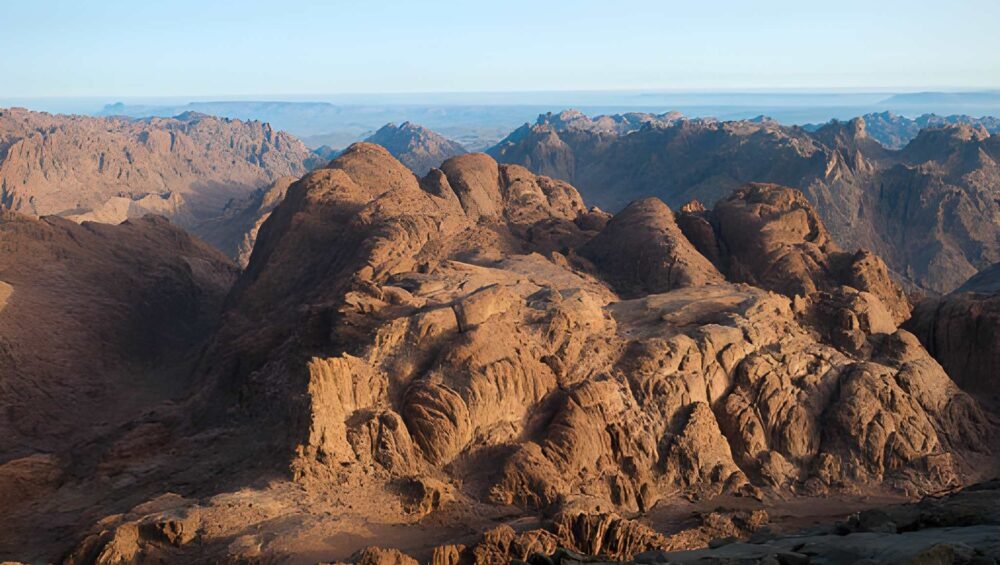
Mount Sinai, also known as Jebel Musa, stands majestically in Egypt’s Sinai Peninsula, rising nearly 2,285 meters above sea level. This monumental site has been revered for centuries as the mountain where Moses is believed to have received the Ten Commandments. Its dramatic peaks, red-hued granite cliffs, and profound spiritual aura attract thousands of travelers, pilgrims, and adventurers each year. Nestled near the fabled St. Catherine’s Monastery, this sacred mountain forms one of the world’s most awe-inspiring religious landscapes.

Yet, Mount Sinai isn’t just a place of divine revelation—it’s also a natural wonder of Egypt’s rugged wilderness. Every inch of this terrain tells a story that transcends geography. From its sunrise vistas that burst over endless desert plains to its deep valleys carved by time itself, Jebel Musa combines spirituality with untamed beauty in a way that few places can. Whether you’re a seeker of spiritual enlightenment, a history enthusiast, or an adventurous trekker, Mount Sinai promises a soul-stirring journey through faith, endurance, and nature’s raw splendor.

This iconic peak’s fame extends beyond religious history. Modern explorers discover not only ancient spirituality but also the profound silence of the desert, Bedouin hospitality, and breathtaking views stretching toward the Red Sea. Visiting Mount Sinai allows travelers to retrace the footsteps of prophets, delve into biblical history, and witness magnificent desert sunrises that ignite the sky in pure gold. As one of Egypt’s most important landmarks, it serves as a must-visit destination in many Egypt vacation packages, blending pilgrimage and adventure in an unforgettable experience.

The Historical and Spiritual Significance of Mount Sinai

Mount Sinai’s historical and spiritual resonance is unparalleled. Mentioned repeatedly in the Bible, the Quran, and Jewish texts, the mountain stands as a symbol of divine communication and covenant. According to tradition, it was here that Moses met with God and received the tablets of the law, anchoring it deeply in Abrahamic religious history. This profound connection has made Jebel Musa a beacon for pilgrims since early Christianity, when hermits settled around its slopes, carving hermitages into the rock and establishing small chapels that endure to this day.

Close by lies the ancient Mount Sinai & St. Catherine Monastery, one of the oldest working Christian monasteries in the world. Built under the command of Emperor Justinian in the 6th century, it houses irreplaceable icons, rare manuscripts, and sacred relics, making it a UNESCO World Heritage Site. The monastery’s resilience and the mountain’s majesty together create an atmosphere of timeless sanctity. Pilgrims often climb the mountain by night, guided by torchlight, to reach the summit by dawn and witness a sunrise said to be life-changing.

Climbing Mount Sinai: An Unforgettable Experience Above the Clouds

Ascending Mount Sinai is not for the fainthearted, but the reward is incomparable. The trek begins at the base near St. Catherine’s Monastery, where local Bedouin guides offer their expertise and deep-rooted knowledge of the trails. Two main paths lead to the summit: the Camel Path and the Steps of Repentance. The Camel Path offers a gradual incline and smoother route, while the Steps—comprising over 3,000 hand-carved steps made by monks centuries ago—challenge adventurers seeking the traditional pilgrimage route.

Trekkers typically begin their climb late at night to arrive at the peak before sunrise. As the first rays of dawn pierce through the horizon, the Sinai Desert awakens in brilliant shades of orange, pink, and gold. It’s a spectacle that leaves even the most seasoned traveler speechless. Many visitors combine this journey with a stop at nearby wonders such as the Colored Canyon or the tranquil shores of Sharm El Sheikh, making it a cornerstone of spiritual and adventure tourism in Egypt.

The Natural Beauty and Geography of Jebel Musa

Mount Sinai’s geography is a stunning fusion of geological artistry and stark desert terrain. Composed mainly of rose-colored granite, the mountain’s landscape is marked by deep ravines, sculpted cliffs, and barren ridges rising dramatically from the sandy plains. The terrain’s extremes—baking heat by day and biting cold by night—add intensity to its mystique. Tiny patches of desert plants, such as acacia and desert thyme, cling to the rocks, while wild ibex roam freely across the slopes.

The surrounding region forms part of Egypt’s South Sinai Governorate, an area brimming with natural and cultural significance. Visitors often explore a combination of experiences including the Sharm El Sheikh Day Tours, or take off-road excursions like the St Catherine and Colored Canyon by Jeep. Each offers a fresh perspective of Sinai’s breathtaking landscapes and hidden gems.

The Bedouin Culture and Mount Sinai’s Living Heritage

For centuries, Bedouin tribes have inhabited the Sinai Peninsula, preserving a unique desert culture that blends hospitality, tradition, and survival wisdom. At Mount Sinai, the Jebelaya Bedouins serve as guardians of the mountain and caretakers of its routes. Their heritage interweaves with the region’s sacred history, crafting a narrative that celebrates respect for land and spirituality. Many trekkers savor Bedouin tea brewed over open fires, sharing stories under a star-filled sky before ascending the mountain.

In recent years, Bedouin-guided climbs, eco-trekking, and cultural tours have become popular among travelers seeking authentic encounters with Egypt’s desert life. Combining such experiences with spiritual landmarks like the Saqqara Pyramids or the Luxor Temple enhances understanding of Egypt not just as a land of antiquity, but as a living, breathing culture that continues to inspire awe.

Mount Sinai’s Biblical and Islamic References

Across faiths, Jebel Musa holds deep symbolic resonance. In the Bible, it’s described as the site where Moses encountered the burning bush and received the divine commandments. In Islamic tradition, it’s known as Jabal Musa, where Prophet Musa (Moses) received revelation from Allah. Jewish scripture also reveres it as the Mountain of Law, memorializing the moment of divine covenant. This tri-faith reverence gives the mountain universal spiritual importance, making it a beacon of peace, faith, and unity.

Visitors often combine a pilgrimage to Jebel Musa with a day tour to nearby religious and historical sites, or even broader journeys that include sacred sites in Cairo through Cairo Day Tours. The fusion of spirituality and exploration enhances the meaning of travel, reminding people that Mount Sinai remains a crossroad of human belief and divine mystery.

Best Time to Visit Mount Sinai and Travel Tips

Planning your Mount Sinai adventure requires awareness of both weather and local customs. The ideal time to visit is between October and April, when temperatures are cooler and conditions are perfect for night climbs. During summer, daytime heat can be extreme, making early morning or late evening climbs safer. Dressing in layers is essential, as temperatures drop significantly at the summit. Comfortable hiking shoes, a torch or headlamp, and water are indispensable for the journey.

Travelers often arrange their trips through organized experiences like Egypt Day Tours or private itineraries customized through local experts. Combining a Mount Sinai climb with adventures in Dahab or a relaxing stay in Sharm El Sheikh can create a well-rounded Sinai experience. Many visitors also pair their mountain pilgrimage with coastal relaxation or spiritual reflection, taking advantage of the region’s contrasting beauty.

Photography, Silence, and the Sinai Sky

Photographers describe Mount Sinai as a natural studio blessed by changing light. The soft hues of dawn, the warm golden tones of sunset, and the crystalline night sky filled with stars offer unmatched visual rewards. The silence atop the summit—punctuated only by the soft breeze or distant prayer—evokes emotion that no camera can fully capture. Many visitors linger, reflecting on their journeys as the view of endless peaks stretches out to the horizon, touching both earth and heaven.

Top Attractions Around Mount Sinai

Beyond the sacred peak lies a wealth of nearby attractions that enrich the Sinai experience. The awe-inspiring Ras Mohammed National Park enthralls divers with its exuberant marine life and vibrant coral reefs. The Blue Hole of Dahab and the tranquil Blue Lagoon Dahab offer serene contrasts to the mountain’s rugged heights. Further exploration may include a desert jeep safari or camel trek through the mystical White Canyon or colorful valleys echoing ancient geological wonders.

Frequently Asked Questions About Mount Sinai (Jebel Musa)

What is the best way to reach Mount Sinai?

The most common route is from Sharm El Sheikh, approximately a 3-hour drive to the base. Travelers can book organized tours such as the St. Catherine Tour from Sharm, which often includes transportation, guides, and monastery visits.

How long does it take to climb Mount Sinai?

The uphill journey typically takes about 2 to 3 hours via camel path or 2 hours for the more direct Steps of Repentance. Descending takes roughly the same time, and climbers often pause to meditate or photograph along the way.

Can I visit St. Catherine’s Monastery while touring Mount Sinai?

Absolutely. Located at the mountain’s base, St. Catherine’s Monastery is open to visitors on most days. This UNESCO heritage site houses ancient religious manuscripts and artifacts, making it a vital companion stop to any Mount Sinai pilgrimage.

Is it safe to climb Mount Sinai at night?

Yes. Night climbs are the most popular option as temperatures are cooler and reaching the summit by sunrise is a highlight. Bedouin guides accompany climbers for safety, ensuring a secure and memorable ascent.

What should I bring on a Mount Sinai climb?

Essentials include water, snacks, layered clothing, sturdy shoes, a flashlight or headlamp, and a camera. It’s also wise to bring some local currency for small purchases at Bedouin huts along the trail, where cozy tea stops await weary climbers.

Whether you come to witness sunrise’s golden glow, retrace the prophets’ steps, or connect with Egypt’s enduring spirit, Mount Sinai (Jebel Musa) invites you to experience something truly transformative—where the silence of the mountains whispers stories as timeless as the stars above.

St. Catherine’s Monastery

St. Catherine’s Monastery: The Sacred Heart of Sinai and the World’s Oldest Active Monastery

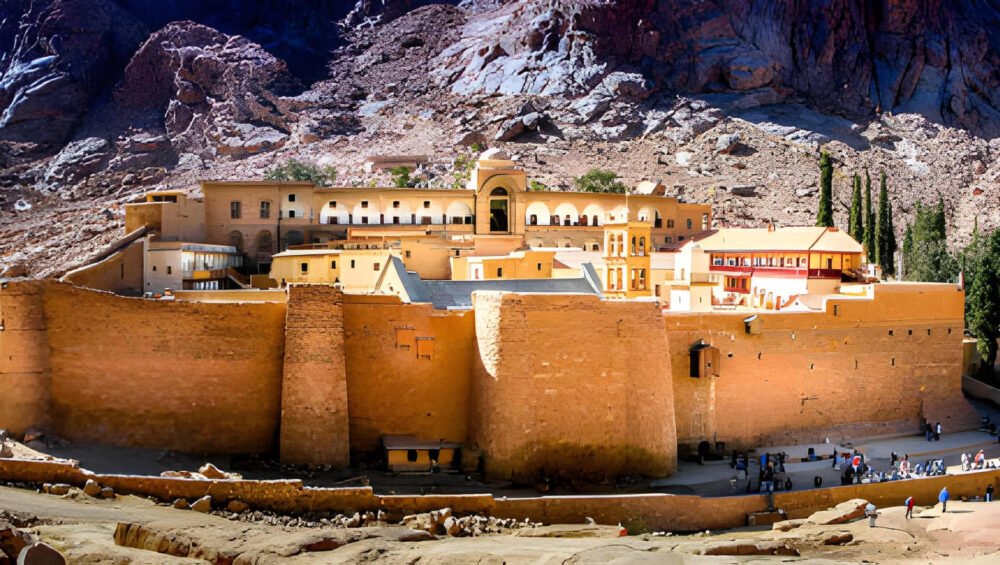
Hidden where the majestic slopes of Mount Sinai meet the endless desert, St. Catherine’s Monastery in Egypt isn’t just a religious complex—it’s a living time capsule that whispers tales of faith, heritage, and divine mystery. Nestled at the foot of Jebel Musa, this UNESCO World Heritage Site stands as the oldest continuously functioning Christian monastery in existence. Built in the 6th century under the orders of Emperor Justinian I, it’s both a symbol of enduring devotion and a sanctuary of worldwide religious significance. Pilgrims, historians, and explorers from around the globe travel to this remote location to marvel at its treasures, architectural wonder, and spiritual resonance.

What makes St. Catherine’s Monastery utterly fascinating isn’t just its remarkable age, but its unique coexistence of cultures and beliefs. Within its fortress-like walls thrive ancient icons, early Christian manuscripts, and a centuries-old tradition of hospitality. For any visitor pursuing a once-in-a-lifetime encounter with the soul of the Sinai Desert, this extraordinary site is a must-see destination that combines history, spirituality, and breathtaking scenery in one unforgettable experience. Every stone in this sacred monastery tells a story of resilience, unwavering faith, and human connection—a narrative deeply intertwined with the journey of mankind itself.

The Spiritual and Historical Foundation of St. Catherine’s Monastery

St. Catherine’s Monastery was constructed between 548 and 565 AD on the command of Byzantine Emperor Justinian I. It was designed to protect the Chapel of the Burning Bush, believed to mark the very spot where Moses heard the voice of God. The holy ground where the monastery stands is considered one of the most sacred Christian pilgrimage sites. Interestingly, it also holds deep reverence within Judaism and Islam, connecting the Abrahamic faiths through shared stories and sacred origins. The monastery’s official name is the Sacred Monastery of the God-Trodden Mount Sinai, underscoring its divine status.

Inside, the monastery is home to an astonishing library—rivaled only by the Vatican in its ancient manuscript collection. Here, you’ll find handwritten Gospels, rare Greek and Syriac texts, and some of the earliest biblical codices known to man. The site was later named after St. Catherine of Alexandria, a revered martyr whose relics were said to have been miraculously transported by angels to the mountain. For centuries, monks residing here have preserved the same traditions, prayers, and rituals, continuing an unbroken legacy that defines Christian monasticism.

Architectural Marvels in Stone and Faith

The walls of St. Catherine’s Monastery rise high and thick, built for protection during times when nomadic tribes roamed the Sinai Peninsula. The architecture blends Roman, Byzantine, and early Christian influences, forming a structure that’s part fortress, part spiritual haven. The granite walls contain chapels, a basilica, and living quarters for monks, all constructed with meticulous craftsmanship. Within the Basilica of the Transfiguration, visitors encounter ornate mosaics depicting Christ in divine glory—a masterpiece of Byzantine art that has withstood the passage of centuries.

Each element—from the arched doorways to the ancient olive trees—is steeped in symbolism. The monastery even includes a small minaret, reflecting its long history of coexistence with neighboring Bedouin tribes and Islamic pilgrims. The result is a living example of religious harmony that transcends borders and ideologies. Many spiritual travelers who embark on Mount Sinai & St. Catherine Monastery tours find that this architectural symphony leaves a lasting impact on their souls.

The Chapel of the Burning Bush: Faith Set Aflame

Among the many sanctuaries inside the monastery, none is as iconic as the Chapel of the Burning Bush. Tradition holds that this very site is where Moses first encountered the divine flame, hearing the command to lead the Israelites out of Egypt. The Chapel houses what is said to be the descendant of that miraculous bush, a living symbol of God’s eternal presence. Pilgrims often remove their shoes before entering, in respect for this hallowed ground, just as Moses did thousands of years ago. The energy here feels almost tangible—quiet, yet overwhelmingly powerful.

It’s this sacred connection to the story of Exodus that gives the monastery its extraordinary spiritual weight. From dawn prayers echoing through stone corridors to the soft flicker of oil lamps illuminating ancient icons, every moment within the Chapel of the Burning Bush feels untouched by time. Visitors often combine their experience here with a sunrise climb of Mount Sinai tours from Sharm El Sheikh to witness the first light sweeping across the desert peaks, a moment that feels as transcendent now as it did in biblical times.

The Priceless Treasures and Religious Relics

The monastery’s treasury is a dazzling exhibition of faith’s material heritage. Precious icons painted in the earliest Christian centuries still glow with gold leaf and divine imagery. Silver crosses, reliquaries containing saintly remains, and intricate chalices are meticulously preserved. Perhaps the most significant collection, however, is the ancient library containing nearly 3,000 manuscripts and 5,000 early printed books, spanning Greek, Coptic, Arabic, Georgian, and other languages. It includes the celebrated Codex Sinaiticus, one of the earliest complete manuscripts of the Christian Bible.

Despite its remote location, St. Catherine’s Monastery has managed to maintain these treasures through centuries of turmoil and isolation. Monks have traditionally served as the custodians of interfaith peace, their kindness extending to Muslim pilgrims as well. Historical records even reveal a signed protection decree from Prophet Muhammad himself, ensuring the safety of the monastery and its inhabitants. Today, this spirit of coexistence continues to define the monastery as a sanctuary of humanity’s shared spiritual legacy.

Life Inside the Ancient Monastery Walls

The monks at St. Catherine’s lead lives of simple devotion, prayer, and service. Their daily routines reflect centuries-old monastic traditions—morning prayers in the basilica, maintenance of gardens and olive trees, recording texts by hand, and offering hospitality to any visitor seeking solace. Pilgrims often describe their encounters here as humbling and contemplative, merging faith and nature in an extraordinary environment. The monks’ resilience in preserving both their sacred duties and cultural artifacts serves as an inspiration for those who visit seeking peace in a chaotic world.

Outside the monastery, the surrounding desert hums with silence, punctuated only by the songs of birds and the rustle of wind. Visitors who travel on Sharm El Sheikh Day Tours or cultural excursions through Sinai and the Red Sea often remark how the serenity of this sacred place feels unmatched anywhere else on earth. The experience is otherworldly—an intersection of earth’s ancient past and heaven’s promise of eternity.

Visiting St. Catherine’s Monastery: An Experience Beyond Time

Getting to St. Catherine’s Monastery is an adventure in itself. Located at the heart of the South Sinai, approximately 230 km from Sharm El Sheikh, it can be reached by organized tours or private transfers. Travelers usually combine their visit with a climb of Mount Sinai to witness the world-famous sunrise from the summit. Once at the monastery, modest attire and respectful behavior are essential, as it’s still an active site of worship. Photography of certain relics and icons may be restricted, preserving their sanctity and mystery.

For an in-depth experience, travelers often include the monastery as part of a broader Egypt vacation package. Whether through historical expeditions, luxury Egypt tours, or cultural treks through desert landscapes, this journey always leaves an indelible mark. From the moment visitors lay eyes on the towering monastery gates until they step back into the desert sunlight, they feel transformed, spiritually and emotionally, by a timeless harmony blending faith, art, and endurance.

Interesting Facts About St. Catherine’s Monastery

One of the most remarkable facts about St. Catherine’s Monastery is that it houses its own micro-community—the smallest autonomous diocese in the world. The monks are Greek Orthodox, but their daily lives bridge Egyptian, Bedouin, and international communities. Another notable feature is the presence of an ancient mosque inside the fortress, symbolizing religious coexistence. The architecture and library attract not just theologians and pilgrims but also archaeologists, art historians, and linguists eager to explore its multifaceted legacy.

Moreover, pilgrims exploring St. Catherine and Colored Canyon by Jeep tours often combine spiritual exploration with adventure, driving through surreal desert canyons and visiting Bedouin settlements to grasp the isolation and devotion that define this region. This journey reveals how the monastery remains not just a center of faith, but a living embodiment of the connection between humankind and the divine.

FAQs About St. Catherine’s Monastery

1. Why is St. Catherine’s Monastery important?

St. Catherine’s Monastery is the world’s oldest continuously active Christian monastery, built over the site of the biblical Burning Bush. It’s significant for its spiritual history, ancient manuscripts, and its role as a symbol of coexistence between Christianity, Judaism, and Islam.

2. Who founded St. Catherine’s Monastery?

The Byzantine Emperor Justinian I commissioned the construction of the monastery in the 6th century to protect monks and the Chapel of the Burning Bush, creating a fortified religious sanctuary that endures to this day.

3. What can visitors see inside St. Catherine’s Monastery?

Inside, visitors can admire the Basilica of the Transfiguration, the Chapel of the Burning Bush, the sacred library, and a collection of priceless religious icons and relics. The courtyard and gardens offer peaceful spaces to reflect amid the arid majesty of Sinai.

4. How do I get to St. Catherine’s Monastery?

Most travelers reach the monastery from Sharm El Sheikh or Dahab through guided excursions such as the Mount Sinai & St. Catherine Monastery tour. The journey includes scenic drives across the rugged Sinai landscape and optional dawn climbs to the mountain’s summit.

5. What makes the monastery’s library special?

The library of St. Catherine’s Monastery holds one of the largest and oldest collections of Christian manuscripts, second only to the Vatican. These precious texts preserve knowledge in Greek, Syriac, Arabic, and Coptic, representing the intellectual pulse of early Christianity.

Nuweiba Egypt

Nuweiba Egypt – The Undiscovered Gem of the Sinai Peninsula

Nuweiba, Egypt, is a tranquil seaside haven resting between the rugged Sinai mountains and the glistening blue waters of the Gulf of Aqaba. Unlike the bustling resorts of Sharm El Sheikh or the globally acclaimed diving sites of Dahab, Nuweiba offers a raw, untouched beauty that feels like a secret whispered by the desert to the sea. This small Bedouin town captures the essence of simplicity, where nature still reigns supreme and time gently slows down. Here, travelers discover a serene paradise with golden sands, whimsical palm huts, coral reefs close to shore, and a spiritual stillness that lingers long after they leave.

Visitors seeking a retreat from the ordinary find in Nuweiba a picture-perfect blend of adventure, cultural immersion, and complete relaxation. Imagine lounging beneath striped Bedouin tents as turquoise waters lap the shore, or wandering into the vast Colored Canyon awash with hues of red, gold, and purple. Nights in Nuweiba shimmer with starlight unmatched anywhere else on Earth, while days bring a kaleidoscope of nature-inspired experiences — from snorkeling and hiking to exploring nearby landmarks like Mount Sinai & St. Catherine Monastery and the surreal Colored Canyon. Located just an hour north of Dahab, Nuweiba feels both remote and reachable, offering a rare combination of wilderness and comfort. Whether it’s the lure of pristine beaches, fascinating Bedouin culture, or the promise of peace and quiet, Nuweiba Egypt promises an unforgettable journey that nurtures the soul.

The Geography and Landscape of Nuweiba Egypt

Nuweiba lies on the eastern coast of the Sinai Peninsula, roughly halfway between Taba and Dahab. It’s spread over a wide coastal plain framed by jagged mountain ranges that tumble dramatically into the Red Sea. The contrast is startling — tawny desert cliffs on one side, endless aquamarine horizons on the other. The beaches of Nuweiba are expansive and quiet, gently curving along the Gulf of Aqaba with some of the clearest water in Egypt. Coral gardens thrive just offshore, offering accessible snorkeling adventures even for beginners. Inland, the desert morphs into canyons carved by ancient rivers, with mesmerizing formations that shine in the sunlight.

For those with a love of natural beauty, Nuweiba’s diverse geography offers endless inspiration. It’s also an ideal base for trips deeper into the desert, such as to White Canyon or through the famous Sinai & Red Sea routes linking explorers to hidden oases and ancient monasteries. Whether you’re camping beneath palm trees along the coastline or climbing the mountains at sunrise, the landscape of Nuweiba keeps adventure-seekers and photographers spellbound.

The Beaches and Marine Life of Nuweiba

Nuweiba’s beaches are often called the hidden jewels of Egypt’s Red Sea. Unlike more commercialized areas, the coastline here remains unspoiled — just soft sand, calm waves, and palm-fringed eco-lodges. The calm, shallow waters make it an excellent place for swimming, snorkeling, and kayaking. Beneath the surface, coral reefs teem with colorful fish, moray eels, sea turtles, and occasional dolphins gliding in the deeper waters. The coral diversity rivals many other Red Sea resorts, yet with none of the crowds. Adventurous travelers can even take short dives under expert guidance through tours similar to scuba diving in Sharm El Sheikh.

Many visitors prefer the simplicity of snorkeling right from shore, where visibility remains excellent nearly year-round. Sunrise along Nuweiba beaches is a spectacle — golden light sliding over the Saudi mountains on the opposite shore. By night, bioluminescent plankton twinkle in the waves, creating a surreal natural light show. It’s easy to see why Nuweiba has become the go-to destination for eco-tourists and digital nomads seeking inspiration and tranquility.

Bedouin Culture and Local Hospitality

One of Nuweiba’s most enchanting qualities is its connection to Bedouin heritage. The local Tarabin and Muzeina tribes have lived here for centuries, maintaining traditions that blend seamlessly with the natural landscape. Visitors are welcomed with warm smiles, sweet Bedouin tea, and stories shared around crackling beach fires. Staying in a Bedouin camp provides an authentic window into this lifestyle — minimalistic, communal, and profoundly connected to nature.

Bedouin women weave tents and crafts from palm fibers, while men lead camel rides and desert tours into the surrounding canyons and mountains. Travelers can explore cultural excursions akin to Bedouin Safari and Star Gazing Tours where local guides lead you into the desert night under an awe-inspiring sky. The silence feels sacred, only broken by distant drums or the call to prayer drifting from a coastal mosque. This emphasis on hospitality and authenticity transforms every visit into an intimate cultural discovery.

Top Attractions and Things to Do in Nuweiba Egypt

Nuweiba’s charm lies not only in its scenery but also in the surprisingly diverse range of activities available. From hiking the spectacular canyons to visiting nearby sacred sites, every day holds something new. Adventure travelers can explore the St. Catherine and Colored Canyon by Jeep tour for an adrenaline rush, while spiritual travelers can trek to monasteries and historic landmarks. Whether it’s relaxation, exploration, or photography, Nuweiba delivers it all with a balance of serenity and thrill.

Exploring the Colored Canyon and Sinai Desert

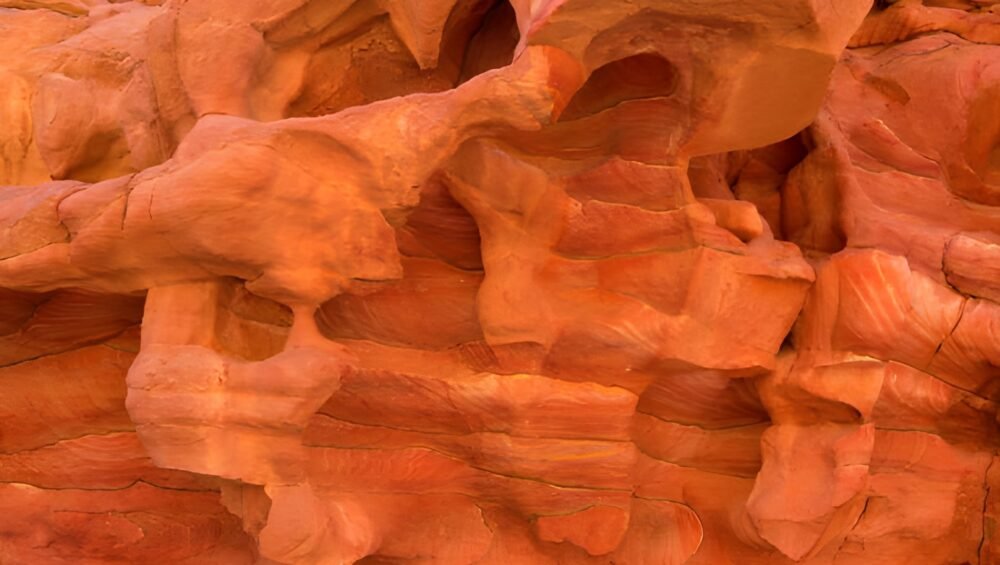
The mystical Colored Canyon near Nuweiba is one of Egypt’s unforgettable natural wonders. Sculpted by centuries of wind and water erosion, its walls glow with swirls of ochre, pink, and amber that shift with the light. Walking through its narrow passages feels like moving through a living painting. The surrounding desert landscape offers spectacular hikes and endless opportunities for photography and meditation. Many tours combine visits to the canyon with religious landmarks like Mount Sinai and St. Catherine’s Monastery, turning the journey into a complete exploration of Sinai’s natural and spiritual heritage.

Water Sports and Adventures

Nuweiba may be quieter than other Red Sea resorts, but for water enthusiasts, it’s a dream come true. Kayaking, paddleboarding, and snorkeling are available right from the beach. For thrill-seekers, local operators arrange diving trips similar to Ras Mohamed snorkeling tours. Offshore reefs teem with life, and the lack of crowds ensures pure serenity underwater. Sunset boat rides along the coast unveil panoramic views of the Sinai mountains glowing orange and red against the sea — a sight that defines pure magic.

Spiritual and Eco Retreats

Nuweiba’s calm atmosphere has made it a magnet for yoga enthusiasts, meditation retreats, and eco-friendly travelers. Several seaside camps focus on sustainability and holistic living, offering workshops, organic meals, and hammocks under the stars. The concept resonates with travelers searching for mindfulness in nature. These eco-lodges often host artists, musicians, and digital nomads who find inspiration amid the vibrant stillness of the landscape. Those traveling during festive seasons might even blend relaxation with exploration through specialized Egypt Christmas tours that include a Nuweiba stop.

How to Reach Nuweiba and When to Visit

Traveling to Nuweiba is relatively straightforward. The town sits roughly 70 kilometers south of Taba and 150 kilometers north of Sharm El Sheikh. Visitors can reach it by road via modern highways or by ferry from Aqaba, Jordan. Regular buses also run from Cairo and Dahab. For the ultimate Red Sea exploration, many travelers include Nuweiba on itineraries alongside Dahab and Sharm El Sheikh using travel hubs like Sharm El Sheikh Day Tours or Dahab Day Tours.

The best time to visit Nuweiba Egypt is between October and April when the weather is pleasantly warm without scorching heat. Summer months can get quite hot, though the sea remains an inviting escape. Winter brings dreamy nights perfect for campfires and desert excursions. Whether traveling as a couple, a family, or solo, visitors find Nuweiba an unmatched destination for relaxation, exploration, and reconnecting with what matters most — nature, culture, and peace.

Accommodation and Dining in Nuweiba

Nuweiba’s accommodations range from rustic beach huts to eco-luxury camps blending modern comfort with sustainable design. Many lodges are family-run and located directly on the beach, offering hammocks, candlelight dinners, and fresh fish grilled to perfection. Dining in Nuweiba often means enjoying authentic Egyptian cuisine by the sea — think smoky grilled meats, tahini dips, baked bread, and sweet Bedouin tea brewed over charcoal. For travelers booking extended journeys through Egypt, it’s easy to include Nuweiba within an Egypt vacation package that combines cities, deserts, and coastal escapes.

Safety and Sustainability in Nuweiba Egypt

Nuweiba is considered exceptionally safe for travelers, thanks to friendly locals and low population density. Bedouin communities take pride in ensuring visitor security and comfort. Moreover, the region emphasizes sustainable tourism — encouraging eco-lodges, responsible diving practices, and waste reduction. These initiatives protect the fragile marine ecosystems and desert landscapes that make Nuweiba so special. As global travelers grow more conscious about responsible travel, Nuweiba’s eco-chic ethos places it firmly on the map for future explorers.

FAQs about Nuweiba Egypt

What makes Nuweiba Egypt unique compared to other Red Sea destinations?

Nuweiba stands out for its peaceful vibe, authentic Bedouin culture, and pristine natural beauty. Unlike the crowded resorts of Sharm El Sheikh, it offers solitude, spacious beaches, and wild desert adventures all in one setting. The combination of coral reefs, colorful canyons, and starlit nights makes it a paradise for off-the-beaten-path travelers.

Is Nuweiba a good place for diving and snorkeling?

Absolutely! Nuweiba’s coral reefs are close to shore, rich in marine life, and ideal for snorkeling or diving. The clear waters host colorful fish, rays, and even turtles. Visitors who love underwater activities often combine Nuweiba with nearby diving hubs through packages like All Inclusive Egypt Vacations.

How can I travel to Nuweiba from Cairo?

Several routes connect Cairo to Nuweiba. Travelers can drive or take a comfortable coach via the Suez Tunnel and up through the Sinai Peninsula. Alternatively, private transfers can be arranged through agencies specializing in Egypt private tours for a more customized experience.

What are the best nearby attractions from Nuweiba?

Top nearby attractions include the vibrant Blue Hole in Dahab, the Mount Sinai climb at dawn, and the scenic White Canyon excursion. Travelers also enjoy Bedouin desert safaris and overnight camping beneath pure, unpolluted skies.

Is Nuweiba suitable for families and solo travelers?

Yes, Nuweiba is perfect for both families seeking calm beaches and solo travelers yearning for introspection. The welcoming Bedouin community ensures everyone feels at home. Families can enjoy relaxed swimming and cultural dinners, while solo visitors find peace and adventure through small-group excursions similar to 7 Days Egypt Adventure Tour programs.

Nuweiba

Discover Nuweiba: The Hidden Gem of Egypt’s Red Sea Coast

Nestled between the rugged Sinai Mountains and the Red Sea, Nuweiba is a tranquil coastal town that enchants travelers seeking an authentic Egyptian escape. Unlike its bustling neighbors, this serene destination offers unspoiled beaches, crystal-clear waters, and a glimpse into Bedouin traditions that have thrived for centuries. With its proximity to historical landmarks and adventure-filled landscapes, Nuweiba has become a hidden paradise for those who wish to experience Egypt’s raw natural beauty without the crowds. Adventure seekers, spiritual travelers, and eco-tourism enthusiasts are increasingly drawn to this laid-back haven, which serves as both a relaxing retreat and a gateway to epic exploration.

Nuweiba lies along the Gulf of Aqaba in the eastern Sinai Peninsula, making it an idyllic spot for diving, snorkeling, and hiking. The soft powdery sands, vibrant coral reefs, and spectacular mountain backdrops together create postcard-perfect scenery. Travelers often describe it as a slice of heaven where the desert melts into the sea. The town is split between Nuweiba Tarabin, known for its rustic beach camps, and Nuweiba Muzeina, home to local markets and cafes that buzz with life. Beyond the beach, the area around Nuweiba is surrounded by natural wonders like the Colored Canyon and the White Canyon, both famous for their surreal rock formations and geological beauty.

Whether you’re seeking solitude under starlit skies, exploring hidden canyons, or connecting with warm-hearted Bedouins, Nuweiba embodies the authentic charm of the Sinai coast. It’s a place that sparks curiosity, captivates photographers, and soothes travelers tired of commercialized tourism. Let’s venture deeper into what makes Nuweiba extraordinary and why it deserves a top spot on your travel bucket list.

Nuweiba’s Location and Geography: Where Desert Meets Sea

Nuweiba sits roughly halfway between Taba and Dahab, making it a strategic point for exploring the entire eastern Sinai coastline. Its geographical position offers a breathtaking contrast—towering mountains on one side and the glistening expanse of the Red Sea on the other. The region stretches along 40 kilometers of captivating shorelines, dotted with coral gardens teeming with marine life, making it a paradise for snorkeling and underwater photography. Its geographical isolation has preserved its raw beauty and maintained a calm, peaceful atmosphere rare to find in today’s hyper-touristic hot spots like Sharm El Sheikh.

The surrounding landscape transforms with each passing hour. During sunrise, the golden rays kiss the mountain peaks, casting stunning reflections on the water. By sunset, hues of crimson and violet dance across the sky, illuminating the sand dunes and the serene Red Sea. This dynamic environment makes Nuweiba a magnet for eco-travelers and landscape photographers searching for Egypt’s most dramatic backdrops. The region’s untouched environment also makes it ideal for desert safaris and stargazing tours under one of the clearest skies in the world.

Bedouin Heritage and Culture in Nuweiba

One of the most fascinating aspects of Nuweiba is its living Bedouin culture. Visitors often find themselves welcomed into traditional palm-thatched camps where Bedouin families share stories, tea, and music under the stars. This hospitality provides an authentic cultural immersion that bridges modern tourism with ancient traditions. The Bedouins of Nuweiba are known for their fascinating craftsmanship, producing handmade jewelry, colorful woven textiles, and intricate ceramics sold at local markets. Observing their simple yet fulfilling lifestyles offers travelers a humbling perspective on what it means to live in harmony with nature.

In Nuweiba Tarabin, you can find traditional beach camps run by Bedouin hosts, where you can sleep meters from the shore, listening to the soothing waves. The experience feels timeless—connecting visitors to the nomadic rhythms of desert life. Those eager to dive deeper into the region’s heritage can explore nearby St. Catherine’s Monastery through the Mount Sinai & St. Catherine Monastery tour, where spirituality, history, and nature intertwine.

Top Attractions and Things to Do in Nuweiba

Despite its peaceful atmosphere, Nuweiba brims with adventure and discovery. From deep-sea diving to mountain trekking, it offers a wealth of activities suited for travelers of all kinds.

Explore the Colored Canyon

The St. Catherine and Colored Canyon by Jeep tour is among the top-rated experiences from Nuweiba. The canyon dazzles with swirling patterns of orange, red, and gold sandstone, sculpted by centuries of wind and erosion. Hiking through the narrow passageways feels surreal; sunlight filters through the stones, creating a natural kaleidoscope that seems almost otherworldly. The trek is moderately challenging, but the visual reward is breathtaking.

Snorkeling and Diving in the Gulf of Aqaba

For marine life enthusiasts, the reefs near Nuweiba are among Egypt’s hidden underwater gems. With fewer divers than Dahab or Sharm, the area’s coral ecosystems remain pristine. The colorful fish, striking coral arches, and occasional sea turtles make for unforgettable underwater adventures. Many prefer to combine their stay with a visit to nearby Blue Hole Dahab, one of the world’s most renowned dive sites.

Desert Safari Adventures

A trip to Nuweiba wouldn’t be complete without a desert safari. You can venture into the wilderness on a thrilling jeep ride or take a slower, more reflective camel trek through the vast dunes. Popular excursions like the Desert Safari Trip by Quad Bike allow travelers to explore the breathtaking terrain and meet local tribes. As night falls, the desert sky transforms into a celestial canvas, perfect for Bedouin Safari and Star Gazing Tours where constellations fill the heavens.

Hidden Natural Wonders Near Nuweiba

Beyond its beaches and canyons, Nuweiba is surrounded by extraordinary natural landscapes that define the mystical spirit of the Sinai Peninsula. A few kilometers inland lies the White Canyon, a maze of chalky limestone that glows brilliantly under the sun. The Coloured Canyon and the White Canyon are geological marvels and offer thrilling hiking routes for those craving adventure. Together, they provide some of the best hiking trails in Egypt, merging geological splendor with the allure of the desert’s silence.

Another must-visit site is Ain Khudra, an enchanting oasis surrounded by palm trees where natural springs emerge from the desert floor. This sacred site, tied to biblical history, serves as a peaceful rest stop for hikers exploring the surrounding wadis. Whether you’re exploring on foot or by jeep, the landscapes seem to change with every curve—each revealing yet another breathtaking view of Egypt’s hidden wilderness.

Relaxation, Wellness, and Sustainable Travel

Nuweiba isn’t just about adventure—it’s equally about slowing down. Yoga retreats and eco-lodges have flourished here, taking advantage of the area’s serenity and natural energy. Many camps operate on sustainable principles, using solar energy, recycling materials, and sourcing food locally. This “slow travel” philosophy resonates deeply with visitors who want to disconnect from modern chaos and reconnect with themselves amidst nature’s grandeur.

Wellness travelers will love starting their morning with seaside meditation or enjoying a traditional Bedouin herbal tea while watching sunrise hues drift across the horizon. The quiet pace of Nuweiba inspires introspection—a rare luxury in today’s fast-moving world.

Day Trips and Excursions from Nuweiba

Nuweiba’s ideal location allows easy access to some of Sinai’s most famous highlights. Many tourists take short-day excursions to Mount Sinai, St. Catherine’s Monastery, or the ancient Nabatean port at Muweilah. For adventure travelers, tours like the Petra Tour from Sharm by Cruise make it possible to cross the Gulf and explore Jordan’s legendary Petra City within a day. Closer by, a visit to Dahab—a bohemian town known for its beach cafes and diving schools—makes an excellent complement to a Nuweiba stay.

Travelers can seamlessly extend their explorations of Egypt with broader itineraries such as the 7 Days Egypt Adventure Tour or the 8 Days Best Egypt Tour with Nile Cruise, ensuring that Nuweiba becomes part of a broader tapestry of cultural and natural Egyptian wonders.

When to Visit Nuweiba

The best time to visit Nuweiba is between October and April when daytime temperatures are moderate, and the sea remains warmly inviting. The gentle winter breeze and cooler evenings are ideal for desert hikes, campfires, and alfresco dinners by the sea. Summer months can be hot, but the calm waters and coastal breeze still provide comfort for beach lovers who prefer solitude. Travelers looking to combine Nuweiba with other destinations might consider seasonal tours like Egypt Christmas Tours, offering the perfect balance between adventure and celebration.

FAQs About Nuweiba

What is Nuweiba best known for?

Nuweiba is primarily known for its serene beaches, stunning coral reefs, and captivating desert landscapes. It’s a favorite destination for eco-travelers, divers, and those seeking authentic Bedouin culture far from mass tourism.

How do I get to Nuweiba from Cairo?

You can reach Nuweiba via direct bus routes from Cairo, or by traveling to Sharm El Sheikh and continuing by car or bus along the coastal road. Alternatively, visitors can incorporate it into longer organized tours such as the 7 Days Cairo and Nile Cruise Package.

Is Nuweiba safe for tourists?

Yes, Nuweiba is considered safe for travelers. The town maintains a relaxed, community-oriented feel, and local Bedouins are welcoming and protective of guests. Local tourism operates smoothly under Sinai’s regional security measures.

What activities can I do in Nuweiba?

Top activities include snorkeling, canyon hiking, desert safaris, and Bedouin camp experiences. Day trips to sites like Mount Sinai (Jebel Musa) and St. Catherine’s Monastery are popular for both historical and spiritual travelers.

Can I combine a visit to Nuweiba with other Egyptian destinations?

Absolutely. Many travelers combine Nuweiba with nearby resorts like Dahab or with classic Egyptian itineraries featuring Luxury Nile Cruises. Combining the Red Sea’s tranquility with cultural cities like Luxor and Aswan delivers a truly versatile Egyptian experience.

Final Thoughts on Nuweiba

Nuweiba stands as one of Egypt’s last genuine seaside retreats—untouched, poetic, and inviting. Its natural landscapes, deep-rooted Bedouin culture, and endless opportunities for adventure make it unforgettable. Whether you’re savoring the silence of the desert or diving beneath the turquoise surface of the Red Sea, Nuweiba offers serenity and discovery in perfect harmony. It’s not just a travel destination—it’s a state of mind, a place where simplicity reigns supreme, and where you can still feel the magic of ancient Egypt breathing through the wind and sea.

Sharm El Sheikh

Sharm El Sheikh – The Glittering Jewel of Egypt’s Red Sea

Sharm El Sheikh, resting along the stunning Sinai Peninsula, is a global magnet for travelers craving sparkling beaches, crystal-clear waters, and a splash of Arabian mystique. This sun-kissed resort city has transformed from a humble fishing village into one of the world’s most glamorous coastal getaways. Its shimmering coral reefs, luxury resorts, and thrilling desert adventures invite adventurers and dreamers alike to experience a piece of heaven where the desert meets the sea. Whether you’re a diving enthusiast, a seeker of peace, or a nightlife lover, Sharm El Sheikh promises a tapestry of unforgettable moments stitched with Egyptian warmth and hospitality. The city’s strategic location—where Africa meets Asia—gives it an undeniable charm. It’s not just a vacation destination but a captivating story of transformation, natural wonder, and cultural depth. With year-round sunshine, easy access, and diverse attractions, Sharm El Sheikh stands proudly as Egypt’s Riviera, competing effortlessly with top Mediterranean escapes.

Why Sharm El Sheikh Is Egypt’s Crown Jewel

Sharm El Sheikh, fondly known as ‘Sharm,’ blends luxury, adventure, and serenity like no other Red Sea destination. It draws honeymooners, families, divers, and those seeking world-class spas under endless blue skies. The weather alone grants it an edge—imagine bathing in sunshine nearly every day of the year. The Red Sea’s waters cradle vibrant marine life, making Sharm El Sheikh a paradise for snorkelers and scuba divers. Its five-star resorts, elegant promenades, and friendly vibe ensure every traveler feels pampered and inspired. While Luxury Egypt Tours explore ancient wonders, Sharm celebrates modern leisure shaped by pristine nature.

Beaches and Coral Reefs – Nature’s Masterpieces

The beaches of Sharm El Sheikh shimmer with silvery hues, where golden sands gently slope into swaying turquoise waters. Each beach has its unique pulse—Naama Bay for vibrancy, Shark’s Bay for exclusivity, and Ras Um Sid for world-class reefs. Dive sites like the Ras Mohammed National Park, accessible via Ras Mohammed National Park, reveal Egypt’s most famous underwater treasures. Marine biodiversity here rivals any global reef system, with parrotfish, moray eels, and brilliant coral gardens. Travelers often join a Sharm El Sheikh Day Tour for tailored adventures that include snorkeling or diving excursions to iconic sites like Tiran Island or the Blue Hole.

Diving and Snorkeling Adventures in Sharm El Sheikh

Sharm El Sheikh reigns supreme among diving destinations worldwide. Beneath the calm waters, divers discover shipwrecks and coral formations that appear painted by the gods. Ras Mohammed teems with pelagic fish, while the SS Thistlegorm wreck offers history-laced exploration. For those preferring a relaxed view, excursions like Scuba Diving Sharm El Sheikh or Snorkeling Trip to Tiran Island bring close encounters with soft corals and tropical sea creatures. Even beginners can join a Snorkeling by Boat to Ras Mohamed trip, offering the perfect balance between excitement and safety.

Luxury Resorts and Exclusive Retreats

Few places on Earth indulge visitors like Sharm El Sheikh. With its all-inclusive resorts, private beaches, and ocean-view spas, luxury feels effortless. Visitors who book All Inclusive Egypt Vacations often choose Sharm as their prime relaxation point. Leading international chains and boutique hotels serve lavish suites framed by palm-dotted promenades. Guests enjoy infinity pools overlooking the sea, rooftop dining with Mediterranean flavors, and moonlit walks along Naama Bay’s buzzing corniche. Every resort fosters an ambiance of romance and rejuvenation that echoes Egypt’s golden hospitality heritage.

Desert Adventures and Bedouin Experiences

Beyond the coral-strewn shorelines lies a desert brimming with mystery. Travelers can embark on a thrilling Desert Safari Trip by Quad Bike, racing across golden dunes or sitting under starry skies during a Bedouin Safari and Star Gazing Tour. The vast Sinai desert reveals Bedouin traditions still alive today—hand-brewed tea, ancient songs, and camel rides offering glimpses of Egypt’s nomadic heart. Evening shows, like the Alf Leila Wa Leila Show Sharm El Sheikh, merge folklore with dazzling artistry, adding another layer of enchantment to your stay.

Mount Sinai and Spiritual Escapes

A short drive away lies the sacred Mount Sinai (Jebel Musa), where spirituality breathes through every gust of desert wind. Hike before dawn, watch the sunrise bathe the Sinai peaks in molten gold, and feel the serenity that pilgrims have cherished for centuries. You can complement this with a St. Catherine Tour from Sharm to explore one of the oldest working monasteries in the world—St. Catherine’s Monastery, a UNESCO World Heritage Site that embodies faith and endurance.

Vibrant Nightlife and Local Culture

When the sun dips behind Sinai’s rugged silhouettes, Sharm El Sheikh changes its tempo. Naama Bay fills with laughter, aromas of shisha, and flavors from global kitchens. Trendy beach clubs pulse with music, and elegant bars offer craft cocktails overlooked by star-filled skies. The Sharm El Sheikh City Tour, available via Sharm El Sheikh City Tour, introduces travelers to the city’s lively soul, from bazaars brimming with spices and lanterns to the modern SOHO Square. Egyptian hospitality shines brightest when locals invite you for mint tea, sharing stories that cross cultural borders effortlessly.

Adventure and Day Trips from Sharm El Sheikh

Sharm El Sheikh isn’t only about the shores. The city serves as a launchpad for remarkable adventures. Day trips like the Petra Tour from Sharm by Cruise or the Day Tour to Luxor from Sharm by Air unveil the grandeur of neighboring Jordan and ancient Thebes. Each journey echoes Egypt’s layered heritage, connecting its modern allure with its legendary past. Seasoned guides blend storytelling with exploration, ensuring travelers savor every second of the experience.

Sharm El Sheikh for Families and Couples

What makes Sharm irresistible is how it adapts to every traveler’s dream. Families adore the safety, child-friendly resorts, and shallow shores perfect for little swimmers. Honeymooners find secluded spots framed by coral gardens and candlelit dinners by the sea. Many combine Sharm with Egypt Family Tours or tailor their itinerary through curated Egypt Vacation Packages that balance relaxation with cultural depth.

Eco-Tourism and Sustainability in Sharm El Sheikh

Ecotourism has taken center stage in Sharm’s development. Authorities protect coral reefs, enforce fishing restrictions, and promote sustainable diving practices. Resorts incorporate renewable energy and waste management systems. Nature enthusiasts appreciate guided eco-tours introducing local flora and fauna or visiting protected areas such as Ras Mohammed and Nabq. These initiatives ensure that future generations will continue to marvel at Sharm’s unrivaled beauty and biodiversity.

Best Time to Visit Sharm El Sheikh

Although Sharm welcomes travelers year-round, the ideal times fall between October and April when warm days and cool evenings craft the perfect climate. Divers enjoy calm seas with impeccable visibility, while beachgoers revel in gentle breezes. During holidays, the city hosts unique events that rival Egypt Christmas Tours for festive spirit. Whether it’s winter escapes or spring adventures, the Red Sea coast remains ever-inviting.

How to Reach Sharm El Sheikh

The resort city boasts direct flights from Europe, the Middle East, and Cairo. For internal travelers exploring through the Egypt Private Tours network, domestic flights offer convenience. Sharm’s International Airport provides taxi and transfer services, making transitions quick and smooth. Visitors arriving from Hurghada can even cross by ferry or arrange scenic overland routes across the coastal highway.

Practical Travel Tips for First-Time Visitors

While Sharm El Sheikh caters to luxury, simple local etiquette enhances every encounter. Dress modestly when away from resorts, carry cash for souks, and stay hydrated under the desert sun. Bargaining adds fun to shopping experiences, and tipping—known as ‘baksheesh’—is always appreciated. Tourists exploring via guided excursions like Day Trip to Cairo from Sharm by Air gain cultural insights that deepen appreciation for Egypt’s diversity.

FAQs About Sharm El Sheikh

1. What is the best way to explore Sharm El Sheikh?

The city’s compact layout makes it perfect for both independent and guided exploration. Booking a Sharm El Sheikh City Tour covers highlights like Old Market, SOHO Square, and Naama Bay. Taxis and resort shuttles are convenient for short distances, while private drivers offer flexibility for day excursions.

2. Is Sharm El Sheikh safe for travelers?

Yes, Sharm El Sheikh ranks among the safest places for tourists in Egypt. The area is well-guarded, with a strong focus on visitor comfort and security. Many travelers combine their stay with broader journeys like 7 Days Luxury Egypt Trip, enjoying seamless, safe travel across major destinations.

3. What are the must-do activities in Sharm El Sheikh?

Dive or snorkel at Ras Mohammed, embark on a desert safari, climb Mount Sinai at dawn, or unwind at Naama Bay. Visitors can also enjoy a Semi Submarine Trip in Sharm El Sheikh to witness reef life without getting wet. The city brims with experiences ranging from the spiritual to the sensational.

4. Can I visit other Egyptian sites from Sharm El Sheikh?

Absolutely! Sharm is an ideal hub for short excursions to ancient Egyptian wonders. Day trips to Cairo or Luxor via air routes make it easy to witness the Pyramids or Temples in a single day. For instance, travelers often choose the Day Tour to Luxor from Sharm by Air for a deep cultural experience.

5. What makes Sharm El Sheikh unique compared to other Red Sea resorts?

Sharm’s unmatched blend of luxury, natural beauty, and accessibility distinguishes it from others. Unlike Hurghada or Marsa Alam, Sharm also offers a gateway to the Sinai’s spiritual landscapes, Bedouin traditions, and iconic peaks. For diving and cosmopolitan entertainment, it remains the crown jewel of Egypt’s Red Sea Riviera.

Ultimately, Sharm El Sheikh encapsulates everything a traveler dreams of—breathtaking views, shimmering corals, ancient mystique, and unmatched comfort. Whether you crave underwater escapades,

Ras Mohammed National Park

Ras Mohammed National Park – Egypt’s Aquatic Paradise of Coral, Desert, and Adventure

At the southernmost tip of the Sinai Peninsula, where the Red Sea meets the Gulf of Aqaba, lies Ras Mohammed National Park, a natural wonderland that captures Egypt’s most spectacular marine life and desert terrain. This dazzling reserve isn’t just another stop on Egypt’s tourist map—it’s the ultimate meeting point of land and sea, offering pristine coral reefs, turquoise lagoons, and an arid wilderness shaped by millennia of wind and waves. Established in 1983 as Egypt’s first national park, Ras Mohammed protects over 480 square kilometers of unique ecosystems, attracting divers, nature photographers, and adventure seekers from across the world. The second you set foot here, you’re surrounded by untamed beauty. Every coral bloom, mangrove root, and limestone cliff whispers secrets of ancient seas and shifting sands.

The park’s breathtaking biodiversity—home to more than 200 coral species, 1000 fish species, and countless migrating birds—puts it among the top diving sites on Earth. With crystal-clear visibility and dramatic underwater cliffs, Ras Mohammed’s reefs compete with any tropical paradise. Yet, above water, its barren hills and shimmering salt ponds remind visitors that even in harsh environments, Egypt’s natural heritage thrives. Getting there is easy, just a short drive southwest of Sharm El Sheikh. Whether you’re snorkeling, diving, or simply exploring on foot, every experience at Ras Mohammed is a lesson in the resilience and beauty of nature.

Where Desert Meets the Deep: The Geography and Landscape of Ras Mohammed

Ras Mohammed National Park sits at the junction of the Gulf of Suez and the Gulf of Aqaba, a crossroads of geological drama and marine diversity. Its rugged shoreline includes cliffs sculpted by tectonic activity and postcard-perfect beaches lined with coral gardens. This strategic location gives the park a unique ecosystem where the arid desert collides with vibrant underwater life. The surrounding mountains and wadis, such as Wadi Wasa and Wadi Mahadi, form part of this spectacular landscape. Visitors often marvel at the Earthquake Crack—a dramatic fissure caused by seismic activity, symbolizing how dynamic and alive the region remains beneath the surface. The area’s geological formations, including sand dunes and fossilized coral terraces, reveal stories that date back millions of years.

Many travelers combine a park visit with nearby excursions like the iconic Mount Sinai & St. Catherine Monastery, turning their Red Sea getaway into a full-on immersion in Egyptian nature and spirituality. The juxtaposition of raw desert hills and the underwater kaleidoscope makes Ras Mohammed a dream for geologists and ecotourists alike.

The Coral Kingdom Beneath the Red Sea

What sets Ras Mohammed apart isn’t just its stunning scenery but its flourishing reef ecosystem. The park shelters over 200 coral species, forming vertical walls that drop deeper than most divers can explore. The reefs are living rainforests of the sea—home to angelfish, butterflyfish, lionfish, barracuda, and the occasional reef shark gliding majestically past. Sites like Shark Reef and Yolanda Reef are world-famous, combining rich coral shelves with spectacular wreck diving.

For travelers seeking an intimate look at this underwater paradise, taking a Snorkeling by Boat to Ras Mohamed tour provides the perfect chance. From shallow lagoons to vibrant drop-offs, every fin-kick reveals a masterpiece of marine biodiversity. The currents that sweep through these reefs carry nutrients that feed countless aquatic species, sustaining a perfectly balanced marine ecosystem.

Snorkeling and Diving Adventures in Ras Mohammed

Divers from around the globe flock to Ras Mohammed to experience its legendary visibility and breathtaking underwater topography. Shark Reef and Yolanda Reef are must-visit dive sites, where abundant marine species thrive among coral pinnacles. Shark Reef’s vertical walls drop over 700 meters, offering advanced divers an exhilarating plunge into the deep blue. Yolanda Reef, on the other hand, features the remains of an old cargo ship scattered with bathtubs, toilets, and pottery fragments, now colonized by sea fans and coral sponges—artifacts transformed into part of nature’s underwater museum.

Snorkelers can enjoy shallower lagoons such as Marsa Bereika, filled with colorful parrotfish, giant clams, and living coral gardens. The water clarity, often exceeding 30 meters, makes even the simplest swim feel cinematic. Visitors staying nearby frequently book Sharm El Sheikh Day Tours to access the best dive centers and guides, ensuring a seamless and safe adventure beneath the waves.

The Magical Salt Ponds and Mangrove Forests

Ras Mohammed isn’t just a diver’s Eden. Its land-based wonders are equally mesmerizing. One of the park’s highlights includes the shimmering salt ponds, natural basins formed by seawater trapped and evaporated over time. They sparkle like mirrors under the desert sun and change hues from emerald to pale turquoise depending on light conditions. Just a short distance away, the mangrove forests—unusual in such arid terrain—provide vital breeding grounds for migratory birds and marine organisms.

These mangroves are part of Egypt’s delicate coastal ecosystem, filtering water and mitigating erosion. Watching herons glide between the branches at dawn feels like witnessing an ancient rhythm of life still perfectly preserved. Visitors often pair this peaceful stop with an exhilarating experience like the Bedouin Safari and Star Gazing Tour, blending daytime exploration with cosmic wonder under the desert sky.

Wildlife and Birdwatching in Ras Mohammed

Birdwatchers consider Ras Mohammed a hidden gem. The park’s mangroves and lagoons host migrations of white storks, herons, and ospreys traveling between Africa, Asia, and Europe. On the desert plains, you might spot fox tracks or gaze at ibex climbing rocky slopes. The park even supports small populations of Nubian ibex and Dorcas gazelles—proof that wildlife thrives where the environment appears inhospitable. The dedication of Egypt’s conservation programs ensures these species are safeguarded amid the pressures of climate change and tourism growth.

What to Expect When Visiting Ras Mohammed National Park

Ras Mohammed offers both simplicity and splendor. Visitors can expect scenic lookouts, shaded picnic zones, sandy beaches, and marked trails for photography and exploration. Don’t miss the panoramic viewpoint overlooking the Gulf of Aqaba—a scene so vast it feels otherworldly. Swimming and snorkeling here are permitted within designated zones to protect fragile coral beds. Eco-conscious travelers love the park’s balance between access and preservation, making it a model for sustainable tourism.

Those exploring Egypt on extended trips may find it convenient to weave Ras Mohammed into broader itineraries such as an Egypt Vacation Package or a relaxing escape featuring All Inclusive Egypt Vacations. Whether traveling solo or with family, the park’s infrastructure ensures comfort without compromising its wild authenticity.

Getting to Ras Mohammed from Sharm El Sheikh

Located just 25 kilometers south of Sharm El Sheikh, the park is easily accessible by car or organized tours. Many travelers opt for private transfers or join eco-boat trips that dock directly in sheltered lagoons. Early morning visits are ideal to beat the heat and capture the best light for photography. The entrance requires a small fee, which goes directly to the park’s maintenance and conservation.

For those keen to extend their Red Sea getaway, pairing Ras Mohammed with a Luxury Egypt Tour can enhance your itinerary with style, providing private guides and tailored diving sessions. Photographers will appreciate the soft glow of dawn hitting the limestone cliffs and the sight of coral shallows glowing beneath calm waters.

Best Time to Visit Ras Mohammed

Winter and spring, from October to April, provide the best conditions for exploring Ras Mohammed National Park. Temperatures average around 25°C, offering comfortable conditions both on land and underwater. Summer months can feel hot, but even then, many divers prefer the warm water and abundant marine life. Visibility during these months often peaks, showcasing spectacular coral gardens in all their glory.

Top Travel Tips for Exploring Ras Mohammed

Visitors should bring sunscreen, eco-friendly swimwear, snorkel gear, and plenty of water. Touching coral or removing shells is prohibited to preserve the marine ecosystem. Hiring a licensed local guide ensures a safer and more educational experience, providing insights into marine life, geology, and environmental conservation. It’s also advisable to book tours such as Scuba Diving Sharm El Sheikh if you’re seeking a deeper underwater adventure led by experts familiar with the area’s currents and ecology.

Nearby Attractions Worth Visiting

Combine your trip with a desert adventure to Colored Canyon or a cultural escape to St. Catherine’s Monastery. For a contrast between tranquil sea and vibrant desert, drive northward to Dahab, where you’ll find laid-back diving and otherworldly sites like the Blue Hole. Ras Mohammed’s proximity to these natural icons makes it the centerpiece of any Sinai itinerary.

Why Ras Mohammed Stands Out Among Egypt’s National Parks

Egypt boasts remarkable protected areas, from Wadi El Gemal National Park on the Red Sea coast to Gebel Elba near the Sudanese border. Yet Ras Mohammed remains the crown jewel because of its remarkable convergence of biodiversity, accessibility, and beauty. Its coral reefs are some of the healthiest in the world, thanks to strict conservation practices and limited coastal development. Egypt’s environmental authorities have invested significantly in maintaining this marine sanctuary, ensuring that mass tourism doesn’t disrupt its equilibrium.

For eco-conscious travelers, visiting Ras Mohammed represents more than sightseeing—it’s a statement of support for sustainable travel. Its preservation success is a model for coastal conservation within the entire Red Sea region. Every encounter here—whether swimming among colorful fish or watching the desert sunlight flicker on calm tides—becomes a powerful reminder of our planet’s interdependence.

Frequently Asked Questions About Ras Mohammed National Park

What’s the best way to reach Ras Mohammed National Park?

Ras Mohammed is roughly a 45-minute drive from Sharm El Sheikh. Visitors can rent a car, take a taxi, or join a guided day trip via Egypt Day Tours. Organized tours often include snorkeling gear, lunch, and entrance fees, making them convenient options.

Do I need a permit or special pass to visit the park?

No special permit is required beyond the standard park entrance fee. The ticket can be purchased at the gate, and proceeds support environmental conservation programs.

Is Ras Mohammed suitable for families and non-divers?

Absolutely. While divers adore the reefs, the park also features beaches for swimming, observation decks, and walking trails ideal for families. Its shallow lagoons provide great snorkeling even for beginners.

When is coral viewing at its best?

Coral viewing peaks between March and October when waters remain warm, and marine activity thrives. Early morning and late afternoon dives often reveal schools of fish shimmering in golden light—perfect for photography enthusiasts.

Can I camp overnight inside Ras Mohammed?

Camping inside the park is restricted to protect its fragile environment. However, nearby accommodations in Sharm El Sheikh offer easy access for day visitors planning repeated excursions.

Final Thoughts on Ras Mohammed National Park

Ras Mohammed National Park isn’t simply a destination—it’s a living showcase of Egypt’s ecological wealth. Where other attractions highlight ancient monuments, this park celebrates nature’s timeless artistry. Here, the colors of the Red Sea rival any gemstone, and the quiet pulse of the desert balances

White Canyon

White Canyon Egypt – Exploring the Hidden Marble Maze of Sinai

Tucked deep within the dramatic landscape of Egypt’s Sinai Peninsula, the White Canyon stands as one of nature’s most extraordinary creations. This awe-inspiring gorge, sculpted by wind and water over centuries, captures the essence of the Egyptian desert — wild, mysterious, and breathtakingly beautiful. Travelers visiting the region often find themselves captivated by its dazzling limestone walls, glowing white under the desert sun, creating an otherworldly contrast against the golden sands surrounding it. If adventure, natural beauty, and tranquility sound like your cup of tea, White Canyon should definitely top your travel list.

The White Canyon, located near Nuweiba and St. Catherine, offers a geological spectacle that feels almost supernatural. Its chalky cliffs and labyrinthine passageways seem to glow from within, especially during sunrise and sunset when the light dances upon the canyon walls. For hikers, trekkers, and nature lovers alike, it’s an irresistible attraction that combines physical exploration with moments of quiet wonder. Whether you’re starting your journey from Sharm El Sheikh or Dahab, reaching White Canyon is an invitation to experience one of the most serene and photogenic corners of the Egyptian desert. This isn’t just a destination; it’s a spiritual retreat woven into Sinai’s timeless beauty.

The Geography and Formation of White Canyon

White Canyon’s geological story is as fascinating as its visuals. Formed by millennia of erosion, this limestone gorge showcases striking sedimentary layers that reveal the ancient forces shaping Egypt’s desert landscapes. Much like the Colored Canyon, its natural structure displays how water carved out deep passageways during prehistoric floods, leaving behind smooth, twisting rock formations that shimmer in pale ivory hues. The canyon’s narrow corridors, sometimes just shoulder-wide, wind through about two kilometers of breathtaking sandstone, making the trek both adventurous and scenic.

The region lies near the heart of Sinai and the Red Sea, an area celebrated for its geological diversity. Despite its tranquil allure today, this part of Sinai once witnessed powerful tectonic movements that sculpted its raw terrain. As a result, every twist and turn inside White Canyon tells a silent story of time and transformation. This phenomenal natural formation has become a key stop for eco-tourism enthusiasts exploring Egypt’s rugged heartlands, often combined with visits to the St. Catherine’s Monastery and Mount Sinai.

Adventure Tourism and the White Canyon Experience

Adventure seekers adore the trek through White Canyon for its balance of adrenaline and serenity. It’s not merely a hike but a journey through a living sculpture garden, where each curve invites exploration. The terrain alternates between wide valleys and tight rock corridors, creating a natural obstacle course ideal for thrill lovers. While not overly challenging, the path requires some scrambling and patience, rewarding trekkers with majestic panoramic views of the Sinai desert at every turn.

Many local guides include White Canyon in multi-stop desert tours that cover places like the Fayoum & Western Desert and White Desert. However, this particular canyon maintains a unique personality — an intimate escape amid limestone labyrinths. The soft shades of white and cream create a dreamlike ambiance that distinguishes it from the fiery tones of the Valley of Agabat or the gold-red walls of the Colored Canyon. Visitors often describe it as walking inside a desert cathedral bathed in ethereal light.

How to Get to White Canyon

Accessing White Canyon typically begins from Nuweiba or Dahab, both conveniently located for guided excursions. Many visitors join organized trips like the St. Catherine and Colored Canyon by Jeep, which also includes stops at nearby attractions. The drive across the desert is a sensory thrill in itself, offering glimpses of rugged mountain ranges, shifting dunes, and quiet Bedouin villages where time seems to stand still.

From Dahab, the drive takes roughly one and a half hours by 4×4 vehicle. The journey crosses desert tracks that reveal endless vistas of unbroken sand and jagged cliffs. Upon reaching the starting point, most groups descend into the gorge on foot, guided by Bedouin locals who know every twist and crevice of the canyon. Many travelers combine this excursion with an overnight visit to Nuweiba Egypt or a cultural stop at the monastery in St. Catherine, creating a balanced itinerary that blends nature and spirituality.

When Is the Best Time to Visit White Canyon?

Weather plays a central role in shaping the White Canyon experience. The ideal time to explore is between October and April when temperatures are mild and the desert breeze is pleasant. During summer, the canyon can get fiercely hot, making early morning hikes your best option. Clear skies and gentle sunlight during winter highlight the canyon’s ivory glow, perfect for photography enthusiasts searching for striking desert landscapes that mirror minimalistic perfection.

Many guided packages align with seasonal patterns similar to those offered in Sharm El Sheikh day tours. The White Canyon’s visually alluring tones appear most vivid under the softer hues of dawn or late afternoon, adding depth and shadow to its fluid formations. The canyon’s secluded location ensures minimal crowds, letting visitors soak in its serenity without interruption.

Cultural Significance and Bedouin Heritage in the Region

The White Canyon isn’t just a natural monument; it also connects deeply with local Bedouin culture. Tribes who’ve inhabited Sinai for generations serve as gatekeepers to this pristine landscape. They guide travelers safely through its winding passageways while sharing stories that blend nature with spirituality. These communities have developed an intimate knowledge of the desert, including traditional navigation skills and ecological wisdom passed down over centuries.

Engaging with Bedouins along the route adds cultural texture to the expedition. Many travelers stop for a cup of traditional Bedouin tea, brewed over open fires, paired with homemade bread baked in sand ovens. Authentic interactions like these provide a deeper insight into the heritage of the region—something rarely gleaned from conventional travel experiences. Just as visiting the Nubian Village along the Nile adds cultural dimension to an Egyptian itinerary, meeting Sinai Bedouins humanizes the raw landscapes of White Canyon.

Photography and Natural Beauty at White Canyon

Few destinations in Egypt offer such visually arresting opportunities for photographers. The interplay of light and shadow on the canyon walls presents endless creativity. Natural sunbeams pour into the narrow passages, highlighting textured ridges and casting sculptural contrasts. Visitors often describe these moments as stepping into an open-air art gallery carved by wind and time. The canyon’s soft monochrome palette makes it a striking counterpoint to the vivid colors of the Red Sea coast nearby.

To maximize your photo adventure, consider timing your hike when sunlight enters the canyon from above. The best angles occur mid-morning when shadows create stunning depth perception. If your passion for scenic landscapes extends beyond Sinai, you’ll likely appreciate exploring natural wonders like the Crystal Mountain or Farafra Oasis. Each showcases Egypt’s geological treasures with distinct characteristics that keep photographers endlessly inspired.

White Canyon and Environmental Sustainability

Preserving the White Canyon’s fragile ecosystem is paramount. As visitor numbers increase, sustainability initiatives have become crucial. Responsible tourism practices emphasize leaving no trace—collecting waste, avoiding graffiti, and sticking to marked paths. Guides play an educational role, encouraging visitors to respect desert flora and fauna. In return, this conscious approach helps keep the canyon’s pristine character intact for future generations.

Local tour operators coordinate with Bedouin communities to promote eco-conscious experiences similar to those highlighted on Eco Tours in Egypt. These initiatives empower local guides economically while ensuring environmental stewardship remains central. For travelers who value both adventure and conservation, White Canyon delivers the perfect balance of excitement and ethical exploration.

Combining White Canyon with Sinai’s Iconic Attractions

Few itineraries in Egypt rival the diversity offered by the Sinai Peninsula. You can pair your White Canyon trek with iconic landmarks like Mount Sinai & St. Catherine Monastery, transforming your day into a spiritually charged adventure. Many tours expand further, including jeep drives to the Coloured Canyon or snorkeling escapes to Tiran Island. The Sinai region harmoniously blends the austerity of its deserts with the vibrancy of its coastal reefs, appealing to all types of travelers — adventurers, photographers, and serenity seekers alike.

For those wanting to unwind after desert adventures, heading toward the beaches of Dahab or Nuweiba makes an excellent complement. These serene Red Sea towns allow visitors to cool off after a long trek, explore coral reefs, and experience Bedouin hospitality by the sea. Whether you mix White Canyon with hiking, diving, or pilgrimage experiences, Sinai’s intricate beauty ensures that every itinerary feels unique and unforgettable.

FAQs about White Canyon, Egypt

1. Where is White Canyon located?

White Canyon is situated in the South Sinai Governorate of Egypt, near the towns of Nuweiba and St. Catherine. It’s easily accessible by 4×4 vehicles from Dahab or Sharm El Sheikh as part of guided day trips through the Sinai Desert.

2. What makes White Canyon unique compared to other canyons in Egypt?

White Canyon’s limestone composition gives it a distinctive glow, unlike the more colorful sandstone found in the Colored Canyon. Its soft ivory hue and smooth rock formations make it appear sculpted from marble, offering a sense of surreal brilliance against the desert.

3. Is White Canyon suitable for beginners?

Yes, White Canyon is considered beginner-friendly, though some sections require light climbing and narrow passage navigation. Most guided tours ensure safety and comfort by providing local Bedouin assistance and planned rest stops.

4. Can White Canyon be visited year-round?

While technically open year-round, the best time to visit is from autumn to spring when temperatures remain moderate. Avoid midday hikes during summer due to extreme heat.

5. What should I bring when exploring White Canyon?

Essentials include sturdy walking shoes, a hat, sunscreen, water, and a camera for capturing its photogenic beauty. Lightweight clothing and a shawl for extra sun protection are also recommended. If taking guided excursions, your operator typically provides refreshments and safety guidance similar to other Sinai tours like the Sunset Desert Safari Trip by Quad Bike.

White Canyon remains a must-visit destination for travelers yearning to see Egypt beyond its ancient temples and coastal resorts. Its luminous cliffs, serene trails, and deeply spiritual atmosphere affirm that even within Egypt’s arid heart, nature crafts miracles worth exploring again and again.

Colored Canyon

Colored Canyon Egypt – A Mesmerizing Desert Wonder in Sinai

Hidden within Egypt’s extraordinary Sinai Peninsula lies one of Mother Nature’s most dazzling creations — the Colored Canyon. Carved by wind and water over millions of years, this striking labyrinth of sandstone walls glows with hues of amber, rose gold, violet, and ochre. Nestled near Nuweiba, not far from the St. Catherine’s Monastery, the Colored Canyon is a spectacle that captures both spirit and imagination. As you journey through its twisting paths, you’ll feel as if you’ve stepped into an abstract painting brought to life. The canyon’s vivid palette, shaped by mineral deposits and sedimentation, has made it a top highlight for travelers seeking natural beauty and adventure intertwined.

This geological masterpiece is more than just a sightseeing stop; it’s a story etched into stone. The vibrant colors shift with the angle of the sun, painting a different picture each hour. Adventure seekers, nature enthusiasts, and photographers alike are universally drawn to this site. Whether exploring by 4×4 jeep, on foot, or as part of an organized desert excursion, the Colored Canyon experience is both humbling and exhilarating. It embodies the mystery and spirit of the Egyptian desert — where silence amplifies beauty and colors tell ancient tales.

Visitors often combine a trip to the Colored Canyon with a stop at Mount Sinai or the serene beaches of Nuweiba, making it part of unforgettable multi-day journeys. The canyon attracts those eager to uncover the less-trodden paths of Egypt, far from the bustling landmarks of Cairo or Luxor. Those opting for adventurous Sharm El Sheikh day tours often find this place to be a highlight — a showcase of Egypt’s diverse natural landscapes. Let’s dive deeper into what makes the Colored Canyon a dream destination for eco-lovers and wanderers alike.

Discovering the Colored Canyon of Sinai

The Colored Canyon in Sinai is situated about 90 kilometers north of Dahab and roughly two hours from Sharm El Sheikh. Tucked away in the arid desert north of Nuweiba, the journey alone feels like an adventure across timeless sandscapes. The rugged terrain, dotted with red-rock escarpments and Bedouin camps, hints at the grand spectacle awaiting travelers. Once inside the canyon, visitors find themselves surrounded by walls soaring up to 40 meters high, their surfaces rippled with layers of color that seem almost supernatural. The intricate passageways wind through narrow corridors, at times so tight that only one person can pass.

Scientists explain that the canyon’s vibrant hues stem from natural oxidization of manganese, iron, and copper over millennia. The result is a stunning visual mosaic — shades of pink, orange, white, and deep rust layered like brushstrokes of a desert painter. Unlike Egypt’s ancient monuments, the Colored Canyon isn’t a human creation; it’s a pure natural heritage. Every twist and turn reveals sculpted geological formations that look like melted wax or rippled silk. No photo truly captures its charm — you must witness the light dance across the rocks to believe it. The site remains among the finest examples of Egypt’s extraordinary desert landscapes, alongside places like the White Desert and the Valley of Agabat.

How to Reach the Colored Canyon from Sharm El Sheikh or Nuweiba

Most travelers reach the Colored Canyon through guided jeep safaris beginning from Sharm El Sheikh, Dahab, or Nuweiba. Joining organized tours ensures safety and local insight into the landscape and Bedouin culture. Adventure programs like those under St. Catherine and Colored Canyon by Jeep offer remarkable combinations — exploring sacred monasteries and awe-inspiring rock canyons in one thrilling day. Those coming from Nuweiba arrive even faster, with certain routes offering scenic desert drives through Wadi Watir, a dramatic valley leading directly to the canyon.

Independent adventurers can also visit, but the journey demands preparation. The route crosses deserts where roads vanish into sand — without a local guide, navigation is nearly impossible. Temperatures can soar, and conditions shift quickly, so experienced desert drivers are invaluable. Visitors staying in coastal hubs often pair their exploration with nearby experiences such as Dahab day tours or snorkeling trips at Blue Hole Dahab, creating a balanced mix of adrenaline and relaxation.

The Geological Beauty of the Colored Canyon

The geological formations of the Colored Canyon tell an ancient tale of Earth’s transformation. Millions of years ago, the Red Sea’s tectonic activity lifted and fractured the region, leaving behind deep fissures. Over time, water and wind erosion carved these remarkable paths. Layers of sandstone mixed with minerals oxidized into the canyon’s striking tones. Each shade corresponds to a unique mineral — iron for red, copper for green, sulfur for yellow. The result is a living gallery where every wall unfolds a natural pattern etched by time.

Walking through the canyon feels like stepping into Earth’s storybook. The polished walls shimmer under the sunlight, and their hues morph as shadows shift. These natural pigments, combined with intricate textures, create a dreamlike atmosphere — ideal for artistic photography and spiritual reflection. Geology enthusiasts find the spot fascinating, while casual visitors are awed by the soulful silence that amplifies every detail. Comparable awe can be experienced at Wadi El Rayan and Wadi Al Hitan, making the Sinai a true outdoor geological museum.

Adventure Activities in and around the Colored Canyon

Adventure is at the heart of every Colored Canyon tour. After arriving by jeep, visitors often embark on guided hikes through the maze-like corridors, navigating narrow passages bordered by towering rock faces glowing with color. Those seeking adrenaline can combine the experience with desert safaris, camel rides, or overnight Bedouin camps. Evening bonfires under the galaxy-filled sky transform a simple hike into a memory stitched forever in your heart.

Some itineraries integrate cultural experiences such as a visit to local Bedouin villages where guests sip sweet tea and learn desert survival traditions. For modern explorers craving immersive nature adventures, Egypt’s desert tours rival those in Jordan or Morocco. Travelers embracing sustainable tourism options — like the eco-focused itineraries found in Eco Tours in Egypt — find the Colored Canyon particularly rewarding. These journeys emphasize respect for local culture and preservation of fragile desert ecosystems.

Best Time to Visit the Colored Canyon

The best times to visit the Colored Canyon are during spring (March to May) and autumn (September to November). These months offer milder temperatures and clear skies that highlight the canyon’s vivid hues. Summer tends to be scorching, with midday heat discouraging lengthy exploration. Morning departures are ideal, allowing hikers to enjoy the cool desert breeze while witnessing sunlight cascading across stone walls in a dazzling color play. Winters can be chilly, particularly in early mornings, but the peace and solitude of the season create a mystical aura unmatched during busier times.

Planning an early morning jeep tour from Sharm El Sheikh or Dahab ensures arrival before the crowds, maximizing chances for awe-inspiring photographs. Pairing your visit with nearby attractions such as the White Canyon gives travelers deeper insight into Sinai’s diverse topography — a remarkable contrast of smooth curves and rugged cliffs.

What to Bring for a Perfect Colored Canyon Tour

Comfort and safety are paramount when visiting the Colored Canyon. Travelers should wear light, breathable clothing, sturdy hiking shoes, and protective hats. Bring sunscreen, sufficient water, and a camera for capturing the breathtaking scenery. A small backpack is convenient for carrying essentials, and those sensitive to the sun might pack a scarf for shade. Flashlights can help explore narrower, shaded sections while travel insurance covering adventure activities is advisable. Visitors can consult experts specializing in desert travel, like those featured under Egypt Private Tours, for tailored recommendations and guided arrangements.

Combining the Colored Canyon with Other Egypt Destinations

The marvel of the Colored Canyon fits naturally into broader Egyptian itineraries. Many luxury tours link the Sinai region with monumental highlights along the Nile. After soaking in the desert serenity, travelers can transition to rich cultural tours along the river on a Luxury Nile Cruise or explore temples through packages like the 7 Days Cairo and Nile Cruise Package. This contrast — from colorful sandstone canyons to golden tombs and royal statues — encapsulates Egypt’s diverse tourism appeal.

Adventurous travelers often design desert and sea combined routes, spending a day in the canyon before enjoying snorkeling escapades at Ras Mohammed National Park or relaxing on shores of Sharm El Sheikh. Multi-day packages, similar to the 11 Days Luxury Egypt Tour Package, often incorporate such desert explorations alongside Egypt’s timeless treasures to offer a perfect blend of nature, culture, and relaxation.

Preserving the Natural Heritage of Colored Canyon

Preserving the Colored Canyon of Egypt is crucial for future generations. While tourism brings economic benefits to nearby towns, unmanaged visitation can threaten the fragile sandstone structure. The local Bedouin communities, custodians of the land, urge travelers to tread lightly — taking only photographs and leaving only footprints. Responsible tourism policies, supported by Egyptian authorities, focus on limiting environmental degradation and educating guides about sustainable practices. Visitors are encouraged to book tours through certified operators aligned with eco-initiatives, ensuring that this geological wonder remains pristine and awe-inspiring for centuries to come.

FAQs About Colored Canyon Egypt

1. Where exactly is the Colored Canyon located?

The Colored Canyon lies in the Sinai Peninsula of Egypt, about 90 km north of Dahab and 15 km from Nuweiba. It’s accessible via desert tracks and commonly visited on jeep safaris arranged from Sharm El Sheikh or Dahab hotels.

2. What makes the Colored Canyon unique?

What sets it apart is its spectrum of natural colors caused by mineral oxidation in sandstone layers. The canyon’s shades shift breathtakingly with sunlight, creating an illusion of rainbow-painted rocks shaped over millions of years.

3. Can travelers combine the Colored Canyon with other attractions?

Absolutely. Many itineraries pair this destination with nearby landmarks like St. Catherine’s Monastery, Mount Sinai, and White Canyon. These trips can also extend to Red Sea attractions such as Dahab or Sharm El Sheikh.

4. How can one prepare for a Colored Canyon tour?

Travelers should wear durable shoes, carry water, and avoid visiting during peak heat hours. Booking with professional guides who understand terrain safety is essential. Tours like St. Catherine and Colored Canyon by Jeep include well-planned itineraries and local expertise for a secure experience.

5. Is the Colored Canyon family-friendly?

Yes, families with older children who enjoy hiking and nature will find it captivating. However, some narrow sections may require light scrambling, so proper footwear and guidance are necessary. Families preferring gentler adventures can explore combined routes with bedou