Ancient Egyptian Language

The Ancient Egyptian Language: A Journey Through Time

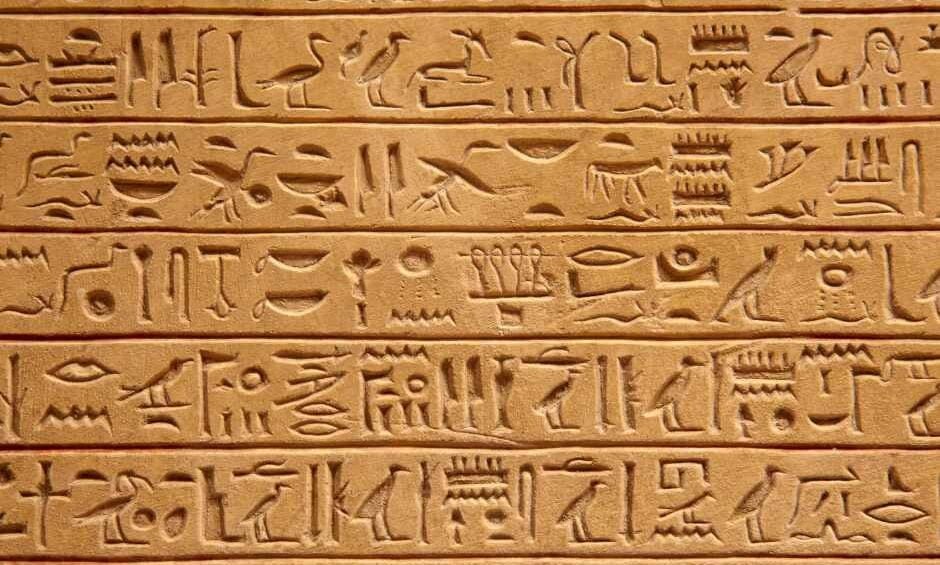
The Ancient Egyptian Language is a remarkable and enduring linguistic heritage, with roots stretching back to around 3400 BC. As a member of the Afro-Asiatic language family, it shares connections with languages like Berber, Arabic, Amharic, and Hebrew.

Evolution of the Ancient Egyptian Language:

  1. Archaic Egyptian:

    • Used in the early dynastic periods.
    • Features some of the earliest Egyptian hieroglyphs, found on artifacts like Nakada II pottery.
  2. Old Egyptian:

    • Utilized for the Pyramid Texts, the world’s oldest known religious writings.
    • Became the official language in the Old Kingdom and First Intermediate Period.
    • Characterized by its use of ideographic, phonetic, and plural determinants.
  3. Middle Egyptian (Classical Egyptian):

    • Used for a diverse range of texts, including religious, medical, poetic, and scientific writings.
    • Saw the development of regional accents.
    • Scripted in both hieroglyphic and hieratic forms.
  4. Late Egyptian:

    • Flourished during the New Kingdom, a peak in Egyptian culture.
    • Showcased significant linguistic evolution from earlier stages.
    • Marked by the expansion of the hieroglyphic script.
  5. Demotic:

    • Originated in the late Ptolemaic dynasty and lasted for nearly a millennium.
    • Evolved from the Hieratic script, particularly prevalent in the northern Delta region.
  6. Coptic:

    • The final stage and direct descendant of Ancient Egyptians.
    • Influenced by the Greek alphabet.
    • Served as Egypt’s official language from 200 AD to 1100 AD.
    • Survived into the 17th century and contributed to the Renaissance.
    • Currently used as a liturgical language in the Coptic Orthodox Church.

Legacy and Significance:

The Ancient Egyptian Language not only reflects the ancient Egyptians’ innovation and creativity but also continues to captivate scholars and enthusiasts worldwide. Its rich history and progression through different forms and scripts underscore the dynamic nature of language and its integral role in shaping cultures and civilizations.
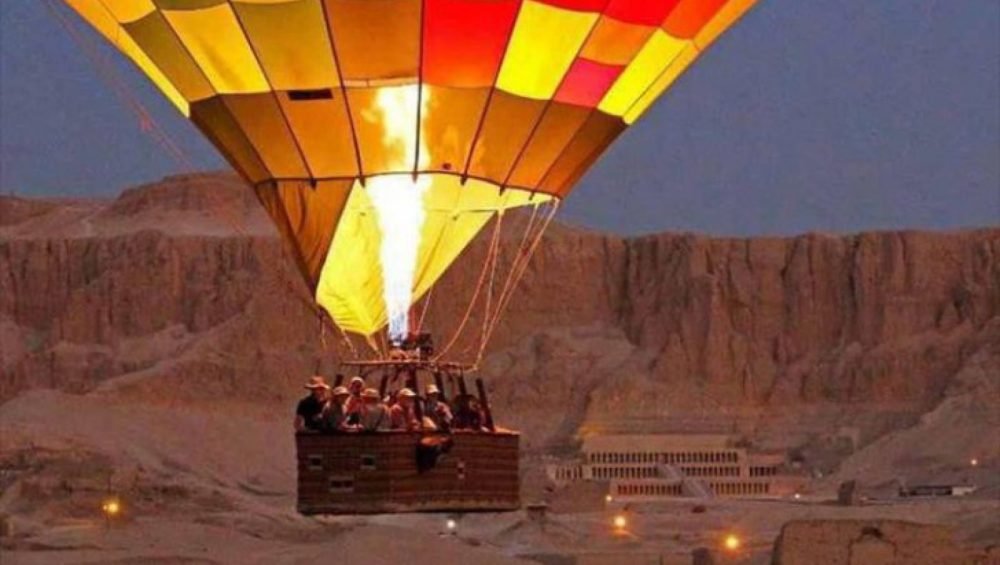
book Hot Air Balloon with Love Egypt tour

Taking to the skies in a hot air balloon over Luxor, Egypt presents a unique and unforgettable adventure. Luxor, with its ancient allure of temples and tombs set against a stunning backdrop, offers an ethereal setting for a balloon ride.

Why Choose Cindrella Travel for Your Balloon Ride:

  • Cindrella Travel is a reputable company known for its exceptional hot air balloon experiences.
  • They boast a team of skilled, certified pilots and utilize advanced equipment for safety and comfort.
  • The company offers a seamless booking process, whether online or by phone.

Types of Flights Offered:

  • Deluxe Flight: A private, intimate experience for up to two passengers, lasting about 60 minutes. Includes champagne breakfast and a certificate of completion.
  • Standard Flight: A shared experience accommodating up to 16 passengers, with a 45-minute duration. Includes a light breakfast and a certificate of completion.

Your Flight Experience:

  • Hotel pickup in Luxor and transport to the launch site.
  • Safety briefing from the pilot before take-off.
  • A serene ascent, offering panoramic views of Luxor’s landmarks.
  • The chance to witness the Nile River, temples, tombs, and natural landscapes from a new perspective.
  • A gentle landing followed by a return trip to your hotel.

Booking Tips:

  • Booking is recommended due to the popularity of balloon rides in Luxor.
  • Choose a reputable and safe operator like Cindrella Travel.
  • Prepare for early morning departures.
  • Dress comfortably and consider bringing a jacket for cooler temperatures.
  • Don’t forget your camera to capture breathtaking views.

Why Cindrella Travel Stands Out:

  • Skilled and certified pilots ensure a safe and enjoyable experience.
  • Use of modern, top-notch equipment.
  • A range of flight options to suit different preferences and budgets.
  • Renowned for excellent customer service, enhancing the overall experience.

Booking a hot air balloon ride with Cindrella Travel promises a magical way to experience Luxor’s enchanting beauty, combining professional service with a touch of adventure and elegance.

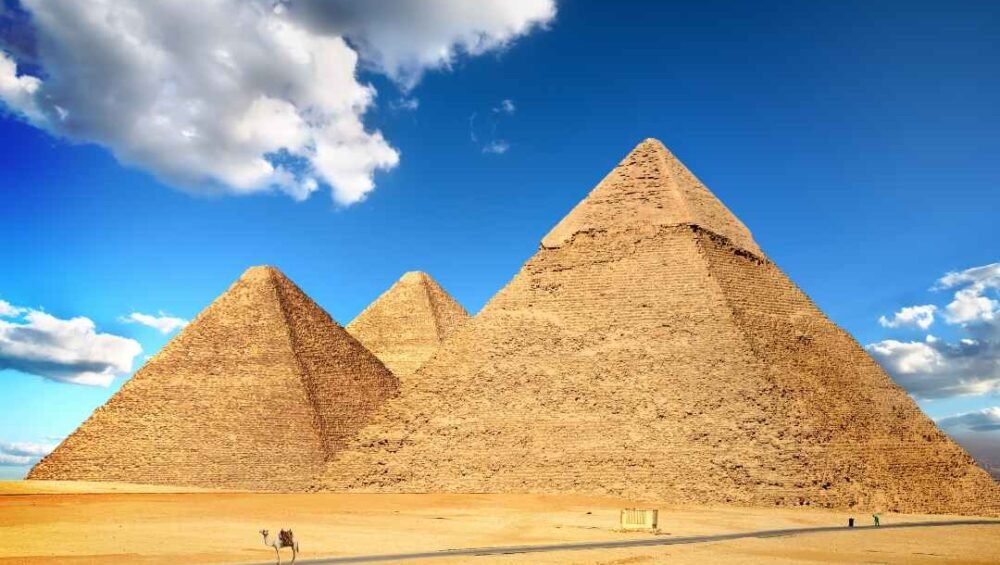
The Great Pyramids of Giza:

Giza city in Egypt

Giza, a dynamic city on the Nile River’s west bank, is a highlight of the Giza Governorate and a key part of the sprawling Greater Cairo metropolitan area. Blending ancient marvels with modern vibrancy, Giza offers a unique experience for its visitors.

Giza’s Historical Journey:

  • Giza’s roots can be traced back to its humble beginnings as a village in ancient Egypt.
  • Its prominence rose after the Muslim conquest, overshadowing the nearby ancient city of Memphis.
  • The Islamic era saw Giza adorned with grand mosques, none of which survive today.
  • The 19th century marked significant growth for Giza, especially with the Suez Canal’s opening in 1869, leading to notable developments like Pyramid Avenue.
  • In the 20th century, Giza evolved further with the establishment of Cairo University in 1908, enhancing its status as a cultural and educational center.

Giza in the Modern Era:

  • Present-day Giza is a bustling metropolis with over 3 million inhabitants.
  • Its economy spans manufacturing, tourism, and education.
  • The city is well-connected, boasting an international airport, highways, and railways.

Giza’s Attractions:

  • The Great Pyramids of Giza, ancient architectural marvels, are a major draw.
  • The Sphinx, an iconic limestone statue, adds to Giza’s allure.
  • The Egyptian Museum in Cairo, close to Giza, houses a vast collection of ancient Egyptian artifacts.
  • Cairo University, situated in Giza, is an educational landmark.

Giza’s Modern Life:

  • The city’s contemporary scene includes shopping malls, restaurants, cafes, and a vibrant nightlife.

Exploring Giza’s Suburbs:

  • El Dokki: A wealthy area with embassies and businesses.
  • Zamalek: An island neighborhood known for its nightlife and cultural venues.
  • Mohandessin: Home to universities and businesses.
  • Maadi: Famous for its greenery and upscale eateries.

Accessibility and Transportation:

  • Giza is well-connected nationally and internationally, with easy access via its airport and major transport links.
  • Travel from Cairo to Giza is convenient, with various options like taxis, buses, and metro, taking around 30 minutes.

Travel Tips for Giza:

  • The best times to visit are during spring or fall for favorable weather.
  • Summers in Giza can be very hot; staying hydrated and using sunscreen is advisable.
  • Visiting the pyramids and Sphinx early morning or late afternoon can help avoid crowds.

Giza’s compelling mix of ancient history and modern culture makes it an unmissable destination for travelers of all kinds.