Egypt Travel Safety: Everything You Need to Know Before Traveling to Egypt
Egypt, the land of ancient wonders and timeless beauty, continues to intrigue travelers from across the globe. The magnificent pyramids, the enchanting Nile River, bustling markets, and charming coastal resorts make Egypt one of the most desirable destinations in the world. However, for many planning their trip, one pressing question remains: Is Egypt safe for travel? Understanding Egypt travel safety isn’t just about reassurance—it’s about preparation, awareness, and confidence. Knowing what to expect helps you experience the essence of this captivating country while staying secure and at ease throughout your journey.
In truth, Egypt has taken significant strides over the past decade to improve tourism safety and infrastructure. Major cities like Cairo, Luxor, and Aswan are heavily monitored, and tourist police are a common presence in key attractions. While occasional incidents make headlines, the vast majority of visitors—millions every year—explore the country without any trouble. That said, staying informed about travel advisories, respecting local customs, and understanding common safety guidelines can transform your trip into an unforgettable adventure without unnecessary risks. This guide covers every vital aspect of Egypt travel safety—ranging from health precautions to navigating local transportation, solo travel tips, and regional safety insights—to ensure your time in Egypt is magical and worry-free.
Understanding the Current Safety Situation in Egypt
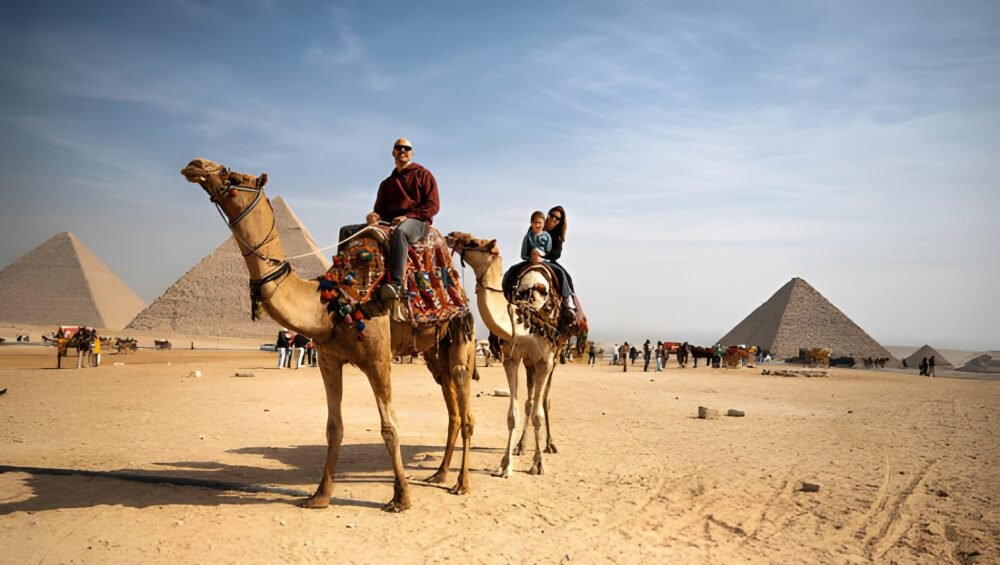
Egypt has invested heavily in bolstering its security, particularly across tourism corridors. Popular destinations such as Luxor, Aswan, Hurghada, Sharm El Sheikh, and Cairo are well-guarded by both local and tourism-oriented police. Surveillance cameras and checkpoints near landmarks like the Giza City pyramids and the Nile River ensure a visible security presence. The Egyptian government recognizes tourism as a cornerstone of its economy, prompting substantial investments in traveler protection. Areas previously considered risky are now under tighter control, allowing safer mobility along the tourist trail.
Nevertheless, travelers should remain vigilant, particularly in remote desert areas or the Sinai Peninsula beyond Sharm El Sheikh. Monitoring embassy updates and registering with a local consulate can add reassurance. Choosing reputable travel agencies such as Cindrella Egypt Travel ensures secure, organized excursions. Overall, while no destination can promise absolute safety, Egypt’s tourist zones remain stable and inviting to visitors.
Traveling Safely Around Cairo and Major Cities
In Cairo, safety largely depends on awareness. The city hums with life—markets at Khan el-Khalili, stunning structures like the Alabaster Mosque, and cultural hubs such as the Grand Egyptian Museum are awe-inspiring but busy. Pickpocketing in crowded areas can occur, so keeping personal belongings close is key. Avoid carrying large sums of money or displaying expensive jewelry. When using taxis or ride-hailing apps, confirm fares before departure or ensure the meter runs properly. Walking is safe in daylight but less recommended late at night in unfamiliar neighborhoods. In emergencies, the tourist police, easily identifiable in white uniforms, provide prompt assistance.
Safety Along the Nile River and in Luxor and Aswan
Few experiences rival a cruise along the Nile, especially aboard luxury options like the Luxury Dahabiya Nile Cruise or the 4 Day 3 Night Nile Cruise from Aswan to Luxor. The river route between Luxor and Aswan is particularly secure, with tourist police accompanying many groups. The cities themselves are calm and reliant on tourism, ensuring low crime rates. Still, use only licensed guides when visiting heritage sites such as the Luxor Temple or Temple of Philae. Travelers should consider guided Luxor Day Tours or Aswan Day Tours for better assistance and reliable transport arrangements.
Health and Hygiene Tips for Travelers
Maintaining good health habits is crucial for a safe experience in Egypt. Avoid drinking tap water; instead, rely on sealed bottled water readily available. When dining, select reputable restaurants or hotel buffets where food handling meets hygiene standards. Local specialties are irresistible, and trying traditional dishes in Egypt is a must, but choose freshly prepared meals. Always use sun protection—Egypt’s climate can be fiercely hot, especially between May and September. Packing light clothing, hats, and UV-blocking sunglasses will keep you comfortable during explorations. Insect repellent is another essential, particularly if traveling to rural areas or the Nile Valley.
Medical facilities in large cities are modern and efficient, but rural clinics may lack some amenities. It’s advisable to carry basic medications and an international health insurance policy that covers treatment abroad. Pharmacies in Egypt are plentiful and often offer over-the-counter remedies, but verifying that drugs are factory-sealed is wise.
Transportation Safety in Egypt
Public transportation is widely used, but taxis and private transfers remain safer and more convenient for tourists. Opt for secure options like Hurghada Transfers or Aswan Transfers if moving between airports and hotels. Domestic flights, such as those connecting Cairo to Luxor or Aswan, are handled by trusted carriers with consistent safety records. Trains and buses are affordable yet less secure due to occasional delays and minimal oversight. Hiring private drivers through registered agencies ensures both safety and punctuality, especially for long-distance routes across Upper Egypt or to resort areas like Hurghada City and Marsa Alam.
Solo Travel and Female Traveler Safety in Egypt
Egypt welcomes solo adventurers and women travelers with open arms—though some precautions enhance comfort. Dressing modestly is highly recommended, especially when visiting religious landmarks like the Al Azhar Mosque. Solo visitors should plan itineraries through established operators, such as Egypt Private Tours or Egypt Family Tours. These professionals ensure security, knowledgeable guides, and 24/7 communication.
For female travelers, light verbal attention in markets or streets sometimes occurs, but it’s typically harmless. Simple strategies—like avoiding prolonged eye contact or ignoring catcalls—work best. Egypt’s tourist police maintain a visible presence, and most locals are courteous, respectful, and eager to assist visitors.
Popular Regions and Their Safety Profiles
Red Sea Resorts and Sinai Peninsula Security
The Red Sea coast—from Sharm El Sheikh to Marsa Alam—is among Egypt’s safest and most visited zones. High-end resorts and dive centers prioritize guest safety, with on-site security and restricted access. Checkpoints on roads leading to Sharm El Sheikh or Hurghada prevent unauthorized entries. Activities like diving in The Blue Hole of Dahab or snorkeling in Ras Mohammed National Park are extremely well-regulated, making them ideal for thrill-seekers craving safe adventures.
Western Desert and Oases Travel Safety
Egypt’s desert regions, especially near the White Desert and Siwa Oasis, deliver otherworldly beauty. Still, travelers should always journey with certified guides and convoys organized by experienced agencies. Desert safety hinges on adequate preparation—ample water, satellite communication, and local permits. Avoid independent exploration without proper guidance, as distances between populated zones stretch for miles with limited facilities.
Cultural Awareness and Respectful Conduct
Egyptian hospitality is legendary, yet understanding local norms enhances your sense of safety. Dress codes are conservative, especially near mosques or rural towns. During Ramadan, showing respect to fasting locals by avoiding eating or drinking in public during daylight fosters goodwill. Handshakes and polite greetings go a long way; taking photos of locals without consent is discouraged. Bargaining is common in bazaars but should always remain friendly. Adopting local etiquette ensures smoother interactions and builds trust, a vital part of travel safety.
Emergency Contacts and Useful Resources
Emergency numbers in Egypt are straightforward: 122 for police, 123 for ambulances, and 180 for fire services. Tourist police stations are easy to locate in major landmarks and airports. Embassies, hotel consierges, and travel representatives from reliable partners such as Egypt Vacation Packages provide immediate support when needed. Storing digital copies of your passport, itinerary, and insurance can expedite solutions in emergencies.
Practical Tips for a Secure and Enjoyable Experience
Stay connected through local SIM cards to access maps and emergency details. Book official Egypt Day Tours with fixed itineraries. Register accommodation details at checkpoints when required; hotels handle most of this on your behalf. Keep small cash for gratuities, as tipping, or ‘baksheesh,’ is part of the culture. Being courteous and composed during interactions with authorities ensures smoother procedures at checkpoints or during ID verification.
Why Egypt Remains a Top Destination Despite Safety Concerns
Safety in Egypt has steadily improved thanks to continuous reforms, better transportation infrastructure, and the dedication of tourism authorities. The magic of uncovering historic treasures—walking through Valley of the Queens or beholding the Sphinx Statue—far outweighs the risks when one adheres to smart safety practices. With proper guidance, Egypt guarantees a spectacular blend of adventure, history, and hospitality that captivates every traveler.
Frequently Asked Questions About Egypt Travel Safety
Is it safe to visit Egypt right now?
Yes, Egypt is generally safe to visit, especially in tourist-centric cities such as Cairo, Luxor, Aswan, and the Red Sea resorts. The government’s heightened security and tourism investments have made major attractions safe for millions of annual visitors. Always check embassy updates before traveling, as conditions can change regionally.
Can solo travelers feel secure in Egypt?
Absolutely. Solo travelers who use reputable tour agencies, avoid risky areas, and follow local customs encounter minimal problems. Women travelers can enhance comfort by dressing modestly and joining organized tours, which provide reliable guidance and social support.
Are taxis safe in Egypt?
Taxis are safe when booked from official ranks or through apps. For full security, many visitors rely on private transfers or prearranged drivers via licensed services such as Luxor Transfers. Always confirm the fare before boarding.
What health precautions should I take?
Stick to bottled water, eat well-cooked meals, and bring sunscreen, hand sanitizer, and insect repellent. Carry prescription medicine and proof of insurance. Conditions like food-borne illness are avoidable through moderate caution and good hygiene practices.
Is Egypt safe for family travel?