
Hieroglyphics vs Petroglyph: Decoding Humanity’s Earliest Expressions
Long before the written alphabet or digital communication, early civilizations turned to symbols etched or painted on stone to share their stories. Two of humanity’s most iconic forms of visual expression—hieroglyphics and petroglyphs—represent contrasting yet complementary windows into ancient societies. While hieroglyphics signified structured communication, petroglyphs embodied primal creativity and symbolic storytelling. Together, they mark a breathtaking evolution of thought and expression, from sacred inscriptions on temple walls to enigmatic carvings scattered across deserts and mountain valleys.
So, what truly separates hieroglyphics from petroglyphs? At first glance, both may appear as mere symbols etched into rock, but beneath their surfaces lies a world of difference. Hieroglyphics stemmed from a formal writing system used by ancient Egyptians for religion, governance, and daily life. Petroglyphs, on the other hand, are universal carvings found throughout the world—from the Sahara to the American Southwest—crafted by early humans to record memories, rituals, and cosmic phenomena. Understanding the contrast between hieroglyphics vs petroglyphs offers profound insight into how human beings first sought to communicate with eternity.
Visitors exploring ancient Egypt through immersive trips like 7 Days Cairo and Nile Cruise Package or 8 Days Best Egypt Tour with Nile Cruise often catch glimpses of both forms—sometimes within the same historical sites. These encounters unveil not just art but the very essence of early human cognition and the timeless urge to leave a mark.
The Origins of Egyptian Hieroglyphics: Sacred Writing in Stone
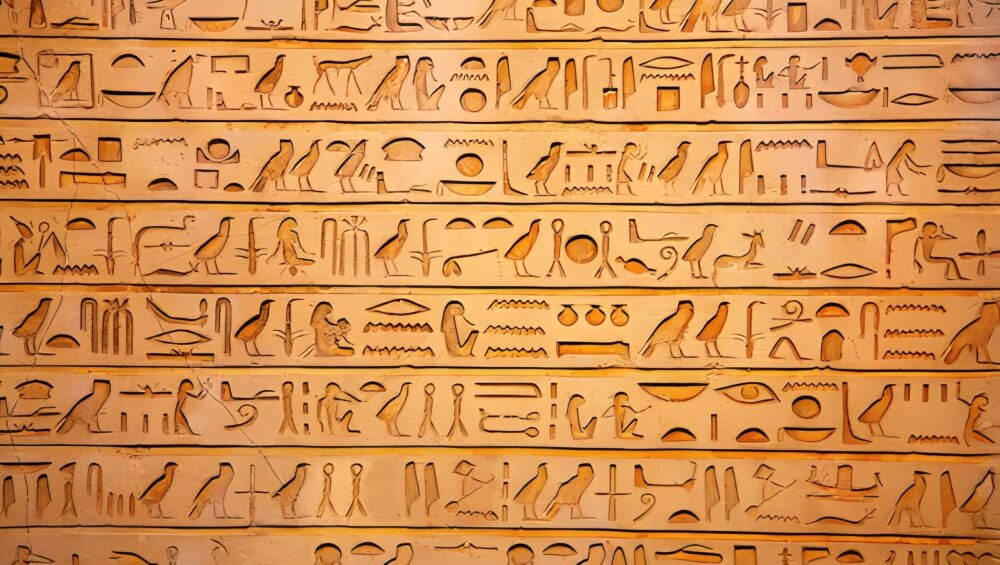
Hieroglyphics, derived from the Greek ‘hieros’ (sacred) and ‘glyphein’ (to carve), symbolized the language of gods in ancient Egypt. They first appeared roughly around 3100 BCE, aligning with the early dynastic period. Hieroglyphic inscriptions adorned temple facades, tombs, obelisks, and royal monuments. Every symbol—be it a falcon, reed, or scarab beetle—carried multiple layers of meaning. The complexity was deliberate; priests and scribes mastered these symbols as both art and language, blending phonetics with ideography to narrate divine myths, royal decrees, and cosmic order.
Travelers visiting monumental temples like Luxor Temple or Temple of Hatshepsut marvel at the precision of hieroglyphic artistry. The walls speak volumes about Egyptian spirituality, scientific advancements, and social hierarchy. Egyptians viewed hieroglyphics as a conduit between the earthly and divine realms—a concept that remains palpable when visiting Abu Simbel Temples, where colossal narratives immortalize Pharaoh Ramses II in his eternal dialogue with the gods.
Understanding the Language of Symbols
Hieroglyphics operate both as phonetic symbols and pictographs. For instance, one symbol might represent an entire word like ‘sun’ while another stands for a sound such as ‘ra.’ Combining them produced rich layers of linguistic nuance. This fluidity made the system ideal for religious and ceremonial inscriptions. Deciphering hieroglyphics took centuries until Jean-François Champollion’s work with the Rosetta Stone bridged ancient and modern understanding. The moment scholars unlocked the code, humanity rediscovered an entire civilization’s voice etched in stone for over 4,000 years.
Petroglyphs: The Global Language of Primitive Expression
Petroglyphs, often predating hieroglyphics by thousands of years, represent humankind’s earliest attempt at communication. They were created by chipping, carving, or incising images directly into rock surfaces. Unlike hieroglyphics, petroglyphs lack phonetic value and are instead symbolic depictions—of hunts, ceremonies, migrations, or celestial visions. Found in Africa, North America, Australia, and Europe, petroglyphs transcend geography and culture, reflecting collective human experiences before structured language evolved.
Egypt also houses ancient petroglyphs—especially in the White Desert and the Western Desert regions—where nomadic tribes depicted animals and solar symbols long before the Pharaohs ruled the Nile. These motifs often blur the line between art and ritual, depicting how early humans perceived balance, fertility, and mortality. Petroglyphs, though primitive in form, pulse with profound symbolism that continues to inspire anthropologists and travelers alike.
To explore these mystical desert carvings, travelers may journey on cultural expeditions such as Fayoum & Western Desert or embark on adventure-filled Desert Safari Trips by Quad Bike, witnessing firsthand the landscapes where early artists dreamt their visions into stone.
The Technique and Purpose of Petroglyph Art
Creating a petroglyph required patience and precision. Ancient artists used harder stones or metal tools to peck, chip, and grind the surface. The laborious process ensured longevity; many carvings survived tens of millennia despite erosion. But why did our ancestors carve these images? Some served as hunting records, others marked territorial boundaries or celestial observations. Spiritual interpretations abound—many researchers believe these carvings captured shamanic visions or mythological beings guiding early tribes through hardship. In any interpretation, petroglyphs stand as echoes of universal human emotion: awe, fear, reverence, and curiosity.
Hieroglyphics vs Petroglyphs: The Core Differences Explained
While both hieroglyphics and petroglyphs share the medium of stone and symbol, their purposes and complexity diverge remarkably. Hieroglyphics formed a linguistic system; petroglyphs did not. Hieroglyphics conveyed sound and syntax, while petroglyphs portrayed conceptual imagery without structured grammar. One was intellectual, the other instinctual. Hieroglyphics served organized civilizations such as Egypt, whereas petroglyphs emerged in preliterate societies around the globe. Yet, both aimed to communicate—to record, remember, and connect human minds across generations.
This contrast is vividly experienced along the Nile during Luxury Nile Cruises where travelers discover temple inscriptions juxtaposed with prehistoric symbols carved on nearby cliffs—clear evidence of humanity’s evolving creativity. The Nile Valley uniquely illustrates how petroglyphic art matured into hieroglyphic language, making Egypt an unparalleled open-air archive of human expression.
Artistic and Cultural Impact Across Time
From an artistic lens, hieroglyphics reflect sophistication and abstract thinking, while petroglyphs embody raw emotion and primal artistry. Culturally, hieroglyphics unified empires; petroglyphs connected scattered tribes. Yet both inspired future art forms—modern symbols, pictograms, and digital emojis draw directly from this ancient lineage. Today, travelers marvel at their visual potency, especially at heritage sites accessible via The Sphinx Statue or The Grand Egyptian Museum where ancient crafts meet contemporary fascination.
The Spiritual and Ritual Dimension of Ancient Carvings
Both hieroglyphics and petroglyphs carried deep spiritual dimensions. Egyptians believed hieroglyphic inscriptions were magical—they could protect, heal, or resurrect through divine articulation. Petroglyphs likewise connected ritual practitioners to unseen powers. Many sites align with celestial bodies, suggesting that early carvers viewed stone as an eternal canvas linking heaven and earth. Hence, these ancient symbols transcend art—they were acts of devotion, attempts to communicate with gods, spirits, or ancestors.
Sites like Temple of Philae reveal how sacred imagery transcended stone, merging artistry with metaphysics. Petroglyphs, too, act as spiritual footprints scattered across deserts, guiding modern explorers toward understanding ancient souls and their connection to cosmic rhythm.
Preservation Challenges and Modern Appreciation
Despite their resilience, both hieroglyphics and petroglyphs face threats—from climate exposure to vandalism. Scholars and Egyptian heritage advocates campaign tirelessly to preserve these timeless messages. Restoration efforts at sites like Kom Ombo Temple and Edfu Temple demonstrate remarkable dedication to safeguarding hieroglyphic legacies. Meanwhile, desert archaeologists strive to document remote petroglyph locations before erosion or modernization erases them forever. Public awareness grows as eco-conscious tours, such as Eco Tours in Egypt, engage travelers in conservation and cultural education.
Why Hieroglyphics and Petroglyphs Still Matter
In a digital era dominated by screens, revisiting ancient carvings reminds us where communication began. These symbols reflect identity, expression, and survival. They echo humanity’s need to leave stories etched in permanence. Hieroglyphics whisper the wisdom of written civilization; petroglyphs shout the primal voice of creativity. Together, they celebrate the universal human drive to be remembered—making their comparison not merely historical but profoundly existential.
Frequently Asked Questions about Hieroglyphics vs Petroglyph
What is the main difference between hieroglyphics and petroglyphs?
Hieroglyphics are structured writing systems with phonetic and symbolic elements, primarily used in ancient Egypt for religious and administrative purposes. Petroglyphs are non-linguistic carvings or etchings found globally, serving as early symbolic expressions without standardized grammar or alphabet.
Where can travelers see authentic hieroglyphics in Egypt?
Travelers can experience majestic hieroglyphics at monumental sites like Luxor Temple, Abu Simbel, and inside the tombs of pharaohs along the Valley of the Queens. Visitors often include these locations in guided trips such as 4 Day Cairo and Luxor Tour Package.
Are petroglyphs found in Egypt?
Yes, ancient petroglyphs appear in Egyptian deserts, notably the Western Desert and the Fayoum Oasis. They depict animals, spirits, and early human activities, predating Pharaohic hieroglyphs by millennia.
Can hieroglyphics still be read today?
Absolutely. Thanks to the discovery of the Rosetta Stone and the linguistic genius of Jean-François Champollion, scholars can now interpret ancient hieroglyphics accurately, revealing historical narratives, prayers, and myths once thought lost forever.
Why are both hieroglyphics and petroglyphs important in archaeology?
Both represent milestones in humanity’s cognitive and artistic evolution. Hieroglyphics signify advanced linguistic structure, while petroglyphs illuminate humanity’s earliest symbolic thought. Together, they provide archaeologists with invaluable insight into the inception of communication, art, and civilization itself.
Conclusion: A Timeless Conversation Between Stone and Spirit
Hieroglyphics and petroglyphs are not isolated relics but intertwined chapters of a shared human saga. They narrate the transformation from instinct to intellect, from mere survival to written heritage. Whether in the grandeur of hieroglyphic temples along the Nile or the silent mystery of petroglyph-covered cliffs in distant deserts, each mark tells us our ancestors yearned to speak beyond time. To witness them today—perhaps after a serene Luxury Dahabiya Nile Cruise or an adventurous desert excursion—is to participate in an eternal dialogue, one carved meticulously between humanity and eternity.


