Discovering Fayoum City: Egypt’s Timeless Oasis
Set against the backdrop of lush farmlands, tranquil lakes, and ancient ruins, Fayoum City is a destination that weaves together Egypt’s storied past and vibrant present. Located about 100 kilometers southwest of Cairo, Fayoum is often described as Egypt’s oldest city, with a history that stretches back to the Pharaonic era. Today, it offers travelers a refreshing escape from the bustle of the capital, blending natural wonders, archaeological treasures, and a unique culture that’s distinct from anywhere else in Egypt. Whether you’re an adventurer, history enthusiast, or simply seeking serenity by the water, Fayoum City promises an unforgettable journey.
The Ancient Roots of Fayoum
Fayoum’s history is as deep as the Nile itself. Known in ancient times as Shedet, the city was a center for worship of the crocodile god Sobek. Archaeological finds reveal that Fayoum was once a thriving metropolis during the Middle Kingdom, and its strategic location near Lake Qarun (Birket Qarun) made it a vital hub for agriculture and trade. The city’s historic heart is dotted with remnants of temples, obelisks, and ancient irrigation systems that showcase the ingenuity of its early inhabitants. Visitors can walk in the footsteps of pharaohs, marvel at the city’s enduring monuments, and imagine life in one of Egypt’s oldest continuously inhabited regions.
Natural Wonders: Lake Qarun and Wadi El Rayan
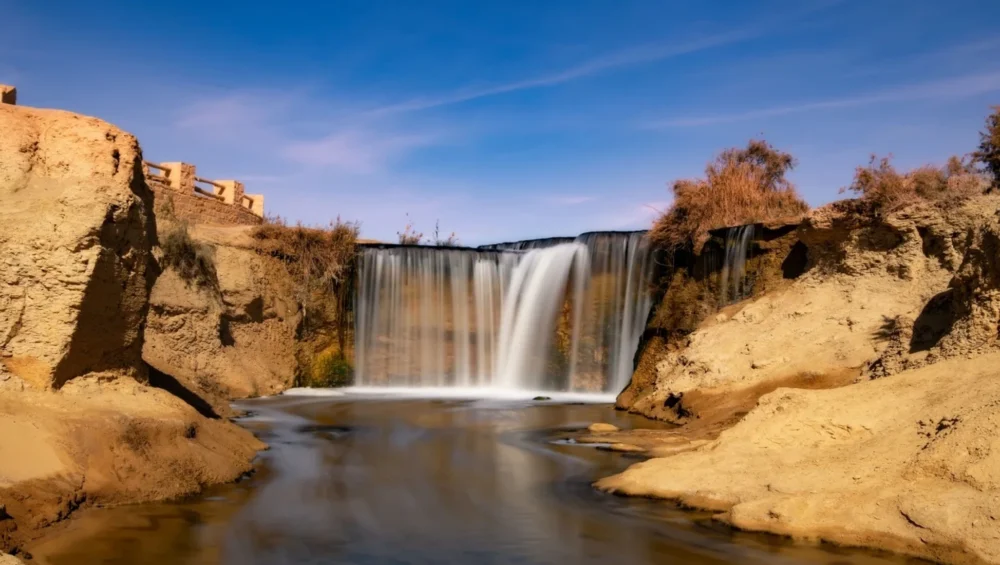
No visit to Fayoum is complete without exploring its stunning natural landscapes. Lake Qarun, one of Egypt’s largest lakes, is a shimmering expanse of water that supports a rich ecosystem of birds and fish. Birdwatchers flock to its shores to glimpse migratory species, while locals and tourists alike enjoy fishing and boat rides. Nearby, the Wadi El Rayan Protected Area is famous for its twin lakes and Egypt’s only waterfalls. This area is a haven for outdoor enthusiasts, offering opportunities for hiking, sandboarding on the surrounding dunes, and spotting rare wildlife such as the slender-horned gazelle. The juxtaposition of desert and water creates a surreal and peaceful environment, perfect for nature lovers seeking tranquility.
Fayoum’s Iconic Attractions and Ancient Sites
Fayoum is home to a wealth of archaeological treasures that reflect its importance throughout Egyptian history. The Pyramid of Hawara, built by Pharaoh Amenemhat III, is a must-see for history buffs. Although much of the pyramid has eroded, its labyrinthine mortuary temple inspired legends in the ancient world. The ruins of Karanis, an ancient Greco-Roman city, offer a fascinating glimpse into daily life during the Ptolemaic and Roman periods. The city’s museums, such as the Kom Aushim Museum, house artifacts that tell the story of Fayoum’s diverse cultural heritage. Each site invites visitors to step back in time and discover the city’s layered past.
Culture and Local Life in Fayoum
Fayoum’s culture is a vibrant tapestry woven from its agricultural roots, artistic traditions, and warm hospitality. The city’s bustling markets are alive with the colors and aromas of fresh produce, locally made pottery, and handwoven textiles. Fayoum is renowned for its pottery workshops, where artisans shape the region’s distinctive clay into beautiful and functional pieces. Visitors can try their hand at pottery making or purchase unique souvenirs to take home. The city’s cafes and restaurants serve up delicious Egyptian cuisine, with specialties like grilled fish from Lake Qarun and sweet treats such as feteer meshaltet (Egyptian layered pastry). Engaging with the local community offers insights into Fayoum’s enduring way of life and the pride its residents take in their heritage.
Desert Adventures and Outdoor Activities
Beyond its historical and cultural attractions, Fayoum offers a playground for adventure seekers. The surrounding desert landscapes are ideal for off-road excursions, camel treks, and sandboarding. The Magic Lake, named for its changing hues, is a favorite spot for swimming and picnicking. For those seeking a more immersive experience, camping under the stars in the desert provides a chance to disconnect and appreciate the region’s serene beauty. Guided tours can take you to fossil-rich sites like Wadi Al-Hitan (Valley of the Whales), a UNESCO World Heritage Site famous for its prehistoric whale skeletons. Whether it’s adrenaline-fueled activities or peaceful nature walks, Fayoum caters to a wide range of outdoor interests.
Art, Pottery, and Fayoum’s Creative Spirit
Fayoum has long been a center for artistic expression, with its pottery and crafts celebrated across Egypt. The Tunis Village, located on the western edge of Lake Qarun, is a hub for artists and potters. Here, visitors can explore studios, attend workshops, and purchase handmade ceramics that blend traditional techniques with contemporary designs. The annual Fayoum Art Center Festival showcases the talents of local and international artists, fostering cultural exchange and creativity. The city’s vibrant murals, galleries, and artisan markets reflect a community that values art as a vital part of daily life. For travelers interested in creative pursuits, Fayoum offers countless ways to engage with its artistic heritage.
Planning Your Visit: Travel Tips and Practical Information
Fayoum City is easily accessible from Cairo, with regular buses and private transfers making the journey in about two hours. The best time to visit is between October and April, when the weather is mild and pleasant. Accommodations range from charming guesthouses in Tunis Village to lakeside resorts and eco-lodges that offer immersive experiences in nature. It’s advisable to book tours in advance, especially for excursions to protected areas and archaeological sites. While Arabic is the primary language, many locals in the tourism industry speak English and are eager to assist visitors. Packing sunscreen, comfortable walking shoes, and a camera is essential to make the most of your adventure.
Culinary Delights: Tasting Fayoum’s Flavors
Fayoum’s cuisine is a delicious reflection of its agricultural abundance and proximity to the lake. Local restaurants and street vendors serve up a variety of traditional dishes, including mulukhiyah (green soup), grilled tilapia, and hearty stews made with fresh vegetables. Feteer meshaltet, a flaky pastry often filled with honey or cheese, is a must-try treat. The city’s tea houses offer a chance to relax and enjoy a cup of mint tea while soaking in the local atmosphere. Many guesthouses also provide home-cooked meals, giving visitors a taste of authentic Fayoumi hospitality. Food lovers will find plenty to savor in this fertile and flavorful region.
Frequently Asked Questions
What is the best time of year to visit Fayoum City?
The most pleasant time to visit Fayoum City is from October to April, when temperatures are cooler and outdoor activities are more enjoyable. Summers can be very hot, especially in the desert areas.
How do I get to Fayoum City from Cairo?
Fayoum is approximately 100 kilometers southwest of Cairo. Travelers can reach the city by bus, taxi, or private car, with the journey typically taking around two hours.
What are the must-see attractions in Fayoum?
Key attractions include Lake Qarun, Wadi El Rayan, the Pyramid of Hawara, Karanis ruins, Tunis Village, and Wadi Al-Hitan (Valley of the Whales). Each site offers a unique perspective on the region’s history and natural beauty.
Is Fayoum City suitable for family travel?
Absolutely! Fayoum offers something for everyone, from outdoor adventures and wildlife spotting to cultural experiences and hands-on pottery workshops. It’s a family-friendly destination with plenty of activities for all ages.
Are there guided tours available in Fayoum?
Yes, numerous local operators offer guided tours to archaeological sites, natural reserves, and artisan villages. Booking a tour can help you make the most of your visit and gain deeper insights into Fayoum’s heritage.
What should I pack for a trip to Fayoum?
Pack comfortable clothing suitable for warm weather, sturdy shoes for walking and hiking, sunscreen, a hat, and a camera. If you plan to camp or visit the desert, bring layers for cooler nights and plenty of water.