The National Museum of Egyptian Civilization – A Journey Through Egypt’s Timeless Heritage
The National Museum of Egyptian Civilization, often abbreviated as NMEC, stands as one of Egypt’s most ambitious cultural achievements, located in the ancient city of Al Fustat, the heart of modern Cairo. This remarkable museum is the first in the Arab world dedicated to exhibiting the entire span of Egyptian civilization—from prehistoric times to the present day. More than just an exhibition hall, the NMEC redefines how human history is perceived, interpreted, and celebrated. Every corner of this institution exudes passion, innovation, and national pride, welcoming visitors to embark on an unforgettable journey through the story of Egypt.
Opened officially to the public in 2021, following a spectacular royal procession of mummies from the Egyptian Museum in Tahrir Square, the NMEC attracted global attention for its unique narrative of history. Unlike other museums that focus solely on the Pharaonic era, the National Museum of Egyptian Civilization offers a comprehensive, thematic exploration of how Egyptian identity evolved over millennia. Inside, guests are greeted by sweeping halls narrating the development of civilization through art, craftsmanship, science, religion, and daily life. It’s more than a collection—it’s Egypt’s living memory beautifully unveiled.
The museum’s mission extends beyond mere preservation—it represents a bridge between past and present, calling visitors to reflect on the timeless ingenuity of Egyptians. From delicate prehistoric tools to glorious royal mummies and stunning Coptic icons, every item speaks volumes about resilience, creativity, and human progress. Guided by world-class curation, NMEC immerses visitors in the grandeur of Egypt’s story in ways books alone never could. Whether you’re exploring during Egypt day tours or on a specialized Cairo day tour, NMEC remains a must-visit cultural landmark.
The Vision and Significance of the National Museum of Egyptian Civilization
The National Museum of Egyptian Civilization was designed to foster understanding and pride in the multifaceted story of Egypt’s past. Its creation reflects decades of commitment to creating a centralized cultural hub emphasizing not only the grandeur of the pharaohs but also the human stories that shaped Egypt’s legacy. Developed under UNESCO’s guidance, NMEC is both a research center and a cultural epicenter where history meets modernity.
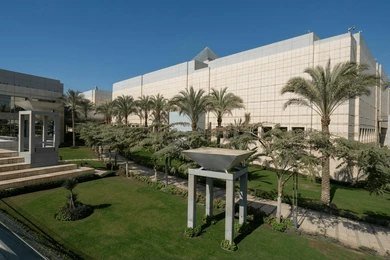
The museum’s architectural design cleverly blends minimalism with symbolism. The clean lines represent knowledge, while the sand-hued tones mirror Egypt’s deserts and timeless landscapes. Its placement near the ancient city of Fustat, Cairo’s first Islamic capital, highlights continuity—from antiquity to the Islamic golden age and beyond. For visitors pursuing historical depth beyond the Pyramids, NMEC is an invaluable addition alongside destinations like the Coptic Cairo District and Islamic Art Museum in Cairo.
The Museum’s Unparalleled Exhibitions
The crown jewel of NMEC’s exhibitions is the Royal Mummies Hall. Ingeniously designed to evoke the sacred atmosphere of ancient tombs, it houses the mummies of 22 ancient Egyptian kings and queens, including Ramses II and Queen Hatshepsut. This hall remains one of the most visited museum sections in the entire Middle East. Visitors descend into a solemn underground chamber where these ancient monarchs rest, remarkably preserved after thousands of years. The emotional power of the experience leaves visitors awe-struck, honoring Egypt’s eternal connection between life, death, and immortality.
The Main Hall tells another part of Egypt’s story. Through thematic narratives, it explores core elements defining Egypt’s civilization—craftsmanship, writing, urban development, and belief systems. Here, interactive digital displays and precise lighting highlight intricate artifacts. From prehistoric jewelry and pottery shards to Islamic mosaics and textile art, the exhibition illustrates the evolution of society in a highly engaging way. The museum’s emphasis on education and interactivity makes it a favorite stop during Egypt family tours.
Modern Architecture Enriched by Ancient Spirit
The museum’s architectural form complements its spirit. Designed by Egyptian architect El-Ghazali Kosseiba, NMEC’s building spans approximately 33,000 square meters overlooking Ain El-Sirah Lake. This serene waterfront reflects the delicate balance between Egypt’s rich heritage and modern aesthetics. Its grand staircase, spacious corridors, and minimalist façade symbolize enlightenment stemming from deep roots. The design deliberately evokes ancient temples like Luxor Temple and Abu Simbel Temples while projecting a 21st-century vision of cultural pride.
Educational and Cultural Programs That Inspire
Beyond exhibitions, NMEC functions as an active educational center, hosting cultural festivals, archaeological workshops, academic seminars, and hands-on programs for children. The museum’s education wing welcomes students, artists, and researchers from around the world striving to deepen their understanding of history and restoration techniques. This initiative strengthens ties between Egypt’s youth and their ancestral legacy, ensuring the continuity of historical knowledge through modern engagement. The NMEC often partners with institutions involved in Egyptological fieldwork near Saqqara Necropolis and Valley of the Queens.
Technology, Innovation, and Sustainable Development
Modern technology breathes life into NMEC’s exhibitions. Augmented reality guides, holographic displays, and dynamic projections provide visitors fresh perspectives on ancient objects. The museum integrates environmentally friendly practices—its lighting systems use renewable sources, and digital documentation ensures minimal handling of delicate artifacts. These advancements affirm Egypt’s commitment to sustainability and preservation for generations to come.
Many travelers combine their NMEC visit with a day trip to Luxor from Cairo, exploring UNESCO sites that inspired the museum’s themes. Others enhance their historical experience with a classic Egypt tour with a Nile Cruise, blending museum exploration with breathtaking temple visits along the riverbanks.
Thematic Approach Reflecting Egypt’s Entire Timeline
The NMEC presents its permanent collection through chronological and thematic galleries. Visitors embark on a time-travel adventure starting from prehistoric ages—stone tools and primitive artworks—progressing into Pharaonic masterpieces, Greco-Roman sculptures, Coptic treasures, Islamic calligraphy, and finally, modern Egyptian art. Each era links smoothly to the next, revealing a cultural continuity rarely seen elsewhere. The museum bridges ancient grandeur and modern creativity, ensuring no historical chapter remains forgotten.
Pharaonic civilization, for instance, is showcased through an aesthetic lens that emphasizes humanity rather than mythology. Visitors observe how daily life unfolded across millennia—how Egyptians cooked, traded, prayed, and celebrated. The Roman and Coptic galleries illustrate Egypt’s cosmopolitan character through objects blending local and foreign influences. The Islamic section illuminates Cairo’s reign as a global hub of science and art, aligning beautifully with destinations like the Citadel of Salah El-Din and Al-Azhar Mosque.
The Royal Mummies Hall: The Beating Heart of NMEC
It’s impossible to mention NMEC without referencing its celebrated Royal Mummies Hall—meticulously curated to offer a dignified resting place for Egypt’s ancient rulers. The lighting, temperature, and acoustics are carefully engineered to replicate a tomb-like ambiance. Here, visitors stand before the preserved remains of authority and intellect, from Ahmose I, founder of the 18th Dynasty, to Ramses II, whose reign redefined architectural magnificence. Each mummy tells its own story, supported by multimedia panels displaying facial reconstructions, burial rituals, and genealogical data.
In 2021, the televised ‘Pharaohs’ Golden Parade’ captivated millions worldwide as 22 royal mummies were ceremoniously transferred from Tahrir to NMEC in spectacular fashion. The procession symbolized Egypt’s continuing reverence for its kings, merging ancient splendor with modern pride. Today, this hall remains a must-see for anyone tracing humanity’s earliest expressions of immortality. Visitors can later deepen their understanding by joining a private tour to the Pyramids and Egyptian Museum.
Visitor Experience and Curatorial Philosophy
The museum experience is curated not as a passive observation but as an active dialogue between the viewer and antiquity. Each installation invites curiosity, contemplation, and emotional engagement. Audio guides available in multiple languages provide deeper storytelling, while tactile displays accommodate inclusivity for all visitors. On-site cafés offer panoramic views of Cairo’s skyline and scenic lakefronts, elevating NMEC from a museum to a holistic destination where culture, leisure, and education intersect beautifully.
How to Visit the NMEC
Situated about 30 minutes from downtown Cairo, the museum is easily accessible by taxi or tour bus, often included in Egypt private tours or longer cultural itineraries. Opening hours typically stretch from morning to late evening, giving visitors ample time to explore every gallery. Combining NMEC with nearby heritage attractions like the Coptic Museum, Mosque of Ibn Tulun, and Babylon Fortress creates a full-day exploration of Egypt’s religious and cultural timeline.
FAQs About the National Museum of Egyptian Civilization
1. Where is the National Museum of Egyptian Civilization located?
The NMEC is located in Al Fustat, Old Cairo, overlooking Ain El-Sirah Lake. It’s easily accessible by car or as part of Cairo city tours. The dynamic setting connects ancient history with the modern capital’s vibrant energy.
2. What makes the NMEC different from other Egyptian museums?
Unlike the Grand Egyptian Museum, which focuses mainly on the Pharaonic period, NMEC adopts a comprehensive approach covering all historical eras. It integrates modern technology, interactive storytelling, and sustainable practices to enhance the visitor experience.
3. Can I visit the Royal Mummies in person?
Yes, the museum’s Royal Mummies Hall is open to the public. Visitors can view the mummies of famous kings and queens in climate-controlled chambers designed to preserve them for centuries while providing a deeply respectful atmosphere.
4. How much time should I spend at the NMEC?
Most visitors spend between two to three hours exploring the exhibits, but true history enthusiasts could easily devote half a day. Guided tours available as part of luxury Egypt tours offer insightful interpretations and behind-the-scenes stories that enrich the experience.
5. What other attractions can I combine with a visit to the NMEC?
Near NMEC, travelers can explore the Al-Azhar Park, Hanging Church, and Cairo Tower for panoramic city views. Extending your adventure with a Cairo and Nile Cruise Package perfectly balances culture, nature, and relaxation.
Conclusion: A Living Testament to Egypt’s Enduring Legacy
The National Museum of Egyptian Civilization is more than an institution—it’s a living story unfolding in real-time. It encapsulates 7,