How To Find The Best Travel Agency In Egypt
How To Find The Best Travel Agency In Egypt
Egypt, with its ancient wonders, vibrant culture, and captivating landscapes, has long been a dream destination for travelers from around the globe. Whether you’re yearning to explore the majestic pyramids, cruise down the legendary Nile, or immerse yourself in the country’s unique traditions, finding the right travel agency can make all the difference. The best travel agency in Egypt will not only help you navigate the endless possibilities but also ensure your experience is seamless, safe, and unforgettable. This comprehensive guide will walk you through everything you need to know to select the perfect agency for your Egyptian adventure.
Understanding the Egyptian Travel Landscape
Egypt’s tourism industry is both vast and diverse, catering to a broad spectrum of interests. From cultural heritage tours to luxury Nile cruises, adventure trips in the Sinai Peninsula, and family-friendly Red Sea resorts, the options are endless. Travel agencies in Egypt range from large international operators to boutique local specialists, each offering unique advantages. Understanding the landscape is crucial to narrowing down your choices and finding an agency that aligns with your travel style and expectations.
For travelers interested in Egypt’s rich artistic traditions, exploring the country’s dance heritage is a must. For more on this unique aspect of Egyptian culture, read Belly Dance In Egypt.
Key Qualities of a Reputable Egyptian Travel Agency
When searching for the best travel agency in Egypt, certain qualities set the top contenders apart. Look for agencies that are licensed by the Egyptian Ministry of Tourism, have a solid track record of positive reviews, and offer transparent pricing with no hidden fees. Experienced agencies will have deep local knowledge, a network of trusted guides, and the ability to customize itineraries to suit your interests and needs. Excellent customer service, clear communication, and 24/7 support are also essential, especially in a country as dynamic as Egypt.
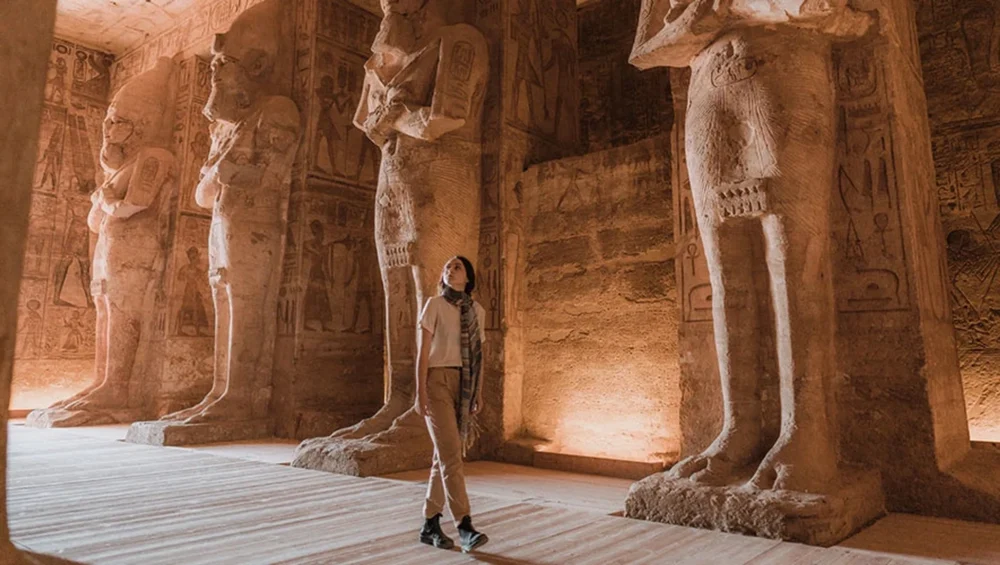
History lovers will appreciate agencies that include visits to iconic monuments, such as the awe-inspiring Statue Of Ramses II, in their tour offerings.
Types of Tours and Packages Available
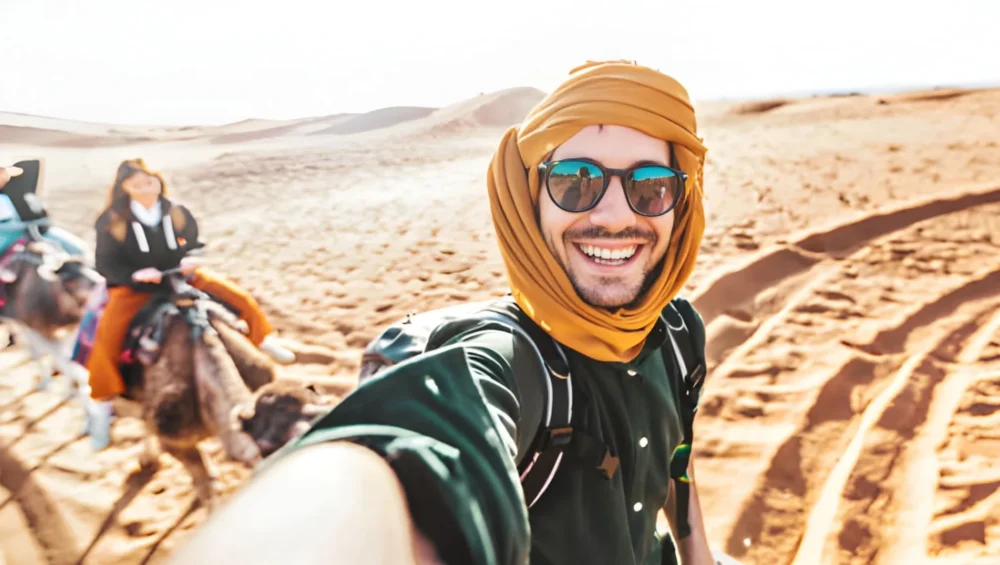
The best travel agencies in Egypt offer a wide array of tours and packages, from quick city breaks to multi-day expeditions across the country. Popular options include Cairo city tours, desert safaris, Red Sea diving adventures, and extended journeys that combine ancient sites with modern attractions. Many agencies also specialize in thematic tours, such as culinary experiences, historical explorations, or adventure sports.
If you’re seeking a comprehensive journey that covers Egypt’s most iconic destinations, consider the 9 Days Egypt and Nubia Tour for an immersive experience that blends history, culture, and natural beauty.
Exploring Egypt by Nile Cruise
One of the most magical ways to experience Egypt is by cruising the Nile River. A Nile cruise allows you to visit ancient temples, bustling local markets, and picturesque villages while enjoying the comfort of a floating hotel. The best travel agencies partner with reputable cruise operators to ensure high standards of safety, comfort, and service. Cruises often include guided excursions, gourmet meals, and evening entertainment, making them a favorite choice for travelers of all ages.
For a luxurious river journey, explore the Steigenberger Regency, a premier Nile cruise that combines elegance with exceptional sightseeing.
Day Tours and Unique Experiences
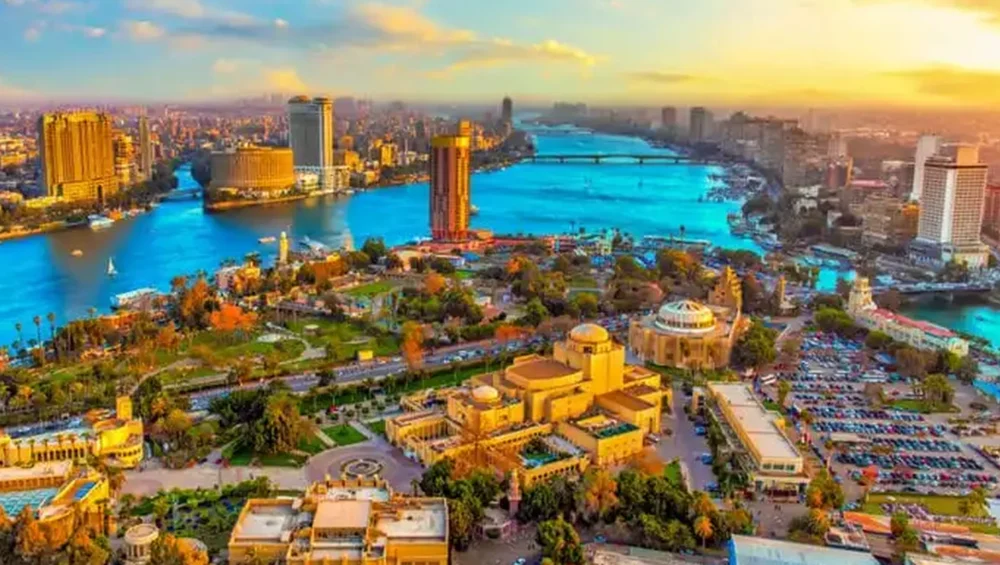
Not every traveler has the time for an extended trip. The best Egyptian travel agencies cater to short-term visitors by offering a variety of day tours and unique experiences. Whether you want to marvel at the Great Pyramids, snorkel in the Red Sea, or discover the vibrant markets of Cairo, there’s a day tour to suit every interest. These tours are perfect for those on a tight schedule or looking to add a special highlight to their itinerary.
For a family-friendly adventure, consider the Semi Submarine Trip in Sharm El Sheikh, which offers a fascinating glimpse into the underwater world of the Red Sea without getting wet.
Delving into Egypt’s Ancient Heritage
Egypt is synonymous with ancient history. A top-tier travel agency will provide knowledgeable Egyptologists as guides, ensuring that every temple, tomb, and artifact comes alive with stories from the past. From the Pyramids of Giza to the Valley of the Kings, expert-led tours enrich your understanding and appreciation of Egypt’s enduring legacy. Agencies that focus on educational travel can also arrange visits to museums, archaeological sites, and even interactive workshops.
If you’re fascinated by the intellectual achievements of the ancient Egyptians, don’t miss this insightful read: Education In Ancient Egypt.
Personalizing Your Egyptian Adventure
The best travel agencies in Egypt go beyond standard itineraries to offer personalized experiences. Whether you’re planning a romantic honeymoon, a family holiday, or a solo expedition, customization is key. Agencies should be willing to adapt schedules, include special interests, and accommodate dietary or mobility requirements. From arranging private guides to securing exclusive access to certain sites, a tailored approach ensures your trip is truly one-of-a-kind.
For example, if you’re passionate about photography, your agency can organize sunrise or sunset visits to iconic landmarks. Birdwatchers might enjoy excursions to the Nile Delta or the oases of the Western Desert. The ability to personalize your adventure is a hallmark of a top-quality travel agency in Egypt.
Evaluating Customer Reviews and Agency Reputation
Before making your final decision, take time to research customer reviews and testimonials. Platforms like TripAdvisor, Google Reviews, and travel forums offer valuable insights into the experiences of previous clients. Look for consistent praise regarding professionalism, punctuality, guide expertise, and overall trip satisfaction. Be wary of agencies with numerous complaints about hidden fees, poor communication, or lackluster service. A reputable agency will also be happy to provide references or answer any questions you may have.
Don’t hesitate to reach out directly to the agency to gauge their responsiveness and willingness to assist. The best agencies will treat your inquiry with care and attention, reflecting the level of service you can expect throughout your journey.
Planning for Safety and Travel Logistics
Safety and logistics are paramount when traveling in Egypt. The best travel agencies stay up to date with local regulations, political developments, and health advisories. They provide clear information about visa requirements, airport transfers, and recommended vaccinations. Agencies should also offer flexible booking and cancellation policies, especially in light of evolving global travel conditions. Comprehensive travel insurance is strongly recommended, and a good agency will help you navigate coverage options.
In addition to safety, consider agencies that provide multilingual support, accessible transportation, and assistance with special needs. These features ensure that every traveler feels comfortable and secure from arrival to departure.
Frequently Asked Questions
What should I look for when choosing a travel agency in Egypt?
Look for agencies that are licensed by the Egyptian Ministry of Tourism, have positive customer reviews, offer transparent pricing, and provide personalized service. Experience, local knowledge, and 24/7 support are also important factors to consider.
Are Nile cruises safe and worth the experience?
Yes, Nile cruises are generally safe and highly recommended for experiencing Egypt’s ancient sites in comfort. Choose reputable operators and book through a trusted travel agency to ensure the highest standards of safety and service.
Can I customize my tour itinerary with an Egyptian travel agency?
Most reputable agencies offer customizable itineraries to suit your interests, schedule, and budget. From private guides to special-interest tours, a good agency will work with you to create your ideal trip.
What are some must-see attractions that travel agencies in Egypt include?
Top attractions include the Pyramids of Giza, the Sphinx, the Egyptian Museum, Luxor’s temples, Abu Simbel, the Valley of the Kings, and the bustling markets of Cairo. Many agencies also offer Red Sea excursions and Nile cruises.
Is it better to book tours in advance or upon arrival in Egypt?
Booking in advance is recommended, especially for popular tours and peak travel seasons. This ensures availability, better pricing, and a more organized experience. However, some agencies offer flexible last-minute bookings for day tours and excursions.
How can I ensure my travel agency is legitimate?
Check for official licensing, read independent reviews, and ask for references. Reputable agencies are transparent about their credentials and happy to provide documentation or answer your questions.