Unraveling the Power and Legacy of Egypt’s 19th Dynasty: The Age of Great Pharaohs
The Egypt 19th Dynasty stands as one of the most influential and fascinating periods in ancient Egyptian history. Spanning from approximately 1292 to 1189 BCE, this dynasty marked the beginning of the New Kingdom’s revival after the political turmoil of the preceding years. Known for its iconic rulers like Ramesses I, Seti I, and Ramesses II (often called Ramesses the Great), the dynasty was synonymous with architectural grandeur, military prowess, and artistic brilliance. The 19th Dynasty not only redefined the political map of Egypt but also reinforced religious traditions that had long shaped its civilization.
Under the leadership of the 19th Dynasty pharaohs, Egypt reached new heights of stability and splendor. Monumental temples and tombs such as those at Luxor Temple, Abu Simbel Temples, and the Ramesseum Temple were constructed, leaving indelible marks on the cultural landscape. These rulers also immortalized their deeds through detailed inscriptions and colossal statues that continue to captivate historians and travelers alike. The period’s splendor is vividly echoed along the Nile River, the life-giving artery of Egypt, where each dynasty left its footprints in stone and sand.
Beyond its military might, the dynasty signaled a flourishing of art, religion, and literature. From the restoration of temples to the resurgence of traditional worship, the Egypt 19th Dynasty rejuvenated Egypt’s global image as a cultural superpower of the ancient world. Its leaders expanded Egypt’s borders and ensured prosperity that echoed through the corridors of time. Today, the ruins of their grand projects still mesmerize visitors through Luxor Day Tours and Aswan Day Tours, revealing the artistry and ambition of these enduring rulers.
The Birth of Egypt’s 19th Dynasty: From Instability to Empire
The 19th Dynasty arose following a turbulent era marked by the weakening of the 18th Dynasty. A military man named Ramesses I, chosen by Pharaoh Horemheb, became the founder. Though his reign was short, it set the stage for one of the most prosperous dynasties in Egyptian history. His background as a general and high official bridged the gap between military leadership and divine kingship. His vision ensured that Egypt returned to centralized power, stability, and faith in the gods once more.
Ramesses I’s son, Seti I, treasured these principles. Seti consolidated Egypt internally while campaigning abroad to secure its borders. He re-established Egyptian influence over Canaan, Syria, and Nubia—regions previously lost. The restoration of temples like The Temple of Seti at Abydos, a masterpiece of art and religion, reflected his devotion to Amun, Osiris, and the divine order. This strategic and cultural revival allowed the dynasty to ascend as a symbol of unwavering might.
Seti I: The Restorer of Egypt’s Glory
Seti I’s reign is often viewed as a golden chapter in the story of Egypt’s 19th Dynasty. He was not merely a warrior king; he was a visionary eager to re-establish the spiritual soul of the nation. His tomb, one of the most beautifully decorated in the Valley of the Kings, showcases stunning artistry and theological symbolism. During his reign, Seti oversaw the continuation of massive development projects in Thebes, Memphis, and across Nubia, setting a high standard for those who followed.
His art style also showed a return to refinement and precision. Reliefs depicting his military triumphs were filled with dramatic movement, reflecting not only human valor but divine guidance. Seti’s policies redefined Egypt as a strong, balanced empire rooted in religious devotion and territorial command.
Ramesses II: The Pharaoh Who Became a Legend
No discussion of the 19th Dynasty is complete without Ramesses II, one of the most iconic pharaohs in world history. Often dubbed “Ramesses the Great,” his reign lasted an astonishing sixty-six years. His legacy encompasses the grandiose Statue of Ramses II, colossal temples, and vast building projects that embodied Egyptian power and pride. Under his leadership, Egypt experienced unmatched economic growth, architectural innovation, and cultural strength.
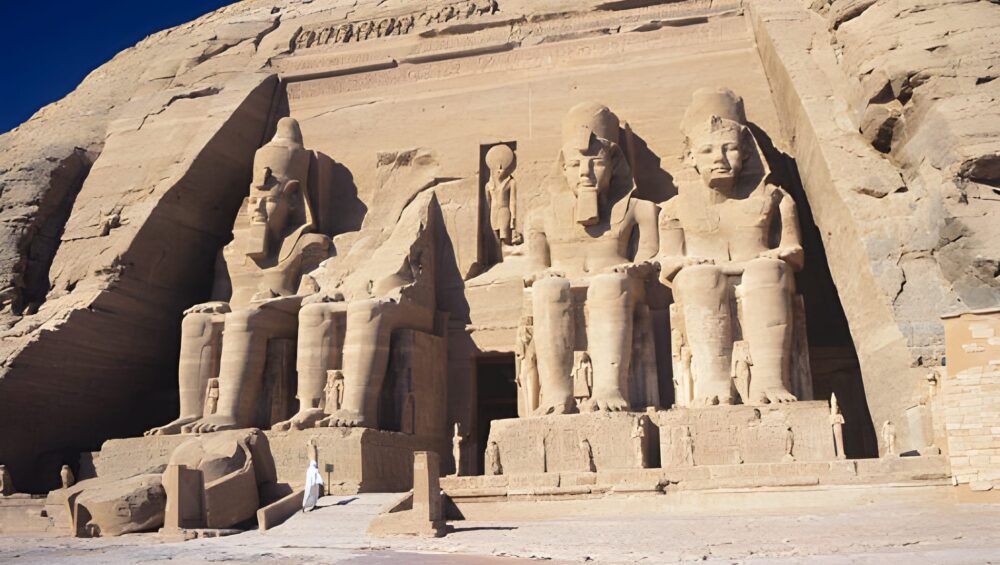
Ramesses II cemented his name through monumental structures—his twin temples at Abu Simbel remain marvels of ancient engineering. His military exploits, especially the Battle of Kadesh, against the Hittites, though contested, became the stuff of legend and one of the earliest known international peace treaties. His love for Queen Nefertari, immortalized in her breathtaking tomb found in the Valley of the Queens, revealed a human side to the great pharaoh, intertwining romance and royal grandeur.
To experience his monumental legacy today, travelers can embark on remarkable journeys like the 4 Day 3 Night Nile Cruise from Aswan to Luxor or the 7 Days Cairo and Nile Cruise Package, witnessing firsthand the architectural mastery born from the Egypt 19th Dynasty’s might.
The Decline and Legacy of the 19th Dynasty
Despite decades of dominance, the 19th Dynasty gradually faltered after the reign of Merneptah and subsequent rulers. Internal conflicts, political intrigue, and weak leadership began to chip away at its once-sturdy foundation. Factionalism among the royal court grew, and external pressures increased. By the time the 20th Dynasty emerged, the grandeur of the earlier reigns was already fading into memory.
Still, the dynasty left behind a profound legacy. Its architectural triumphs at Luxor City, including the Avenue of Sphinxes, continue to attract scholars and tourists. The period became a symbol of what ancient Egypt could achieve when faith, power, and creativity harmonized. Through excursions like the Day Tour to Edfu and Kom Ombo from Luxor, enthusiasts explore temples that echo the legacy of this mighty lineage.
Architecture, Religion, and Art in the Egypt 19th Dynasty
Architecture was the dynasty’s visual proclamation of divinity. The construction boom extended across Thebes, Abydos, Memphis, and beyond. Massive granite statues, decorated pylons, and perfect symmetry conveyed not only political stability but also cosmic balance. Artistic expression peaked under Seti I and Ramesses II, blending realism with spiritual symbolism. The intricate details inside the royal tombs, wall engravings, and temple inscriptions showcased incredible craftsmanship.
The religious reforms of this period centered around reaffirming Amun-Ra’s supremacy, though other deities such as Osiris, Horus, and Ptah continued to flourish. Rituals became more public, linking kingship with divine will. Many of these sacred narratives are captured in the temple walls of Abydos Temple and the grand interiors of Karnak. Experiences like the Sound and Light Show at Karnak Temples today bring these spiritual marvels vividly back to life.
Economy and International Relations of the 19th Dynasty
The 19th Dynasty’s economic foundation was built upon trade, agriculture, and tribute from conquered territories. Egypt’s wealth surged as it controlled gold-rich Nubia and vital trade routes linking the Mediterranean to sub-Saharan Africa. Diplomatic strategies under Ramesses II were equally significant. The peace treaty with the Hittites marked one of the earliest examples of international diplomacy, emphasizing coexistence over endless warfare.
This stability allowed artisans and engineers to flourish. Luxurious goods, exotic animals, and imported cedar from Lebanon enriched the royal estates. The Nile remained the principal artery of commerce and culture, dotted with temples and settlements that showcased Egypt’s prosperity. Modern travelers following similar routes on a Luxury Dahabiya Nile Cruise can trace the historical heartbeat of this dynasty’s trading prowess.
Top Historical Sites Linked to the 19th Dynasty
The enduring monuments of this dynasty beckon visitors from across the globe. The Temple of Philae, Kom Ombo Temple, and Edfu Temple reflect the architectural finesse of the era. Abydos stands as a shrine to Seti I’s divine ambitions, while Abu Simbel immortalizes Ramesses II’s might.
The colossal Colossi of Memnon, though older, continued to epitomize Egypt’s artistic heritage cherished by the 19th Dynasty. Exploring these landmarks through an 8 Day Egypt Luxury Tours and Nile Cruise Package brings history to life with modern comfort, echoing the spirit of exploration first inspired by Egypt’s great kings.
FAQs about Egypt 19th Dynasty
When did the Egypt 19th Dynasty begin and end?
The 19th Dynasty began around 1292 BCE with the coronation of Ramesses I and concluded in 1189 BCE. It spanned the reigns of several iconic pharaohs, including Seti I and Ramesses II, marking an age of cultural and political revival in ancient Egypt.
Why is Ramesses II considered one of the greatest pharaohs?
Ramesses II earned his reputation through his extensive building programs, long reign, and legendary military campaigns. His temples at Abu Simbel and the Ramesseum stand as testaments to his ambition, while his peace treaty with the Hittites represents a milestone in world diplomacy.
What was Seti I’s major contribution to Egypt’s 19th Dynasty?
Seti I revitalized Egypt through ambitious construction projects and successful military expeditions. His temple at Abydos became one of the most artistically refined temples in Egyptian history, celebrating gods and legitimizing royal power.
How did the economy flourish during the Egypt 19th Dynasty?
Economic stability was sustained through agricultural efficiency along the Nile, international trade, and control of mineral-rich territories like Nubia. Tribute from conquered lands enriched the treasury, funding marvellous temples and royal tombs.
Where can tourists experience the heritage of the 19th Dynasty today?
Visitors can explore landmarks associated with the 19th Dynasty in Luxor City, Aswan City, and Abu Simbel. Historical journeys such as the 4 Day Cairo and Luxor Tour Package allow travelers to witness the monumental legacies left behind by the dynasty’s legendary rulers.