Islamic Cairo: The Heartbeat of Egypt’s Timeless Soul
Step into Islamic Cairo, a labyrinth of ancient streets that whisper stories of sultans, scholars, and artisans who shaped the city’s golden age. This historic district, also known as Medieval Cairo or Historic Cairo, is more than just a neighborhood—it’s a living museum where every brick, minaret, and stone pathway exudes centuries of devotion, artistry, and innovation. From the rise of the Fatimid dynasty through the Mamluk and Ottoman eras, Islamic Cairo remains a powerful reflection of Egypt’s Islamic cultural and architectural legacy.
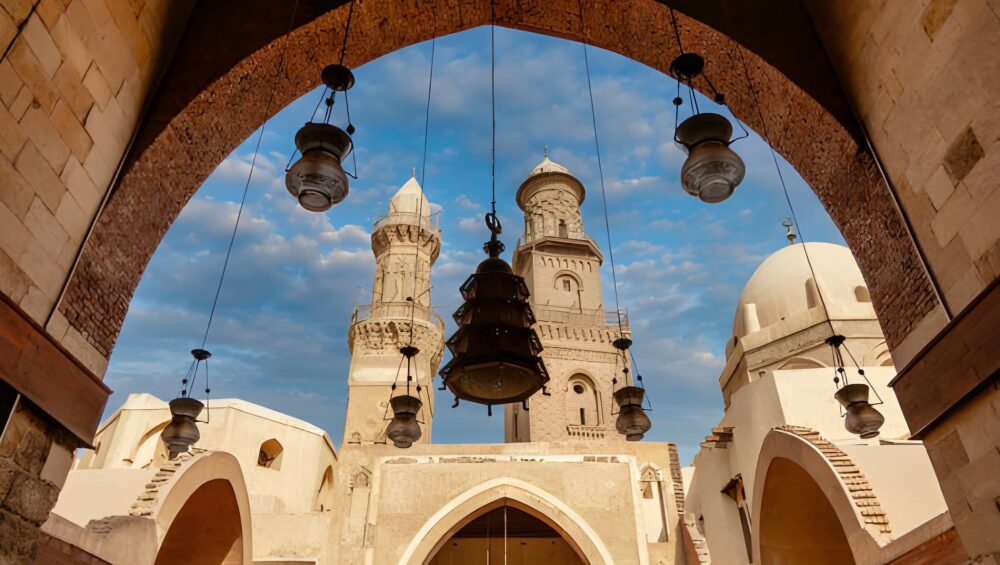
Walking through Islamic Cairo feels like traveling back through time. Ornate mosques, bustling souks, majestic madrasas, and centuries-old caravanserais reveal the city’s evolution as both a political and spiritual hub. It’s here that travelers absorb the rhythm of old Cairo—where the call to prayer echoes between domes, the aroma of spices fills narrow alleys, and artisans handcraft treasures that have transcended generations. Renowned for its preservation of medieval Islamic architecture, Islamic Cairo continues to captivate historians, photographers, and wanderers alike. With its UNESCO World Heritage status, this district is Egypt’s most enthralling cultural tapestry, seamlessly weaving the past with the present.
If you’re exploring on one of the Cairo Day Tours, don’t miss the opportunity to wander through its iconic landmarks that define Egypt’s spiritual heart. Whether you’re marveling at the beauty of the Al Azhar Mosque or meandering along El Moez Street, you’ll find Islamic Cairo brimming with cultural gems that unveil the city’s soul.
The Historical Significance of Islamic Cairo: A Crossroads of Dynasties
The origins of Islamic Cairo date back over a millennium, rooted in the founding of the Fatimid city of Al-Qahira in 969 CE. This dynasty established Cairo as a center of Islamic scholarship and art, laying the groundwork for centuries of architectural brilliance. From the Fatimids came the Mosques of Al-Hakim and Al-Azhar, masterpieces of stonework and devotion that defined early Islamic architecture in Egypt. During the Mamluk period, the city flourished with a new surge of monumental buildings—each with elaborate minarets, marble domes, and intricate geometric designs that expressed the grandeur of faith.
Later, the Ottomans brought their distinct style, blending Turkish influences with the deep-rooted Egyptian identity. The result is an architectural symphony where towering minarets rise over lively bazaars. From the sprawling Citadel of Salah El-Din to the elegant Al Rifai Mosque, the diversity of Islamic Cairo’s landmarks showcases how civilizations coexisted and thrived under the shadow of Islam’s influence. It’s no wonder the district stands as one of the most comprehensive representations of Islamic civilization in the world.
Architectural Marvels: A Showcase of Islamic Art in Cairo
Islamic Cairo stands as an expansive open-air museum of sacred geometry and ornamental detail. The mosques, madrasas, hammams, and sabils are living examples of how artisans merged art and spirituality. One of the most celebrated monuments is the Sultan Hassan Mosque, a colossal structure that exemplifies Mamluk architecture’s zenith. Built in the 14th century, its towering façade, massive domes, and tranquil courtyard reflect the architectural ambition of Cairo’s Islamic rulers. Nearby, the Mosque of Ibn Tulun, dating back to the 9th century, is one of the oldest mosques in Africa still in use today, with its spiral minaret offering breathtaking views of Cairo’s skyline.
Each mosque tells a story—of faith, community, and mastery. The intricate arabesque carvings, stucco work, and colored glass windows reveal the brilliance of Islamic artisans who mastered both form and symbolism. These architectural marvels define Islamic Cairo’s distinct character and make it a cornerstone of Cairo’s heritage-based tourism, especially for travelers exploring Luxury Egypt Tours.
El Moez Street: Cairo’s Timeless Spine of History
El Moez Street, also known as Al-Muizz li-Din Allah Street, runs through the very core of Islamic Cairo. Once a royal avenue lined with palaces and mosques, it is now a vibrant showcase of over a thousand years of Islamic architecture. By day, sunlight filters through its rooftops, illuminating historical facades; by night, the street glows with lantern-lit charm, alive with traditional music and street food vendors. This avenue epitomizes Cairo’s evolution—from Fatimid to Ottoman rule—preserving architectural treasures side by side. The Wekalet El Ghouri cultural center, a 16th-century caravanserai, now hosts mesmerizing Sufi dance performances, connecting old traditions with contemporary artistic expression.
For travelers fascinated by immersive experiences, strolling down El Moez unveils centuries of craftsmanship at every corner. You can shop for copper lamps, delicate inlaid wood furniture, and traditional jewelry, or simply pause for mint tea while watching Cairo’s heritage unfold before your eyes. Every step down El Moez Street captures the rhythm of Egypt’s past and present.
Khan El Khalili Bazaar: The Soul of Islamic Cairo’s Commerce
Few places embody the timeless vibrancy of Islamic Cairo quite like Khan El Khalili. Founded in the 14th century, this marketplace remains Cairo’s most famous bazaar—a sensory explosion of color, aroma, and history. From handcrafted brass lamps and silver jewelry to exotic spices and traditional textiles, the bazaar echoes with the sound of merchants skillfully practicing their ancient trade. Bargaining here isn’t just commerce—it’s art.
Situated near the historic Al Azhar Mosque, Khan El Khalili draws visitors and locals alike, blending tourism with tradition. The district’s small cafés, such as the legendary El Fishawy, offer a seat to history itself. Think of it as Cairo’s living soul—a crossroad where traders, poets, and historians once conversed under the scent of strong Arabic coffee and hookah smoke. No trip to Egypt’s capital, especially one on a Coptic and Islamic Cairo Tour, would be complete without roaming this market’s labyrinthine alleys.
Spiritual Tranquility: Mosques and Madrasas That Shaped Islamic Knowledge
Islamic Cairo was not just the capital of empires—it was the intellectual heart of the Muslim world. The Al Azhar Mosque and University, founded in 970 CE, became a beacon of Islamic learning that continues to thrive today. Generations of scholars studied theology, philosophy, and science within its halls, shaping thought across continents. The mosque’s elegant courtyard, flanked by minarets from different eras, reflects the evolution of Islamic architecture while maintaining its spiritual essence.
Beyond Al Azhar, the madrasa complexes such as Sultan Barquq and Qalawun demonstrate the integration of education, worship, and charity in a single architectural setting. These institutions played an indispensable role in cultivating Cairo’s identity as the ‘City of a Thousand Minarets.’ Visitors seeking deeper insight into Egypt’s religious heritage often complement their Islamic Cairo exploration with visits to the nearby Coptic Cairo (Old Cairo), revealing the coexistence of faiths that underpins Egypt’s enduring spirit.
Cultural Heritage and Daily Life in Islamic Cairo
Despite its ancient roots, Islamic Cairo remains vibrantly alive. Locals still inhabit centuries-old homes with mashrabiya balconies overlooking narrow, bustling lanes. Markets overflow with handmade copperware, perfumes, and textiles crafted using traditional methods passed through generations. The social fabric here reflects the essence of Egyptian resilience and warmth—hospitality is ingrained in daily interactions. Spend a day exploring its art galleries and revived palaces, and you’ll find echoes of a proud civilization adapting to the modern world without losing its core.
Nearby, the serene Al Azhar Park offers panoramic views of Islamic Cairo’s skyline, where hundreds of minarets pierce the sky. It’s a spot that perfectly contrasts the energy of El Moez Street with a peaceful retreat ideal for reflection and photography.
Experience Islamic Cairo Through Tailored Egypt Tours
Whether embarking on a self-guided adventure or joining curated itineraries like the 10 Day Cairo with Nile Cruise or 8 Days Pyramids and Nile Cruise Holidays, exploring Islamic Cairo offers travelers both cultural depth and visual splendor. Even short visits, like the Day Tour to El Fayoum from Cairo or one-day cultural excursions, blend perfectly with the rhythms of this ancient quarter. Guided experiences unravel hidden stories behind each dome and alleyway—ideal for history enthusiasts, photographers, and anyone eager to feel Cairo’s pulse beyond the Pyramids.
Top Landmarks to Visit in Islamic Cairo
Islamic Cairo is densely packed with landmarks that define Egypt’s medieval character. Notable highlights include:
– Mosque of Ibn Tulun: A masterpiece of Abbasid architecture distinguished by its spiral minaret.
– Sultan Hassan Mosque-Madrasa: Renowned for its symmetry and monumental scale.
– Al Rifai Mosque: The resting place of Egyptian royals and Iran’s last Shah.
– Al-Hakim Mosque: A Fatimid-era structure beautifully restored to its former grandeur.
– Bab Zuweila Gate: One of the three remaining gates from Fatimid Cairo offering spectacular rooftop views.
– Islamic Art Museum: Housing one of the richest collections of Islamic calligraphy, ceramics, and textiles.
Each monument reflects a different epoch of Cairo’s dynamic Islamic history, forming a living showcase of art and authority. Those joining Day Tours to the Pyramids & the Nile often extend their itineraries to explore these spiritual and architectural marvels.
Preserving the Spirit: Conservation and Modern Challenges
Islamic Cairo faces the dual challenge of modernization and preservation. Urban expansion, tourism pressure, and restoration funding issues have threatened parts of its fragile heritage. Yet, continuous projects supported by UNESCO and Egyptian institutions breathe new life into historical landmarks, ensuring their stories endure. Preservation efforts focus on sustainable tourism, authentic restoration, and community engagement—acknowledging that Cairo’s living heritage must continue to thrive in harmony with modern life. Such initiatives safeguard not just monuments, but the very identity of Islamic Cairo itself.
Frequently Asked Questions about Islamic Cairo
What is Islamic Cairo known for?
Islamic Cairo is famous for its concentration of mosques, madrasas, mausoleums, and markets dating from Egypt’s Islamic period. The district represents over 1,000 years of artistic and architectural evolution and is often called the heart of Old Cairo’s Islamic civilization.
Which are the most famous mosques in Islamic Cairo?
The most visited mosques include Sultan Hassan, Ibn Tulun, Al-Azhar, and Al-Hakim. Each embodies distinct architectural styles—Fatimid, Mamluk, and Ottoman—that highlight Cairo’s diverse Islamic heritage.
Is Islamic Cairo safe for tourists?
Yes, Islamic Cairo is generally safe, especially during daylight hours. Visitors are advised to dress modestly and stay within main routes. Guided trips through local operators like Cindrella Egypt Travel ensure both safety and insider access to hidden gems.
When is the best time to visit Islamic Cairo?
The ideal time is between October and April when the weather is mild, and walking through the district becomes pleasant. Early mornings and evenings are perfect for photography and cultural exploration.