Community Tourism In Egypt: Staying With Locals In Villages And Oases
Community tourism in Egypt offers travelers the unique chance to stay with local families in villages and oases, experiencing daily life, culture, and traditions firsthand. These immersive stays foster meaningful cultural exchange, support rural economies, and provide an authentic alternative to conventional hotels or resorts, allowing visitors to connect deeply with Egypt’s diverse communities.
Key Takeaways
- Community tourism in Egypt allows travelers to stay with local families in rural villages and desert oases, offering genuine cultural immersion.
- Stays in Nubian villages along the Nile and in the Western Desert’s oases are among the most popular community tourism experiences.
- Tourists can participate in daily activities like farming, cooking, and crafts, directly supporting local economies.
- These experiences provide insight into Egypt’s rich traditions, music, cuisine, and hospitality beyond the country’s famous monuments.
- Community tourism is best arranged through reputable organizations or local guides to ensure authenticity and positive impact.
What Is Community Tourism in Egypt?
Community tourism in Egypt is a form of responsible travel where visitors stay in local homes or small guesthouses, often in rural or remote areas. Unlike mainstream tourism, which typically focuses on ancient sites and luxury resorts, community tourism centers on cultural exchange and everyday experiences. Guests become temporary members of the host family, sharing meals, participating in daily routines, and learning about local customs. This approach benefits both visitors—who gain a deeper understanding of Egyptian life—and host communities, who receive direct economic support and opportunities to showcase their heritage.
The Allure of Village and Oasis Stays
Egypt’s villages and oases are living repositories of tradition, hospitality, and natural beauty. From the lush banks of the Nile to the palm-dotted oases of the Western Desert, these communities offer a slower pace of life and a strong sense of identity. Travelers can witness centuries-old farming techniques, listen to folktales by firelight, and sample homemade delicacies rarely found in urban restaurants. Village and oasis stays are particularly appealing for those seeking alternatives to tourist-heavy destinations, providing a peaceful retreat and a chance to form genuine connections with locals.
Experiencing Nubian Culture Along the Nile
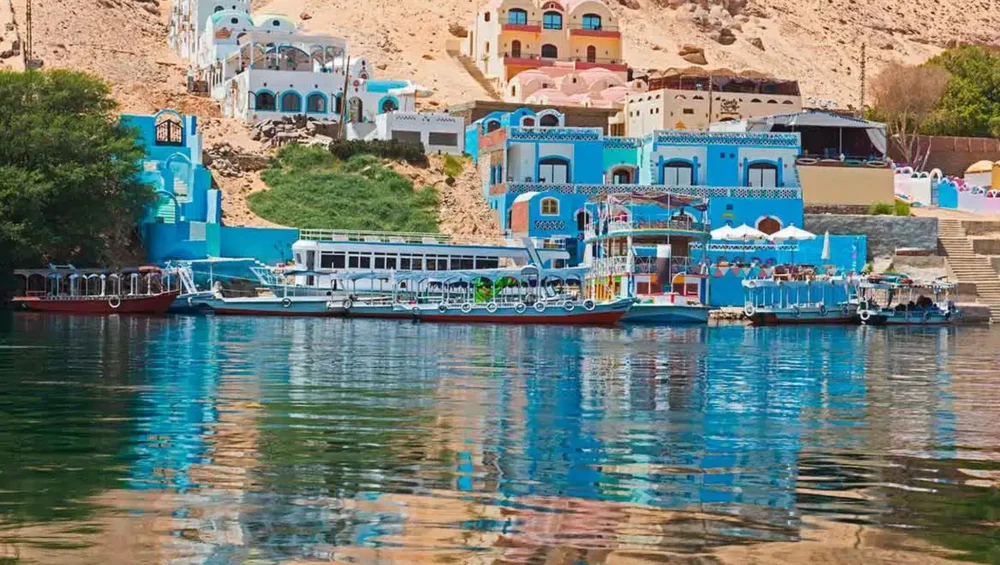
Nubian villages, located primarily near Aswan and along Lake Nasser, are among the most popular destinations for community tourism in Egypt. Nubians are renowned for their colorful homes, vibrant music, and warm hospitality. Staying in a Nubian guesthouse, travelers are welcomed with traditional meals, such as fatta and grilled fish, and can participate in activities like pottery making or learning local dances. Many hosts also offer guided walks through the village, visits to local schools, and boat rides on the Nile. For those interested in exploring these communities, a trip to the Nubian villages by boat provides a memorable introduction to their unique culture and landscape.
Life in Egypt’s Desert Oases
The Western Desert is home to a string of oases, each with its own character and traditions. Bahariya, Siwa, Dakhla, Kharga, and Farafra are among the best known, offering visitors a blend of desert scenery, ancient ruins, and resilient communities. In Bahariya Oasis, for example, travelers can stay in eco-lodges or with local families, joining in farming, date harvesting, or bread baking. Siwa Oasis is famous for its salt lakes, mud-brick architecture, and Berber heritage. Community tourism in these areas typically involves exploring palm groves, visiting local markets, and sharing stories with hosts under star-filled skies. For more about Bahariya’s unique appeal, see this guide to Bahariya Oasis Egypt.
Participating in Daily Life and Local Traditions
One of the greatest rewards of community tourism is the opportunity to join in the daily lives of your hosts. Activities vary by location and season but often include farming, animal care, weaving, pottery, and traditional cooking. Guests might help harvest crops, learn to bake baladi bread, or try their hand at palm weaving. In the evenings, families often gather for storytelling, music, or tea ceremonies. These experiences not only enrich the traveler’s understanding of Egyptian culture but also help preserve local crafts and traditions for future generations.
Benefits of Community Tourism for Locals and Travelers
Community tourism in Egypt creates a positive cycle of cultural preservation and economic empowerment. For local families, hosting travelers provides a vital source of income and an incentive to maintain traditional practices. It encourages young people to remain in their communities rather than migrate to cities. For travelers, the benefits include authentic cultural immersion, unique stories, and a sense of meaningful exchange. Community tourism also promotes sustainable travel by reducing the environmental impact associated with large hotels and mass tourism, and by distributing the benefits of tourism more equitably.
How to Arrange a Community Stay in Egypt
Organizing a stay with local families or in village guesthouses requires careful planning to ensure both authenticity and respect for local customs. The best approach is to work with reputable travel agencies, NGOs, or local guides who have established relationships with host communities. These intermediaries can help match travelers with suitable hosts, arrange transportation, and provide guidance on etiquette. For those interested in combining community stays with broader sightseeing, consider incorporating such experiences into a longer itinerary—like the 11 Days Luxury Egypt Vacation—to balance rural immersion with visits to Egypt’s iconic monuments.
Responsible Travel: Etiquette and Considerations
Respect for local culture is essential when participating in community tourism. Visitors should dress modestly, especially in rural or conservative areas, and ask permission before taking photographs. Learning a few basic Arabic phrases is appreciated and helps break the ice. It’s also important to recognize the value of fair compensation—paying hosts directly or through trusted intermediaries ensures that benefits reach the community. Travelers should be mindful of environmental impact by minimizing waste and supporting local businesses. For tips on purchasing meaningful keepsakes, see advice on best souvenirs from Egypt that genuinely support artisans.
Combining Community Tourism with Classic Egyptian Experiences
Community tourism does not mean missing out on Egypt’s famous archaeological sites or natural wonders. Many travelers choose to combine village stays with classic tours of Luxor, Aswan, or Cairo, or even a cruise on the Nile. For example, after a few days in a Nubian village, you might embark on a 3 Nights Nile Cruise Egypt to explore temples and tombs. This blend of immersive local experiences and world-class sightseeing offers a well-rounded perspective on Egypt’s past and present. For further inspiration, check out 7 must-see stops on your ultimate Egypt tour for ideas on building a diverse itinerary.
Community Festivals and Seasonal Events
Staying with locals offers a front-row seat to Egypt’s vibrant calendar of festivals and celebrations. Many villages and oases host unique events tied to the agricultural cycle, religious holidays, or local legends. Participating in these gatherings—such as harvest feasts, weddings, or spring festivals like Sham El-Nessim—provides insight into the rhythms of rural life. These occasions are marked by special foods, music, and communal rituals. To learn more about how Egyptians celebrate spring, see this overview of Sham El-Nessim: Egypt’s Spring Festival.
Frequently Asked Questions
-
What is community tourism in Egypt?
Community tourism in Egypt means staying with local families or in small guesthouses in rural villages or oases, allowing travelers to experience daily life, traditions, and culture firsthand while supporting host communities. -
Where are the best places for community tourism in Egypt?
The most popular destinations for community stays include Nubian villages near Aswan, Siwa Oasis, Bahariya Oasis, and other communities along the Nile and in the Western Desert. -
How do I arrange a stay with a local family in Egypt?
The best way to arrange a community stay is through reputable travel agencies, NGOs, or local guides who have established connections with host families and can ensure an authentic and respectful experience. -
What activities can I expect during a village or oasis stay?
Activities often include farming, cooking, handicrafts, storytelling, music, and participating in local festivals or daily routines alongside your hosts. -
Is community tourism safe and suitable for families?
Community tourism is generally safe and can be a rewarding experience for families, as hosts are accustomed to welcoming guests of all ages. It is important to communicate dietary needs and preferences in advance. -
What etiquette should I follow when staying in a local Egyptian home?
Guests should dress modestly, ask permission before taking photos, be respectful of local customs, and show appreciation for their hosts’ hospitality. Learning a few Arabic phrases is also encouraged.