Tipping in Egypt: A Complete Guide to Baksheesh and Gratuity Etiquette
Tipping in Egypt, commonly called ‘baksheesh,’ weaves itself into the social and economic fabric of daily life. From bustling Cairo streets to serene Nile River cruises, tipping is more than just a polite gesture—it’s a cultural expectation that reflects appreciation and generosity. For visitors exploring the enchanting land of pharaohs, understanding Egypt’s tipping etiquette can make every encounter smoother and every smile warmer. Whether you’re riding a camel by the pyramids, sipping tea on a felucca ride, or strolling through the El Moez Street, knowing how and when to tip can greatly enhance your experience.
Unlike in some Western countries, where tips are optional extras, tipping in Egypt is often a genuine part of workers’ income. Due to the country’s modest wage structures in the service sector, many locals rely on gratuities as a financial supplement. Hence, travelers should approach baksheesh not as an annoyance but as a way to engage respectfully with the community. After all, that bellboy hoisting your bag, or the driver navigating Luxor’s vibrant streets, likely earns a modest base pay and counts on your tip to make his day more rewarding.
In this comprehensive guide, we’ll break down the ins and outs of tipping in Egypt—how much to give, when it’s expected, how to offer it gracefully, and what cultural nuances to keep in mind. From hotel porters and taxi drivers to waiters and tour guides, this article covers the fine details of Egypt’s unwritten etiquette. By the time you finish reading, you’ll navigate Egypt’s tipping culture like a pro, ensuring gratitude flows both ways along your journey through the land of the Nile.
Understanding the Culture of Baksheesh in Egypt
To understand tipping in Egypt, you must first grasp the concept of baksheesh. The word, derived from Persian origins, roughly translates to ‘gratuity’ or ‘gift.’ However, in Egyptian daily life, it carries deeper social and moral significance. Baksheesh reflects generosity, hospitality, and acknowledgment of service—values deeply embedded in Egyptian culture. In many ways, it’s a conversation of respect, bridging economic gaps while sustaining the smiles of those who make your travels more comfortable.
Egyptians don’t always expect extravagant tips, but they do appreciate the gesture. The practice finds expression across all walks of life, from the doorman opening your car door to the guide leading your Cairo Day Tours. It’s common to see locals tipping small amounts for everyday services—showing how ingrained baksheesh truly is. While foreigners may view frequent tipping as confusing or even overwhelming at first, once you adapt, it becomes second nature and adds a touch of authenticity to your journey.
Why Tipping Matters in Egypt’s Socioeconomic Context
Wages within tourism and service industries in Egypt are often supplemented by tips. Workers at hotels, restaurants, and tourist attractions frequently earn minimal base salaries, making gratuities essential. In places like Luxor Day Tours or Aswan Day Tours, your tipping habits can directly influence the livelihoods of many families. What might seem modest to you—10 to 20 Egyptian pounds—can make a meaningful impact locally. By tipping fairly, travelers participate in a long-standing tradition that fosters goodwill and mutual respect.
General Tipping Guidelines for Travelers in Egypt
Understanding how much to tip in Egypt depends on the service context. Egyptians appreciate small but consistent expressions of gratitude. It’s practical to carry coins and small denomination banknotes since denominations under 50 EGP are most useful for tipping. Keep in mind, though, that excessive tipping isn’t necessary. What matters most is the gesture itself—done with respect and sincerity.
Tipping in Restaurants and Cafés
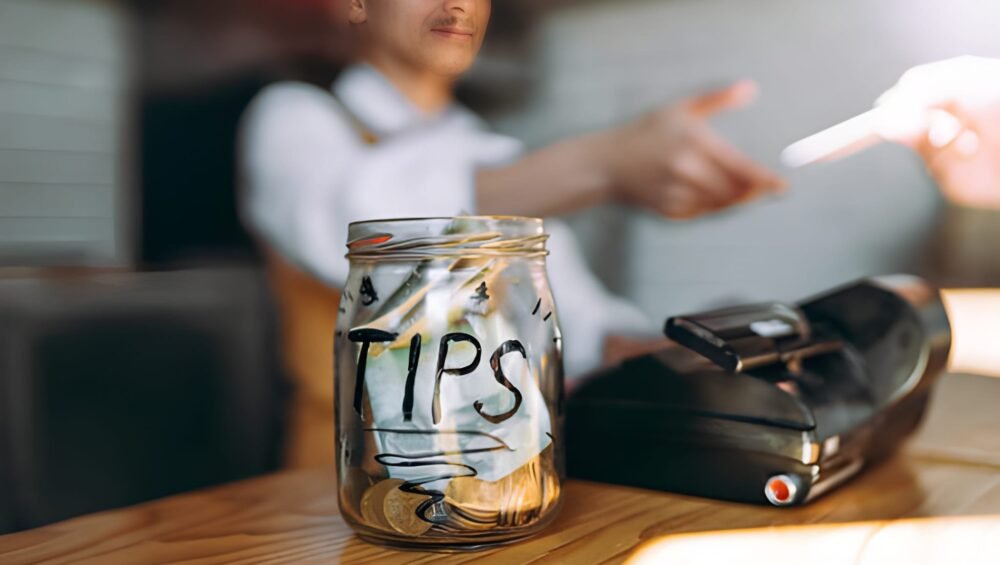
In Egyptian restaurants, a service charge of around 12–14% may already be included in your bill, yet staff rarely receive this portion directly. For this reason, leaving an additional 5–10% in cash is customary. In local cafés or small eateries, a 5–10 EGP tip for good service suffices. Always tip the waiter personally to ensure they receive it—placing it in their hand or discreetly on the table while smiling goes a long way in Egyptian hospitality circles.
Tipping Hotel Staff and Porters
Hotel staff play a pivotal role in ensuring visitors enjoy their stay. It’s polite to tip bellboys 20–30 EGP per bag and housekeeping staff 20–50 EGP per day, ideally left on the nightstand. At luxury properties, such as those included in Luxury Egypt Tours, a 10% gratuity for exceptional service is warmly welcomed. Remember—tips reflect appreciation for invisible efforts that make your trip truly comfortable.
Tipping Tour Guides and Drivers
If you’re traveling with professional tour guides—perhaps on a 7 Days Cairo and Nile Cruise Package or an 8 Day Egypt Luxury Tour—tipping becomes especially significant. Guides are trained experts whose insights enrich your understanding of ancient wonders like the Luxor Temple or the Temple of Philae. A fair tip ranges from 100–200 EGP per person per day for guides and half that for drivers. For multi-day tours, offering a lump sum at the end of the journey is both convenient and respectful.
Transportation Tipping Etiquette
Taxi and Private Transfers
Taxis are common across Egypt’s cities. Unlike metered systems in some countries, many Egyptian taxis rely on negotiated fares. Round up the fare or add about 10 EGP as a gesture of appreciation. For long-distance transfers, such as Hurghada Transfers or Luxor Transfers, tipping 50–100 EGP is suitable, especially if your driver assists with luggage or waits patiently during stops.
Boat Captains and Nile Cruise Staff
A highlight of Egyptian travel is sailing down the Nile aboard a cruise such as the Steigenberger Royale Nile Cruise. Cruise tips differ slightly—passengers often contribute to a pooled fund, distributed among the crew at the voyage’s end. A general guideline is around 100–150 EGP per day per traveler. For smaller sailboats like dahabiyas, such as the elegant Nour El Nil Dahabeya, providing the captain and staff with a collective gratuity in cash is both customary and appreciated.
Specific Situations: From Temples to Street Services
Baksheesh at Historical Sites
Egypt’s archaeological marvels—from Abu Simbel Temples to Kom Ombo Temple—often have staff who may go the extra mile to take photos, open restricted areas, or explain unique details. A tip of 10–20 EGP shows your gratitude but should be optional. Avoid over-tipping to prevent inflation of expectations for future travelers. A smile and whispered ‘shukran’ (thank you) often carry their own weight in courtesy.
Tipping Street Vendors and Restroom Attendants
In public restrooms or local markets, a small tip of 5–10 EGP remains standard. Elders selling handmade goods or young helpers cleaning spaces earn modest wages, and your small contribution helps them support their families. When exploring villages near The Nubian Village or during Felucca Ride on the Nile in Aswan, carrying change ensures smooth interactions.
Practical Tips for Handling Tipping in Egypt
When and How to Offer Tips Politely
Timeliness matters when tipping in Egypt. Hand over gratuities privately and discreetly, ideally accompanied by warm eye contact and polite words. Egyptians value dignified exchanges; flashy tipping might seem disrespectful. Use your right hand when offering cash, as it’s culturally proper. In group tours, handing tips collectively through your guide helps ensure fairness.
Currency Considerations and Denominations
Always use Egyptian pounds rather than foreign currency. Smaller notes (5, 10, 20 EGP) are ideal. Exchange sufficient change before embarking on day excursions such as the Day Tour to Luxor from Hurghada or the Day Trip to Abu Simbel from Aswan. Avoid giving coins from your home country; locals can’t easily convert them. Egyptian banks occasionally run short on small denominations, so planning ahead saves awkward moments.
Common Tipping Mistakes Tourists Should Avoid
Overtipping and Setting Unrealistic Expectations
Generosity is welcome, but excessive tipping can upset local balance. Tourists who overpay amplify expectations, which may pressure other travelers to do the same. Maintain moderation by gauging standard rates and asking guides for advice. Politeness outweighs value; even a small amount handed with genuine warmth earns greater appreciation.
Forgetting to Tip Behind-the-Scenes Staff
While front-line employees like waiters and drivers often receive tips, many behind-the-scenes workers—cooks, cleaners, deckhands—quietly contribute to your comfort. When gratuities are pooled, these individuals benefit equally. Supporting these unseen heroes reinforces the true purpose of tipping in Egypt: shared appreciation and collective respect.
Frequently Asked Questions about Tipping in Egypt
How much should I tip at restaurants in Egypt?
Leaving an extra 5–10% in cash is customary, even if a service charge appears on the bill. In smaller establishments, 10–20 EGP is appropriate. Directly hand your tip to the waiter to ensure they receive it.
Do I have to tip taxi drivers in Egypt?
Tipping taxi drivers isn’t mandatory, but rounding up the fare or adding 10 EGP is courteous. For pre-booked private transfers, 50–100 EGP is a fair gesture.
How much should I tip a guide on a private tour?
For full-day private tours, 100–200 EGP per person per day is recommended for guides, and half for drivers. On multi-day packages, provide one collective tip at the journey’s end.
Is tipping expected in luxury hotels and cruises?
Yes. At five-star hotels and Nile cruises like the MS Crown Jewel Nile Cruise, a pooled gratuity system is common. Guests usually contribute 100–150 EGP daily, evenly distributed among all crew members.
Can I give US dollars as tips in Egypt?
While US dollars are widely recognized, it’s better to tip in Egyptian pounds for convenience. If offering USD, stick to crisp, small bills and ensure they’re in perfect condition—locals may struggle to exchange worn notes.
Final Thoughts on Tipping in Egypt
Mastering the art of tipping in Egypt transforms your travel experience into a respectful cultural exchange. Beyond mere monetary value, it embodies gratitude and human connection—qualities Egyptians hold dear. By tipping mindfully, you contribute to sustainable tourism and forge genuine bonds with the people who make Egypt so magical. Whether you’re wandering through the ancient corridors of the Sakkara Necropolis