Sweet Secrets of the Sands: Discovering the Timeless Desserts of Egypt
Egyptian desserts weave an irresistible story of history, culture, and pure indulgence. Rooted in ancient traditions and flavored by centuries of culinary exchange, these sweets offer far more than just sugar and spice. They’re a mirror to Egypt’s diverse landscape — each bite echoing the warmth of the desert sun, the abundance of the Nile River, and the lavish feasts once enjoyed by pharaohs. Desserts of Egypt hold a sacred place in every celebration, from grand weddings to family gatherings during Ramadan. Honey-drizzled pastries, aromatic nuts, and layers of flaky dough symbolize love, generosity, and the joy of togetherness.
In every home and street corner, Egyptian sweets tempt locals and travelers alike. From the legendary Om Ali, crowned the queen of desserts, to Basbousa soaked in syrupy perfection, or the nut-stuffed Konafa that melts at first bite, each delicacy tells its own tale. Exploring Egyptian desserts is a sensory journey through textures and tastes shaped by time. It’s where the soft mingles with the crunchy, where semolina flirts with syrup, and where ancient recipes still thrive in the heart of Egypt’s modern kitchens. Whether you’re strolling through El Moez Street or sitting in a Cairo café near the Grand Egyptian Museum, a plate of Egyptian sweets invites you to taste history — one bite at a time.
The Cultural Essence of Egyptian Desserts
Egyptian desserts are more than confections; they’re silent narrators of history. They evolved through centuries of Pharaonic rituals, Islamic conquests, and Mediterranean influences. Early Egyptians cherished honey and dates, the original sweeteners of the desert. Honey symbolized divine blessing, often used in temple offerings. Later, as Egypt became a crossroads of civilizations, Turkish, Greek, and Levantine flavors blended into its sweets, enhancing both taste and tradition. During festive months like Ramadan, the streets of Cairo buzz with vendors selling steaming trays of warm sweets — an enchanting ritual that fuses food with faith.
Families gather after sunset to enjoy these iconic treats. The dessert table becomes a bridge between generations, passing on customs as sweet as the confections themselves. Traditional recipes remain unchanged, proudly made by grandmothers who guard them like treasures. Egyptian desserts represent unity, spirituality, and heritage — a flavorful connection from ancient temples to today’s bustling cities like Luxor and Aswan.
Om Ali – The Legendary Dessert of Egypt
Arguably the most iconic Egyptian dessert, Om Ali is a symbol of generosity and victory. This warm, creamy pudding is layered with puff pastry, milk, sugar, nuts, raisins, and sometimes coconut. Legend traces its origin to medieval Egypt, where the wife of Sultan Izz al-Din Aybak baked the first Om Ali to celebrate triumph. Centuries later, it remains a national favorite, served in elegant Cairo restaurants and humble street stalls alike. It’s a comforting blend of textures — crispy, chewy, and milky — that captures the soul of Egyptian hospitality. Those curious about Om Ali’s deeper origins can dive into its fascinating past through the Om Ali Recipe and History.
Basbousa – The Semolina Delight
Basbousa epitomizes Egyptian simplicity with its golden-baked semolina soaked in fragrant sugar syrup. Soft yet dense, it’s delicately perfumed with rose or orange blossom water, often topped with almonds or shredded coconut. Unlike Western cakes, Basbousa’s sweetness bursts boldly yet gracefully, pairing perfectly with hot mint tea or black coffee. It’s the kind of dessert you find in any Egyptian home, often baked in large trays as a sign of abundance. Versions of Basbousa spread across the Middle East, but nothing beats the authentic Egyptian version found in local bakeries.
Kunafa – A Crispy Indulgence
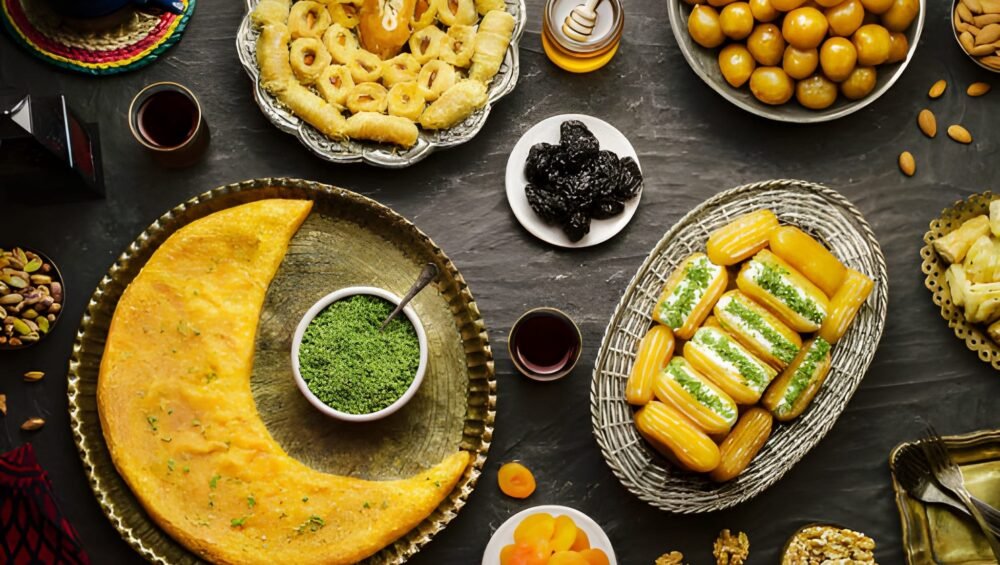
Kunafa reigns supreme during Ramadan, brightening Egyptian nights with its golden threads of shredded pastry stuffed with creamy filling. Traditionally baked over live flame, it’s drizzled with syrup and garnished with pistachios or nuts. Some prefer it with cheese for a subtle savory kick, others with cream or custard for sheer decadence. Watching Kunafa being prepared in Cairo’s old quarters is a feast for the senses — the crackle of the pastry, the aroma of butter, and the sizzling drizzle of syrup that marks its perfection. Its popularity has also reached coastal towns such as Hurghada and Marsa Alam, attracting dessert lovers from across the globe.
Baklava – Layers of Sweet Legacy
Baklava, though often associated with Ottoman heritage, has found a permanent home in Egyptian cuisine. Its delicate phyllo layers filled with chopped nuts and sealed with honey syrup create a symphony of crunch and smooth sweetness. Egyptians embrace its local twist, often adding a hint of cardamom or cinnamon. Once exclusive to royal feasts, baklava now graces every festive table, marking Eid, weddings, and family reunions. It remains an edible bridge connecting Egypt to its broader Mediterranean neighbors, uniting them through layers of baked perfection.
Halawa & Tahini Treats – Ancient Simplicity Unraveled
Halawa (or Halvah) showcases how Egyptians elevate simplicity. Made from sesame paste (tahini) and sugar, it offers a crumbly texture with a nutty depth that lingers on the palate. Whether enjoyed plain or studded with pistachios, Halawa holds nostalgic power for many Egyptians. It’s often paired with breakfast bread or served alongside hot tea at the end of the day. Its longevity as a culinary staple proves that ancient recipes, born from limited ingredients, can outlast time itself. To experience this heritage firsthand, visit marketplaces in cities like Alexandria, where vendors still handcraft this traditional confection.
Roz Bel Laban – Comfort in a Bowl
Roz Bel Laban, Egypt’s version of rice pudding, is the ultimate comfort food. Simmered slowly with milk, sugar, and a hint of vanilla or rosewater, it’s both rich and soothing. Sprinkled with cinnamon or crushed nuts, this creamy delight serves as a gentle remedy for long days and cold nights. Its widespread popularity across Egyptian households defines the country’s affection for desserts that balance sweetness with sentiment. Simple, authentic, and timeless — Roz Bel Laban embodies everything Egyptian food stands for: home, heart, and heritage.
Qatayef – Sweet Pancakes of Ramadan
Qatayef instantly evoke Ramadan nostalgia. These small, half-moon pancakes are stuffed with nuts or cream, fried until golden, and drenched in syrup. Crispy outside, soft inside, Qatayef symbolize festivity. Sellers appear across Egyptian streets as the sun sets, offering piles of freshly fried batches that fill the air with mouthwatering aroma. The ritual of Qatayef-making strengthens community ties, with families often gathering to fill and fold the batter together. It’s not just dessert — it’s a cherished moment woven into Egypt’s spiritual and social identity.
Egyptian Sweets and the Art of Sharing
In Egyptian society, sharing desserts is a gesture of kindness and empathy. During holidays, sweets like Kahk (powdered sugar biscuits) and Maamoul (date-filled cookies) overflow from boxes gifted to friends and neighbors. These small gestures represent Egypt’s unmatched hospitality, a value as constant as the Sphinx that guards its desert sands. Food, especially dessert, unites people from diverse backgrounds — it bridges cities, generations, and emotions, making Egypt’s culinary culture beautifully collective.
Regional Variations of Egyptian Desserts
Egypt’s desserts reflect its geographical and cultural diversity. In Upper Egypt, locals prefer richer, creamier sweets made with buffalo milk and ghee. Meanwhile, coastal cities such as Alexandria favor lighter pastries infused with Mediterranean flair. In oases like Siwa Oasis, traditional treats feature dates and local honey, echoing the desert’s bounty. Even within bustling Cairo, each neighborhood harbors unique dessert makers who add subtle twists — extra vanilla here, ruby pistachios there — ensuring no two sweets ever taste quite the same. This regional versatility keeps Egypt’s culinary traditions vibrant and evolving, while still rooted in timeless authenticity.
Modern Transformations of Classic Egyptian Desserts
As Egypt modernizes, its quintessential desserts embrace innovation. Famous chefs reinvent Kunafa with Nutella or mango, twist Basbousa into bite-sized morsels, and craft Rosewater Baklava with gourmet flair. Contemporary cafés across vibrant districts like Zamalek and Heliopolis fuse old recipes with global trends while retaining traditional essences. Tourists exploring Egypt through food tours often complement dessert tastings with top attractions like the Citadel of Salah El-Din or a serene evening cruise aboard the Best Nile River Cruises. This synergy between culinary heritage and modern tourism elevates how Egypt celebrates its gastronomic identity today.
Where to Taste the Best Desserts in Egypt
Every major city hides its dessert gems. In Cairo, downtown bakeries have been preparing traditional sweets for over a century. Luxor and Aswan offer authentic village-made confections enjoyed along the banks of the Nile. Travelers can indulge in dessert-tasting experiences during their Nile cruise holidays or during day tours like the Cairo Day Tours and Luxor Day Tours. Those seeking local flavors in small bites can explore family-run pastry shops or late-night dessert cafés tucked in scenic old quarters. Sampling sweets in Egypt isn’t just tasting — it’s touching the heart of a living culinary legacy.
FAQs About Desserts of Egypt
What is the most famous dessert in Egypt?
Om Ali is widely regarded as the most famous dessert in Egypt. Made of puff pastry, milk, sugar, and nuts, it’s served warm and loved throughout the country. Its legend dates back to medieval Egypt, making it both a cultural and culinary icon.
Are Egyptian desserts very sweet?
While traditional Egyptian desserts are typically sweet, their balance of flavors from nuts, dairy, and aromatic syrups makes them satisfyingly rich rather than overwhelmingly sugary. Desserts like Basbousa and Roz Bel Laban exemplify this perfect equilibrium.
Which festivals feature Egyptian desserts?
Festivals such as Ramadan, Eid al-Fitr, and weddings prominently feature Egyptian sweets. Popular treats like Kunafa, Qatayef, and Kahk fill the streets during Ramadan evenings, symbolizing joy and generosity.
Are Egyptian desserts suitable for vegetarians?
Yes, most Egyptian desserts like Basbousa, Halawa, and Baklava are vegetarian-friendly. They rely on plant-based ingredients such as semolina, nuts, honey, and tahini instead of animal-derived gelatin.
Where can tourists sample authentic Egyptian desserts?
Travelers can sample authentic Egyptian desserts in traditional cafés across Cairo, Luxor, and Aswan. During cultural excursions or luxurious experiences like the Luxury Nile Cruise or guided Egypt Day Tours, local pastry shops offer the freshest and most trusted versions of these timeless treats.