
Islamic Art Museum Cairo – A Captivating Journey Through Islamic Heritage
In the heart of Cairo, standing proudly near the historic Citadel of Salah El-Din and the vibrant district of Bab El-Khalq, the Islamic Art Museum in Cairo dazzles visitors with one of the most comprehensive collections of Islamic antiquities in the world. A true architectural and cultural masterpiece, this museum is a treasure trove that encapsulates the spirit, artistry, and intellectual legacy of Islamic civilization. Every inch of this grand institution—whether you’re observing centuries-old ceramics, intricate woodwork, shimmering metal artifacts, or ancient textiles—tells a story of faith, innovation, and artistic grandeur. The Islamic Art Museum Cairo is far more than just a museum; it’s an immersive narrative of 1,400 years of Islamic culture across three continents.
Since its establishment in the early 20th century, the museum has been a beacon for scholars, historians, and travelers seeking to uncover the evolution of Islamic decorative arts and architecture. Its collections are meticulously arranged to reflect the vast diversity within the Islamic world—from the distant corners of Spain and Iran to the bustling cities of Egypt and North Africa. Within its corridors, visitors encounter masterpieces that represent dynasties, philosophies, and societies that flourished under Islamic influence. The museum’s prime location also makes it a must-see stop during Cairo Day Tours, effortlessly connecting modern exploration with ancient elegance.
Every visit is an opportunity to travel back in time through art—witnessing calligraphy that mirrors divine beauty, manuscripts that preserve human wisdom, and architectural fragments that immortalize Islamic creativity. If heritage had a heart, the Islamic Art Museum Cairo would surely be it, beating with the rhythm of centuries of cultural brilliance and timeless devotion.
The Historical Significance of the Islamic Art Museum Cairo
The inception of the Islamic Art Museum Cairo traces back to 1881, when Khedive Tawfiq ordered the collection and preservation of Islamic artifacts to protect them from neglect and destruction. The museum’s initial nucleus formed within the courtyard of the Mosque of al-Hakim before moving to its permanent home in Bab El-Khalq in 1903. This historical initiative was not just about conserving relics; it symbolized Egypt’s recognition of Islamic art as a cornerstone of global culture and identity.
Over time, the museum’s collections swelled to include over 100,000 objects, each serving as a window into the heart of Islamic civilization. Elegant glass lamps from mosques, carved wooden doors from Abbasid palaces, and rare Quranic manuscripts became the pillars of an institution dedicated to preserving both faith and artistry. This national dedication aligns with broader historical efforts seen across Egypt, from the preservation of Abu Simbel Temples to the protection of heritage in Luxor City.
Following severe damage from a tragic bombing incident in 2014, a massive restoration project brought the museum back to life, complete with enhanced facilities, lighting, and preservation systems. Today, it stands stronger, more magnificent, and with a renewed mission—to connect contemporary hearts to timeless Islamic values and aesthetics.
Architectural Splendor and Design Elements
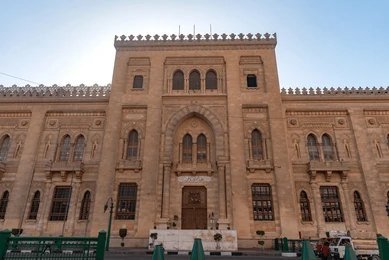
The Islamic Art Museum Cairo is a masterpiece of neo-Islamic architecture. From the moment one sets foot inside, the building exudes the grace of Quranic geometry blended with Egyptian Islamic influences. The main façade, adorned with exquisite arabesque patterns and intricate inscriptions, warmly welcomes visitors into a realm of sacred art and knowledge.
The layout itself echoes the philosophy of Islamic architecture—symmetry, balance, and the pursuit of divine proportion. Its vast halls are divided by theme and region, allowing visitors to trace the artistic progression of Muslim civilizations through different eras. Just as the Al Azhar Mosque embodies Cairo’s scholarly spirit, the museum’s design mirrors a devotion to beauty intertwined with knowledge.
Each gallery within the building is a testament to Egypt’s architectural mastery, seamlessly blending form and function. Wooden ceilings embedded with mother-of-pearl, delicate lattice screens, and restored stucco work echo the grand mosques and madrasas of medieval Cairo. The ambiance inspires reflection, admiration, and a profound sense of belonging to a timeless civilization.
The Priceless Collections: Art Across Eras
Walking through the museum feels like turning the pages of a beautifully illuminated manuscript. Here, artistry transcends time. Among the most celebrated exhibits are Quranic manuscripts from different centuries, some written in gold on blue vellum, demonstrating how Islamic art transformed spiritual devotion into tangible beauty.
Ceramics and pottery—many with Kufic inscriptions and intricate glaze techniques—represent the fusion of functionality and elegance that defined Islamic craftsmanship. Metalwork pieces showcase refined techniques like inlay and engraving, often combining calligraphy with vegetal motifs. Weapon displays reveal not only martial history but also exquisite detail that transforms tools of defense into art forms.
Equally captivating are the textiles and carpets—a kaleidoscope of culture, storytelling, and technical mastery. Each weave and pattern holds significance, echoing the beauty found in mosques from Cairo to Istanbul. These collections align with Egypt’s broader artistic narrative that includes iconic sites like the Mosque of Ibn Tulun and the Sultan Hassan Mosque.
The Educational and Cultural Role of the Museum
The Islamic Art Museum Cairo isn’t merely a repository of artifacts—it’s a living educational hub inspiring academics, artists, and tourists alike. Its programs for school groups, thematic exhibitions, and scholarly collaborations serve to rekindle interest in Islamic civilization’s shared human heritage. Modern interactive technologies make learning more engaging; visitors can now experience virtual tours, augmented displays, and audio guiding systems that breathe new life into centuries-old objects.
Through partnerships with international museums and heritage institutions, the museum expands its global role, ensuring Egypt’s cultural legacy remains accessible to all. This mirrors similar efforts seen in Egypt’s curatorial network, including the inspiring National Museum of Egyptian Civilization.
The Visitor Experience at Islamic Art Museum Cairo
Stepping into the Islamic Art Museum is like journeying across continents without ever leaving Cairo. The soundscape is serene, the atmosphere reverent, and every gallery invites exploration. Guided tours provide deep insights into the meaning behind each motif and artifact, transforming art appreciation into an enlightening spiritual journey. Many visitors pair their trip with excursions such as the Coptic and Islamic Cairo Tour or explore the city’s old quarters through El Moez Street to grasp how Islamic ideals shaped Cairo’s architectural soul.
Photography enthusiasts find the museum’s interiors irresistible—its lighting accentuates every intricate carving and shimmering relic, creating near-magical compositions. For those seeking a complete immersion into Cairo’s cultural essence, combining a museum visit with a Felucca ride down the Nile or joining Day Tour to El Fayoum from Cairo adds even more color to the Egyptian journey.
Why the Islamic Art Museum Cairo is a Must-See Destination
Visiting the Islamic Art Museum Cairo is a profound experience that transcends art appreciation. It’s where one witnesses the interplay of devotion, design, and discovery. Artifacts whisper tales of dynasties long gone and reveal how the Islamic world contributed to science, calligraphy, and architecture. The museum also demonstrates Egypt’s pivotal role as both a guardian and a bridge of civilization—linking Africa, Asia, and Europe through cultural dialogue.
The exhibits remind us that Islamic art wasn’t confined to religion alone; it was also a vehicle for knowledge, mathematics, astronomy, and poetry. Many visitors sense this harmony between art and intellect, which continues to inspire today’s designers, architects, and artists around the globe.
Location, Hours, and Accessibility
The Islamic Art Museum Cairo is located at Bab El-Khalq Square in the historic center of Cairo, near the Cairo City core. It’s easily accessible via metro, taxi, or private transfer, making it convenient for travelers staying across the city. You can include it as part of wider Egypt Day Tours or immerse yourself in broader cultural itineraries like the 7 Days Cairo and Nile Cruise Package. Museum tickets are modestly priced, ensuring accessibility to both locals and international guests eager to explore Cairo’s intellectual and artistic nucleus.
Preservation and Global Recognition
Internationally, the Islamic Art Museum Cairo represents a model of cultural preservation. Restoration efforts continually safeguard delicate manuscripts and wooden artifacts from environmental wear. The museum’s collaborations with UNESCO and other heritage entities have strengthened Egypt’s reputation as a pioneer in cultural conservation. This commitment echoes Egypt’s broader historical revival efforts found in initiatives across the Nile—from the Temple of Philae in Aswan to the serene artistry found within the Luxor Museum.
FAQs About Islamic Art Museum Cairo
What is the Islamic Art Museum Cairo famous for?
The Islamic Art Museum Cairo is renowned for its vast collection of over 100,000 Islamic artifacts spanning 1,400 years and regions from Spain to India. It houses rare Qurans, decorated metalwork, wood carvings, and textiles that represent the finest achievements of Islamic civilization.
Where is the Islamic Art Museum Cairo located?
The museum is situated in Bab El-Khalq Square, close to central Cairo and near several iconic landmarks such as the Al Azhar Park and historical mosques. Its central location makes it easy to include in most Cairo Day Tours.
What are the museum’s opening hours?
The Islamic Art Museum Cairo typically opens daily from 9:00 AM to 5:00 PM, though schedules may vary during public holidays. Early visits are recommended to enjoy the quiet elegance of the galleries and take unhurried photographs.
How long should visitors spend at the museum?
A typical visit lasts two to three hours, but art enthusiasts and researchers often stay longer to delve deeper into the intricacies of Islamic patterns, inscriptions, and objects. The museum’s modern interpretation center enhances the visit with multimedia aids.
Is photography allowed inside the Islamic Art Museum Cairo?
Yes, photography is allowed in most sections, except where otherwise indicated for preservation purposes. Photographers are encouraged to capture the museum’s ornate interiors, archways, and displays while respecting the artifacts and other visitors.
Conclusion
The Islamic Art Museum Cairo stands as a glorious hymn to faith, creativity, and civilization. Its walls breathe stories of intellectual vigor, its halls resonate with centuries of cultural exchange, and its treasures redefine human expressions of devotion. Visiting this museum isn’t merely an artistic encounter—it’s a journey through the soul of Islamic heritage and Egyptian pride. For any traveler exploring Cairo’s cultural heart, the Islamic Art Museum Cairo is a quintessential experience that beautifully bridges the past with the present.