How To Visit Egypt During Peak Season Without Crowds
To visit Egypt during peak season without crowds, prioritize early morning or late afternoon visits, explore lesser-known sites, travel outside major holidays, and pre-book tickets and tours. Consider alternative cities, eco-friendly experiences, and guided private tours to access exclusive or off-the-beaten-path locations. Strategic planning helps you enjoy Egypt’s wonders with fewer tourists.
Key Takeaways
- The Giza Plateau accepts bank cards for site tickets at self-service machines, but card acceptance is not guaranteed at all monuments.
- Photography with a mobile phone is free of charge at Ministry sites, but commercial filming requires prior permission.
- Egypt has 7 UNESCO World Heritage sites, offering alternatives to the most crowded attractions.
- Free entry is available for children under 6, Egyptian seniors 60+, Egyptians with special needs, and orphaned children, with some exceptions at NMEC.
- Arrive at least one hour before closing time to ensure entry at major sites.
Understanding Egypt’s Peak Tourist Season
Egypt’s peak season typically spans from late autumn through early spring, with December, January, and February seeing the highest influx of visitors due to mild weather and major holidays. Popular sites such as the Pyramids of Giza, Luxor’s temples, and the Egyptian Museum often experience long queues and crowded spaces during these months. Planning your itinerary with this in mind allows you to optimize your experience and avoid the busiest periods of the day. For travelers interested in the diversity of Egypt’s urban centers, a useful resource is Best Cities To Visit In Egypt, which highlights vibrant destinations beyond Cairo and Luxor.
Strategic Timing: Early Mornings and Late Afternoons
The most effective way to beat the crowds at Egypt’s iconic sites is to arrive early in the morning or later in the afternoon. Many group tours and large buses arrive mid-morning, so visiting at opening time or just before closing often means shorter lines and a calmer atmosphere. According to the Ministry of Tourism and Antiquities, visitors are recommended to arrive at least one hour before closing to ensure entry. This approach is especially valuable for sites like the Valley of the Kings or the Karnak Temple in Luxor.
For those looking to capture Egypt’s beauty without the crowds, the article Instagram Spots in Egypt offers tips on the best times and locations for stunning, crowd-free photos.
Exploring Lesser-Known Attractions
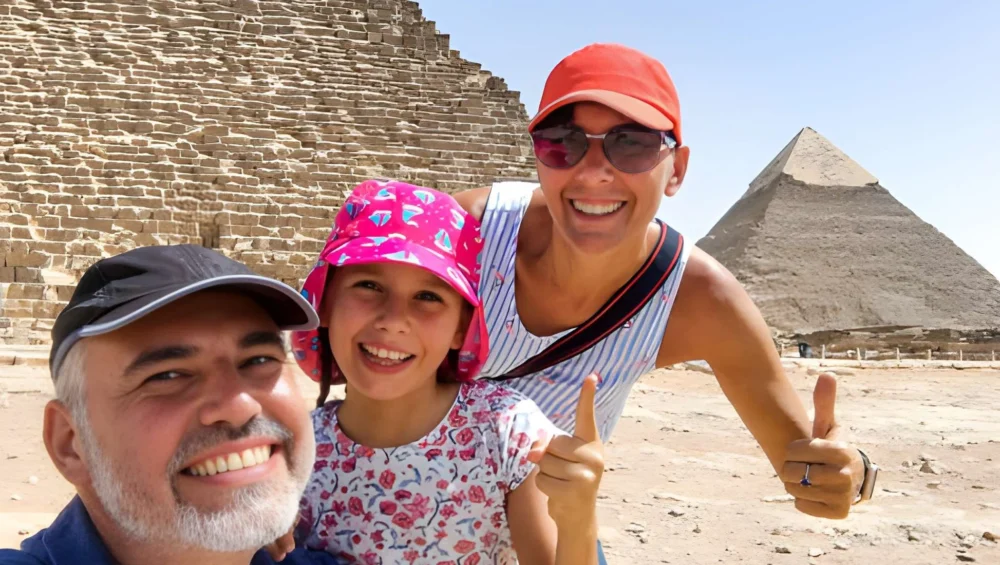
While the Pyramids and the Sphinx attract the most visitors, Egypt is home to a wealth of other archaeological wonders and cultural sites that remain relatively uncrowded, even during peak season. Consider visiting the ancient city of Abydos, the beautifully preserved temples at Dendera, or the desert monasteries near Fayoum. These destinations offer a more intimate experience and are often overlooked by mainstream tour groups.
If you’re seeking inspiration for unique and tranquil experiences, Unique Experiences in Egypt Away from the Crowds provides a curated list of off-the-beaten-path adventures that reveal a different side of the country.
Eco-Friendly and Sustainable Alternatives
Eco tours are gaining popularity among travelers who wish to minimize their impact and connect with Egypt’s natural landscapes. From birdwatching in the wetlands of Lake Qarun to hiking in the Sinai mountains, eco-friendly tours often venture into less trafficked areas, offering both tranquility and environmental stewardship. These experiences are not only rewarding but also support local communities and conservation efforts.
For more information on sustainable travel options, visit Eco Tours in Egypt, which details a range of responsible travel experiences across the country.
Private Tours and Custom Itineraries
Booking a private tour or a custom itinerary allows you to control your schedule, avoid group tour bottlenecks, and access exclusive sites at less congested times. Private guides can tailor your visits to coincide with quieter periods, arrange special access, and provide in-depth historical context. This approach is ideal for families, small groups, or solo travelers seeking a personalized and peaceful journey through Egypt’s storied past.
One recommended option is the 10 Day Private Egypt Tour: Cairo, Nile Cruise, which combines major highlights with flexibility and comfort, ensuring a crowd-free experience wherever possible.
Discovering Egypt by Nile Cruise
Exploring Egypt by river cruise is an elegant way to bypass crowded roads and visit ancient sites at off-peak hours. Nile cruises typically dock at temples and monuments early in the morning or late in the day, offering guests privileged access before or after the main tourist rush. These cruises also provide a relaxed atmosphere and the opportunity to see rural Egypt from a unique vantage point.
To learn more about this tranquil mode of travel, see 3 Nights Nile Cruise Egypt, which details itineraries and highlights along the legendary river.
Enjoying Egypt’s Culinary Scene Without the Crowds
Egyptian cuisine is a vibrant blend of flavors and traditions. During peak season, popular restaurants near major attractions can fill quickly, but venturing into local neighborhoods or seeking out smaller, family-run eateries often results in a more authentic and relaxed dining experience. Sampling traditional dishes such as koshari, ful medames, and molokhia in less touristy settings allows you to connect with local culture and avoid the rush.
For a deeper dive into the country’s food culture and recommendations for must-try specialties, check out Traditional Dishes In Egypt.
Essential Tips for Hassle-Free Entry and Ticketing
To streamline your visits and avoid waiting in long lines, consider purchasing tickets online in advance or using self-service machines where available. At the Giza Plateau, self-service machines accept bank cards for site tickets, but card acceptance is not guaranteed at every monument. All monument ticket prices are in Egyptian Pounds (EGP), and photography with a mobile phone is free of charge at Ministry sites. Free entry is available for children under 6, Egyptian seniors 60+, Egyptians with special needs, and orphaned children, with some exceptions at the National Museum of Egyptian Civilization (NMEC) on Fridays, Saturdays, and public holidays. Students under 24 with valid ID are eligible for discounted tickets. Remember that opening hours may be reduced during Ramadan and are published per-site on the official ticketing portal.
For a magical evening experience, consider attending the Sound and Light Show at the Pyramids, which takes place after regular visiting hours and offers a unique perspective on the ancient wonders.
Common Booking Mistakes and How to Avoid Them
Peak season brings increased demand for hotels, tours, and transportation, making advance booking essential. Common mistakes include underestimating travel times between sites, failing to check ticket requirements, and not accounting for possible schedule changes during public holidays or Ramadan. Double-checking details and confirming bookings with reputable operators can help you avoid disappointment.
For more practical advice, read Booking Mistakes Egypt Tours, which outlines the most frequent pitfalls and how to sidestep them for a smooth trip.
Language and Cultural Awareness for a Smoother Journey
Understanding basic Egyptian Arabic phrases and cultural norms can greatly enhance your experience and help you navigate less touristy areas. While English is widely spoken in hotels, major attractions, and tourist restaurants, learning a few key words and greetings is appreciated and can open doors to more authentic interactions. Respect for local customs, especially during Ramadan or religious holidays, is essential for a positive and respectful visit.
To learn more about the languages spoken in Egypt and helpful phrases for travelers, refer to What Language Is Spoken In Egypt.
Frequently Asked Questions
-
What are the best times of day to visit Egypt’s major sites during peak season?
Visiting early in the morning at opening or late in the afternoon before closing helps you avoid the largest crowds, as most group tours arrive mid-morning. -
Can I use my credit or debit card to buy tickets at Egyptian monuments?
At the Giza Plateau, self-service machines accept bank cards for site tickets, but card acceptance is not guaranteed at every monument, so always carry Egyptian Pounds as a backup. -
Is mobile phone photography allowed at Egypt’s monuments?
Photography with a mobile phone is free of charge at Ministry sites, but commercial, TV, or cinema filming requires prior permission. -
Are there any discounts or free entry policies for certain visitors?
Free entry is available for children under 6, Egyptian seniors 60+, Egyptians with special needs, and orphaned children, with some exceptions at NMEC on Fridays, Saturdays, and public holidays. -
How can I avoid crowds at the Pyramids of Giza?
Arrive at opening time, visit on weekdays, and consider attending the Sound and Light Show after regular hours for a quieter experience. -
What should I know about opening hours during Ramadan?
Sites and museums operate on reduced hours during Ramadan, and these are published per-site on the official ticketing portal, so check ahead before planning your visit.