Aswan City – The Jewel of the Nile and the Gateway to Ancient Nubia
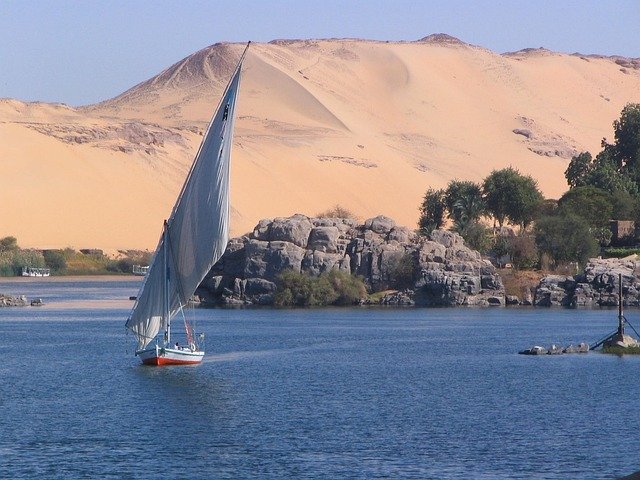
Nestled in the heart of southern Egypt, Aswan City stands like a sun-soaked masterpiece where history, culture, and the tranquil flow of the Nile converge. Its timeless charm blends together the serenity of Nubian traditions, breathtaking natural beauty, and marvels of ancient civilization. Known historically as ‘Swenett,’ Aswan was once Egypt’s strategic frontier and the source of the finest granite used to build some of the country’s most iconic monuments, including obelisks and temples. Today, the city still captivates travelers seeking a blend of relaxation and exploration along the world’s longest river. Flowing gently through clusters of islands and framed by golden dunes, the Nile at Aswan reveals Egypt at its most poetic.
The city’s captivating landscapes and inviting warmth create a perfect balance between adventure and tranquility. Visitors can embark on scenic felucca rides, explore majestic temples such as Philae, and bask in the vibrant Nubian culture that pulses through brightly painted villages. On top of that, Aswan is the departure point for some of Egypt’s most remarkable excursions, including the awe-inspiring Abu Simbel Temples. Whether one wanders through colorful markets or drifts along the Nile during sunset, every corner of Aswan feels like a passage through time—a living tapestry woven with legends, smiles, and the golden glow of southern Egypt’s sun.
Aswan’s Historical Significance and Ancient Heritage
Aswan City’s roots stretch deep into antiquity, serving as a critical outpost and trade hub for ancient Egypt. As the southernmost city before entering Nubia, it was a bustling market where Egyptian and African merchants exchanged gold, ivory, and spices. Its granite quarries gave birth to the exquisite works of pharaohs — from massive obelisks to intricate statues. Visitors today can still admire the Unfinished Obelisk, a striking testament to ancient engineering brilliance. This colossal monument, left incomplete due to a crack, reveals the sophisticated techniques and ambition of Egyptian builders.
Meanwhile, the nearby Temple of Philae tells an enchanting story of devotion to the goddess Isis. Relocated to Agilkia Island after the construction of the High Dam, it preserves the spirit of ancient faith and artistry. Each carved relief and hieroglyph speaks volumes about Egypt’s religious history. Walking through its columned halls feels like stepping into another era, where mythology and craftsmanship were seamlessly intertwined. Aswan’s position on the Nile also made it strategically important, serving as both a defensive stronghold and a spiritual gateway between Egypt and Africa.
The Modern High Dam and Lake Nasser’s Grandeur
Aswan’s destiny transformed in the 20th century with the creation of the High Dam of Egypt, a monumental feat of modern engineering. This mighty dam not only controlled the Nile’s floodwaters but also gave rise to Lake Nasser, one of the largest man-made lakes on Earth. The dam ushered in economic growth by providing hydroelectric power and ensuring agricultural stability across Egypt. Yet, it also submerged ancient temples—a loss mitigated by global efforts to relocate these treasures, notably Philae and Abu Simbel temples.
Lake Nasser’s sweeping expanse offers a surreal contrast to the arid sands surrounding it. Cruising on this tranquil lake reveals architectural gems such as the Temple of Kalabsha and the Nubian Museum, both preserving the region’s rich cultural tapestry. Exploring this area deepens one’s appreciation for the balance between preservation and progress—between ancient wonders and modern ambitions that define Aswan today.
The Enchanting Nubian Culture and Villages
At the heart of Aswan lies its vibrant Nubian heritage, a colorful fusion of art, music, and tradition. Nubian villages, painted in vivid blues, yellows, and terracottas, line the banks of the Nile, each telling stories of resilience and warmth. The Nubian Village invites travelers to experience this unique culture firsthand. From aromatic Nubian cuisine to handmade crafts and rhythmic drumming, these communities embody the soul of Upper Egypt.
Visitors often enjoy a serene boat trip to these villages, sometimes included in guided excursions such as the Trip to the Nubian Villages by Boat. There, one can sip hibiscus tea with locals, learn about Nubian myths, or even hold a baby crocodile—a symbolic animal in their folklore. This authentic cultural immersion deepens the emotional bond travelers form with Aswan, making the experience more meaningful than any postcard view.
Nile Cruises and the Timeless Beauty of River Voyages
Aswan serves as the departure point for some of Egypt’s most cherished river journeys. Embarking on a traditional or luxury cruise from Aswan to Luxor reveals the lush green landscapes, ancient temples, and sleepy villages that frame the Nile’s banks. Popular sailings such as the 4 Day 3 Night Nile Cruise from Aswan to Luxor or a Dahabiya Nile Cruise offer a floating journey through history.
Gliding past landmarks like Kom Ombo and Edfu Temples, travelers witness the evolution of Egyptian architecture and mythology. The gentle rhythm of the river provides a soothing escape, while the sunsets in Aswan remain unmatched—bathing the sandstone hills in hues of gold and rose. Among the various cruise options, the Luxury Dahabiya Nile Cruise combines comfort and authenticity, creating an unforgettable voyage of elegance and discovery.
Top Attractions in Aswan City
Aswan brims with treasures both ancient and modern, waiting to be explored. The Day Tour of Aswan, Philae Temple, High Dam and Obelisk provides an immersive introduction to its glory. Another highlight is the Elephantine Island, believed by ancient Egyptians to mark the source of the Nile’s annual flood. This island hosts archaeological wonders like the Temple of Khnum and the ancient Nilometer. The tranquil Felucca Ride on the Nile in Aswan is another must-do activity offering intimate encounters with local life, especially as the orange sunset melts into the water’s reflection.
Beyond its monuments, Aswan’s bustling souq seduces sightseers with spicy aromas, handmade jewelry, and vivid textiles. It’s the perfect place to pick up souvenirs steeped in Nubian artistry. Whether you explore the Aswan Day Tours or take the Aswan City Tour in Horse Carriage, you’ll uncover hidden gems layered with history and hospitality.
When to Visit Aswan and How to Enjoy It
The best time to visit Aswan City is between October and April, when pleasant temperatures make outdoor exploration delightful. During this period, the mild winter sun casts a soft, golden hue over the landscape, ideal for photography and sightseeing. Visitors often pair their trip with nearby Luxor Day Tours or even extended Egypt Vacation Packages that combine Aswan’s serenity with Cairo’s grandeur.
For travelers seeking seamless logistics, opting for services like Aswan Transfers ensures smooth travel to and from major landmarks. Those craving a complete southern Egypt experience can also join the 2 Days Aswan and Abu Simbel Tour from Luxor. From sunrise temple visits to romantic evening cruises, every moment in Aswan invites serenity and wonder.
FAQs about Aswan City
What makes Aswan City unique compared to other Egyptian destinations?
Aswan’s allure lies in its calm charm, striking Nile views, and deeply rooted Nubian culture. Unlike Cairo’s chaos or Luxor’s grandeur, Aswan offers harmony and authenticity. Its blend of heritage, vibrant colors, and relaxed pace gives it a character all its own.
Can I visit Abu Simbel from Aswan?
Absolutely. Many travelers take a Day Trip to Abu Simbel from Aswan by coach, while others choose overnight cruises or flights. It’s one of the most awe-inspiring temple complexes in Egypt, dedicated to Ramses II and Queen Nefertari.
What are the must-see attractions in Aswan?
Don’t miss the Philae Temple, the High Dam, Unfinished Obelisk, and Elephantine Island. Top cultural destinations include the Nubian Museum and picturesque Nubian villages. Each embodies a piece of Aswan’s rich story.
Is a Nile cruise from Aswan worth it?
Definitely! Cruising from Aswan offers a front-row view of Egypt’s timeless landscapes, connecting the temples of Kom Ombo, Edfu, and Luxor. The Luxury Nile Cruise options provide modern comfort with historical immersion.
How can I best experience local Nubian culture?
To experience authentic Nubian hospitality, visit a local village, enjoy traditional meals, and listen to folk music. Cruises and guided day trips often include a Trip to the Nubian Villages by Boat, creating intimate cultural encounters.
Aswan City remains Egypt’s southern soul — where every sunset tells a story, every smile welcomes you home, and every ancient stone whispers the secrets of the Nile. For travelers seeking enchantment, history, and peace, Aswan is more than a destination — it’s an experience of a lifetime.