
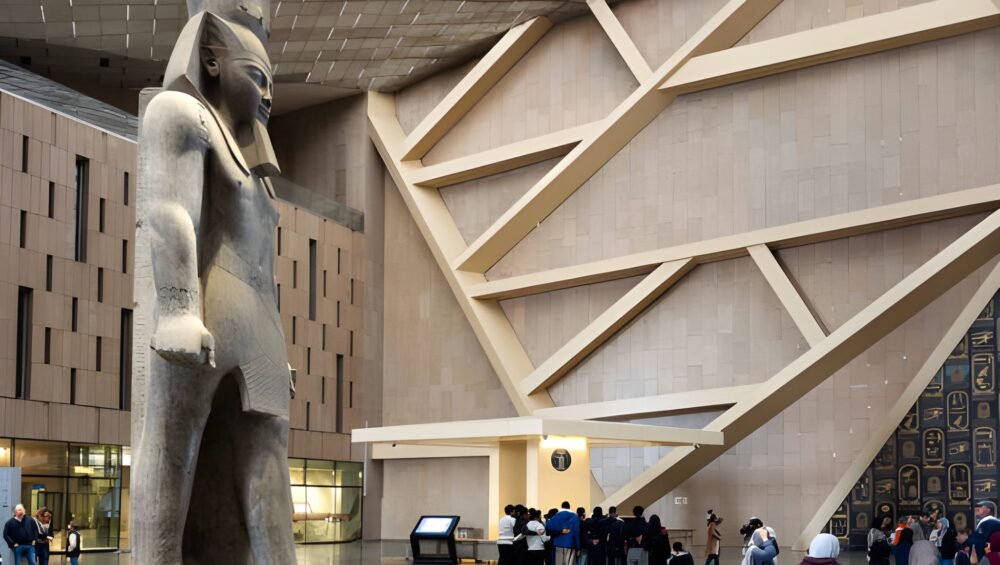
The Grand Egyptian Museum: A Modern Gateway to Egypt’s Ancient Wonders
Sitting impressively at the edge of the Giza Plateau, the Grand Egyptian Museum (GEM) redefines how humanity connects with Egypt’s pharaonic treasures. This state-of-the-art museum is not just a collection of artifacts—it’s a breathtaking narrative of civilization, innovation, and legacy. The Grand Egyptian Museum, near the iconic Pyramids of Giza, promises to become the largest archaeological museum in the world. Designed as a futuristic haven for Egypt’s heritage, the museum bridges ancient splendor with cutting-edge architecture and technology. Tourists and historians alike are poised to experience an unparalleled journey through five millennia of history within its walls.
After years of meticulous planning and construction, the Grand Egyptian Museum stands as a landmark achievement for Egypt and global cultural preservation. Boasting more than 100,000 artifacts, including the entire collection of King Tutankhamun, it offers immersive experiences through 3D displays, interactive exhibits, and sustainable design. This museum aligns seamlessly with Egypt’s vision of revitalizing its tourism industry and safeguarding its treasures for future generations.
From the grand atrium showcasing colossal statues to specialized conservation laboratories, every inch of the museum breathes sophistication and reverence for the past. For travelers exploring Giza, Cairo, or embarking on Egypt Vacation Packages, a visit to GEM is an unmissable highlight, inviting everyone to witness antiquity come alive in a modern narrative. This introduction sets the stage for understanding why the Grand Egyptian Museum captivates adventurers, historians, and dreamers from across the globe.
Architectural Brilliance and Symbolism of the Grand Egyptian Museum
The architecture of the Grand Egyptian Museum is an architectural marvel steeped in symbolism. Designed by the visionary Heneghan Peng Architects, its triangular façade mirrors the angles of the Pyramids, underscoring Egypt’s eternal identity. Using translucent alabaster stone, the structure captures the Egyptian sunlight, creating a dynamic play of light and shadow reminiscent of ancient temples.
The museum’s position is strategically chosen—it lies on a direct sightline between Cairo and the Giza Pyramids, creating a visual and cultural connection between past and present. The vast Grand Staircase, flanked by monumental statues of Egypt’s greatest pharaohs, forms a dramatic focal point for visitors. The entrance courtyard greets guests with an awe-inspiring statue of Ramses II, emblematic of Egypt’s grandeur.
Visitors who combine their GEM visit with Cairo Day Tours or specialized museum excursions can appreciate how the museum’s layout harmonizes environmental sustainability with cultural authenticity. Solar panels, natural ventilation, and innovative waste management systems demonstrate that the museum’s grandeur extends far beyond aesthetics—it embodies responsibility toward the planet.
The Grand Egyptian Museum’s Design Philosophy
The design philosophy behind GEM emphasizes storytelling through space. Each gallery unfolds a different chapter of Egypt’s chronological history, from pre-dynastic civilizations to the Greco-Roman period. The use of open atriums, soft curves, and layered hieroglyphic-inspired textures draws visitors into a meditative engagement with artifacts. This meticulous spatial arrangement ensures seamless transitions, allowing travelers to explore while feeling connected to time itself.
The Treasures Within: King Tutankhamun’s Complete Collection
Among the museum’s greatest attractions is the full collection of King Tutankhamun’s treasures, displayed for the first time in one unified exhibition. Over 5,000 objects—including the pharaoh’s golden chariot, intricately inlaid jewelry, ceremonial bed, weapons, and ornate sarcophagi—tell the story of the boy king whose tomb fascinated the world.
Displayed with advanced preservation technology, these items give insight into Ancient Egyptian beliefs about the afterlife, royal rituals, and artistic mastery. Controlled lighting and atmosphere mimic the tomb’s conditions, ensuring both authenticity and protection. Pairing a GEM visit with a guided Private Tour to Pyramids, the Egyptian Museum and Khan Khalili offers a remarkable opportunity to contextualize Tutankhamun’s story across different periods of Egyptian history.
For history enthusiasts, the King Tut galleries highlight Egypt’s golden age in a way no textbook can replicate. Visitors often describe the experience as stepping into the pharaoh’s spirit—each detail expressing eternal beauty and divine purpose.
Beyond Tutankhamun: Galleries and Exhibits Across Eras
While King Tutankhamun’s chamber attracts the most attention, GEM’s galleries encompass the entire spectrum of Egyptian civilization. The Prehistoric Gallery showcases artifacts dating to 5,000 BCE—tools, pottery, and sculptures illustrating early human ingenuity. The Middle Kingdom section emphasizes the flourishing of art and culture, while the Late Period collection delves into Egypt’s interactions with foreign empires. The museum also celebrates the legacy of prominent pharaohs such as Ramses II and Hatshepsut, whose reigns left enduring imprints on temples like Temple of Hatshepsut.
Linking to the past through multimedia storytelling, soundscapes, and digital reconstructions, GEM transforms a traditional visit into an emotional encounter with history. Collaboration with artists and Egyptologists ensures accuracy and accessibility for all audiences.
Conservation Laboratories and Museum Innovation
The Grand Egyptian Museum isn’t only a showcase of relics—it’s a hub for scientific research and artifact preservation. Its Conservation Center ranks among the largest in the world, dedicated to restoring and studying Egypt’s archaeological finds. Specialized labs handle organic materials, wood, metals, and textiles, ensuring each artifact is meticulously analyzed before display.
With advanced imaging, 3D scanning, and micro-laser cleaning, the museum merges ancient craftsmanship with modern ingenuity. Researchers here collaborate with institutions worldwide to develop sustainable preservation techniques that serve as benchmarks for global museum science. Tourists interested in education and cultural technology can include this site within their comprehensive Egypt Private Tours or academic explorations. For future Egyptologists, GEM provides a living classroom and opens the door for archaeological advancement.
Green Technology and Sustainability in the GEM
Committed to Egypt’s environmental agenda, the Grand Egyptian Museum integrates green design throughout its structure. Solar energy fuels much of its systems, while adaptive shading reduces heat absorption. Recycled materials and energy-efficient lighting cut down the carbon footprint significantly. This eco-architecture not only preserves ancient artifacts but emphasizes Egypt’s role in sustainable cultural tourism. Including this destination in an Luxury Egypt Tours itinerary illustrates how heritage and innovation coexist beautifully.
Visitor Experience: What to Expect Inside the Grand Egyptian Museum
Walking through the Grand Egyptian Museum is an odyssey through time. From the moment visitors step inside, the atmosphere hums with awe. The lobby, bathed in natural light, presents monumental statues including Ramses II and Amenhotep III. Interactive touchscreens offer multilingual guidance, helping guests tailor their visit according to interest. Advanced holograms revive the stories of ancient craftsmen and priests, making learning effortless and enjoyable.
Families planning Egypt Family Tours can enjoy creative workshops where children engage with ancient art and hieroglyphs. Cafés and panoramic terraces provide stunning views of the Giza Plateau, while themed souvenir shops offer authentic memorabilia inspired by Egyptian heritage. Each corridor, sculpture, and artifact echoes a narrative of discovery and human spirit.
The Gateway to Giza and the Egyptian Heritage Trail
GEM’s proximity to the Pyramids of Giza enhances its significance. The museum acts as the perfect starting point before visiting the pyramids or the Sphinx Statue. Its panoramic design ensures breathtaking pyramid views from several vantage points. As part of Egypt’s comprehensive tourism framework, GEM connects seamlessly to the Egypt Day Tours and regional archaeological circuits. Adventurers seeking full immersion in ancient Egypt can combine their visit with a Cairo and Luxor Tour Package for a multi-dimensional journey.
The Cultural and Economic Impact of the Grand Egyptian Museum
The Grand Egyptian Museum plays a pivotal role in boosting Egypt’s cultural diplomacy and economic revival. By attracting millions of visitors annually, GEM positions Cairo and Giza as central global destinations for cultural tourism. Local communities benefit from revitalized infrastructure, job creation, and international partnerships in conservation, education, and technology.
Furthermore, GEM embodies Egypt’s renewed pride and soft power in sharing its story on its own terms. From hosting world-class exhibitions to academic conferences, it fosters cross-cultural dialogue and promotes Egypt as a vibrant, modern nation deeply rooted in heritage. Travelers embarking on Luxury Nile Cruise or multi-city experiences often extend their itineraries to include GEM, underscoring its growing demand among discerning global explorers.
Planning Your Visit to the Grand Egyptian Museum
Though exact operational schedules evolve as Egypt fine-tunes its grandest cultural project, tourists can expect guided multilingual tours, exclusive night exhibitions, and seasonal events. The museum’s vast accessibility features accommodate all visitors comfortably, and its future digital ticketing system ensures smooth entry. Pairing a GEM visit with the nearby Stopover Tour of Cairo offers added convenience for travelers on limited time frames.
As GEM continues to unveil new wings, it promises endless discovery for returning guests. From ancient treasures to futuristic design, the Grand Egyptian Museum stands as a dazzling bridge between history and the modern world, inspiring endless curiosity about Egypt’s unmatched civilization.
FAQs About The Grand Egyptian Museum
When will the Grand Egyptian Museum officially open?
The Grand Egyptian Museum is set to open its doors in phases, with partial previews already scheduled. Its completion marks one of the most anticipated cultural events of the century, featuring state-of-the-art galleries and interactive installations for both locals and international visitors.
Where is the Grand Egyptian Museum located?
The museum lies between central Cairo and the Giza Plateau, offering a direct view of the Great Pyramids. Its strategic position connects visitors with surrounding attractions such as the Cairo City highlights, ensuring an immersive experience of Egypt’s cultural and historical landscape.
What makes the Grand Egyptian Museum different from the old Egyptian Museum in Tahrir Square?
Unlike the traditional Egyptian Museum, GEM features modern preservation technology, thematic storytelling, and an integrated display of the entire Tutankhamun collection. Additionally, it offers greater space, sustainability features, and digital accessibility.
How can travelers integrate a GEM visit into their Egypt itinerary?
Visitors can incorporate a GEM visit into custom packages such as Cairo and Nile Cruise Packages or regional day trips. Tour operators offer flexible schedules linking GEM with nearby historic wonders, maximizing the cultural journey.
What other attractions can be combined with a Grand Egyptian Museum tour?
Nearby destinations include the Pyramids of Giza, the Valley Temple, and cultural landmarks within Cairo such as the Al Azhar Mosque and El Moez Street. For extended itineraries, add Luxor and Aswan City via organized Nile River Cruises.


