The Hanging Church of Cairo: An Architectural Wonder of Coptic Heritage
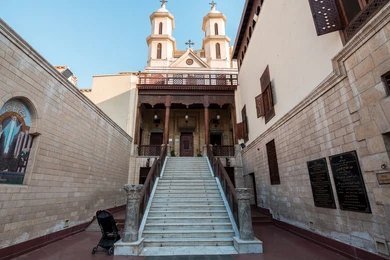
Hidden in the heart of Coptic Cairo (Old Cairo), The Hanging Church, also known as Saint Virgin Mary’s Coptic Orthodox Church, stands as a breathtaking testament to early Christian architecture and faith. Suspended above the southern gatehouse of the ancient Babylon Fortress Cairo, this iconic church is one of the most remarkable religious landmarks in Egypt. The Hanging Church attracts travelers, historians, and spiritual seekers yearning to explore its holy atmosphere and architectural splendor. With roots tracing back to the 3rd century AD, the church is a shining symbol of Egypt’s enduring Coptic heritage—a place where faith, art, and history meet in harmony.
Travelers who wander through its wooden doors find themselves immersed in centuries of devotion. The Hanging Church isn’t just a historical site; it’s a living symbol of resilience. Throughout turbulent eras—from Byzantine rule to Islamic caliphates—it has remained a cornerstone of the Coptic community. Its elevated design, meticulous craftsmanship, and timeless mosaics evoke reverence, drawing visitors into a story older than Cairo itself. The air carries whispers of liturgical chants, the scent of incense, and the cool aura of stone polished by faithful hands over ages. For anyone exploring Egypt’s spiritual sites, a visit to The Hanging Church is an unforgettable experience.
Historical Origins of The Hanging Church
The Hanging Church earned its name for its extraordinary structure—being literally “suspended” above the Roman gatehouse. Built initially in the 3rd or 4th century, this church marked the heart of early Christianity in Egypt. It became the official seat of the Coptic Orthodox Pope of Alexandria for nearly nine centuries. Legend says that many patriarchs were elected and enthroned right here, beneath its intricately carved cedar ceiling that mimics Noah’s Ark. This symbolism was no accident—the church was designed to represent salvation and divine protection amidst storms of persecution.
Situated in the historical region of Old Cairo, near the sacred route of the Journey of the Holy Family in Egypt, the Hanging Church stands as an integral part of Egypt’s Christian history. The site’s layered history makes it a must-see during Cairo Day Tours, connecting travelers to more than a millennium of worship and divine inspiration. Over the centuries, restorations have preserved its structure, blending Roman, Byzantine, and Coptic architectural influences. Each stone and column echoes the resilience of a faith that has survived through empires and ages.
Architectural Features and Design
The Hanging Church mesmerizes visitors with a brilliant mix of style and symbolism. Its suspended platform rests atop two enormous towers from the sleeping Babylon Fortress—a marvel of ancient engineering. The wooden ceiling bears a ship-like form, symbolizing the church as the ark of salvation for humanity. Inside, white marble columns gleam under filtered sunlight streaming through narrow arched windows. The intricate wooden screens, delicately inlaid with ivory and ebony, separate the sanctuary from the nave, enhancing the mystical atmosphere.
Each of the thirteen pillars symbolizes Christ and the twelve apostles. The pulpit, dating to the 11th century, stands as a testimony to unparalleled craftsmanship, supported by fifteen marble columns. Religious icons of the Virgin Mary, Jesus Christ, and saints adorn the walls. Centuries-old frescoes and Coptic crosses bring the interior to life, blending spirituality with artistry. This level of sacred detail rivals masterpieces found in other historical sanctuaries such as Abu Serga Church and the revered Ben Ezra Synagogue nearby, forming the spiritual trio of Coptic Cairo.
The Hanging Church in Coptic Cairo’s Religious Landscape
As one of the oldest surviving churches in Egypt, The Hanging Church remains a spiritual focal point for Coptic Christians. Located near landmarks like The Coptic Museum and the Al Azhar Mosque, the church symbolizes Egypt’s deep-rooted harmony between faiths. Its presence among Islamic and Jewish landmarks underlines Cairo’s multicultural essence. Pilgrims gather here not only for prayer but also to trace the footsteps of early Christian saints who shaped Egypt’s ecclesiastical identity.
The church’s strategic location along the spiritual corridor of Old Cairo allows easy inclusion in broader Egypt Day Tours or religious travel itineraries. Tourists marvel at how seamlessly ancient architecture interacts with modern devotion. The church’s courtyard, lined with mosaics and lush garden patches, leads to a serene entrance—an introduction to a sacred world preserved from urban chaos just beyond its gates.
Spiritual and Cultural Significance
For believers, The Hanging Church isn’t merely a historical artifact—it’s divine testimony. The church’s dedication to the Virgin Mary has made it a central shrine for Christian celebrations like the Feast of the Assumption. Worshipers come to light candles, offer prayers, and experience the divine ambience. The Hanging Church preserved Coptic liturgy and art through centuries of adversity. Its teachings, relics, and rituals continue to sustain Egypt’s Christian community today.
Beyond faith, the church is a profound cultural treasure. It’s a place where ancient craftsmanship meets story-telling architecture, where walls whisper theology through stone and wood. The church’s influence extends deep into Egyptian culture, echoing in artistic expressions, heritage conservation, and pilgrimage tourism. It’s frequently featured in travel programs such as 7 Days Cairo and Nile Cruise Package and educational itineraries for tourists eager to explore Egypt’s vibrant spiritual legacy.
Legends, Miracles, and Mysticism
Countless legends surround The Hanging Church, intertwining folklore with divinity. One story tells of patriarchs witnessing miracles here—light manifestations and healing wonders associated with the Virgin Mary. Ancient believers considered it sanctified ground where heaven touched earth. The church also played a vital role during the miraculous “Moving of the Mokattam Mountain,” led by Pope Abraham the Syrian through faith and prayer, confirming the spiritual authority of Egypt’s Coptic Church at the time.
Even skeptics fall silent before the serene beauty of its altar icons and candlelit aisles. The Hanging Church whispers divine stories to visitors who listen carefully. This sanctified aura contributes to its reputation as one of the most visited Christian landmarks on Egypt Vacation Packages, especially among pilgrims seeking inspiration and peace.
Preservation and Restoration Efforts
Over nearly two millennia, the Hanging Church has undergone several restorations. Floods, earthquakes, and urban expansion once threatened its foundations. Extensive conservation efforts by the Egyptian government and the Coptic community have preserved the church’s beauty. Restorations focused on strengthening the ancient pillars, repairing woodwork, and restoring faded frescoes. Artists and historians worked meticulously to maintain its authenticity while ensuring safety for visitors.
Today, the church stands sturdier than ever, retaining its ethereal charm amid Cairo’s bustling streets. It remains a profound point of pride for Egyptians, Christian and Muslim alike. Much like prominent architectural treasures such as the Citadel Of Salah El-Din or the Mosque Of Ibn Tulun, this church showcases Egypt’s eternal devotion to preserving cultural and spiritual heritage.
Exploring The Hanging Church Today
Visiting The Hanging Church today offers travelers a living experience of history. Within its serene courtyard, the echoes of ancient prayers still resonate. Visitors pass through narrow alleys of Old Cairo, where echoes of centuries entwine with the aroma of incense. Inside, guides explain the intricate carvings, icons, and symbols that define Coptic spirituality. It’s a seamless fusion of devotion and design, calling everyone—from architecture lovers to mystics—to stand still and marvel at sacred artistry.
Those exploring through customized Egypt Private Tours can include this site as a highlight. Many pair their visit with cultural explorations to the National Museum Of Egyptian Civilization or river adventures like the Nile Premium Cruise. Whether viewed as a pilgrimage or a historical encounter, The Hanging Church guarantees an emotional connection like no other.
Tips for Travelers to The Hanging Church
When visiting The Hanging Church, time your exploration during early morning or late afternoon for the best lighting and serene ambience. Dress modestly out of respect for sacred customs. Photography is permitted but should be done quietly to maintain reverence. Visitors can combine their tour with nearby attractions like Egypt Beaches or Cairo’s enchanting night culture highlighted in Egypt At Night. For a complete Old Cairo experience, book well-curated city excursions or day trips covering multiple historical landmarks.
Guided tours such as the Coptic and Islamic Cairo Tour often include The Hanging Church as a central stop. With expert narrators, travelers uncover fascinating details invisible to the casual eye—like the secret staircase symbolizing ascension or the ceiling ribs symbolizing divine protection. The spiritual serenity embraces everyone stepping under its arches, offering a truly transcendent experience.
Frequently Asked Questions about The Hanging Church
1. Why is The Hanging Church called ‘Hanging’?
The church is named “Hanging” because it’s built above the gatehouse of the ancient Roman Babylon Fortress. Its nave literally hangs over this structure on huge wooden beams and stone arches, giving the impression that it is suspended in the air.
2. Where is The Hanging Church located?
The Hanging Church is situated in the Coptic Cairo district of Old Cairo, near the Babylon Fortress, close to other religious sites such as Ben Ezra Synagogue and Abu Serga Church. It’s an easily accessible site on many Cairo Day Tours.
3. What makes The Hanging Church architecturally unique?
Its construction atop a fortified gateway, the wooden ceiling shaped like an inverted ark, and the stunning iconostasis made of ebony and ivory distinguish it as one of the most original architectural feats in Coptic heritage. It’s a living museum of early Christian art in Egypt.
4. Can tourists visit The Hanging Church year-round?
Yes, visitors can explore it year-round. The church welcomes tourists and pilgrims daily, though visiting hours may adjust during major religious celebrations. Guided tours bring deeper insights into its historical and artistic richness.
5. What other sites should be visited near The Hanging Church?
Nearby, visitors can explore the Coptic Museum, Al Azhar Mosque, and Citadel Of Salah El-Din. Many tourists also include it in Cairo City Tour to Egyptian Museum, Citadel and Old Cairo packages to appreciate both Coptic and Islamic heritage in one itinerary.