Esna Egypt

Esna Egypt

Esna Egypt: A Hidden Gem Along the Nile

Set on the west bank of the Nile, just 55 kilometers south of Luxor, Esna is a captivating Egyptian town that often slips beneath the radar of mainstream tourism. Yet for travelers seeking authentic experiences, ancient wonders, and a glimpse into Egypt’s vibrant local life, Esna is a destination not to be missed. This charming riverside town boasts a rich tapestry of history, remarkable architecture, and a welcoming community that invites exploration and discovery. Whether you are a history buff, a culture enthusiast, or simply yearning for a tranquil escape from Egypt’s more bustling cities, Esna offers a unique blend of old-world charm and contemporary Egyptian life.

The Historic Heart: Temple of Khnum

Perhaps Esna’s most renowned attraction is the Temple of Khnum, an ancient sanctuary dedicated to the ram-headed god of creation. Unlike many other Egyptian temples, much of the Temple of Khnum lies below modern street level, creating a fascinating juxtaposition between ancient and contemporary Esna. The hypostyle hall, dating back to the Greco-Roman period, is adorned with 24 intricately carved columns, each displaying unique floral capitals. Hieroglyphic inscriptions and vibrant reliefs cover the walls and ceilings, depicting pharaohs, deities, and cosmic myths. The temple’s sunken position, a result of centuries of Nile silt and urban development, adds to its allure and sense of discovery. A visit here offers not only a journey through Egypt’s religious past but also an insight into the town’s ongoing relationship with the river that has shaped its destiny.

Esna’s Bustling Local Market

One of the joys of visiting Esna is wandering through its lively local market, known as the souq. Stretching from the riverbank towards the heart of town, the market is a sensory delight filled with the sights, sounds, and aromas of daily Egyptian life. Vendors display colorful textiles, fragrant spices, fresh produce, and handcrafted wares beneath canopies that shield shoppers from the sun. The market is an excellent place to observe local traditions, interact with friendly shopkeepers, and sample regional delicacies such as falafel, dates, and traditional sweets. For photographers and culture lovers alike, Esna’s market offers endless opportunities to capture authentic moments and connect with the town’s vibrant spirit.

Architectural Treasures Beyond the Temple

While the Temple of Khnum is Esna’s headline attraction, the town is also home to a wealth of lesser-known architectural gems. Esna’s Ottoman-era mosques, such as the El-Amry Mosque, feature elegant minarets and intricate tilework that reflect the town’s multicultural heritage. Strolling through Esna’s narrow lanes, visitors encounter 19th-century merchant houses with ornate wooden balconies and carved doors, remnants of the town’s prosperous trading past. The blend of Pharaonic, Greco-Roman, Islamic, and modern influences creates a living museum of Egyptian architectural evolution, making Esna a rewarding destination for those who appreciate history and design.

Life on the Nile: Felucca Rides and River Views

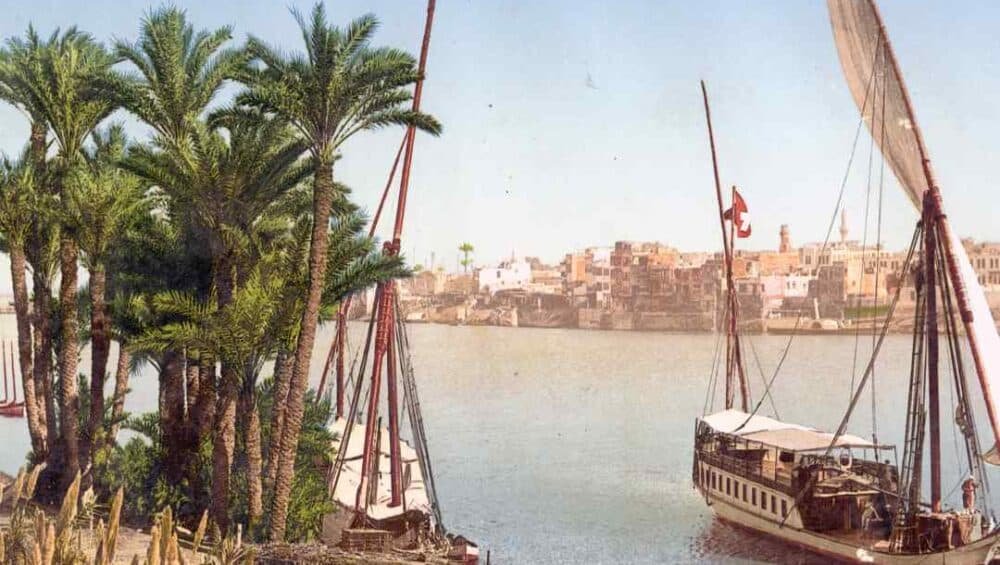
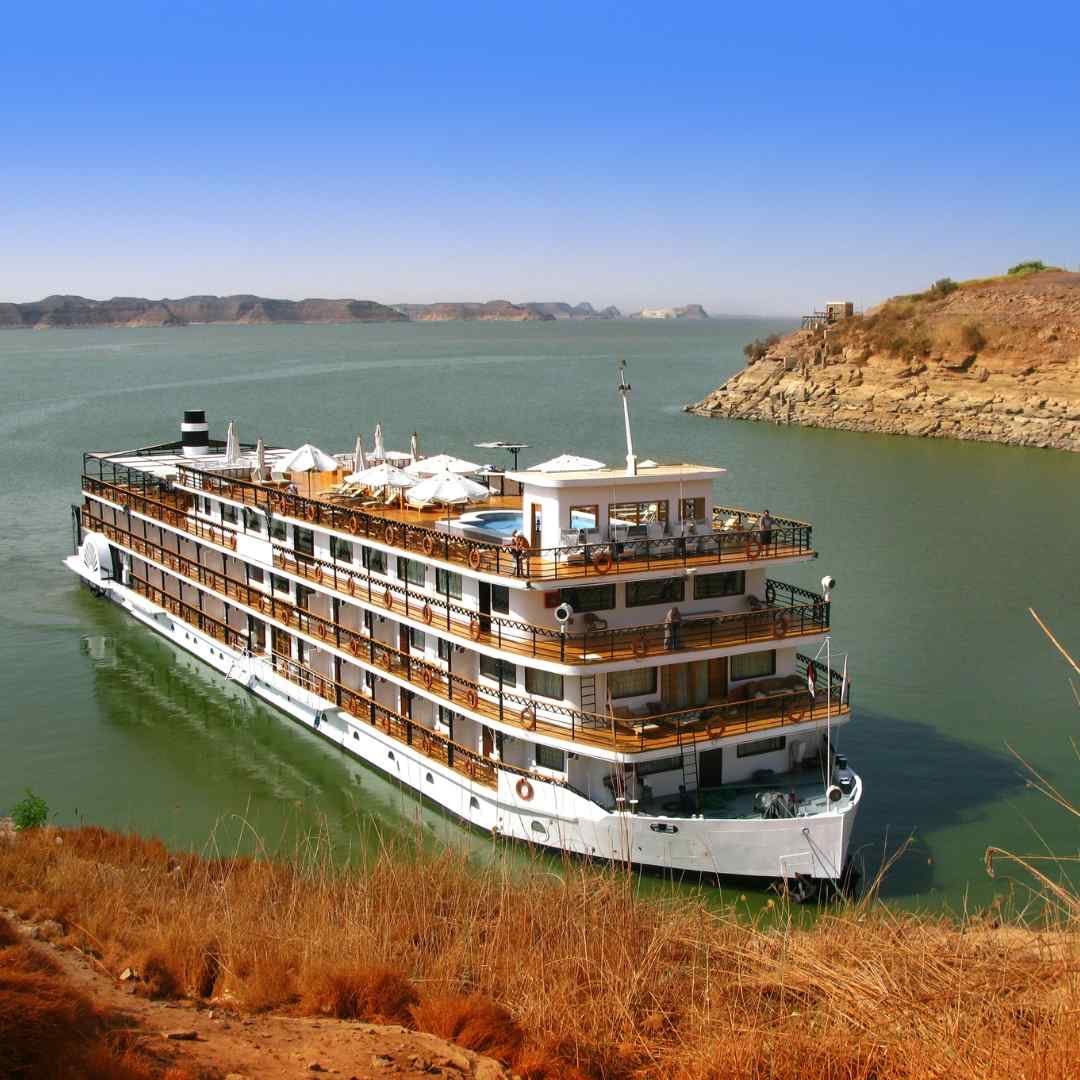
Esna’s picturesque location along the Nile offers travelers the chance to experience the timeless rhythms of river life. Traditional feluccas—wooden sailboats—glide gracefully along the water, their white sails billowing in the breeze. Many local boatmen offer short cruises, allowing visitors to enjoy panoramic views of the riverbanks, lush date palms, and distant desert hills. Sunset is a particularly magical time to be on the Nile, as the fading light bathes the landscape in golden hues. For those seeking tranquility, a felucca ride in Esna is an unforgettable way to connect with the natural beauty and serenity that has inspired generations of Egyptians.

Traditional Crafts and Textile Weaving

Esna is renowned for its skilled artisans, particularly its weavers who continue centuries-old traditions of textile production. In workshops tucked behind the main streets, craftsmen operate handlooms to create intricate cotton and linen fabrics, including the famous Esna scarves and galabeyas (traditional robes). The weaving process is a captivating blend of artistry and technique, with patterns often passed down through generations. Visitors can observe these artisans at work, purchase authentic handmade textiles, and even try their hand at weaving under expert guidance. Supporting local crafts not only provides unique souvenirs but also helps sustain Esna’s rich cultural heritage.

Religious and Cultural Festivals

Throughout the year, Esna comes alive with a variety of religious and cultural festivals that offer travelers a window into the town’s communal spirit. One of the most significant events is the annual Moulid of Abu Laila, a vibrant Sufi celebration honoring a revered local saint. The festival features colorful processions, devotional music, whirling dervishes, and communal feasts, drawing visitors and participants from across the region. Other events mark important Islamic holidays, harvest times, and local milestones. Attending a festival in Esna is a memorable way to experience Egyptian hospitality, music, and spirituality in an authentic setting.

Exploring Esna’s Surroundings

While Esna itself is a treasure trove of history and culture, its strategic location makes it an excellent base for exploring the broader region. The town is conveniently situated along the main route between Luxor and Aswan, making it easy to incorporate into a Nile cruise or road trip itinerary. Nearby attractions include the ancient city of Edfu, home to the magnificent Temple of Horus, and the agricultural villages that dot the fertile riverbanks. Nature lovers can venture into the surrounding countryside to observe traditional farming practices, spot migratory birds, or enjoy the tranquility of palm groves and sugarcane fields. Whether you’re seeking adventure or relaxation, Esna’s environs offer something for every traveler.

Practical Tips for Visiting Esna

Travelers planning a trip to Esna will find the town welcoming and accessible. Esna is easily reached by road from Luxor (about an hour’s drive) or as a stop on Nile cruises traveling between Luxor and Aswan. The town’s compact size makes it ideal for exploring on foot, and local guides are available to provide insights into Esna’s history and culture. While Esna is less touristy than other destinations in Upper Egypt, basic amenities such as hotels, restaurants, and shops are available. Visitors are advised to dress modestly, especially when visiting religious sites or interacting with local residents. The best time to visit is during the cooler months from October to April, when temperatures are pleasant for sightseeing and outdoor activities.

Frequently Asked Questions

What is the main attraction in Esna?

The main attraction in Esna is the Temple of Khnum, an ancient temple dedicated to the ram-headed god of creation. The temple’s hypostyle hall, with its 24 decorated columns and vibrant reliefs, is a highlight for history enthusiasts and architecture lovers alike.

How do I get to Esna from Luxor?

Esna is located about 55 kilometers south of Luxor and can be reached by car, taxi, or as a stop on a Nile cruise. The journey by road takes approximately one hour, making it an easy day trip from Luxor or a convenient stop en route to Aswan.

Are there guided tours available in Esna?

Yes, local guides are available in Esna and can provide informative tours of the Temple of Khnum, the local market, and other historical sites. Hiring a guide is recommended for those interested in learning about the town’s rich history and cultural traditions.

What should I wear when visiting Esna?

Visitors should dress modestly, particularly when visiting religious sites or interacting with local residents. Lightweight, long-sleeved clothing is recommended both for sun protection and to show respect for local customs.

Is Esna suitable for family travel?

Absolutely. Esna offers a safe and welcoming environment for families. Children will enjoy exploring the temple, riding feluccas on the Nile, and experiencing the lively atmosphere of the local market.

What are some unique souvenirs to buy in Esna?

Esna is known for its handmade textiles, including scarves, shawls, and traditional robes woven on handlooms. Other popular souvenirs include spices, local sweets, and artisanal crafts available at the market.
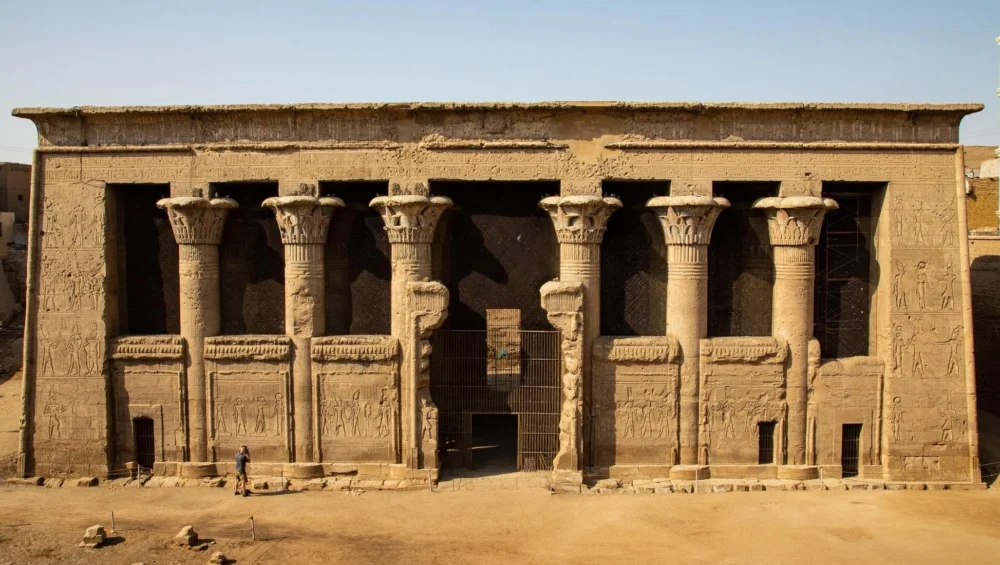
Temple Khnum

Temple Of Khnum

Temple Of Khnum: A Journey Through Ancient Egypt’s Sacred Architecture

Rising from the banks of the Nile in Upper Egypt, the Temple of Khnum at Esna stands as a testament to the ingenuity, devotion, and artistry of the ancient Egyptians. Often overshadowed by more famous sites such as Karnak or Luxor, this temple offers a unique window into the religious life and architectural mastery of Egypt’s later dynasties. For travelers seeking to delve deeper into Egypt’s spiritual past and explore a less crowded, yet equally fascinating, monument, the Temple of Khnum promises an unforgettable experience.

The Historical Significance of the Temple of Khnum

The Temple of Khnum is dedicated to Khnum, the ram-headed god of creation, fertility, and the source of the Nile’s life-giving waters. Built primarily during the Greco-Roman period, the temple occupies a site that has been sacred since the Middle Kingdom (c. 2055–1650 BCE). The current structure’s main hypostyle hall was constructed under the rule of Roman emperors such as Claudius and Decius, yet its foundations and earlier layers hint at a much older religious tradition. The temple’s inscriptions, reliefs, and architectural elements provide invaluable insight into the continuity and adaptation of Egyptian religious practices over millennia.

Architectural Marvels: Exploring the Hypostyle Hall

The most striking feature of the Temple of Khnum is its hypostyle hall, a forest of 24 towering columns, each adorned with exquisitely carved capitals in the shapes of lotus, palm, and papyrus plants. The roof, still largely intact, allows visitors to imagine the temple as it would have appeared in antiquity—filled with incense smoke, chanting priests, and shafts of sunlight filtering through the columns. The walls are covered with intricate reliefs depicting pharaohs making offerings to Khnum and other deities, as well as detailed hieroglyphic texts that record religious rituals and festival calendars. The preservation of the hall’s vibrant colors and fine details is exceptional, making it a favorite among Egyptologists and photographers alike.

Khnum: The God of Creation and the Nile

Khnum holds a unique place in Egyptian mythology as the divine potter who fashioned humans on his potter’s wheel from the clay of the Nile. He was believed to control the annual flooding of the river, ensuring fertility and abundance for the land. The temple’s reliefs often show Khnum shaping the bodies of pharaohs and commoners alike, underscoring his role as the giver of life. Alongside Khnum, the temple also honors his consorts, Menhit and Nebtu, and his daughter Heka, the goddess of magic. This pantheon reflects the complex theology of Esna and the interconnectedness of creation, fertility, and kingship in Egyptian belief.

Visiting the Temple: Practical Information for Travelers

The Temple of Khnum is located in the heart of Esna, approximately 55 kilometers south of Luxor. The temple is easily accessible by road or as part of a Nile cruise itinerary, with most visitors arriving during day trips from Luxor. The temple is open daily, typically from early morning until late afternoon. There is a modest entrance fee, and local guides are available for hire at the site. The town of Esna itself is a bustling Nile-side community, offering a glimpse into modern Egyptian life alongside its ancient treasures. Visitors are advised to wear comfortable footwear, bring water, and prepare for warm temperatures, especially in the summer months.

Highlights Not to Miss at the Temple of Khnum

While the hypostyle hall is the centerpiece of the temple, several other features are well worth exploring. The temple’s ceiling is adorned with vivid astronomical scenes, including depictions of the Egyptian zodiac and constellations. Some of the original paintwork remains visible, offering a rare chance to appreciate the polychrome splendor of ancient Egyptian temples. The temple’s reliefs also include rare representations of Roman emperors in pharaonic regalia, underscoring the blending of Egyptian and Greco-Roman traditions. Don’t miss the temple’s crypts and side chambers, which contain further inscriptions and were used for storing sacred objects and temple treasures.

The Temple’s Role in Ancient Festivals and Rituals

The Temple of Khnum was not just a place of worship but a focal point for community life and religious festivals. The most important of these was the annual “Feast of the Opening of the Nile,” during which priests performed rituals to ensure the river’s inundation and the fertility of the land. Processions, music, and offerings filled the temple precinct, drawing pilgrims from across the region. The temple’s inscriptions provide detailed records of these ceremonies, offering a vivid picture of ancient Egyptian religious observance. Today, echoes of these traditions can still be felt in the local culture, especially during the annual flooding season.

Conservation Efforts and Archaeological Discoveries

In recent decades, the Temple of Khnum has benefited from extensive conservation and restoration projects. Archaeologists have painstakingly cleaned centuries of soot and debris from the walls and ceilings, revealing the temple’s original colors and details. Ongoing excavations continue to uncover new inscriptions and artifacts, shedding light on the temple’s construction and its role in the wider religious landscape of Upper Egypt. These efforts are supported by both Egyptian authorities and international organizations, ensuring that the temple remains accessible and informative for future generations of visitors and scholars.

Combining the Temple of Khnum with Other Nile Valley Attractions

Esna’s location makes it an ideal stop for travelers exploring the Nile Valley. Many Nile cruises include Esna on their itineraries, often pairing the Temple of Khnum with visits to the temples of Edfu and Kom Ombo further south. The nearby Esna Lock, a key point for river traffic, offers a fascinating glimpse into the workings of modern Nile navigation. For those with more time, the town’s bustling market and traditional crafts—especially its renowned weaving industry—provide further reasons to linger. Whether as a day trip or a longer stay, Esna and the Temple of Khnum offer a perfect blend of history, culture, and local color.

Frequently Asked Questions

What is the best time of year to visit the Temple of Khnum?

The most comfortable time to visit is between October and April, when temperatures are milder. The summer months (May to September) can be extremely hot, especially in Upper Egypt, so early morning or late afternoon visits are recommended during this period.

How long should I plan to spend at the temple?

Most visitors spend between one and two hours exploring the Temple of Khnum, though those with a keen interest in Egyptology or photography may wish to stay longer to fully appreciate the details of the reliefs and inscriptions.

Is photography allowed inside the temple?

Photography is generally permitted inside the Temple of Khnum, but the use of tripods or flash may be restricted. It’s always best to check with site staff upon arrival and to be respectful of any posted guidelines.

Are there facilities for visitors at the site?

The temple complex has basic visitor facilities, including restrooms and shaded areas. Local vendors often sell drinks and souvenirs near the entrance, but it’s advisable to bring your own water and snacks, especially during the hotter months.

Can I hire a guide at the Temple of Khnum?

Yes, local guides are available at the temple entrance and can provide valuable insights into the history, art, and religious significance of the site. Guides can be hired on the spot or arranged in advance through tour operators or hotels in Luxor or Esna.

Is the Temple of Khnum accessible for travelers with mobility issues?

While the main hypostyle hall is relatively accessible, some areas of the temple may have uneven floors or steps. It’s advisable to check accessibility options in advance and to travel with assistance if needed.

Fayoum City

Fayoum City

Discovering Fayoum City: Egypt’s Timeless Oasis

Set against the backdrop of lush farmlands, tranquil lakes, and ancient ruins, Fayoum City is a destination that weaves together Egypt’s storied past and vibrant present. Located about 100 kilometers southwest of Cairo, Fayoum is often described as Egypt’s oldest city, with a history that stretches back to the Pharaonic era. Today, it offers travelers a refreshing escape from the bustle of the capital, blending natural wonders, archaeological treasures, and a unique culture that’s distinct from anywhere else in Egypt. Whether you’re an adventurer, history enthusiast, or simply seeking serenity by the water, Fayoum City promises an unforgettable journey.

The Ancient Roots of Fayoum

Fayoum’s history is as deep as the Nile itself. Known in ancient times as Shedet, the city was a center for worship of the crocodile god Sobek. Archaeological finds reveal that Fayoum was once a thriving metropolis during the Middle Kingdom, and its strategic location near Lake Qarun (Birket Qarun) made it a vital hub for agriculture and trade. The city’s historic heart is dotted with remnants of temples, obelisks, and ancient irrigation systems that showcase the ingenuity of its early inhabitants. Visitors can walk in the footsteps of pharaohs, marvel at the city’s enduring monuments, and imagine life in one of Egypt’s oldest continuously inhabited regions.

Natural Wonders: Lake Qarun and Wadi El Rayan

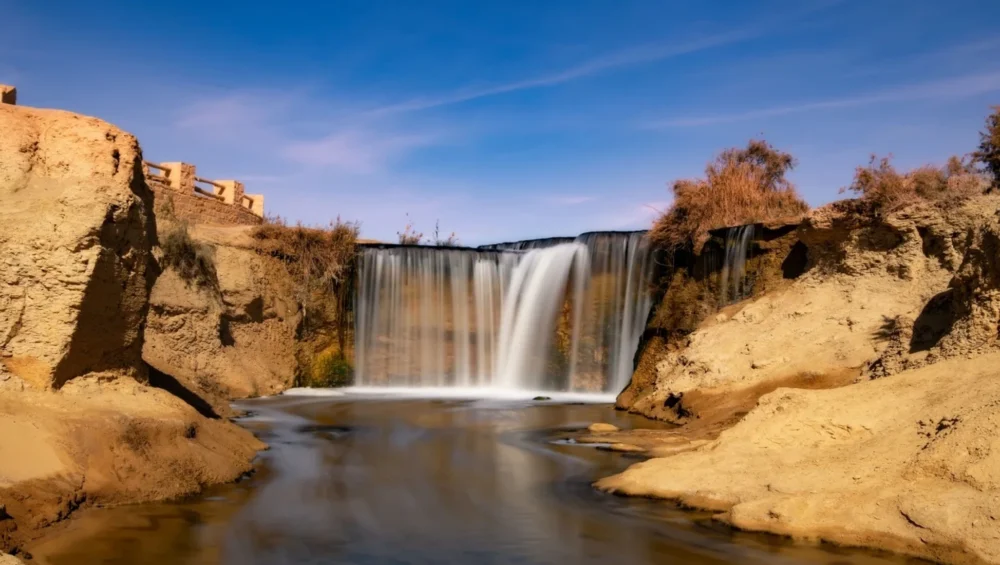
No visit to Fayoum is complete without exploring its stunning natural landscapes. Lake Qarun, one of Egypt’s largest lakes, is a shimmering expanse of water that supports a rich ecosystem of birds and fish. Birdwatchers flock to its shores to glimpse migratory species, while locals and tourists alike enjoy fishing and boat rides. Nearby, the Wadi El Rayan Protected Area is famous for its twin lakes and Egypt’s only waterfalls. This area is a haven for outdoor enthusiasts, offering opportunities for hiking, sandboarding on the surrounding dunes, and spotting rare wildlife such as the slender-horned gazelle. The juxtaposition of desert and water creates a surreal and peaceful environment, perfect for nature lovers seeking tranquility.

Fayoum’s Iconic Attractions and Ancient Sites

Fayoum is home to a wealth of archaeological treasures that reflect its importance throughout Egyptian history. The Pyramid of Hawara, built by Pharaoh Amenemhat III, is a must-see for history buffs. Although much of the pyramid has eroded, its labyrinthine mortuary temple inspired legends in the ancient world. The ruins of Karanis, an ancient Greco-Roman city, offer a fascinating glimpse into daily life during the Ptolemaic and Roman periods. The city’s museums, such as the Kom Aushim Museum, house artifacts that tell the story of Fayoum’s diverse cultural heritage. Each site invites visitors to step back in time and discover the city’s layered past.

Culture and Local Life in Fayoum

Fayoum’s culture is a vibrant tapestry woven from its agricultural roots, artistic traditions, and warm hospitality. The city’s bustling markets are alive with the colors and aromas of fresh produce, locally made pottery, and handwoven textiles. Fayoum is renowned for its pottery workshops, where artisans shape the region’s distinctive clay into beautiful and functional pieces. Visitors can try their hand at pottery making or purchase unique souvenirs to take home. The city’s cafes and restaurants serve up delicious Egyptian cuisine, with specialties like grilled fish from Lake Qarun and sweet treats such as feteer meshaltet (Egyptian layered pastry). Engaging with the local community offers insights into Fayoum’s enduring way of life and the pride its residents take in their heritage.

Desert Adventures and Outdoor Activities

Beyond its historical and cultural attractions, Fayoum offers a playground for adventure seekers. The surrounding desert landscapes are ideal for off-road excursions, camel treks, and sandboarding. The Magic Lake, named for its changing hues, is a favorite spot for swimming and picnicking. For those seeking a more immersive experience, camping under the stars in the desert provides a chance to disconnect and appreciate the region’s serene beauty. Guided tours can take you to fossil-rich sites like Wadi Al-Hitan (Valley of the Whales), a UNESCO World Heritage Site famous for its prehistoric whale skeletons. Whether it’s adrenaline-fueled activities or peaceful nature walks, Fayoum caters to a wide range of outdoor interests.

Art, Pottery, and Fayoum’s Creative Spirit

Fayoum has long been a center for artistic expression, with its pottery and crafts celebrated across Egypt. The Tunis Village, located on the western edge of Lake Qarun, is a hub for artists and potters. Here, visitors can explore studios, attend workshops, and purchase handmade ceramics that blend traditional techniques with contemporary designs. The annual Fayoum Art Center Festival showcases the talents of local and international artists, fostering cultural exchange and creativity. The city’s vibrant murals, galleries, and artisan markets reflect a community that values art as a vital part of daily life. For travelers interested in creative pursuits, Fayoum offers countless ways to engage with its artistic heritage.

Planning Your Visit: Travel Tips and Practical Information

Fayoum City is easily accessible from Cairo, with regular buses and private transfers making the journey in about two hours. The best time to visit is between October and April, when the weather is mild and pleasant. Accommodations range from charming guesthouses in Tunis Village to lakeside resorts and eco-lodges that offer immersive experiences in nature. It’s advisable to book tours in advance, especially for excursions to protected areas and archaeological sites. While Arabic is the primary language, many locals in the tourism industry speak English and are eager to assist visitors. Packing sunscreen, comfortable walking shoes, and a camera is essential to make the most of your adventure.

Culinary Delights: Tasting Fayoum’s Flavors

Fayoum’s cuisine is a delicious reflection of its agricultural abundance and proximity to the lake. Local restaurants and street vendors serve up a variety of traditional dishes, including mulukhiyah (green soup), grilled tilapia, and hearty stews made with fresh vegetables. Feteer meshaltet, a flaky pastry often filled with honey or cheese, is a must-try treat. The city’s tea houses offer a chance to relax and enjoy a cup of mint tea while soaking in the local atmosphere. Many guesthouses also provide home-cooked meals, giving visitors a taste of authentic Fayoumi hospitality. Food lovers will find plenty to savor in this fertile and flavorful region.

Frequently Asked Questions

What is the best time of year to visit Fayoum City?

The most pleasant time to visit Fayoum City is from October to April, when temperatures are cooler and outdoor activities are more enjoyable. Summers can be very hot, especially in the desert areas.

How do I get to Fayoum City from Cairo?

Fayoum is approximately 100 kilometers southwest of Cairo. Travelers can reach the city by bus, taxi, or private car, with the journey typically taking around two hours.

What are the must-see attractions in Fayoum?

Key attractions include Lake Qarun, Wadi El Rayan, the Pyramid of Hawara, Karanis ruins, Tunis Village, and Wadi Al-Hitan (Valley of the Whales). Each site offers a unique perspective on the region’s history and natural beauty.

Is Fayoum City suitable for family travel?

Absolutely! Fayoum offers something for everyone, from outdoor adventures and wildlife spotting to cultural experiences and hands-on pottery workshops. It’s a family-friendly destination with plenty of activities for all ages.

Are there guided tours available in Fayoum?

Yes, numerous local operators offer guided tours to archaeological sites, natural reserves, and artisan villages. Booking a tour can help you make the most of your visit and gain deeper insights into Fayoum’s heritage.

What should I pack for a trip to Fayoum?

Pack comfortable clothing suitable for warm weather, sturdy shoes for walking and hiking, sunscreen, a hat, and a camera. If you plan to camp or visit the desert, bring layers for cooler nights and plenty of water.

The Valley The Kings

The Valley Of The Kings

The Valley Of The Kings: Egypt’s Timeless Necropolis

Hidden beneath the arid cliffs of the West Bank of the Nile, across from the ancient city of Luxor, lies one of the world’s most captivating archaeological sites: the Valley of the Kings. This sprawling necropolis, shrouded in myth and mystery, has fascinated travelers, historians, and adventurers for centuries. As the eternal resting place of Egypt’s greatest pharaohs, including the legendary Tutankhamun, the Valley of the Kings offers a mesmerizing journey through the heart of ancient Egyptian civilization. Whether you’re a history enthusiast, an intrepid explorer, or a casual visitor, this UNESCO World Heritage Site promises an unforgettable experience steeped in grandeur and intrigue.

The Historical Significance of the Valley of the Kings

The Valley of the Kings, known in Arabic as Wadi el-Muluk, served as the principal burial ground for Egypt’s New Kingdom rulers from the 16th to the 11th century BCE. Over 60 tombs have been discovered here, belonging not only to pharaohs but also to powerful nobles and royal family members. The site was chosen for its secluded location and natural protection against tomb robbers, although history shows that many tombs were still looted in antiquity. The valley reflects the ancient Egyptians’ beliefs in the afterlife and the lengths to which they went to ensure their rulers’ journey into eternity was secured.

Architectural Marvels and Tomb Design

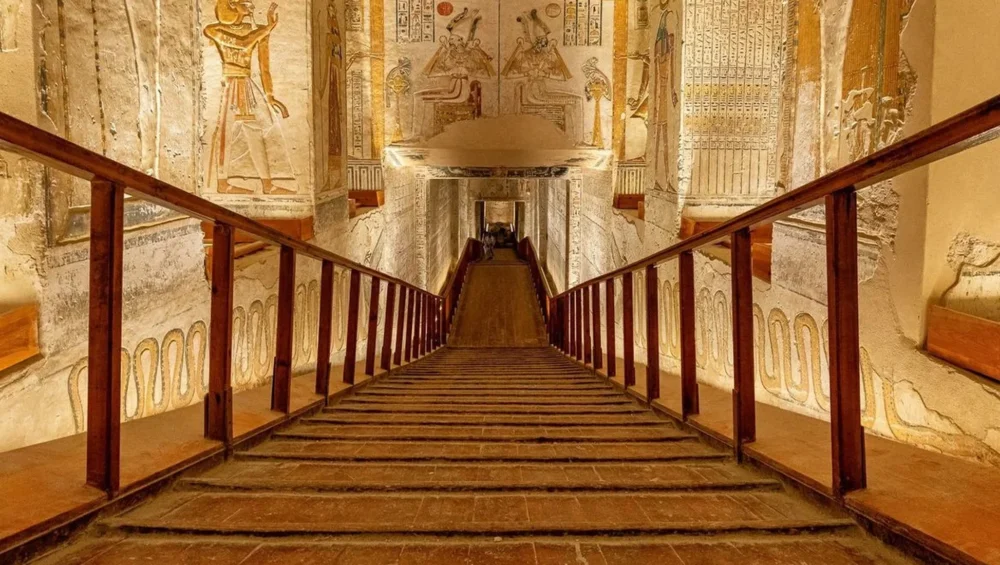
The tombs within the Valley of the Kings are masterpieces of ancient engineering and artistry. Unlike the iconic pyramids of Giza, these tombs are cut deep into the limestone cliffs, with winding corridors, chambers, and intricate layouts. The designs evolved over time, from simple shafts to elaborate, multi-roomed complexes adorned with vivid wall paintings and inscriptions. These decorations depict scenes from the Book of the Dead and other funerary texts, intended to guide the deceased through the underworld. The craftsmanship evident in these tombs is a testament to the skill and devotion of the ancient Egyptian artisans.

The Discovery of Tutankhamun’s Tomb

No discussion of the Valley of the Kings is complete without mentioning the discovery of Tutankhamun’s tomb (KV62). In 1922, British archaeologist Howard Carter uncovered the nearly intact tomb of the boy king, a find that electrified the world. The treasures within—golden coffins, jewelry, chariots, and the iconic funerary mask—offered an unprecedented glimpse into the wealth and artistry of ancient Egypt. Today, many of these treasures are housed in the Egyptian Museum in Cairo, but the tomb itself remains a highlight for visitors to the valley, drawing thousands each year who wish to walk in Carter’s footsteps.

Planning Your Visit: Practical Information

Visiting the Valley of the Kings requires some planning to make the most of your experience. The site is located about 25 kilometers from Luxor, easily accessible by taxi, tour bus, or even bicycle for the adventurous. The visitor center at the entrance provides maps, information, and tickets, which typically include access to three tombs, with additional tickets required for special tombs such as those of Tutankhamun, Seti I, and Ramses VI. The site opens early in the morning, and visiting during the cooler hours is advisable, especially during the summer months when temperatures soar. Comfortable footwear, sunscreen, and plenty of water are essential for exploring the valley’s rugged terrain.

Must-See Tombs in the Valley

While it’s impossible to visit every tomb in a single trip, there are several standouts that should not be missed. The tomb of Ramses VI (KV9) is renowned for its dazzling ceiling paintings depicting the Book of the Day and Night. The tomb of Seti I (KV17) is the longest and one of the most beautifully decorated, though access is limited and requires a special ticket. The tomb of Merenptah (KV8) and the tomb of Ramses III (KV11) also offer stunning artwork and insight into royal burial practices. Each tomb presents a unique narrative and artistic style, reflecting the personality and era of its occupant.

The West Bank: Beyond the Valley

The Valley of the Kings is just one of many remarkable sites on Luxor’s West Bank. Nearby, visitors can explore the Valley of the Queens, where royal wives and children were interred, and the mortuary temples of Hatshepsut and Ramses III, which rise majestically against the desert backdrop. The Colossi of Memnon, two towering statues that once guarded the entrance to Amenhotep III’s mortuary temple, are another must-see. These sites collectively offer a broader understanding of ancient Egyptian funerary culture and the enduring legacy of Thebes as a center of power and religion.

Preservation Efforts and Responsible Tourism

Preserving the Valley of the Kings for future generations is a constant challenge. The influx of visitors, combined with natural factors such as humidity and flash floods, threatens the delicate wall paintings and structural integrity of the tombs. The Egyptian authorities, in partnership with international organizations, have implemented conservation measures including controlled access, improved ventilation, and ongoing restoration projects. As a visitor, you can contribute to preservation efforts by following site rules, refraining from touching walls or artifacts, and respecting restricted areas. Responsible tourism ensures that this priceless heritage remains intact for centuries to come.

Experiencing the Magic: Tips for an Unforgettable Visit

To truly appreciate the Valley of the Kings, consider hiring a knowledgeable local guide who can bring the stories and symbolism of the tombs to life. Early morning visits offer cooler temperatures and fewer crowds, allowing for a more contemplative experience. Photography is permitted in most tombs with the purchase of a camera ticket, but flash is strictly prohibited to protect the artwork. Take time to absorb the atmosphere—standing in the silent corridors, surrounded by ancient hieroglyphics, is a humbling reminder of the passage of time and the enduring allure of the pharaohs’ legacy. Don’t forget to explore the surrounding desert landscape, where the stark beauty of the cliffs and valleys adds to the site’s mystical appeal.

Frequently Asked Questions

What is the best time of year to visit the Valley of the Kings?

The ideal time to visit is during the cooler months from October to April, when temperatures are more comfortable for exploring. Early mornings are also recommended to avoid crowds and intense midday heat.

How many tombs are open to the public?

Out of over 60 tombs discovered in the Valley of the Kings, usually around 8–10 are open to visitors at any given time. The selection rotates to help preserve the tombs, and special tickets are required for some of the most famous ones, such as Tutankhamun’s.

Is photography allowed inside the tombs?

Photography is permitted in most tombs with the purchase of a camera ticket, but the use of flash is strictly prohibited to protect the ancient wall paintings. Check at the entrance for current regulations as they may change.

How much time should I allocate for a visit?

Plan to spend at least half a day exploring the Valley of the Kings, especially if you wish to visit several tombs and the nearby attractions on the West Bank. Guided tours typically last 3–4 hours.

Are there facilities available at the site?

The Valley of the Kings has a visitor center with restrooms, a small café, and a gift shop. However, amenities are limited, so bring essentials like water, snacks, and sun protection.

Can children visit the Valley of the Kings?

Yes, children are welcome, but keep in mind that the terrain can be challenging and the heat intense, especially in summer. Supervision is important, and it’s a good idea to prepare children for the historical and cultural significance of the site.

Karnak Temple

Karnak Temple

Karnak Temple: Exploring the Majestic Heart of Ancient Egypt

Set on the east bank of the Nile River in Luxor, Karnak Temple stands as one of the most awe-inspiring and historically significant monuments of ancient Egypt. Spanning over two millennia of continuous construction, expansion, and reverence, the temple complex is a testament to the religious, architectural, and cultural achievements of the pharaohs. For travelers seeking to immerse themselves in the grandeur of the ancient world, Karnak Temple offers an unforgettable journey through the corridors of history, mythology, and artistry.

A Brief History of Karnak Temple

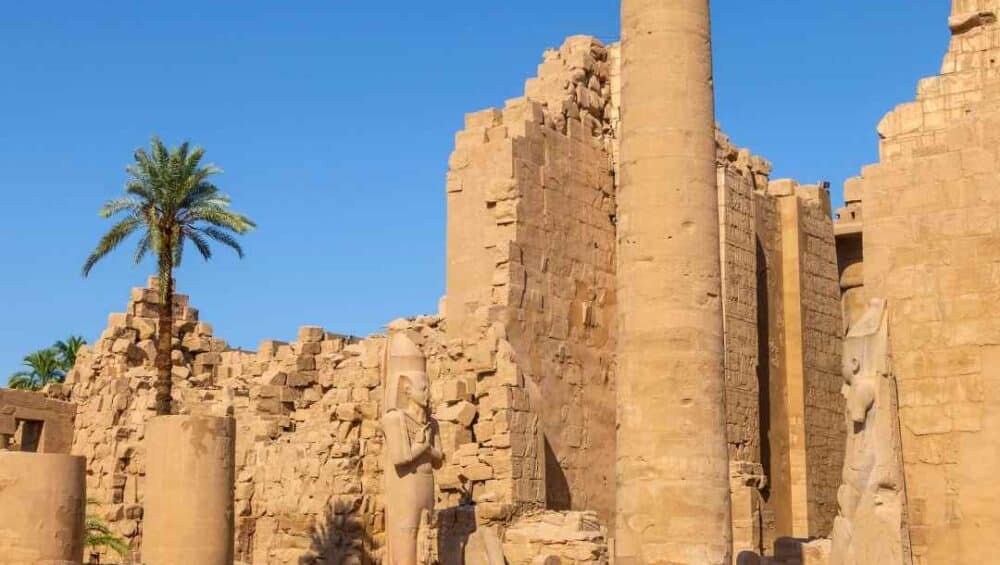
The origins of Karnak Temple date back to the Middle Kingdom, around 2000 BCE, with significant expansions occurring throughout the New Kingdom and later periods. The complex was primarily dedicated to Amun-Ra, the king of the gods, but also honored his consort Mut and their son Khonsu, forming the Theban Triad. Over thirty pharaohs contributed to its construction, including the illustrious Hatshepsut, Seti I, and Ramses II. The result is a sprawling site filled with temples, chapels, pylons, and obelisks that chart the evolution of ancient Egyptian religion and power.

Architectural Marvels of the Great Hypostyle Hall

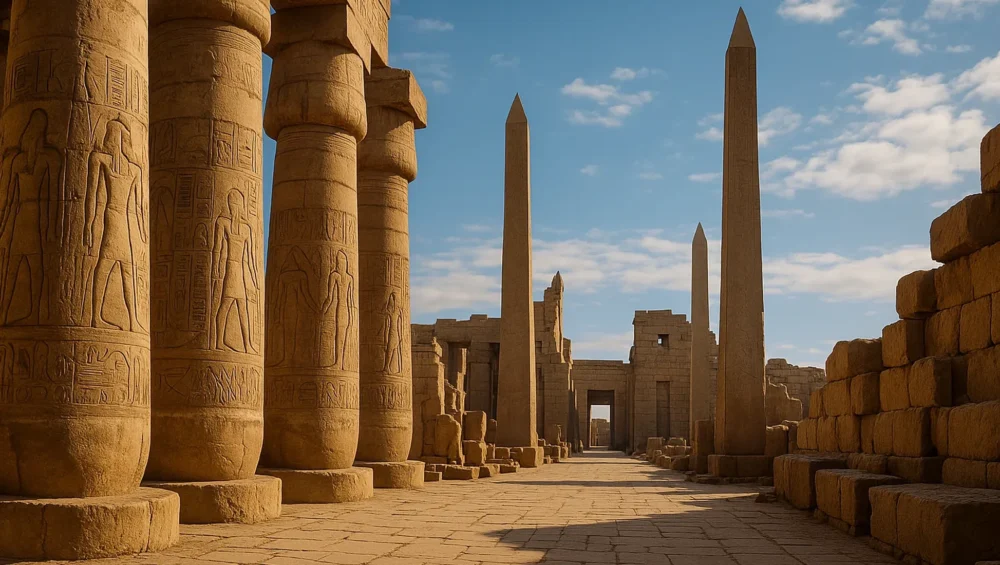
One of the most iconic features of Karnak Temple is the Great Hypostyle Hall, an immense forest of 134 massive columns arranged in 16 rows. This architectural wonder covers an area of 5,000 square meters and was constructed primarily during the reigns of Seti I and his son Ramses II. The central columns soar to a height of 21 meters, their capitals intricately carved with papyrus designs, symbolizing creation and rebirth. Walking through this hall, visitors are dwarfed by the scale and artistry, with sunlight filtering through the spaces between the columns and illuminating the vibrant reliefs that adorn their surfaces.

The Sacred Lake and Ritual Purification

Within the precincts of Karnak lies the Sacred Lake, a large rectangular pool used by priests for ritual purification before performing temple ceremonies. The lake, fed by the Nile, was believed to embody the primordial waters of creation. Today, the calm surface reflects the temple’s towering columns and obelisks, offering a tranquil space for visitors to contemplate the spiritual significance of the site. Nearby, the remains of a large granite scarab dedicated to the god Khepri are believed to bring good luck to those who circle it seven times, a tradition still followed by many visitors.

The Avenue of Sphinxes: Linking Karnak and Luxor

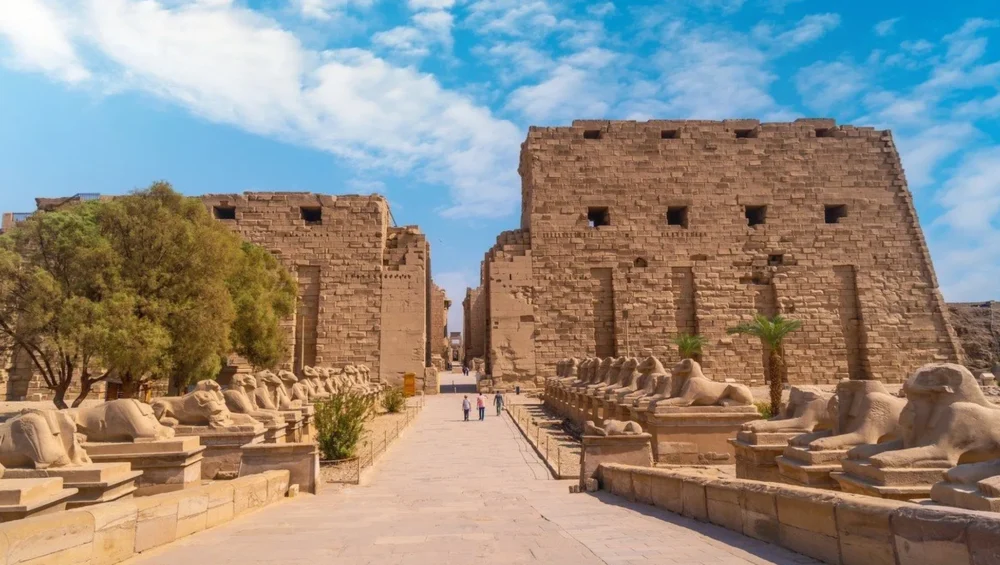
Stretching over two kilometers, the Avenue of Sphinxes once connected Karnak Temple with the Luxor Temple to the south. This processional way was lined with hundreds of sphinx statues, each with the body of a lion symbolizing strength and the head of a ram honoring Amun. The avenue was used during the annual Opet Festival, when statues of the gods were paraded between the two temples in a grand display of religious devotion. Recent restoration efforts have uncovered and restored much of this ancient road, allowing visitors to walk in the footsteps of pharaohs and priests.

Obelisks and Pylons: Symbols of Power and Divinity

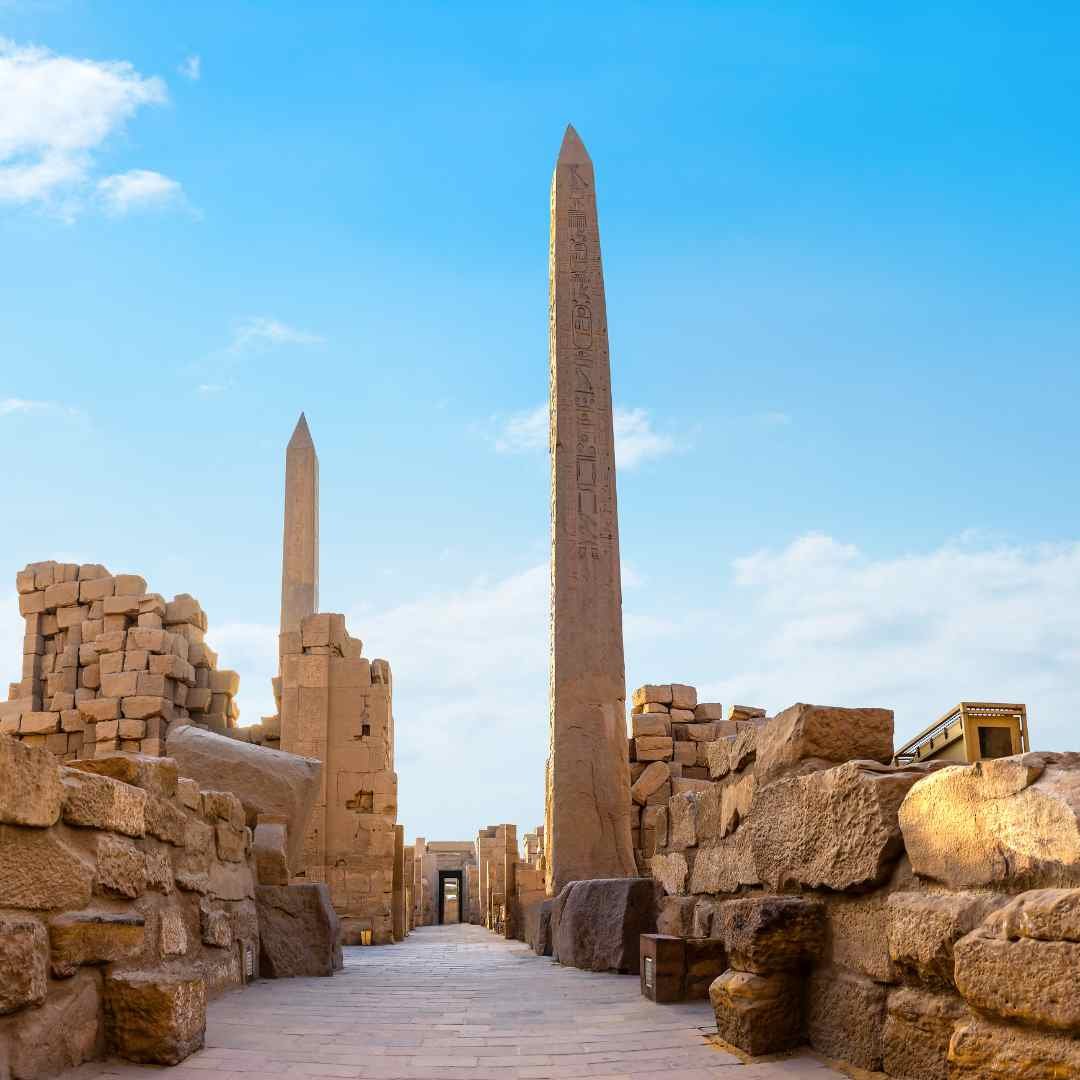
Karnak Temple is renowned for its towering obelisks, particularly those erected by Hatshepsut and Thutmose I. These monolithic structures, carved from a single piece of pink granite, were inscribed with hieroglyphs praising the gods and the pharaohs’ achievements. Obelisks were believed to be petrified rays of the sun god Ra, connecting earth and sky. The temple’s massive pylons, or gateways, are another defining feature, each marking the entrance to a new sacred space and adorned with scenes of royal triumphs and offerings to the gods.

Exploring the Temple Precincts

The Karnak complex is divided into several precincts, the largest and most visited being the Precinct of Amun-Ra. Here, travelers can explore a labyrinth of chapels, sanctuaries, and shrines, including the Festival Hall of Thutmose III, the Temple of Ptah, and the Temple of Khonsu. Each precinct offers unique insights into the religious practices and architectural innovations of different dynasties. The less-visited Precinct of Mut and the Precinct of Montu provide quieter spaces for exploration and reflection, away from the crowds.

Visitor Experience: Tips for Touring Karnak Temple

To make the most of your visit to Karnak Temple, consider arriving early in the morning or late in the afternoon to avoid the midday heat and crowds. Guided tours are highly recommended, as knowledgeable guides can bring the temple’s art and history to life with stories of gods, pharaohs, and ancient rituals. Wear comfortable shoes, as the site is expansive and involves considerable walking over uneven terrain. Don’t forget to bring water, sun protection, and a camera to capture the breathtaking vistas, especially during the golden hour when the stone glows with a warm, ethereal light.

The Sound and Light Show: A Nighttime Spectacle

One of the most popular experiences at Karnak Temple is the Sound and Light Show, held nightly against the backdrop of the ancient ruins. Through dramatic lighting, narration, and music, the show recounts the history of Thebes, the rise of the pharaohs, and the construction of Karnak. The illuminated columns and statues cast long shadows, creating a mystical atmosphere that transports visitors back in time. It’s a unique way to experience the temple after dark and gain a deeper appreciation for its enduring legacy.

Nearby Attractions and Planning Your Visit

Karnak Temple is just one of many remarkable sites in Luxor, often referred to as the world’s greatest open-air museum. After exploring Karnak, travelers can visit the nearby Luxor Temple, the Valley of the Kings, the Temple of Hatshepsut, and the Luxor Museum. The city offers a range of accommodations, from luxury hotels with Nile views to charming guesthouses in the old town. Most visitors access Karnak via taxi, tour bus, or even horse-drawn carriage from central Luxor. The temple is open daily, with extended hours during peak tourist seasons.

Frequently Asked Questions

What is the best time of year to visit Karnak Temple?

The best time to visit Karnak Temple is from October to April, when temperatures are cooler and more comfortable for exploring the outdoor site. Early mornings and late afternoons also offer pleasant conditions and beautiful lighting for photography.

How much time should I allocate for a visit to Karnak Temple?

Most visitors spend between two and three hours exploring Karnak Temple, but history enthusiasts may wish to stay longer to fully appreciate the details and atmosphere. Guided tours typically last about two hours.

Is Karnak Temple accessible for people with mobility issues?

While some areas of Karnak Temple have uneven ground and steps, there are sections that are relatively accessible. However, visitors with mobility challenges should be prepared for limited access to certain parts of the complex.

Are there facilities such as restrooms and refreshments available at the site?

Yes, there are restrooms and small kiosks near the entrance where visitors can purchase water and snacks. It’s advisable to bring your own water, especially during the hotter months.

Can I take photographs inside Karnak Temple?

Photography is permitted throughout most of Karnak Temple, except in certain restricted areas. Tripods may require special permission. The early morning and late afternoon light is ideal for capturing the temple’s dramatic architecture.

Is a guide necessary for visiting Karnak Temple?

While it’s possible to explore Karnak independently, hiring a licensed guide is highly recommended. Guides provide valuable context, historical background, and help visitors understand the significance of the temple’s art and inscriptions.

The Great Pyramids Giza

The Great Pyramids Of Giza

The Great Pyramids Of Giza: An Essential Guide for Travelers

The Great Pyramids of Giza are among the most iconic and awe-inspiring monuments on the planet, drawing millions of visitors each year to the edge of Egypt’s sprawling capital, Cairo. Rising from the golden sands of the Giza plateau, these ancient wonders have captured the imagination of explorers, historians, and travelers for millennia. Whether you are a history buff, a photography enthusiast, or a first-time visitor to Egypt, a trip to the Pyramids promises an unforgettable experience. This comprehensive guide will help you make the most of your visit, offering insights into their history, practical travel tips, and suggestions for a truly memorable journey.

The History and Significance of the Great Pyramids

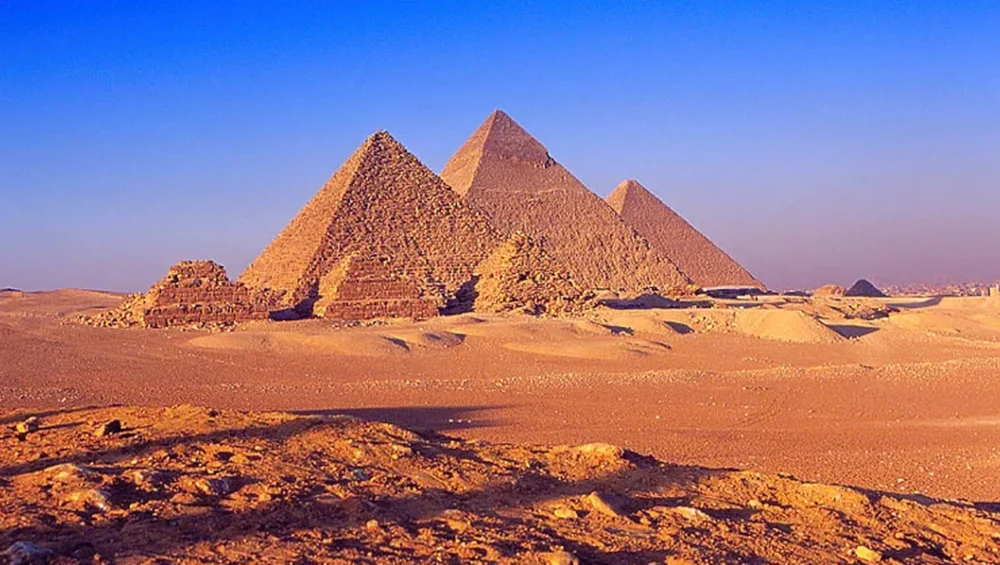
The Great Pyramids of Giza are the last surviving wonder of the original Seven Wonders of the Ancient World. Built during Egypt’s Fourth Dynasty, around 2580–2560 BCE, the Pyramids served as monumental tombs for the Pharaohs. The largest and most famous of these is the Pyramid of Khufu (also known as the Great Pyramid), followed by the Pyramid of Khafre and the Pyramid of Menkaure. These structures were designed to ensure the safe passage of the Pharaohs into the afterlife, reflecting the ancient Egyptians’ deep spiritual beliefs and advanced engineering skills. The alignment and precision of the pyramids continue to fascinate researchers, with many theories surrounding their construction and purpose.

Planning Your Visit: When to Go and What to Expect

The Giza plateau is open to visitors year-round, but the best time to visit is during the cooler months from October to April. During this period, temperatures are more comfortable, making it easier to explore the site on foot. The summer months (May to September) can be extremely hot, with temperatures often exceeding 40°C (104°F). Early mornings and late afternoons are ideal for visiting, as the light is perfect for photography and the crowds are smaller. Expect security checks at the entrance, and be prepared for a bustling atmosphere, especially during peak tourist seasons.

Getting to the Pyramids: Transportation and Accessibility

The Great Pyramids are located about 15 kilometers southwest of downtown Cairo. Most visitors reach the site by taxi, private car, or organized tour. Public transportation options include buses and the Cairo Metro (with the closest station being Giza, followed by a short taxi ride to the plateau). Many hotels in Cairo offer day tours that include transportation, guides, and admission fees. For those seeking adventure, camel or horseback rides are available from nearby stables, offering a unique way to approach the pyramids. Accessibility for visitors with mobility challenges is improving, but some uneven terrain and sandy paths may pose difficulties.

Exploring the Pyramids: What to See and Do

Upon arrival, visitors are greeted by the imposing sight of the three main pyramids, each with its own distinctive features. The largest, the Pyramid of Khufu, originally stood at 146 meters and remains an architectural marvel. The Pyramid of Khafre is easily identified by the remnants of its original limestone casing near the summit, while the smaller Pyramid of Menkaure completes the trio. Visitors can explore the exterior of the pyramids, and for an additional fee, enter the burial chambers inside Khufu and Khafre’s pyramids. The experience of standing inside these ancient structures is both humbling and exhilarating. Don’t miss the smaller Queen’s Pyramids and the subsidiary tombs scattered around the plateau.

The Great Sphinx and Surrounding Monuments

No visit to Giza is complete without seeing the enigmatic Great Sphinx. Carved from a single block of limestone, the Sphinx features the body of a lion and the face of a Pharaoh, believed to represent Khafre. The Sphinx has stood guard over the pyramids for thousands of years, its mysterious expression inspiring countless legends. Nearby, you’ll find the Valley Temple, where the mummification of Pharaohs took place, and various mastabas (ancient tombs) belonging to nobles and officials. The site is rich in archaeological treasures, offering a glimpse into the grandeur of ancient Egyptian civilization.

Practical Tips for Visiting the Giza Plateau

To make the most of your visit, it’s important to plan ahead. Wear comfortable shoes suitable for walking on sand and rocky terrain, and bring a hat, sunscreen, and plenty of water, especially in the warmer months. Modest clothing is recommended out of respect for local customs. Be prepared for persistent vendors offering souvenirs and camel rides—polite but firm refusals are generally effective if you’re not interested. Guided tours are highly recommended, as knowledgeable guides can provide fascinating insights into the history and significance of the monuments. Bring cash for entrance fees, as credit cards are not always accepted at the site.

Photography and the Best Views

The Giza plateau offers countless opportunities for stunning photographs. The classic panoramic view of all three pyramids is best captured from the nearby desert, where camel rides are often staged for dramatic effect. Early morning and late afternoon light create striking shadows and golden hues, perfect for capturing the grandeur of the monuments. The area near the Sphinx provides excellent vantage points for creative shots, and climbing the nearby hills offers sweeping views of the entire plateau. Drones are not permitted, and tripods may require special permission, so check local regulations before your visit. Remember to be respectful of restricted areas and avoid climbing on the monuments themselves.

Beyond the Pyramids: Nearby Attractions and Activities

While the pyramids are the main attraction, the surrounding area offers plenty of additional experiences. The Solar Boat Museum houses the reconstructed Khufu ship, an ancient vessel discovered buried beside the Great Pyramid. The Grand Egyptian Museum, located a short distance from the plateau, showcases a vast collection of artifacts from ancient Egypt, including treasures from Tutankhamun’s tomb. For a taste of local culture, explore the bustling streets of nearby Giza or enjoy traditional Egyptian cuisine at a local restaurant. Evening sound and light shows at the pyramids provide a dramatic retelling of their history, combining music, narration, and colorful illuminations for a memorable finale to your visit.

Responsible Tourism and Preservation Efforts

The Great Pyramids are not only a source of national pride for Egypt but also a UNESCO World Heritage Site. Preserving these ancient monuments for future generations is a shared responsibility. Visitors are urged to respect site rules, avoid touching or climbing on the pyramids, and refrain from littering. Ongoing restoration and conservation efforts are vital to maintaining the integrity of the structures, and tourism revenue plays a crucial role in funding these projects. By traveling responsibly, you help ensure that the wonders of Giza remain a source of inspiration for generations to come.

Frequently Asked Questions

How much does it cost to visit the Great Pyramids of Giza?

The entrance fee for the Giza plateau varies for Egyptian nationals and foreign visitors, with additional charges for entering the pyramids themselves. As of 2024, general admission for foreigners is around 240 EGP, with extra fees for entry into the Great Pyramid and other monuments. Discounts are often available for students with valid ID.

Can you go inside the pyramids?

Yes, visitors can enter the Pyramid of Khufu and the Pyramid of Khafre for an additional fee. The interiors are narrow and can be claustrophobic, but the experience offers a unique glimpse into ancient engineering. Entry is limited each day, so it’s best to arrive early if you wish to go inside.

What should I wear when visiting the pyramids?

Comfortable, modest clothing is recommended. Lightweight fabrics are ideal for the hot climate, and sturdy shoes are necessary for walking on sand and rocky surfaces. A hat and sunglasses provide protection from the sun, and sunscreen is essential.

Is it safe to visit the pyramids?

The pyramids are generally safe for tourists, with a visible security presence throughout the site. As with any major tourist destination, it’s wise to be aware of your surroundings and keep an eye on your belongings. Follow local advice and avoid wandering into isolated areas of the plateau.

Are guided tours necessary?

While it’s possible to explore the site independently, guided tours are highly recommended for a deeper understanding of the history and significance of the pyramids. Knowledgeable guides can enhance your experience and help you navigate the site efficiently.

How do I get from Cairo to the pyramids?

The pyramids are easily accessible from central Cairo by taxi, ride-hailing apps, or organized tours. Public transportation options include buses and the Cairo Metro, though a short taxi ride is still required from the nearest station. Many hotels offer day trips that include transportation and guided services.

Khan Khalili Cairo

Khan Al-Khalili Cairo

Khan Al-Khalili Cairo: The Timeless Heart of Egypt’s Bazaar Culture

In the bustling heart of Cairo, where the modern world intertwines with centuries-old traditions, lies Khan Al-Khalili—a vibrant bazaar that has captivated travelers and locals alike for generations. This historic market is more than just a place to shop; it is a living tapestry of Egyptian culture, history, and daily life. Whether you’re seeking rare antiques, hand-crafted jewelry, aromatic spices, or simply a taste of authentic Cairo, Khan Al-Khalili offers an unforgettable experience that immerses you in the true spirit of Egypt.

The History of Khan Al-Khalili

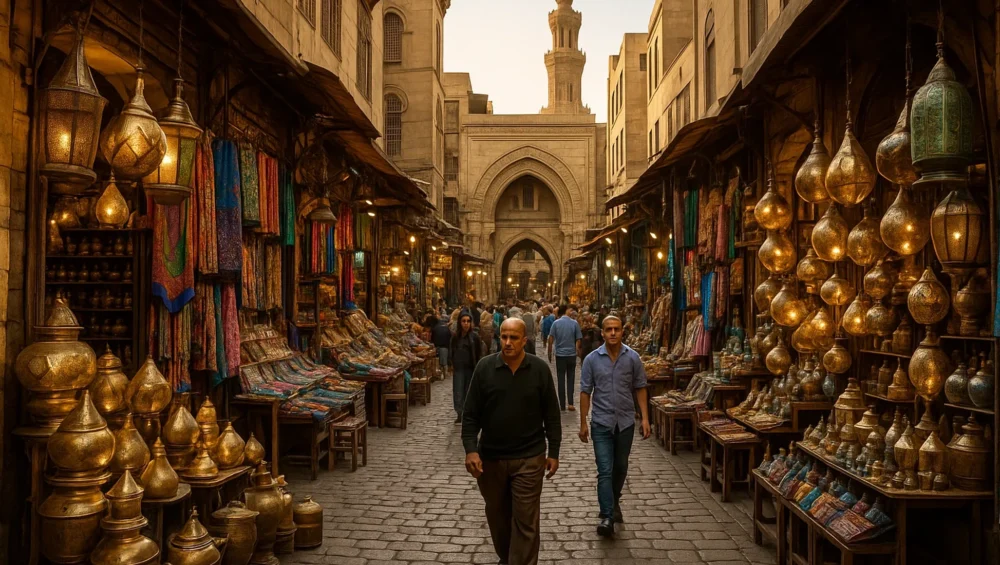
Khan Al-Khalili dates back to the 14th century, when it was established during the Mamluk era by Emir Djaharks el-Khalili. Originally conceived as a caravanserai—a roadside inn for traders and travelers—the bazaar quickly evolved into a thriving commercial hub. Over the centuries, it has survived plagues, political upheavals, and the relentless march of time, emerging as one of the most iconic and enduring markets in the Middle East. Walking through its labyrinthine alleys is like stepping back in time, with ancient stone archways and intricately carved wooden facades bearing silent witness to centuries of commerce and culture.

Architectural Marvels and Timeless Ambiance

The architecture of Khan Al-Khalili is a testament to Cairo’s rich history and diverse influences. The market’s narrow, winding streets are lined with medieval Islamic buildings, many adorned with ornate mashrabiya (latticework) windows and decorative motifs. The ambiance is enhanced by the interplay of sunlight and shadow, the hum of bargaining voices, and the intoxicating scents of spices and incense. As you explore, you’ll discover hidden courtyards, centuries-old mosques, and beautifully restored khans (inns) that provide a glimpse into Cairo’s illustrious past.

Shopping in Khan Al-Khalili: What to Buy

Khan Al-Khalili is a shopper’s paradise, offering an astonishing array of goods that reflect Egypt’s artistic heritage. Visitors can browse stalls brimming with hand-blown glass, intricate silverware, vibrant textiles, and traditional perfumes. Gold and silver jewelry, often crafted with ancient Pharaonic or Islamic designs, make for exquisite souvenirs. Don’t miss the stalls selling colorful ceramics, brass lanterns, and hand-painted papyrus. Bargaining is not just expected—it’s an essential part of the experience, so don’t hesitate to haggle for the best price.

Cafés and Culinary Delights

No visit to Khan Al-Khalili is complete without pausing at one of its legendary cafés. Perhaps the most famous is El Fishawy, an establishment that has welcomed poets, artists, and celebrities for over two centuries. Here, you can sip strong Egyptian coffee or sweet mint tea while watching the vibrant street life unfold around you. Many cafés serve traditional Egyptian snacks such as falafel, koshari, and baklava, providing a delicious respite from shopping. The atmosphere is always lively, with the sounds of clinking glasses, laughter, and the occasional strains of live oud music adding to the charm.

Meeting the Artisans: Craftsmanship and Heritage

One of the greatest joys of visiting Khan Al-Khalili is the opportunity to meet the artisans who keep Egypt’s traditional crafts alive. Many workshops are open to visitors, allowing you to observe master craftsmen at work—engraving brass, weaving carpets, or shaping delicate glassware. These artisans are often eager to share the stories behind their creations, offering insights into techniques passed down through generations. Purchasing directly from these workshops not only guarantees authenticity but also supports the preservation of Egypt’s intangible cultural heritage.

Nearby Attractions: Exploring Historic Cairo

Khan Al-Khalili is ideally situated in Islamic Cairo, a UNESCO World Heritage Site renowned for its wealth of historic monuments. Just a short walk from the bazaar, you’ll find the stunning Al-Hussein Mosque, one of Cairo’s most revered religious sites. The nearby Al-Azhar Mosque, founded in 970 AD, is a masterpiece of Islamic architecture and a center of religious scholarship. Wandering the surrounding streets reveals a treasure trove of medieval madrasas, sabils (public fountains), and mausoleums, making it easy to combine your shopping adventure with a journey through Cairo’s storied past.

Tips for Visiting Khan Al-Khalili

To make the most of your visit to Khan Al-Khalili, consider arriving early in the day or later in the evening, when the crowds are thinner and the atmosphere more relaxed. Wear comfortable shoes, as the cobblestone streets can be uneven, and be prepared for a sensory overload of sights, sounds, and smells. While the bazaar is generally safe, it’s wise to keep an eye on your belongings and be cautious of overly persistent touts. Don’t be shy about bargaining, but always do so with a smile—friendly negotiation is part of the local culture. Finally, take your time; the true magic of Khan Al-Khalili lies in its hidden corners and unexpected encounters.

Experiencing the Nightlife and Festivals

As the sun sets, Khan Al-Khalili takes on a different character. The market glows with the warm light of lanterns, and the energy intensifies as locals and tourists gather to enjoy the vibrant nightlife. Street performers, musicians, and storytellers bring the alleys to life, creating a festive atmosphere that continues late into the night. During religious festivals such as Ramadan, the bazaar becomes even more animated, with special decorations, extended hours, and communal feasts. These celebrations offer a unique opportunity to experience Egyptian hospitality and tradition at its most exuberant.

Souvenirs and Lasting Memories

Bringing home a piece of Khan Al-Khalili is a cherished tradition for many visitors. Whether it’s a handcrafted piece of jewelry, a bottle of exotic perfume, or a simple trinket, each souvenir carries with it the stories and spirit of Cairo. Take the time to chat with shopkeepers, learn about the origins of your purchases, and savor the memories of your time in this extraordinary bazaar. More than just a marketplace, Khan Al-Khalili is a living museum—a place where the past and present coexist in a vibrant celebration of Egyptian culture.

Frequently Asked Questions

What are the opening hours of Khan Al-Khalili?

Khan Al-Khalili is generally open from around 9:00 AM until well into the evening, with some shops and cafés staying open as late as midnight. Hours may vary during religious holidays or Ramadan, so it’s a good idea to check in advance if you have specific shops in mind.

Is it safe to visit Khan Al-Khalili?

Yes, Khan Al-Khalili is considered safe for tourists. However, as with any busy market, it’s important to stay aware of your surroundings, keep valuables secure, and be cautious of pickpockets. Most visits are trouble-free, and the area is well-patrolled by local authorities.

How do I get to Khan Al-Khalili?

Khan Al-Khalili is located in the heart of Islamic Cairo and is easily accessible by taxi, ride-sharing apps, or public transportation. The nearest metro station is Al-Azhar, and many hotels offer guided tours or shuttle services to the bazaar.

What should I wear when visiting Khan Al-Khalili?

Cairo is a cosmopolitan city, but it’s respectful to dress modestly, especially when visiting religious sites nearby. Lightweight, breathable clothing is recommended, along with comfortable shoes for walking the cobbled streets. A hat and sunscreen are also advisable, especially during the hotter months.

Can I use credit cards in Khan Al-Khalili?

While some larger shops and cafés accept credit cards, many vendors in Khan Al-Khalili prefer cash payments. It’s best to carry small denominations of Egyptian pounds for purchases and bargaining. ATMs are available in the vicinity for your convenience.

Are there guided tours available for Khan Al-Khalili?

Yes, many local tour operators offer guided walking tours of Khan Al-Khalili and the surrounding historic sites. A knowledgeable guide can enrich your experience by providing historical context, helping with bargaining, and introducing you to hidden gems within the bazaar.

The Egyptian Museum Cairo

The Egyptian Museum Of Cairo

The Egyptian Museum Of Cairo: A Complete Visitor’s Guide

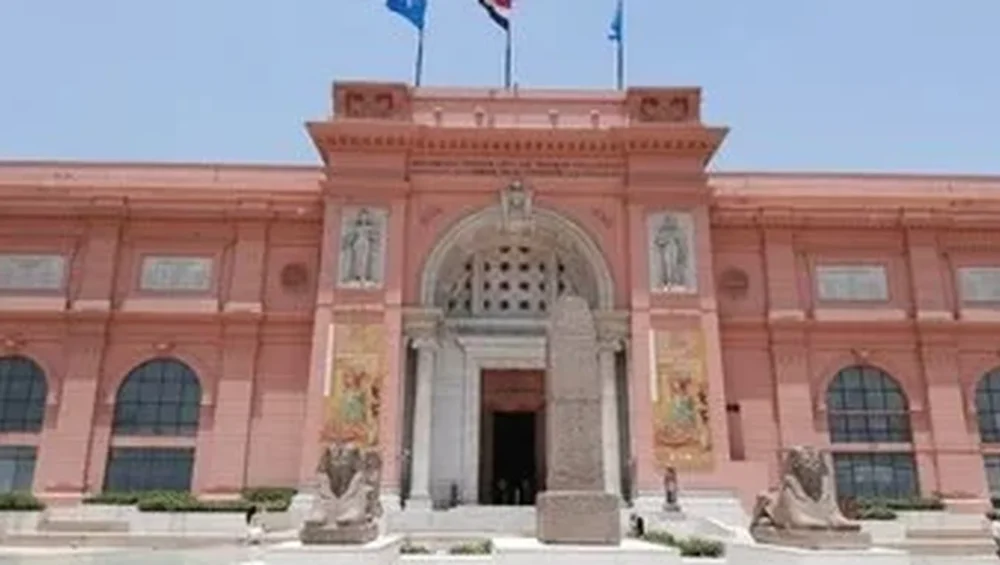
Standing as a monumental gateway to Egypt’s ancient past, the Egyptian Museum of Cairo is a treasure trove of antiquities, history, and mystery. Located in the heart of Egypt’s bustling capital, this world-renowned museum houses the largest collection of Pharaonic antiquities on the planet. From the glittering treasures of Tutankhamun to the everyday objects of ancient Egyptian life, the museum offers a mesmerizing journey through time. Whether you’re an avid historian, a casual traveler, or someone seeking to experience the wonders of the ancient world, the Egyptian Museum is an unmissable stop on any Cairo itinerary.

A Brief History of the Egyptian Museum

The Egyptian Museum of Cairo, also known as the Museum of Egyptian Antiquities, first opened its doors in 1902. Designed by French architect Marcel Dourgnon, the museum was established to house Egypt’s growing collection of ancient artifacts, which had previously been scattered across various locations. Today, the museum’s iconic neoclassical building stands on Tahrir Square, symbolizing Egypt’s commitment to preserving its rich heritage. Over the decades, the museum has survived wars, revolutions, and the test of time, continuing to attract millions of visitors from around the globe.

Unraveling the Treasures: What to See

Within its stately halls, the Egyptian Museum boasts over 120,000 artifacts, with thousands on display at any given time. Among its most famous exhibits is the golden funerary mask of Tutankhamun, a dazzling masterpiece that has become synonymous with ancient Egypt. The museum also features an impressive array of royal mummies, statues, jewelry, papyrus scrolls, and everyday items that shed light on Pharaonic life. Visitors can marvel at the intricate sarcophagi, the colossal statues of Ramses II, and the delicate artistry of ancient amulets and pottery. Each room tells a different story, offering endless opportunities for discovery and wonder.

The Royal Mummy Room: Meeting Egypt’s Ancient Kings and Queens

One of the most captivating experiences at the Egyptian Museum is the Royal Mummy Room, where visitors can come face-to-face with the preserved remains of Egypt’s most illustrious rulers. This dimly lit, climate-controlled chamber houses the mummies of legendary pharaohs such as Seti I, Ramses II, and Queen Hatshepsut. The room is both eerie and awe-inspiring, providing a unique glimpse into the ancient Egyptians’ beliefs about death and the afterlife. For many, standing before these ancient monarchs is a highlight of their visit, offering a tangible connection to the distant past.

Highlights of the Tutankhamun Collection

No visit to the Egyptian Museum would be complete without exploring the treasures of Tutankhamun. Discovered in 1922 by British archaeologist Howard Carter, the tomb of the boy king yielded a wealth of artifacts that have captivated the world for a century. The museum’s Tutankhamun galleries showcase his iconic golden mask, ornate throne, jewelry, chariots, and even his sandals. These objects not only reflect the opulence of the 18th Dynasty but also offer insights into the artistry, technology, and religious beliefs of the time. The sheer splendor of the collection makes it a must-see for anyone interested in ancient history.

Planning Your Visit: Practical Information

The Egyptian Museum is centrally located in Tahrir Square, making it easily accessible from most parts of Cairo. The museum is typically open daily from 9:00 AM to 5:00 PM, though hours may vary during holidays and Ramadan. Tickets can be purchased at the entrance, with separate fees for general admission and access to the Royal Mummy Room. Photography is permitted in most areas, but flash and tripods are not allowed. To make the most of your visit, consider hiring a licensed guide or joining a group tour, as the vastness of the collection can be overwhelming without expert insight.

Tips for Navigating the Museum

Given the sheer size and scope of the Egyptian Museum, planning your route in advance can help you make the most of your time. Start with the ground floor, which is organized chronologically, and then move to the upper floor, where thematic exhibitions such as the Tutankhamun galleries are located. Wear comfortable shoes, as you’ll be on your feet for several hours, and bring a bottle of water to stay hydrated. If you’re short on time, prioritize the must-see highlights, but if possible, allow at least half a day to fully appreciate the museum’s offerings.

Nearby Attractions and How to Get There

The Egyptian Museum’s central location makes it an ideal starting point for exploring Cairo’s other attractions. Tahrir Square itself is steeped in modern Egyptian history, while the nearby Nile River offers scenic boat rides and riverside dining. The museum is easily accessible by taxi, ride-sharing apps, and the Cairo Metro (Sadat Station). Visitors can also combine their museum trip with a visit to the nearby Islamic Cairo district, the historic Khan El Khalili bazaar, or the iconic Cairo Tower for panoramic city views. For those interested in further exploring Egypt’s ancient wonders, day trips to the Pyramids of Giza and Saqqara are readily available.

The Future of the Egyptian Museum: Grand Egyptian Museum

While the Egyptian Museum of Cairo remains a beloved institution, Egypt is preparing to open the Grand Egyptian Museum (GEM) near the Pyramids of Giza. The new museum will eventually house many of the artifacts currently displayed in Tahrir Square, including the entire Tutankhamun collection. However, the original Egyptian Museum will continue to play a vital role in Egypt’s cultural landscape, serving as a hub for research, education, and the preservation of national heritage. Visitors are encouraged to experience both museums for a comprehensive understanding of Egypt’s extraordinary past and dynamic present.

Frequently Asked Questions

What are the opening hours of the Egyptian Museum of Cairo?

The Egyptian Museum is generally open daily from 9:00 AM to 5:00 PM, though hours may change during public holidays and Ramadan. It’s best to check locally or on the museum’s official website for the most up-to-date information before your visit.

How much time should I allocate for a visit?

To fully appreciate the museum’s vast collection, plan to spend at least three to four hours. If you are particularly interested in ancient Egyptian history or wish to explore every gallery, consider dedicating a full day.

Is photography allowed inside the museum?

Photography is allowed in most areas of the Egyptian Museum, but the use of flash and tripods is prohibited. Some special exhibitions or rooms, like the Royal Mummy Room, may have additional restrictions.

Are guided tours available?

Yes, guided tours are available both through the museum and via independent tour operators. Hiring a knowledgeable guide can greatly enhance your understanding of the exhibits and the stories behind them.

What is the best way to get to the Egyptian Museum?

The museum is centrally located in Tahrir Square, easily reachable by taxi, ride-sharing apps, and the Cairo Metro (Sadat Station). Many hotels in Cairo also offer shuttle services or organized tours to the museum.

Will all artifacts be moved to the Grand Egyptian Museum?

While many artifacts, including the full Tutankhamun collection, will eventually be relocated to the Grand Egyptian Museum, the original Egyptian Museum in Tahrir Square will continue to display important pieces and serve as a cultural landmark.

Luxor day tour from Hurghada

Planning Your Perfect Luxor Day Trip from Hurghada:

Imagine yourself standing beneath the colossal statues of Ramesses II Luxor Temple, sunlight warming your skin as you whisper secrets to these timeless giants. Envision exploring the Valley of the Kings, footsteps echoing in the tombs of pharaohs, their stories whispering tales of grandeur and mystery. This, and much more, awaits on a day trip to Luxor from Hurghada, transforming your Red Sea vacation into an unforgettable journey through time. Buckle up, history buffs and adventure seekers, because were about to guide you through planning your perfect Luxor day trip from Hurghada!

Your Ultimate Guide to a Day Trip to Luxor from Hurghada: Unveiling Ancient Treasures

A Luxor day trip from Hurghada is like stepping into a living museum, packed with jaw-dropping temples, fascinating tombs, and hidden wonders whispering forgotten secrets. Our detailed guide will empower you to navigate this historical treasure trove, ensuring you experience it’s magic to the fullest. WE’ll cover everything from choosing the right tour option to maximizing your limited time and uncovering hidden gems beyond the usual tourist trail.

Transforming a Hurghada Holiday with a Luxor Day Trip: From Beaches to Pharaohs

Sun-kissed beaches and vibrant underwater worlds are just the beginning of your Hurghada adventure. A Luxor day trip adds a breathtaking dimension to your vacation, immersing you in the cradle of ancient Egyptian civilization. Imagine swapping swimming suits for comfortable walking shoes, trading the cool sea breeze for the desert wind, and exchanging vibrant coral reefs for the majestic Nile River flowing beside colossal temples. This day trip isn’t just a sightseeing adventure; it’s a transformation that will broaden your horizons and leave you with memories that last a lifetime.

Luxor day tour from Hurghada

Planning Your Perfect Luxor Day Trip from Hurghada: Customize Your Adventure

Every traveler has unique preferences. Some may dream of uncovering the mysteries of Karnak Temple, while others crave the thrill of exploring Tutankhamun’s tomb. Our guide empowers you to personalize your Luxor day trip from Hurghada. Choose from private tours with flexible itineraries, group tours offering budget-friendly options, or even consider a hot air balloon ride for a bird’s-eye view of Luxor’s grandeur. wether you’re a history buff, an adventure seeker, or simply curious about ancient Egypt, we’ll help you craft a Luxor day trip that exceeds your expectations.

Tips and Tricks for a Hassle-Free Day Trip from Hurghada: Maximize Your Time, Minimize the Stress

Don’t let logistics dampen your excitement! Our guide equips you with practical tips and tricks to ensure your Luxor day trip from Hurghada is smooth sailing. From packing essentials to navigating transportation options, we’ll cover everything you need to know. Learn how to avoid crowds, discover hidden gems beyond the usual tourist hotspots, and make the most of your limited time in this ancient city. Embrace the adventure with confidence, knowing we’ve got your back with expert advice for a stress-free experience.

Discover Luxor’s Ancient Mysteries on a Day Trip form Hurghada: Unveiling Timeless Wonders

Prepare to be mesmerized by the Valley of the Kings, where pharaohs rest in their magnificent tombs adorned with colorful murals. Stand in awe before the towering columns of Karnak Temple, a testament to the power of the god Amun-Ra. Delve into the hidden chambers of Hatshepsut’s Temple, marveling at its intricate reliefs and breathtaking views. Your expert guide will bring these ancient wonders to life, deciphering hieroglyphs, sharing captivating stories, and igniting your imagination with tales of pharaohs, gods, and the mysteries of the afterlife.

Ready to embark on your own unforgettable Luxor day trip from Hurghada? Book your adventure with Cindrella Travel Agency and experience the magic firsthand. Our experienced guides, comfortable transportation, and personalized itineraries ensure a seamless and and enriching journey. Start planning your adventure today and unlock the secrets of Luxor’s ancient wonders!

Dahabiya Nile Cruise

A Luxurious Expedition on a Dahabiya Cruise

Embark on a journey of elegance and serenity with a luxurious expedition on a Dahabiya Nile Cruise. Picture yourself gliding through the tranquil waters of the Nile, enveloped in the lap of luxury, with the ancient wonders of Egypt unfolding before your eyes. This article will take you through the heart of the Dahabiya experience, showcasing why this is not just a trip, but a passage through history, comfort, and unrivaled luxury.

The Essence of Luxury: Decoding the Dahabiya Nile Cruise Experience

This section will delve into what sets the Dahabiya Nile Cruise apart in the realm of luxury travel. From personalized services to the exquisite design of the boats, explore how these cruises redefine luxury on the Nile.

Relaxation and Recreation: Unwinding on Your Luxurious Dahabiya Adventure

Here, focus on the leisure and relaxation opportunities available on a Dahabiya cruise. Highlight the serene environment, spa treatments, yoga sessions, and the chance to relax on the sun deck, offering a perfect blend of adventure and tranquility.

Historical Wonders: Uncovering Ancient Egypt Aboard a Dahabiya

Discuss the historical and cultural richness of the destinations visited during the cruise, such as Luxor, Aswan, and the temples along the Nile. Emphasize how the Dahabiya offers an intimate way to experience these ancient wonders.

Dahabiya Nile Cruise

Nile in Comfort: The Luxurious Amenities and Services on a Dahabiya Cruise

Detail the luxurious amenities and services that make the Dahabiya Nile Cruise a top choice for discerning travelers. From gourmet dining to opulent cabins, showcase how these cruises cater to every comfort.

Exclusive Insights: The Best of Aswan to Luxor on a Dahabiya Journey

Offer an exclusive insight into what a journey from Aswan to Luxor on a Dahabiya entails. Highlight the unique experiences, exclusive access to less-crowded sites, and the personalized touch that makes this route special.

Conclude by reaffirming the unparalleled experience offered by a Dahabiya Nile Cruise. Encourage readers to embark on this journey of luxury, history, and relaxation, where they can create their own timeless memories along the banks of the Nile.

Remember to maintain an excited tone throughout the article, weaving in the keywords naturally to optimize for search engines. Each section should vividly describe the experiences, making the reader feel as if they are already aboard a Dahabiya, journeying through the heart of Egypt.