The Avenue Of Sphinxes

The Avenue of Sphinxes: Egypt’s Sacred Road Reborn in Glory

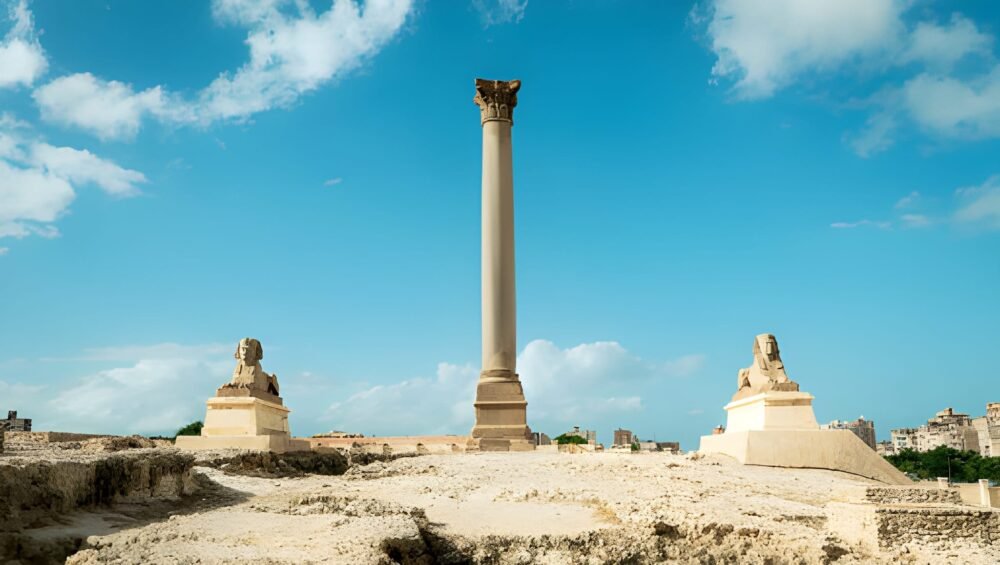
The Avenue of Sphinxes, also known as El Kebbash Road, stands as a mesmerizing path of divine history connecting two of the most iconic temples of Luxor – the Luxor Temple and the Karnak Temple Complex. Stretching for nearly three kilometers, this splendid processional road once served as a sacred ceremonial route for the opulent Opet Festival, where priests, musicians, and dancers carried the god Amun on a grand procession from Karnak to Luxor. Recently restored to its former grandeur, the Avenue of Sphinxes has reemerged as one of the world’s most remarkable archaeological achievements, drawing travelers, historians, and dreamers to its timeless stone corridors.
Read More “The Avenue Of Sphinxes”

Luxor Museum

Luxor Museum: Exploring the Treasure Trove of Ancient Egyptian Artistry

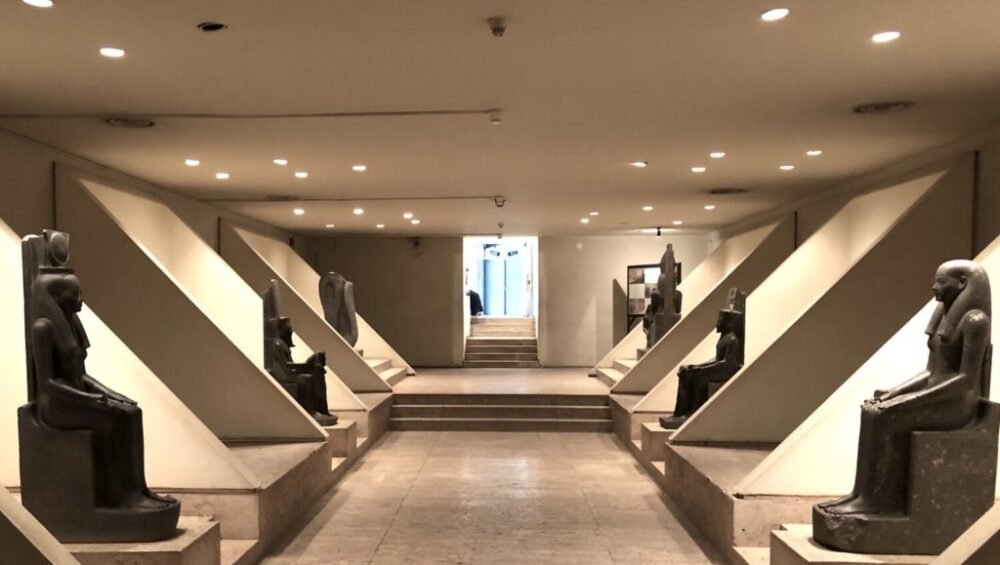
Luxor Museum isn’t just another stop on Egypt’s historical map — it’s a vivid narrative carved in stone, bronze, and gold. Nestled on the East Bank of the Nile in Luxor, this museum stands as a remarkable bridge between the glorious past and modern Egypt. With its minimalist architecture, skillful lighting, and immaculate curation, Luxor Museum delivers an experience that sweeps visitors back into the splendor of ancient Thebes. Every hall, every statue, every artifact tells a tale of gods, kings, and artisans whose legacy still shapes our image of ancient civilization. From colossal sculptures to delicate jewelry, each piece inside the museum echoes the sophistication of a culture that defined eternity.

Read More “Luxor Museum”

The Temple Of Seti

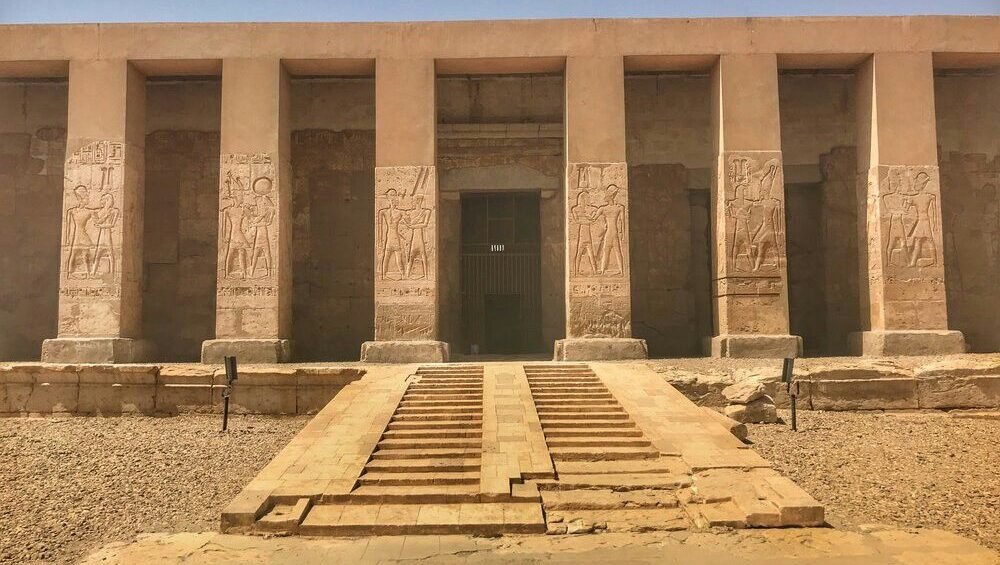
The Temple of Seti in Abydos: A Timeless Masterpiece of Ancient Egyptian Art and Faith

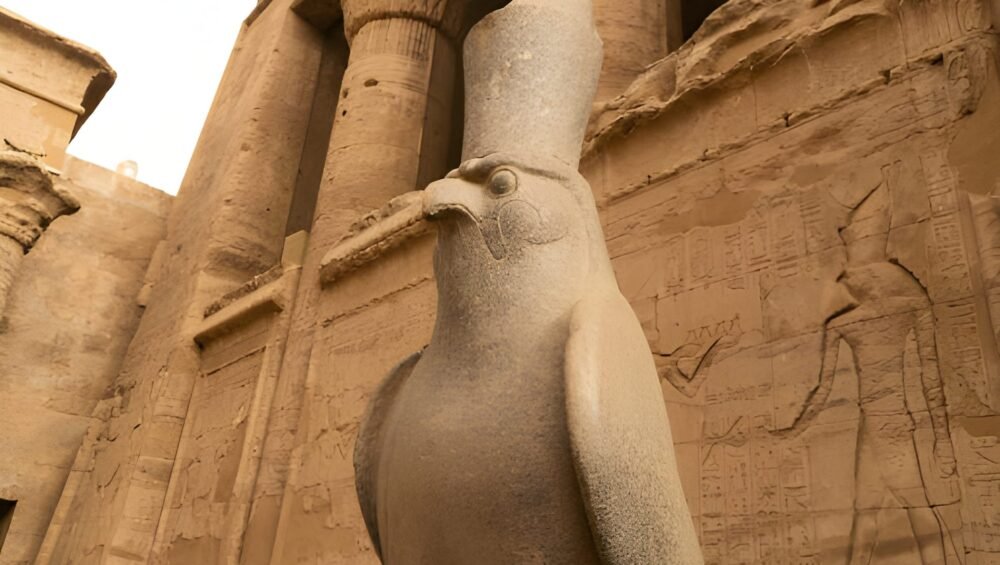
Nestled in the sacred city of Abydos, the Temple of Seti I stands as one of the most captivating testaments to Egypt’s architectural brilliance and spiritual legacy. This ancient temple, dedicated to Osiris — god of the afterlife — as well as the deified pharaoh himself, offers a fascinating glimpse into the religious devotion and artistry of the New Kingdom. Constructed during the reign of Pharaoh Seti I of the 19th Dynasty, around 1290–1279 BCE, this monumental sanctuary radiates divine order and cosmic symbolism. Its exquisite bas-reliefs, mystical alignment, and symbolic layout make it one of Egypt’s most breathtaking sites for travelers and historians alike.

Read More “The Temple Of Seti”

Tomb Of Ramses VI

The Tomb of Ramses VI – A Magnificent Masterpiece of the Valley of the Kings

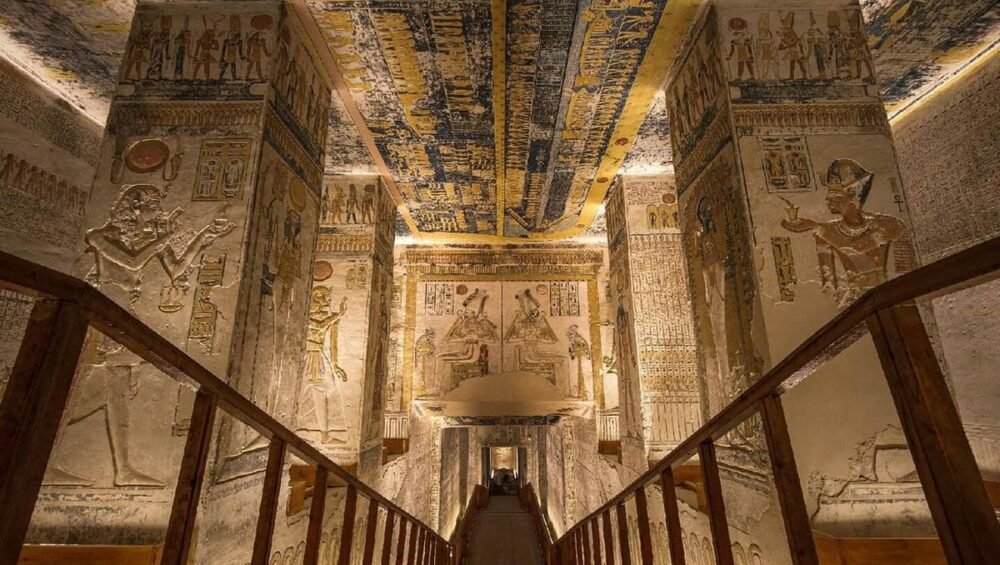
In the sunbaked cliffs of Luxor’s West Bank lies a marvel that epitomizes the grandeur of ancient Egyptian art and belief—the Tomb of Ramses VI. This burial chamber, officially designated as KV9, remains one of the most visited and well-preserved sites in the Valley of the Queens. Originally begun for Pharaoh Ramses V and later usurped and extended by his successor Ramses VI, this tomb offers a remarkable glimpse into the New Kingdom’s religious concepts, cosmology, and artistry. Every inch of its walls and ceilings is a vibrant canvas depicting celestial journeys, divine battles, and eternal rebirth. Visitors stand in awe before the incredible detail that still glows after more than three millennia—proof of ancient Egypt’s unmatched craftsmanship and devotion.

Read More “Tomb Of Ramses VI”

Tomb Of Nefertari

Tomb Of Nefertari

Tomb of Nefertari: A Glimpse into the Eternal Beauty of Ancient Egypt’s Most Exquisite Queenly Resting Place

Hidden deep within the Valley of the Queens in Luxor, the Tomb of Nefertari, also known as QV66, is one of ancient Egypt’s most breathtaking treasures. It’s a masterpiece of art, color, and devotion that celebrates the life and afterlife of Queen Nefertari, the beloved wife of Pharaoh Ramses II. Often referred to as the “Sistine Chapel of Ancient Egypt,” this tomb is a symbol of love and divine craftsmanship that continues to dazzle archaeologists, historians, and travelers alike. Built more than 3,200 years ago, every brushstroke within its chambers whispers tales of eternal love, artistic brilliance, and powerful queenship.

Read More “Tomb Of Nefertari”

Valley Of The Queens

Valley of the Queens: The Eternal Resting Place of Egypt’s Royal Women

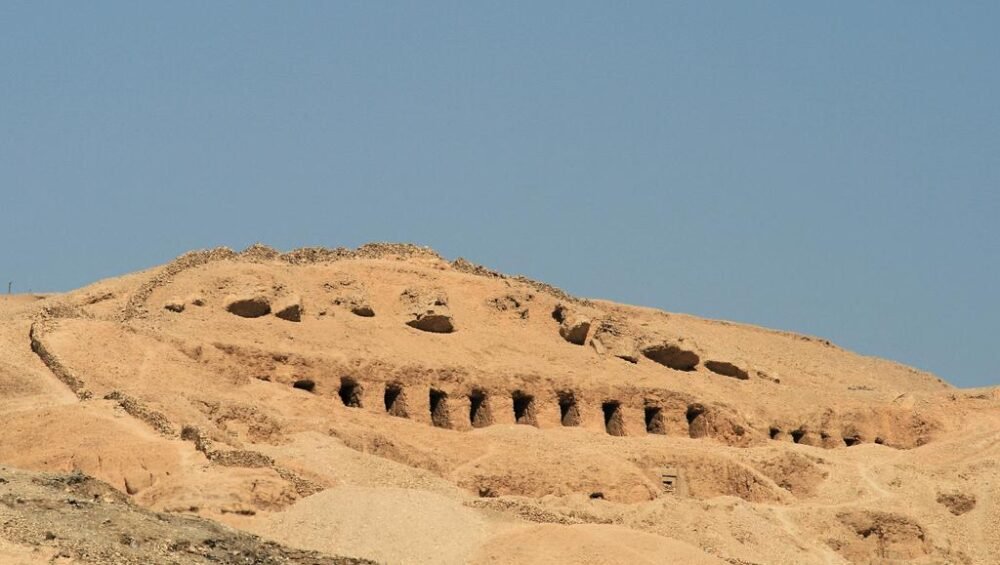
Hidden in the shadow of the Theban cliffs on the west bank of the Nile near modern-day Luxor, the Valley of the Queens stands as a timeless sanctuary dedicated to the wives, daughters, and sons of ancient Egypt’s most powerful rulers. Known in ancient Egyptian as ‘Ta-Set-Neferu,’ meaning ‘the Place of Beauty,’ this sacred valley captures the essence of divine femininity and royal elegance. It’s more than just a burial ground—it’s a canvas illustrating the beliefs, artistry, and traditions of the New Kingdom. Every curve of the intricate hieroglyphs, every hue in the preserved frescoes, and every chamber carved into stone whispers stories about the afterlife and the gods who guarded it. The Valley of the Queens, although overshadowed by the more famous Valley of the Kings, commands its own reverent allure. The tombs here, especially the famed Tomb of Nefertari, are among the most exquisite ever created in ancient Egypt. For history enthusiasts and archaeologists, this valley provides a vivid window into the heart of Egypt’s 19th and 20th Dynasties. From the legends of Queen Nefertari, beloved wife of Ramses II, to the lesser-known princesses resting in painted silence, the Valley of the Queens is a poetic masterpiece of devotion, power, and eternity.

Read More “Valley Of The Queens”

Habu Temple

The Majestic Habu Temple: A Testament to Ancient Egyptian Grandeur

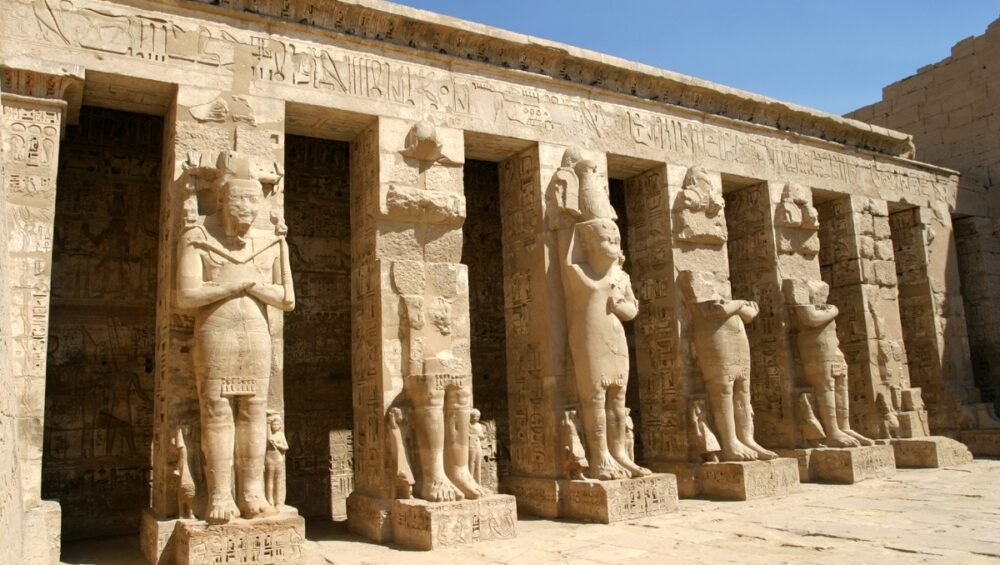
On the west bank of Luxor stands the awe-inspiring Habu Temple, officially known as the Mortuary Temple of Ramesses III. This architectural marvel serves as both a symbol of divine power and a glimpse into the glory days of ancient Thebes. For centuries, its walls have whispered stories of conquests, religious rituals, and daily life under one of Egypt’s greatest pharaohs. Habu Temple isn’t just another archaeological site; it’s a monumental book written in stone—a chronicle carved in hieroglyphs celebrating the eternal might of Ramesses III. Every inch breathes history, from its towering pylons to its detailed reliefs that depict epic battles against foreign invaders. The sheer scale and artistry here make visitors stop mid-step in absolute awe.

Read More “Habu Temple”

Temple Of Hatshepsut

Temple of Hatshepsut: The Timeless Masterpiece of Ancient Egyptian Architecture

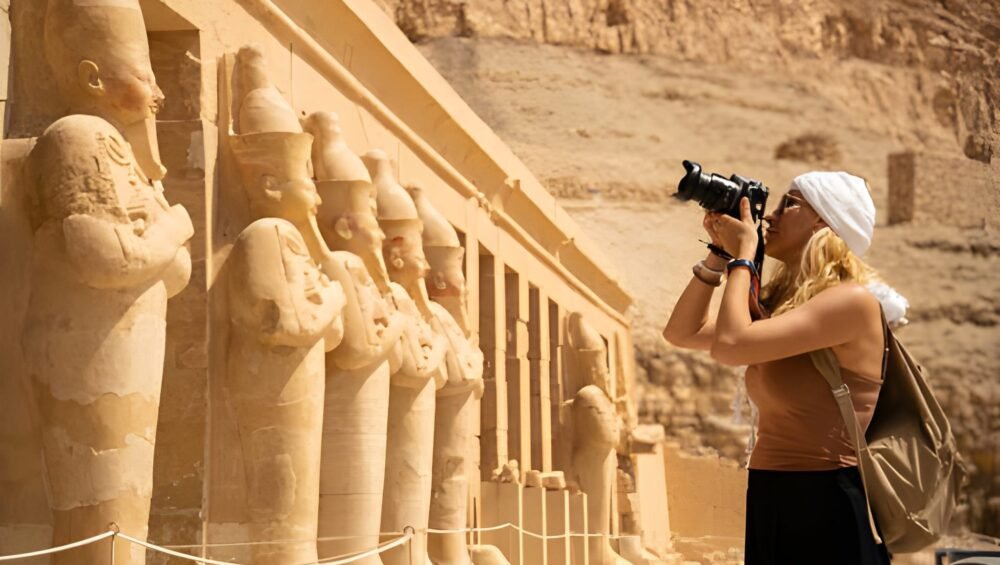
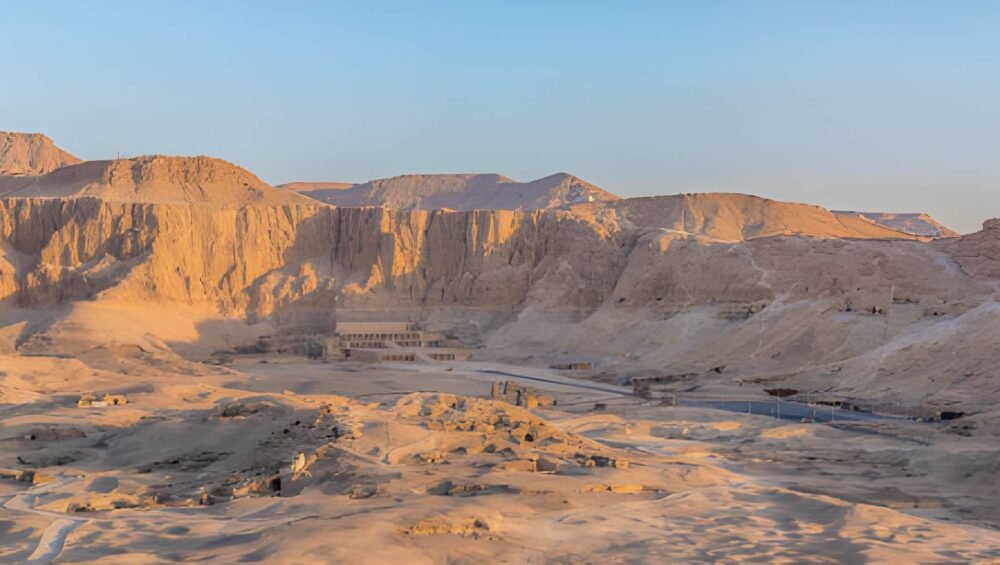
Resting majestically against the rugged cliffs of Deir el-Bahari, the Temple of Hatshepsut is more than an architectural wonder—it’s a statement of power, devotion, and divine legitimacy. This ancient mortuary temple, built during Egypt’s 18th Dynasty, stands as a breathtaking tribute to Pharaoh Hatshepsut, one of the most remarkable and controversial women to rule ancient Egypt. The temple’s bold terraces, symmetrical lines, and awe-inspiring reliefs make it one of Luxor’s most iconic attractions, drawing travelers, historians, and architects from around the globe. The Temple of Hatshepsut isn’t merely a structure; it’s an experience that immerses visitors in the glorious age of pharaohs and gods.

Read More “Temple Of Hatshepsut”

Colossi Of Memnon

Colossi of Memnon: Eternal Sentinels of Ancient Thebes

The Colossi of Memnon stand tall and unyielding under the blazing Egyptian sun, commanding reverence from all who visit the Theban Necropolis on Luxor’s West Bank. These two colossal statues, weathered yet majestic, echo the grandeur of the Pharaoh Amenhotep III, one of ancient Egypt’s greatest rulers. Crafted around 1350 BCE, they were erected to guard the entrance of the magnificent mortuary temple of Amenhotep III—a structure once considered among the largest ever built in Egypt. Today, the temple’s ruins stretch silently across the sands, while these stone giants continue to mesmerize travelers, historians, and archaeologists alike.

Read More “Colossi Of Memnon”

Luxor Temple

Luxor Temple: The Timeless Jewel of Ancient Thebes

On the east bank of the Nile River in the heart of modern-day Luxor stands a spectacle that has mesmerized humanity for more than three millennia — Luxor Temple. This colossal architectural masterpiece, once called ‘Ipet Resyt’ or ‘The Southern Sanctuary,’ encapsulates ancient Egypt’s divine grandeur and political might. Commissioned primarily by Pharaoh Amenhotep III during the 14th century BC and later expanded by Ramses II, Luxor Temple was not just a monument but a living stage for sacred ceremonies uniting gods and kings. Its towering pylons, graceful colonnades, and intricate hieroglyphs beam with stories of devotion, power, and celestial harmony.

Read More “Luxor Temple”