How To Avoid Tourist Scams In Khan Al-Khalili
To avoid tourist scams in Khan Al-Khalili, stay alert to common tricks like inflated prices, persistent touts, and counterfeit goods. Always agree on prices before buying or accepting services, use official guides, and be cautious with unsolicited offers. Trust your instincts and politely decline anything that feels suspicious.
Key Takeaways
- Khan Al-Khalili is a vibrant bazaar in Cairo known for both authentic crafts and persistent scams targeting tourists.
- Always negotiate prices before purchasing and avoid accepting unsolicited help from strangers.
- Official guides and reputable tours offer safer, more informed experiences.
- Counterfeit goods and fake antiques are common; verify authenticity before buying.
- Keep cash secure and be wary of distraction tactics used by pickpockets and touts.
Understanding Khan Al-Khalili: Cairo’s Historic Bazaar
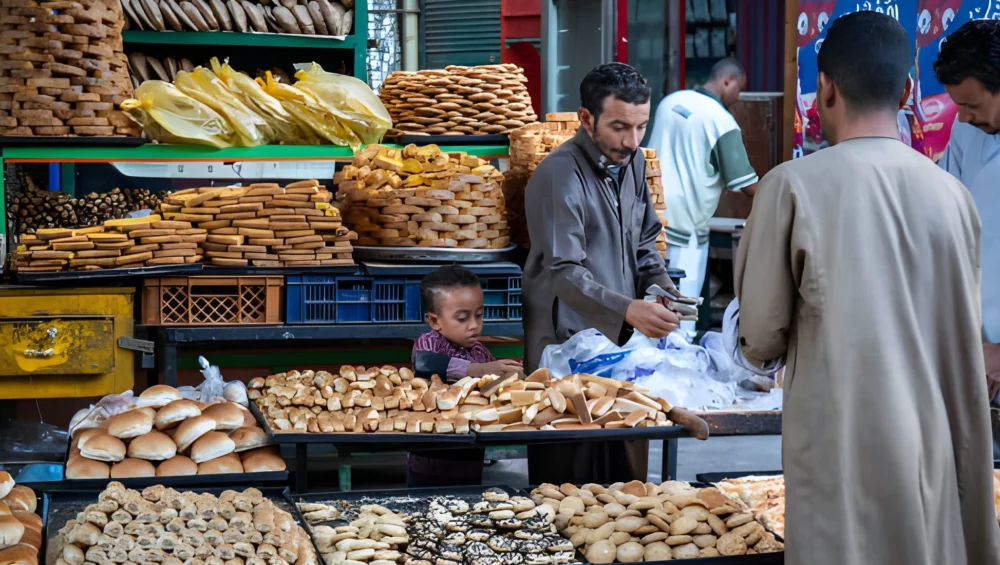
Khan Al-Khalili is one of Cairo’s oldest and most famous markets, dating back to the 14th century. It is a labyrinth of narrow alleys filled with shops selling spices, jewelry, perfumes, textiles, and souvenirs. The bazaar is both a cultural treasure and a bustling commercial hub, attracting locals and tourists alike. Its vibrant atmosphere is part of its charm, but it also creates opportunities for scammers to target unsuspecting visitors. Navigating Khan Al-Khalili requires a blend of curiosity and caution, especially for first-time travelers.
For those interested in the intersection of history and mystery in Egypt, the story of The Sabu Disk offers a fascinating glimpse into ancient Egyptian artifacts and their enduring allure.
Recognizing Common Scams in Khan Al-Khalili
Visitors to Khan Al-Khalili often encounter a range of scams designed to part them from their money. The most prevalent include overcharging, especially for tourists unfamiliar with local prices. Some vendors may quote prices several times higher than what locals pay, expecting tourists to bargain but still walk away paying more. “Friendly” locals may offer unsolicited assistance, only to demand a tip or commission after guiding you to a shop or stall. Another frequent scam involves counterfeit goods, particularly when it comes to gold, silver, or antiques. Always verify the authenticity of high-value items and avoid purchasing from shops that seem overly eager or insistent.
For those planning a broader itinerary, consider the 3 Day Cairo and Luxor by round trip flight package to experience Egypt’s highlights with the guidance of reputable professionals, minimizing the risk of falling victim to scams.
Negotiation and Bargaining: How to Pay a Fair Price
Bargaining is an integral part of shopping in Khan Al-Khalili, but it can also be a minefield for those unfamiliar with local customs. Vendors expect customers to haggle, and initial prices are often set high in anticipation. Start by offering half or even a third of the quoted price and negotiate upwards. Stay polite and be prepared to walk away if the price doesn’t feel right—this often prompts a better offer. Never feel pressured to buy, and avoid showing too much enthusiasm for any item, as this can make bargaining more difficult. If possible, observe locals as they negotiate to get a sense of the real value of goods.
Learning about local customs and rights, especially for women travelers, can be empowering. The article on Women’s Rights In Egypt provides valuable context for understanding social dynamics in Egyptian markets and beyond.
Spotting Authentic Products vs. Counterfeits
Khan Al-Khalili is famous for its crafts, but not everything on display is genuine. Counterfeit perfumes, fake papyrus, and imitation gold and silver are common. When shopping for jewelry, look for official stamps indicating authenticity, and ask for certificates when purchasing high-value items. For antiques, be wary of vendors who cannot provide provenance or seem evasive about the origins of their wares. Genuine Egyptian crafts are typically made by hand and may show slight imperfections, unlike mass-produced fakes. Trust your instincts and avoid deals that seem too good to be true.
If you’re interested in experiencing Egypt’s rich traditions during special times, exploring Christmas In Egypt can offer insights into unique seasonal products and celebrations found in Cairo’s markets.
Dealing with Touts and Unofficial Guides
Touts and unofficial guides are a common presence in Khan Al-Khalili, often approaching tourists with offers to show “hidden gems” or help with bargaining. While some may be genuinely helpful, many are motivated by commissions or tips, and their advice may not always be in your best interest. Politely decline unsolicited offers and insist on using official guides arranged through your hotel or a licensed tour company. If you feel uncomfortable or pressured, do not hesitate to walk away or seek assistance from nearby shopkeepers or police, who are usually present in the area to ensure tourist safety.
For a more structured experience that reduces the risk of scams, booking a reputable Nile cruise such as the Farida Nile Cruise provides guided excursions and expert local knowledge, ensuring a safer and more enjoyable visit to Egypt’s top attractions.
Money Matters: Handling Payments and Avoiding Overcharging
Cash is the primary mode of payment in Khan Al-Khalili, but handling money requires care. Always carry small denominations to avoid issues with change and never flash large amounts of cash in public. Be wary of vendors who claim they don’t have change, as this can be a tactic to keep the difference. When paying, count your money carefully and confirm the price agreed upon before handing over cash. Some shops may accept credit cards, but it’s safer to use cash to avoid card skimming or additional “service charges” that are sometimes added for tourists. If you’re unsure about the legitimacy of a shop or vendor, move on to another.
Exploring beyond Cairo? A Day Trip to Abu Simbel from Aswan by coach is an excellent way to experience other iconic Egyptian sites with the security of organized travel, reducing the risks associated with independent shopping and transactions.
Personal Safety and Avoiding Pickpockets
The crowded alleys of Khan Al-Khalili are prime territory for pickpockets. Keep your valuables secure and avoid carrying passports or large sums of money. Use a money belt or a cross-body bag with zippers, and stay alert, especially in busy areas or when distracted by street performers or vendors. Be cautious if someone “accidentally” bumps into you, as this is a common distraction technique. If you need to check your wallet or phone, do so discreetly and away from crowds. Staying aware of your surroundings and maintaining a confident demeanor can deter would-be thieves.
Respectful Interactions: Cultural Sensitivity and Local Etiquette
Respecting local customs and etiquette not only enhances your experience in Khan Al-Khalili but also helps you avoid misunderstandings that scammers may exploit. Dress modestly, greet shopkeepers politely, and avoid aggressive bargaining or confrontational behavior. Egyptians are known for their hospitality, and building rapport with vendors can lead to better deals and genuine connections. If you are unsure about a custom or phrase, don’t hesitate to ask, as most locals appreciate respectful curiosity. Understanding the cultural context can help you distinguish between genuine offers of help and those with ulterior motives.
When and How to Visit: Timing and Practical Tips
Khan Al-Khalili is busiest in the late afternoon and evening, but visiting earlier in the day can provide a more relaxed experience with fewer crowds and less aggressive sales tactics. Weekdays are generally quieter than weekends. If possible, go with a group or join a guided tour to enhance safety and gain deeper insights into the market’s history and offerings. Remember that official fees and opening hours for Egyptian monuments and museums are revised periodically, so always check the latest information before your visit. Staying informed and prepared is the best defense against scams and ensures a memorable experience in Cairo’s most iconic bazaar.
Frequently Asked Questions
-
What are the most common scams in Khan Al-Khalili?
The most common scams include inflated prices for tourists, counterfeit goods, persistent touts offering unsolicited help, and fake antiques. Always negotiate prices, verify authenticity, and decline offers that feel suspicious.
-
How can I tell if a product is genuine or fake?
Check for official stamps or certificates, especially for gold, silver, and antiques. Genuine crafts are usually handmade with slight imperfections. Avoid deals that seem too good to be true and buy from reputable shops.
-
Is it safe to use credit cards in Khan Al-Khalili?
Cash is preferred in most shops, but some may accept credit cards. To avoid card skimming or hidden fees, it’s safer to use cash and carry small denominations for easier transactions.
-
Should I use a guide when visiting Khan Al-Khalili?
Using an official guide or joining a reputable tour can enhance your experience and reduce the risk of scams. Avoid accepting help from unofficial guides or touts who approach you on the street.
-
What should I do if I am approached by a persistent tout?
Politely decline their offers and walk away. If you feel uncomfortable, seek assistance from nearby shopkeepers or police, who are present in the area to help tourists.
-
Are there special considerations for solo or female travelers?
Solo and female travelers should remain alert, dress modestly, and avoid isolated areas. Understanding local customs and rights, as discussed in resources about women’s rights in Egypt, can help ensure a safer visit.