The Valley Of The Kings: Egypt’s Timeless Necropolis
Hidden beneath the arid cliffs of the West Bank of the Nile, across from the ancient city of Luxor, lies one of the world’s most captivating archaeological sites: the Valley of the Kings. This sprawling necropolis, shrouded in myth and mystery, has fascinated travelers, historians, and adventurers for centuries. As the eternal resting place of Egypt’s greatest pharaohs, including the legendary Tutankhamun, the Valley of the Kings offers a mesmerizing journey through the heart of ancient Egyptian civilization. Whether you’re a history enthusiast, an intrepid explorer, or a casual visitor, this UNESCO World Heritage Site promises an unforgettable experience steeped in grandeur and intrigue.
The Historical Significance of the Valley of the Kings
The Valley of the Kings, known in Arabic as Wadi el-Muluk, served as the principal burial ground for Egypt’s New Kingdom rulers from the 16th to the 11th century BCE. Over 60 tombs have been discovered here, belonging not only to pharaohs but also to powerful nobles and royal family members. The site was chosen for its secluded location and natural protection against tomb robbers, although history shows that many tombs were still looted in antiquity. The valley reflects the ancient Egyptians’ beliefs in the afterlife and the lengths to which they went to ensure their rulers’ journey into eternity was secured.
Architectural Marvels and Tomb Design
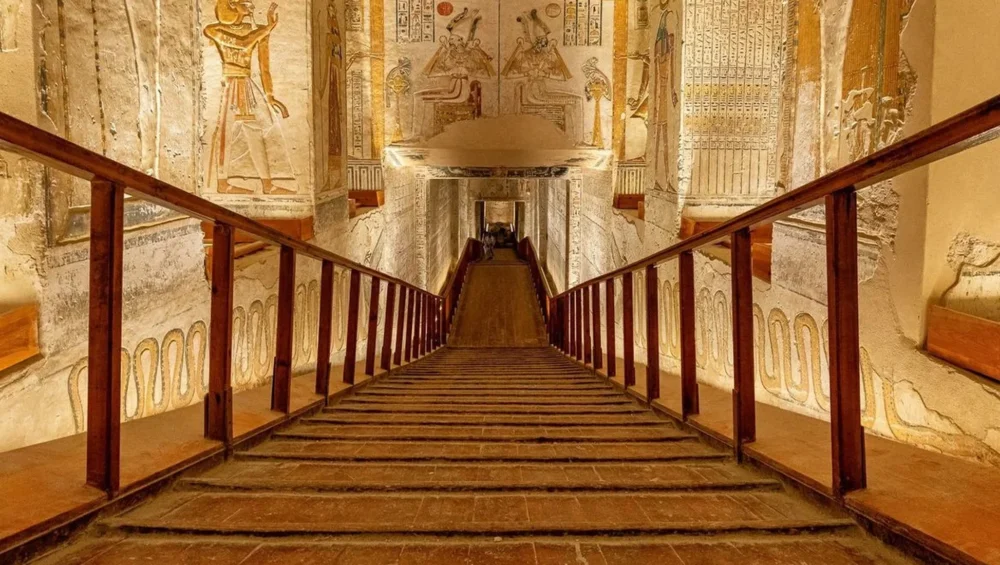
The tombs within the Valley of the Kings are masterpieces of ancient engineering and artistry. Unlike the iconic pyramids of Giza, these tombs are cut deep into the limestone cliffs, with winding corridors, chambers, and intricate layouts. The designs evolved over time, from simple shafts to elaborate, multi-roomed complexes adorned with vivid wall paintings and inscriptions. These decorations depict scenes from the Book of the Dead and other funerary texts, intended to guide the deceased through the underworld. The craftsmanship evident in these tombs is a testament to the skill and devotion of the ancient Egyptian artisans.
The Discovery of Tutankhamun’s Tomb
No discussion of the Valley of the Kings is complete without mentioning the discovery of Tutankhamun’s tomb (KV62). In 1922, British archaeologist Howard Carter uncovered the nearly intact tomb of the boy king, a find that electrified the world. The treasures within—golden coffins, jewelry, chariots, and the iconic funerary mask—offered an unprecedented glimpse into the wealth and artistry of ancient Egypt. Today, many of these treasures are housed in the Egyptian Museum in Cairo, but the tomb itself remains a highlight for visitors to the valley, drawing thousands each year who wish to walk in Carter’s footsteps.
Planning Your Visit: Practical Information
Visiting the Valley of the Kings requires some planning to make the most of your experience. The site is located about 25 kilometers from Luxor, easily accessible by taxi, tour bus, or even bicycle for the adventurous. The visitor center at the entrance provides maps, information, and tickets, which typically include access to three tombs, with additional tickets required for special tombs such as those of Tutankhamun, Seti I, and Ramses VI. The site opens early in the morning, and visiting during the cooler hours is advisable, especially during the summer months when temperatures soar. Comfortable footwear, sunscreen, and plenty of water are essential for exploring the valley’s rugged terrain.
Must-See Tombs in the Valley
While it’s impossible to visit every tomb in a single trip, there are several standouts that should not be missed. The tomb of Ramses VI (KV9) is renowned for its dazzling ceiling paintings depicting the Book of the Day and Night. The tomb of Seti I (KV17) is the longest and one of the most beautifully decorated, though access is limited and requires a special ticket. The tomb of Merenptah (KV8) and the tomb of Ramses III (KV11) also offer stunning artwork and insight into royal burial practices. Each tomb presents a unique narrative and artistic style, reflecting the personality and era of its occupant.
The West Bank: Beyond the Valley
The Valley of the Kings is just one of many remarkable sites on Luxor’s West Bank. Nearby, visitors can explore the Valley of the Queens, where royal wives and children were interred, and the mortuary temples of Hatshepsut and Ramses III, which rise majestically against the desert backdrop. The Colossi of Memnon, two towering statues that once guarded the entrance to Amenhotep III’s mortuary temple, are another must-see. These sites collectively offer a broader understanding of ancient Egyptian funerary culture and the enduring legacy of Thebes as a center of power and religion.
Preservation Efforts and Responsible Tourism
Preserving the Valley of the Kings for future generations is a constant challenge. The influx of visitors, combined with natural factors such as humidity and flash floods, threatens the delicate wall paintings and structural integrity of the tombs. The Egyptian authorities, in partnership with international organizations, have implemented conservation measures including controlled access, improved ventilation, and ongoing restoration projects. As a visitor, you can contribute to preservation efforts by following site rules, refraining from touching walls or artifacts, and respecting restricted areas. Responsible tourism ensures that this priceless heritage remains intact for centuries to come.
Experiencing the Magic: Tips for an Unforgettable Visit
To truly appreciate the Valley of the Kings, consider hiring a knowledgeable local guide who can bring the stories and symbolism of the tombs to life. Early morning visits offer cooler temperatures and fewer crowds, allowing for a more contemplative experience. Photography is permitted in most tombs with the purchase of a camera ticket, but flash is strictly prohibited to protect the artwork. Take time to absorb the atmosphere—standing in the silent corridors, surrounded by ancient hieroglyphics, is a humbling reminder of the passage of time and the enduring allure of the pharaohs’ legacy. Don’t forget to explore the surrounding desert landscape, where the stark beauty of the cliffs and valleys adds to the site’s mystical appeal.
Frequently Asked Questions
What is the best time of year to visit the Valley of the Kings?
The ideal time to visit is during the cooler months from October to April, when temperatures are more comfortable for exploring. Early mornings are also recommended to avoid crowds and intense midday heat.
How many tombs are open to the public?
Out of over 60 tombs discovered in the Valley of the Kings, usually around 8–10 are open to visitors at any given time. The selection rotates to help preserve the tombs, and special tickets are required for some of the most famous ones, such as Tutankhamun’s.
Is photography allowed inside the tombs?
Photography is permitted in most tombs with the purchase of a camera ticket, but the use of flash is strictly prohibited to protect the ancient wall paintings. Check at the entrance for current regulations as they may change.
How much time should I allocate for a visit?
Plan to spend at least half a day exploring the Valley of the Kings, especially if you wish to visit several tombs and the nearby attractions on the West Bank. Guided tours typically last 3–4 hours.
Are there facilities available at the site?
The Valley of the Kings has a visitor center with restrooms, a small café, and a gift shop. However, amenities are limited, so bring essentials like water, snacks, and sun protection.
Can children visit the Valley of the Kings?
Yes, children are welcome, but keep in mind that the terrain can be challenging and the heat intense, especially in summer. Supervision is important, and it’s a good idea to prepare children for the historical and cultural significance of the site.