
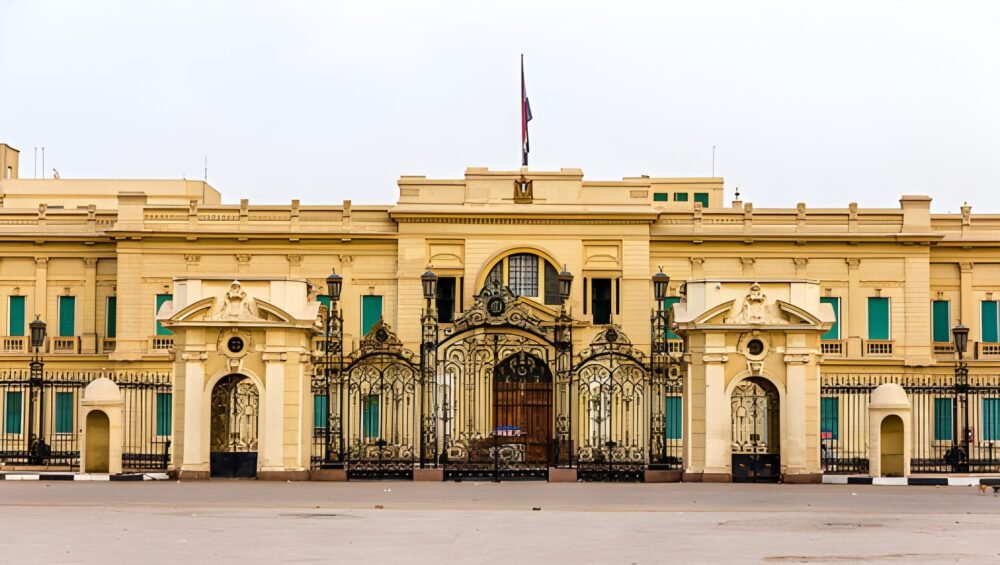
Majestic Palaces of Egypt: Timeless Symbols of Royal Luxury and Architectural Genius
Steeped in grandeur, the palaces of Egypt whisper stories of emperors, queens, and dynasties whose influence still ripples through time. Beyond the golden sands and towering pyramids, these regal residences represent the artistic brilliance and power of an ancient civilization. Each Egyptian palace, from the royal dwellings of Cairo to the opulent seaside retreats of Alexandria, captures an era of glory that defined the Nile Valley as the cradle of culture, architecture, and human achievement. Visitors exploring these architectural marvels quickly understand why Egyptian palaces have long symbolized both political might and divine beauty. Standing in their courtyards, one can almost hear the echoes of royal footsteps, the rustle of silk, and the whispers of secret councils that shaped history.
The allure of Egypt’s palaces lies not only in their intricate architecture but also in their power to bridge the ancient and the modern. Whether you’re strolling through the lavish Abdeen Palace in Cairo or marveling at the Mediterranean elegance of Montazah Palace in Alexandria, you step into a world where luxury meets legend. Each structure narrates centuries of triumph, colonial influence, and artistic evolution. For travelers seeking to uncover Egypt’s regal past, the palaces offer a dazzling complement to iconic landmarks like the Nile River, the Citadel of Salah El-Din, and the Grand Egyptian Museum.
While temples and tombs may dominate Egypt’s cultural map, its palaces serve as exceptional symbols of evolution — from the days of Pharaohs to the reign of Khedival rulers. In each column, fresco, and gated garden, the palaces of Egypt fuse European elegance with Egyptian artistry, creating timeless masterpieces. For those planning a sophisticated trip, experiences like the 10 Days Palace Hotels in Egypt Tour transform historical fascination into luxurious exploration. Let’s journey through Egypt’s magnificent palaces and uncover how each one tells its own royal tale.
The Royal Legacy of Egyptian Palaces: Where History Meets Grandeur
The royal palaces of Egypt encapsulate the evolution of power, architecture, and identity. These structures often served not only as royal residences but also as military command centers and administrative headquarters for the state. From Pharaonic stone halls to Ottoman-influenced mansions, Egypt’s palaces reflect how the nation’s rulers adapted their styles to fit political and cultural changes. Many of Cairo’s famous palaces, particularly those built in the 19th and early 20th centuries, highlight Egypt’s turn toward European neoclassicism while preserving its own royal identity. For travelers seeking refined architecture and regal storytelling, visits organized through Luxury Egypt Tours provide in-depth journeys through these remarkable estates.
Abdeen Palace: The Heartbeat of Royal Cairo
Few palaces define Egypt’s royal heritage like Abdeen Palace, a 19th-century masterpiece blending Ottoman, Italian, and French influences. Constructed during the reign of Khedive Ismail, it served as the political hub of royal Egypt for years. Its halls contain over 500 rooms, each richly adorned with gilded chandeliers, silk walls, and precious artifacts. The palace museum proudly exhibits royal gifts, weapons, and antique furniture, making it one of Cairo’s top attractions. For visitors exploring the capital through Cairo Day Tours, Abdeen Palace offers a captivating glimpse into Egypt’s monarchical legacy. The scent of polished wood and the gleam of marble floors evoke a world where diplomacy, culture, and elegance intertwined seamlessly.
Montazah Palace: The Coastal Jewel of Alexandria
In the serene seaside city of Alexandria, Montazah Palace rises as an icon of royal leisure. Built by Khedive Abbas II in the early 20th century, the palace blends Florentine architecture with Islamic design, symbolizing sophistication and coastal charm. Surrounded by lush gardens and the azure Mediterranean, it served as a summer retreat for Egypt’s royal family. Visitors wandering through Montazah’s grounds witness panoramic views that stretch endlessly over the sea. Linked to the opulent history of Alexandria, a stay arranged in tandem with Alexandria City tours transforms the trip into an immersive royal experience where relaxation meets heritage.
Abu Al-Abbas and Beyond: Hidden Palatial Estates of Northern Egypt
While Montazah dazzles tourists, northern Egypt hides several lesser-known palatial estates that reveal subtle layers of the country’s aristocratic culture. Palaces tucked within Alexandria’s elite neighborhoods once hosted European diplomats, noble families, and statesmen shaping Egypt’s modern identity. Many of these manors are now repurposed as cultural centers, embassies, and museums. Exploring them offers insight into Egypt’s urban elite and their blend of Eastern and Western design philosophies, turning each residence into a tangible link to Egypt’s cosmopolitan past.
Palatial Architecture: The Fusion of Egyptian and European Aesthetics
The architectural essence of Egypt’s palaces embodies duality — a blend of indigenous styles rooted in history and Western influences introduced during colonial exchanges. In structures like Abdeen and Montazah, Italian marble meets Islamic calligraphy, and Venetian balconies complement Moorish arches. This union of design mirrors Egypt’s position as a crossroads of civilizations. Visitors on journeys curated by Egypt Vacation Packages often find themselves mesmerized by the intricate craftsmanship behind every cornice and fresco. Some palaces even feature motifs reminiscent of the Pharaonic era, bridging millennia of creativity into one captivating space.
Manial Palace: The Lavish Island Residence of Prince Mohammed Ali
Tucked on Roda Island in Cairo, Manial Palace dazzles through its impressive fusion of Ottoman, Moorish, and Persian styles. Built in the early 20th century, its interior bursts with ivory-inlaid doors, stained glass, and ornate mosaics. Once the residence of Prince Mohammed Ali, it now functions as a museum where visitors admire embroidered walls and antique collections. The palace gardens, dotted with exotic plants, make it a scenic haven amid the city’s bustle. Tourists on Egypt Private Tours often include this destination to delve into royal artistry and Cairo’s green tranquility.
Ras El Tin Palace: The Oldest Royal Palace Still in Use
Located in Alexandria, Ras El Tin Palace holds the distinction of being one of the oldest continuously inhabited royal residences in Egypt. Built in 1847 by Mohammed Ali Pasha, it witnessed events that shaped modern Egyptian history, including the final days of King Farouk’s reign. Its architecture fuses Renaissance symmetry with traditional Egyptian grandeur. Viewing its white domes against the sea mirror makes the palace appear almost ethereal. Accompanying a visit with All-Inclusive Egypt Vacations adds comfortable convenience to the journey through Alexandria’s regal treasures.
The Modern Role of Egypt’s Palaces
Today, many Egyptian palaces serve new purposes without losing their royal aura. Some function as museums, others as presidential offices or cultural landmarks. Abdeen remains one of Egypt’s most important government buildings while offering sections open to the public. The Montazah complex continues to attract tourists and picnickers who enjoy scenic walks through royal gardens once reserved for kings and princesses. The sustainability of these sites preserves Cairo’s and Alexandria’s cultural identities, ensuring future generations continue to embrace royal heritage alongside urban progress.
Preserving the Heritage of Egyptian Palaces
Preservation efforts, supported by Egypt’s Ministry of Antiquities, aim to safeguard the integrity of these monuments. Projects strive to restore frescoes, repair domes, and rejuvenate gardens without compromising authenticity. Collaborations with international architects ensure continuity of design and material. For those passionate about cultural tourism, combining a visit to Egypt’s palaces with tours such as the 11 Days Luxury Egypt Tour Package or the 7 Days Cairo and Nile Cruise Package promises both education and enchantment.
The Cultural Impact: From Palace Walls to National Pride
Egypt’s palaces are not just relics of royal opulence—they’re visual testaments of a nation’s pride. Each one narrates Egypt’s transformation, from dynastic dynasties to its modern cultural awakening. Festivals, exhibitions, and art receptions frequently animate these historical spaces, attracting global creatives and dignitaries. Palaces thus continue to influence architecture, art, and tourism, adding vibrancy to cities like Cairo and Alexandria.
Exploring Egypt’s Palaces Through Modern Travel Experiences
Luxury travelers may combine palace visits with Nile cruises offered through experiences like the Luxury Nile Cruise or historical sight tours, creating balanced adventures that unveil royal charm alongside natural beauty. Imagine gliding across the Nile then arriving at the gates of Manial Palace or Ras El Tin, merging the serenity of the river with royal extravagance. Similarly, Luxor Day Tours broaden the royal narrative by showcasing temples and palaces that hosted pharaohs long before modern royalty rose.
Hidden Royal Gems in Egypt’s Countryside
Beyond Cairo and Alexandria, Egypt’s more rural landscapes conceal palatial estates symbolizing nobility in regions like Minya and Fayoum. While some remain in ruins, they still convey the rustic magnificence of Egypt’s aristocracy. These lesser-known marvels are becoming increasingly attractive to travelers seeking privacy and authenticity. Whether visiting with Egypt Day Tours or private custom itineraries, exploring these estates enhances how one perceives royal Egypt: a living realm blending desert mystery and noble refinement.
From Pharaoh’s Halls to Modern Mansions
The timeline of Egyptian palaces stretches across eras—from Pharaonic complexes like the ancient city of Memphis to Ottoman-inspired marvels of the 19th century. Even in ruins, the palatial remains around Luxor and Thebes revive the aura of ancient dynasties. Walking through these timeless corridors connects visitors with the grandeur of both ancient gods and modern kings. You can continue discovering nearby historic wonders like Luxor Temple, the Colossi of Memnon, and the Temple of Hatshepsut.
FAQs about Palaces of Egypt
What is the most famous palace in Egypt?
Abdeen Palace in Cairo is widely considered the most famous palace in Egypt. Built under Khedive Ismail in the 19th century, it’s a masterpiece showcasing Egypt’s transition into the modern era while keeping its regal charm intact. Its museum exhibits royal treasures, historical gifts, and lavish furniture collections.
Can tourists visit Egypt’s royal palaces?
Yes, several Egyptian palaces, including Abdeen, Manial, and Montazah, are open to tourists. These sites are part of cultural programs included in tours like Egypt Family Tours, offering guided visits inside royal chambers and gardens.
Which palace has the most beautiful gardens?
Montazah Palace in Alexandria boasts the most picturesque royal gardens in Egypt. Spanning approximately 370 acres, it overlooks the Mediterranean Sea and combines natural beauty with architectural grandeur, making it a must-visit during coastal excursions.
Are Egyptian palaces influenced by European architecture?
Absolutely. Many palaces, particularly those constructed during the 19th and early 20th centuries, incorporate French Renaissance, Italian Baroque, and Ottoman design elements. This cross-cultural exchange reflects Egypt’s unique position as both ancient and cosmopolitan in its aesthetic


