Oases & Remote Sites: Hidden Wonders of Egypt’s Desert Heart
Far beyond Egypt’s bustling cities and iconic landmarks lies a world rarely touched by time—a world of oases and remote sites where the desert whispers stories of resilience, history, and serenity. These hidden gems are far removed from the mainstream tourist trail, offering adventurers an authentic glimpse into Egypt’s wild, unfiltered beauty. An oasis in Egypt isn’t just a patch of green amid endless sand; it’s a timeless retreat that has sustained life, culture, and connection for millennia. These remote sanctuaries bring together nature’s abundance, ancient legacies, and unique communities that continue to thrive against the odds.
From the mystical Siwa Oasis in the Western Desert to the lesser-known Dakhla Oasis and Kharga Oasis, Egypt’s oases represent quiet luxury and untouched nature at its finest. Their salt lakes, natural springs, and ancient temples invite visitors to disconnect from the digital world and rediscover peace. Remote sites like the White Desert or the Black Desert weave a story of harmony between geological wonders and the fiery soul of the Sahara. Every grain of sand here tells tales of ancient caravans and Bedouin wanderers who mastered the art of survival in this awe-inspiring wilderness.
Traveling across these landscapes means embarking on a journey that transcends modern tourism—it’s about feeling the pulse of nature and uncovering the soul of Egypt that beats beneath the dunes. In this detailed exploration, we’ll dive into the allure, ecology, and cultural significance of Egypt’s oases and remote sites—an invitation to adventure seekers, history lovers, and soul searchers alike.
Egypt’s Oases: Life Amid the Sands
The word “oasis” brings visions of palm-lined springs and lush vegetation, and Egypt’s desert does not disappoint. These thriving havens of green punctuate the Sahara’s golden waves, each carrying a history of ancient civilizations and enduring life. Among the most enchanting are the Bahariya Oasis, famous for its golden mummies and backdrop of sand dunes, and the remote Farafra Oasis, a serene village known for its white chalk formations and Nubian-style mud-brick homes.
Each oasis tells a unique chapter of Egypt’s desert story. In Bahariya, date palms and olive trees flourish beside bubbling springs, creating a microcosm of prosperity in the arid expanse. In Dakhla, a thousand-year-old culture thrives around ancient settlements like Mut and Qasr. The Kharga Oasis, Egypt’s largest, unfolds as a corridor of history dotted with temples and necropolises from the Pharaonic to Roman eras. The tranquil Siwa, meanwhile, reveals an entirely different world—a community rich in Berber traditions, unique architecture, and famed wellness springs believed to have healed Alexander the Great himself.
Siwa Oasis: Egypt’s Most Enigmatic Retreat
Nestled near the Libyan border, Siwa Oasis stands apart for its isolation, charm, and mysticism. Famous for the ancient Oracle of Amun, where Alexander the Great was proclaimed divine, Siwa combines natural wonder with profound heritage. The mud-brick fortress of Shali Castle dominates the town with its centuries-old resilience, while the turquoise salt lakes shimmer under the desert sun like scattered gemstones.
Siwa’s hot springs, such as Cleopatra’s Bath, are an oasis of tranquility where travelers can bathe in crystal-clear mineral waters amid palm groves and sand dunes. The Great Sand Sea stretches beyond, an endless ocean of golden waves perfect for adrenaline-fueled dune safaris or mesmerizing sunset photography. The nearby Dakrour Mountain offers another treasure—therapeutic sand baths believed to treat joint ailments, a centuries-old local tradition blending healing and desert spirituality.
Bahariya & Farafra: Deserts Painted by Nature
Traveling eastward into the Bahariya Oasis reveals a landscape that defies imagination. Golden dunes meet lush fields, and bubbling hot springs lie hidden beneath clusters of palm trees. Bahariya’s archaeological wealth includes ancient tombs, Greco-Roman ruins, and the Valley of the Golden Mummies—one of Egypt’s most stunning discoveries. The oasis serves as an ideal gateway to the surreal White Desert, where time and wind carved limestone into phantasmagoric forms—mushrooms, eagles, and haunting human-like silhouettes gleaming under moonlight.
Further south, Farafra Oasis immerses visitors in simplicity and solitude. Locals still live in traditional earthen homes adorned with murals and abstract motifs. The serenity here is absolute—no noise, no rush, just the whispering wind and the crackling of desert fires at night. Nearby, the Crystal Mountain sparkles with calcite crystals embedded in rock, dazzling explorers who stumble upon this natural marvel.
Kharga and Dakhla: Egypt’s Historical Desert Corridors
The Kharga Oasis acts as the gateway to Egypt’s Western Desert, a corridor once traveled by ancient caravans following the Darb el-Arbain trade route. The region is home to striking ruins like the Temple of Hibis, dedicated to Amun and beautifully preserved with vivid hieroglyphics, as well as early Christian necropolises hidden in the cliffs.
Dakhla Oasis, meanwhile, blooms with thousands of date palms and rice fields, forming one of the most fertile havens in the desert. Historic sites such as the medieval town of Al-Qasr and the Roman-era Deir el-Hagar Temple reveal centuries of uninterrupted human dwelling. The blend of ancient Egypt, Greco-Roman, and Islamic heritage makes Dakhla a living museum surrounded by endless dunes.
Remote Sites Beyond the Oases: Untamed Egypt
Beyond these green sanctuaries lie Egypt’s remote desert sites—vast, untouched, and soul-stirring. The Black Desert with its volcanic peaks stands in sharp contrast to the White Desert’s chalk formations. The Valley of Agabat, with its dramatic cliffs and golden sands, is a photographer’s dream and a must for every adventure traveler. Here, shifting light paints the land in ever-changing shades of amber, rose, and gold.
Venturing deep into the Great Sand Sea, travelers enter one of Earth’s grandest dune systems—a natural wonder stretching across hundreds of miles. Remote yet enchanting, these landscapes remind us that Egypt’s wonders extend far beyond its temples and tombs.
Ecotourism & Sustainable Travel in Egypt’s Oases
As sustainability becomes integral to modern travel, Egypt’s oases offer a perfect model of eco-friendly exploration. Visitors can stay in mud-brick lodges built with local materials, enjoy organic meals made from local produce, and join eco-tours that respect ancient Bedouin traditions. The country has developed eco tours in Egypt that focus on preserving fragile desert biodiversity and promoting responsible tourism.
For those yearning to disconnect from the modern world, oases like Siwa and Dakhla provide digital detox retreats where stargazing replaces screens, and silence becomes the new luxury. Guided adventures, from desert safaris to starlit camping, let travelers reconnect with nature without disrupting its balance.
Adventure Awaits: Desert Safaris and Hidden Trails
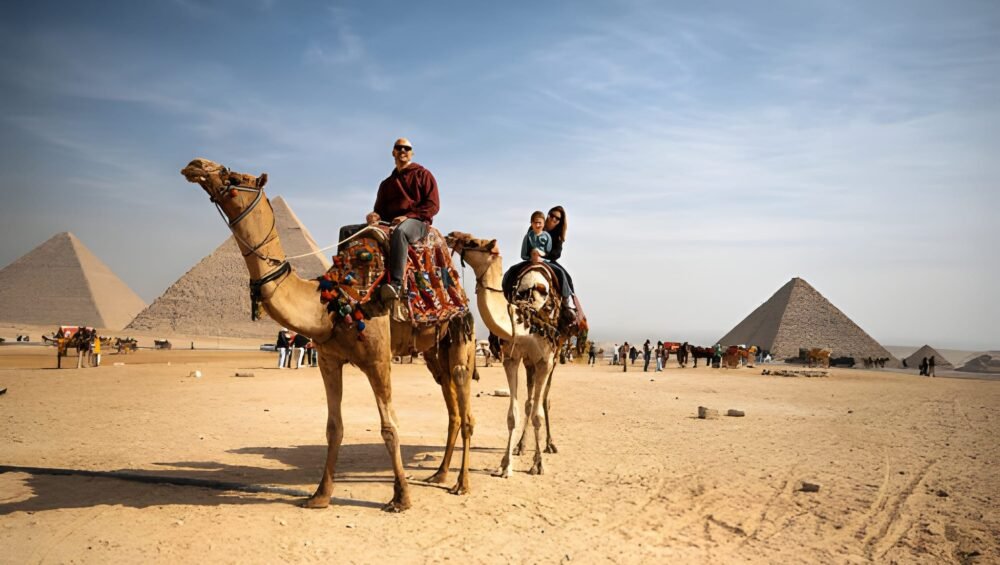
Exploring Egypt’s remote sites isn’t just sightseeing—it’s a thrilling odyssey. Whether riding a 4×4 across the dunes of the Western Desert or gliding on a camel caravan beneath a crimson sunset, each moment pulls travelers further into the soul of the Sahara. Many explorers combine their oasis visits with exciting tours like the Desert Safari Trip by Quad Bike or dune adventures near the Sakkara Pyramids Desert Safari.
Those craving contrast can pair the desert’s stillness with a river’s flow on trips such as the Luxury Dahabiya Nile Cruise, tracing Egypt’s lifeline from Aswan to Luxor. Together, these journeys balance adrenaline with tranquility, creating the perfect expedition across Egypt’s extremes.
Frequently Asked Questions about Oases & Remote Sites in Egypt
What is the best time to visit Egypt’s oases?
The ideal time to explore Egypt’s oases and remote sites is between October and April, when daytime temperatures are mild and nights are pleasantly cool. The winter season also provides the best conditions for desert camping, photography, and local festivals like Siwa’s harvest celebrations.
Which oasis in Egypt is the most famous?
Siwa Oasis is Egypt’s most celebrated and picturesque oasis. Its rich history, traditional mud-brick villages, pristine salt lakes, and healing springs make it a must-visit for travelers seeking culture and natural serenity.
How can travelers reach Egypt’s remote oases?
Most oases can be accessed via road from Cairo or Luxor, with well-organized eco-tours and desert trips available. Bahariya and Farafra are popular stops on longer desert circuits that include visits to the White Desert and Crystal Mountain.
Are the desert regions safe to travel?
Yes, traveling to Egypt’s oases and deserts is safe when done with a licensed local guide or travel company. Many specialized operators organize secure and comfortable desert safaris that adhere to sustainable travel practices. For reassurance, consult trusted guides like Egypt Travel Safety for tips and updates.
Can I combine a desert trip with Nile cruises or cultural tours?
Absolutely! Many packages allow visitors to enjoy both worlds—ancient monuments and wilderness. Options like the 8 Days Pyramids and Nile Cruise Holidays or the 7 Days Cairo, Luxor, Abu Simbel & Sahara Trip blend historical exploration with the untamed beauty of desert oases, ensuring a soulful and balanced Egyptian experience.
In every sense, Egypt’s oases and remote sites capture nature’s artistry, human endurance, and timeless wonder. They are a living testament to life’s resilience in the harshest conditions, an irresistible call for those who seek meaning beyond the ordinary horizon.