
Luxor Museum: Exploring the Treasure Trove of Ancient Egyptian Artistry
Luxor Museum isn’t just another stop on Egypt’s historical map — it’s a vivid narrative carved in stone, bronze, and gold. Nestled on the East Bank of the Nile in Luxor, this museum stands as a remarkable bridge between the glorious past and modern Egypt. With its minimalist architecture, skillful lighting, and immaculate curation, Luxor Museum delivers an experience that sweeps visitors back into the splendor of ancient Thebes. Every hall, every statue, every artifact tells a tale of gods, kings, and artisans whose legacy still shapes our image of ancient civilization. From colossal sculptures to delicate jewelry, each piece inside the museum echoes the sophistication of a culture that defined eternity.
What makes Luxor Museum captivating isn’t just its collection but the storytelling finesse that transforms artifacts into experiences. The museum’s design allows every exhibit to breathe; the lighting caresses every curve of a granite statue, much like sunlight filtering through the temple pylons of Luxor Temple. Whether you’re exploring as part of Luxor Day Tours or savoring Egypt’s timeless heritage during a Luxury Egypt Tour, this museum offers a seamless journey from the Old Kingdom through the Islamic eras. In an age where authenticity reigns supreme, Luxor Museum is Egypt’s answer to travelers yearning for genuine encounters with history.
A Journey Through the Timeless Legacy of Luxor Museum
Opened in 1975, Luxor Museum represents the evolution of Egyptian museology, focusing on precision rather than quantity. Instead of overwhelming crowds with countless pieces, it showcases a meticulously selected array of artifacts, each chosen for its aesthetic or historical significance. Among its crown jewels lies the statue collection from the Cachette of Luxor Temple, unearthed in 1989. These sculptures, hidden beneath the temple courtyard for centuries, now stand resplendent once again — gleaming under lights that highlight their divine symmetry.
Visitors often marvel at the stunning range of relics linked to Egypt’s golden dynasties, including the reigns of Amenhotep III, Akhenaten, and Tutankhamun. The museum harmoniously merges major archaeological discoveries with rich historical storytelling. Even travelers from Hurghada Day Tours or Aswan Day Tours make the museum a must-visit landmark, proving how Luxor remains an eternal magnet for heritage enthusiasts.
The Architecture and Design: A Modern Shrine to Antiquity
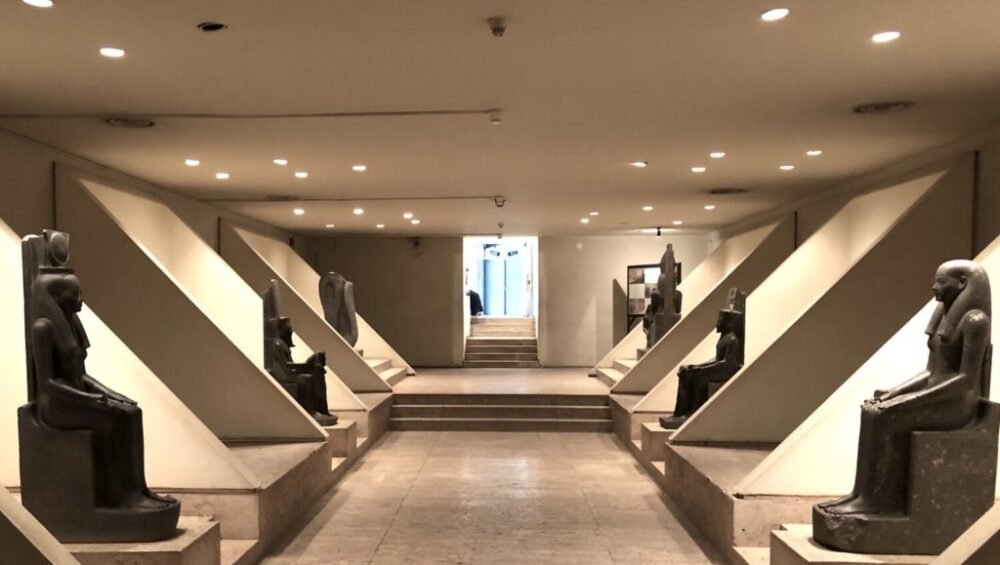
The architecture of Luxor Museum mirrors the grandeur of ancient temples yet with modern restraint. The sleek lines, soft beige tones, and open spaces form a quiet backdrop for the mighty pharaohs immortalized within. Built by Egyptian architect Mahmoud El-Hakim, the design complements its purpose — simplicity wrapped around sophistication. Natural and artificial lighting intertwine, casting gentle hues that dramatize stone and gilded wood alike. As you wander through the galleries, the space itself feels like a sacred vessel preserving the whispers of ancient Luxor — the same fertile city that once celebrated festivals along the Avenue of Sphinxes connecting Karnak and Luxor Temples.
Every detail, from cascading light to strategic placement, amplifies visibility and emotion. The experience is immersive but not chaotic. It’s curated calm — a poetic contrast to the grandeur of outdoor monuments like the Temple of Hatshepsut or Colossi of Memnon nearby. For architecture lovers and history aficionados, Luxor Museum is far more than a repository — it’s a temple of knowledge crowned with Egypt’s enduring spirit.
Iconic Exhibits That Define the Luxor Museum Experience
Among the most acclaimed exhibits is the collection of statues from the reign of Amenhotep III and his son Akhenaten, showcasing graceful aspects of royal aesthetics. Then there’s the limestone head of Akhenaten — serene yet symbolic of revolutionary art that redefined Egyptian representation during the Amarna Period. Visitors also gaze in awe at the gilded head of Hathor, radiating celestial beauty. Another gem, the mummy of Pharaoh Ahmose I, evokes the dawn of the New Kingdom, making the museum’s second floor an unmissable treasure trove.
Meanwhile, everyday items — jewelry, pottery, and funerary art — offer intimate glimpses of an ancient lifestyle refined by millennia. If you’re tracing Egypt’s timeline through curated experiences like the Tour to Luxor Museum and Mummification Museum, prepare for an emotional ride balancing grandeur with subtlety. No wonder Luxor’s museum ranks as one of the best in the Middle East, outshining even colossal institutions like the Grand Egyptian Museum.
The Cachette Discovery: Reawakening Lost Deities
Perhaps the most remarkable moment in Luxor Museum’s history came with the discovery of the Cachette in 1989. Archaeologists unearthed dozens of statues from the forecourt of Luxor Temple, hidden for centuries. These works of art — depicting gods like Amun, Mut, and Khonsu — now stand tall within the museum, representing rediscovered divine energy and a revival of artistry frozen in time. The discovery rekindled global fascination, solidifying Luxor Museum’s status as a keystone of Egyptian heritage preservation.
It’s a rare thrill to stand before deities once worshipped under flickering temple torches and now beautifully illuminated under the museum’s modern glow. Travelers often pair this experience with voyages like the 4 Day 3 Night Nile Cruise from Aswan to Luxor or cultural adventures such as the 7 Days Cairo and Nile Cruise Package, knitting the pieces of Egypt’s legacy from river to relic.
The Mummification Wing: Science Meets Spirituality
Luxor Museum’s Mummification Wing pulls back the curtain on the sacred art of Egyptian preservation. Situated in a quietly lit section, this gallery features the tools, resins, canopic jars, and linen wraps used in the meticulous process of transforming mortals into eternals. It’s haunting yet awe-inspiring — a reminder that Egyptians saw death as merely a doorway. The detailed explanations alongside the artifacts guide visitors through the spiritual alchemy that ancient embalmers perfected over millennia.
To truly grasp mummification in context, pair the visit with nearby experiences like the Valley of the Queens or the legendary Tomb of Nefertari, both integral to the eternal journey Luxor celebrates so passionately. The mummification section reveals that ancient Egyptians weren’t obsessed with death — they were enchanted by immortality.
Luxor Museum After Dark: An Evening of Illumination
As twilight descends over the Nile, the museum takes on an ethereal beauty. Strategically illuminated statues and golden artifacts gleam like guardians of eternity. The soft evening breeze drifting in from the river adds an atmospheric charm, perfect for travelers staying nearby during 8 Days Best Egypt Tour with Nile Cruise. Imagine gazing at Ahmose’s mummy or Amenhotep III’s idolized visage as the soft lighting draws out their timeless grace — it’s both surreal and spiritual.
Luxor by night is one of Egypt’s grandest experiences, especially when combined with a Sound and Light Show at Karnak Temples. In these quiet hours, Luxor Museum becomes more than a space — it becomes a sensation.
Planning Your Visit: Practical Insights for Luxor Museum Explorers
Located between the majestic temples of Karnak and Luxor, the museum enjoys an enviable position that makes it easy to include in most itineraries. It opens daily, with extended hours in the evening, allowing visitors to customize their experience. For a seamless tour, many travelers book personalized itineraries through Egypt Private Tours or Egypt Family Tours. These packages blend flexibility with in-depth interpretation, unveiling Luxor Museum in its full grandeur. Photography is typically restricted to safeguard delicate relics, so plan to capture your memories through your senses instead.
Why Luxor Museum Should Be on Every Traveler’s Bucket List
There’s no denying that Luxor Museum offers a pure, immersive touchpoint into Egypt’s heart. It’s intimate, authentic, and deeply stirring — an antidote to the crowds of larger museums. Every piece inside magnifies Egypt’s creative genius and its people’s undying thirst for eternity. Designed to elevate, not overwhelm, Luxor Museum transforms sightseeing into soul-searching. Whether you’re on an All-Inclusive Egypt Vacation or sailing elegantly aboard a Luxury Nile Cruise, this museum stands as a timeless homage to human artistry and divine aspiration.
Frequently Asked Questions about Luxor Museum
1. Where is Luxor Museum located?
Luxor Museum sits on the East Bank of the Nile River in the city of Luxor, conveniently between the monumental Karnak and Luxor Temples. This central location allows visitors easy access from hotels and cruise ports, especially those traveling on routes like the 3 Nights Nile Cruise Aswan to Luxor.
2. What are the opening hours of Luxor Museum?
The museum generally opens daily from morning until evening, often extending hours during peak tourist seasons. Evening visits are especially recommended for their tranquil atmosphere and stunning lighting effects on the exhibits.
3. What are the highlights not to miss in Luxor Museum?
Don’t miss the statues from the Luxor Temple Cachette, the mummy of Pharaoh Ahmose I, Akhenaten’s delicate limestone head, the gilded head of Hathor, and the Mummification Gallery. Each artifact immerses you in Egypt’s millennia-old narrative.
4. How long does it take to visit Luxor Museum?
Most travelers spend one to two hours exploring, though true history lovers could linger for longer to appreciate the details. Combining it with a Luxor City Tour or nearby temples can fill a fascinating half-day itinerary.
5. Is a guided tour worth it at Luxor Museum?
Absolutely. While the exhibits are well-labeled, a guide enriches your visit with deeper context, myths, and insights that bring the craftsmanship to life. Many visitors choose guided options available in packages like the 5 Day Cairo and Luxor Tour Package to experience the museum’s treasures alongside expert narratives.
Conclusion: Luxor Museum — The Soul of Ancient Thebes in Modern Form
In the grand mosaic of Egyptian wonders, Luxor Museum shines as a serene masterpiece. It blends art, spirituality, and preservation into one breathtaking journey. Standing before its statues and sacred relics, you don’t just observe — you connect with voices echoing across centuries. Elegant in form, profound in heart, and unequaled in storytelling, Luxor Museum is where Egypt’s living history whispers its secrets once more.


