Coloured Canyon
Coloured Canyon in Sinai – A Natural Masterpiece of Egypt’s Hidden Desert Gem
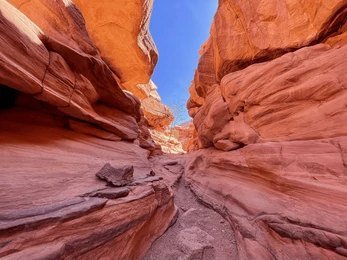
Deep within the arid landscapes of Egypt’s Sinai Peninsula lies the enchanting Coloured Canyon, a geological wonder that captivates adventurers and photographers alike. Formed over millions of years by the forces of erosion and sedimentation, this canyon showcases a breathtaking palette of colors—glowing reds, soft oranges, desert pinks, and golden yellows. Each hue tells a story of ancient seas, wind-blown sands, and mineral deposits compressed by time. The Coloured Canyon isn’t just a sightseeing stop; it’s an immersive natural gallery sculpted by nature’s artistry.
For travelers exploring beyond the usual historic routes of the Nile and Cairo, the Coloured Canyon offers an unfiltered experience of Egypt’s raw and untamed beauty. Nestled near the coastal towns of Nuweiba and Dahab, this natural labyrinth invites you to wander through narrow sandstone corridors that stretch over 800 meters long and tower up to 40 meters high. The canyon’s striations shift with the sunlight, transforming the walls into shimmering ribbons of color that feel almost otherworldly. It’s a destination where silence reigns, interrupted only by the whispers of the desert wind.
Visiting this natural masterpiece complements cultural encounters at sites like St. Catherine’s Monastery or a thrilling expedition up Mount Sinai (Jebel Musa). Many travelers pair their canyon journey with the thrilling St Catherine and Coloured Canyon by Jeep adventure, blending geological wonder with sacred history. The result is a once-in-a-lifetime adventure through one of the world’s most photogenic desert landscapes—an unmissable highlight on any Egypt Vacation Package.
Where Is Coloured Canyon Located?
The Coloured Canyon lies approximately 210 kilometers north of Sharm El Sheikh in the heart of the South Sinai Governorate, close to the serene town of Nuweiba on the Gulf of Aqaba. The region belongs to the same rugged mountain range that houses the iconic Mount Sinai & St. Catherine Monastery. This area is not only famous for its spiritual landmarks but also for its mesmerizing geological formations that span millions of years. Adventure seekers often set out from Dahab or Sharm El Sheikh to discover the canyon, traversing sandy paths and rocky trails that lead deep into Egypt’s most colorful gorge.
The journey to the Coloured Canyon unfolds through stretches of desert broken by oases and mysterious rock formations similar to those seen in the White Desert in western Egypt. But here in Sinai, the terrain feels distinctly mystical, a place where nature and myth collide. For many, reaching the canyon feels like stepping into a forgotten painting brought to life.
How the Coloured Canyon Was Formed
This geological wonder was formed when ancient Red Sea waters subsided millions of years ago, leaving behind sedimentary rock layers rich in iron oxides, manganese, and limestone. Over millennia, flash floods and erosion carved sinuous grooves and smoothed the canyon’s walls, creating its signature flowing shapes and color gradations. The result is a natural sculpture with an artist’s touch, reminiscent of formations in the Valley of Agabat or the Crystal Mountain in Egypt’s Western Desert.
The Colors that Tell the Canyon’s Story
Each layer in the Coloured Canyon reveals mineral secrets. Iron gives red and orange tones, manganese adds black bands, and limestone lends cream and white hues. When sunlight filters through, the walls flash iridescent shades, creating surreal contrasts that make every snapshot look like a digital masterpiece. The best time to visit is early morning or late afternoon when shadows add depth and drama to the kaleidoscopic scenery.
Exploring the Coloured Canyon: What to Expect
Visitors can trek through narrow corridors, squeeze through tight passages, and climb over natural rock bridges carved by wind and time. It’s not just a hike—it’s a sensory journey through color and silence. The canyon’s pathways vary in width, at times expanding into open chambers before closing into twisting passageways barely a meter wide. Each turn reveals fresh shades and shapes sculpted by nature’s slow hand.
Because of its unique environment, guided tours remain the best way to experience the Coloured Canyon safely. Local Bedouins, who know every turn and hidden trail, often lead the excursions, sharing fascinating stories and desert survival tips. Many of these tours include stops at nearby attractions, such as the Blue Hole of Dahab or Nuweiba’s picturesque coast, making it easy to combine adventure with seaside relaxation.
Jeep Safaris and Eco-Adventures
For thrill-seekers, 4×4 desert safaris provide the ultimate adrenaline rush. The Sunset Desert Safari Trip by Quad Bike and similar off-road tours let visitors race across sandy plains before descending into the canyon’s glowing depths. Each trip is an immersive encounter with Sinai’s raw terrain, offering sunset views worth every gasp.
Photography and the Perfect Shot
The Coloured Canyon stands as one of Egypt’s top Instagram spots thanks to its interplay of light and texture. Amateur photographers and professionals alike find endless inspiration in its rock patterns. A polarizing filter or simple smartphone lens can capture nature’s artistry at its finest. Each photo feels like capturing the earth’s palette frozen in time.
When to Visit the Coloured Canyon
The best season to explore this Sinai attraction is from October to April when temperatures remain moderate and comfortable for hiking. Summers can be scorching, with daytime heat exceeding 40°C. Early morning tours avoid the midday sun and offer sublime lighting for photography. The desert transforms with every degree of temperature, making every visit slightly different from the last.
Combining the Coloured Canyon with Other Remarkable Sites
Travelers often integrate a stop at the Coloured Canyon into multi-day itineraries that include religious, natural, and marine attractions. From the sacred peaks of Mount Sinai to underwater adventures in Ras Mohammed National Park, the region brims with contrasts. Many tourists enhance their desert experience with activities from Sharm El Sheikh Day Tours or Dahab Day Tours, ensuring a mix of adventure, culture, and relaxation.
If you crave a more luxurious escape after dusty exploration, a serene retreat on a Luxury Nile Cruise offers the perfect harmony of adventure and indulgence. You might also consider adding the canyon excursion to your custom Luxury Egypt Tour or Egypt Private Tour itinerary for a full cultural and natural immersion.
Bedouin Culture and Local Hospitality
The indigenous Bedouin tribes of Sinai bring charm and authenticity to any Coloured Canyon visit. Their rhythmic songs, herbal teas, and handmade crafts infuse the desert adventure with soulful warmth. They often share ancestral tales linking the canyon’s colors to divine legends, demonstrating deep respect for their environment. After a trek, resting at a simple Bedouin camp under a canopy of stars is a heartwarming reminder of the desert’s peaceful rhythm.
Responsible Tourism and Sustainability
Respect for the canyon’s fragile ecosystem is imperative. Visitors are urged not to disturb rock formations, leave litter, or stray from designated paths. Responsible travel ensures that future generations can marvel at these natural masterpieces. Choosing eco-conscious tours, such as those featured in Eco Tours in Egypt, supports local communities while preserving the desert’s delicate balance.
Adventure Tips and Safety Advice
While the Coloured Canyon’s terrain looks picture-perfect, preparation is crucial. Sturdy shoes, bottled water, and lightweight clothing are essentials. Guided excursions typically supply safety equipment, though self-guided adventurers should travel with GPS and inform local authorities before entering. Always check weather forecasts; rare flash floods can occur during winter months. It’s wise to pair the experience with professional guidance through tours like St Catherine and Colored Canyon by Jeep for an organized and secure adventure.
Final Thoughts on Visiting the Coloured Canyon
Experiencing the Coloured Canyon is far more than a typical sightseeing trip—it’s a poetic encounter with nature’s creative genius. Every ripple in sandstone, every shade of color etched into the walls, tells a silent story about the planet’s evolution. For explorers seeking escapes beyond ancient temples and bustling cities, this canyon offers serenity, discovery, and a touch of mystery that lingers long after the journey ends.
Frequently Asked Questions about Coloured Canyon
1. How do I get to the Coloured Canyon?
Most travelers reach the Coloured Canyon from Sharm El Sheikh or Dahab using organized tours or private 4×4 vehicles. The drive takes around two to three hours through scenic desert routes that pass Bedouin villages and mountains.
2. What should I wear for trekking in the Coloured Canyon?
Light, breathable clothing and sturdy hiking shoes are essential. Bring a hat, sunglasses, and sunblock to protect against strong desert rays. Because the terrain can be narrow and rugged, comfort and grip are key.
3. Can families visit the Coloured Canyon?
Yes, families with older children can safely explore the canyon with guided tours. However, younger children may find the narrow passages challenging. It’s advisable to check with your tour operator for age suitability before booking.
4. What are the best times of day to visit?
Early morning and late afternoon are ideal for avoiding the heat and capturing vivid photographs. The canyon’s colors intensify during these hours as the light accentuates its curves and tones.
5. Are there other nearby attractions worth seeing?
Absolutely. You can combine your visit with nearby landmarks such as Mount Sinai, Nuweiba’s serene beaches, and the sacred St. Catherine’s Monastery. Many tours also offer overnight desert experiences to make the most of your adventure.