Magical Christmas in Egypt: Where Ancient Traditions Meet Holiday Cheer
When most people picture Christmas, their minds drift toward snowy landscapes, pine trees, and glowing fireplaces. But Christmas in Egypt paints a different, equally enchanting picture. Here, ancient temples shimmer under winter sunshine, desert sands replace snowdrifts, and churches built over two millennia ago host midnight liturgies steeped in centuries-old rituals. With the Egypt Christmas Tours season, travelers discover a rare fusion of Christian devotion, cultural festivity, and year-round warmth that turns Egypt into a unique yuletide sanctuary.
Egypt’s celebration of Christmas stands out across the Middle East. The majority of Egyptian Christians belong to the Coptic Orthodox Church, which follows the old Julian calendar. Their Christmas falls on January 7th, not December 25th, resulting in a distinct and charming holiday rhythm. During this period, Cairo bursts with color: streets twinkle with fairy lights, and the scent of traditional dishes like Om Ali drifts through bakeries and homes. For visitors seeking something different from typical Western celebrations, Christmas in Egypt offers warmth, faith, and a profound connection to history. The spirited crowds, mesmerizing heritage sites, and warm Egyptian hospitality create a celebration unlike any other in the world. It’s where devotion meets discovery, and faith intertwines with adventure.
The Coptic Calendar and Christmas Traditions in Egypt
In Egypt, Christmas follows the ancient Coptic calendar, placing the holy day on January 7th. This calendar tradition originates from early Christian times, tying the modern celebration directly to Egypt’s deep-rooted faith. The 43-day fast before Christmas, known as the ‘Holy Nativity Fast,’ requires abstaining from dairy, meat, and fish. Devout Copts focus on spiritual renewal, reflection, and charity. By Christmas Eve, the faithful gather in historic churches, such as the one in Coptic Cairo, to attend midnight Mass and celebrate the birth of Christ.
The liturgy is ancient, conducted in both Arabic and Coptic languages, adding to the mystical ambiance. Candles blaze against the stone walls of sacred chambers, evoking awe and reverence. After the service, families share a feast of hearty dishes, marking the end of fasting. Mulukhiyah, rice dishes, and fatah symbolize abundance and renewal. Christmas in Egypt doesn’t merely replicate Western custom—it reincarnates faith in a deeply local sense. The mix of prayer, culture, and joy reveals how Egyptians celebrate both spirituality and tradition with heartfelt devotion.
Christmas Eve Celebrations in Coptic Churches
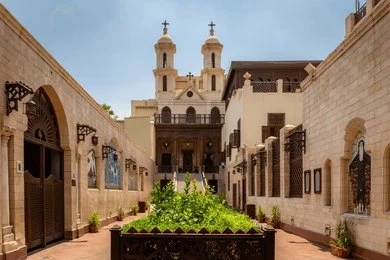
Coptic Christmas Eve is among the most moving religious events in Egypt. In churches from Cairo to Aswan, worshippers come dressed in their best, participating in colorful candlelit processions. The Hanging Church in Old Cairo attracts thousands who unite in spiritual harmony during the midnight liturgy. The church bells echo through ancient alleyways, embodying the enduring presence of Christianity in a Muslim-majority nation that treasures coexistence.
After mass, joy fills the streets. Vendors offer roasted nuts, dates, and warm drinks. Some Egyptians exchange gifts or invite their friends—Christian and Muslim alike—for festive dinners. The feeling is communal rather than commercial, emphasizing unity and compassion. Christmas Eve thus transforms Egypt’s cities and countryside into scenes of glowing faith and jubilation, proving that spiritual joy can thrive anywhere, even amid golden deserts and timeless ruins.
Modern Festivities and Holiday Attractions Across Egypt
While religion remains the heart of the holiday, modern Egypt embraces Christmas with enthusiasm. December and early January invite locals and tourists alike to admire decorated hotels, Christmas markets, and musical performances. Major hubs like Cairo, Luxor, and Aswan sparkle with LED lights and towering Christmas trees. Although not a national holiday for all citizens, the shared excitement reflects Egypt’s inclusive character and open-hearted culture.
Visitors can explore Egypt Family Tours during the holiday season to blend sightseeing with seasonal celebration. Popular landmarks such as the Nile River become even more magical, with cruises offering Christmas dinners on deck. In Cairo, the Cairo Tower glows against the skyline, while in Luxor, temples such as the Luxor Temple shine brightly for evening visitors. Whether you’re wandering the El Moez Street bazaar or enjoying Christmas carols in hotel lobbies, the holiday fills Egypt’s heart with warmth and cross-cultural kinship.
Festive Culinary Traditions During Christmas in Egypt
Food plays a central role in Christmas celebrations in Egypt. The moment fasting ends, kitchens come alive with cherished family recipes. The Coptic feast includes symbolic dishes that emphasize renewal and gratitude. Fatah, a fusion of rice, bread, meat, and garlic sauce, often steals the spotlight as the centerpiece meal. Sweet delights like Kahk (Egyptian cookies) and Basbousa grace every table, offering a taste of joy and community spirit.
Perhaps the most beloved dessert is Om Ali, a warm, flaky pastry pudding drenched in milk, nuts, and sugar. It’s as traditional as it is lavish, representing abundance and generosity. Many families in Cairo, Alexandria, and rural villages gather late into the night savoring these dishes. Tourists on all-inclusive Egypt vacations often get to experience these authentic meals prepared with love. Egyptian Christmas cuisine doesn’t strive for extravagance; it reflects heritage, blending simplicity with heartfelt connection to faith.
Christmas Markets, Shopping, and Gifts in Egypt
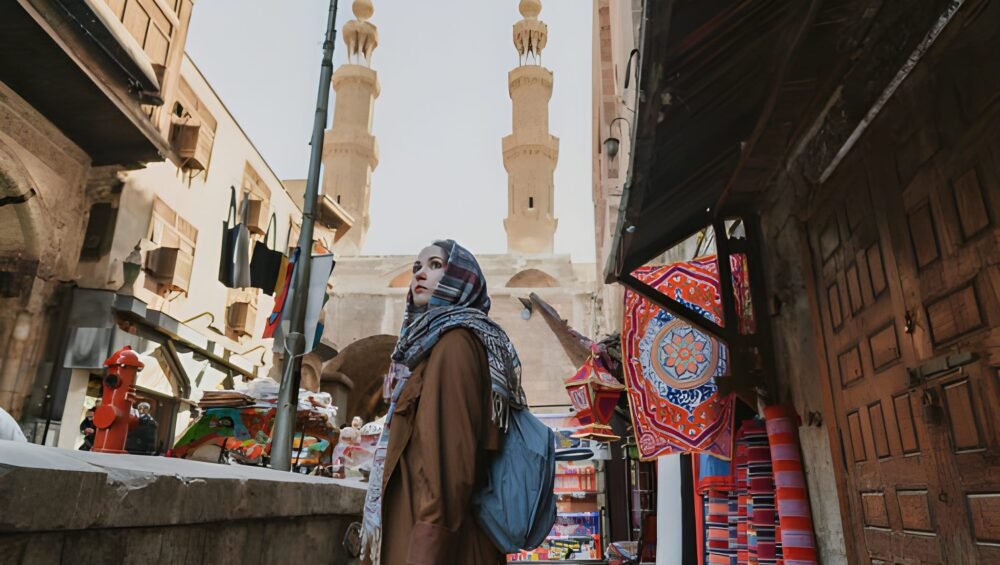
During Christmas time, markets across the country burst into color with ornaments, handcrafted gifts, and local art. The bustling Khan El Khalili market in Cairo brims with souvenirs, glass lanterns, and papyrus scrolls. It’s a paradise for travelers in search of authentic Egyptian keepsakes. In Alexandria, festive bazaars line old European-style streets, offering artisan crafts and handmade jewelry. Visiting these markets in December not only delights your senses but also connects you to Egypt’s creative pulse.
Travelers exploring these markets during 8 Days Egypt Christmas Holiday packages often enjoy customized itineraries, combining cultural immersion with seasonal revelry. Whether it’s buying a silver cross from a Coptic silversmith or a spice box from a local merchant, the gifts you’ll take home carry the warmth of Egyptian artisanship and holiday spirit.
Christmas Travel Experiences and Sacred Destinations
Egypt holds great significance in Christian history, being one of the earliest centers of the faith. The country’s Christian heritage sites become particularly symbolic during the Christmas season. Pilgrims visit the Abu Serga Church in Old Cairo, believed to have sheltered the Holy Family. Others journey to the St. Catherine’s Monastery at Mount Sinai, one of Christianity’s oldest functioning monasteries. These sacred sites evoke deep reverence, especially under the winter sky where devotion and history beautifully converge.
Many travelers also include a Nile cruise, such as the Luxury Dahabiya Nile Cruise, as part of their Christmas tour. Gliding along the Nile offers moments of serenity—temples adorned by sunlight, villages preparing feast nights, and locals exchanging greetings of peace. For those seeking both relaxation and reflection, Christmas in Egypt presents an incredible opportunity to blend cultural insight with a luxurious holiday escape.
Christmas in Cairo: The City of Lights and Faith
Cairo comes alive at Christmas, its bustling streets echoing with joy. Downtown hotels display ornate Christmas trees, while cafes serve gingerbread and hot drinks. Coptic Cairo becomes an extraordinary attraction, especially the ancient Coptic Museum and Babylon Fortress Cairo, where centuries of Christian art and relics recount the story of faith that shaped Egypt. Tourists enjoy a perfect blend of religious resonance and contemporary festivity, proving that Cairo truly knows how to blend the sacred with the modern.
Luxor and Aswan: Experiencing a Timeless Christmas
Further south, Luxor and Aswan cradle some of Egypt’s most remarkable Christmas experiences. Under balmy winter weather, travelers admire the illuminated Temple of Philae and temples of Kom Ombo and Edfu. The serene waters and breathtaking sunsets over the Nile make these destinations idyllic for celebration. Visitors on 7 Days Luxury Egypt Trip packages find that Aswan’s timeless charm, combined with festive cheer, creates unmatched Christmas memories. Local Nubian villages also join the spirit, offering music, color, and a glimpse into Egypt’s diverse traditions.
Alexandria’s Mediterranean Christmas Vibe
In Alexandria, sea breezes replace desert winds, offering Christmas travelers a coastal charm. Festive lights twinkle along the Corniche, and cafés brim with chatter about new beginnings. Christian families attend Mass in ornate cathedrals echoing with hymns, merging ancient Greek, Coptic, and Roman influences. For those seeking serenity, Alexandria’s Christmas feels like a tranquil retreat filled with Mediterranean warmth and grace. Visitors often combine this with coastal explorations through Montazah Palace and the historic Citadel Of Qaitbay, discovering both spiritual and seaside splendor.
Why Spend Christmas in Egypt?
Christmas in Egypt satisfies curiosity, faith, and adventure in equal measure. The blend of sacred rites, ancient heritage, mild weather, and generous hospitality makes it an irresistible holiday destination. Visitors experience something deeper than sightseeing—an emotional connection between Christianity’s roots and modern global celebration. From candle-lit churches to cheerful cruise festivities, Christmas here transcends conventional imagery and reminds travelers that the essence of the season—love, gratitude, and togetherness—knows no boundaries.
Frequently Asked Questions About Christmas in Egypt
When is Christmas celebrated in Egypt?
Egypt’s primary Christmas celebration takes place on January 7th, following the Coptic Orthodox calendar. A smaller population, including Catholics and Protestants, mark the holiday on December 25th. Consequently, Christmas celebrations in Egypt often extend over several weeks, providing tourists with plenty of opportunities to witness sacred services and cultural events.
Is Egypt a good place to visit during Christmas?
Absolutely. With warm weather, fewer crowds, and unique cultural experiences, Egypt is a perfect winter getaway. Many visitors combine historical exploration with seasonal festivities through specialized tours like 8 Days Egypt New Year Tour. The mix of heritage, relaxation, and faith makes Christmas in Egypt deeply fulfilling.
What are popular Christmas traditions in Egypt?
Coptic Christians fast before Christmas, attend midnight Mass on Christmas Eve, and enjoy traditional dishes like fatah and Om Ali. Many families decorate trees, exchange small gifts, and spend time with loved ones. The emphasis lies more on spirituality and family unity than on commercial extravagance.
Where are the best places to experience Christmas in Egypt?
Coptic Cairo is the spiritual epicenter during Christmas, home to ancient churches such as the Abdeen Palace district’s historic churches and the famous Hanging Church. Luxor, Aswan, and Alexandria also offer wonderful atmospheres. Cruises along the Nile, like the Grand Egyptian Museum, the intricate craftsmanship and spiritual devotion behind these ancient rituals continue to captivate imaginations.
Whether you’re wandering through the Sakkara Necropolis or exploring the tombs in Valley of the Queens, understanding the seven steps of mummification offers a window into Egyptian culture, religion, and their deep-seated belief in the eternal cycle of life, death, and rebirth. Let’s delve step-by-step into this remarkable process that bridged humanity and divinity for over three millennia.
Step 1: Purification and Cleansing of the Body
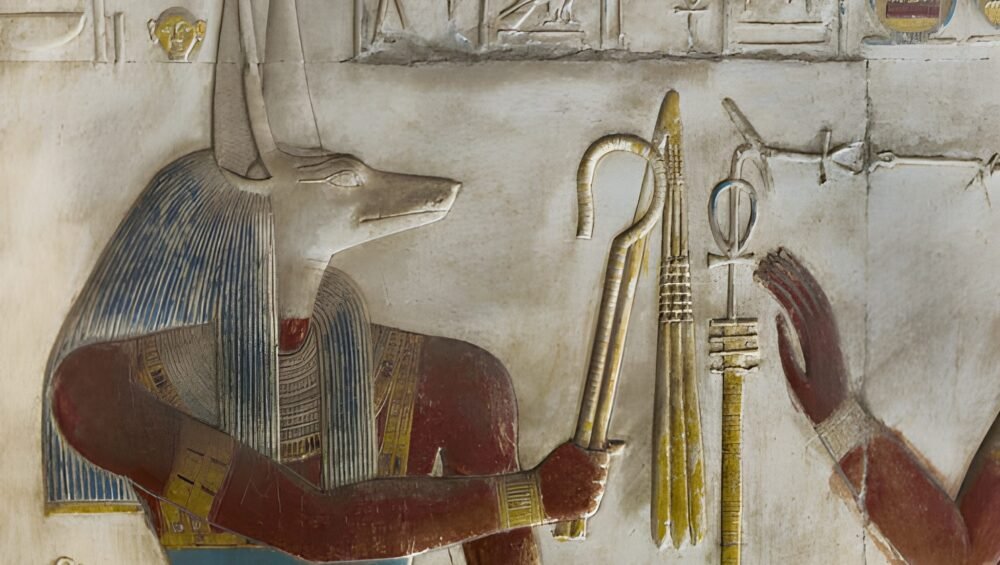
The journey of mummification began with the cleansing of the deceased—a ritual of immense symbolic and hygienic significance. The body, representing both mortal decay and divine potential, was washed with palm wine and purified water from the sacred Nile. Embalmers chanted prayers to invoke Anubis’s blessing, marking the transition of the spirit into the realm of Osiris, god of resurrection. This step was crucial, as Egyptians believed cleanliness equated to holiness and was the foundation for eternal preservation.
In this stage, every part of the body was carefully prepared on a stone table in an embalming tent known as the ‘ibu’. The Nile’s water symbolized life itself, a spiritual rebirth, connecting the deceased with the eternal cycle of creation. Modern travelers who visit ancient riverside temples or take a serene cruise along the Nile River can almost sense the sacredness once ascribed to its waters by Egypt’s priests and embalmers.
Symbolic Importance of the Nile’s Purification
The Nile was not only Egypt’s lifeline but the mythical pathway between the land of the living and the afterlife. This first purification mirrored the soul’s preparation for its next cosmic voyage, echoing a larger belief in life’s cyclical nature—a belief still palpable in Egypt’s ancient temples and written texts.
Step 2: Removing Internal Organs
Once the body was cleansed, embalmers began the most delicate task—removing internal organs to prevent decay. They made a small incision, typically on the left side of the abdomen, through which the stomach, liver, lungs, and intestines were removed. Each organ was treated separately, dehydrated using natron, and stored in special containers known as canopic jars, guarded by the Four Sons of Horus. The heart, however, remained in the chest, considered the seat of wisdom and emotion, vital for the Weighing of the Heart ceremony in the afterlife.
Historians have marveled at the meticulous care ancient Egyptians devoted to this stage. The brain, thought to have no spiritual function, was often extracted through the nasal cavity using hooked instruments—an extraordinary display of early anatomical knowledge. Visitors inspired by such surgical precision can explore exhibits at the National Museum of Egyptian Civilization, where preserved specimens and instruments reveal the mummifiers’ scientific prowess.
Protection through Canopic Jars
Each canopic jar bore a divine protector: Imsety for the liver, Hapi for the lungs, Duamutef for the stomach, and Qebehsenuef for the intestines. These jars, often carved from alabaster or limestone, were placed beside the sarcophagus, ensuring eternal guardianship in the afterlife. The artistry of these jars stands as one of the finest examples of Egyptian funerary craftsmanship.
Step 3: Drying with Natron
With organs removed, embalmers commenced the vital drying process using natron—a natural salt harvested from the Egyptian desert. The body was entirely filled and covered with natron for forty days, allowing the mineral to absorb all moisture and halt decomposition. This step was fundamental; without it, preservation would fail. The result—a lifeless figure transformed into a sacred relic of eternity—was astonishingly effective, even thousands of years later.
The use of natron highlighted Egyptian mastery of natural resources. Its chemical composition, rich in sodium carbonate, served both as desiccant and disinfectant, a detail that still fascinates today’s archaeologists excavating drying beds near the Dakhla Oasis. Through natron’s purifying effect, the physical body symbolically shed its mortal nature, leaving behind a pure form ready to host the soul once more.
Step 4: Anointing and Restoration
Following desiccation, embalmers gently cleaned off the natron, then massaged the body with fragrant oils, resins, and gums. These substances not only softened the skin but protected it from future damage, creating a lifelike appearance. Myrrh, cedar oil, and frankincense—luxuries from distant lands—were lavishly applied. Symbolically, the oils restored the skin of the deceased, representing rebirth, an echo of Osiris’s revival myth.
Egyptians believed that sensory recognition in the afterlife was possible; thus, maintaining a pleasing visage and aroma was essential. The combination of sacred oils and incantations transformed the body into an instrument of divine endurance. This process paralleled rituals found at sacred temples like the Temple of Hatshepsut, where offerings to gods also involved aromatic anointing to attract blessings.
Step 5: Wrapping the Body in Fine Linen
Arguably the most recognized stage of mummification, wrapping was both artistic and deeply spiritual. Embalmers began by covering each finger and toe, continuing with layers upon layers of linen strips—typically hundreds of meters long. Each layer was anointed with resin, bonding the wrappings to form a resilient cocoon. During this phase, priests recited prayers and placed protective amulets, such as the Eye of Horus, between the layers, ensuring protection against evil forces in the afterlife.
Every fold symbolized divine rebirth. The wrapping process could take up to two weeks, as embalmers performed meticulous rituals for different body parts. The head and heart were wrapped separately, secured with symbolic knots thought to seal spiritual energy. Decorative masks, sometimes gold-covered, replaced natural features, representing transformation into the divine form of Osiris. The most iconic mask belongs to King Tutankhamun, a breathtaking piece that remains one of humanity’s most enduring artifacts.
Step 6: Placing in the Coffin and Sarcophagus
Once fully wrapped, the mummy was placed within one or more nested coffins, each lavishly decorated with hieroglyphs, spells, and images of deities. The inner coffin hugged the mummy’s form, crafted often from wood gilded with gold, while the outer sarcophagus symbolized the earth’s protective embrace. These layers of defense safeguarded the physical and spiritual forms from intrusion, ensuring an eternal resting place for the ka and ba—the soul’s dual aspects.
Such elaborate craftsmanship can still be admired at sites like the Luxor Museum, where historians have identified patterns in coffin iconography revealing personal stories of the deceased. Each depiction carried specific magical purpose, underlining Egypt’s intertwined belief in art and spirituality. The mummy’s placement inside the sarcophagus marked completion of spiritual preparation, ready for the grand procession to its tomb.
Step 7: Burial Ceremony and Afterlife Rituals
The final stage—the burial—was a moment of grandeur. The mummy, enclosed in its coffin, was escorted by priests, relatives, and mourners to the tomb. This journey mirrored the sun’s nightly descent into the underworld. Priests performed the ‘Opening of the Mouth’ ceremony, symbolically restoring the deceased’s ability to breathe and eat in the next life. Offerings of food, drink, jewels, and scriptures filled the burial chamber, transforming it into a sacred microcosm of paradise.
As hieroglyphs on tomb walls recorded the deceased’s virtues and prayers, ancestral spirits gathered to welcome the new soul into eternity. Today, when travelers visit the Temple of Seti or explore ancient burial sites across Luxor City, they can almost sense the echoes of ancient chants that once accompanied these sacred rituals. Every burial was both an ending and a beginning—a momentous farewell and a triumphant rebirth into the everlasting fields of reeds described in Egyptian mythology.
FAQs About The 7 Steps of Mummification
1. Why did the ancient Egyptians mummify their dead?
Ancient Egyptians practiced mummification to preserve the body for the afterlife. They believed the physical form had to remain intact for the soul to recognize and reunite with it. Mummification served both spiritual and practical purposes, ensuring immortality and maintaining the deceased’s identity throughout eternity.
2. How long did the mummification process take?
The complete process typically took about seventy days. Forty days were designated for drying with natron, while the remaining thirty days involved anointing, wrapping, and performing final rituals. Each stage was executed with meticulous precision guided by religious tradition and astrological timing.
3. What materials were used during mummification?
Mummification required materials like natron salt, linen strips, resin, frankincense, myrrh, palm wine, and sacred oils. These elements were believed to purify and sanctify the body. Some oils also held medicinal properties, contributing to the remarkable preservation seen in mummies thousands of years later.
4. Who performed the mummification rituals?
Specialized priests known as embalmers or mortuary priests conducted the rituals. They often wore masks shaped like Anubis, the jackal-headed god of embalming, symbolizing protection and divine authority. Each step they performed was accompanied by hymns and incantations to ward off evil spirits.
5. Where can one see mummies today?
Travelers can view authentic mummies at the Grand Egyptian Museum, the National Museum of Egyptian Civilization, and various tombs across Luxor and Aswan. Some luxury Nile cruises also offer guided tours to rediscover these awe-inspiring relics of ancient Egyptian civilization.