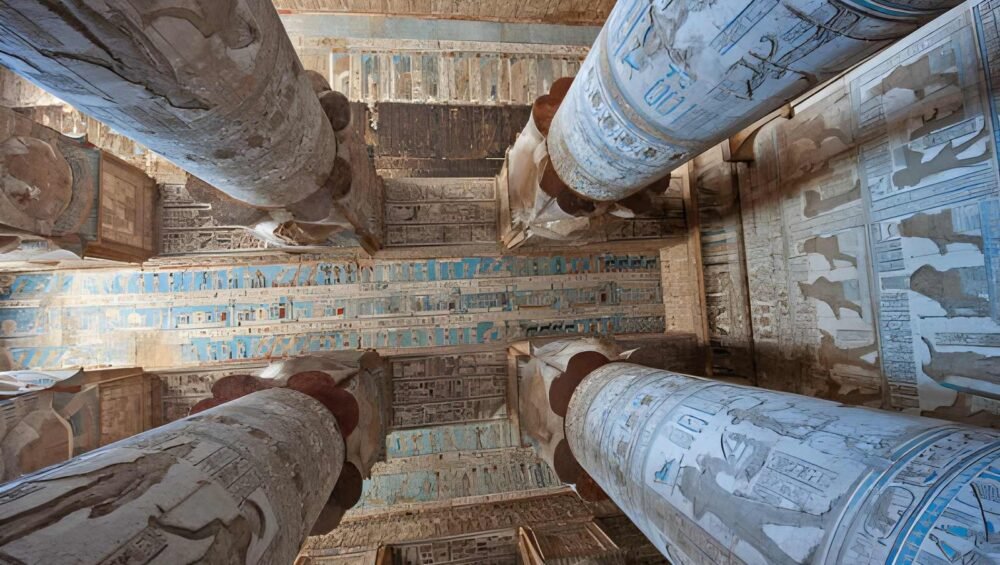
Abydos Temple
Abydos Temple: The Timeless Wonder of Ancient Egypt
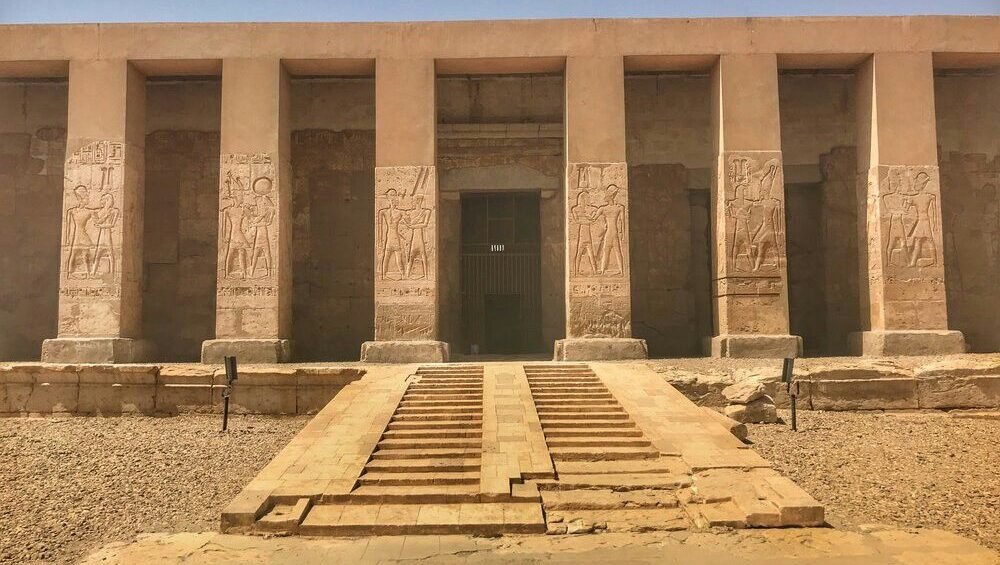
Deep in the sands of Upper Egypt, the Abydos Temple rises as a breathtaking monument to the faith, power, and artistry of the pharaohs. Known as one of the most sacred sites in all of Egypt, Abydos held a special place in ancient mythology, serving as the burial center for the god Osiris and a pilgrimage destination for centuries. This temple, primarily built by Pharaoh Seti I, is a masterpiece of architectural precision, divine symbolism, and masterful relief carvings that still radiate color after more than three thousand years. Every corridor, chamber, and hieroglyph reflects the celestial connection that Egyptians sought between life, death, and eternity.
Located about eleven kilometers west of the Nile and roughly 160 kilometers north of Luxor, the Abydos Temple remains a top historical gem for travelers captivated by the mysteries of ancient civilization. Modern explorers can easily integrate a visit here with nearby attractions such as Dendera Temple Complex or embark on curated tours like the Private tour to Danderah and Abydos from Luxor. As a cornerstone of sacred Egyptian geography, Abydos unravels the timeless tale of Osiris—god of resurrection—whose myths inspired the spiritual heart of Egyptian religion. The vividly preserved paintings, graceful columns, and intricate chapels of the temple of Seti I elevate it far beyond mere stone—this is history breathing through art and devotion. For those passionate about ancient heritage or embarking on a memorable cultural journey through Luxor City and the Nile Valley, Abydos is pure enchantment set in limestone.
The Sacred Geography of Abydos: Egypt’s Oldest Holy Center
The legendary city of Abydos predates even the pyramids, making it one of Egypt’s oldest religious capitals. Ancient inscriptions trace its significance back to the Early Dynastic Period, around 3000 BCE, when the first kings of a unified Egypt were buried here. The area quickly became synonymous with divine power and celestial resurrection. For thousands of Egyptians, a pilgrimage to Abydos symbolized rebirth and eternal life beside Osiris. The famous “Abydos King List,” carved into the walls of Seti I’s temple, records seventy-six pharaohs from Menes to Seti himself—an invaluable resource for historians reconstructing Egypt’s chronology.
In the heart of this ancient necropolis lies the grand Temple of Seti I, an architectural jewel whose perfection continues to amaze archaeologists and visitors alike. Connected to myth and monarchy, Abydos was believed to house the tomb of Osiris, marking it as the gateway between the earthly and the divine. Its location along the Nile’s fertile floodplains provided life to the desert and inspiration to the builders, many of whom journeyed from The Temple of Hatshepsut in search of new artistic challenges. Even the later rulers, including Ramses II, contributed to the temple’s beautification with new reliefs and shrines.
The Temple of Seti I: A Blueprint of Divine Architecture
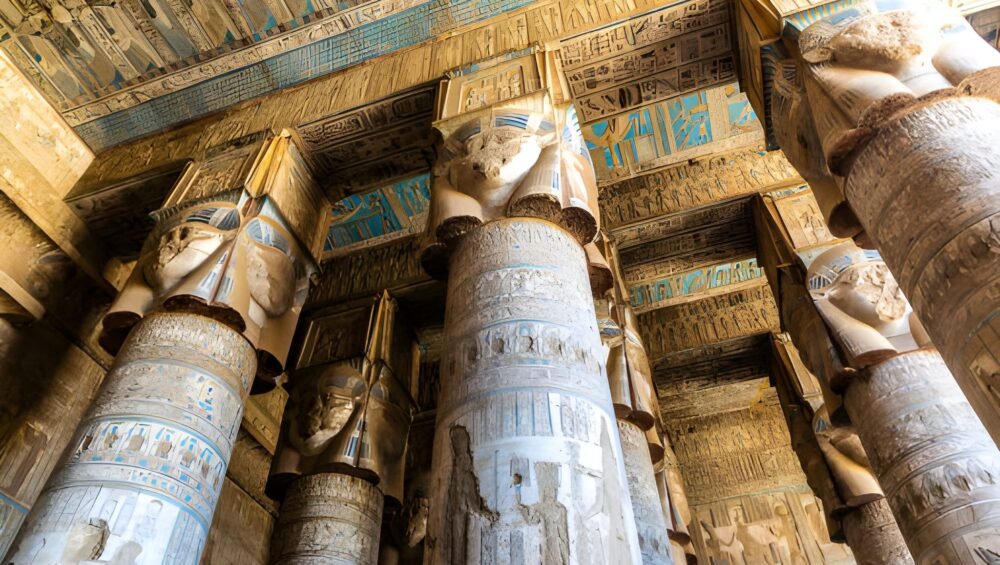
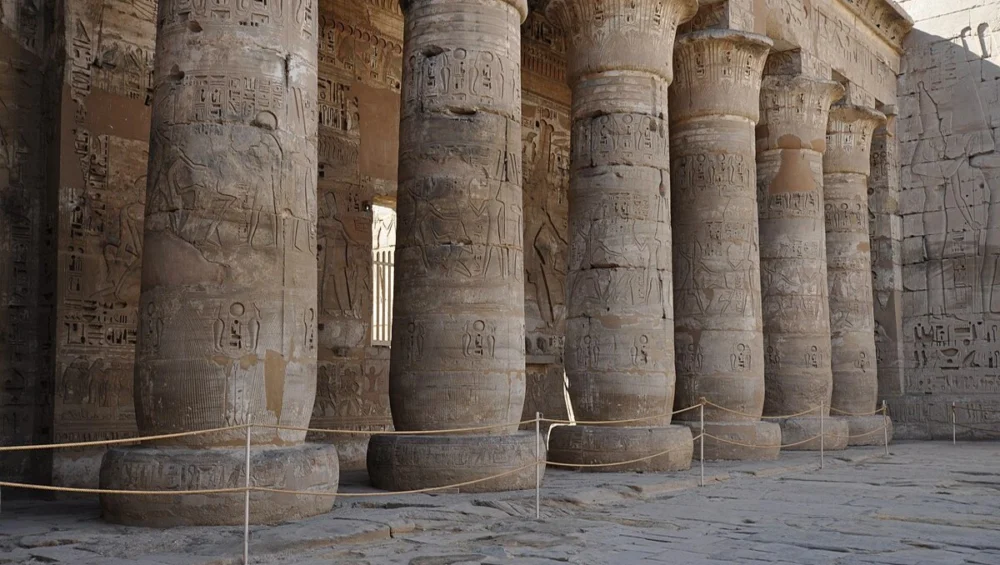
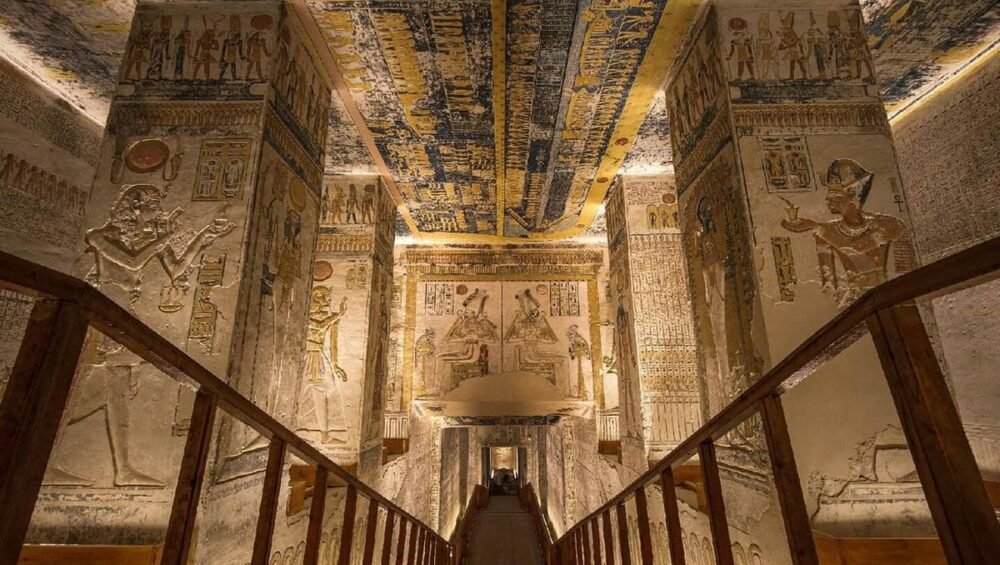
The Temple of Seti I at Abydos stands as a symbol of artistic splendor and religious dedication. Constructed from fine white limestone, the temple features seven sanctuaries dedicated to major deities like Osiris, Isis, Horus, Amun-Ra, Ptah, and Re-Horakhty, along with one for Seti I himself. This architectural arrangement mirrors the cosmic order the Egyptians so deeply revered. The walls are alive with brilliant reliefs and hieroglyphs, some of the most exquisite in Egypt, portraying ritual offerings, coronations, and divine blessings. These carvings showcase a style that balances realism with spiritual symbolism, capturing the Pharaoh’s direct communion with the gods.
The temple’s corridors open into serene chapels where ancient priests once performed sacred rites. Here, reverence was not just art—it was a living, breathing act of devotion. Archaeologists still marvel at the vividness of colors in the temple’s murals, especially in comparison to other New Kingdom monuments. Visitors who wish to delve deep into royal energy can continue their exploration through refined programs like the 12 Day Cairo, Alexandria, Luxor, Abydos, Aswan and Abu Simbel tour, which blends Egypt’s legendary masterpieces with an intimate connection to its spiritual legacy.
The Osireion: The Mystical Symbol of Creation
Just behind Seti’s temple lies one of Egypt’s most mysterious structures: the Osireion. Built deep below ground level, this sacred subterranean chamber symbolizes the primeval waters of creation—Nun—from which the first life emerged. Enveloped in millennia of mystery, its megalithic blocks differ markedly from other constructions in Abydos, suggesting an older, possibly pre-dynastic origin. Some scholars have speculated that it might be a symbolic tomb of Osiris himself, while others consider it a ceremonial center celebrating rebirth and cosmic renewal. Regardless, standing within its cool, echoing chambers evokes a sense of transcendence—a bridge between worlds still pulsing with ancient energy.
The Osireion’s enigmatic aura often reminds visitors of spiritual centers such as the Temple of Philae, another monument to resurrection myths. Both showcase how ancient Egyptians transformed faith into architecture. If you’re planning a pilgrimage-like visit, luxury tours such as Luxury Egypt Tours or tailored routes like the Luxury Dahabiya Nile Cruise can seamlessly integrate Abydos into an experience of pure historical immersion.
Artistic Legacy and Preservation Efforts at Abydos
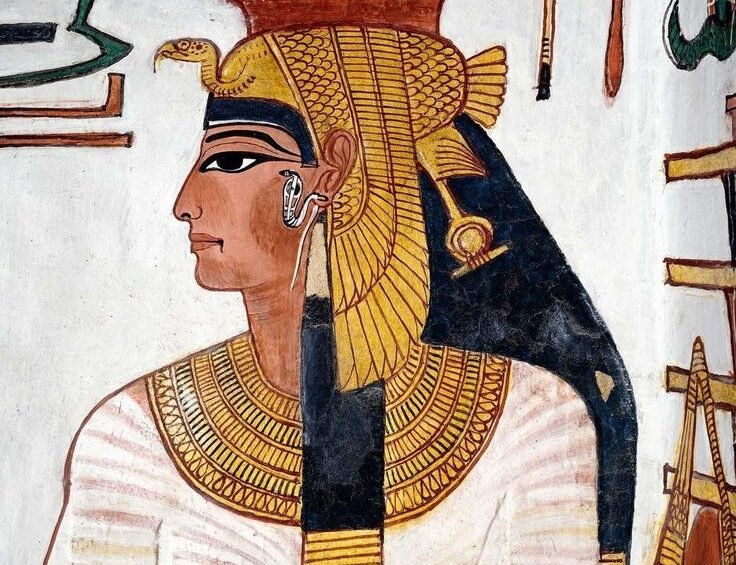
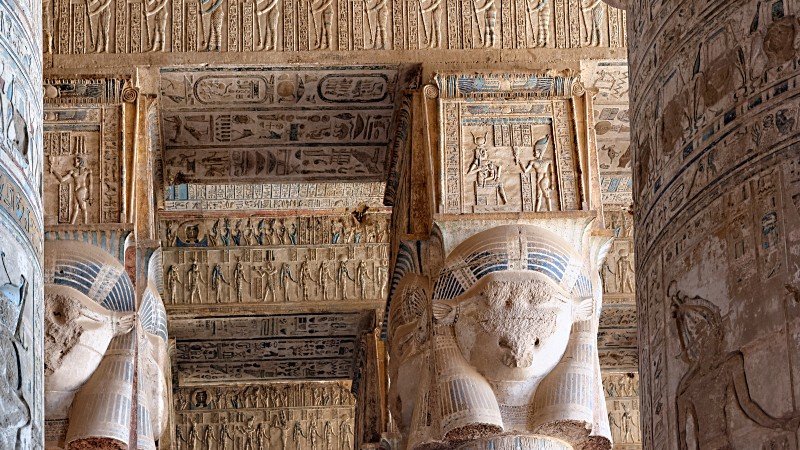
The delicate reliefs and carvings of Abydos Temple represent unparalleled craftsmanship in Egypt’s monumental history. Its limestone walls are adorned with dramatic depictions of pharaohs making offerings, sacred animals, and divine councils. Many reliefs still retain their original pigment, their colors protected for centuries beneath desert sands. The exceptional preservation has drawn global archaeologists eager to study ancient artistry up close. Restoration projects continue today to safeguard the temple from erosion and modern encroachments. Every preservation effort ensures the world can continue to marvel at Seti’s creation just as visitors did thirty centuries ago.
In addition to its archaeological appeal, Abydos has become central to historical tours exploring upper Egypt’s wonders. Travelers often pair their visit with Edfu and Kom Ombo excursions or cultural explorations across Luxor Day Tours. Combining cultural depth with adventure, these tours transform an academic monument into a living encounter with eternity.
The Myth of Osiris and the Eternal Spirit of Abydos
At the core of Abydos’s spiritual magnetism lies the myth of Osiris—the god of death, resurrection, and the afterlife. According to legend, Osiris was betrayed and slain by his brother Set, only to be restored to life by his beloved wife, Isis. His resurrection became a metaphor for eternal existence, inspiring followers across the Nile Valley. Abydos was believed to be the final resting place of Osiris’s head, making the city the most sacred site dedicated to him. Each year, processions reenacting his death and rebirth were held here, drawing pilgrims from across Egypt who sought divine favor and everlasting life.
These sacred festivals strengthened the temple’s aura as the cradle of rebirth. Visitors walking through the halls can still sense echoes of those ancient ceremonies whispering across the carvings. The temple’s connection to Osiris doesn’t merely tell a myth—it defines Egypt’s view of death as a passage into renewal. That spiritual continuity would later influence religious thought across cultures and centuries. Exploring such connections through immersive programs like the 8 Days Egypt Luxury Tour allows travelers to experience the ancient mystical landscape from the perspective of ancient pilgrims.
Travel Tips: Visiting Abydos Temple in Egypt
A modern-day journey to Abydos offers tranquility far from the crowded routes of mainstream tourism. The temple sits near the town of El-Balyana and can be easily reached from Luxor by road. Many choose guided excursions like Day Tour to Luxor from Hurghada and then extend to Abydos and Dendera. Visitors are encouraged to start early to capture the changing hues of limestone walls under rising sunlight—a mesmerizing sight that photography enthusiasts adore.
Inside, photography is permitted without flash to protect fragile pigments. Respectful silence deepens the spiritual atmosphere where each hieroglyph radiates ancient energy. Engaging a knowledgeable local Egyptologist can make a world of difference in understanding the symbology behind each wall and corridor. For those intrigued by cultural depth, exploring companion temples like Edfu Temple or Kom Ombo Temple creates a well-rounded pilgrimage through Egypt’s timeless spiritual axis.
The Enduring Influence of Abydos on Egyptian Civilization
Across centuries, Abydos inspired more than religion—it shaped Egypt’s entire ideological landscape. The orderly presentation of kings in the Abydos King List set a precedent for royal legitimacy, reinforcing the divine right of rulers. The artistic finesse and spiritual fervor embedded in Seti’s temple became a standard for later dynasties. Even neighboring complexes like Ramesseum Temple and Luxor Temple reflect echoes of Abydos’s iconography. The city remains a timeless textbook for historians, artists, and architects eager to decode how faith sculpted civilization itself.
The Allure of Abydos for Modern Travelers
A visit to Abydos today offers serenity and discovery in equal measure. Unlike the bustling sites of Giza or Karnak, Abydos feels deeply personal—a chance to commune quietly with timeless mystery. Walking along the corridors where Seti once prayed or touching hieroglyphs that have survived millennia invokes awe impossible to describe. Visitors revel in the artistry that still dazzles under sunlight, imagining the temple ceremonies that once breathed life into every chamber. Tailored trips through Egypt Private Tours ensure guests experience the temple’s full magnificence with flexibility, comfort, and expert storytelling.
Frequently Asked Questions about Abydos Temple
What makes Abydos Temple unique compared to other Egyptian temples?
The Abydos Temple stands apart for its incredible state of preservation, detailed carvings, and strong connection to the cult of Osiris. Unlike most temples, it includes seven inner sanctuaries and the famous Osireion—a structure symbolizing the cosmic origins of life. Its inscriptions, including the Abydos King List, make it vital to understanding Egypt’s dynastic history.
Who built the Abydos Temple?
The temple was commissioned by Pharaoh Seti I of the 19th Dynasty and later completed by his son, Ramses II. Together they created an enduring tribute to gods and kings, shaping an architectural masterpiece that remains unrivaled for its artistic detail and religious importance.
How old is Abydos Temple?
The main temple dates back over 3,200 years, constructed during Seti I’s reign (circa 1290–1279 BCE). However, Abydos’s sacred history extends much further, with structures and tombs dating back to Egypt’s earliest dynasties around 3000 BCE.
Where is Abydos Temple located and how can I visit?
The temple is located near El-Balyana, Sohag Governorate, roughly 160 kilometers north of Luxor. It can be reached conveniently from Luxor through organized trips such as private Abydos tours designed for culture seekers and history enthusiasts alike.
Can visitors explore all parts of the Abydos Temple complex?
Yes, visitors have access to the temple’s main halls, chapels, and the Osireion. Some deeper or restricted areas may require special permissions