Tunis Village Faiyum
Tunis Village Faiyum: Egypt’s Hidden Artistic Gem in the Heart of the Oasis
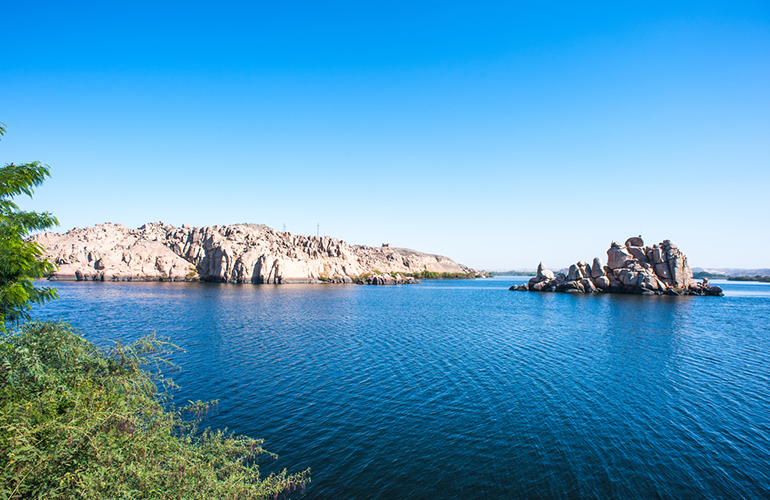
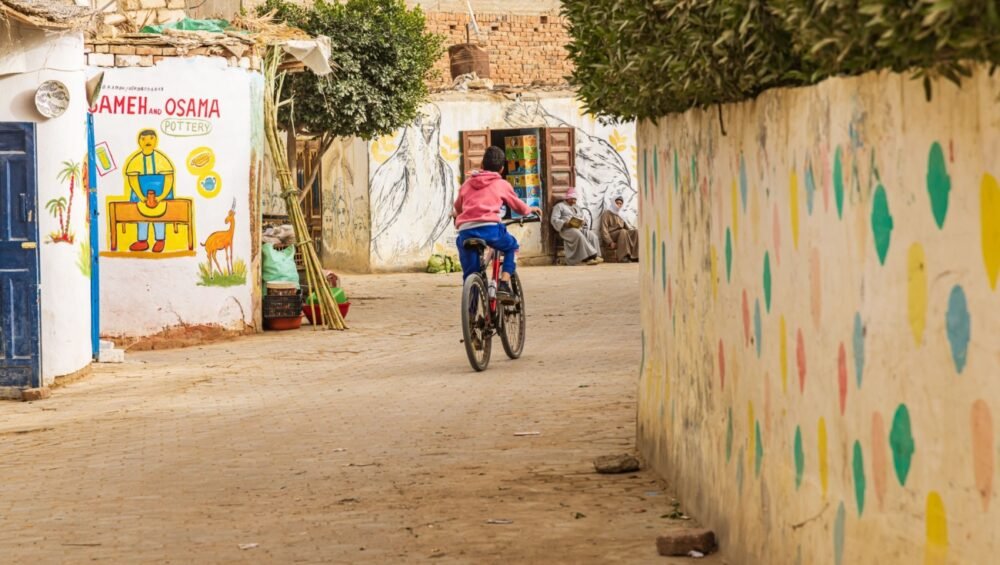
Perched along the serene banks of Lake Qarun, Tunis Village Faiyum is a picturesque artists’ haven that captures the authentic charm of rural Egypt. This enchanting village blends nature, artistry, and heritage into a timeless experience that resonates with culture lovers and eco-travelers alike. Often dubbed Egypt’s pottery capital, Tunis Village has evolved from a quaint agricultural community into a thriving hub of creativity, attracting artisans, travelers, and photographers from every corner of the world. The distinctive fusion of mud-brick houses, cobalt-dyed pottery, and the tranquil desert backdrop crafts an irresistible allure that’s hard to find elsewhere. With its lush palm groves, ancient waterwheels, and sweeping lake vistas, Tunis Village Faiyum is more than a destination—it’s an emotion, a sensory journey through Egypt’s living tradition.
Once an obscure settlement, Tunis Village gained fame in the 1960s when the Swiss potter Evelyne Porret established her pottery school here. Her artistry and teaching drew global attention, inspiring locals to embrace their creative heritage and launch a thriving pottery movement. Today, the village hosts the annual Pottery Festival, welcoming locals and tourists to celebrate craftsmanship, music, and culture in an atmosphere that feels both festive and familial. In many ways, Tunis Village reflects the spirit of Faiyum itself—a place where Egypt’s natural beauty and artistic soul meet in harmonious rhythm. Unsurprisingly, it’s now featured in many Egypt Day Tours and is regarded as a must-visit on the cultural map of modern Egypt.
The Captivating History Behind Tunis Village Faiyum
The story of Tunis Village Faiyum begins with its agricultural roots. Nestled within the fertile Faiyum Depression—one of Egypt’s oldest inhabited regions—the village once thrived as a farming community that benefited from the nearby Nile-fed irrigation systems. However, its transformation didn’t occur until modern times. In the early 20th century, foreigners exploring the Faiyum oasis began to appreciate its idyllic setting and mild climate. But it was Evelyne Porret’s arrival in the 1960s that changed everything. By founding a pottery school based on traditional clay techniques, she revived local craftsmanship, merging rural simplicity with modern artistry. The movement gave birth to a new generation of artisans and put Tunis Village on Egypt’s cultural radar.
Beyond its pottery fame, Tunis Village Faiyum stands as a living chronicle of local resilience and adaptation. Its history mirrors Egypt’s broader narrative—one that constantly evolves while preserving its roots. Much like the timeless architecture of Memphis Egypt, The Old Egyptian Capital, the village symbolizes an unbroken link between past and present, where every street corner whispers tales of heritage and hope.
Pottery and Art: The Pulse of Tunis Village
Pottery is more than a craft in Tunis—it’s a lifestyle. The village’s clay studios brim with handmade vessels, vases, and tiles painted in earthy tones and blues that echo Lake Qarun’s shimmering hues. Each piece tells a story; each design reveals a reflection of Faiyum’s desert and water landscapes. Visitors can wander from one workshop to another, engaging directly with artisans who shape beauty from local clay. Many travelers choose hands-on experiences through workshops, learning age-old techniques passed through generations.
For art enthusiasts, the annual Tunis Village Pottery Festival is a must-see. Held each autumn, it features local artists, live pottery demonstrations, and cultural exhibitions that celebrate Faiyum’s identity. This artistic heartbeat has inspired growing interest in Eco Tours in Egypt, as Tunis Village seamlessly blends sustainability with creativity.
Accommodation and Hospitality: A Home in the Oasis
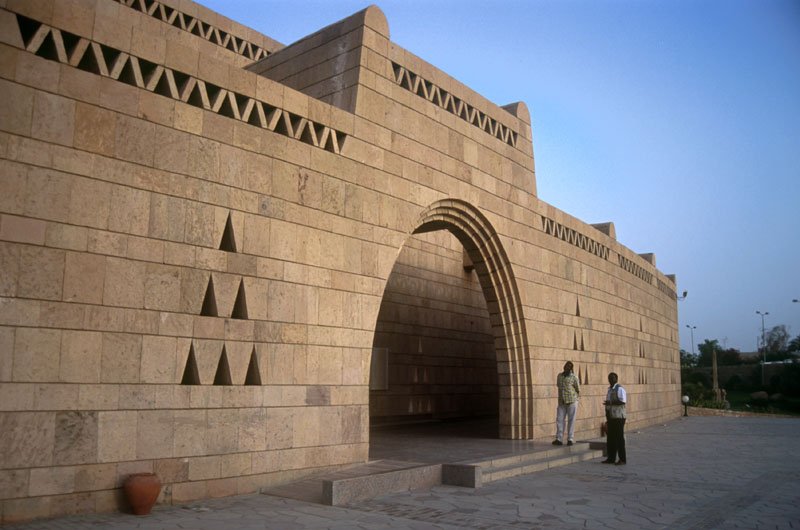
True to its rustic charm, Tunis Village Faiyum offers intimate guesthouses built from traditional mud-brick architecture that keeps rooms naturally cool in Egypt’s desert climate. Popular lodgings incorporate local artistry—handcrafted pottery, colorful textiles, and straw furniture echoing ancient Egyptian aesthetics. Among them, several eco-lodges cater to travelers seeking comfort while supporting sustainable tourism. Guests often compare the peaceful retreat of Tunis Village to staying in the serene backstreets of Luxor City, where slow living and authenticity rule.
Hospitality here feels personal. Villagers welcome guests as family, serving homemade meals with locally sourced ingredients. Traditional dishes like molokhia, lentil soup, and roasted fish from Lake Qarun are crowd favorites, appealing to anyone passionate about Traditional Dishes in Egypt. Evenings unfold under the soft glow of lanterns, accompanied by the gentle rhythm of handmade drums and friendly chatter by the fire. It’s the kind of experience that lingers long after you’ve left the desert horizon behind.
Nature and Landscape: The Oasis Beyond Imagination
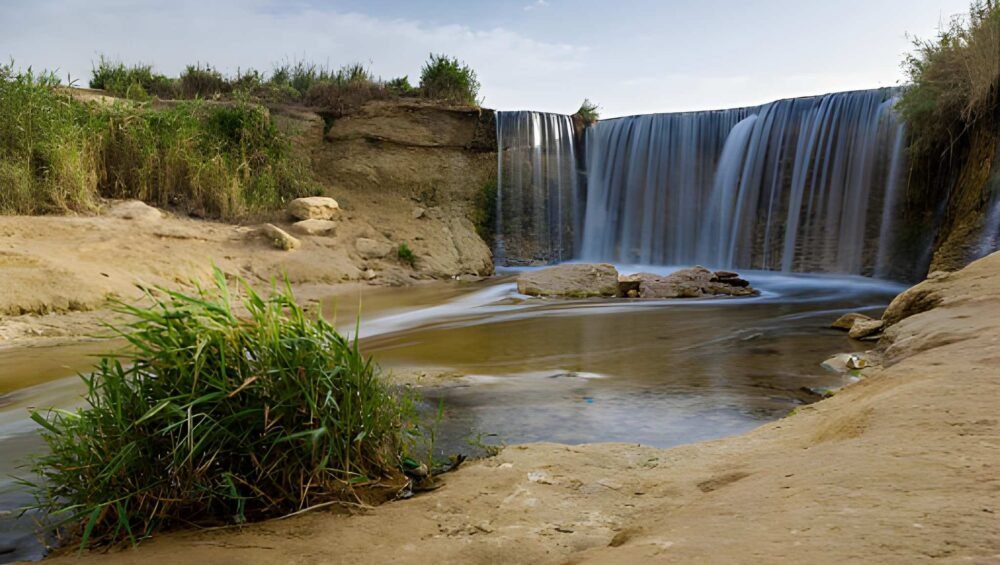
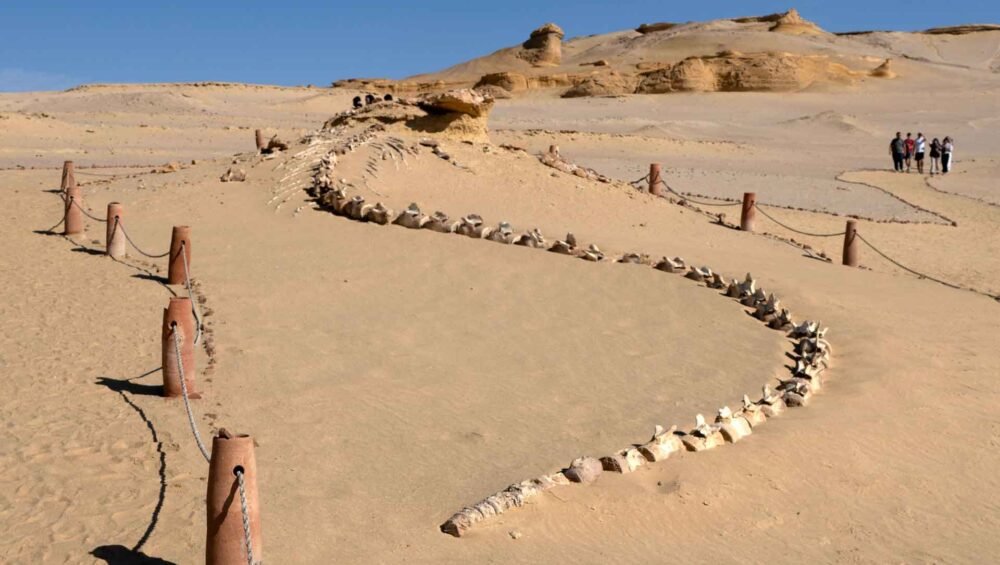
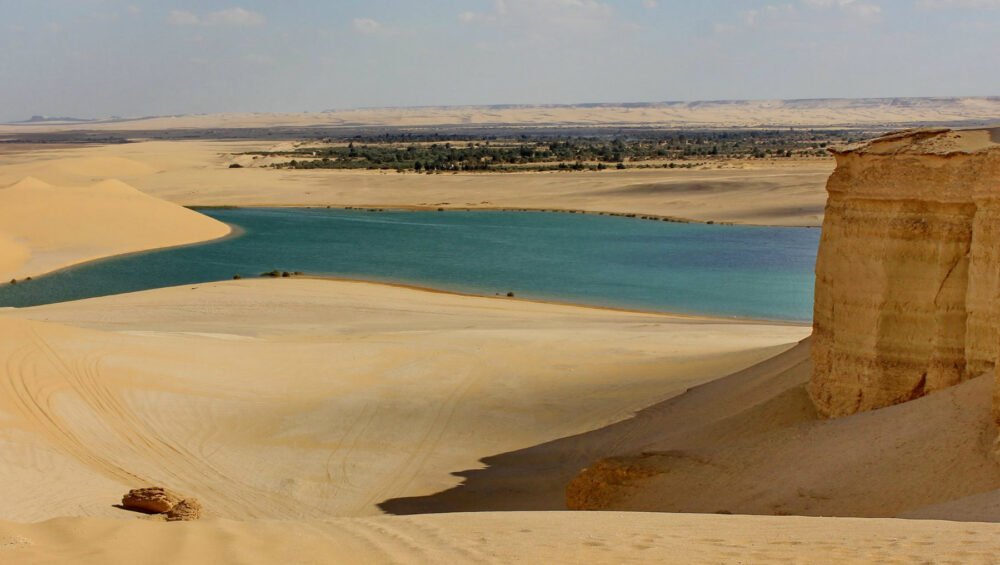
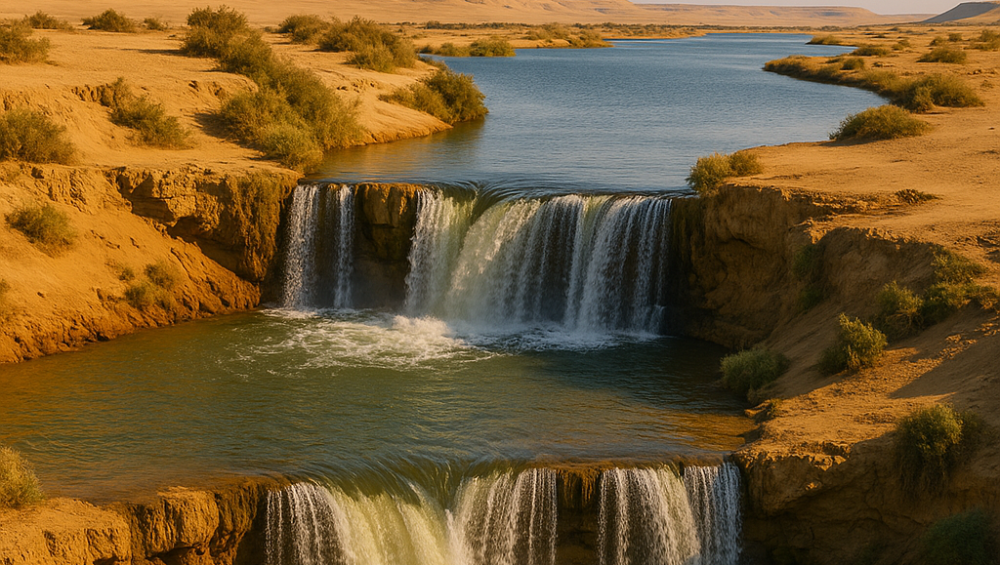
Surrounding Tunis Village Faiyum is a stunning panorama of shifting landscapes. From fertile farmlands to desert dunes and the glittering expanse of Lake Qarun, the scenery radiates variety. Birdwatchers gather here year-round to spot migratory species such as flamingos, herons, and pelicans, while hikers enjoy evening strolls along the lake shore. A day trip to the nearby Wadi El Rayan waterfalls or the fossil-strewn Wadi Al Hitan (Whale Valley) offers a deeper appreciation for the region’s geological past.
The proximity of Tunis Village to these UNESCO-protected sites positions it as an emerging hub for eco-tourism. Like the timeless mysteries surrounding Qarun Lake, the village harnesses natural harmony, inspiring travelers to reconnect with Earth’s rhythms. Whether kayaking across calm waters or cycling through palm-lined paths, every journey through Faiyum’s oasis is a celebration of life in all its delicate balance.
Craftsmanship Meets Sustainability
What sets Tunis Village Faiyum apart is its deep-rooted commitment to sustainability. Here, artisans use local clay, natural pigments, and organic resources to produce environmentally friendly art. Houses are constructed from clay and straw, creating eco-efficient insulation that aligns with ancient Egyptian building techniques reminiscent of structures found in Dendera Temple Complex. Recycled materials and solar energy systems have gradually become part of the community’s ethos, reinforcing Tunis Village’s reputation as a model for responsible tourism and green living in rural Egypt.
This conscious approach draws eco-travelers seeking authentic, low-impact experiences—those who prefer handcrafted souvenirs over mass-produced trinkets, and starlit nights over neon resorts. Tunis Village provides a well-rounded model for sustainable travel, contributing directly to local livelihoods while preserving Faiyum’s fragile ecosystem.
Festivals, Culture, and Daily Life
Life in Tunis Village Faiyum moves at a rhythm dictated by nature. Each season brings its own charm—golden harvests in autumn, crisp breezes in winter, and the influx of international artists in spring. The Pottery Festival marks the highlight of the year, transforming the village into a vibrant marketplace alive with color, music, and laughter. Folkloric dancers perform traditional routines as craft stalls showcase everything from handmade jewelry to handwoven baskets.
Visitors often find themselves immersed in cultural exchanges, painting alongside local artists or learning Arabic phrases from friendly children. Much like cultural hubs such as Coptic Cairo (Old Cairo), Tunis Village embodies the coexistence of tradition and modern creativity—a vibrant dialogue between history and innovation.
Visiting Tunis Village Faiyum: Travel Tips and Highlights
Reaching Tunis Village is surprisingly simple. Located about 140 km southwest of Cairo, it’s a two-hour drive through scenic desert highways. Private transfers and organized trips—such as the Day Tour to El Fayoum from Cairo—offer convenient access. Travelers often combine it with visits to nearby attractions like Qasr Qarun, Wadi El Rayan, and Wadi Al Hitan to appreciate the full breadth of the Faiyum oasis ecosystem.
For photographers, mornings and sunsets are magical. The light’s golden hue reflects off the clay rooftops and pottery displays, creating postcard-perfect images reminiscent of desert dreamscapes. Stay at least two nights to fully immerse yourself in the rhythms of village life, explore surrounding hiking trails, and join pottery workshops that yield both memories and handmade souvenirs.
Why Tunis Village Faiyum Should Be on Every Egypt Itinerary
Tunis Village isn’t just for art lovers—it’s a soulful escape for anyone yearning to connect with authentic Egypt. Its combination of culture, nature, and human warmth makes it stand out from classic tourist cities. In an era when travel often feels commercialized, Tunis offers genuine connection. Here, travelers engage with a real community, learn traditional skills, and witness sustainability in motion. Compared to bustling attractions in Cairo or the grandeur of the Abu Simbel Temples, Tunis Village provides a tranquil balance—quiet yet deep, modern yet timeless.
This unique character makes it an ideal complement to luxury journeys like the 10-Day Egypt Luxury Trip with Dahabiya Nile Cruise, allowing travelers to experience both Egypt’s grandeur and its authentic countryside charm. Tunis Village reminds us that the heart of travel lies not only in monuments but in moments—the ones shared over pottery wheels, by lakeside sunsets, or beneath star-filled skies.
Frequently Asked Questions about Tunis Village Faiyum
1. Where exactly is Tunis Village located?
Tunis Village sits on the west bank of Lake Qarun in Egypt’s Faiyum Oasis, about two hours southwest of Cairo. It’s accessible by car or as part of organized excursions like the Day Tour to El Fayoum from Cairo, making it a convenient day or weekend getaway.
2. What’s the best time to visit Tunis Village Faiyum?
The ideal period runs from October to April, when temperatures are mild and perfect for exploring. During these months, you can enjoy the Pottery Festival, birdwatching around Lake Qarun, and comfortable outdoor activities similar to those featured in Fayoum Oasis.
3. What is Tunis Village Faiyum famous for?
The village is celebrated for its pottery artistry, eco-friendly lifestyle, and scenic setting. Its pottery school, established in the 1960s, sparked a creative renaissance that turned the community into one of Egypt’s most artistic destinations. Visitors often take workshops and visit craft markets inspired by the style seen in Tunis Village Pottery.
4. Can I stay overnight in Tunis Village?
Absolutely. The village offers cozy eco-lodges and guesthouses built in a traditional style, blending rustic beauty with comfort. Many accommodations are family-run, offering home-cooked meals and lake views that rival stays in historical towns like Dakhla Oasis.
5. What other attractions near Tunis Village are worth visiting?
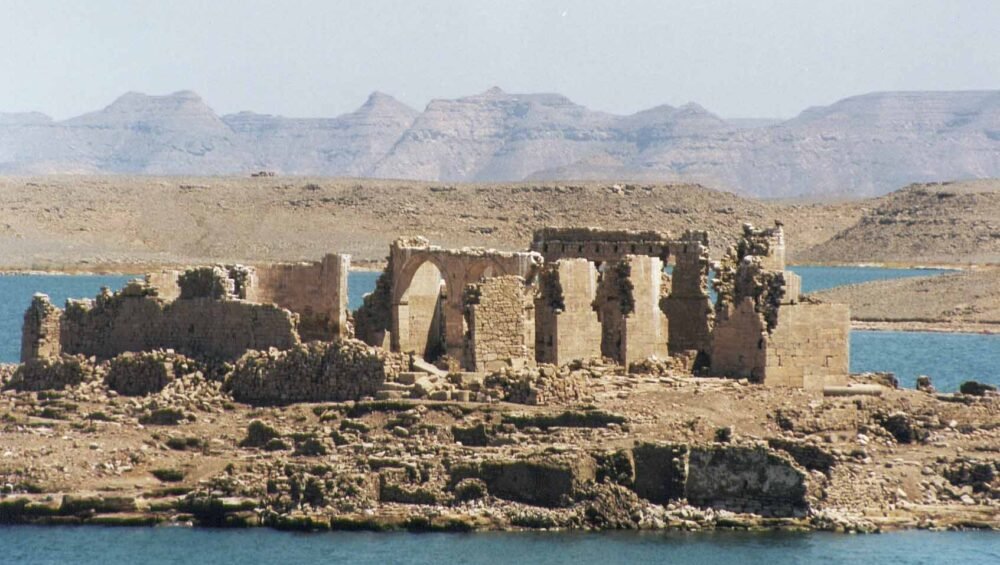
Nearby highlights include Qasr Qarun Temple, the twin waterfalls of Wadi El Rayan, and the fossil-rich valleys of Wadi Al Hitan. These natural and archaeological wonders make Faiyum one of Egypt’s most diverse explorative regions.