Dahshour

Dahshour: The Forgotten Gem of Egypt’s Ancient Pyramid Fields

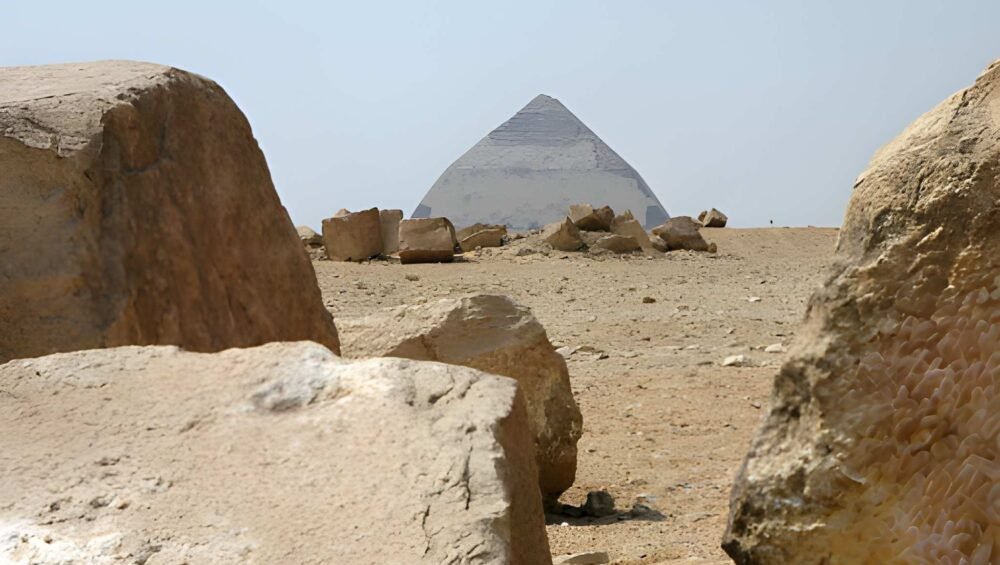
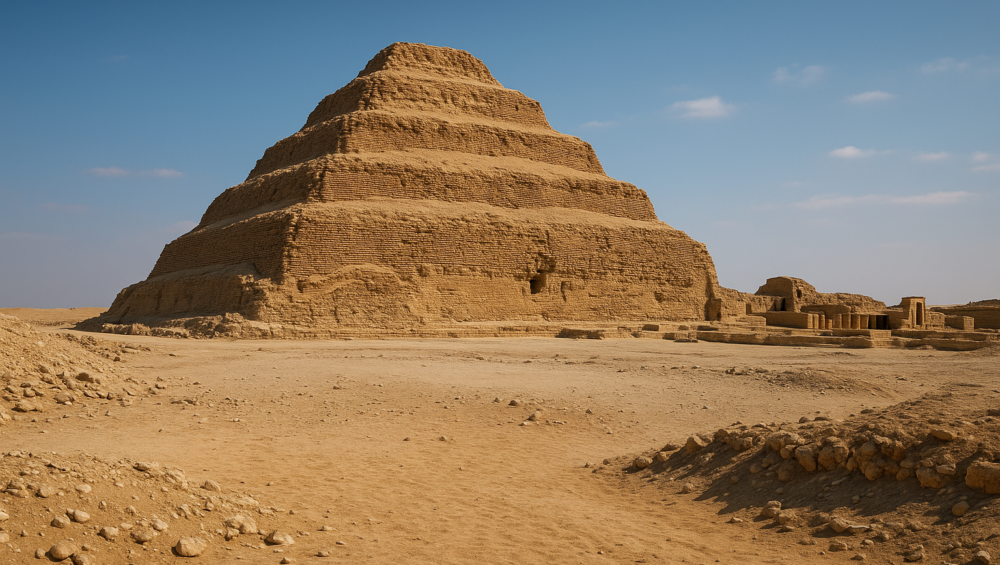
Just a short drive south of Giza and Saqqara lies Dahshour, a captivating archaeological treasure trove that seldom makes it onto mainstream tourist itineraries. Yet, for those who venture beyond the well-trodden paths of Egypt’s more famous sites, Dahshour rewards every traveler with a serene, profoundly historic, and visually stunning experience. This ancient necropolis was the experimental playground for Pharaoh Sneferu, whose architectural innovations here sparked the evolution of Egypt’s iconic pyramids. Dahshour’s blend of mystery, engineering marvels, and raw desert landscapes offers an unforgettable glimpse into Egypt’s golden age of pyramid construction.
Read More “Dahshour”

The Grand Egyptian Museum

The Grand Egyptian Museum: A Modern Gateway to Egypt’s Ancient Wonders

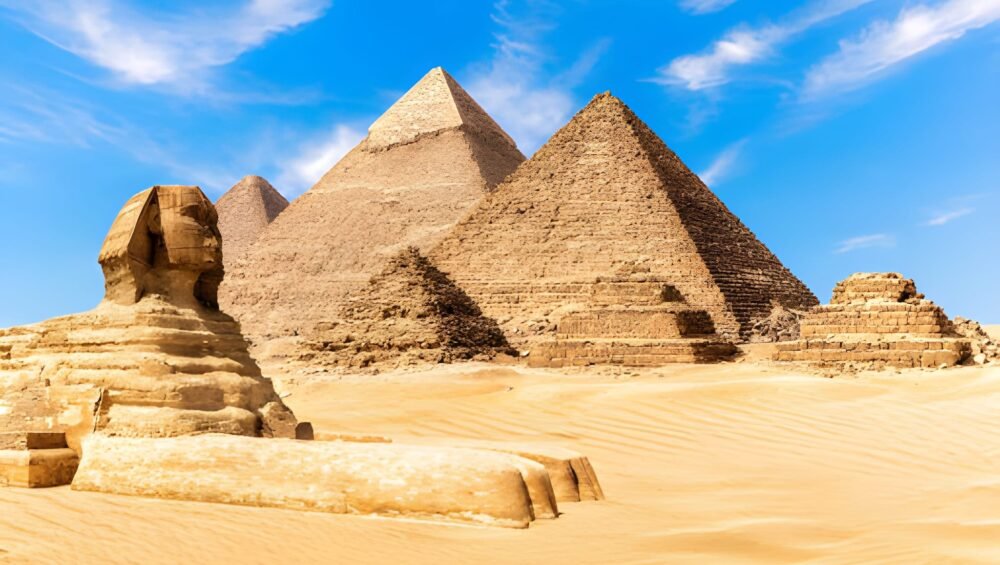
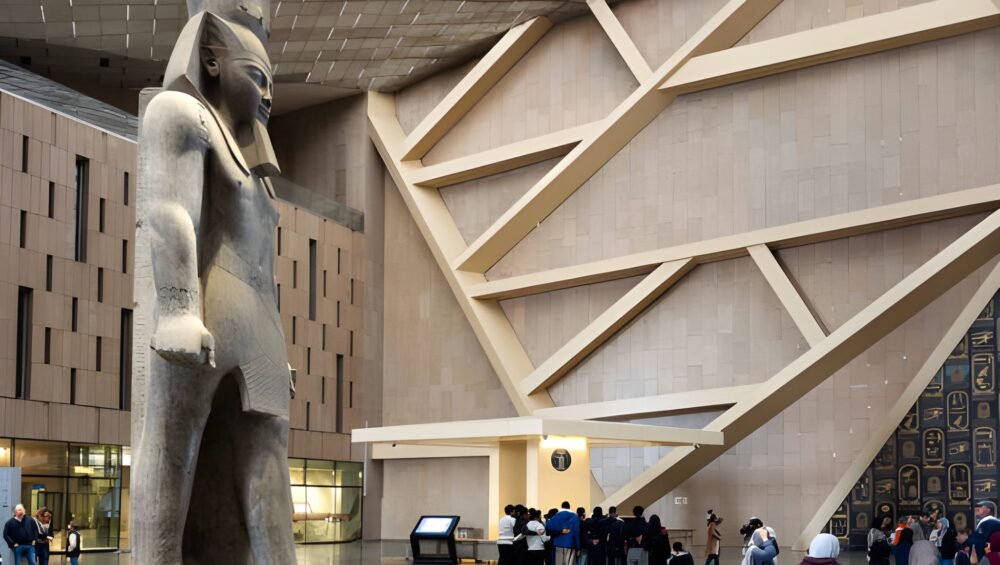
Sitting impressively at the edge of the Giza Plateau, the Grand Egyptian Museum (GEM) redefines how humanity connects with Egypt’s pharaonic treasures. This state-of-the-art museum is not just a collection of artifacts—it’s a breathtaking narrative of civilization, innovation, and legacy. The Grand Egyptian Museum, near the iconic Pyramids of Giza, promises to become the largest archaeological museum in the world. Designed as a futuristic haven for Egypt’s heritage, the museum bridges ancient splendor with cutting-edge architecture and technology. Tourists and historians alike are poised to experience an unparalleled journey through five millennia of history within its walls.

Read More “The Grand Egyptian Museum”

Sakkara Necropolis

Sakkara Necropolis: Egypt’s Timeless Gateway to the Afterlife

Step into the vast and mysterious Sakkara Necropolis, a cornerstone of Ancient Egypt’s funerary landscape and one of the most intriguing archaeological sites near Cairo. Located in the desert sands southwest of modern Giza, this ancient burial ground served as the necropolis for the city of Memphis, Egypt’s first capital. The site unfolds a mesmerizing tableau of pyramids, mastabas, and tombs that date back more than 4,700 years, unlocking secrets of art, belief, and architecture that shaped Egyptian civilization. Every stone seems to whisper tales of pharaohs, priests, and visionaries who sought immortality.

Read More “Sakkara Necropolis”

Memphis Egypt, The Old Egyptian Capital

Memphis Egypt – The Old Egyptian Capital and Eternal Heart of Civilization

Memphis, Egypt, the dazzling capital of the ancient empire, wasn’t just a city—it was the very soul of early civilization. Sitting gracefully at the mouth of the Nile Delta, this city was the cradle of Egyptian unity, artistry, and power. Known in ancient Egyptian as *Inebu-Hedj*, meaning “The White Walls,” Memphis symbolized authority, divinity, and architectural refinement. Founded by King Narmer (also known as Menes) around 3100 BCE, it became the heartbeat of Egypt, uniting Upper and Lower Egypt into one mighty kingdom. For centuries, Memphis was home to kings who shaped the destiny of the ancient world and built monumental legacies that still whisper tales of grandeur through their ruins today.

Read More “Memphis Egypt, The Old Egyptian Capital”

The Valley Temple

The Valley Temple of Khafre – The Eternal Gateway to Ancient Egypt’s Mystical Afterlife

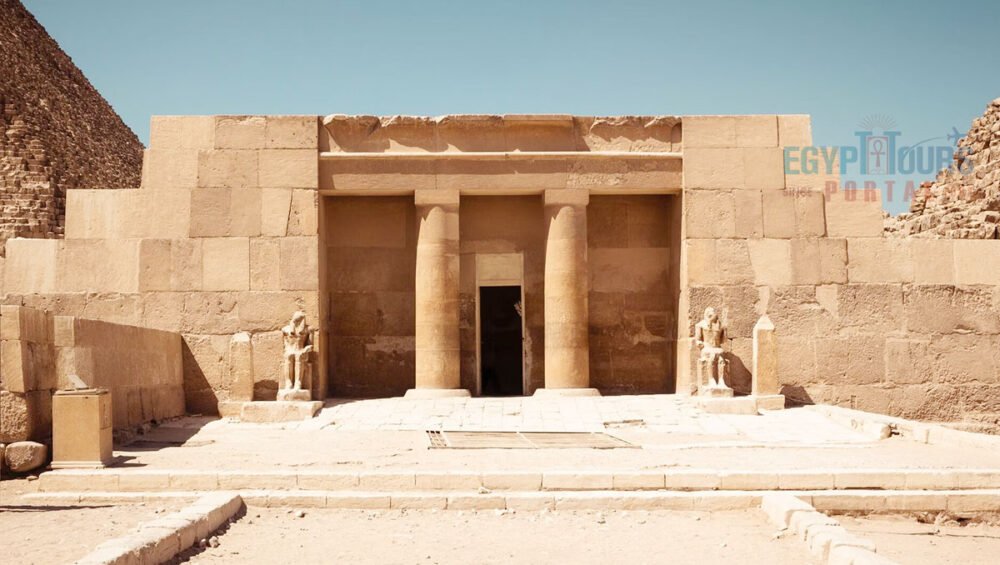
Standing like a sentinel of stone beside the mighty Giza Plateau, the Valley Temple of Khafre is one of Egypt’s most enigmatic and well-preserved monuments. Unlike the colossal Great Sphinx that guards it or the towering pyramids that overshadow it, this temple exudes quiet grandeur. Its smooth limestone walls, solid granite pillars, and masterful symmetry embody both function and faith. Built during the 4th Dynasty of the Old Kingdom around 2520 BCE, the Valley Temple was part of the royal pyramid complex of Pharaoh Khafre—son of Khufu, the builder of the Great Pyramid. This ancient wonder served as both a mortuary site and a sacred threshold between the earthly realm and the afterlife. Visitors today still marvel at the temple’s uncompromising precision, timeless materials, and spiritual resonance that bridges more than four millennia of Egyptian history.

Read More “The Valley Temple”

El Moez Street

El Moez Street: The Vibrant Heart of Islamic Cairo’s Golden History

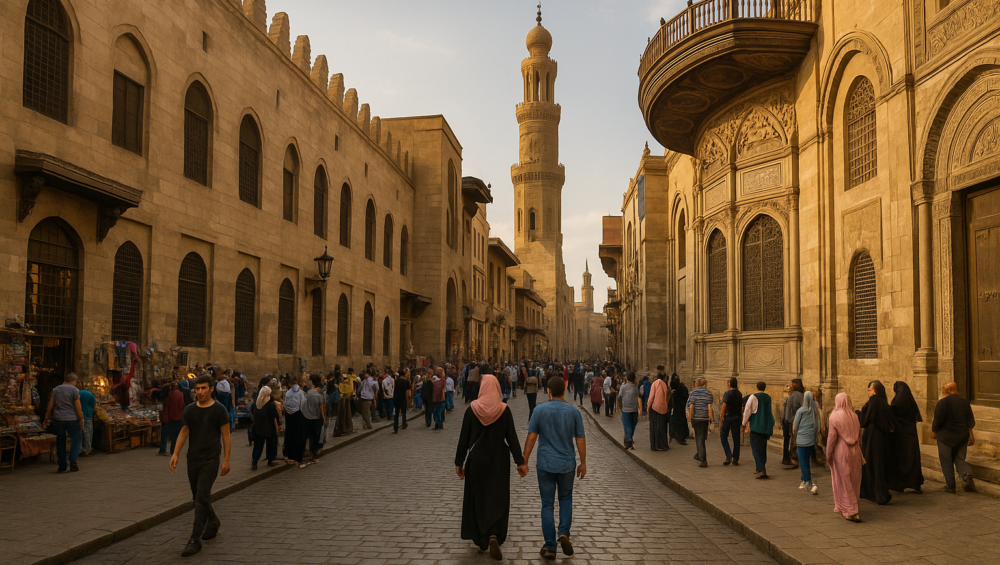
El Moez Street, also known as Al Moez li-Din Allah Street, is one of the oldest and most captivating streets in Cairo. It stands as a living museum of Islamic architecture, stretching through the heart of ancient Cairo. Established during the Fatimid era in the 10th century, El Moez Street remains a profound representation of Egypt’s rich cultural and architectural heritage. The street unfolds like an open-air gallery where every minaret, courtyard, and gate tells a story of faith, artistry, and glorious dynasties that once ruled Egypt.

Read More “El Moez Street”

Sultan Hassan Mosque

Sultan Hassan Mosque

Sultan Hassan Mosque: The Crown Jewel of Mamluk Architecture

Rising majestically in the heart of Cairo, the Sultan Hassan Mosque stands as one of the most extraordinary architectural achievements of the Islamic Golden Age. Constructed during the 14th century, this mosque-madrasa complex has captured hearts for centuries with its grandeur, exquisite detailing, and sheer scale. As one approaches its towering façade, the harmony between power and faith becomes almost palpable. Sultan Hassan Mosque isn’t just a historical site; it’s a monumental reflection of Islamic art, Mamluk engineering genius, and Egypt’s rich cultural tapestry. Travelers, historians, and photographers consider it one of the most mesmerizing mosques in the Islamic world, a masterpiece harmonizing history, symmetry, and spirituality in one breathtaking blend.

Read More “Sultan Hassan Mosque”

Baron Empain Palace

Baron Empain Palace

Baron Empain Palace – The Enigmatic Jewel of Heliopolis and its Captivating Architectural Legacy

Nestled in the heart of Heliopolis, Cairo, the Baron Empain Palace stands as a stunning symbol of eccentric architecture, colonial ambition, and mystique. This awe-inspiring mansion, designed by Belgian industrialist Édouard Louis Joseph Empain, known as Baron Empain, is more than just a palace—it’s a living legend. It captures the imagination of every traveler who sets foot before its gates. Built between 1907 and 1911, its design fuses Hindu temple flair with European luxury, creating one of Egypt’s most visually arresting monuments. This architectural masterpiece is a striking representation of Egypt’s early 20th-century modernity meeting timeless historical charm. With its otherworldly design, intricate rotunda, and panoramic tower view of Heliopolis, Baron Empain Palace has fascinated historians, architects, and explorers alike for over a century.

Read More “Baron Empain Palace”

Al Azhar Mosque

Al Azhar Mosque

Al Azhar Mosque: The Beating Heart of Islamic Scholarship in Cairo

Al Azhar Mosque, nestled in the historic core of Cairo, stands as one of the most influential and venerated institutions in the Islamic world. Established over a millennium ago, it isn’t merely a place of worship but a thriving center of intellectual light, drawing scholars and travelers alike from every corner of the globe. The mosque’s landscape, adorned with elegant minarets and intricate calligraphy, whispers stories of devotion, resilience, and enlightenment. The impact of Al Azhar radiates far beyond Egypt; its legacy in education, architecture, and faith continues to shape the spiritual and cultural identity of countless generations.

Read More “Al Azhar Mosque”

The Hanging Church

The Hanging Church

The Hanging Church of Cairo: An Architectural Wonder of Coptic Heritage

Hidden in the heart of Coptic Cairo (Old Cairo), The Hanging Church, also known as Saint Virgin Mary’s Coptic Orthodox Church, stands as a breathtaking testament to early Christian architecture and faith. Suspended above the southern gatehouse of the ancient Babylon Fortress Cairo, this iconic church is one of the most remarkable religious landmarks in Egypt. The Hanging Church attracts travelers, historians, and spiritual seekers yearning to explore its holy atmosphere and architectural splendor. With roots tracing back to the 3rd century AD, the church is a shining symbol of Egypt’s enduring Coptic heritage—a place where faith, art, and history meet in harmony.

Read More “The Hanging Church”