How Is The Climate In Egypt?
Egypt’s climate is predominantly hot and dry, with long, sweltering summers and mild winters, making it a year-round destination for travelers. Rainfall is scarce, especially outside the Mediterranean coast, and the Nile River plays a key role in shaping the country’s weather patterns. Understanding Egypt’s climate is essential for planning your trip and making the most of your visit.
Key Takeaways
- Egypt experiences hot, dry summers and mild winters, with most rainfall along the Mediterranean coast.
- The best time to visit is typically between October and April, when temperatures are more moderate.
- Desert regions can have extreme temperature differences between day and night.
- Cultural sites and Nile cruises are accessible year-round, but summer heat may affect outdoor comfort.
- Official opening hours for monuments and museums are reduced during Ramadan and should be checked in advance.
Egypt’s Climate Zones: An Overview
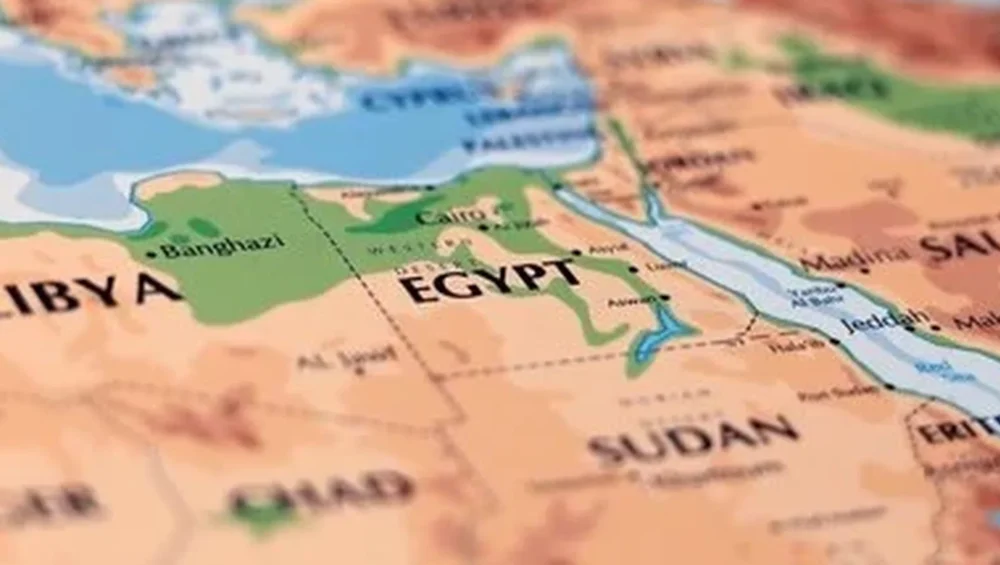
Egypt’s geography creates distinct climate zones. The Mediterranean coast, including cities like Alexandria, experiences milder weather and receives the majority of the country’s limited rainfall. As you move south and inland, the climate becomes increasingly arid and desert-like, with soaring summer temperatures and almost no precipitation. The Nile Valley, running through the heart of Egypt, supports most of the country’s population and agriculture, thanks to the river’s moderating influence.
Travelers interested in exploring Cultural Tours Egypt will find that the climate varies significantly between the north and south, affecting everything from what to pack to the best times for sightseeing.
Seasonal Weather Patterns in Egypt
Egypt’s climate can be divided into two main seasons: a hot summer stretching from May to October, and a cooler winter from November to April. Summer temperatures in Upper Egypt, including Luxor and Aswan, can be intense, often exceeding 40°C in the shade. In contrast, Cairo and the coastal regions are slightly milder but still hot. Winters are generally pleasant, with daytime temperatures ranging from 19.0°C (per the Ministry of Tourism and Antiquities) in Cairo to warmer conditions in the south. Nighttime temperatures can drop sharply, especially in desert areas.
For those seeking 3 Day Luxor, Edfu, Kom Ombo, Aswan and Abu Simbel packages, planning your visit during the cooler months will enhance your comfort while exploring iconic temples and monuments.
Rainfall and Wind: What to Expect
Rain is rare in most of Egypt, with the exception of the Mediterranean coast, where Alexandria receives the highest annual precipitation. In Cairo, rain showers are infrequent and usually brief. The rest of the country, including popular tourist destinations like Luxor, Aswan, and the Red Sea resorts, sees little to no rain throughout the year. One weather phenomenon to be aware of is the khamsin—a hot, dry, and dusty wind that blows from the desert, typically between March and May. This wind can cause sudden temperature spikes and reduced visibility.
If you’re searching for Hidden Gems in Egypt, understanding these weather patterns helps you plan off-the-beaten-path excursions with minimal climate-related surprises.
The Best Time to Visit Egypt
The most comfortable time to visit Egypt is during the winter months, from October to April, when temperatures are mild and humidity is low. This period is ideal for sightseeing, outdoor activities, and Nile cruises. The peak tourist season typically falls between December and February, so expect larger crowds at major attractions. If you prefer fewer tourists and lower prices, consider traveling in the shoulder months of October-November or March-April. Summer travel is possible, especially for Red Sea beach resorts, but sightseeing in the interior can be challenging due to the heat.
For those interested in unique journeys, Unique Experiences in Egypt Away from the Crowds are often more enjoyable during the shoulder seasons when the weather is pleasant and tourist sites are less busy.
Climate Considerations for Nile Cruises
Nile cruises are a highlight for many visitors, offering a relaxing way to see ancient temples and lush river landscapes. The best time for a Nile cruise is between October and April, when temperatures are comfortable for both daytime excursions and evenings on deck. Summer cruises are available, but the heat can be intense, especially in Upper Egypt. Most cruise operators provide air-conditioned cabins and shaded areas, but outdoor activities may be limited during the hottest parts of the day.
To experience the luxury and comfort of a river journey, consider booking the Iberotel Crown Empress Nile Cruise, which operates throughout the year and adapts its schedules to seasonal conditions.
Desert Climates: Western and Eastern Deserts
Vast stretches of Egypt are covered by the Western Desert and the Eastern Desert, both characterized by extreme aridity and dramatic temperature swings. Daytime temperatures in the deserts can soar, while nights are markedly cooler, sometimes chilly. These regions receive almost no rainfall and are known for their clear skies and intense sunlight. Travelers venturing into the deserts should prepare for the lack of shade and bring appropriate clothing, sun protection, and plenty of water. Desert adventures, such as safaris and visits to remote oases, are best undertaken in the cooler months.
Many of Egypt’s Day Tour of Aswan , Philae temple, High Dam and Obelisk options include excursions into the surrounding desert, offering a unique perspective on Egypt’s natural beauty and climatic extremes.
Red Sea and Sinai: Beach Weather All Year
The Red Sea coast and the Sinai Peninsula are popular for their warm, sunny weather and world-class diving. Resorts in Sharm El Sheikh, Hurghada, and Dahab enjoy pleasant temperatures year-round, with sea breezes moderating the heat even in summer. Winters are mild, and swimming is possible throughout the year. These areas receive minimal rainfall, and humidity is generally low, making them ideal for beach holidays and water sports. The climate here contrasts with the intense heat of the interior, offering a refreshing escape for travelers seeking relaxation by the sea.
Climate Impact on Cultural and Outdoor Activities
Egypt’s climate plays a significant role in shaping the visitor experience at its many cultural and archaeological sites. The heat of summer can make outdoor exploration challenging, especially at exposed sites like the Pyramids of Giza and the temples of Luxor. Early morning and late afternoon are the most comfortable times for touring. During Ramadan, opening hours for monuments and museums are reduced and published per-site on the official ticketing portal, so always check in advance. Official guidance recommends arriving at least one hour before closing time. Photography with a mobile phone is free of charge at Ministry sites, making it easy to capture memories without extra fees.
Many travelers combine visits to Egypt’s 7 UNESCO World Heritage sites (per UNESCO) with other cultural experiences, ensuring a rich and diverse itinerary regardless of the season.
Packing and Preparation Tips for Egypt’s Climate
Packing for Egypt requires thoughtful preparation due to the country’s varied climate. Lightweight, breathable clothing is essential for hot days, while a light jacket or sweater is recommended for cooler evenings, especially in winter or desert areas. A wide-brimmed hat, sunglasses, and sunscreen are crucial for sun protection. Sturdy shoes are necessary for exploring archaeological sites, and a refillable water bottle helps you stay hydrated. If you plan to visit religious sites, modest attire is required. For those eligible for free entry—children under 6, Egyptian seniors 60+, Egyptians with special needs, and orphaned children (per the Ministry of Tourism and Antiquities)—bring appropriate identification. Students must present a valid ID and their age must not exceed 24 to access discounted tickets (per the Ministry’s official ticketing service).
Frequently Asked Questions
-
What is the hottest month in Egypt?
The hottest months in Egypt are typically July and August, when temperatures in many regions, especially Upper Egypt, can be extremely high.
-
Does it rain in Egypt?
Rainfall in Egypt is very limited, with most precipitation occurring along the Mediterranean coast. Central and southern regions, including Luxor and Aswan, receive almost no rain.
-
When is the best time to visit Egypt?
The best time to visit Egypt is from October to April, when temperatures are mild and suitable for sightseeing and outdoor activities.
-
How should I dress for the climate in Egypt?
Wear lightweight, breathable clothing for hot weather, and bring a light jacket or sweater for cooler evenings or winter visits. Sun protection and comfortable shoes are essential.
-
Are there climate differences between northern and southern Egypt?
Yes, northern Egypt, including the Mediterranean coast, is milder and receives more rain, while southern Egypt is hotter and drier, especially in summer.
-
Are there any special climate considerations for visiting monuments or museums?
During Ramadan, opening hours for monuments and museums are reduced and published per-site on the official ticketing portal. Arrive at least one hour before closing time for a complete visit.