
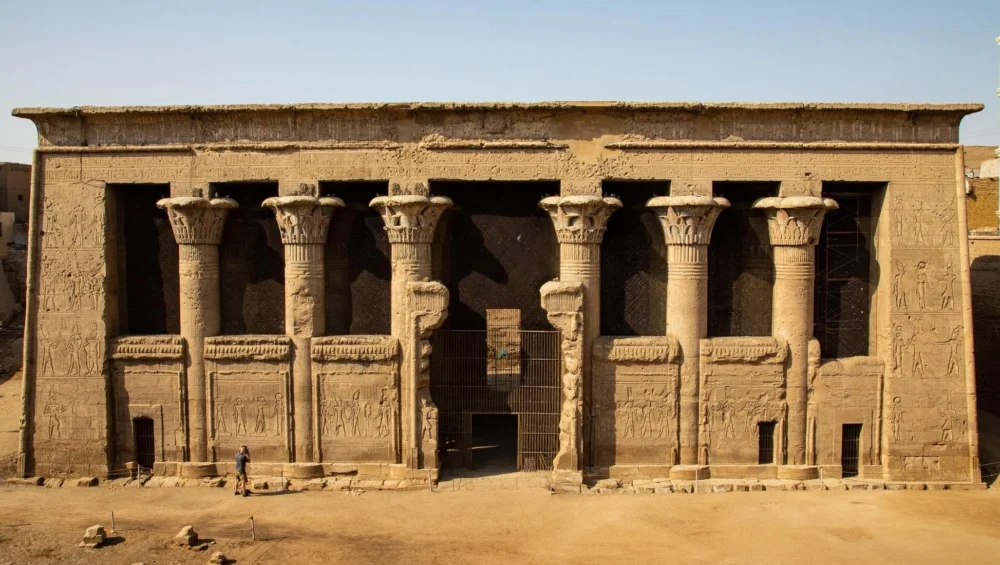
Temple Of Khnum: A Journey Through Ancient Egypt’s Sacred Architecture
Rising from the banks of the Nile in Upper Egypt, the Temple of Khnum at Esna stands as a testament to the ingenuity, devotion, and artistry of the ancient Egyptians. Often overshadowed by more famous sites such as Karnak or Luxor, this temple offers a unique window into the religious life and architectural mastery of Egypt’s later dynasties. For travelers seeking to delve deeper into Egypt’s spiritual past and explore a less crowded, yet equally fascinating, monument, the Temple of Khnum promises an unforgettable experience.
The Historical Significance of the Temple of Khnum
The Temple of Khnum is dedicated to Khnum, the ram-headed god of creation, fertility, and the source of the Nile’s life-giving waters. Built primarily during the Greco-Roman period, the temple occupies a site that has been sacred since the Middle Kingdom (c. 2055–1650 BCE). The current structure’s main hypostyle hall was constructed under the rule of Roman emperors such as Claudius and Decius, yet its foundations and earlier layers hint at a much older religious tradition. The temple’s inscriptions, reliefs, and architectural elements provide invaluable insight into the continuity and adaptation of Egyptian religious practices over millennia.
Architectural Marvels: Exploring the Hypostyle Hall
The most striking feature of the Temple of Khnum is its hypostyle hall, a forest of 24 towering columns, each adorned with exquisitely carved capitals in the shapes of lotus, palm, and papyrus plants. The roof, still largely intact, allows visitors to imagine the temple as it would have appeared in antiquity—filled with incense smoke, chanting priests, and shafts of sunlight filtering through the columns. The walls are covered with intricate reliefs depicting pharaohs making offerings to Khnum and other deities, as well as detailed hieroglyphic texts that record religious rituals and festival calendars. The preservation of the hall’s vibrant colors and fine details is exceptional, making it a favorite among Egyptologists and photographers alike.
Khnum: The God of Creation and the Nile
Khnum holds a unique place in Egyptian mythology as the divine potter who fashioned humans on his potter’s wheel from the clay of the Nile. He was believed to control the annual flooding of the river, ensuring fertility and abundance for the land. The temple’s reliefs often show Khnum shaping the bodies of pharaohs and commoners alike, underscoring his role as the giver of life. Alongside Khnum, the temple also honors his consorts, Menhit and Nebtu, and his daughter Heka, the goddess of magic. This pantheon reflects the complex theology of Esna and the interconnectedness of creation, fertility, and kingship in Egyptian belief.
Visiting the Temple: Practical Information for Travelers
The Temple of Khnum is located in the heart of Esna, approximately 55 kilometers south of Luxor. The temple is easily accessible by road or as part of a Nile cruise itinerary, with most visitors arriving during day trips from Luxor. The temple is open daily, typically from early morning until late afternoon. There is a modest entrance fee, and local guides are available for hire at the site. The town of Esna itself is a bustling Nile-side community, offering a glimpse into modern Egyptian life alongside its ancient treasures. Visitors are advised to wear comfortable footwear, bring water, and prepare for warm temperatures, especially in the summer months.
Highlights Not to Miss at the Temple of Khnum
While the hypostyle hall is the centerpiece of the temple, several other features are well worth exploring. The temple’s ceiling is adorned with vivid astronomical scenes, including depictions of the Egyptian zodiac and constellations. Some of the original paintwork remains visible, offering a rare chance to appreciate the polychrome splendor of ancient Egyptian temples. The temple’s reliefs also include rare representations of Roman emperors in pharaonic regalia, underscoring the blending of Egyptian and Greco-Roman traditions. Don’t miss the temple’s crypts and side chambers, which contain further inscriptions and were used for storing sacred objects and temple treasures.
The Temple’s Role in Ancient Festivals and Rituals
The Temple of Khnum was not just a place of worship but a focal point for community life and religious festivals. The most important of these was the annual “Feast of the Opening of the Nile,” during which priests performed rituals to ensure the river’s inundation and the fertility of the land. Processions, music, and offerings filled the temple precinct, drawing pilgrims from across the region. The temple’s inscriptions provide detailed records of these ceremonies, offering a vivid picture of ancient Egyptian religious observance. Today, echoes of these traditions can still be felt in the local culture, especially during the annual flooding season.
Conservation Efforts and Archaeological Discoveries
In recent decades, the Temple of Khnum has benefited from extensive conservation and restoration projects. Archaeologists have painstakingly cleaned centuries of soot and debris from the walls and ceilings, revealing the temple’s original colors and details. Ongoing excavations continue to uncover new inscriptions and artifacts, shedding light on the temple’s construction and its role in the wider religious landscape of Upper Egypt. These efforts are supported by both Egyptian authorities and international organizations, ensuring that the temple remains accessible and informative for future generations of visitors and scholars.
Combining the Temple of Khnum with Other Nile Valley Attractions
Esna’s location makes it an ideal stop for travelers exploring the Nile Valley. Many Nile cruises include Esna on their itineraries, often pairing the Temple of Khnum with visits to the temples of Edfu and Kom Ombo further south. The nearby Esna Lock, a key point for river traffic, offers a fascinating glimpse into the workings of modern Nile navigation. For those with more time, the town’s bustling market and traditional crafts—especially its renowned weaving industry—provide further reasons to linger. Whether as a day trip or a longer stay, Esna and the Temple of Khnum offer a perfect blend of history, culture, and local color.
Frequently Asked Questions
What is the best time of year to visit the Temple of Khnum?
The most comfortable time to visit is between October and April, when temperatures are milder. The summer months (May to September) can be extremely hot, especially in Upper Egypt, so early morning or late afternoon visits are recommended during this period.
How long should I plan to spend at the temple?
Most visitors spend between one and two hours exploring the Temple of Khnum, though those with a keen interest in Egyptology or photography may wish to stay longer to fully appreciate the details of the reliefs and inscriptions.
Is photography allowed inside the temple?
Photography is generally permitted inside the Temple of Khnum, but the use of tripods or flash may be restricted. It’s always best to check with site staff upon arrival and to be respectful of any posted guidelines.
Are there facilities for visitors at the site?
The temple complex has basic visitor facilities, including restrooms and shaded areas. Local vendors often sell drinks and souvenirs near the entrance, but it’s advisable to bring your own water and snacks, especially during the hotter months.
Can I hire a guide at the Temple of Khnum?
Yes, local guides are available at the temple entrance and can provide valuable insights into the history, art, and religious significance of the site. Guides can be hired on the spot or arranged in advance through tour operators or hotels in Luxor or Esna.
Is the Temple of Khnum accessible for travelers with mobility issues?
While the main hypostyle hall is relatively accessible, some areas of the temple may have uneven floors or steps. It’s advisable to check accessibility options in advance and to travel with assistance if needed.