Thutmose III: The Warrior Pharaoh Who Forged Egypt’s Golden Empire
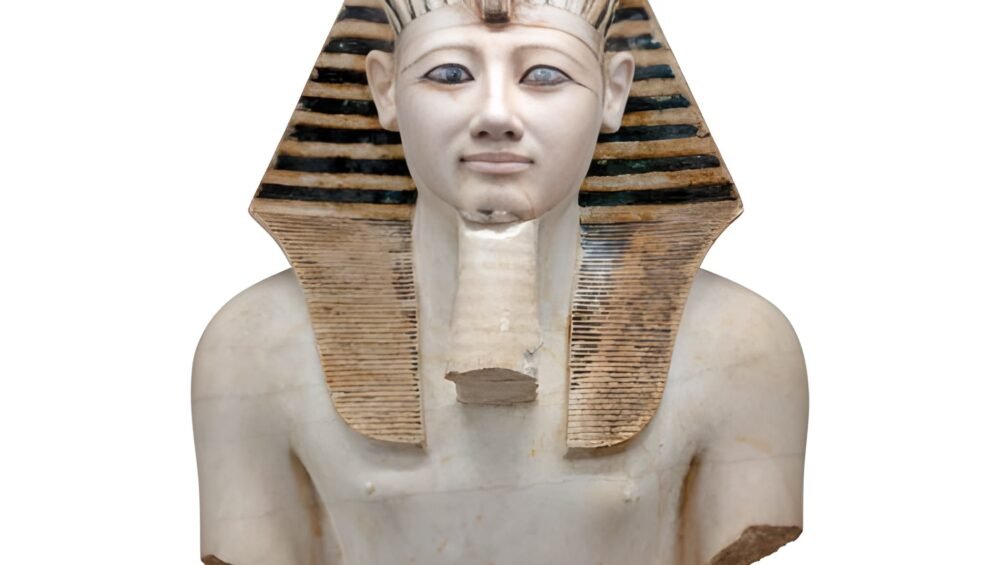
Step back more than three thousand years into the heart of Egypt’s Eighteenth Dynasty and meet Thutmose III — the brilliant warrior king whose reign carved Egypt’s name into the annals of world history. Known as the ‘Napoleon of Ancient Egypt,’ Thutmose III wasn’t just another pharaoh with a crown; he was a visionary ruler, master strategist, and empire builder whose tactical genius and unyielding ambition transformed Egypt into an imperial powerhouse. His reign marked one of the most explosive periods of expansion and prosperity the ancient world had ever seen. From his monumental victories on the battlefield to his exceptional administrative reforms and architectural contributions, Thutmose III’s legacy echoed loudly across centuries.
Born around 1481 BCE to Pharaoh Thutmose II and a lesser wife named Iset, young Thutmose’s royal journey began amid palace intrigue and political tension. His early years shadowed the reign of his powerful stepmother, Queen Hatshepsut, one of Egypt’s most celebrated female pharaohs. But when her reign ended, Thutmose III unleashed a wave of energy that reshaped the Egyptian empire’s destiny. His relentless campaigns swept through Canaan, Nubia, and Syria, bringing hundreds of cities beneath Egypt’s golden standard. These conquests filled the treasury, strengthened trade, and spread Egyptian influence far and wide.
Yet, his story extends beyond heroic battles. Thutmose III’s reign illuminated the brilliance of ancient Egyptian governance, with advanced record keeping, grand temple constructions, and an artistic renaissance. Today, visitors still marvel at his remarkable building projects scattered across Egypt’s sacred landscapes — from the awe-inspiring temples at Karnak to the towering obelisks that defined Thebes’ skyline.
The life and reign of Thutmose III stand as a vibrant testament to ambition, innovation, and military might — the hallmarks of a ruler whose empire thrived under his indomitable hand. Whether you’re exploring history or planning to step into his world with a breathtaking Luxor day tour, you’ll find yourself captivated by the enduring influence of Egypt’s warrior king.
Early Life and the Shadow of Queen Hatshepsut
Thutmose III’s childhood unfolded within the grand palaces of ancient Thebes. His father’s death when Thutmose was still a child placed the throne nominally in his hands — yet true control rested with his stepmother and aunt, Queen Hatshepsut. Acting first as regent, Hatshepsut soon crowned herself Pharaoh, adopting full royal titles. Her reign brought monumental achievements, including incredible architectural works at Deir el-Bahari and the thriving trade missions to Punt. While young Thutmose III was confined to secondary duties, possibly as a military officer, he absorbed vital leadership, strategy, and diplomacy lessons that would later define his reign.
Historians believe that during this period, Thutmose nurtured an eagerness to reclaim his throne and restore full monarchic power. The artistic depictions and temple carvings show that, even while Hatshepsut ruled Egypt as king, Thutmose remained a visible but restrained heir. After her mysterious death, Thutmose III quickly ascended as the unchallenged Pharaoh and began consolidating his power, ensuring no trace of her political structure remained. In time, he even ordered the removal of her name from several monuments — a decisive yet calculated move to declare his reign supreme.
Military Campaigns and the Rise of an Egyptian Empire
Once in control, Thutmose III embarked on a series of military campaigns never before seen in Egyptian history. Over 17 major expeditions extended Egypt’s boundaries from the banks of the Nile deep into the Near East. His first and most famous campaign took place at the Battle of Megiddo, where he defeated a powerful coalition of Canaanite rulers. His brilliant siege strategy — taking a daring route through a narrow pass — caught his enemies off guard and secured Egypt’s dominance over the Levant.
His subsequent expeditions swept across Syria, reaching as far as the Euphrates River. In Nubia, to the south, he reinforced Egypt’s frontiers and secured mineral-rich territories. These military victories brought immense wealth — gold, precious stones, horses, and tribute flowed into Thebes, empowering Egypt to become a global superpower of the Bronze Age. Even today, visitors cruising the Nile aboard the luxurious Luxury Dahabiya Nile Cruise can imagine the same rivers that once carried spoils, soldiers, and envoys back to Egypt’s heartland.
Strategic Brilliance at the Battle of Megiddo
The Battle of Megiddo remains the crown jewel of Thutmose III’s military career and one of the oldest recorded wars in world history. His masterstroke lay in dividing his army and maneuvering through a treacherous mountain route, a high-risk decision few commanders would dare. The bold gamble paid off when he trapped the enemy city and took control after a lengthy siege. His victory was so complete that Megiddo’s submission opened the gateways to vast new lands for Egypt’s expanding empire.
Legacy of Expansion and Imperial Administration
After his conquests, Thutmose III organized his empire with administrative finesse. Rather than ruling through brute force, he established a network of loyal governors, tribute systems, and cultural exchanges that cemented Egyptian control. Foreign princes sent their sons to study at Thebes, ensuring loyalty and cultural assimilation. The empire under Thutmose wasn’t just vast — it was meticulously structured, reflecting his sharp intellect and governance mastery.
Architectural and Cultural Achievements under Thutmose III
Though his military campaigns defined him as the ‘Warrior Pharaoh,’ Thutmose III was also a monumental builder. His largest projects centered on the sanctuaries of Amun at Karnak, where he added towering pylons, halls, and obelisks that glorified his victories and divine right to rule. The Festival Hall of Thutmose III, sometimes called the Akh-menu, still amazes visitors with its forest of columns and walls carved with detailed reliefs of plants and animals — a visual diary of his journeys and conquests.
He commissioned temples across Egypt and Nubia, solidifying religious devotion and royal propaganda. His focus on architecture wasn’t about vanity alone; it demonstrated Egypt’s prosperity and divine blessings. If you visit these awe-inspiring sites today through a specialized Best Nile River Cruise, you’ll trace his grandeur etched in stone, witnessing how Thutmose III cemented eternity through art and architecture.
Artistic Flourishing and Egyptian Symbolism
During his era, Egyptian art evolved toward precision, realism, and dynamism. Reliefs portrayed soldiers in movement, flora from foreign lands, and vividly carved depictions of Egyptian gods. The art became both political propaganda and a documentation of Egypt’s reach and diversity under Thutmose’s rule. Temples such as those at Luxor Temple still reflect this aesthetic evolution — a synergy between spiritual devotion and royal pride.
Thutmose III’s Religious Beliefs and Divine Connection
Thutmose III’s devotion to the god Amun shaped his religious policies and public image. A firm believer in divine kingship, he credited Amun for his victories, frequently dedicating temples and monuments to this mighty god. In return, priests of Amun in Thebes supported his authority, weaving divine legitimization into every aspect of his governance. The Karnak Temple complex became not only a religious hub but also a mirror of Thutmose’s vision — where earthly power met divine will.
Through ritual festivals and offerings, Thutmose forged a direct spiritual link between people and gods. Visitors can experience a glimpse of this ancient piety by attending the Sound and Light Show at Karnak Temples, a mesmerizing modern tribute to Egypt’s spiritual heritage that vividly brings Thutmose’s legacy to life.
Death, Burial, and Legacy in the Valley of the Kings
After a reign of fifty-four dynamic years, Thutmose III departed the mortal world around 1425 BCE. His tomb, located in the Valley of the Kings (KV34), stands as one of the earliest and most spectacular burial chambers. Decorated with detailed wall art illustrating ancient religious texts like the Amduat, his tomb represents Egypt’s cosmic journey of rebirth. His mummified remains, later discovered in a royal cache, still testify to the reverence and respect afforded Egypt’s greatest warrior king.
Even long after his death, Thutmose III continued to inspire pharaohs of successive generations. His empire-building model, temple networks, and architectural legacy laid the groundwork for Egypt’s New Kingdom peak. Tourists visiting Thebes, or enjoying a serene 4 Day 3 Night Nile Cruise from Aswan to Luxor, voyage through the same lands where his armies once marched, and his temples still breathe ancient glory.
Frequently Asked Questions about Thutmose III
Who was Thutmose III in ancient Egyptian history?
Thutmose III was the sixth Pharaoh of Egypt’s Eighteenth Dynasty and is often regarded as ancient Egypt’s most powerful ruler. His reign transformed the kingdom into a sprawling empire spanning from Nubia to the Euphrates. Known for his strategic brilliance, architectural achievements, and administrative reforms, he set the standard for future Egyptian kings.
What were Thutmose III’s most significant military accomplishments?
His most notable military triumph was the Battle of Megiddo, where his daring tactics crushed a coalition of Canaanite rulers. Over seventeen campaigns, he brought vast regions under Egyptian control, securing immense wealth and transforming Egypt into a global superpower of the ancient world.
How did Thutmose III’s relationship with Hatshepsut influence his reign?
Initially overshadowed by his stepmother Hatshepsut, Thutmose III honed his leadership and military skills during her reign. After her passing, he took steps to assert his full sovereignty, expanding Egypt’s influence through decisive governance and conquest. The contrast between her diplomatic rule and his militaristic expansion defined Egypt’s dual legacy of peace and power.
What were Thutmose III’s contributions to art and architecture?
Thutmose III’s architectural innovations were monumental. He built the Festival Hall at Karnak, several temples across Upper and Lower Egypt, and adorned them with intricate artistic reliefs. His art style, rich in movement and realism, set a precedent for subsequent dynastic art forms and temple construction.
Where is Thutmose III buried and what makes his tomb unique?
Thutmose III’s burial site, located in the Valley of the Kings (KV34), is one of the most fascinating royal tombs. Its vivid wall scenes depict his spiritual journey through the underworld and his rebirth among the gods. The tomb’s design and inscriptions symbolize the merging of royal power and divine faith during Egypt’s New Kingdom peak.