Lake Nasser in Africa: Egypt’s Majestic Reservoir of History and Nature
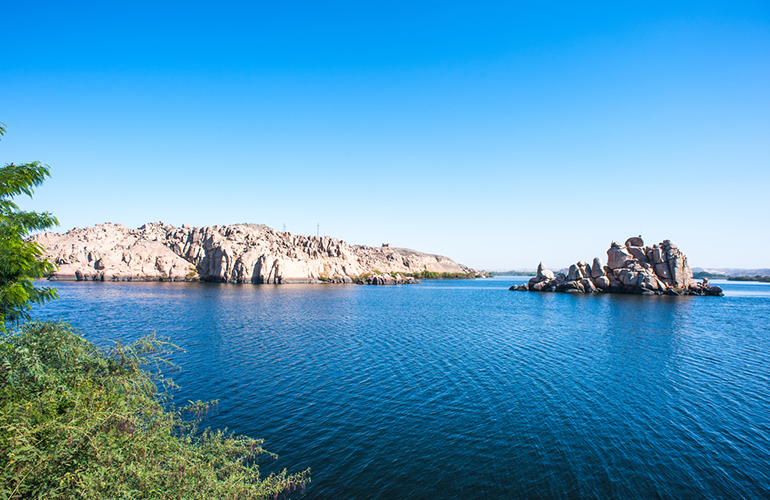
Stretching into the heart of Africa, Lake Nasser stands as one of the world’s largest man-made lakes—an awe-inspiring expanse of brilliant blue water surrounded by vast desert landscapes and ancient history. Nestled in southern Egypt and extending into northern Sudan, this colossal reservoir isn’t merely a body of water; it’s a symbol of engineering triumph, cultural preservation, and ecological complexity. The creation of Lake Nasser in Africa transformed the region’s economy, protected countless communities from flooding, and gave life to new ecological possibilities that thrive even amidst the arid Nubian Desert. For travelers seeking breathtaking vistas and encounters with heritage sites lost to time, Lake Nasser offers a once-in-a-lifetime experience. Its shores tell stories of Pharaohs, hidden temples, and the enduring power of the Nile.
Formed after the construction of the High Dam of Egypt in Aswan during the 1960s, this lake stretches over 500 kilometers in length and covers more than 5,000 square kilometers. Today, it remains a cornerstone of Egypt’s power generation and irrigation systems, while its ecosystem supports abundant fish species and migratory birds. Yet beyond its environmental role, Lake Nasser shelters ancient Nubian monuments that were relocated stone by stone before the dam’s construction—like the breathtaking Abu Simbel Temples and the intricate Temple of Kalabsha. To sail across this lake is to drift over the drowned valleys of old Nubia, where history and progress coexist in shimmering harmony.
The Birth of Lake Nasser: A Vision of Development and Power
Lake Nasser owes its existence to the Aswan High Dam, a monumental engineering project undertaken to control the unpredictable flooding of the Nile River, provide hydroelectric power, and secure Egypt’s water resources for generations. The dam’s completion created a vast reservoir named after Egypt’s second president, Gamal Abdel Nasser, whose leadership embodied the dreams of modernization and independence. As water slowly filled the new basin behind the dam, entire Nubian villages were submerged, prompting a massive relocation effort to preserve both people and temples. This human and cultural shift became one of the largest archaeological rescue operations in history, led by UNESCO, ensuring that treasures like the Nubian Museum in Aswan would safeguard the legacy of lost lands.
Lake Nasser’s Strategic Role in Egypt’s Economy and Ecology
Today, Lake Nasser plays a fundamental role in Egypt’s agricultural expansion, serving as a primary water source for irrigation across Upper and Lower Egypt. The reservoir also generates a significant portion of the nation’s hydroelectric power, promoting sustainable energy while protecting downstream communities from both drought and flood. The lake’s sprawling ecosystem is home to over 30 fish species, including Nile perch and tilapia, attracting fishing communities and eco-conscious travelers alike. Wildlife like crocodiles, monitor lizards, and migratory birds thrive here, creating a delicate balance between progress and preservation. Visitors often combine their exploration with scenic cruises such as the Luxury Dahabiya Nile Cruise that navigates along the Nile before reaching the lake’s dramatic expanse.
Engineering Marvels Behind the Aswan High Dam
The Aswan High Dam, standing proud at over 110 meters in height and more than 3,800 meters long, remains an emblem of human ingenuity. Its construction revolutionized Egypt’s water management and introduced advanced irrigation strategies that turned desert lands into fertile fields. Beyond its technical prowess, the dam gave Egypt profound economic autonomy. Yet the environmental challenges that followed—such as reduced sediment downstream and aquatic imbalances—also shaped new ecological studies and initiatives around Lake Nasser’s sustainability. Many travelers interested in history and technology tour both the dam and lake through curated programs like the Day Tour of Aswan, Philae Temple, High Dam and Obelisk.
Cultural Heritage Beneath the Waves of Lake Nasser
Before Lake Nasser’s creation, Nubia was home to countless archaeological sites, vibrant villages, and temples carved into sandstone cliffs. As waters rose, the world witnessed an extraordinary effort to rescue submerged monuments. Temples such as Abu Simbel, Kalabsha, Wadi es-Sebua, and Amada were dismantled, transported, and reconstructed on higher grounds. These projects preserved Egypt’s ancient narrative while symbolizing international collaboration. The restored temples continue to enchant travelers who embark on Aswan Day Tours and Luxury Nile Cruises offering excursions along Lake Nasser’s peaceful waters.
Abu Simbel and the Majesty of Nubian Artistry
No exploration of Lake Nasser in Africa is complete without admiring Abu Simbel’s monumental temples—originally carved during the reign of Ramses II. These colossal statues and intricately adorned chambers were cut from solid rock and relocated block by block to save them from submersion. Situated at the lake’s southern end, they remain a breathtaking reminder of ancient Egypt’s architectural genius and the power of international cooperation. Visitors can explore these UNESCO World Heritage sites on specialized itineraries like the Day Trip to Abu Simbel from Aswan by coach or combine them with extended journeys such as the 4 Day Luxor, Edfu, Kom Ombo, Aswan and Abu Simbel Tour.
Temples of Kalabsha and Beyond: Submerged Memories Reborn
The Temple of Kalabsha, moved to the western bank of Lake Nasser, honors the Nubian god Mandulis and offers sweeping views of the lake’s calm surface. Nearby, other temples like Beit el-Wali and Dakka stand resilient against the advancing desert, showcasing Nubia’s spiritual diversity. These monumental complexes, preserved against the odds, grant travelers a rare window into the fusion of Egyptian and Nubian cultural expressions. History lovers can enhance their visits with immersive cultural experiences, like the Day Trip to Philae and Kalabsha Temples and Nubian Museum, which connects the story of lake preservation with artistic heritage.
Adventure and Wildlife in the Lake Nasser Region
Beyond its archaeological marvels, Lake Nasser teems with adventure opportunities. Anglers from across the world visit for trophy fishing, particularly for massive Nile perch weighing over 100 kilograms. Safari enthusiasts can witness crocodiles basking along the rocky shores or spot rare migratory birds circling above the reservoir. Cruise itineraries from Aswan City to Abu Simbel Temples offer scenes of raw wilderness and tranquil solitude unlike anywhere else. Ecotourism and sustainable travel initiatives are growing rapidly, ensuring that future generations can enjoy Lake Nasser’s biodiversity without compromise.
The Unseen Beauty of the Nubian Desert Surrounding Lake Nasser
The Nubian Desert that frames Lake Nasser creates an unforgettable contrast of serene blues and sunbaked amber dunes. This unique blend of water and desert produces mesmerizing sunsets and crisp, clear nights dotted with countless stars. Few destinations in Egypt can rival the solitude one feels here—isolated yet spiritually stirring. Those with a taste for off-the-grid travel often pair their lake cruise with desert excursions such as the Desert Safari Trip by Quad Bike or the Marsa Alam Day Tours, blending aquatic serenity with untamed adventure.
Wildlife of Lake Nasser: A Hidden Ecosystem Flourishing in the Desert
Lake Nasser supports a surprising variety of fauna. It’s a sanctuary for Nile crocodiles—the largest in Africa—alongside migratory flamingos and African jacanas. The lake’s nutrient-rich waters create microhabitats where tilapia, catfish, and perch thrive, sustaining local economies. Birdwatching expeditions reveal thousands of winged species that turn the lake into a seasonal paradise. For photographers and nature enthusiasts, Lake Nasser’s environment is a dream come true, blending natural abundance with unspoiled tranquility.
Best Ways to Explore Lake Nasser in Africa
The most immersive way to explore Lake Nasser is through a private or group cruise. Vessels glide quietly past desert cliffs and temples rising from the sands, offering unmatched opportunities for relaxation, fishing, and heritage sightseeing. Popular routes include luxury cruises starting in Aswan and ending in Abu Simbel, such as the 4-Day Nile Cruise from Aswan to Luxor or customized packages like the Egypt Vacation Packages combining Nile and Nasser exploration. Visitors can also enhance their journey with guided temple tours or trips to the Nubian Village for authentic cultural encounters.
Recommended Itineraries and Cruise Packages Around Lake Nasser
Travelers seeking luxury can opt for premium itineraries such as the 11 Days Luxury Egypt Tour Package or family-friendly journeys under Egypt Family Tours. Adventure seekers can combine a Lake Nasser cruise with stops at hidden temples or extend north to enjoy Luxor Day Tours. Whatever itinerary you choose, the lake’s serene rhythm guarantees introspection and wonder at every bend of the coastline.
FAQs About Lake Nasser in Africa
1. Where is Lake Nasser located?
Lake Nasser lies mainly in southern Egypt, stretching southward into northern Sudan. About 83% of it resides within Egyptian borders, with the remaining portion—called Lake Nubia—inside Sudan.
2. Why was Lake Nasser created?
The lake was formed following the construction of the Aswan High Dam to manage Nile flooding, generate hydroelectric energy, and provide stable irrigation for agricultural expansion. It also led to major archaeological preservation efforts.
3. What are the main tourist attractions around Lake Nasser?
Visitors can explore remarkable sites such as Abu Simbel, Kalabsha, Amada Temple, and the Wadi es-Sebua complex. Cruises and day tours from Aswan offer immersive trips to these heritage landmarks.
4. Can you fish in Lake Nasser?
Yes, fishing is one of the lake’s main draws. Anglers travel from all over the world to catch Nile perch, catfish, and tigerfish in its vast waters, often through organized fishing expeditions.
5. What’s the best time to visit Lake Nasser?
The ideal time to explore Lake Nasser is between October and April when the weather is mild and comfortable. During these months, sunrise reflections and evening breezes make cruising and temple visits especially delightful.