
Lake Nasser Ruins: Discover Egypt’s Submerged Heritage and Ancient Wonders
Lake Nasser, one of the world’s largest man-made lakes, is more than a marvel of modern engineering; it’s also a place where ancient history and nature exist in remarkable harmony. Lying between southern Egypt and northern Sudan, this vast reservoir, created during the construction of the Aswan High Dam, submerged countless historical sites and monuments. Yet, through enormous international efforts, many temples were saved, relocated, and preserved for future generations. The Lake Nasser Ruins are a captivating chapter in Egypt’s archaeological heritage—a page where Nubian history, ancient Egyptian artistry, and environmental triumph intertwine. For travelers seeking a less-crowded yet deeply spiritual destination, exploring the ruins scattered along Lake Nasser’s tranquil shores offers a hidden treasure chest of wonders.
Imagine sailing across turquoise waters as golden cliffs gleam in the sun, and along the way, monumental temples rise from the desert. These reassembled sanctuaries—such as Kalabsha, Wadi Es-Sebua, Amada, and Dakka—speak of devotion, resilience, and architectural genius. Lake Nasser is more than a scenic expanse; it’s an open-air museum stretching across Nubia, where every site whispers stories of gods, kings, and artisans. With eco-tourism rising in relevance, visiting these ruins offers a responsible and spiritual journey through Egypt’s southern frontier. It’s time to dive deeper into the secrets of the submerged kingdom—an extraordinary testament to human creativity and courage against time and flood.
The Origins of Lake Nasser and the Fate of Nubia’s Ancient Monuments
Lake Nasser was formed between 1958 and 1970 after the construction of the mighty Aswan High Dam. This monumental project controlled the Nile’s annual floods and generated hydroelectric power, but it came at a steep archaeological price. As the dam rose, over 500 kilometers of Nubian land were destined to disappear beneath the water. Villages, temples, and historical relics faced submersion. To save Egypt’s priceless heritage, UNESCO initiated the Nubian Salvage Campaign, one of the most ambitious archaeological rescue operations in history.
Temples were cut into precise blocks, transported, and meticulously reassembled on higher ground. Among them were not only the famous Abu Simbel Temples but also several lesser-known masterpieces collectively known as the Lake Nasser Ruins. These monuments represent centuries of devotion—from the reign of Ramses II to Roman times—each inscribed with stories of gods, battles, and royal triumphs. What once risked being lost forever now thrives as part of a reimagined Nubian landscape, inviting adventurers, historians, and spiritual seekers to explore its beauty.
The Temple of Kalabsha: Gateway to Lake Nasser’s Sacred Legacy
Standing proudly on the western bank near the Aswan High Dam, the Temple of Kalabsha is often the first encounter travelers have with Lake Nasser’s ruins. Dedicated to Mandulis—the Nubian sun god—this temple dates back to the Roman Emperor Augustus era. Though it was built during Roman rule, its architectural style reflects the grand traditions of ancient Egyptian design, complete with lotus columns and hieroglyphic reliefs that glow in the desert sunlight.
Originally located 50 kilometers south of Aswan, the entire structure was relocated in the 1960s to save it from submersion. Walking through its colossal pylons, visitors can feel the fusion between Egyptian and Nubian artistic expression. The detailed carvings, showing pharaohs presenting offerings to gods, highlight the continuing reverence for ancient deities long after Egypt’s political landscape shifted. A short boat ride from Aswan can bring travelers directly to Kalabsha, making it one of the most accessible ruins on Lake Nasser.
Wadi Es-Sebua and the Guardian of the Desert
Wadi Es-Sebua, or the “Valley of the Lions,” takes its name from the rows of sphinxes leading to its main temple. This site was constructed by Ramses II and dedicated to Amun and Ra-Horakhty. Every step along the avenue of stone lions feels like a journey into divine territory. Relocated in its entirety to save it from the rising waters, Wadi Es-Sebua remains one of the most atmospheric sites along Lake Nasser, partly due to its remote location and mystical aura.
The carvings here illustrate Ramses II’s devotion to the gods and his military triumphs, especially in Nubia. Intriguingly, traces of Christian occupation remain carved into the walls, showing how temples transitioned into churches during Egypt’s Coptic period. For modern explorers, visiting Wadi Es-Sebua by cruise—perhaps aboard a vessel like the 4 Day 3 Night Nile Cruise from Aswan to Luxor—is a surreal experience. The stillness of the desert, mirrored in the calm lake waters, evokes a timeless connection between nature and divinity.
The Amada Temple: The Oldest Jewel of Lake Nasser
The Temple of Amada stands as one of the oldest and most historically crucial among the Lake Nasser ruins. Built by Thutmose III and expanded by Amenhotep II, it’s a celebration of power, piety, and artistry. Despite being one of the smaller temples, its interior boasts delicate wall paintings and hieroglyphs that have retained their color after more than 3,000 years. The inscriptions not only glorify the gods Amun and Ra but also record Egypt’s military campaigns in Syria and Nubia.
The temple’s relocation was a groundbreaking feat. Engineers moved it intact—a remarkable achievement that preserved its fragile inscriptions. Today, a visit to Amada feels intimate, almost sacred. You can stand beneath archways that witnessed millennia of change. For travelers on a Luxury Nile Cruise, detouring southward to explore these ancient treasures offers an unmatched window into early Egyptian and Nubian fusion culture.
Dakka and Maharraqa: Twin Temples of Devotion
Close to Wadi Es-Sebua lie two fascinating yet underrated ruins: the temples of Dakka and Maharraqa. Dakka, or el-Dakka, was dedicated to Thoth, god of wisdom. Its origins trace back to the Meroitic period, which infused Nubian art with Hellenistic influences. Unlike earlier temples, Dakka has a unique pylon alignment and blends Roman architectural motifs with Pharaonic symbols—a blend symbolic of cultural evolution across Nile civilizations.
Nearby, the Maharraqa Temple distinguishes itself with an incomplete tower and spiral staircase—rare in Egyptian design. Though unfinished, it offers panoramic views of Lake Nasser and tells a story of spiritual perseverance through changing eras. Many travelers include these stops on an Aswan Day Tours cruise extension, ensuring a deeper connection to Nubia’s celestial past.
Qasr Ibrim: The Lone Sentinel Above the Waters
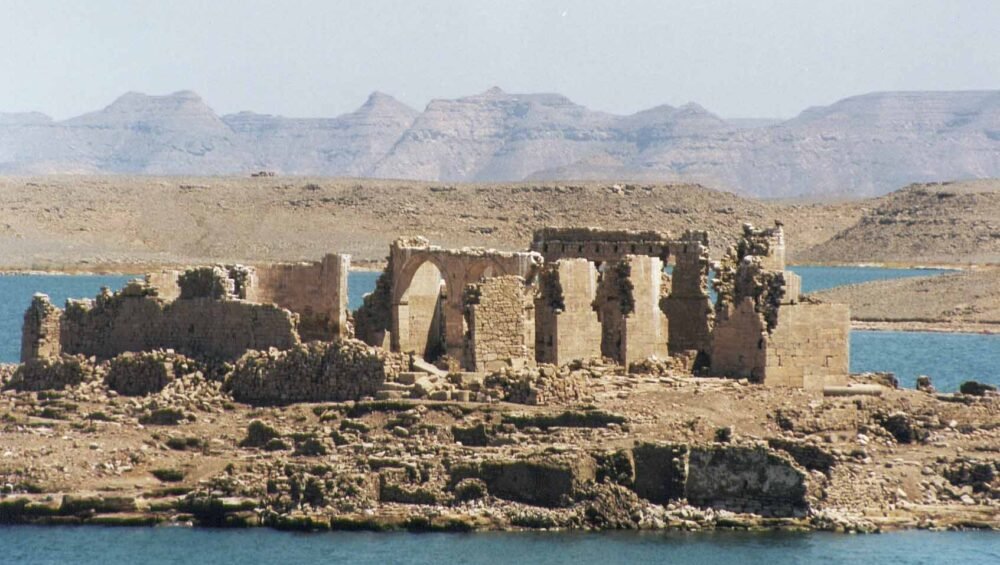
Unlike other temples, Qasr Ibrim wasn’t relocated; instead, it still stands on its original cliff island, partially surrounded by Lake Nasser’s waters. This fortress and religious center witnessed multiple civilizations—from Egyptian to Roman, Christian, and Islamic. Its oldest layers date back over 3,000 years, and it was once a vital stronghold guarding Upper Egypt’s southern frontier. Due to its fragile condition, visitors can only view it from boat decks, but even from afar, it’s hauntingly majestic.
The preservation of Qasr Ibrim symbolizes resilience—just as Nubians adapted to displaced lives, this temple remains steadfast, a living sentinel over the waters. Cruises like the 9 Days Egypt and Nubia Tour often highlight Qasr Ibrim as a spiritual midpoint, where guests can reflect on millennia of faith and survival.
Traveling to Lake Nasser Ruins: A Journey Beyond Time
Most travelers begin their exploration from Aswan, Egypt’s southern gateway. The city offers access to tranquil cruises, such as the Luxury Dahabiya Nile Cruise, that sail through sites scattered across Lake Nasser. These journeys bring guests to remote temples unreachable by road, combining serenity with adventure. Whether you prefer curated Egypt Vacation Packages or private tours, each excursion offers rare insights into Nubia’s heart.
Beyond archaeology, Lake Nasser is an ecological wonder. It supports a vibrant ecosystem of fish, birds, and desert wildlife. The blend of historical depth and natural tranquility makes it an unmatched destination for slow travelers and photographers. Exploring the Lake Nasser Ruins is not merely sightseeing; it’s an emotional encounter with lost civilizations reborn through human persistence and respect for heritage.
Top FAQs About Lake Nasser Ruins
What are the Lake Nasser Ruins?
The Lake Nasser Ruins refer to the collection of ancient temples, monuments, and archaeological sites relocated or preserved around Lake Nasser after the construction of the Aswan High Dam. They include temples like Kalabsha, Wadi Es-Sebua, Amada, Dakka, and Maharraqa, all of which were saved from submersion.
How can I visit the Lake Nasser Ruins?
Most travelers visit the Lake Nasser Ruins via cruise. Options like the 3 Nights Nile Cruise Aswan to Luxor or specialized Lake Nasser tours offer guided excursions to these historical landmarks. You can also take short boat rides from Aswan for nearby temples.
Which is the most famous temple among the Lake Nasser Ruins?
The most famous are the Abu Simbel Temples, which were dramatically relocated to avoid being lost beneath Lake Nasser’s waters. However, sites like Kalabsha and Amada are equally stunning for their artistry and historical resonance.
What is unique about Lake Nasser travel experiences?
Exploring Lake Nasser offers a peaceful and authentic Egyptian adventure. Unlike crowded tourist zones, the region remains unspoiled, blending cultural immersion, spectacular landscapes, and ancient spirituality. Cruises often include comfortable accommodations, expert Egyptologists, and scenic sunset moments among the ruins.
When is the best time to visit Lake Nasser Ruins?
The ideal time is between October and April, when temperatures are mild and desert air is pleasant. These months allow for enjoyable temple visits and comfortable overnight cruises. Many Egypt Private Tours include tailored itineraries highlighting Lake Nasser during this season.
Lake Nasser: Where Past Meets Eternal Waters
In the shimmering expanse of Lake Nasser, history isn’t buried—it’s reborn. The Lake Nasser Ruins encapsulate Egypt’s soul, where ancient devotion merges with modern ingenuity. Each temple saved is a triumph; each carving is a voice echoing across centuries. From Kalabsha’s grandeur to Amada’s intimacy, every monument offers a bridge between the divine and the human spirit. Whether cruising peacefully or standing before sunlit ruins, visitors can feel the profound connection between Egypt’s eternal past and its vibrant present. For those seeking to touch the depths of time itself, Lake Nasser’s sacred ruins await—silent yet speaking volumes to every traveler who listens.