
Ancient Egyptian Food: Flavors that Shaped an Empire
Ancient Egyptian food was far from primitive—it was a vibrant tapestry of flavors, ingredients, and techniques that mirrored the grandeur of the civilization itself. The fertile Nile Valley transformed Egypt into a breadbasket of abundance, allowing its people to develop one of the most sophisticated diets of the ancient world. The everyday fare of farmers and the luxurious banquets of pharaohs told stories of cultural evolution, spiritual symbolism, and social order. Interestingly, many of the dishes they crafted thousands of years ago have echoes in today’s Egyptian cuisine, linking modern palates to their ancestral roots. From hearty loaves of barley bread to honey-laden desserts, their culinary tradition painted a poetic portrait of life along the Nile.
Food in Ancient Egypt didn’t merely sustain life—it defined it. Religion and nourishment were intertwined, with offerings of bread, onions, beer, and meat adorning temple altars. Whether during harvest festivals or ceremonial feasts, food symbolized gratitude and divine connection. The river’s annual inundation guaranteed fertile lands, ensuring mass cultivation of grains, legumes, fruits, and vegetables. This abundance birthed trade, innovation, and culinary artistry that influenced neighboring civilizations. The varied textures and preparations of Ancient Egyptian food continue to astonish historians, archaeologists, and gourmet enthusiasts eager to trace the origins of Mediterranean gastronomy. Let’s explore this fascinating world of ancient nutrition where taste met spirituality, culture met necessity, and the humble grain built a dynasty.
The Role of the Nile River in Ancient Egyptian Cuisine
The Nile River, Egypt’s beating heart, dictated every aspect of ancient life, particularly food production. Its predictable floods replenished the soil with minerals essential for growing wheat and barley, staples of Ancient Egyptian food. The rhythm of planting and harvesting followed the Nile’s seasonal cycles, ensuring continuous production of bread, beer, and porridge—the backbone of their diet. Along its verdant banks, farmers cultivated lentils, flax, leeks, and onions, while papyrus grew abundantly for tools and mats. The river also teemed with catfish, tilapia, and perch, providing valuable protein for peasants and nobles alike. The fish were salted, dried, or grilled over open fires, serving as a reliable year-round source of nourishment.
Beyond sustenance, the Nile fueled trade between cities such as Thebes and Memphis. Boats carried grains and fish along its majestic waters, much like the felucca rides on the Nile that still enchant travelers today. Its bounty laid the groundwork for Egypt’s legendary prosperity—a culinary abundance that would inspire later Mediterranean empires. Indeed, Ancient Egyptian food owed its richness to the Nile’s generosity and the skill of the farmers who learned to thrive beside it.
Bread and Beer: The Pillars of Ancient Egyptian Nutrition
If one were to define Ancient Egyptian food with two words, they’d be “bread” and “beer.” These weren’t luxury items but daily essentials found on every table from the palace to the farmhouse. Bread, made from emmer wheat or barley, came in countless shapes—from flat loaves to decorative buns flavored with dates or honey. Archaeologists have discovered bread molds and bakery remnants in ancient settlements, evidence of large-scale production. Beer, on the other hand, was a thick, nutritious beverage brewed from barley loaves fermented in water. It acted as liquid sustenance, full of calories and nutrients, and was consumed by workers building monuments as well as by pharaohs during feasts.
The symbolism of bread and beer extended into the afterlife. Tomb paintings show deities receiving these sacred items as offerings. Even today, when walking through exhibits at the Grand Egyptian Museum, one can almost sense the aroma of ancient bakeries lingering in the imagination. Together, bread and beer were more than mere food—they represented the divine cycle of life and death, of nourishment and rebirth.
Vegetables, Legumes, and Herbs: The Everyday Diet of the Ancient Egyptians
While elites could afford lavish banquets, most Egyptians lived on a wholesome vegetarian diet. They grew crops like onions, garlic, lettuce, beans, chickpeas, and lentils—all integral parts of Ancient Egyptian food. Onions and garlic were so valued that they were believed to have spiritual power, symbolizing eternity and protection. Lettuce, considered sacred to the fertility god Min, was served at religious festivals. Legumes provided essential protein, often prepared as stews flavored with herbs such as coriander, dill, and cumin. Olive oil and sesame oil were rare but cherished, used to dress raw vegetables or flavor bread.
This balance of grains and greens ensured that even commoners maintained a nutrient-rich diet. Many of these ancient crops are still cultivated in Egypt’s fertile fields today, particularly in regions near Luxor City and Aswan City, where ancient farming methods still whisper through the soil.
Meat and Fish: Delicacies of the Elite
For the wealthy classes, Ancient Egyptian food was a feast of game, poultry, and fish. Ducks, geese, and pigeons were favorites, roasted whole and seasoned with aromatic spices. Beef and mutton were served during religious ceremonies or royal banquets, showcasing social hierarchy. However, meat was a luxury—commoners relied on fish from the Nile and small fowl trapped in wetlands for protein. Fish could be dried, salted, or cooked in stews with leeks and herbs. Goose fat, a prized ingredient, was used to enrich sauces and give bread a glossy finish.
Even today, Egyptian cuisine retains echoes of these traditions. During modern Egypt Family Tours, visitors often sample dishes that trace their ancestry back to these early recipes. Culinary continuity thus serves as both a cultural treasure and a living bridge between eras.
Fruits, Dates, and Honey: Sweet Symbols of the Nile’s Blessings
The Ancient Egyptians adored sweets, though refined sugar didn’t exist. Instead, nature provided sweetness through dates, figs, pomegranates, and honey. Dates were eaten fresh or dried, while honey—known as ‘the nectar of the gods’—was used in pastries and offerings. Figs symbolized abundance and fertility, often placed in tombs for the afterlife. Melons, grapes, and sycamore figs also brightened daily meals. The sweetness found in these fruits reflected the nation’s gratitude for the Nile’s gifts.
Pharaohs commanded specialized beekeepers who collected honey for temples and royal kitchens. Modern visitors exploring the lush areas described in Fayoum Oasis can imagine how ancient farmers once tended their bees under the warm Egyptian sun. Sweetness, it seems, has always been the taste of divine favor.
Spices, Seasonings, and the Art of Preservation
Ancient Egyptian food wasn’t bland. Spices like cumin, coriander, cinnamon, and fenugreek flavored stews and breads. Salt played a dual role—it not only seasoned but preserved meat and fish for long journeys. Vinegar from fermented grapes or dates acted as a preservative and marinade. Garlic and onions added zest and were even believed to have medicinal benefits, strengthening endurance and warding off disease. Clay jars stored pickled vegetables, while sealed amphorae contained oils and fats essential for survival during dry seasons.
The sophistication of their preservation techniques rivals modern methods—an enduring testament to Egyptian ingenuity. When cruising modern vessels like the Steigenberger Legacy Nile Cruise, one can almost sense the continuity of Egypt’s culinary heritage along the timeless river.
Banquets, Festivals, and Ritual Offerings
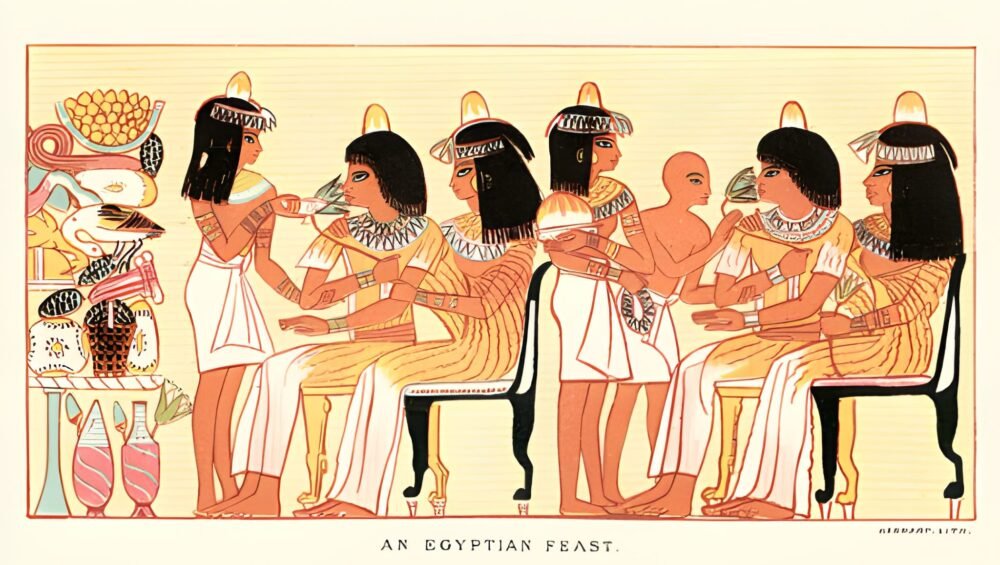
Food played a central role in celebrations, from New Year festivals to royal weddings. Banquets featured grilled meats, fresh fruits, wine, and pastries adorned with honey. Entertainers, musicians, and dancers accompanied feasts that often lasted late into the night. Religious ceremonies too had strict dietary symbolism. Offerings of bread, beer, onions, and geese honored gods like Osiris and Ra. These sacred meals guaranteed prosperity in both life and the afterlife. Temples stored vast granaries to provide priests and pilgrims with sustenance—a system that showcased Egypt’s advanced agricultural management.
Guests reclining on mats at these banquets likely dined from scenes reminiscent of wall carvings still visible in tombs today. Exploring heritage sites through Luxor Day Tours helps modern travelers visualize the splendor of such ancient feasts, bridging millennia of flavor and festivity.
Cooking Techniques and Tools in Ancient Egyptian Kitchens
Cooking in Ancient Egypt was pragmatic yet inspired. Clay ovens baked bread, while open fires roasted meats and simmered stews. Cooks used wooden utensils, stone mortars, and copper knives. Pottery jars stored oil and grains, while baskets woven from reeds kept produce fresh. Households often had small outdoor kitchens to avoid smoke-filled living areas. Specialized bakers, brewers, and butchers worked in organized production centers that supplied workers and temples alike. The evidence of their craftsmanship—charred bread remains, grinders, and beer vats—reveals a society that valued culinary precision.
Luxury kitchenware, found in royal tombs, emphasized Egypt’s culinary artistry. Gold-plated spoons and porcelain bowls symbolized wealth and divine favor. These artifacts still mesmerize visitors at historic sites like the National Museum of Egyptian Civilization, where ancient culinary traditions come to life through timeless craftsmanship.
The Connection Between Food, Religion, and the Afterlife
In Ancient Egypt, food wasn’t just nourishment—it was a spiritual bridge. Egyptians believed you had to “eat for eternity,” ensuring the deceased thrived in the afterlife. Tomb paintings depict lavish offerings of bread, onions, beef, and wine, symbolizing eternal prosperity. Priests left daily food offerings for gods and ancestors, believing that spiritual sustenance maintained cosmic order. The consumption of specific foods like lettuce or fish during ceremonies linked earthly pleasures with divine blessings. This spiritual connection explains why Ancient Egyptian food remains a fascinating blend of material and mystical significance.
Travelers fascinated by this eternal bond between food and faith often combine cultural exploration with culinary discovery on Egypt Vacation Packages, experiencing local dishes inspired by ancient rituals.
Influence of Ancient Egyptian Food on Modern Cuisine
Many culinary habits from Ancient Egypt endure today. Fava beans (ful), lentil soups, and honey-drenched pastries are all rooted in pharaonic recipes. Modern Egyptian markets brim with bread varieties that echo ancient baking traditions. Olive oil, herbs, and aromatic spices still enhance Egyptian meals in ways that would have delighted ancient cooks. Temples, tombs, and museums illustrate how culinary wisdom passed seamlessly from antiquity to modern kitchens. Whether dining along the Nile during a Nile cruise holiday or tasting street food in Cairo, visitors are savoring flavors refined over 5,000 years.
That timeless connection between past and present underscores why Ancient Egyptian food continues to enchant scholars and food lovers worldwide—it’s not just history; it’s living heritage.
Frequently Asked Questions About Ancient Egyptian Food
What were the main staples of Ancient Egyptian food?
The staples included barley, emmer wheat, onions, garlic, lentils, figs, and dates. Bread and beer formed the foundation of daily meals, while the wealthy supplemented their diet with meat, fish, and fruits.
Did Ancient Egyptians eat meat often?
Meat was a luxury item. Common people ate fish and small birds, while the elite enjoyed beef, mutton, and roasted fowl during feasts and religious offerings.
Were there sweet dishes in Ancient Egypt?
Yes. Ancient Egyptians used honey and dates to create sweet pastries and desserts. These naturally sweet ingredients replaced modern sugar and were seen as gifts from the gods.
What did Ancient Egyptians drink?
Beer was the most common beverage, thick and nourishing. Wealthier Egyptians drank wine from locally grown grapes or imports from the Levant.
How did religion influence Ancient Egyptian food?
Religion shaped every meal. Offerings of bread, beer, and meat honored deities, while symbolic foods like lettuce and onions were associated with fertility and protection. Culinary rituals reinforced Egypt’s spiritual and cosmic harmony.